
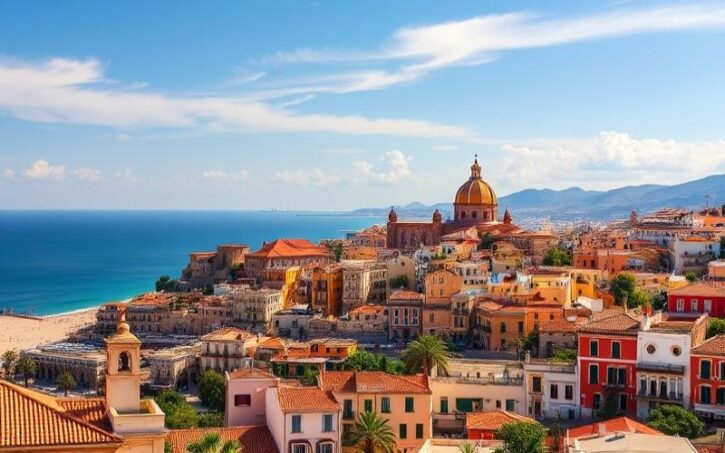
 Published on and written by Cyril Jarnias
Moving to Spain is an exciting adventure, but it requires adapting to a climate quite different from that of France. Whether you settle on the Mediterranean coast, in the Sierra Nevada mountains, or in the heart of the central meseta, the Spanish climate holds its share of surprises and challenges. Here is a comprehensive guide to help you acclimate and fully enjoy your new life under the Iberian sun.
Understanding the Spanish Climate
Spain enjoys a Mediterranean climate across much of its territory, characterized by hot, dry summers and mild winters. However, there are significant regional variations to consider:
- The Mediterranean coast: very hot, dry summers, mild winters with little rainfall
- The center of the country: continental climate with scorching summers and cold winters
- The north: more humid oceanic climate, with more moderate temperatures
- Mountain regions: cold, snowy winters, cooler summers
Average summer temperatures can reach 86°F to 95°F in many regions, with peaks sometimes exceeding 104°F. In winter, the thermometer rarely drops below 32°F on the coast but can fall to 14°F in mountainous areas.
Good to know:
Sunshine in Spain is among the highest in Europe, with over 3000 hours of sun per year in some southern regions.
Implications for Health and Well-being
The Spanish climate can have significant impacts on your health and daily well-being. Here are the main points to watch for:
Heat-Related Risks
The Spanish summer heatwaves can be exhausting, especially for those not acclimated. Heatstroke, dehydration, and sunstroke are real risks not to be overlooked. It’s crucial to adopt good habits upon your arrival:
- Drink plenty of fluids, even if you don’t feel thirsty
- Avoid going out during the hottest hours (between 12 PM and 4 PM)
- Wear light, loose-fitting, light-colored clothing
- Protect yourself from the sun with a hat, sunglasses, and sunscreen
Allergies and Respiratory Issues
The dry climate and air pollution in some major cities can exacerbate allergies and respiratory problems. People with asthma or seasonal allergies need to be particularly vigilant. Consult a local doctor to adjust your treatment if necessary.
Sleep Disorders
The hot summer nights in Spain can disrupt your sleep. Invest in a good air conditioning system or a powerful fan to maintain a comfortable temperature in your bedroom.
Good to know:
The siesta, a well-established tradition in Spain, is not just a cliché! It allows for rest during the hottest hours of the day and helps maintain productivity despite the heat.
Adapting Your Lifestyle to the Spanish Rhythm
The climate strongly influences the pace of life in Spain. To integrate and preserve your health, it’s important to adopt some local habits:
Shifted Schedules
Spaniards tend to live later than in other European countries, mainly to avoid the hottest hours. Lunch is usually between 2 PM and 4 PM, and dinner rarely before 9 PM. Gradually adjust your schedule to enjoy Spanish social life.
Outdoor Activities
Take advantage of the milder morning and evening temperatures for your outdoor activities. Many Spaniards go jogging or exercise early in the morning or after sunset.
Diet and Hydration
Opt for light, hydrating foods during the hot months. Gazpachos, salads, and fresh fruits are valuable allies. Remember to drink regularly, even if you don’t feel thirsty.
Equipping Your Home to Handle the Climate
Your daily comfort will largely depend on how your home is set up. Here are some tips to adapt it to the Spanish climate:
Air Conditioning and Ventilation
A good air conditioning system is almost essential in many regions of Spain. Choose a reversible model that can also serve as heating in winter. If you prefer a more eco-friendly solution, ceiling fans are an excellent alternative.
Insulation
Contrary to popular belief, good insulation is crucial in Spain, both to protect from heat and cold. Check the condition of windows and walls when searching for housing.
Sun Protection
Invest in exterior blinds, shutters, or persianas (typical Spanish rolling shutters) to effectively block heat. Thick curtains or solar films on windows can also make a big difference.
Good to know:
In some regions, traditional houses are built with thick walls and interior patios to naturally maintain a pleasant temperature. Keep this in mind during your housing search.
Preparing for Seasonal Variations
Although Spain is known for its sunny climate, the seasons bring their share of changes to prepare for:
The Scorching Summer
This is the most challenging season for many expatriates. Besides the precautions already mentioned, consider:
- Informing yourself about fire risks in your region
- Checking water quality, which can deteriorate during heatwaves
- Planning refreshing activities (pools, beaches, mountain excursions)
The Surprising Winter
Spanish winters can be harsher than imagined, especially inland. Prepare by:
- Investing in warm, waterproof clothing
- Checking your home’s heating system
- Inquiring about snow and ice risks in your region
The Unpredictable Shoulder Seasons
Spring and autumn can bring rapid weather changes. Always keep an umbrella and a light jacket handy, even in good weather.
Preventing Climate-Related Illnesses
Some health issues are more common in Spain due to the climate. Here’s how to prevent them:
Mosquito-Borne Diseases
The warm climate promotes mosquito proliferation, which can transmit diseases like dengue or West Nile virus. Use repellents and install mosquito nets if necessary.
Dehydration and Digestive Issues
Heat increases the risks of dehydration and gastrointestinal disorders. Be vigilant about food hygiene and regularly drink bottled water if unsure about tap water quality.
Skin Conditions
Prolonged sun exposure can cause severe sunburns and increase the risk of skin cancer. Always protect yourself and have your moles checked regularly.
Good to know:
The Spanish healthcare system is of very high quality. Don’t hesitate to consult a doctor at the first sign of unusual symptoms.
Adapting to the Spanish climate takes time and patience, but the rewards are plentiful. By following these tips and listening to your body, you’ll fully enjoy the Spanish way of life while preserving your health and well-being. Remember that each region has its climatic peculiarities: seek advice from locals and other expatriates for tips specific to your place of residence.
Disclaimer: The information provided on this website is for informational purposes only and does not constitute financial, legal, or professional advice. We encourage you to consult qualified experts before making any investment, real estate, or expatriation decisions. Although we strive to maintain up-to-date and accurate information, we do not guarantee the completeness, accuracy, or timeliness of the proposed content. As investment and expatriation involve risks, we disclaim any liability for potential losses or damages arising from the use of this site. Your use of this site confirms your acceptance of these terms and your understanding of the associated risks.

Cyril Jarnias is an independent expert in international wealth management with over 20 years of experience. As an expatriate himself, he is dedicated to helping individuals and business leaders build, protect, and pass on their wealth with complete peace of mind.
On his website, cyriljarnias.com, he shares his expertise on international real estate, offshore company formation, and expatriation.
Thanks to his expertise, he offers sound advice to optimize his clients' wealth management. Cyril Jarnias is also recognized for his appearances in many prestigious media outlets such as BFM Business, les Français de l’étranger, Le Figaro, Les Echos, and Mieux vivre votre argent, where he shares his knowledge and know-how in wealth management.





