

 Published on and written by Cyril Jarnias
Real estate investment in France remains an attractive option for both domestic and international investors in 2025. Despite recent economic fluctuations, the French property market continues to demonstrate its resilience and growth potential. In this article, we will explore the reasons for investing in French real estate, current price trends, available housing types, the most attractive areas, as well as practical aspects for foreign investors.
Discover other articles about French real estate potential:
Tours currently checks a lot of boxes for a real estate investor: a university and tourist city, a very tight [...]
Metz now ticks many of the boxes for a sound real estate investment: university city, cross-border economic hub, still affordable [...]
Purchasing a seaside property in France is a dream for many investors and individuals. Whether for a second home or [...]
Saint-Maur-des-Fossés holds a unique place in the Île-de-France real estate landscape. Nestled in a bend of the Marne River, about [...]
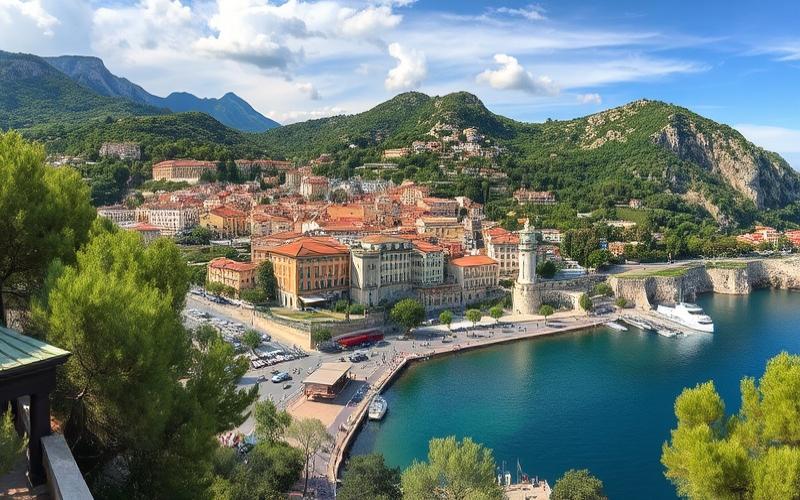
France, a world-renowned tourist destination, offers fertile ground for real estate investors looking to venture into seasonal rentals. With its [...]
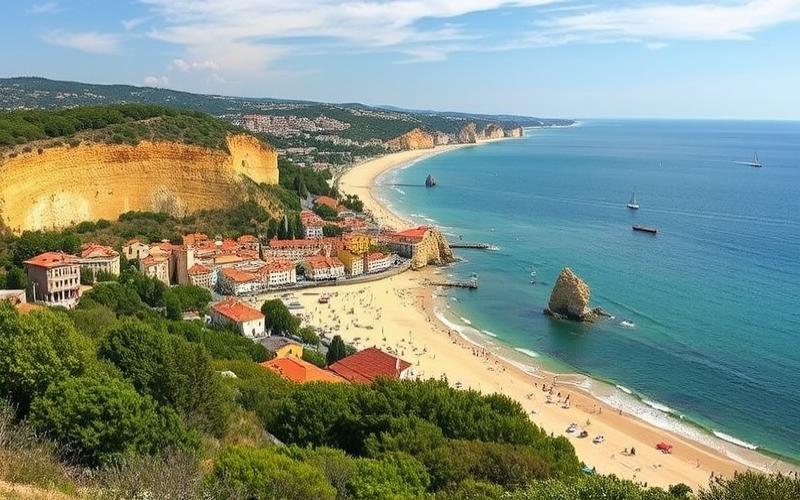
France, with its timeless charm and geographical diversity, continues to attract investors worldwide seeking second homes. In 2025, the French [...]
Quimper is checking more and more boxes for investors: a city of art and history, a dynamic prefecture of Finistère, [...]
Just five kilometers from the heart of the capital, nestled along the banks of the Seine, Ivry-sur-Seine is undergoing a [...]
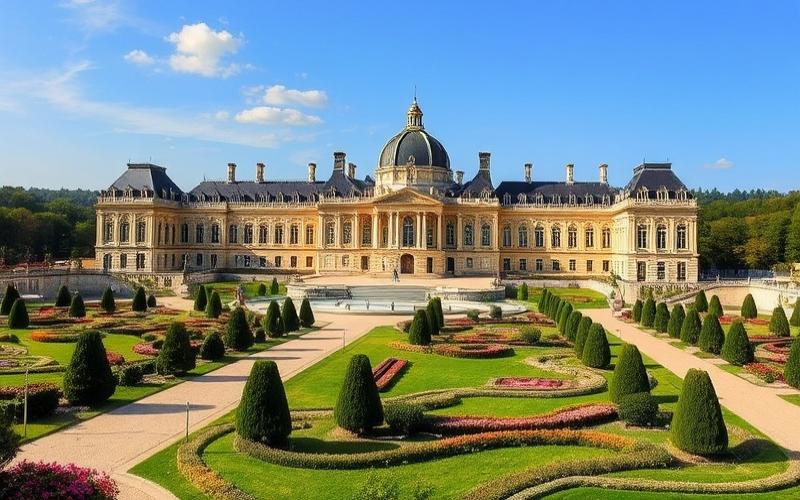
Investing in real estate in Versailles means betting on a city unique in France: a tight, highly sought-after market, high [...]
Mulhouse is back on investors’ radar. Long associated with deindustrialization and an image of insecurity, the city in the Haut-Rhin [...]
Strasbourg checks nearly every box for being a real estate star pupil: European capital, major university hub, extremely tight rental [...]
Nestled at the foot of the Vercors, Chartreuse, and Belledonne mountain ranges, Grenoble has established itself as one of France’s [...]
Reims is ticking more and more boxes for investors: 45 minutes from Paris by TGV, a large student population, a [...]
Investing in real estate in Brest is no longer an exotic gamble. Between a rapidly transforming maritime metropolis, square meter [...]
Long seen as a somewhat peripheral industrial city, the capital of Sarthe is changing its image in the eyes of [...]
Annecy ticks practically all the boxes for a good real estate investment: a highly sought-after city, a postcard-perfect setting between [...]
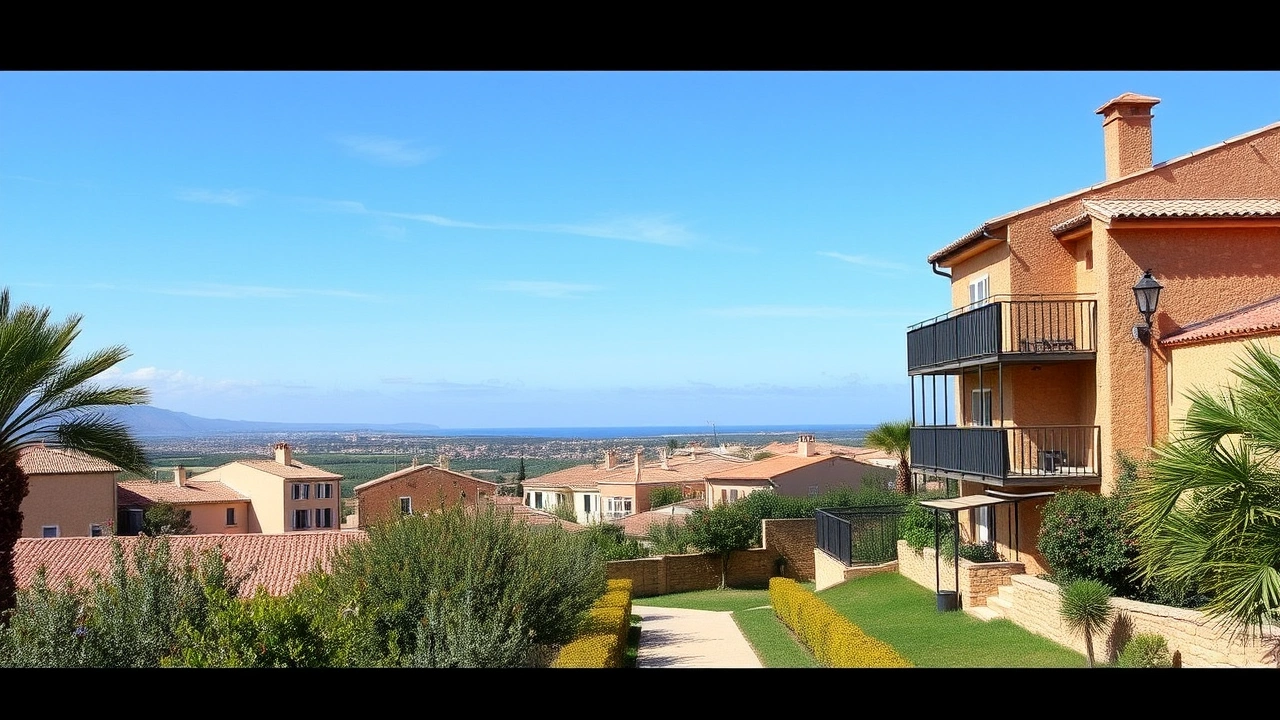
Perpignan is checking more and more boxes on the real estate investment map. A southern city with still reasonable prices, [...]
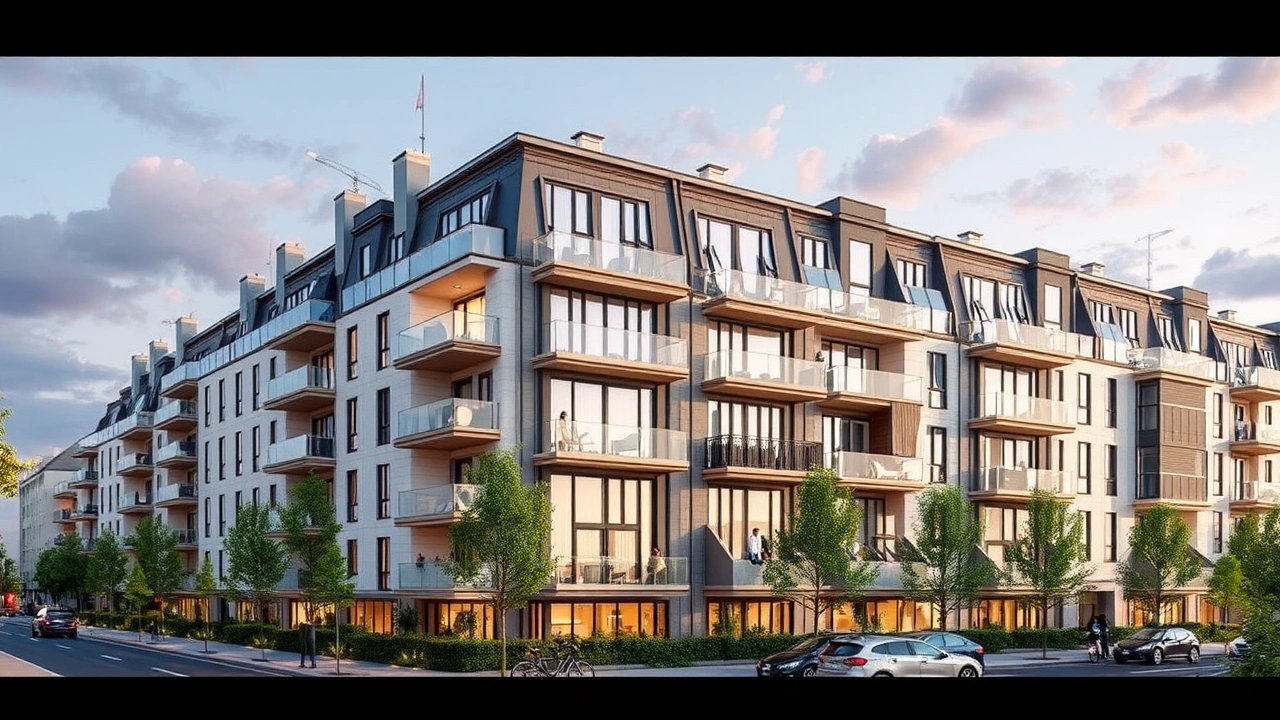
Courbevoie has established itself as one of the most strategic real estate markets in the Paris region. Adjacent to the [...]
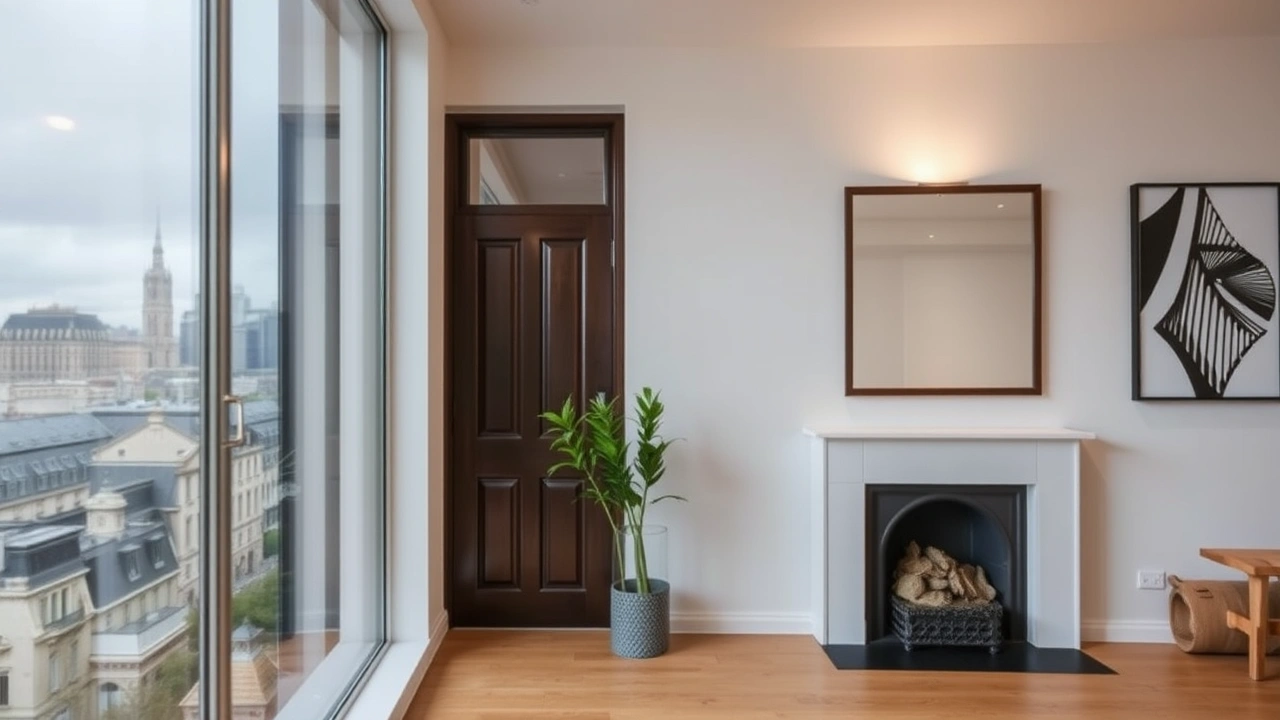
Rouen is no longer just the “city of a hundred bell towers” immortalized by Monet. As the capital of Normandy, [...]
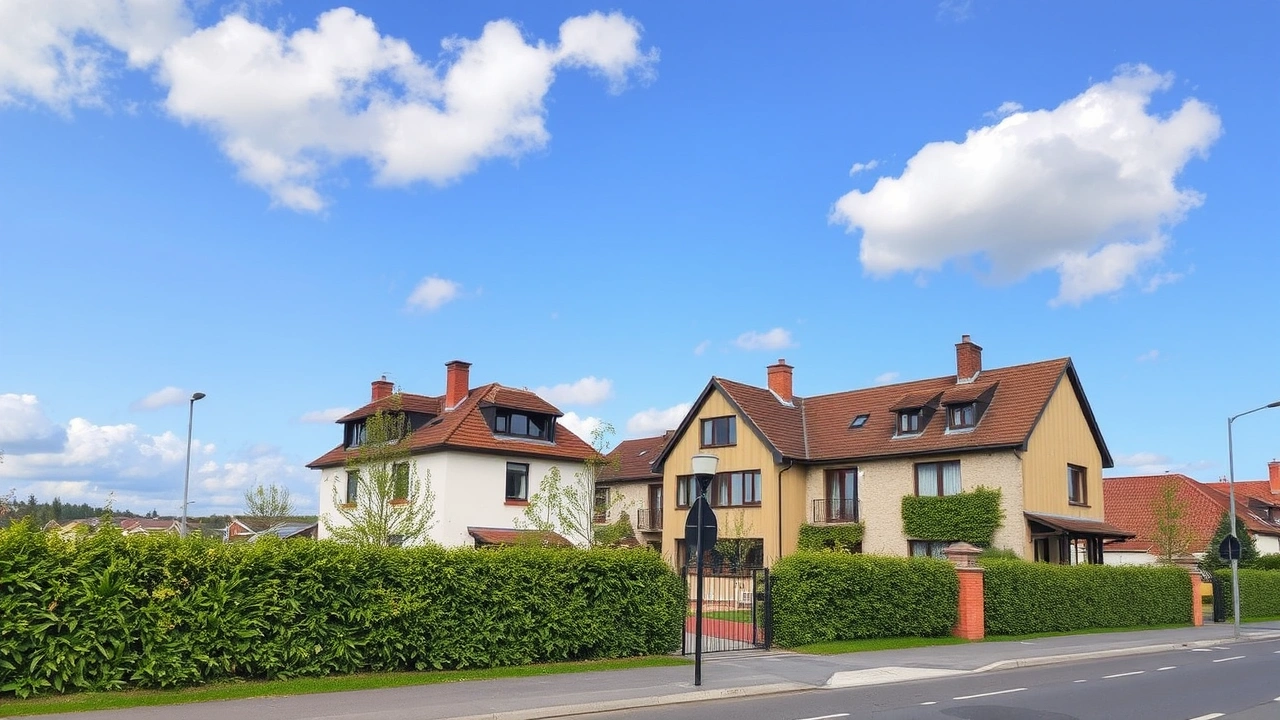
Tourcoing is no longer just that former textile town squeezed between Lille and the Belgian border. Over a decade, the [...]
Créteil ticks many of the boxes sought by investors in the Paris region: a major university town, prices that are [...]
Long in the shadow of Lille, the port city of Dunkerque is gradually establishing itself as one of the most [...]
Cherbourg-en-Cotentin currently ticks many of the boxes sought by investors: a dynamic port city, still accessible prices, solid rental yields, [...]
In the south of Reunion Island, Saint-Pierre has established itself as the “capital of the South,” serving as both a [...]
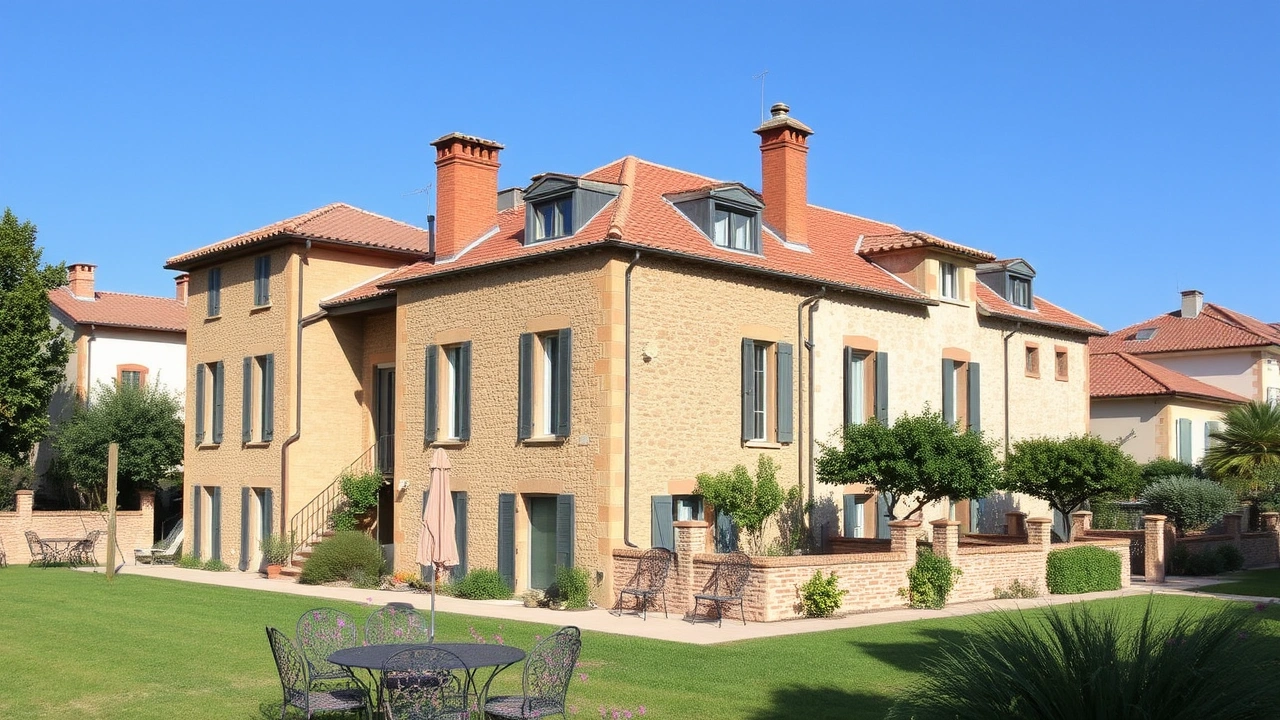
Long overlooked by investors in favor of Montpellier or Toulouse, the city of Béziers is making a comeback on the [...]
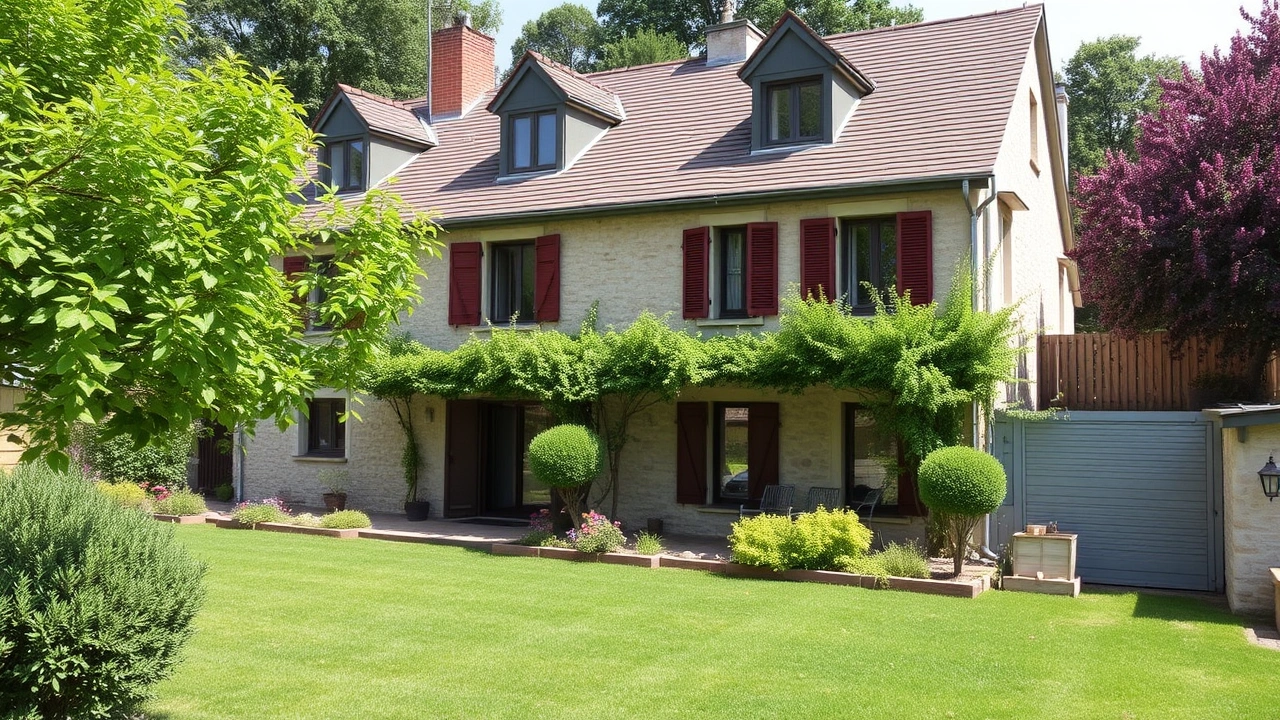
Choosing to settle or invest in Pau means betting on a mid-sized city with high returns, a rare quality of [...]
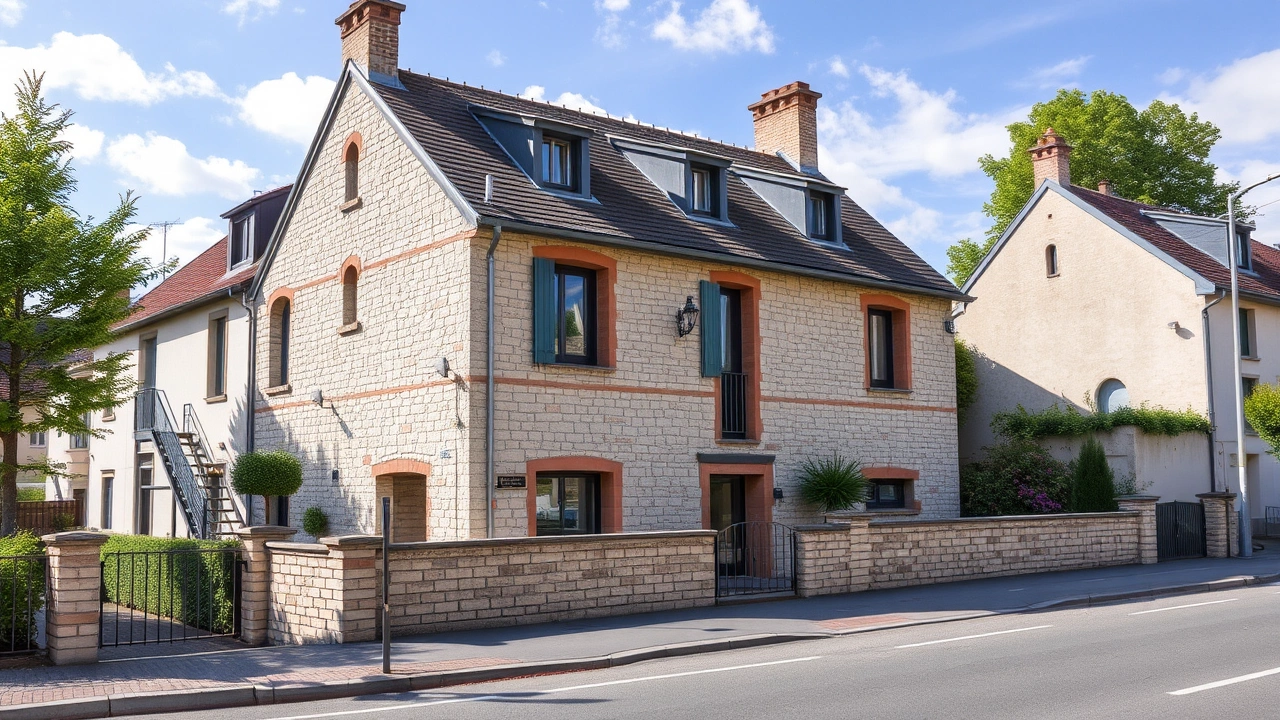
Choosing to invest in real estate in Mérignac means betting on a city that combines population growth, economic strength, and [...]
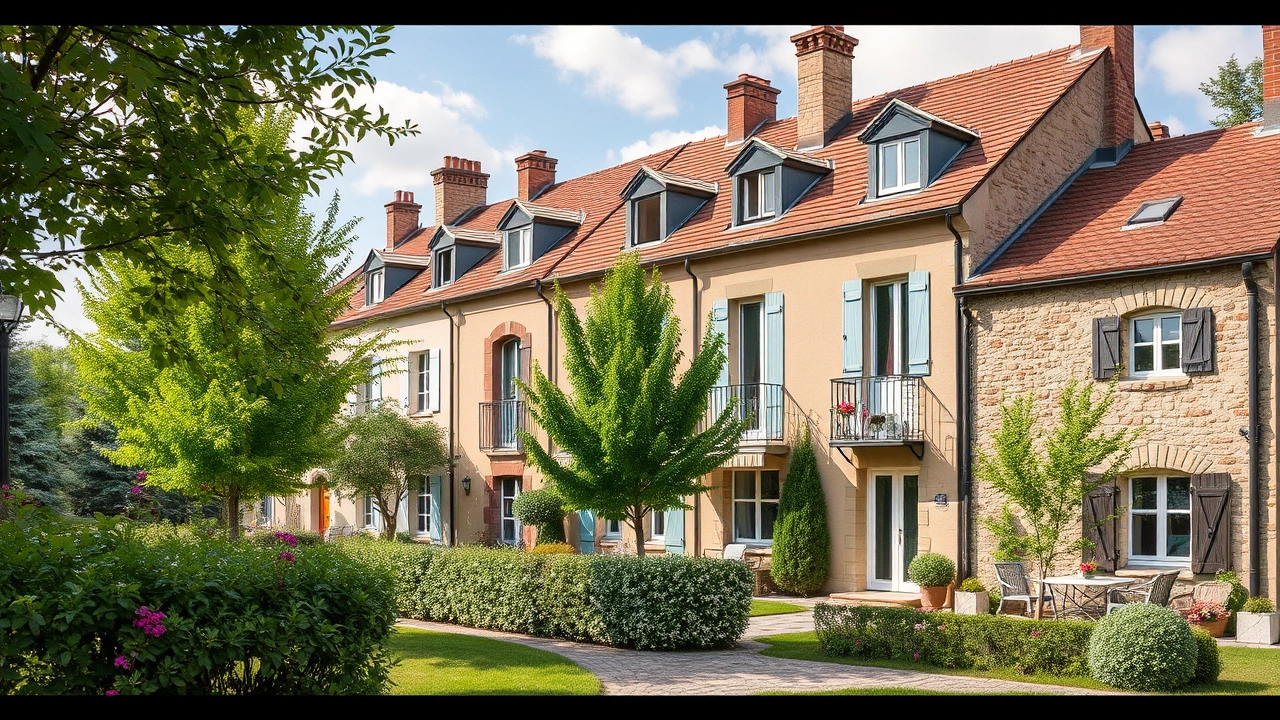
Cergy checks many of the boxes sought by investors: a young, university city, very well-connected to Paris, a tight rental [...]
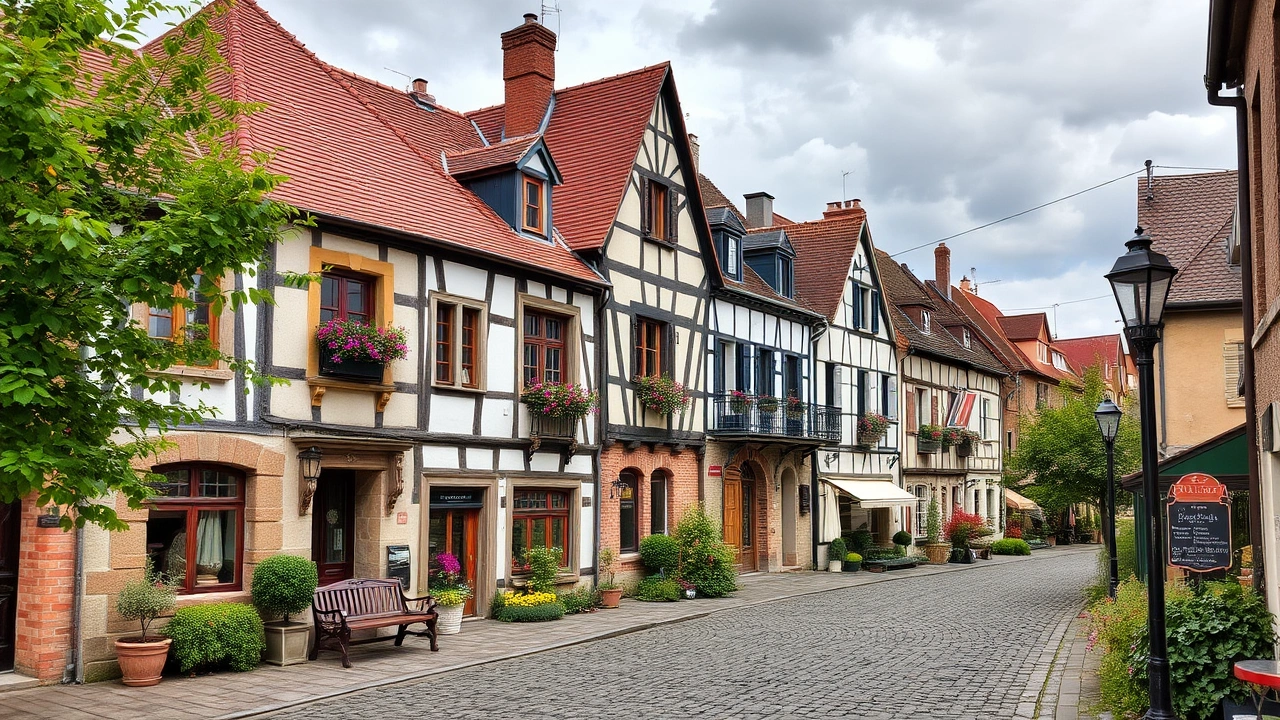
Investing in real estate in Colmar is not just betting on an Alsatian postcard. It’s entering a tight, highly touristic [...]
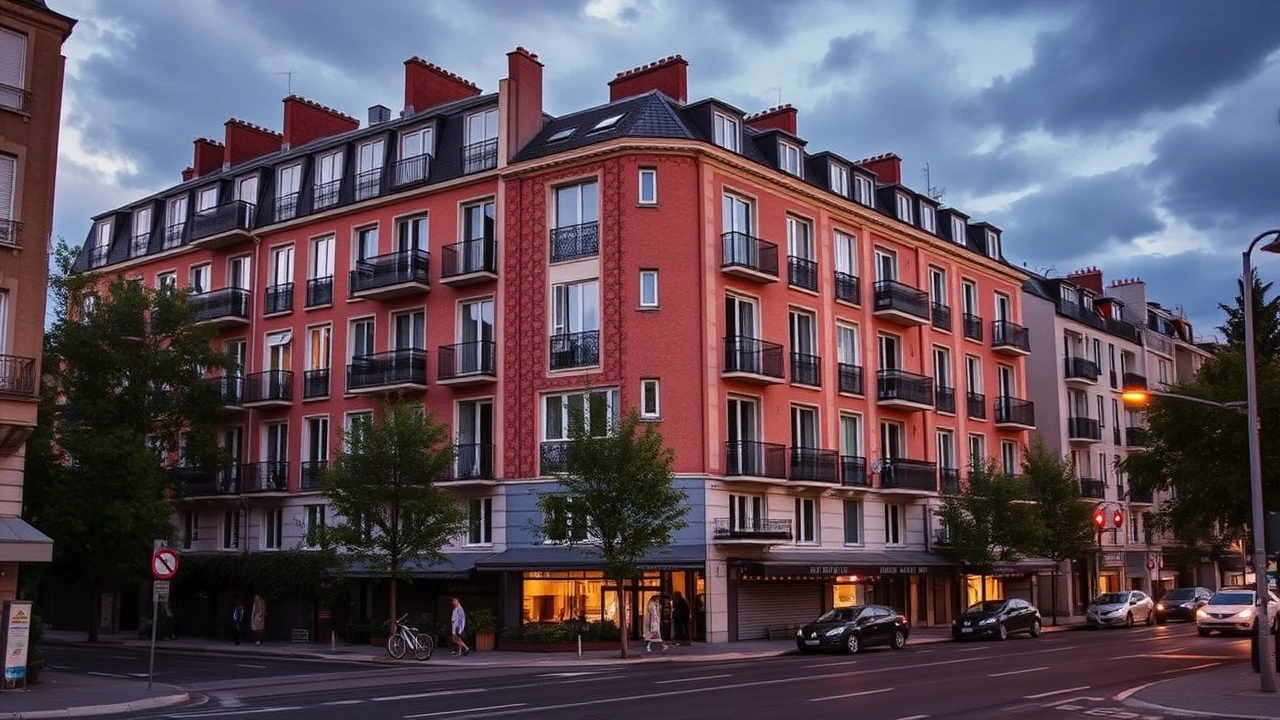
Located at the gates of Paris in the Hauts-de-Seine department, Clichy combines many of the features investors are looking for [...]
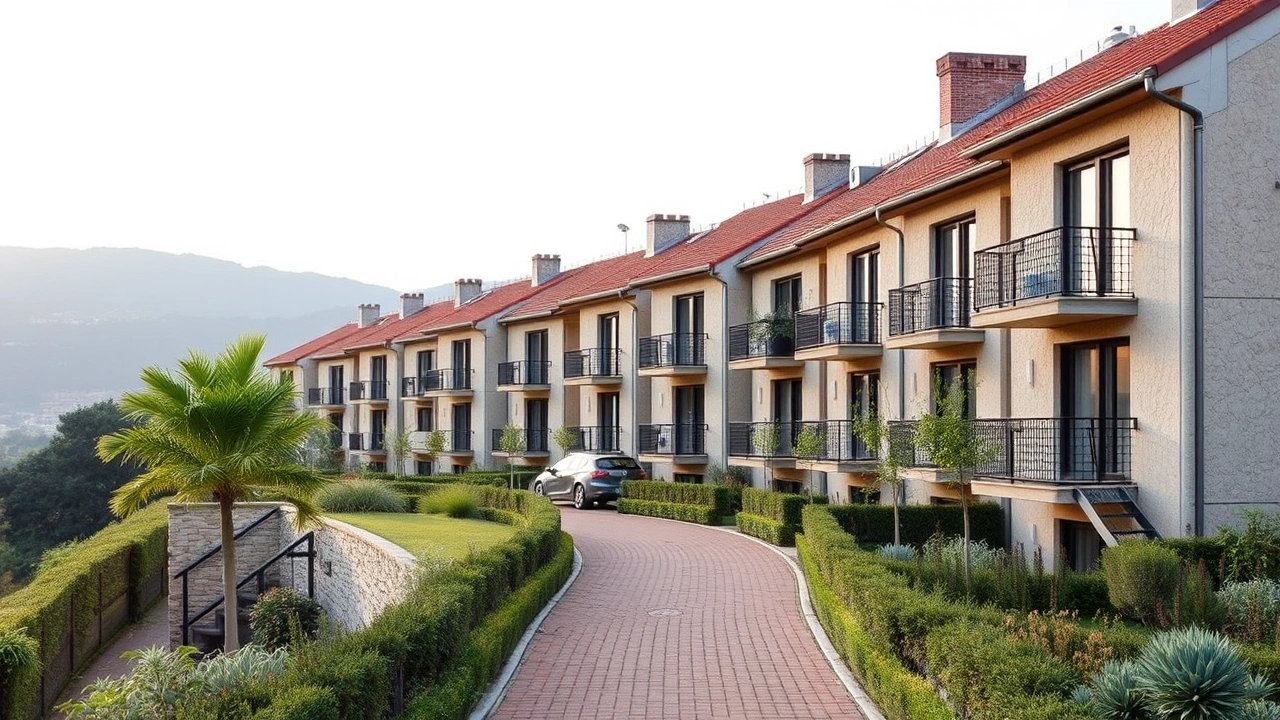
Antony checks many of the boxes investors look for: immediate proximity to Paris, an excellent transport network, strong rental demand, [...]
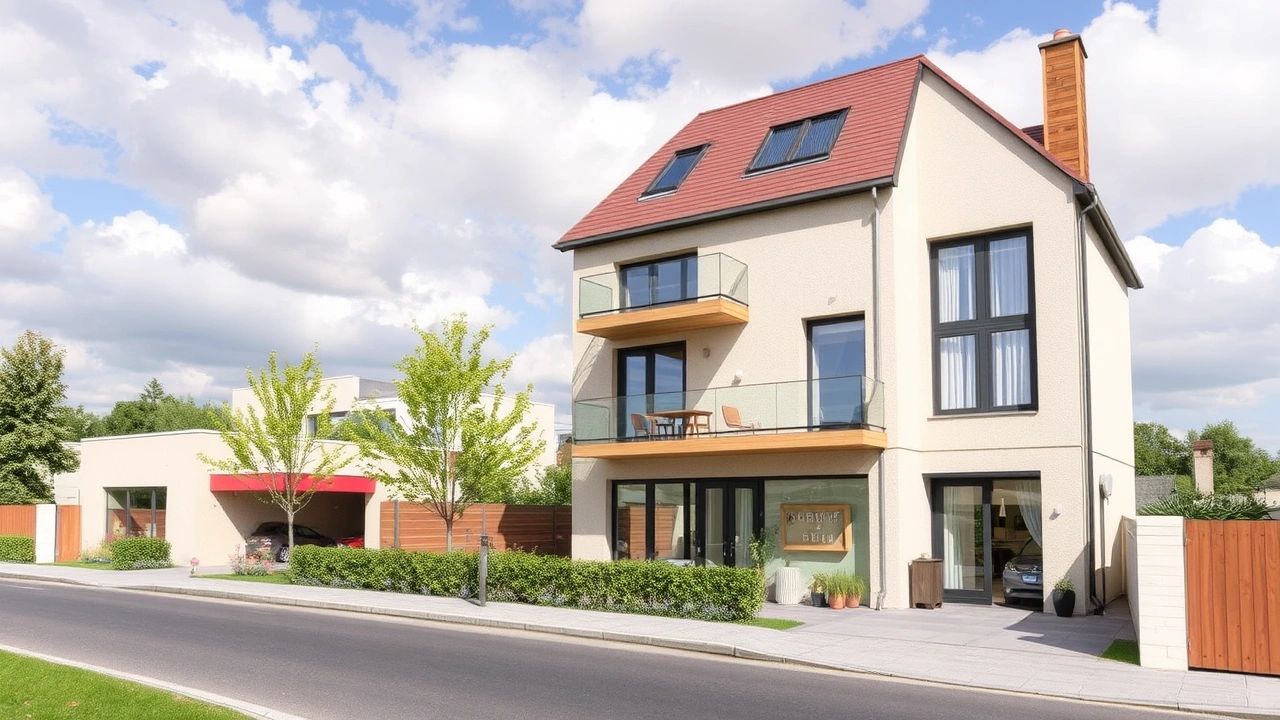
Sandwiched between Lille and Roubaix, at the heart of the European Metropolis of Lille, Villeneuve-d’Ascq has established itself in just [...]
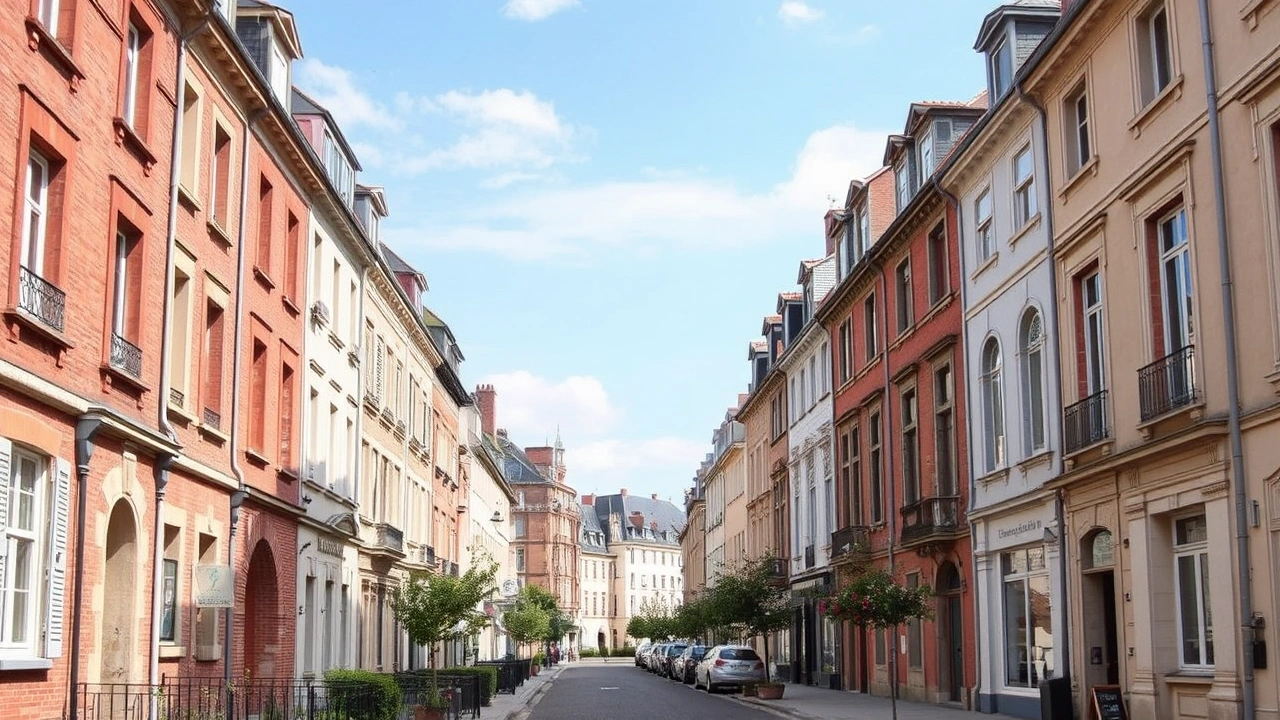
Investing in real estate in Troyes is attracting a growing number of individuals, both local and from outside the region. [...]
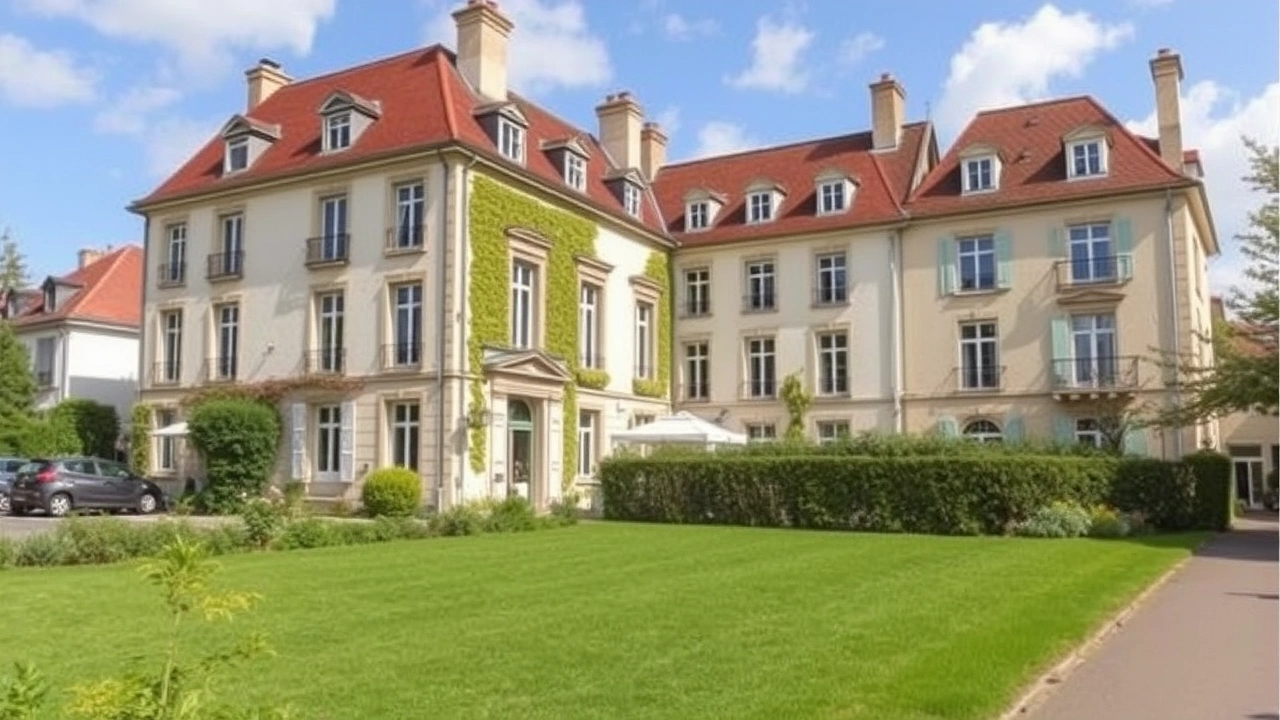
Nestled between the Bois de Boulogne and western Paris, Neuilly-sur-Seine is part of that real estate market people speak of [...]
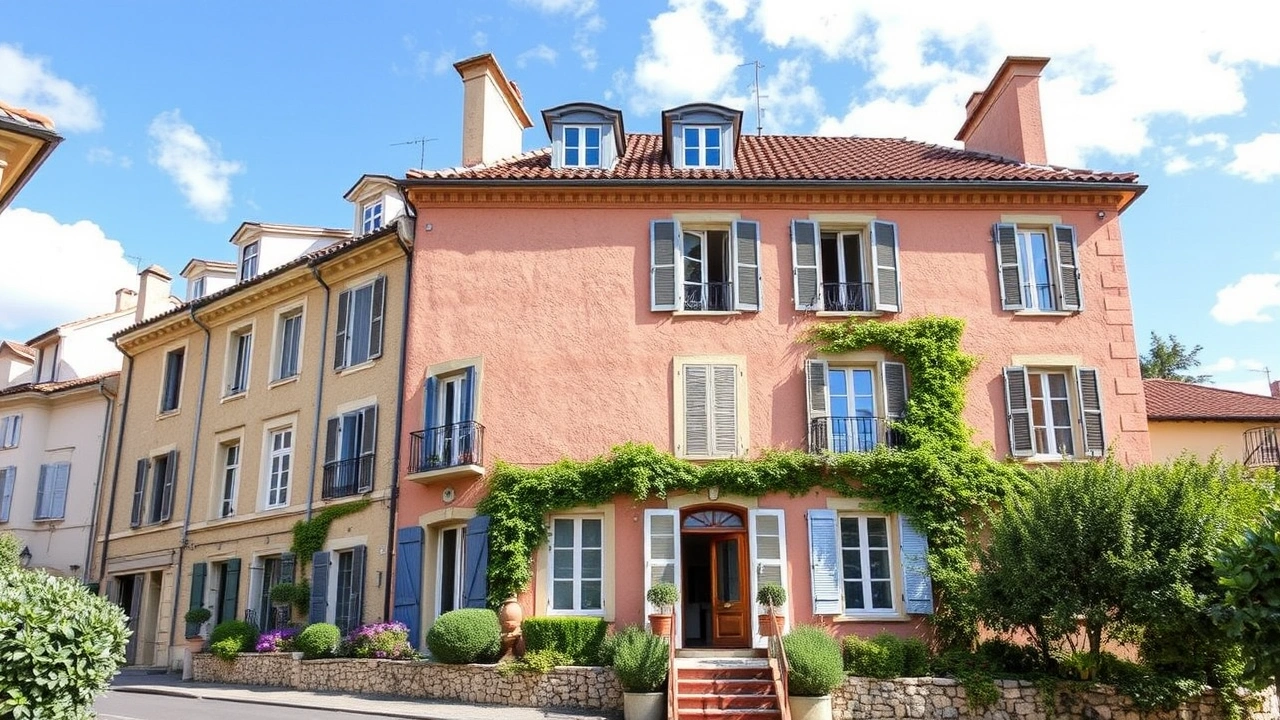
Investing in real estate in Aix-en-Provence isn’t just about buying a few square meters in a sunny city. It’s entering [...]

Investing in Parisian Real Estate is as fascinating as it is intimidating. High prices, dense regulations, housing pressure, and the [...]
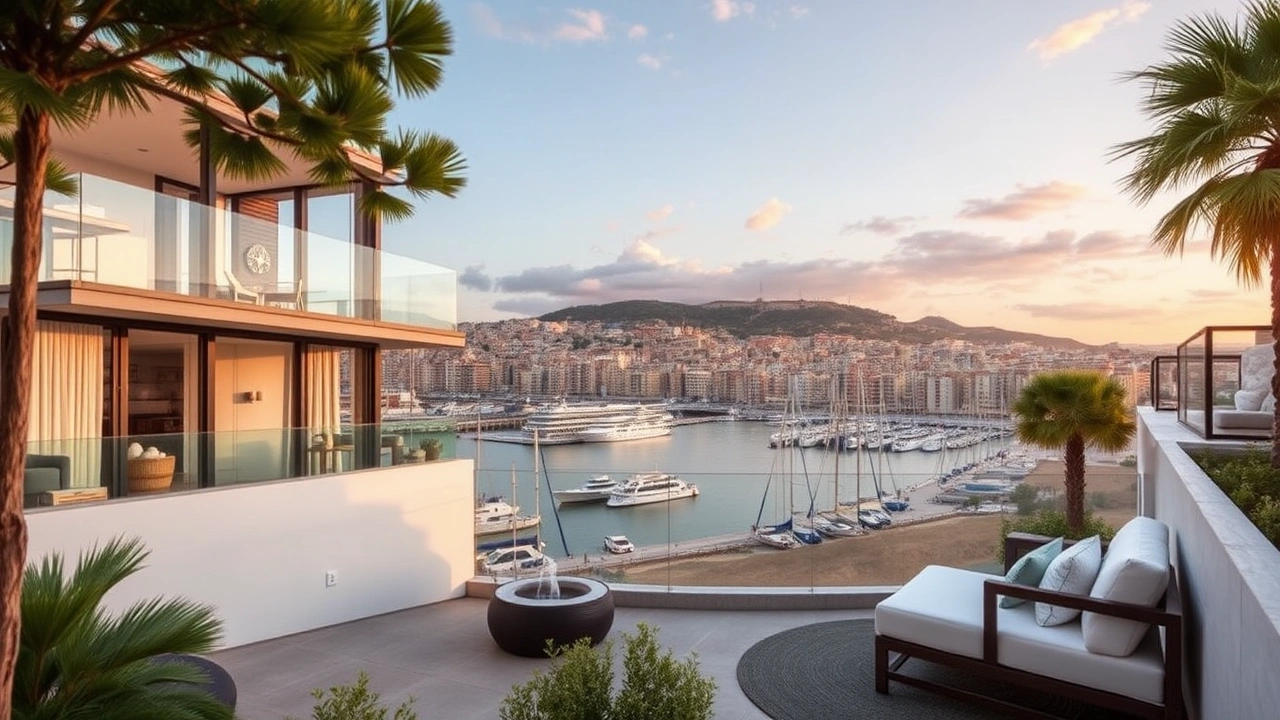
Marseille is changing its category. Long perceived as a city “lagging behind” Paris, Lyon, or Nice, France’s second-largest city is [...]
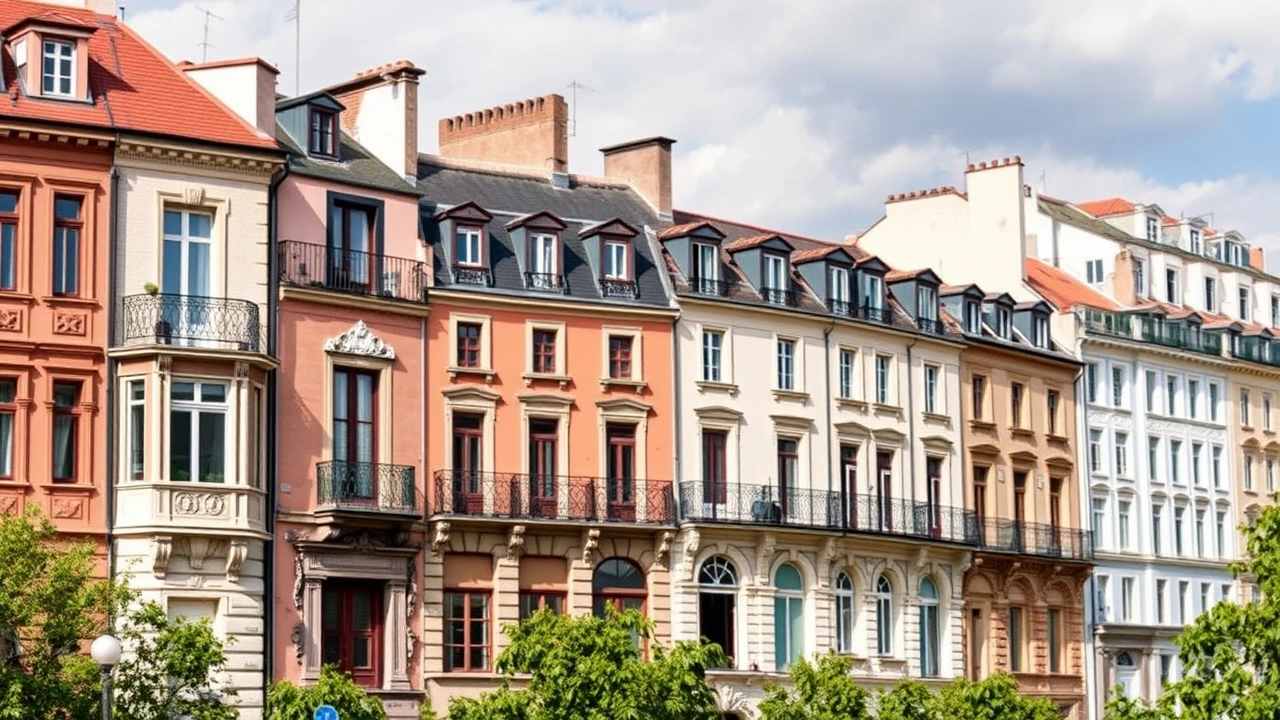
Investing in Lyon real estate means betting on France’s third-largest city, at the heart of the country’s second-largest economic region, [...]
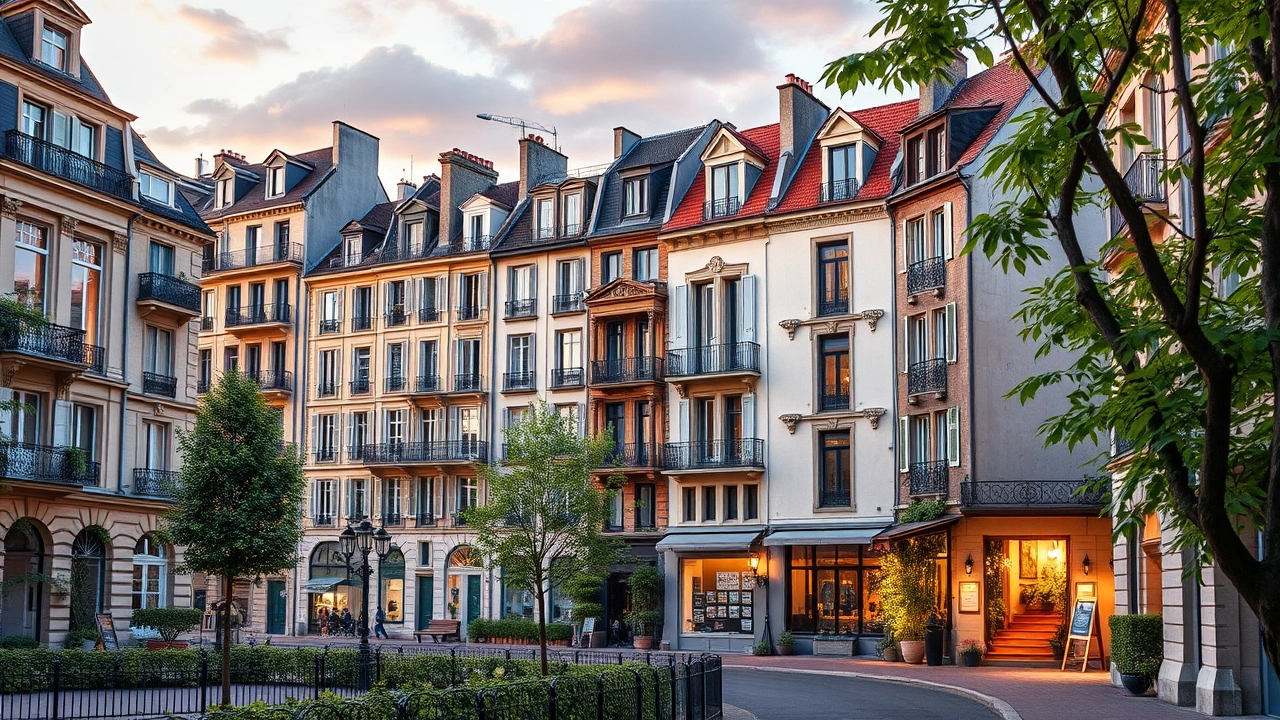
Nantes has established itself in just a few years as one of the preferred playgrounds for real estate investors. As [...]
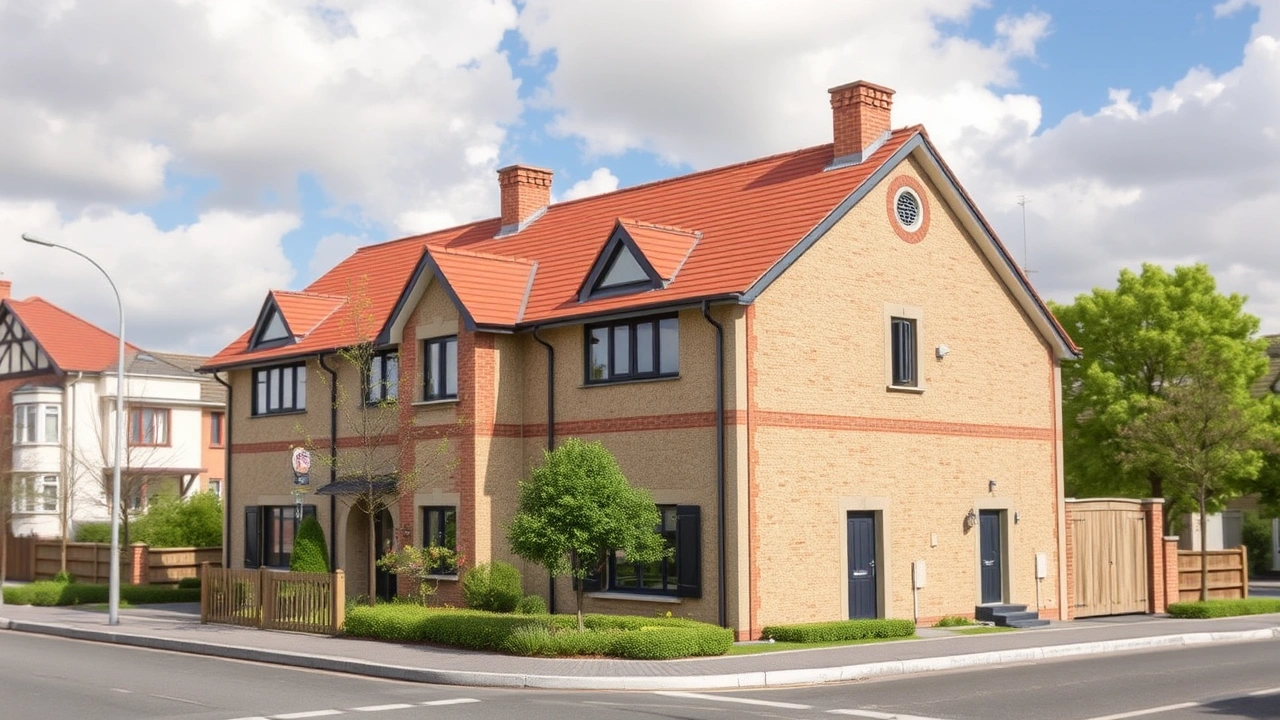
Saint-Étienne is one of those major French cities where the numbers defy conventional wisdom. While the national average exceeds €2,900/m², [...]
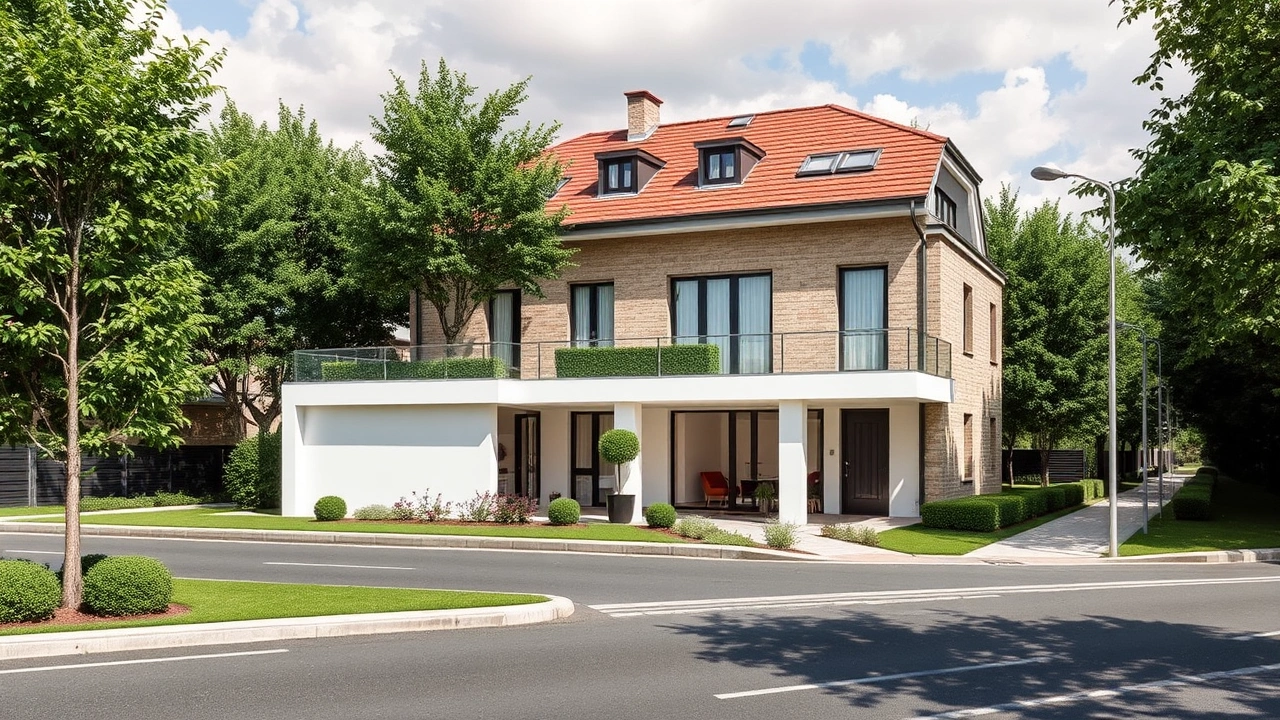
Villeurbanne is no longer the quiet little neighbor of Lyon. With over 150,000 inhabitants, a growing population, a major university [...]
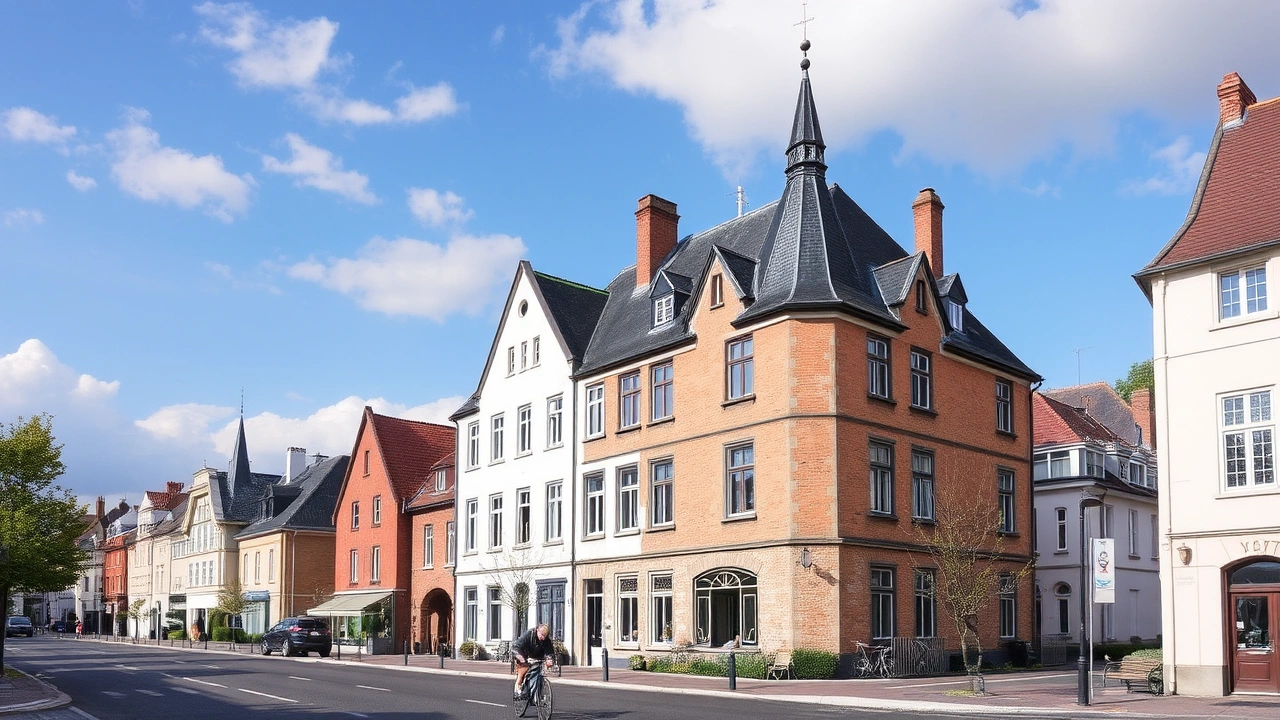
Angers has long been a “good idea” for investment. Today, the question is no longer whether the city is attractive, [...]
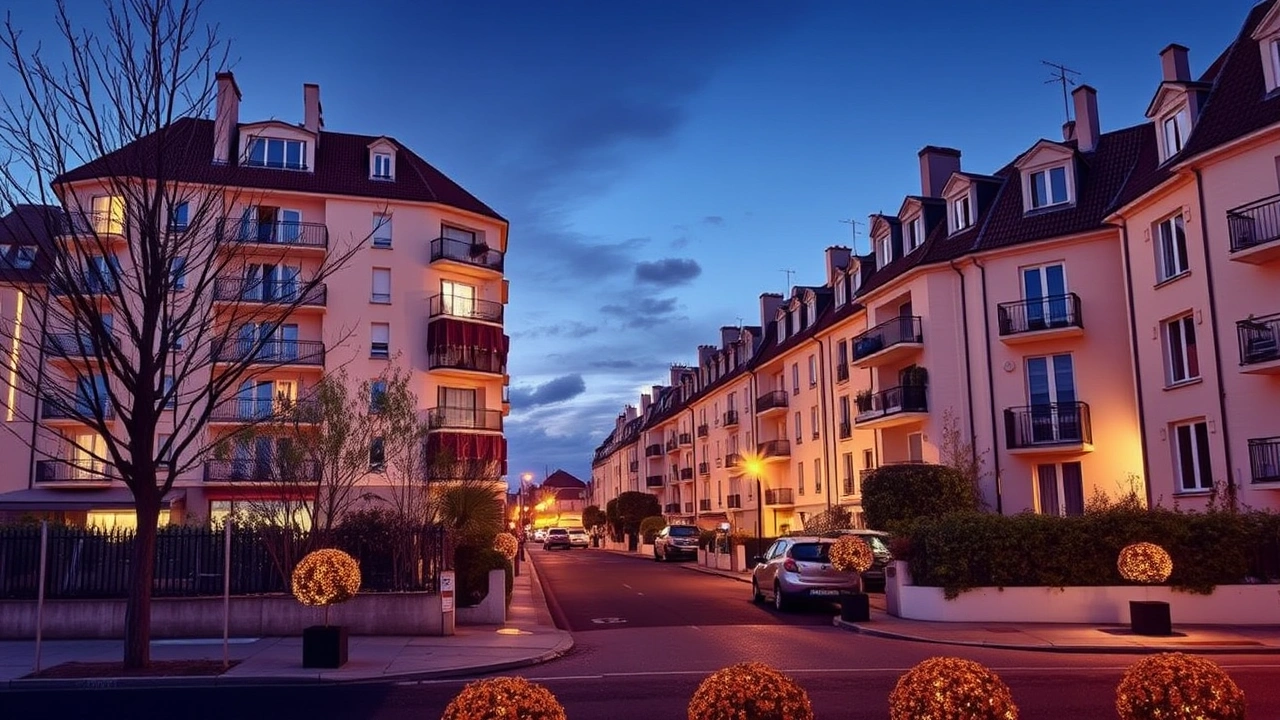
Saint-Denis has established itself in just a few years as one of the most promising playgrounds for real estate investors, [...]
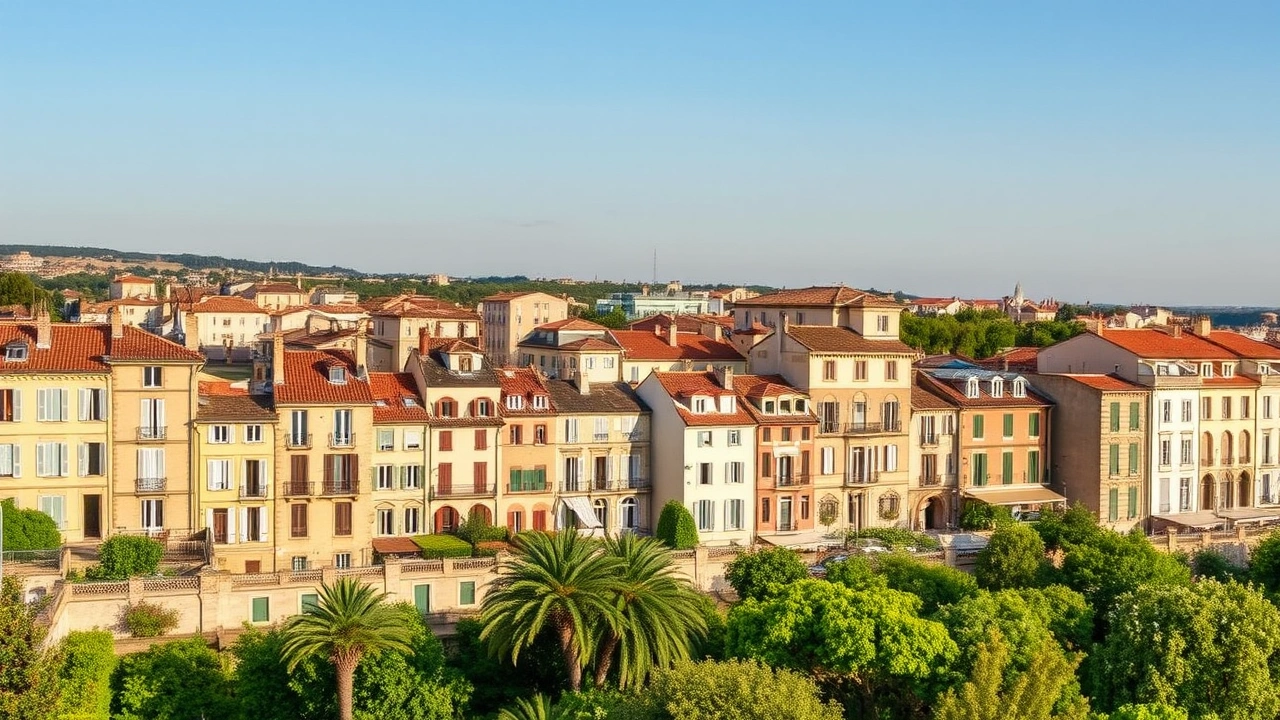
Investing in Real Estate in Nîmes is no longer an exotic gamble. The city ticks all the boxes investors look [...]
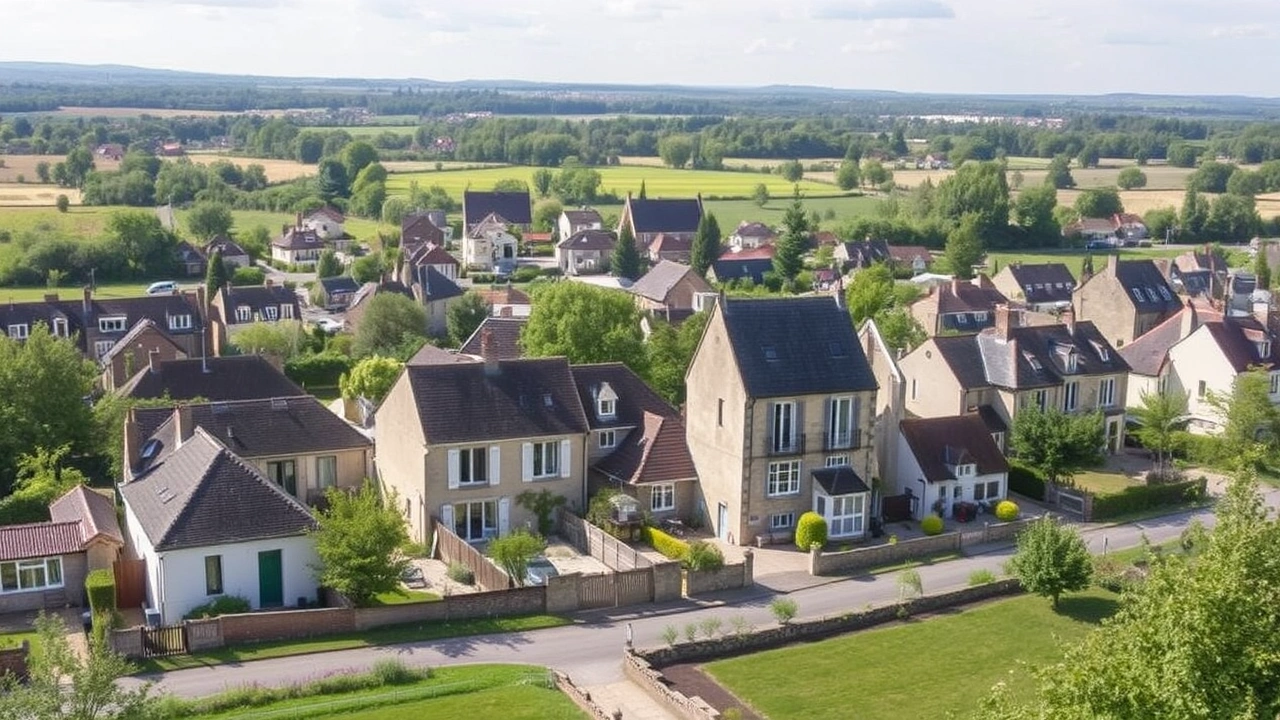
Niort is ticking more and more boxes on investors’ radars. As the capital of the Deux-Sèvres department, the French capital [...]
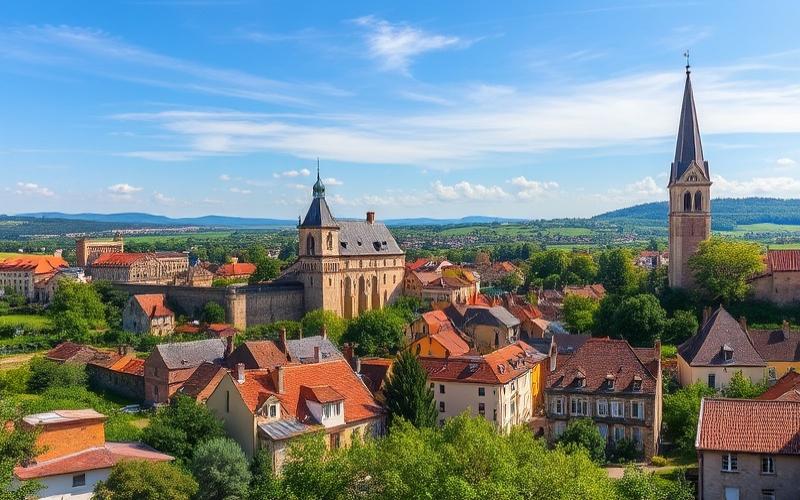
Montauban is increasingly appearing on the radar of real estate investors: still affordable prices, above-average rental yields, a tight rental [...]
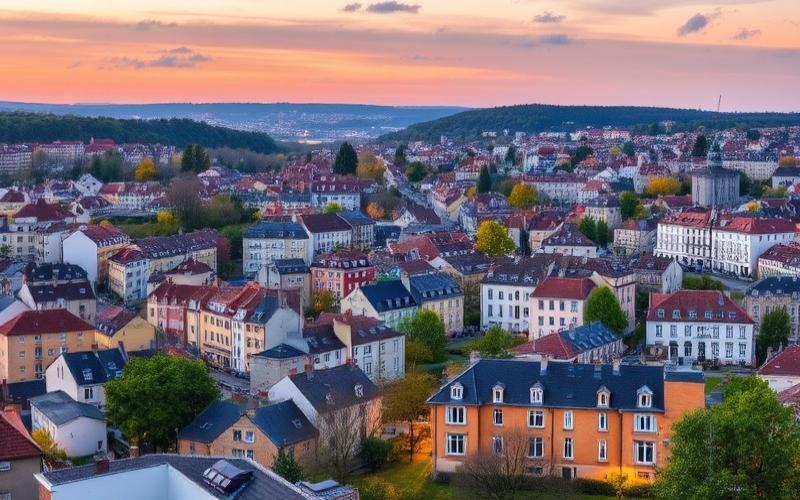
A symbol of post-war large housing estates, long reduced to its clichés of a tough suburb, Sarcelles is changing its [...]
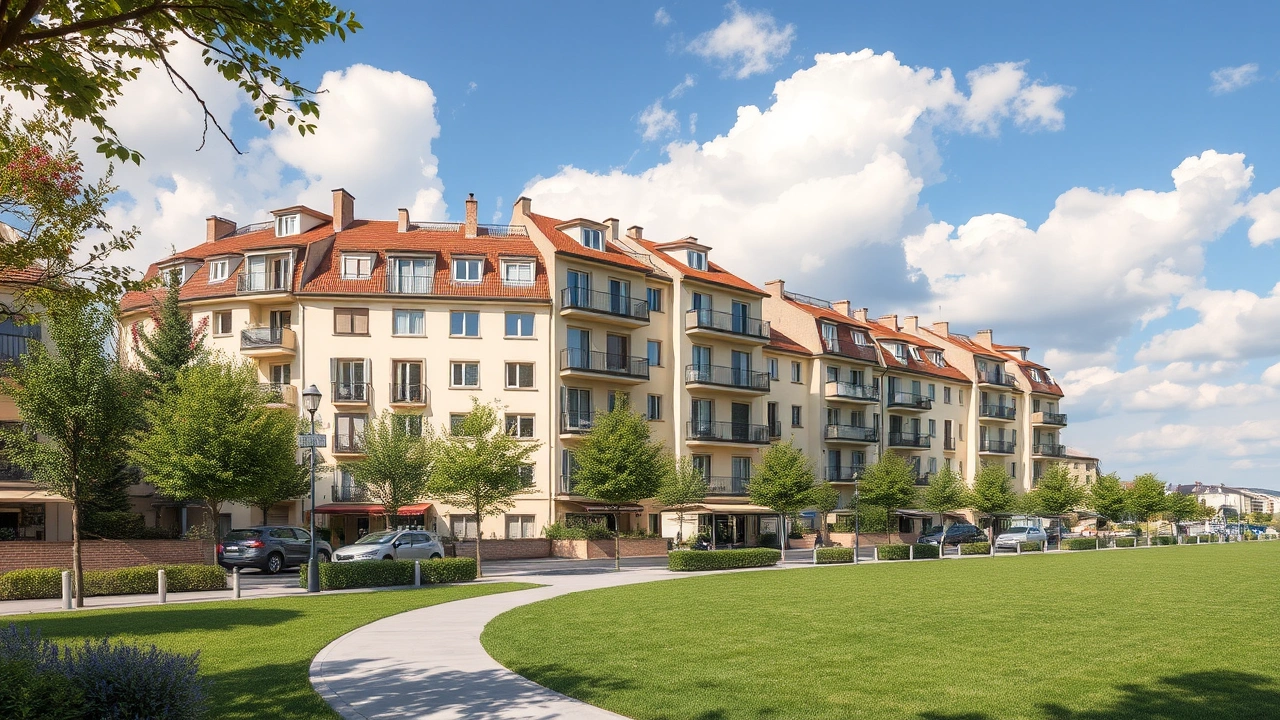
Located just minutes from the capital’s center, on the banks of the Ourcq Canal, Pantin has established itself over a [...]
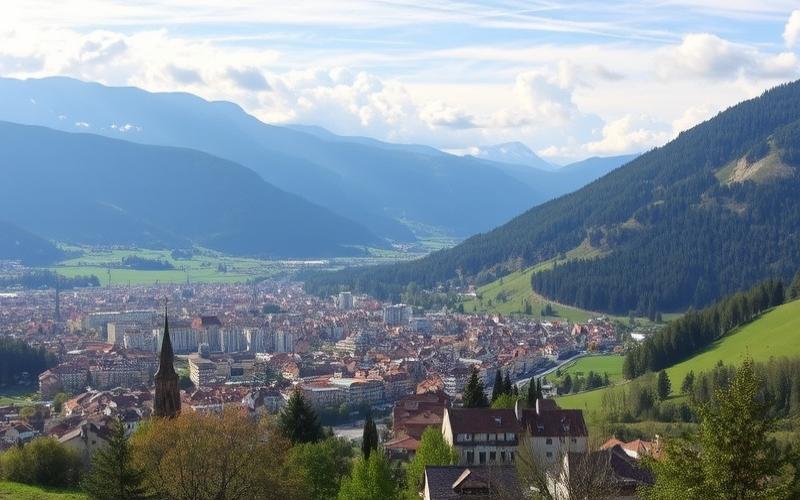
Investing in real estate in Chambéry is no longer a speculative bet. The capital of Savoy now ticks almost every [...]
Just minutes from Paris, with prices still well below those of the capital and a metro system undergoing a full [...]
Investing in real estate in Le Blanc-Mesnil, long considered a working-class suburb of Seine-Saint-Denis, is no longer an exotic gamble. [...]
At first glance, investing in real estate in Cayenne might seem exotic: capital of an Amazonian territory, tropical climate, Atlantic [...]
Situated between Paris, Neuilly-sur-Seine, Clichy, and Courbevoie, Levallois-Perret ticks almost every box for a “premium” Île-de-France town: on the doorstep [...]
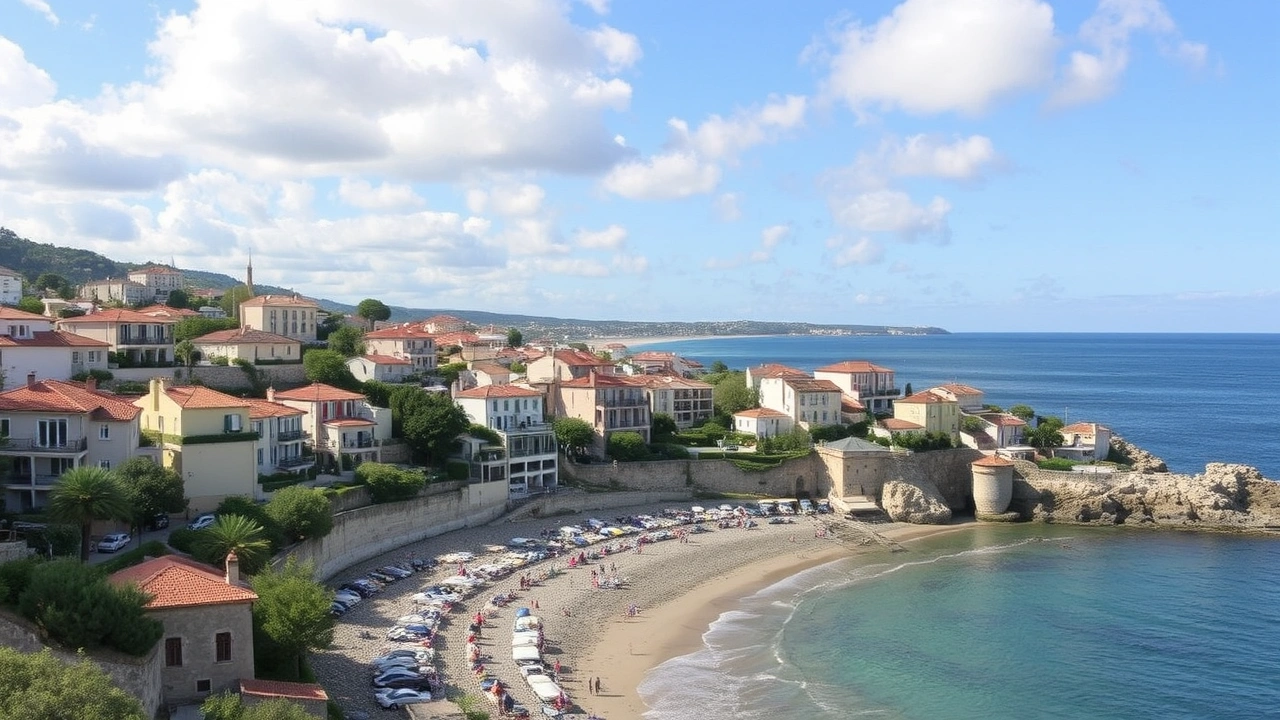
Situated facing the Toulon roadstead, in the heart of the French Riviera, La Seyne-sur-Mer long lived to the rhythm of [...]
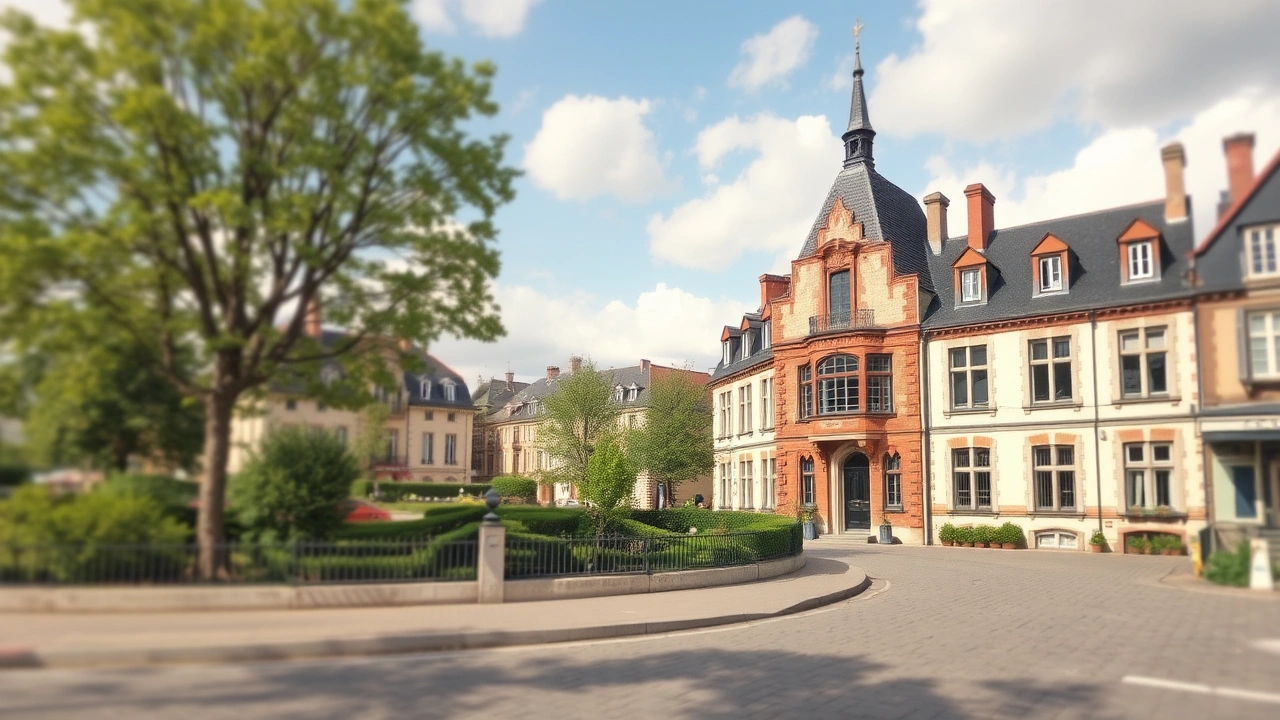
Investing in Real Estate in Bourges is attracting more and more savers seeking returns without paying big-city prices. Between UNESCO [...]
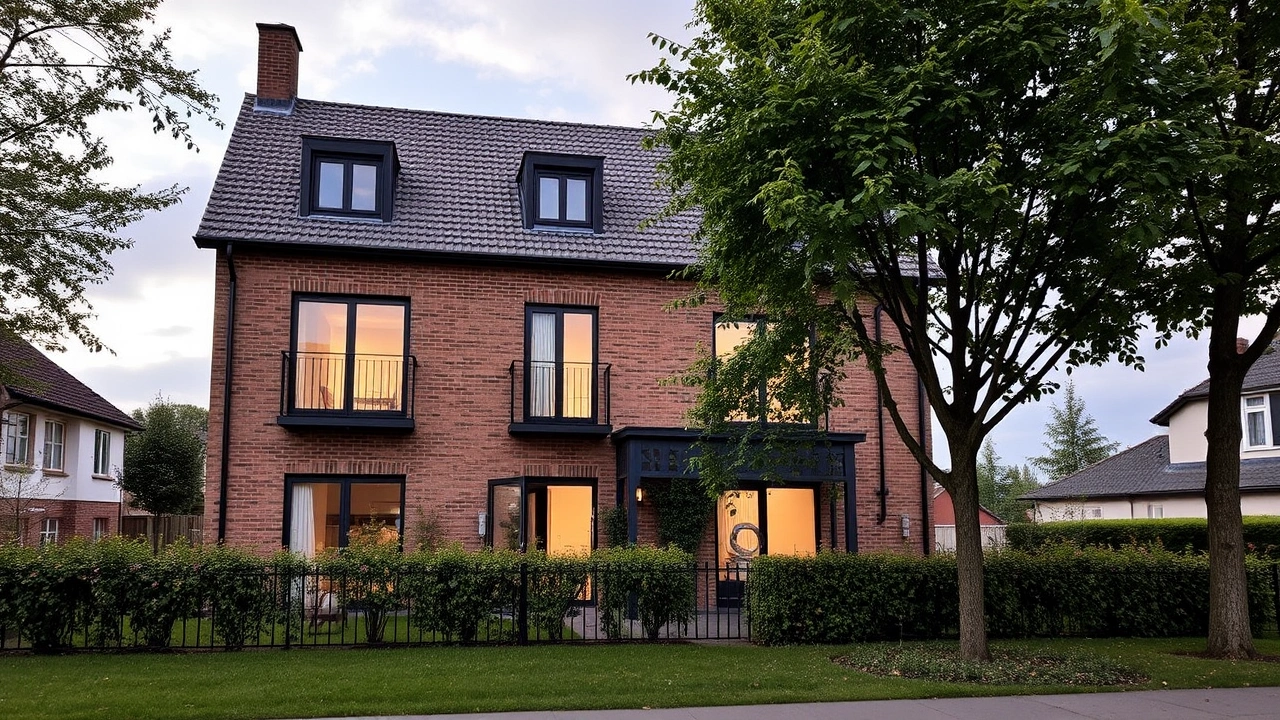
Located a few kilometers from the capital, integrated into the Greater Paris Metropolis, and crossed by major urban projects, the [...]
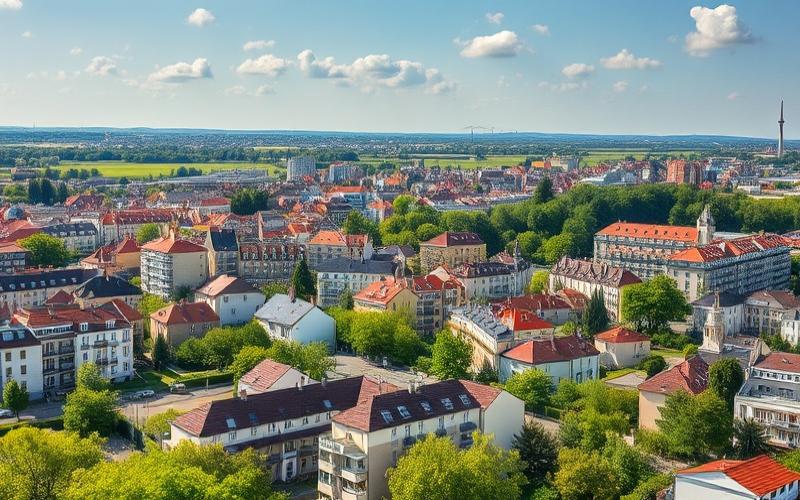
Investing in real estate in Nanterre is no longer just a bet on a suburb close to Paris. It’s stepping [...]
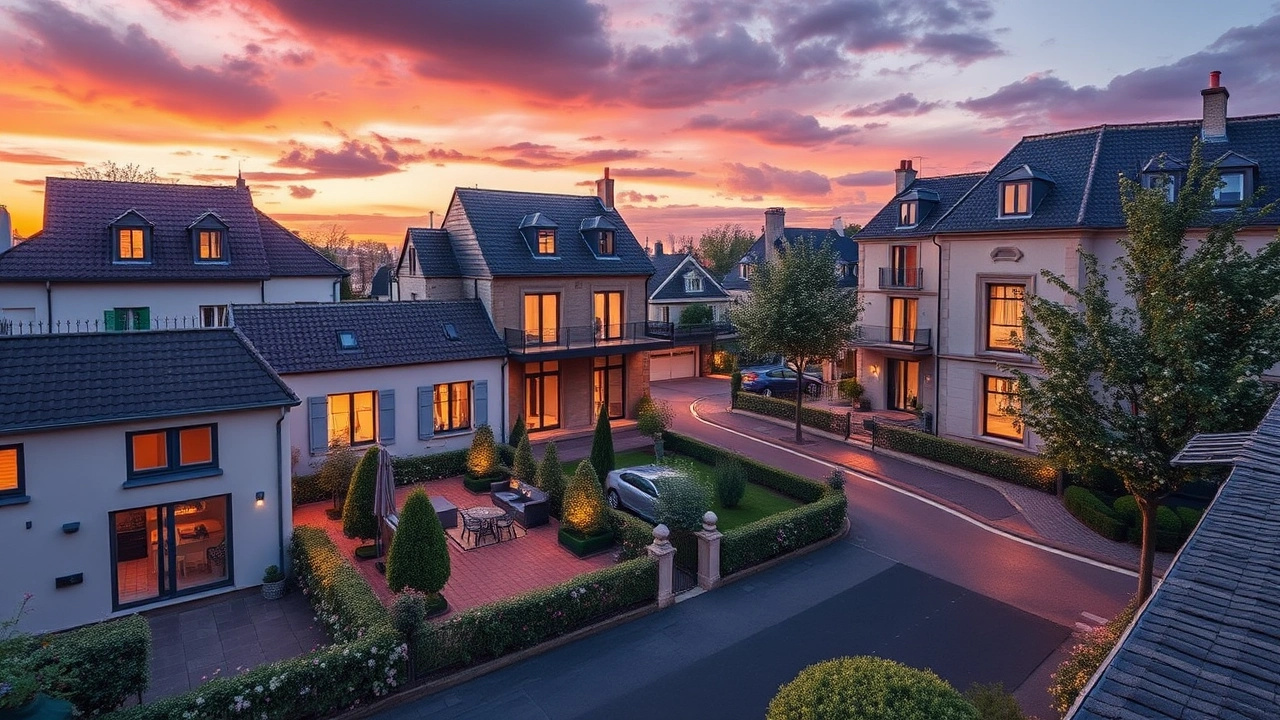
Just a few metro stops from Part-Dieu, investing in real estate in Vénissieux is attracting more and more investors looking [...]

Évry-Courcouronnes has long been seen as a “new town” in the outer suburbs of Paris, practical for commuting to the [...]
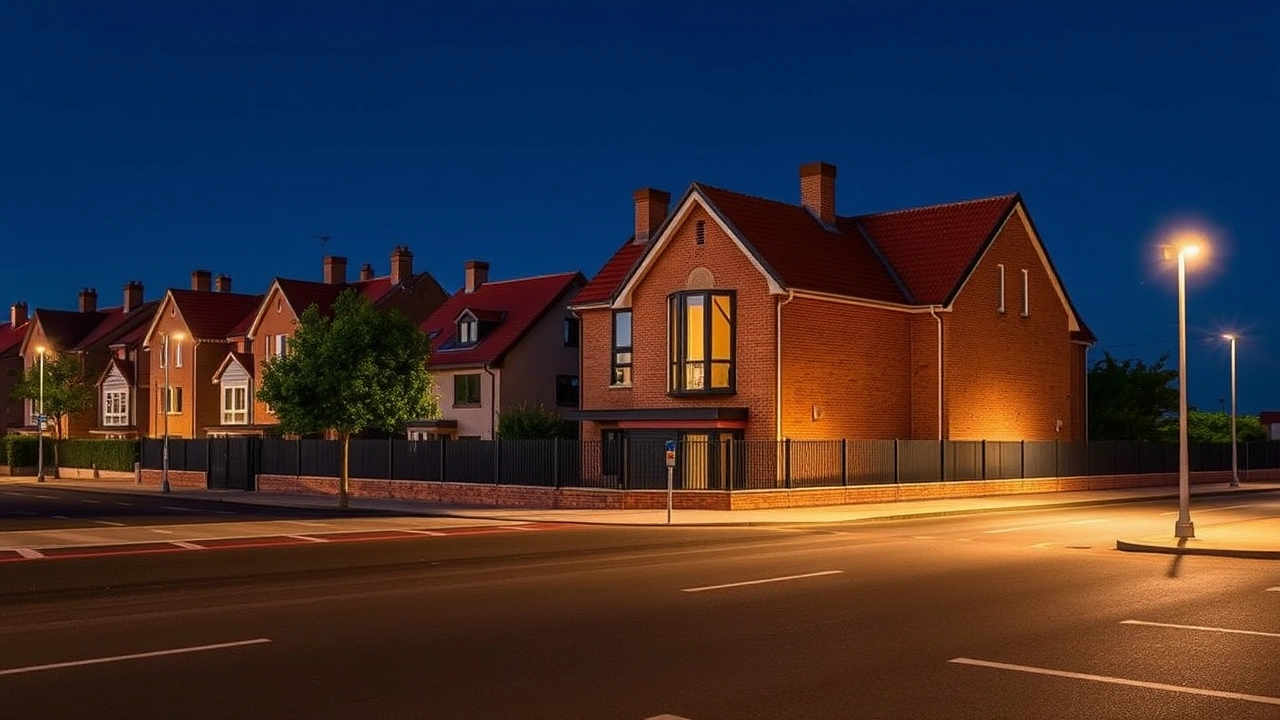
Calais is still often associated with ferries to England, the Channel Tunnel, or images of migrant camps. Yet, behind this [...]

Settling down or investing just minutes from the Eiffel Tower without enduring the extreme pressure of the Parisian market: that’s [...]
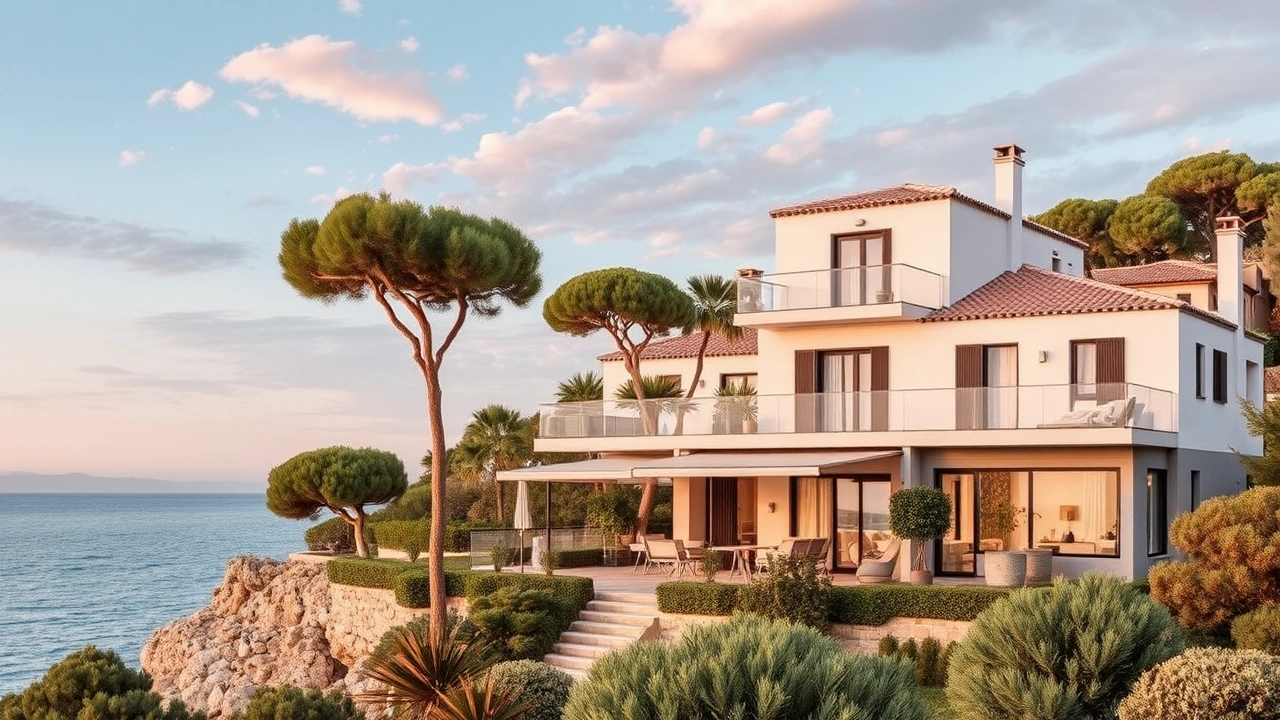
Between Nice and Cannes, facing the Mediterranean and just minutes from Sophia Antipolis, Antibes concentrates almost everything real estate investors [...]
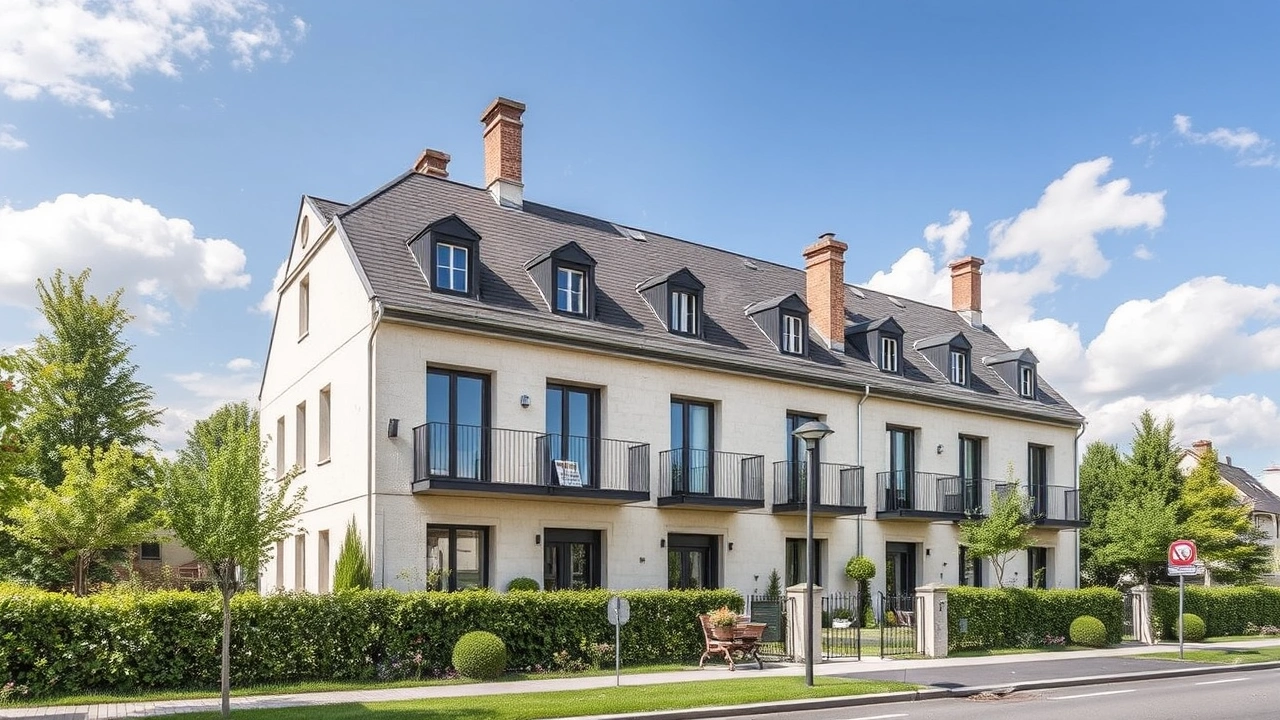
Located southwest of Bordeaux, integrated into the metropolis and at the heart of the Pessac‑Léognan wine appellation, the city of [...]
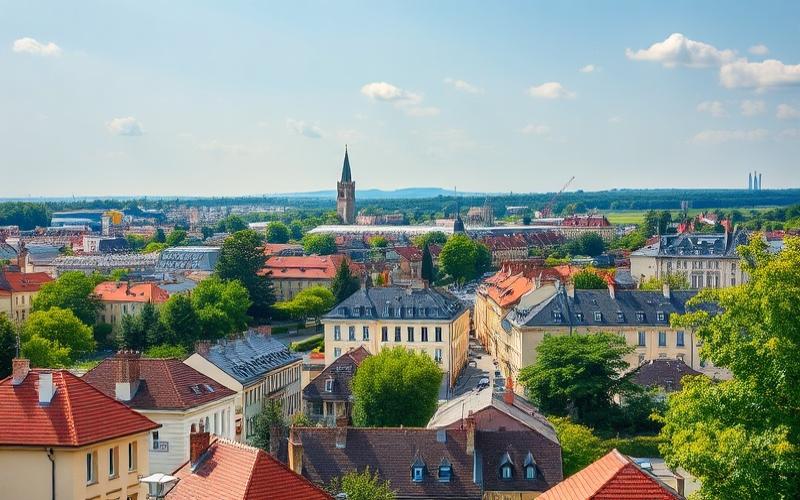
Located about ten kilometers west of Paris, on the banks of the Seine and a stone’s throw from La Défense, [...]
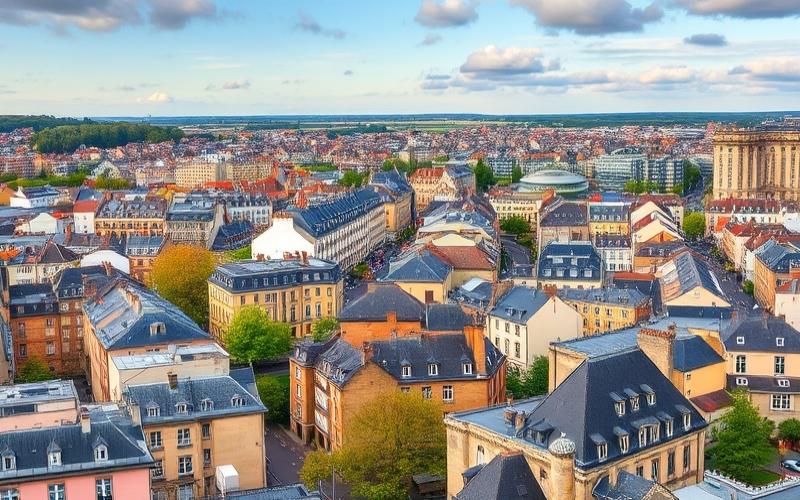
Wedged between the Marne River and the A4 highway, connected to Paris by the RER A commuter rail and soon [...]
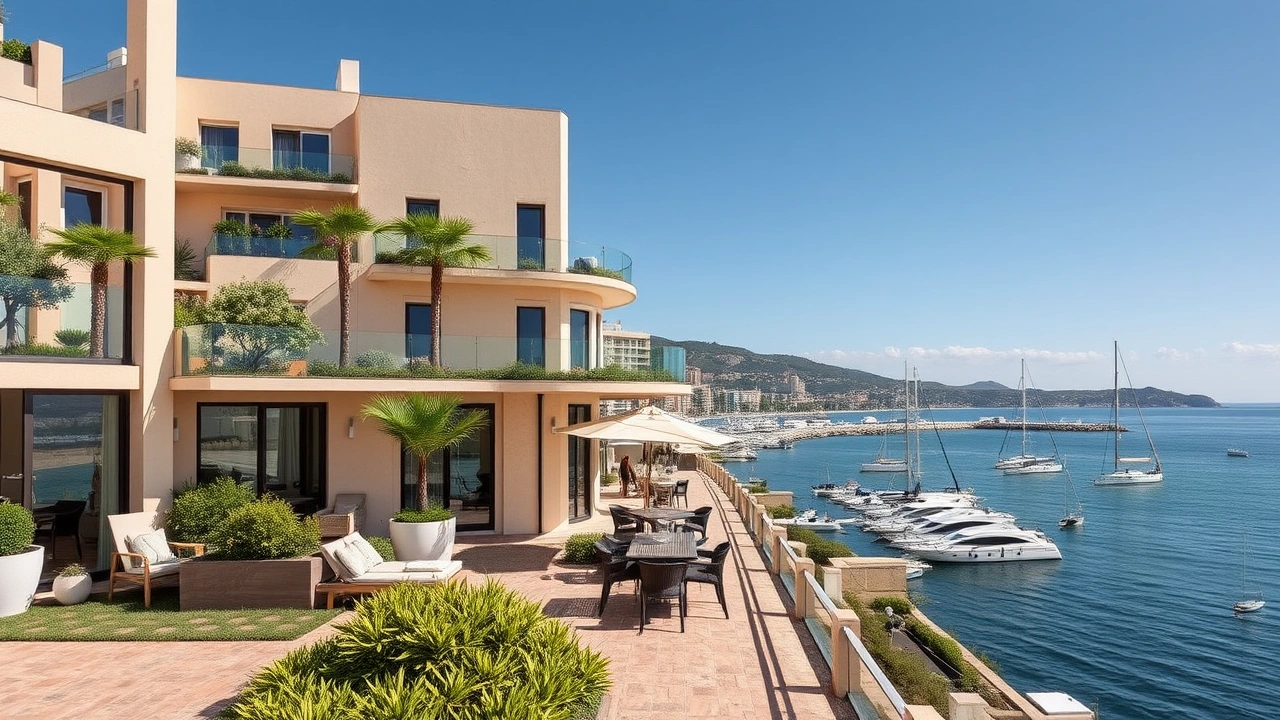
Investing in real estate in Cannes means stepping into one of Europe’s most prestigious markets. Between the glamour of the [...]
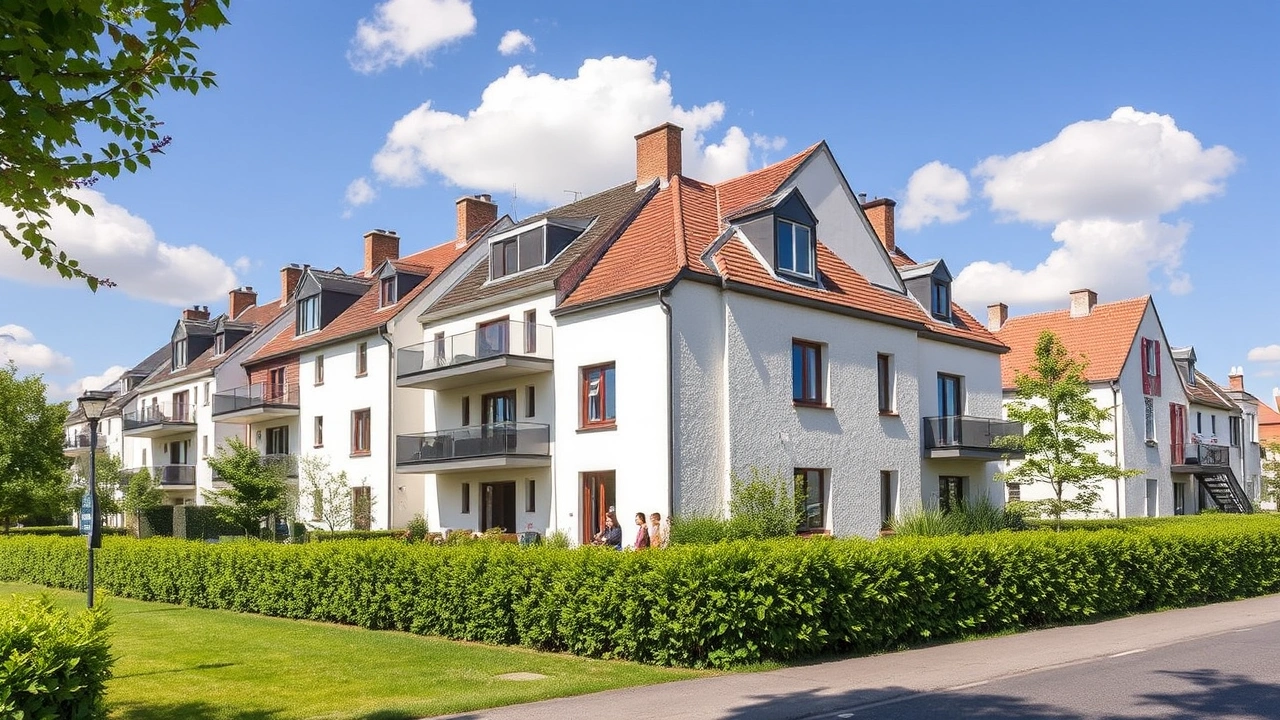
Colombes ticks nearly every box that investors in the Greater Paris region (Île-de-France) look for: immediate proximity to Paris and [...]
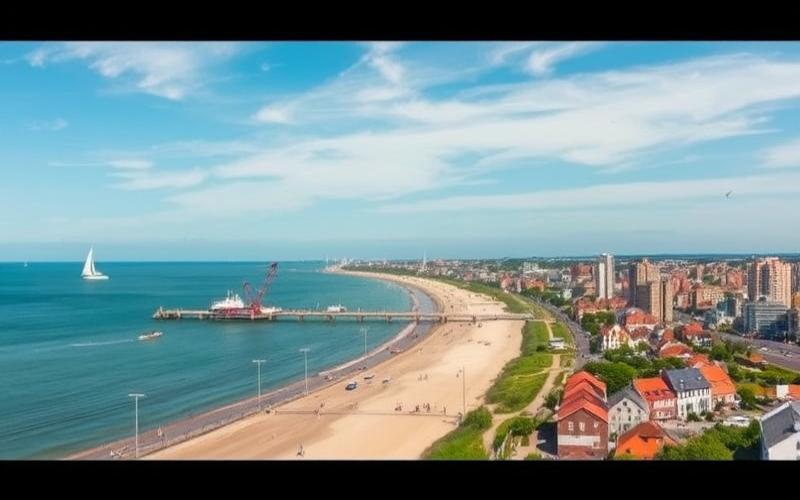
Saint-Nazaire has long been summed up, in the collective imagination, by its shipyards and its major industrial port. Yet, in [...]
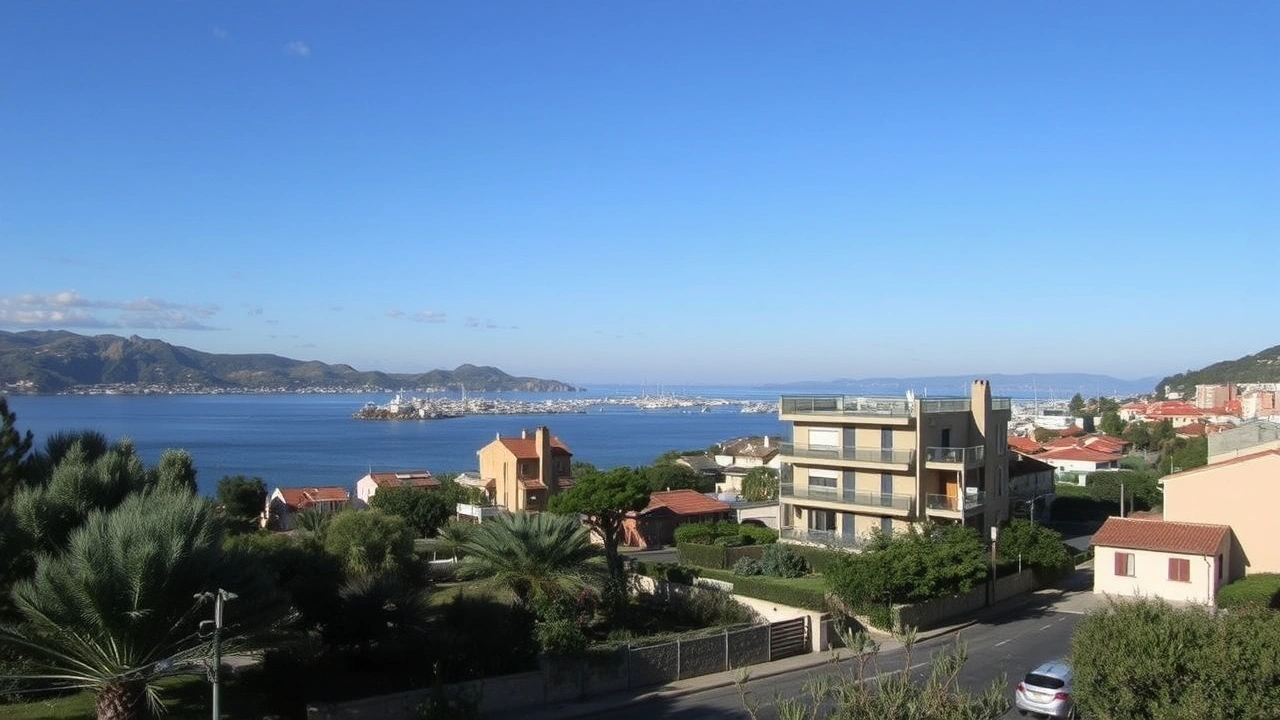
Ajaccio is no longer just a Mediterranean postcard. For many investors, the Corsican capital has become a veritable safe-haven market, [...]

Fort-de-France concentrates the majority of Martinique’s economic activity. As the administrative capital, a commercial port, and a service hub, the [...]
Nestled in a bend of the Marne River, about ten kilometers from the capital, Champigny-sur-Marne has been attracting individuals for [...]
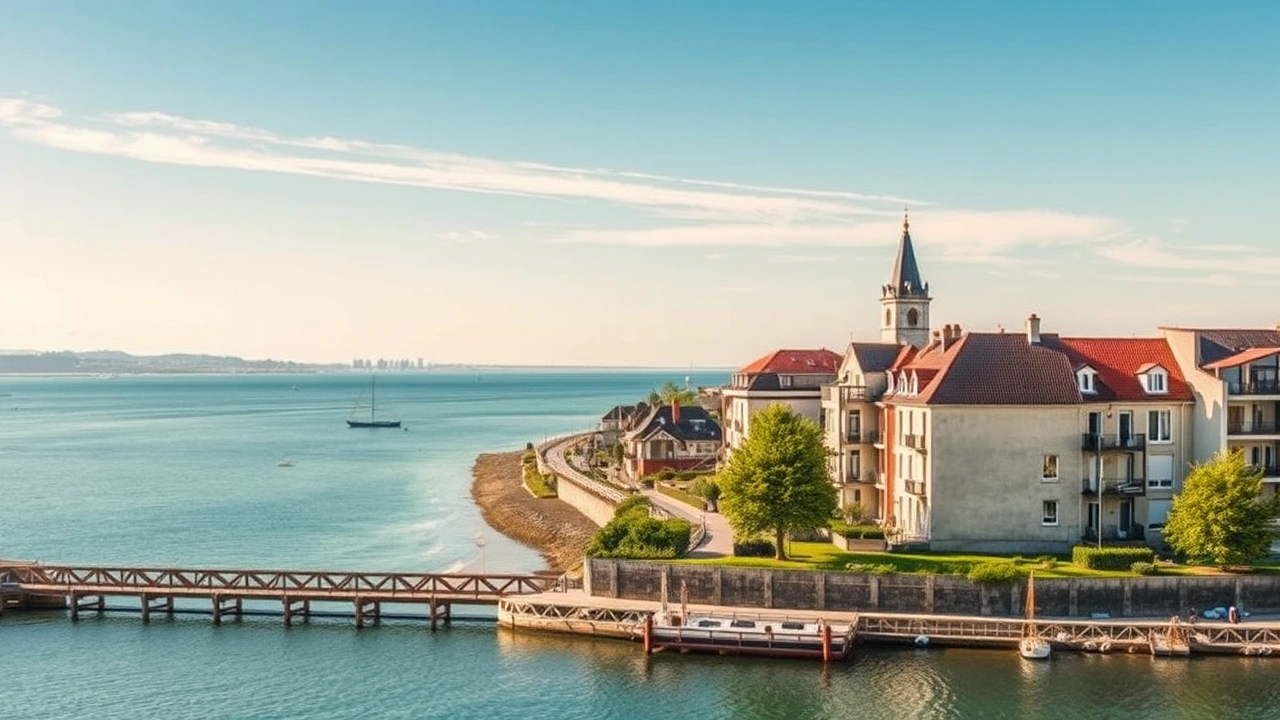
Between the Atlantic and the Historic City Center, Investing in Real Estate in La Rochelle is Attracting More and More [...]

Aulnay-sous-Bois has established itself in just a few years as one of the tightest real estate markets in Seine-Saint-Denis. A [...]
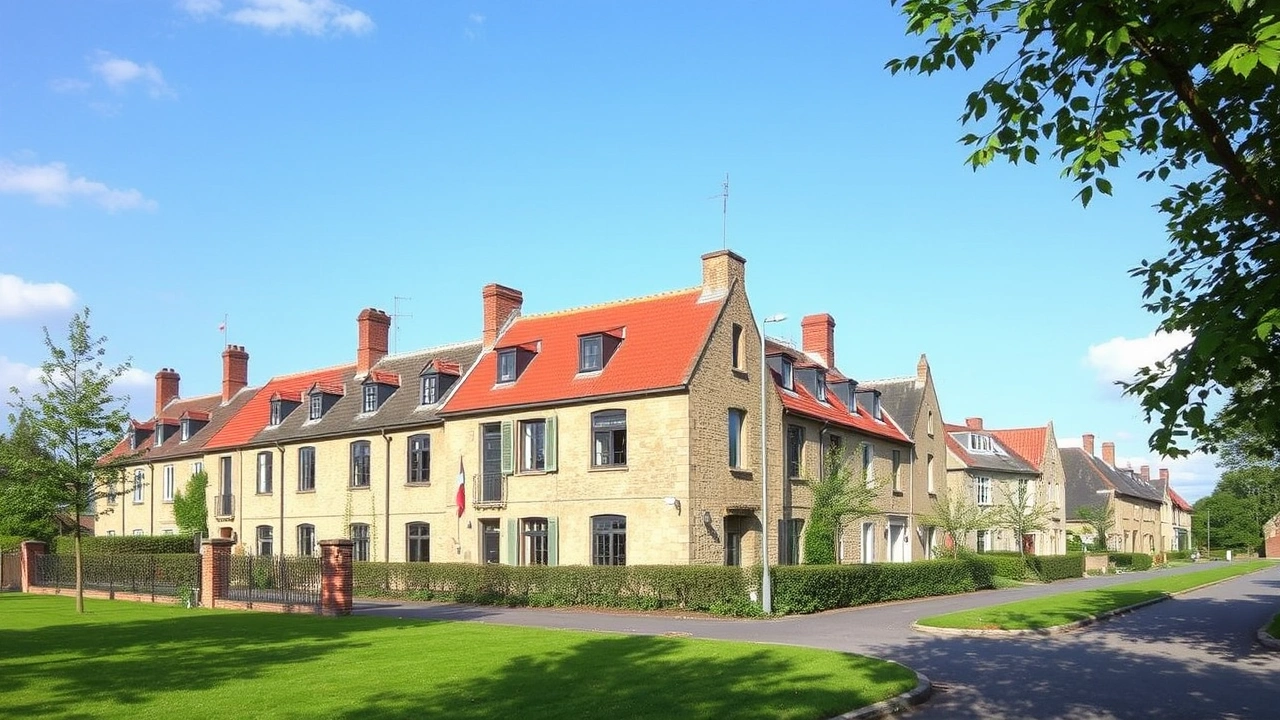
Caen currently ticks many important boxes for an investor: major university city, strong employment hub, tourist appeal, prices still affordable [...]
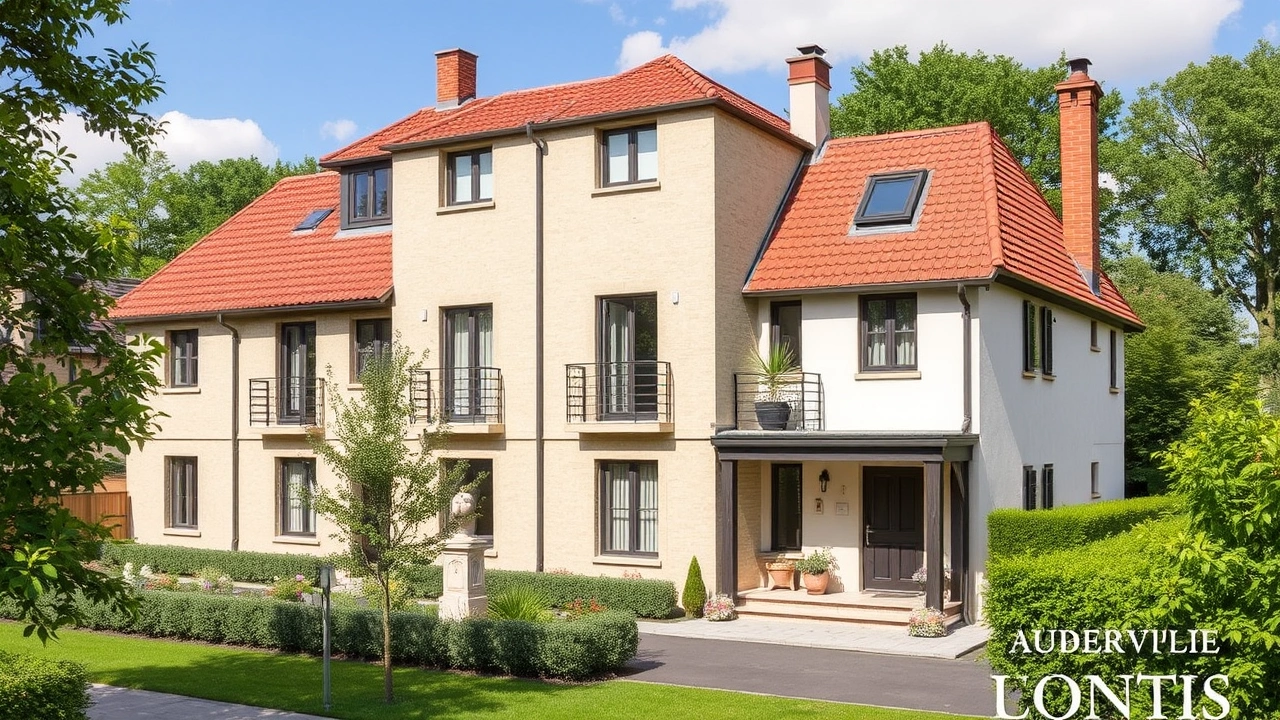
Sandwiched between the 18th and 19th arrondissements of Paris, immediately bordering the ring road (périphérique) and the Canal Saint-Denis, Aubervilliers [...]
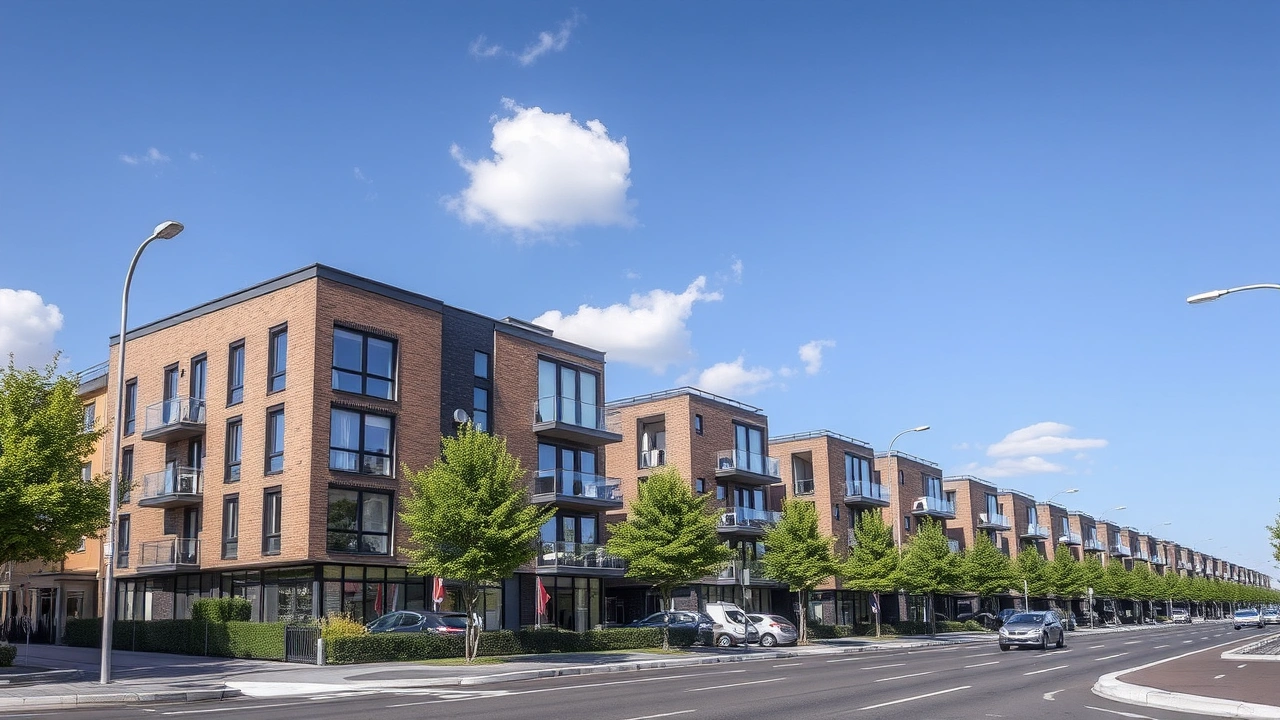
Montreuil has established itself in just a few years as one of the rising stars of Greater Paris. Long seen [...]
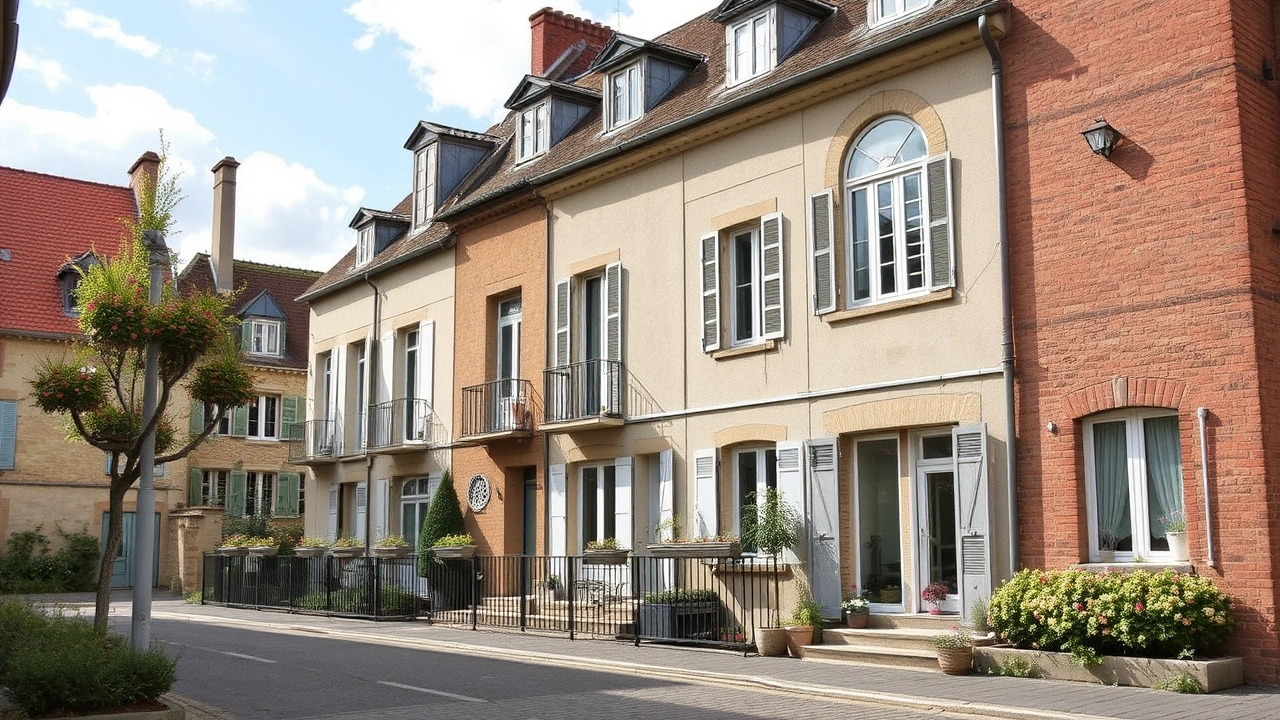
Poitiers checks practically every box that investors look for: a leading university city, a very tight rental market, still reasonable [...]
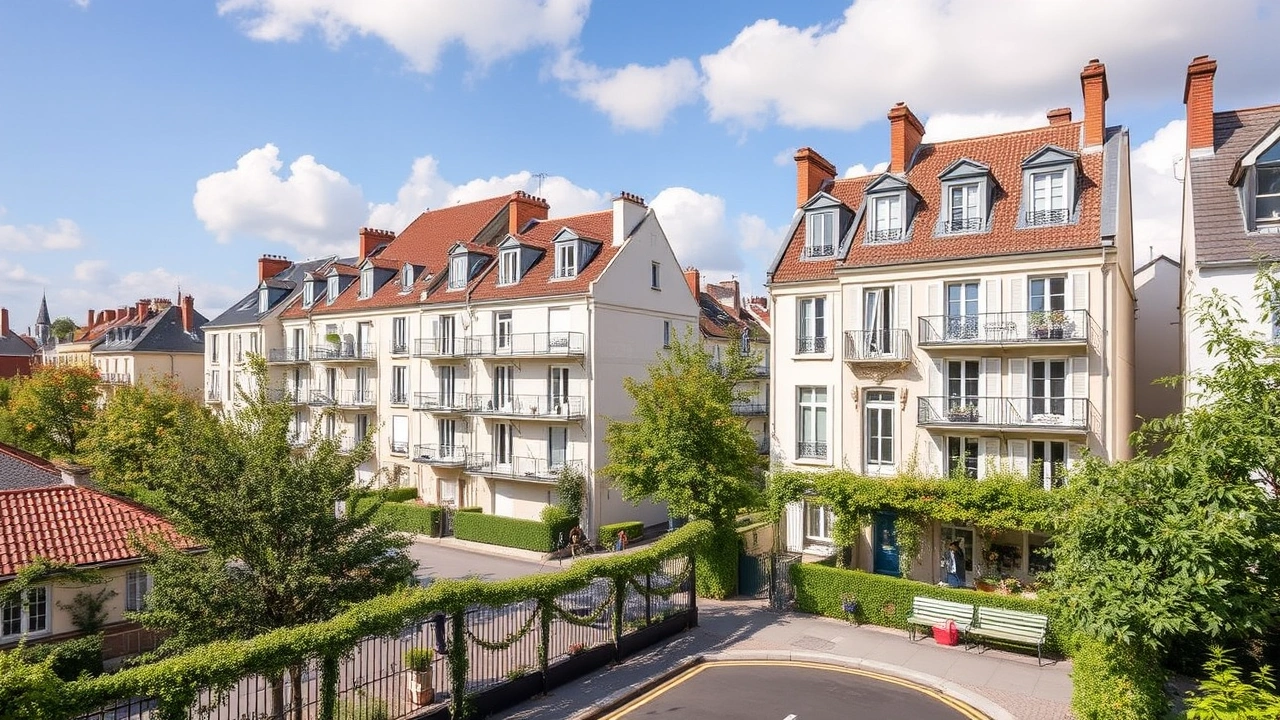
A few minutes from the Gare Saint-Lazare, on the Left Bank of the Seine, Asnières-sur-Seine has established itself in just [...]
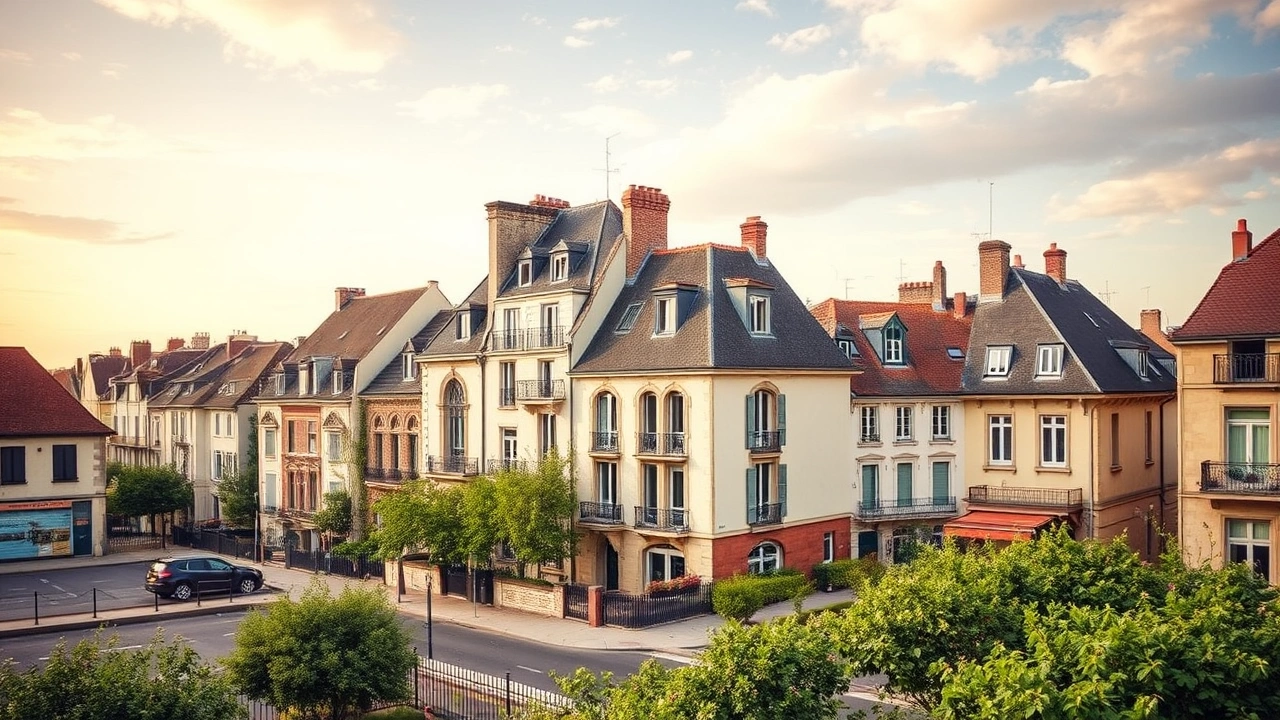
A few kilometers south of the capital, investing in real estate in Vitry-sur-Seine is increasingly emerging as a credible – [...]
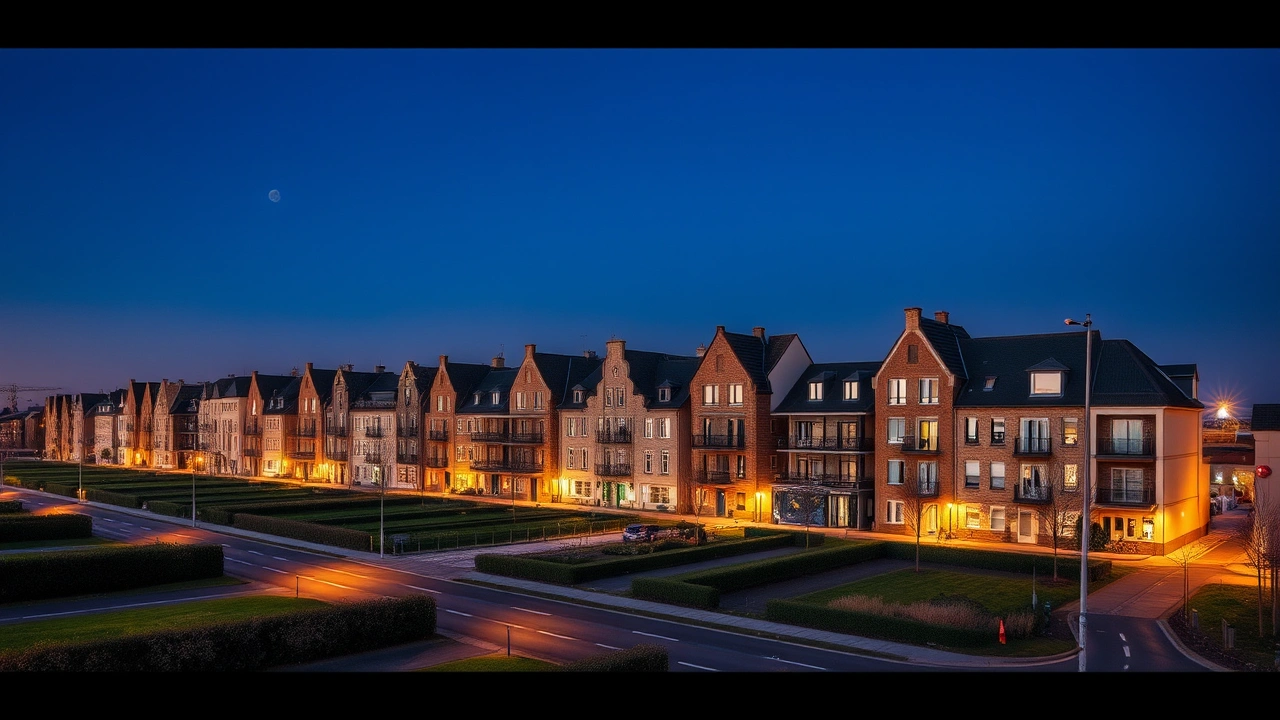
Roubaix is increasingly intriguing real estate investors. Long marked by deindustrialization and high unemployment, the city is now reinventing itself [...]
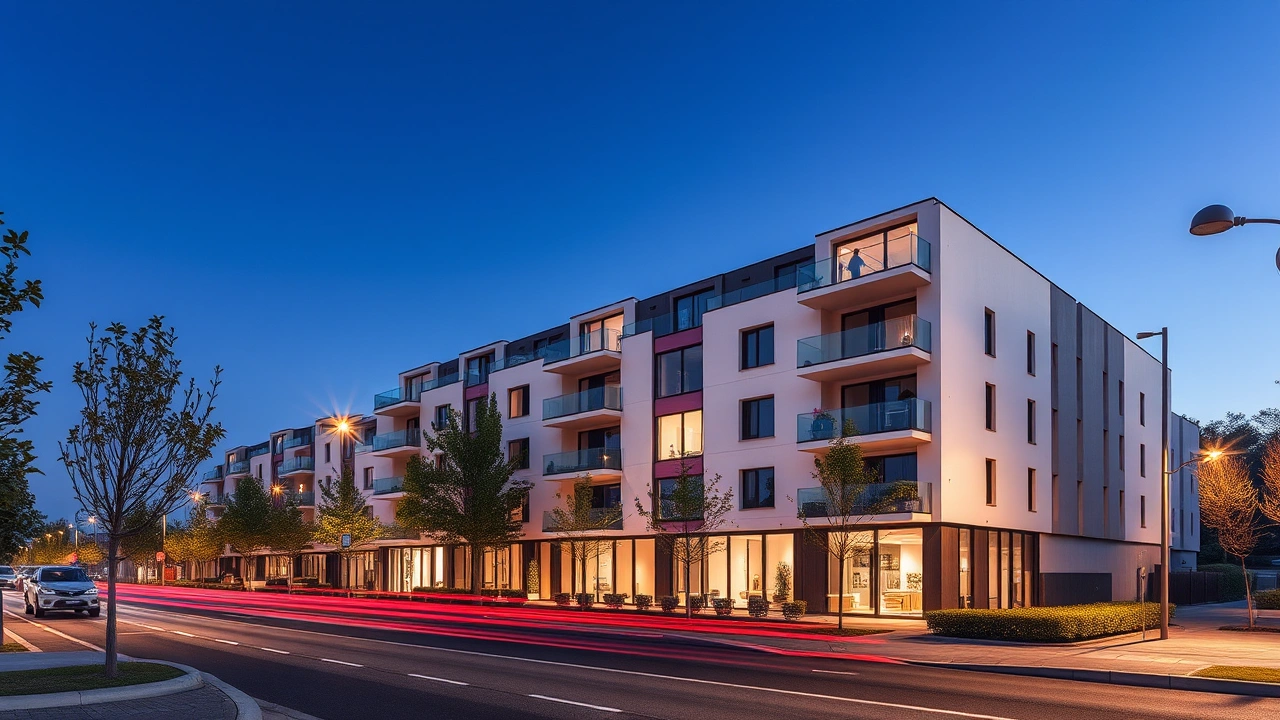
Argenteuil is increasingly catching the eye of investors looking for a compromise between reasonable prices, good rental yields, and urban [...]
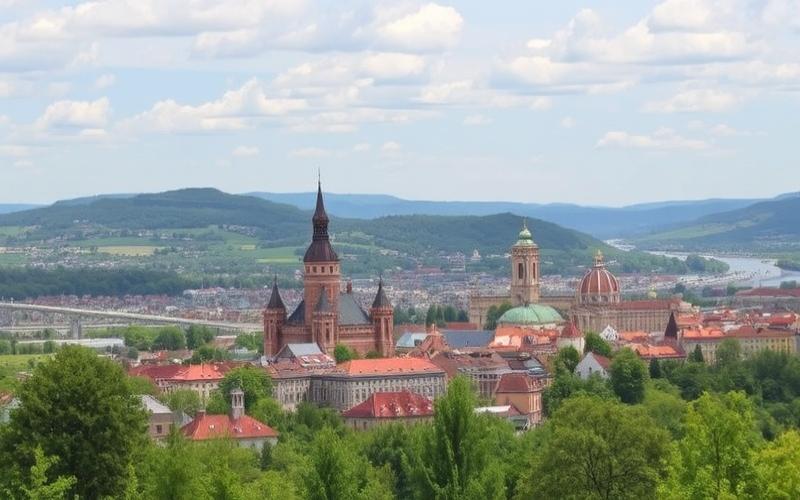
Investing in real estate in Nancy is no longer an exotic gamble. The city combines strong rental demand, still reasonable [...]

Boulogne-Billancourt has long attracted real estate investors seeking a solid market at the gates of Paris. Dubbed the “21st arrondissement [...]
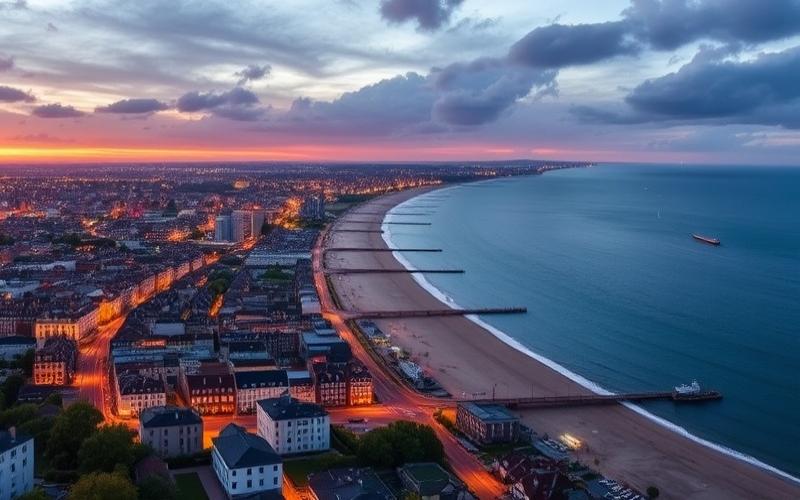
Long perceived as an industrial city focused on its docks and factories, Le Havre is undergoing a transformation. Major port, [...]
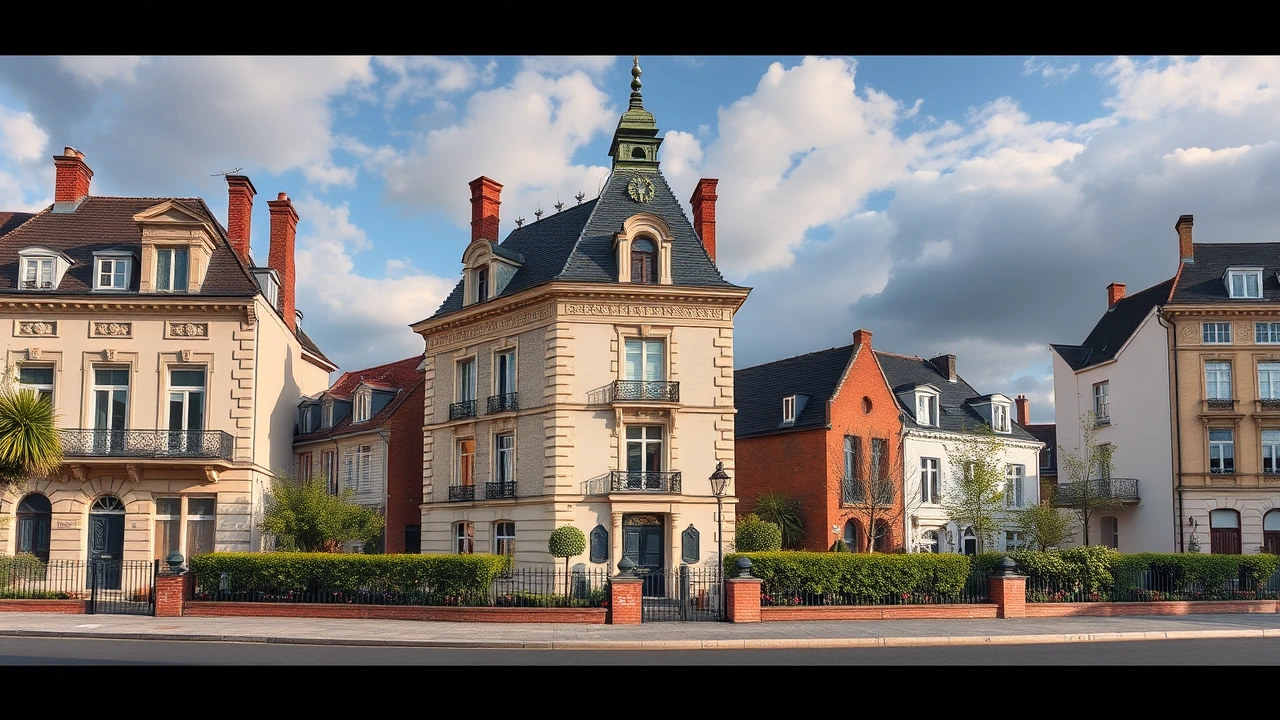
Amiens is increasingly checking boxes for investors: major university city, recognized quality of life, major urban development projects, upcoming rail [...]
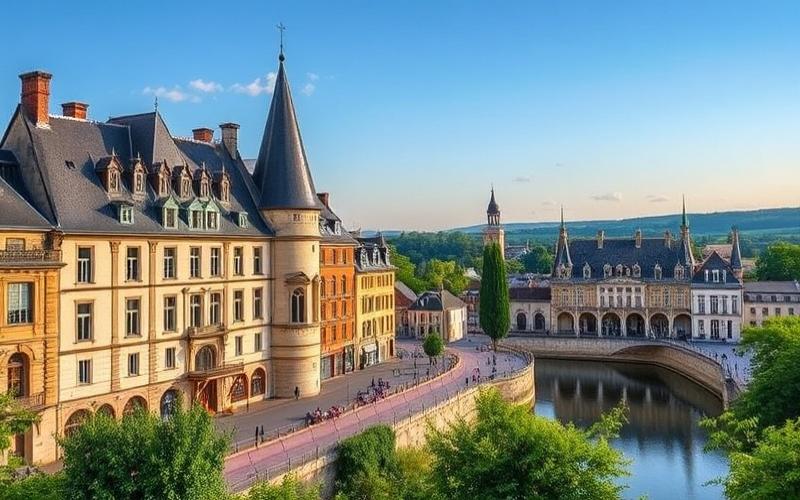
Investing in real estate in Limoges is attracting more and more savers looking for good returns without paying the high [...]
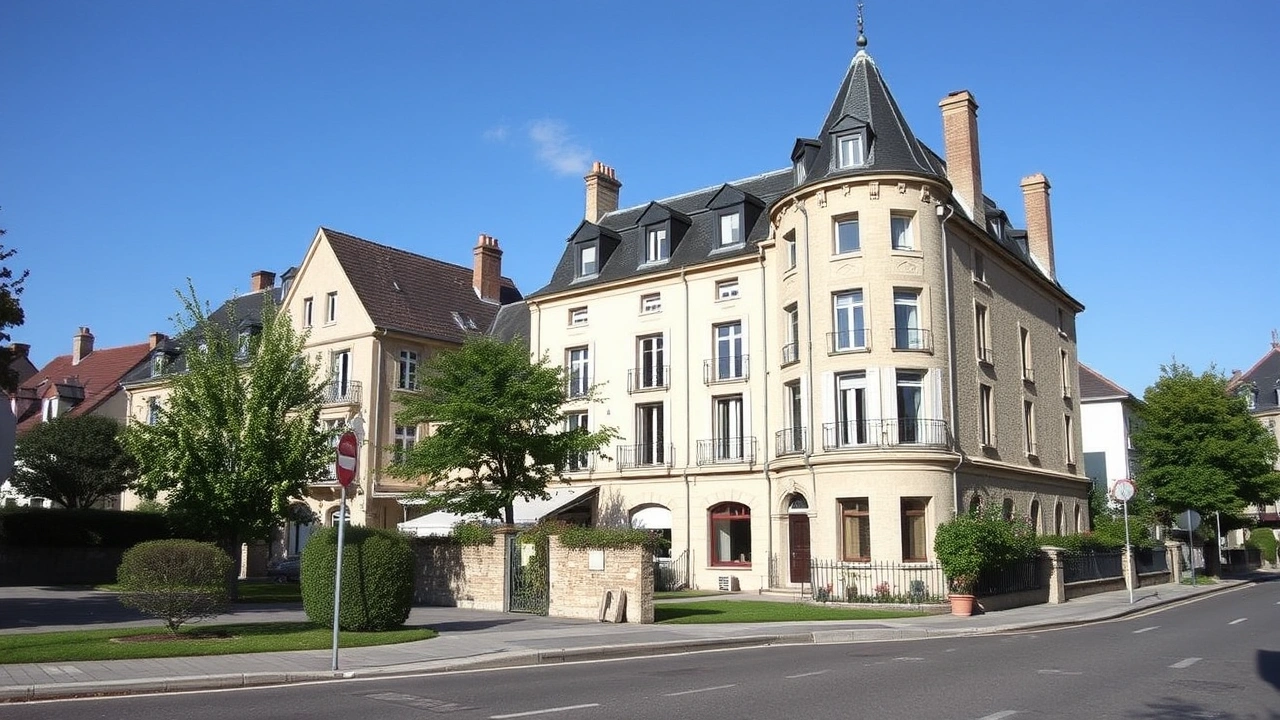
Nestled at the foot of the **Puy de Dôme** and the **Chaîne des Puys**, Clermont-Ferrand is ticking more and more [...]
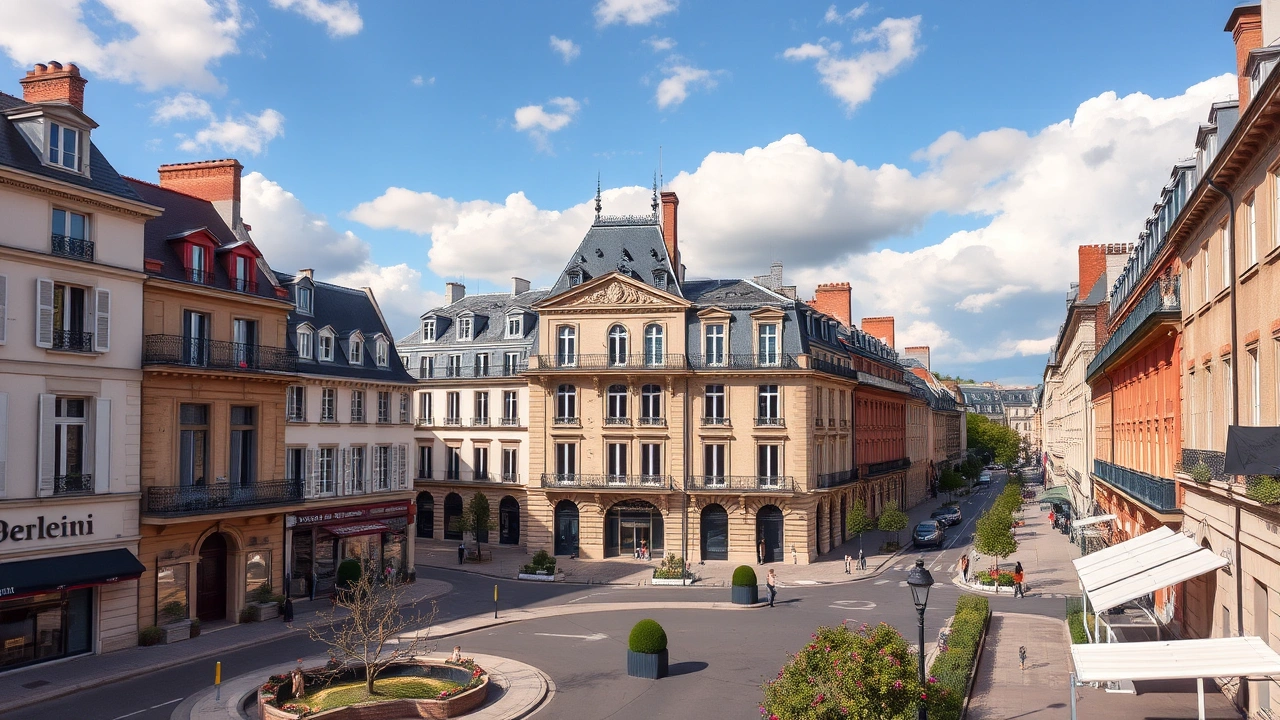
Investing in Bordeaux real estate is no longer a trendy bet like in the 2015‑2019 years, but a rational choice [...]
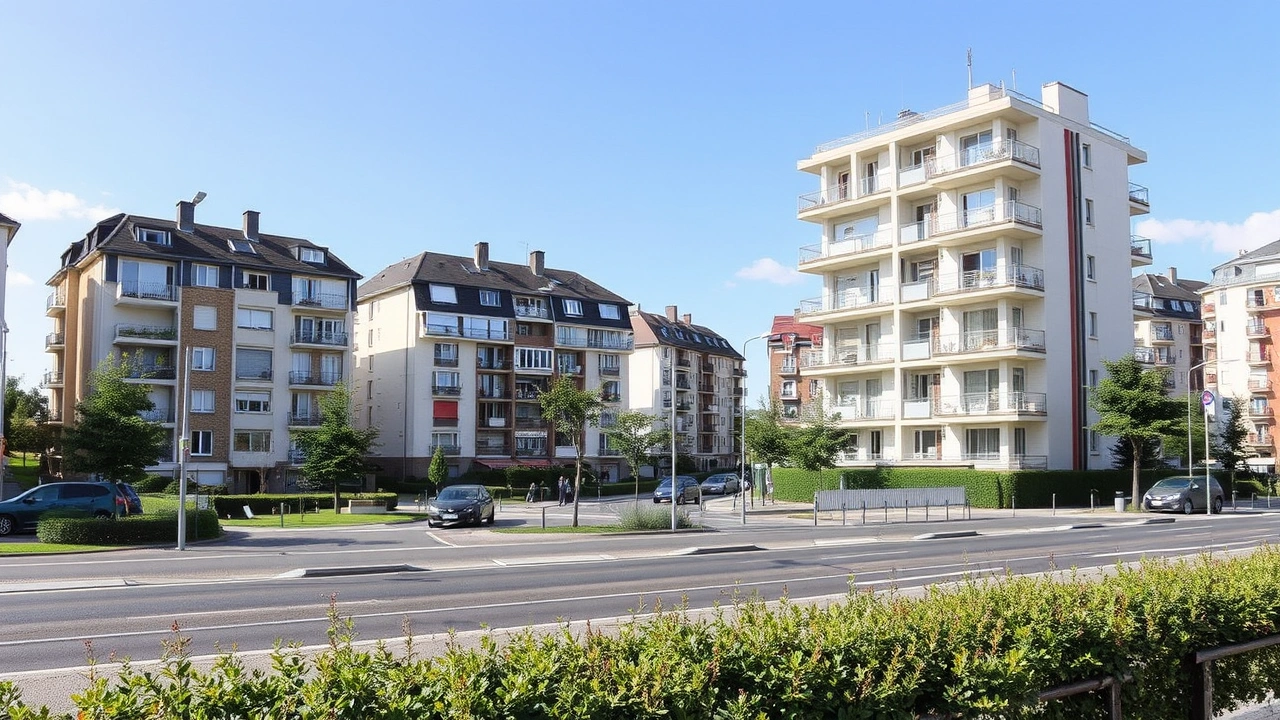
Just minutes from Paris, Saint-Denis now offers almost everything a real estate investor could want: prices still significantly lower than [...]
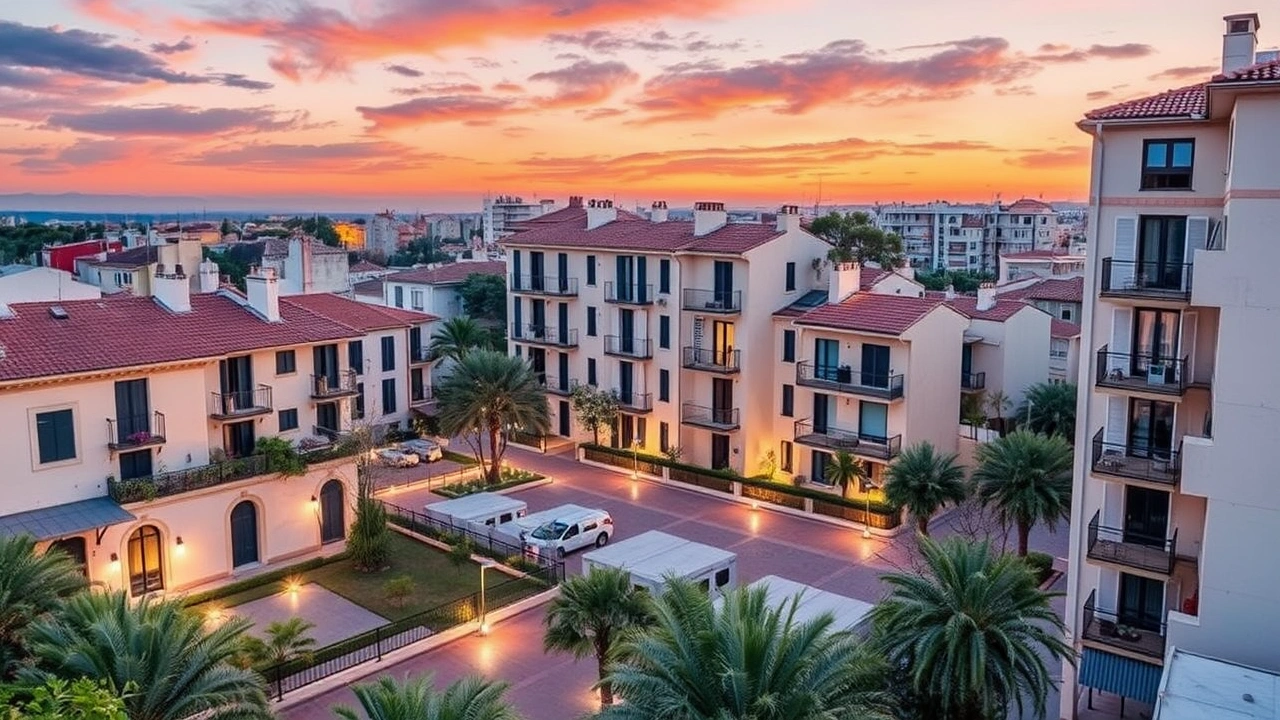
Montpellier ticks almost all the boxes of a city where real estate investors are rushing in: rapid demographic growth, expanding [...]

Nestled between the Mediterranean Sea and Mount Faron, blessed with one of Europe’s most beautiful natural harbors and record sunshine, [...]
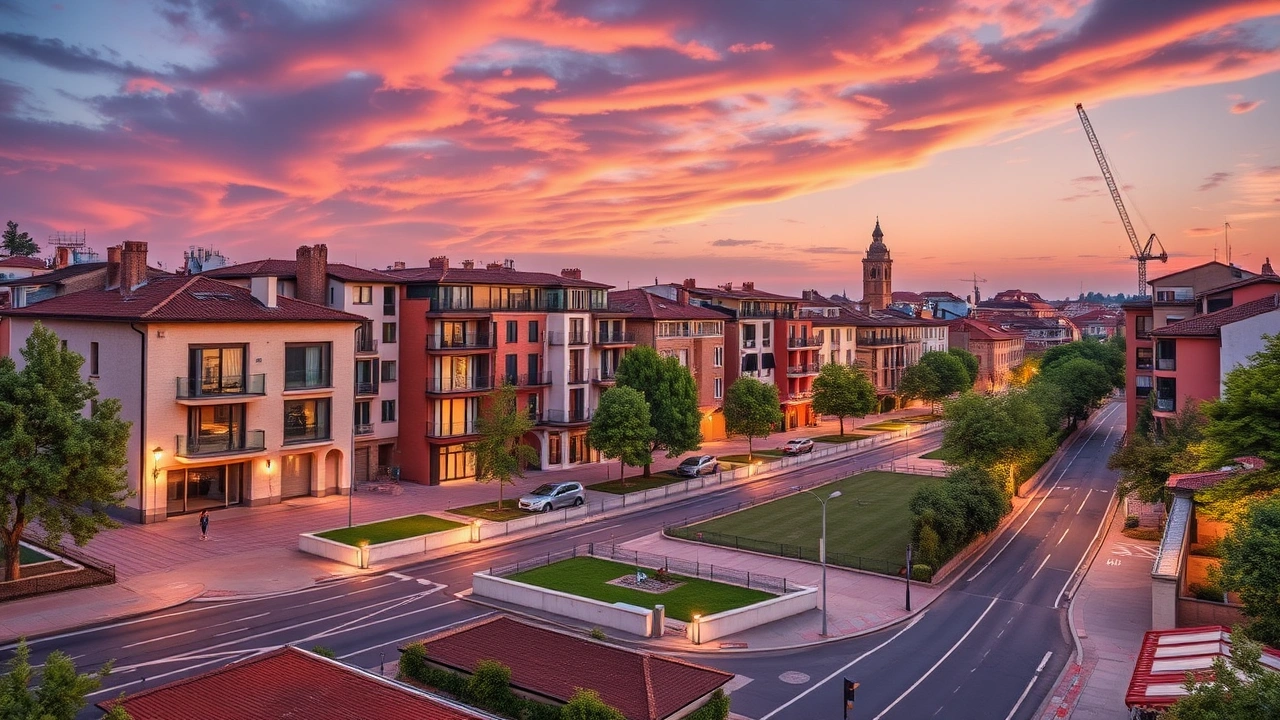
Investing in real estate in Toulouse is no longer just about “enjoying a nice city in the South.” It’s about [...]
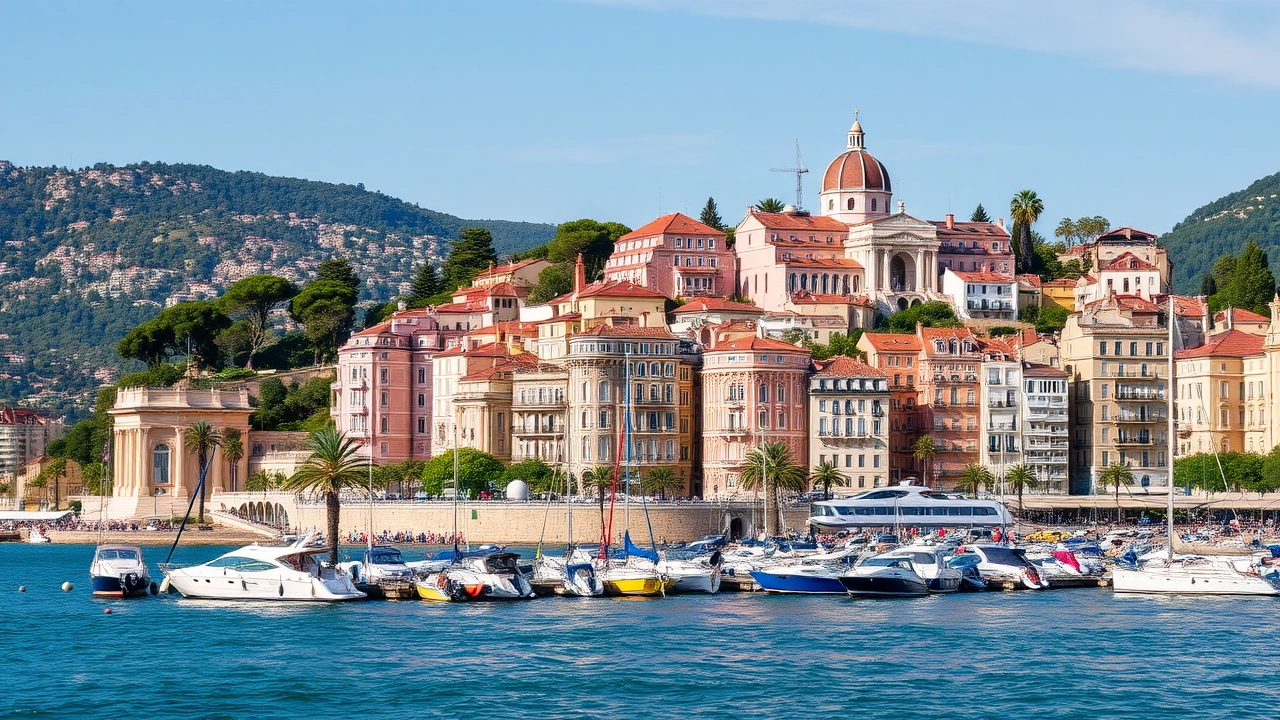
Investing in real estate in Nice means betting on one of France’s most dynamic cities, in a market driven by [...]
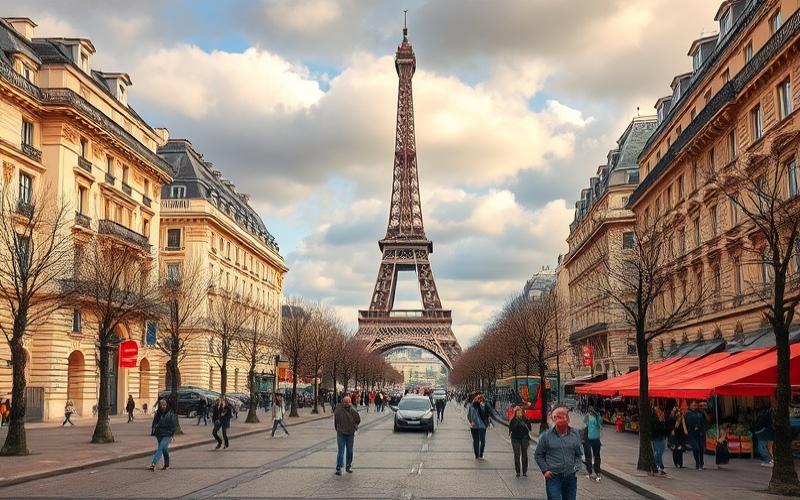
The French real estate market is currently undergoing a significant transformation period, marked by changes in buyer preferences, evolving prices, [...]
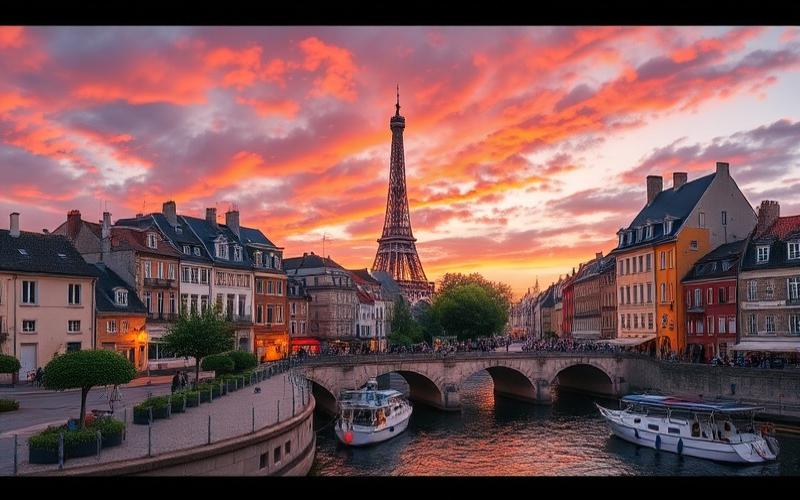
The French real estate market is renowned for its stability and attractiveness, drawing numerous domestic and international investors. However, it [...]

Real estate investment in France remains a safe bet despite market fluctuations. With interest rates stabilizing and strong rental demand [...]
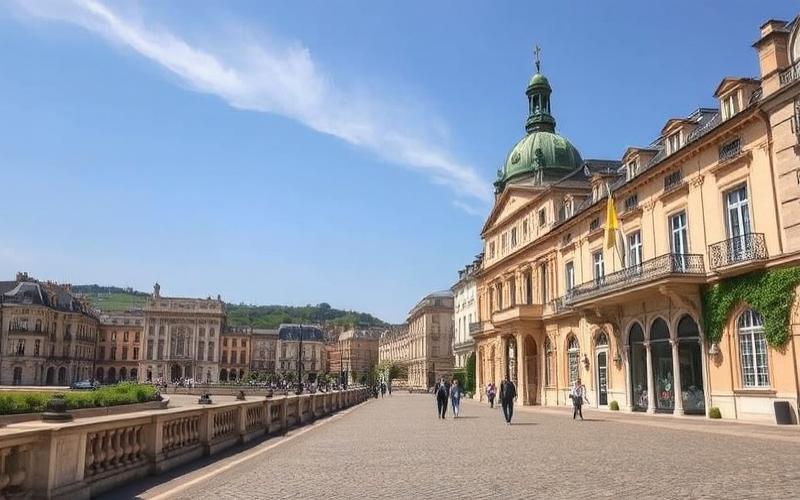
Real estate investment in France attracts many foreigners, whether residents or non-residents. However, obtaining real estate financing in France may [...]

Tourism plays a crucial role in the French economy and exerts considerable influence on the country’s real estate market. With [...]
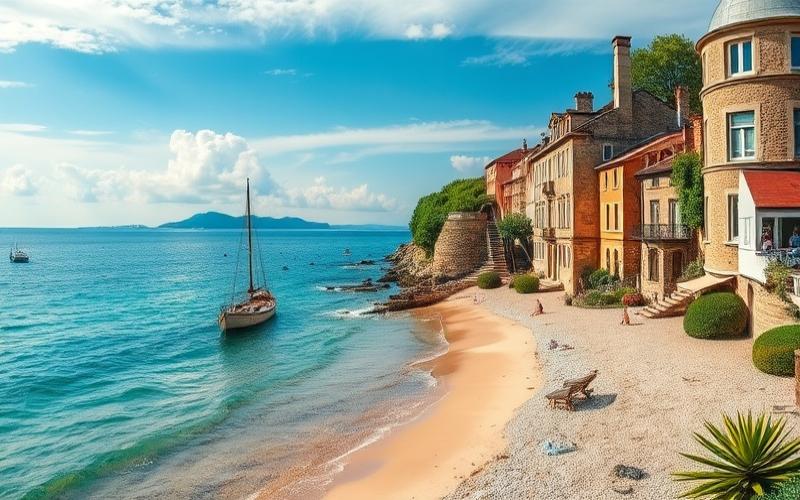
Purchasing real estate in France is a dream for many foreigners, drawn by the charm of historic cities, beautiful landscapes, [...]
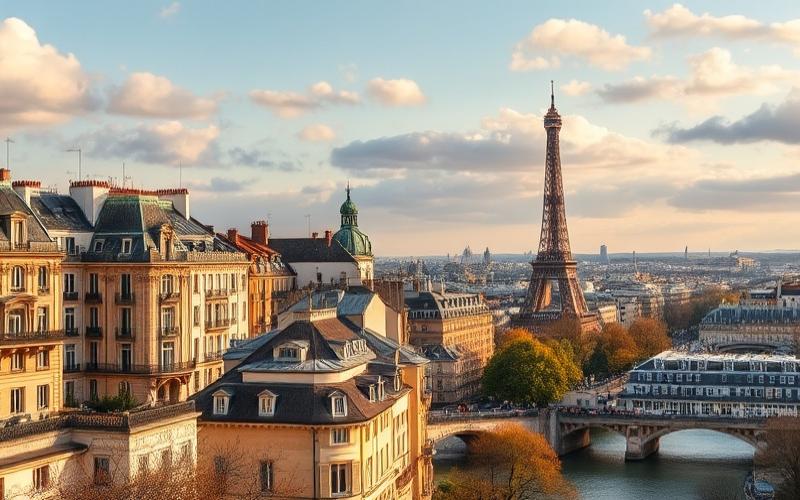
The French real estate market is undergoing a transitional period in early 2025. After a slowdown phase due to rising [...]
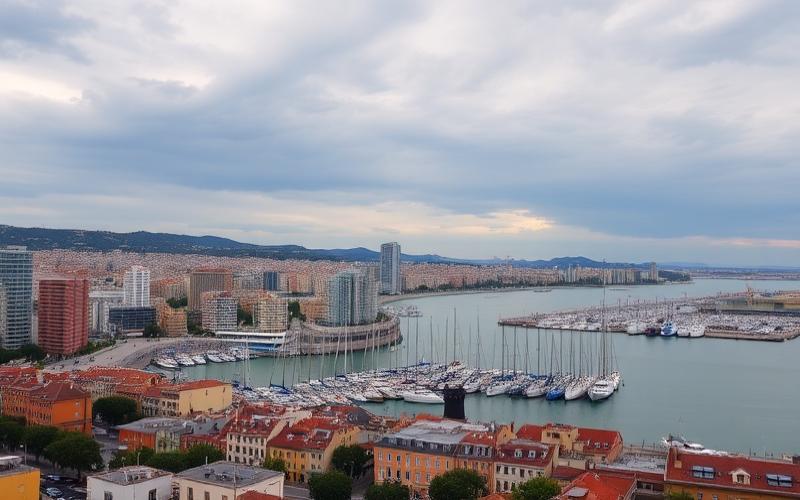
France stands at the dawn of a true urban revolution. Ambitious and innovative projects are emerging across the country, reshaping [...]
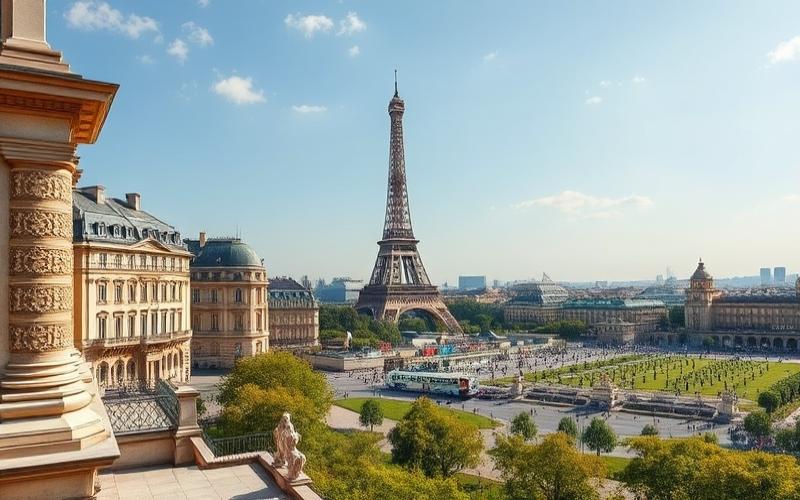
Purchasing real estate often represents the most significant investment of a lifetime. In France, where the property market is dynamic [...]
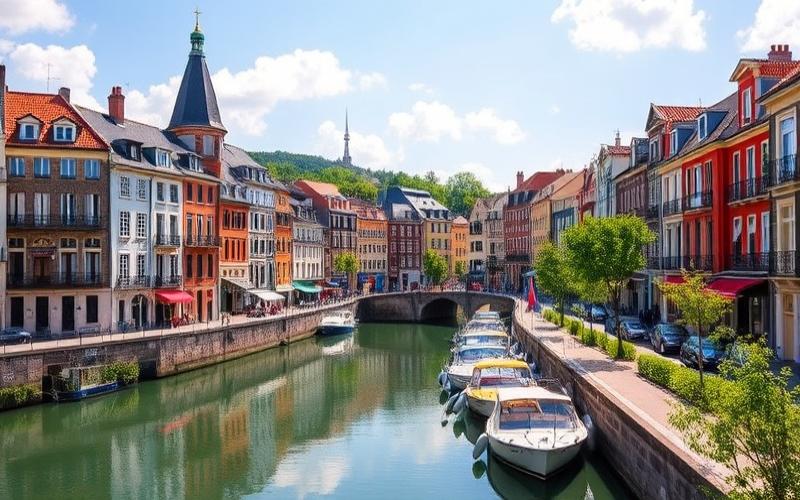
Real estate investment in France remains an attractive option for many investors, both domestic and international. This appeal is largely [...]
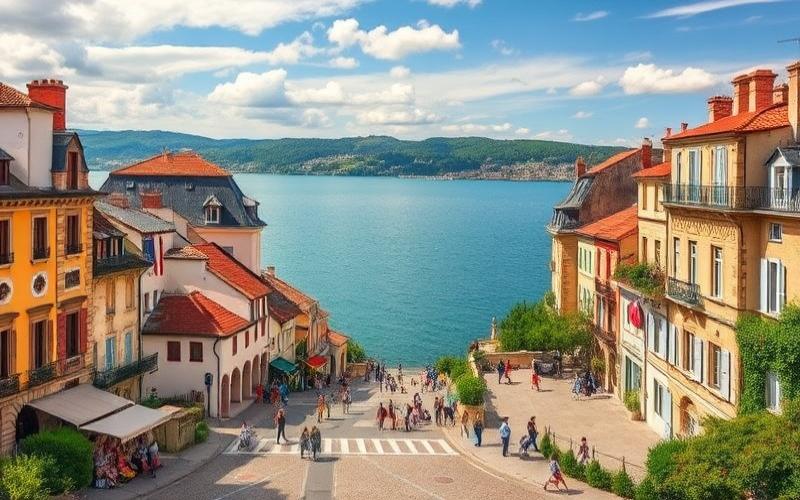
Purchasing real estate in France is often considered a once-in-a-lifetime investment. However, this complex process can be fraught with pitfalls [...]
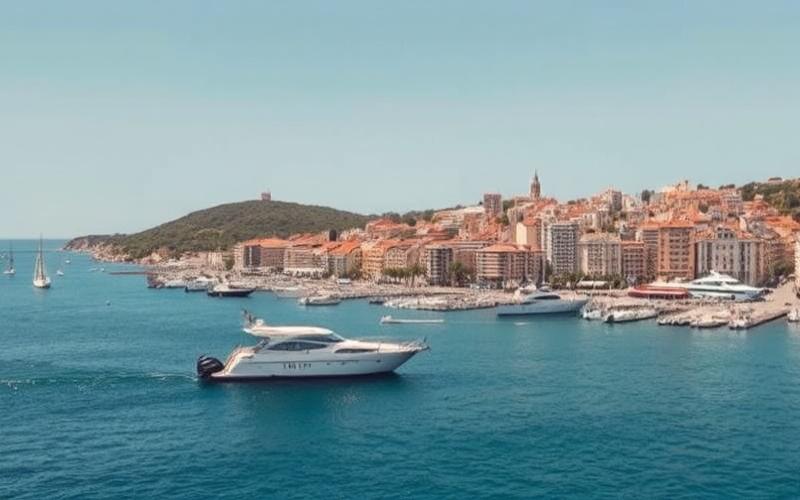
France, a country renowned for its art de vivre, cultural heritage, and gastronomy, has long attracted wealthy investors from around [...]
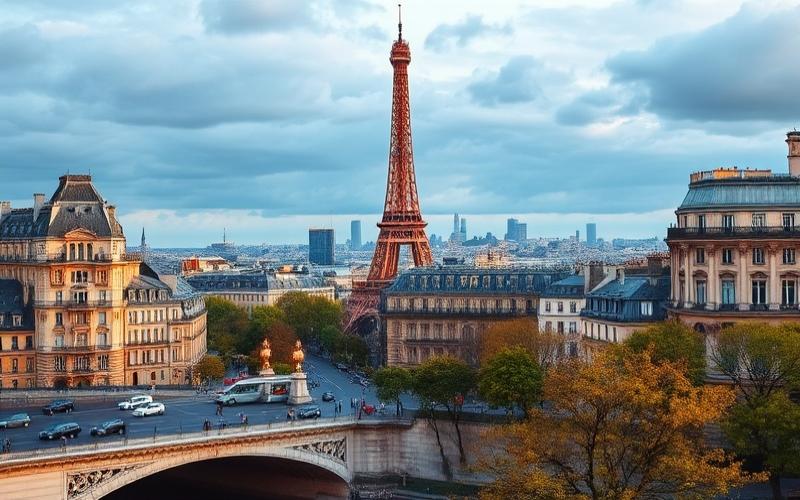
French real estate is attracting more and more international investors seeking diversification, yield, and tax optimization. Whether you want to [...]
Property renovation in France has become a major issue, both for homeowners seeking to improve their living environment and those [...]

Commercial real estate in France offers attractive investment opportunities, despite a changing economic landscape. This dynamic sector is increasingly attracting [...]
Long-term real estate rental in France can prove to be a profitable and secure venture for property owners. However, it’s [...]

Selling a property quickly in France can seem like a significant challenge, especially in an ever-changing real estate market. However, [...]
France: A Safe Haven for Real Estate Investment
The appeal of French real estate remains strong in 2025. Several factors contribute to making France a preferred destination for real estate investors:
1. Economic and political stability: France benefits from a diversified economy and a stable political system, providing a secure environment for long-term investments.
2. Dynamic rental market: Rental demand remains strong in major cities and tourist areas, ensuring regular income for property owners.
3. Wealth appreciation: French real estate has historically weathered crises well, with a long-term appreciation trend.
4. Recognized quality of life: France attracts many expatriates and foreign retirees, creating constant demand for quality properties.
5. Diverse opportunities: From Parisian studios to provincial castles, and tourist residences on the French Riviera, the French market offers a wide variety of investment options.
Good to know:
France regularly ranks among the most attractive destinations for real estate investment in Europe, particularly due to its economic stability and quality of life.
Overview of French Real Estate Prices in 2025
The French real estate market in 2025 presents a mixed situation, with significant variations depending on regions and property types. After a period of price correction in some major cities, stabilization or even a slight recovery is being observed in several metropolitan areas.
According to Meilleurs Agents data, here’s an overview of average prices per square meter in some major French cities in 2025:
- Paris: €9,293 for an apartment, €9,910 for a house
- Lyon: €4,727 for an apartment, €5,725 for a house
- Marseille: €3,578 for an apartment, €4,412 for a house
- Bordeaux: €4,415 for an apartment, €5,229 for a house
- Nantes: €3,384 for an apartment, €4,103 for a house
It’s important to note that these figures are averages and prices can vary considerably within these cities themselves, depending on neighborhoods and property characteristics.
The general trend shows price stabilization in major metropolitan areas, after several years of sustained growth. This evolution offers new opportunities for investors, with more affordable prices in some previously very tight sectors.
In rural areas and medium-sized cities, the situation is more mixed. Some regions, particularly those benefiting from good transportation access or tourist appeal, are experiencing moderate price increases. Others, less economically dynamic, offer investment opportunities at very attractive prices, but with more uncertain long-term capital gain potential.
Good to know:
Real estate prices in France remain generally high compared to the European average, but offer prospects for stability and long-term appreciation, particularly in major cities and tourist areas.
Types of Housing Sought by Investors in 2025
The French real estate market offers a wide diversity of properties, suitable for different investor profiles and investment objectives. Here’s an overview of the main types of housing available and their characteristics:
1. Downtown apartments: Highly sought after in major metropolitan areas, they offer good rental returns, particularly for short-term furnished rentals. Price example: A 25 m² studio in Paris’s 11th arrondissement can be negotiated around €250,000.
2. Single-family homes in suburbs: Ideal for families, they have seen growing demand since the health crisis. Price example: A 100 m² house with garden in the Lyon suburbs can be purchased for around €450,000.
3. Student residences: A safe investment in university cities, with constant rental demand. Price example: A 20 m² studio in a student residence in Montpellier can cost about €90,000.
4. Prestige properties: Castles, mansions, wine estates… These luxury investments attract wealthy international clientele. Price example: A renovated 500 m² castle with 10 hectares of land in Dordogne can sell for around €2 million.
5. Tourist residences: Very popular in beach or ski resorts, they offer interesting tax advantages. Price example: A 40 m² apartment in a tourist residence in Cannes can be offered for about €300,000.
The trend in 2025 shows growing interest in housing offering outdoor spaces (balconies, terraces, gardens) and for properties located in medium-sized cities offering better quality of life. Investors are also increasingly attentive to housing energy performance, a criterion that has become crucial with the strengthening of environmental regulations.
Good to know:
Social housing, although less known to private investors, can also represent an interesting opportunity. The PLAI, PLUS and PLS schemes offer tax advantages and stable rental demand, but require compliance with rent ceilings and tenant income limits.
The Most Promising Investment Areas in France
In 2025, several French regions and cities stand out for their attractiveness for real estate investment. Here’s an overview of the most promising areas:
1. Greater Paris: With the development of the Grand Paris Express transport network, many communes in the Paris suburbs are experiencing renewed interest. Montreuil, Saint-Ouen, and Pantin are particularly sought after for their proximity to the capital and their still affordable prices compared to inner Paris.
2. Lyon and its periphery: France’s second economic hub, Lyon continues to attract investors and tenants. The communes of Villeurbanne, Saint-Priest and Décines-Charpieu offer interesting opportunities with more affordable prices per square meter than in central Lyon.
3. The French Riviera: Still very attractive for international investors, the PACA region, and particularly cities like Nice, Cannes or Antibes, offers a dynamic market, driven by tourism and high-end clientele.
4. Bordeaux and its region: Despite a slowdown after several years of strong growth, Bordeaux remains a safe bet. Neighboring communes like Mérignac or Pessac are attracting more and more investors.
5. Nantes and the Atlantic coast: Nantes continues its progression, driven by its economic dynamism and quality of life. Coastal cities like La Rochelle or Les Sables-d’Olonne also benefit from growing appeal.
6. Strasbourg and Alsace: The European capital and its region offer interesting opportunities, particularly thanks to their strategic position at the heart of Europe.
7. Mountain resorts: The Alps and Pyrenees remain safe values for seasonal rental investment, with resorts like Chamonix, Megève or Courchevel at the top of the list.
The trend in 2025 shows growing interest for medium-sized cities offering a good balance between economic dynamism and quality of life. Cities like Rennes, Angers, or Grenoble are attracting more and more investors seeking attractive returns and long-term capital gain potential.
Good to know:
Tight zones, defined by law, often benefit from tax advantages for rental investment, such as the Pinel scheme. It’s important to research these opportunities before investing.
France vs. Its European Competitors: An Enlightening Comparison
To better understand the appeal of real estate investment in France, it’s interesting to compare it to other popular European destinations. Here’s a comparative overview:
1. Spain: The Spanish market generally offers lower prices than France, particularly on the Mediterranean coast. However, France’s economic and political stability is often perceived as an advantage.
2. United Kingdom: London remains a sought-after destination, but prices there are significantly higher than in Paris. Brexit has introduced some uncertainty, making the French market more attractive for some international investors.
3. Germany: The German market is known for its stability, with rental yields often higher than in France. However, rental rules are stricter there and capital gain prospects are less significant in some cities.
4. Italy: Italy offers interesting opportunities, particularly in major tourist cities. However, administrative complexity and economic instability can deter some investors.
5. Portugal: Very popular in recent years, particularly thanks to tax incentives for foreign retirees. However, prices have increased significantly in the most sought-after areas.
France stands out with a mature real estate market, stable and protective legislation, and long-term appreciation potential, particularly in major cities and tourist areas. Additionally, French quality of life, its efficient healthcare system and rich cultural heritage are major assets for attracting foreign investors.
Good to know:
France offers a good balance between investment security and return potential, making it a destination of choice for investors looking to diversify their real estate portfolio on a European scale.
Practical Guide for Foreign Investors in France
Good news for international investors: France imposes no major restrictions on property purchases by foreigners. Whether you’re a resident of the European Union or a third country, you can acquire property in France under the same conditions as a French citizen. Here are some key points to remember:
1. Purchase process: The process is similar to that followed by French buyers. It generally involves signing a preliminary sales agreement, followed by the authentic deed at a notary’s office.
2. Financing: French banks can grant real estate loans to non-residents, although conditions may be stricter. A larger personal contribution is often required.
3. Taxation: Non-residents are subject to specific tax rules, particularly regarding rental income tax and capital gains upon resale. Consulting a tax expert is recommended to optimize your investment.
4. Property management: For investors not residing in France, it may be wise to use a property management agency to handle rental and property maintenance.
5. Visa and residence: Buying property does not automatically grant the right to a visa or residence permit in France. However, there are investment programs that can facilitate visa acquisition for non-EU investors.
In 2025, France continues to attract many foreign investors, drawn by the stability of the French real estate market and long-term return prospects. Cities like Paris, the French Riviera and high-end ski resorts remain particularly popular with international clientele.
Good to know:
Some French regions, like Dordogne or Provence, are particularly popular with British and Northern European buyers, creating dynamic micro-markets with strong demand for character homes and rural properties.
Rental Returns: Promising Figures for 2025
Rental return is a key criterion for many real estate investors. In France, yields vary considerably depending on cities and property types. Here are some examples of gross rental returns observed in 2025:
1. Paris: The capital offers relatively low returns, between 3% and 4% on average, due to high purchase prices. However, rental demand remains very strong and long-term capital gain prospects are excellent.
2. Lyon: The Rhône metropolis shows more attractive returns, between 4% and 6% depending on neighborhoods. The city’s economic dynamism ensures sustained rental demand.
3. Marseille: Some neighborhoods in Marseille offer very interesting returns, reaching 7% to 8%, particularly in areas undergoing urban renovation.
4. Lille: The capital of Flanders presents average returns of 5% to 7%, with strong student demand supporting the rental market.
5. Bordeaux: Despite price increases in recent years, Bordeaux still offers returns between 4% and 5.5%, particularly attractive in developing neighborhoods.
6. Medium-sized cities: Cities like Reims, Angers or Rennes can offer returns above 6%, thanks to more moderate purchase prices and sustained rental demand.
It’s important to note that these figures are averages and returns can vary significantly depending on the chosen property and its precise location. Additionally, these gross returns don’t account for expenses, taxation, and potential renovation work.
The trend in 2025 shows growing interest in investing in medium-sized cities and the peripheries of major metropolitan areas, where returns are often higher. Investors are also seeking to optimize their returns by turning to strategies like furnished rentals or seasonal rentals in tourist areas.
Good to know:
Rental return isn’t the only criterion to consider. Investment security, capital gain potential and ease of management are also important factors to consider when choosing a real estate investment in France.
Conclusion: France, A Resilient and Promising Real Estate Market
Real estate investment in France in 2025 continues to offer great opportunities for savvy investors. Despite global economic challenges, the French market demonstrates its resilience and attractiveness, driven by sustained rental demand in major cities and tourist areas.
Key trends to remember for 2025 are:
- Price stabilization in major metropolitan areas, offering new investment opportunities
- Growing interest in medium-sized cities and peripheries of large cities, offering a better balance between return and quality of life
- Increased demand for properties offering outdoor spaces and good energy performance
- Attractive profitability prospects in some regions, particularly for furnished and seasonal rentals
- A stable and protective regulatory framework for investors, including foreigners
To succeed in real estate investment in France in 2025, it’s crucial to clearly define your objectives, carefully study local markets and surround yourself with competent professionals. Whether you’re aiming for rental returns, long-term capital gains or simply acquiring a pied-à-terre in France, the French real estate market offers a diversity of options to meet your expectations.
Good to know:
France remains a safe value for real estate investment in Europe, combining economic stability, recognized quality of life and unique cultural heritage that continues to attract investors and tenants from around the world.
Disclaimer: The information provided on this website is for informational purposes only and does not constitute financial, legal, or professional advice. We encourage you to consult qualified experts before making any investment, real estate, or expatriation decisions. Although we strive to maintain up-to-date and accurate information, we do not guarantee the completeness, accuracy, or timeliness of the proposed content. As investment and expatriation involve risks, we disclaim any liability for potential losses or damages arising from the use of this site. Your use of this site confirms your acceptance of these terms and your understanding of the associated risks.

Cyril Jarnias is an independent expert in international wealth management with over 20 years of experience. As an expatriate himself, he is dedicated to helping individuals and business leaders build, protect, and pass on their wealth with complete peace of mind.
On his website, cyriljarnias.com, he shares his expertise on international real estate, offshore company formation, and expatriation.
Thanks to his expertise, he offers sound advice to optimize his clients' wealth management. Cyril Jarnias is also recognized for his appearances in many prestigious media outlets such as BFM Business, les Français de l’étranger, Le Figaro, Les Echos, and Mieux vivre votre argent, where he shares his knowledge and know-how in wealth management.





