
 Published on and written by Cyril Jarnias
Moving to Botswana is attracting more and more expatriates seeking political stability, an affordable cost of living, and spectacular nature. Between Gaborone’s growth, opportunities in diamond mines, or ecotourism in the Okavango Delta, the country has established itself as one of the most interesting destinations in Southern Africa to live and work.
This guide covers all the essential aspects for preparing your project: administrative procedures (visas, permits), practical aspects (housing, cost of living, employment, transportation, banking), as well as life on the ground (healthcare, education, taxation, cultural integration, and safety). It aims to provide factual information for a realistic expatriation and to avoid surprises.
Understanding Botswana Before You Go
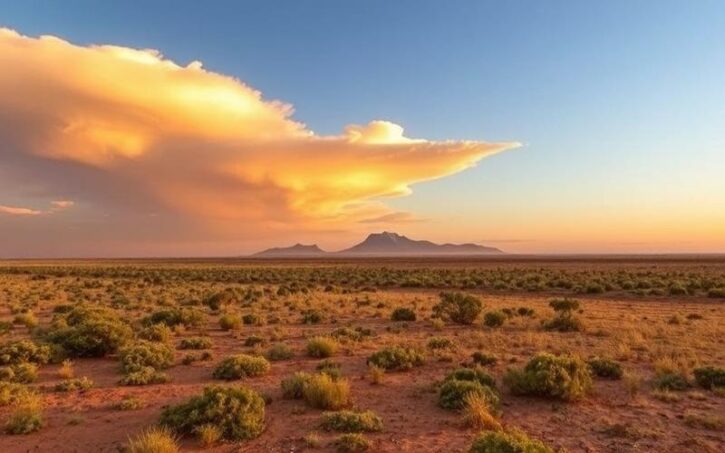
Botswana is a landlocked country in Southern Africa, bordering South Africa, Namibia, Zimbabwe, and Zambia. Its population is just over two million, spread over a vast territory (approximately 582,000 km²), more than a third of which is made up of national parks and nature reserves. These protected areas are home to some of the continent’s most remarkable landscapes, such as the Okavango Delta, Chobe National Park, or the Makgadikgadi Salt Pans.
Year of Botswana’s independence, marking the beginning of a stable democracy and rule of law.
English is the official language of administration, business, and higher education. Setswana, the national language spoken by about 80% of the population, dominates daily life, especially outside major cities. The majority religion is Christianity, although the religious landscape is varied, with significant Catholic, Hindu, and Muslim communities in Gaborone. Traditional culture remains very much alive, celebrated annually during Botswana Culture Day (Letsatsi la Ngwao).
For expatriates, the country offers a relatively predictable political and economic environment, a generally welcoming although conservative society, and exceptional natural surroundings. In return, one must contend with a hot and dry climate, uneven infrastructure between urban and rural areas, and an economy still heavily dependent on global fluctuations, particularly in the diamond and tourism sectors.
Visas, Entry into the Country, and the First Few Months
Before thinking about housing or your children’s school, the first step is to clarify your entry and residence status. Botswana has implemented a fairly structured system, with a wide variety of short-stay visas and long-stay permits.
Visa-Free Entry and General Conditions
Citizens of many countries — notably most Commonwealth states and several SADC members — can enter Botswana without a visa for a short tourist or business stay, typically up to 90 days within a 12-month period. U.S. citizens, for example, benefit from this exemption. In contrast, ordinary passport holders from countries like India, China, or Nigeria must apply for a visa before traveling.
In all cases, the basic conditions are similar: a passport valid for at least six months after the arrival date with at least three blank pages, proof of sufficient funds to support oneself, proof of return or onward travel, strongly recommended health insurance, and a yellow fever vaccination certificate if arriving from a risk area. COVID‑19 requirements have been lifted, and currently no test or proof of vaccination is required for entry.
Minors must present a certified copy of their full birth certificate. If one or both parents are not traveling with the child, a notarized parental consent letter is also required. These documents are subject to strict checks at the border.
Main Types of Short-Stay Visas
For reconnaissance, temporary assignments, or business trips, several categories exist. Botswana has deployed an e‑visa portal (evisa.gov.bw) that allows many nationals to submit their application online.
The main categories include the tourist visa, visitor visa (for family visits, medical treatment, or short courses), and the business visa for traveling investors and professionals. These visas generally allow stays ranging from one month to a few months, without the right to local salaried employment.
A summary of the main short-stay visas and their fee ranges is presented below.
| Visa Type | Primary Use | Typical Maximum Duration | Indicative Fees (BWP) |
|---|---|---|---|
| Tourist | Leisure, visits without work | 1 month (extendable) | ~300 (single entry) |
| Visitor | Social visits, medical care, non-remunerated activities | Up to 3 months, or 2 years for some eligible individuals | 300 to 1,500 depending on duration |
| Business | Prospecting, meetings, negotiations | Up to 12 months | 500 to 2,500 depending on entries |
| Transit | Transit with airport exit | Short stay | variable |
These amounts are non-refundable and may vary slightly depending on the exchange rate and regulatory updates. The average processing times range from one week to three weeks, depending on the category and the immigration services’ workload.
Residence Permit and Long Stay
As soon as your project exceeds a few months, you will need a Residence Permit and, if you work, a separate Work Permit. The Residence Permit is obtained from the immigration services (Ministry of Nationality, Immigration and Gender Affairs). The main steps are as follows: submission of a dedicated form, payment of a fee of approximately 1,500 Pula, provision of several documents (passport photos, certified copies of the passport, birth certificate, marriage certificate if applicable, medical certificate, proof of financial means).
For expatriates not working locally (retirees, annuitants, remote workers for a foreign employer), the authorities require credible financial proof such as bank statements, retirement pension documentation, or sufficient savings. For those working locally, the situation depends on the work permit and contract.
After five years of continuous legal residence under a Residence Permit, one can apply for Permanent Resident status. This status, granted case by case, offers more freedom in the labor market and access to public services, without however granting the right to vote.
Work Permit: A Mandatory Step for the Employed
Any foreigner who engages in paid or even volunteer activity in Botswana must have a valid Work Permit. This obligation applies to both employees and volunteers, interns, or researchers.
Recruiting an expatriate in Botswana is conditional on proof of the absence of a qualified local candidate. The employer must advertise the position for at least two weeks prioritizing nationals, then compile a dossier justifying the lack of a suitable Botswana profile.
The Work Permit is tied to a specific position and a given employer. Changing companies therefore requires starting a new full application. Generally, the process is as follows: signing a job offer, submission of the dossier by the employer (form, contract, CV, diplomas translated into English and, if needed, assessed by the Botswana Qualifications Authority, recent police certificates, medical certificate, proof of local recruitment attempts), payment of a fee of approximately 1,500 Pula, processing of the dossier by the competent services (National or Regional Immigrants Selection Board), decision within a few weeks.
Permits are often issued for a period of one to two years, sometimes up to five years in line with the contract duration. They are renewable, provided the application is submitted several months before expiry. Temporary or emergency work permits exist for short-term or unforeseen assignments.
Failure to comply with these rules (working without a permit, overstaying the authorized period) exposes one to severe penalties: fines, job loss, deportation, entry bans, and major difficulties for any future applications.
Where to Live: Gaborone, Francistown, Maun, and Popular Neighborhoods
Botswana has several urban centers, but three clearly stand out for expatriates: Gaborone, Francistown, and Maun.
Gaborone, Economic and Political Capital
Gaborone is the largest city and the country’s nerve center. Located in the southeast, about fifteen kilometers from the South African border, it concentrates political institutions (Parliament, ministries), the Botswana Stock Exchange, and most headquarters of large companies. Its population is estimated at around 230,000 inhabitants, but its wider urban area exceeds this number.
For an expatriate, Gaborone offers several advantages: a cost of living that is moderate by international standards, but with a relatively rich range of services for the region (good quality hotels, international dining, reliable banks, private schools, cafes, shopping malls). Mercer rankings place it among the cheapest cities in the world for foreigners, far behind most Western metropolises and many other African capitals.
Expatriates in Gaborone often concentrate in specific neighborhoods. Phakalane, an affluent suburb organized around a golf course, is highly sought after for its modern houses with gardens and pools. Broadhurst offers a more central and varied setting. Other popular areas include The Village, Naledi, Gaborone West, and the various numbered “Blocks” that structure the city (such as Blocks 3, 5, 6, 7, 8, 9, 10). Finally, the nearby village of Mokolodi attracts those seeking a more rural environment, with locally inspired housing.
Francistown, Second City and More Affordable Alternative
Francistown, in the northeast, is the second largest urban center. Less cosmopolitan than Gaborone, it remains an important economic hub, especially for regional trade and access to mining areas. Cost-of-living comparisons suggest living there is generally cheaper than in the capital: some indices estimate the gap between 10% and 20% depending on lifestyle and housing type. For digital nomads or expatriates with a fixed income in foreign currency, Francistown can therefore be a good compromise between budget and comfort.
Maun, Gateway to the Okavango Delta
Maun is best known as the safari tourism capital and the privileged access point to the Okavango Delta. The city mainly attracts tourism professionals, researchers, or expatriates involved in conservation and ecotourism. The cost of living is influenced by international tourism, particularly for accommodation. In return, the living environment is exceptional for those who love nature and wildlife.
Housing: Rentals, Property Types, and Specifics
The Botswana rental market is quite open to foreigners, with a wide range from small city apartments to villas in secure compounds with pools and gyms. Expatriates often gravitate towards secure neighborhoods and gated communities.
Overview of typical monthly rent ranges in the city of Pula, based on available data.
Typical monthly rent for a studio.
Typical monthly rent for a two-bedroom apartment.
Typical monthly rent for a three-bedroom apartment.
| Housing Type | Gaborone Center (BWP/month) | Gaborone Outskirts (BWP/month) | Francistown Center (≈ BWP) | Francistown Outskirts (≈ BWP) |
|---|---|---|---|---|
| Studio / 1 Bedroom | 2,500 – 4,500 | 1,500 – 3,000 | ~2,450 | ~1,960 |
| 3-Bedroom Apartment | 5,000 – 10,000 | 3,000 – 7,500 | ~5,850 | ~3,940 |
In the upscale neighborhoods of Gaborone (Phakalane, Kgale View, certain central extensions), spacious family homes in guarded compounds with pools, air conditioning, internet, satellite TV, and sometimes gyms or tennis courts are common. Part of the housing stock is offered furnished, which facilitates a quick setup.
To find housing, expatriates can go through real estate agencies (like Knight Frank) or online platforms (Property24, Private Property, Botswana Property Guide, Gumtree, OLX). It is common to pay up to three months’ rent in advance (deposit and first month). It is also highly advisable to inquire about home insurance before signing the lease.
Legally, foreigners can rent anywhere without restriction, but property purchase is more regulated. Non‑citizens cannot purchase undeveloped land except in freehold, and some tribal territories like Tlokweng, Mogoditshane, or Molepolole are closed to foreign purchase. However, purchasing a finished property in the city (Gaborone, Francistown, Lobatse, Phakalane, etc.) is possible, subject to high transfer duties for non‑citizens (up to 30% of the purchase price, although reforms are being discussed to reduce this rate).
Cost of Living and Daily Budget
One of the main attractions of Botswana, and Gaborone in particular, is an overall lower cost of living compared to many African capitals, not to mention major Western cities. Comparators like Mercer or Numbeo regularly rank Gaborone among the cheapest cities in the world for expatriates.
It is useful to distinguish two realities: living “like a local” by consuming mostly local products, or adopting an international lifestyle with many imported goods. The latter remains significantly more expensive.
Some price benchmarks (in Pula) help structure a budget:
| Expense Item | Indicative Range (BWP) |
|---|---|
| Simple meal at a local restaurant | 50 – 250 |
| Meal for two (mid-range restaurant) | 250 – 800 |
| Fast-food meal | 75 – 120 |
| Local beer (bar, 0.5 L) | 15 – 45 |
| Cappuccino | 13 – 50 |
| Liter of milk at the supermarket | ≈ 14 |
| Bottle of local beer (store) | ≈ 21 |
| Local bus ticket | 7 – 9 |
| Monthly transportation pass | 200 – 700 |
| Mobile plan with data | 250 – 600 (depending on volume) |
| Fixed-line internet (fast connection) | 450 – 2,000 per month |
| Gym membership | 250 – 600 per month |
| Cinema | 65 – 150 |
Overall monthly budget estimates vary by profile. A single expatriate living in Gaborone with a decent but not excessive standard of living can aim for a budget around 1,100 to 1,200 dollars per month, excluding international school fees. A family must budget more, especially if they opt for a foreign private school, with annual fees ranging from 30,000 to 100,000 Pula per child for the most reputed institutions, and significantly more for some high-end IB schools billed in dollars.
Common withdrawal amount per transaction in Pula, the currency of Botswana.
Employment, Key Sectors, and Remote Work
The Botswana economy remains marked by the weight of the mining sector, particularly diamonds, but is gradually diversifying into services, tourism, finance, light industry, and information technology.
Expatriates are concentrated mainly in a few sectors: mining and associated engineering, finance and accounting, ICT (developers, software engineers, data engineers), tourism and ecotourism (lodge management, conservation), education (teachers in international schools or higher education), and healthcare.
Monthly salaries vary considerably, with a median of about 11,700 Pula. The range extends from 3,000 Pula for low-skilled jobs to over 50,000 Pula for senior managers or specialists. Expatriate contracts often include benefits in kind: housing or allowance, private health coverage, contribution to school fees, and a vehicle or transport allowance.
For those working remotely for a foreign employer, it must be kept in mind that there is currently no dedicated “digital nomad visa”. Remote workers must therefore fit into existing visa categories (tourist or business visa for a short stay, residence permit without local employment for a longer stay), while ensuring compliance with tax rules and not engaging in unauthorized local paid work. The internet network, although improving, remains generally slow (often 1 to 2 Mbps in practice) and uneven depending on the neighborhood; remote work on bandwidth-heavy activities may therefore require technical solutions (premium provider, connection aggregation, etc.).
To facilitate administrative and payroll procedures in Botswana, it is advisable for foreigners to be assisted either by an employer experienced in local procedures or by a specialized provider in compliance and international payroll, such as an ‘Employer of Record’ service.
Health: System, Insurance, and Risks to Know
The Botswana health system is largely dominated by the public sector, which provides about 98% of facilities. Geographic access is good for the population: almost all residents have a health facility within 8 km, slightly less in rural areas. The public service focuses on prevention (vaccinations, HIV care, maternity), but suffers from underfunding, shortages of qualified staff, and sometimes long waiting times.
In parallel, a growing private sector has developed in major cities, with modern hospitals in Gaborone and Francistown. Private facilities like Life Gaborone Private Hospital, Lenmed Bokamoso Private Hospital, or Sidilega Private Hospital, all located in the capital, offer higher quality care, with specialists often trained abroad. It is to these structures that most expatriates, as well as the local upper-middle class, turn.
Summary of key characteristics of the health system by sector.
Managed by the state, funded by taxation. Offers universal coverage, with services often free or low-cost for the user. May have longer waiting times.
Managed by companies, funded by private insurance and direct payments. Offers quicker access to care and greater choice of practitioners, but generally at a higher cost.
Managed by associations or foundations, funded by donations, grants, and moderate fees. Often combines a social mission with complementary healthcare offerings to the public sector.
Hybrid model where public and private collaborate (e.g., public hospitals managed by private entities). Aims to combine private efficiency with public universal coverage goals.
| Characteristic | Public | Private (Gaborone / major cities) |
|---|---|---|
| Geographic Accessibility | Very good (dense network) | Concentrated in major cities |
| Cost for an Expatriate | Moderate fees (≈ 70 USD per service) | High costs, itemized billing |
| Infrastructure Quality | Variable, often limited | Good to very good, modern equipment |
| Waiting Times | Long, sometimes very long | Shorter |
| Local Insurance Coverage | Universal for citizens, not for foreigners | Based on private insurance or direct payment |
| Language | Setswana dominant, English not systematic | English widely spoken |
Foreigners do not benefit from the free universal healthcare scheme. They must pay for their care, either out-of-pocket or via insurance. It is therefore strongly recommended to take out private international health insurance, with, if possible, a medical evacuation option to South Africa in case of serious or complex conditions. Several insurers specialized in expatriates operate in the market, including groups like Cigna, AXA, Allianz, or William Russell, offering flexible plans covering hospitalization, outpatient consultations, evacuation, and sometimes dental or optical care.
The country is severely affected by HIV/AIDS, although prevention policies are advanced. Malaria is present in the northern regions (Chobe, North-West, and Central districts), but Gaborone and Francistown are low-risk. Prevention against mosquitoes (bed nets, repellents) and chemoprophylaxis are recommended in at-risk areas.
Other diseases exist, such as tuberculosis, rabies (sporadic cases), or water and food-borne illnesses. It is prudent not to drink tap water, despite theoretical treatment, and to prefer bottled mineral or filtered water. Recommended vaccinations for a long stay include, as applicable, hepatitis A and B, typhoid, DTP booster, possibly rabies and yellow fever if exposed.
In case of emergency, several numbers are important: the police can be reached via 999, firefighters via 998, and ambulance via 992 (MRI Botswana is the main operator for ground and air ambulances). Private hospitals have emergency services, but it is always useful to have an evacuation plan to South Africa as a backup.
Education: Public, Private, and International Schools
For expatriate families, the question of schooling weighs heavily in the choice of city and budget. The Botswana education system is structured, with free public education for the first ten years (primary and junior secondary), but resources remain limited and pedagogical standards uneven, especially outside major cities. The average quality of public education is considered low by several observers.
For expatriates, the main educational options are English-language or international private schools, located mainly in Gaborone, and to a lesser extent in Maun and Palapye. They offer recognized programs (British curriculum with IGCSE/A-Levels, International Baccalaureate, or American/French streams), thus facilitating school transitions to other countries.
The best-known institutions in the capital include, for example, Westwood International School (IB school from kindergarten to high school), Maru a Pula (independent secondary, Cambridge), Gaborone International School, Thornhill Primary School, Northside School, or various private schools like Legae, Botlhale, The Learning Centre School, Rainbow School, etc. In Maun, Delta Waters International School offers a Cambridge-style secondary with boarding. These institutions charge high tuition fees, sometimes in foreign currencies, and demand is high. It is best to start very early, even including school fees in your expatriation package negotiation if you are employed.
Families in Botswana can opt for homeschooling or accredited online programs from another country, provided they comply with the national framework of the Ministry of Education and officially register their approach.
For young children, the supply of private nurseries and kindergartens is abundant in major cities, with various pedagogical approaches (Montessori, religious, classic English-language structures). In all cases, English dominates as the language of instruction, while Setswana remains very present in daily life. Many private and international schools offer Setswana classes, which can be a good lever for children’s integration.
Taxation: Who Pays What, Where, and How
Moving to Botswana also means understanding the local tax system, especially since tax is levied on a territorial basis. Tax residents are taxed on their Botswana-source income (salaries, profits, rents, etc.), while non‑residents are only taxed on Botswana-source income, but under a slightly less favorable scale (no exempt bracket).
Tax Residence and Personal Taxation
A person is considered a tax resident if they have their permanent home in Botswana or if they stay there for at least 183 days during the fiscal year (which runs from July 1 to June 30). Prolonged stays over two consecutive years can also lead to residence.
Residents are subject to a progressive scale on their Botswana-source income. The brackets start with an exempt zone (up to about 48,000 Pula of annual income), then gradually rise to a marginal rate of 25% for the highest incomes. Non‑residents are taxed at the same scale but without the exempt bracket.
For expatriates under contract, salaries, bonuses, and benefits in kind (housing, vehicle, etc.) are taxable. However, certain elements receive special treatment: part of the end-of-contract gratuity may be exempt (up to one-third, subject to limits). Furthermore, travel or healthcare expenses contractually covered by the employer may also be non-taxable.
Investment income (interest, foreign dividends, royalties), self-employment profits, and property gains are also taxed, with specific rules, particularly regarding withholding taxes. Interest earned from Botswana banks benefits from a partial exemption, up to an annual ceiling.
Corporate Taxes, VAT, and Tax Treaties
Resident companies (incorporated in Botswana or managed from the country) are taxed in principle at 22% on their Botswana-source profits, while non-resident companies pay 30% on their Botswana-source profits. Preferential regimes exist for certain strategic sectors (international financial services, special economic zones, processing industries, etc.), with rates that can go down to 5 or 10% for several years.
The standard VAT rate is 12% for most goods and services. Residential housing rents are generally exempt. It is important to note that significant transfer duties apply to real estate transactions, especially for non-Botswana citizen buyers, and that a tax exists on gratuitous transfers like inheritances and donations.
Botswana has concluded numerous double taxation treaties with countries like the United Kingdom, France, India, Ireland, Mauritius, South Africa, Sweden, the United Arab Emirates, Belgium, Luxembourg, Namibia, Zambia, Zimbabwe, etc. These agreements cap withholding tax rates on dividends, interest, royalties, and certain services, and provide for tax credit mechanisms to avoid effective double taxation of the same income in two states.
Expatriates who are nationals of states with worldwide taxation (like the United States) must also manage their obligations in their country of origin: filing returns, using foreign earned income exclusion provisions, reporting foreign bank accounts, etc. U.S. authorities, for example, exchange data with Botswana under international tax cooperation.
Given this complexity, it is highly recommended to consult a tax advisor familiar with Botswana–home country expatriation situations, especially if you have multiple income sources (salaries, rents, dividends, self-employment) or if you plan to purchase real estate.
Banks, Accounts, and Money Transfers
Botswana’s banking services are relatively developed, especially in major cities. Several commercial banks operate in the country, including subsidiaries of regional or international groups: First National Bank Botswana, Standard Chartered, Bank Gaborone, Absa (ex‑Barclays), Stanbic, but also Bank of Baroda or BancABC, among others.
To open an account, an expatriate must present a valid residence and work permit. Banks generally require a certified copy of the passport, a residence or work permit, recent proof of address (utility bill or lease under 3 months old), and sometimes a foreign bank statement, pay slips, or an employer’s letter. Additional documents are needed for minors (birth certificate) or company accounts (articles of incorporation, certificate of incorporation, tax documents, etc.).
Banks offer different types of accounts: current accounts for daily transactions, savings accounts (often with caps and minimum balance requirements), fixed deposits, and foreign currency accounts (USD, GBP, ZAR, EUR) for those wishing to keep part of their funds in a strong currency. Online and mobile banking services are widely available, with options for SMS notifications, domestic and international transfers, and even integration with online payment solutions.
Many expatriates maintain two accounts: a local account for daily expenses and salary, and an offshore or home country account for savings and investments. Fund transfers out of Botswana are free, as the country no longer has strict exchange controls. The costs and timelines for these transfers vary depending on the banks and channels used.
Safety, Daily Life, and Social Codes
Compared to many neighboring countries, Botswana enjoys a reputation as a relatively safe country. The crime rate is lower than in several other African capitals, and there is no recent history of terrorist acts. Nevertheless, as everywhere, caution is required, especially in urban areas.
Theft, burglary, and opportunistic assaults exist, particularly in Gaborone, Francistown, and Maun. Typical incidents mentioned by authorities and residents include home break‑ins, theft from parked cars, bag‑snatching at store exits or traffic lights, and even nighttime assaults. Protests can sometimes turn violent, and it is advisable to avoid them.
Despite the decriminalization of homosexuality, the country is not always perceived as welcoming for families, single women, or LGBTQ+ individuals. Social attitudes, particularly in rural and conservative settings, often remain hostile, showing a gap with legal evolution.
A few basic rules facilitate integration. Greetings are fundamental: one does not start an interaction without saying hello. “Dumela” (to one person) or “Dumelang” (to multiple people or as a sign of respect) are key phrases. The traditional handshake is done with the right hand, the left hand supporting the right forearm as a sign of respect. In traditional places like the kgotla (community gathering space), a dress code applies: women wear skirts below the knee and cover their shoulders, men wear formal trousers and a shirt, even a jacket.
Politeness is valued, notably the use of “tswee‑tswee” to say “please” and “ke a leboga” for “thank you.” Respect towards elders and local authorities is essential. It is recommended to adopt a measured attitude on sensitive topics like politics, religion, or traditional practices. Avoid pointing at a person with a finger, as it is considered impolite; prefer pointing with an open hand.
Learning a few phrases of Setswana is a considerable asset for building relationships, even though English is sufficient for most professional interactions in Gaborone. Many resources exist: YouTube channels, online courses, mobile apps, children’s books, university modules. This small language effort is often perceived as a mark of respect and sincere interest in the country.
In daily life, life in Gaborone is relatively calm, without the density and bustle of African megacities. The city is not overcrowded, traffic jams are limited to certain axes during peak hours, and green spaces or nearby reserves (Gaborone Game Reserve, Mokolodi Nature Reserve, Gaborone Dam) offer quick natural getaways. On the other hand, cultural and leisure activities remain relatively limited: a few shopping malls, gyms, restaurants, cafes, occasional concerts, but less diversity than in a major capital. Nightlife exists but is concentrated in a few bars and clubs, with an offering some expatriates find limited.
Transportation, Climate, and Practical Checklist
Botswana is primarily a car country. The road network is rather good on main arteries, but quality deteriorates inland, with sometimes poorly maintained roads. Driving is on the left, as in South Africa. An international driver’s license is valid for 90 days; for a long-term stay, it is advisable to obtain a Botswana driver’s license.
Public transportation essentially consists of minibuses (“kombis”) and taxis, including shared taxis on certain urban routes. Gaborone’s city center (Main Mall) is pedestrian and invites walking, but in most neighborhoods, distances and heat make a car practical, even almost essential for a family.
Gaborone is served by Sir Seretse Khama International Airport, which offers regular connections to major Southern African cities. Rail exists, but passenger traffic is limited, with most connections oriented towards freight. The road therefore remains the main vector for long‑distance travel.
The climate is hot and dry, with very hot summers (up to 40 °C and more). The rainy season runs from November to April, but rainfall is irregular and the country is prone to droughts. The months of September to November are often windy. It is advisable to have effective air conditioning or ventilation, light clothing, sunscreen, effective mosquito repellent, and a first‑aid kit.
Before departure, it is wise to gather all essential documents: birth and marriage certificates (certified, possibly apostilled), diplomas translated into English and, if possible, already assessed or ready for assessment by Botswana authorities, recent police certificates, vaccination records, medical records and prescriptions, bank references, insurance certificates. For those coming with children, add school reports, teacher recommendation letters, and application dossiers for targeted schools.
It is recommended to budget for three months of full living expenses as a reserve for a couple or family when moving abroad.
—
Moving to Botswana means betting on a stable, welcoming country that is still on a human scale, with real economic opportunities in certain sectors and a quality of life marked by nature. It also means accepting a sometimes harsh environment (climate, uneven health infrastructure, administrative delays) and a conservative social framework. Meticulous preparation, an informed choice of city and neighborhood, good health coverage, and a clear understanding of visa and tax constraints are the keys to turning this bet into a successful move.
Disclaimer: The information provided on this website is for informational purposes only and does not constitute financial, legal, or professional advice. We encourage you to consult qualified experts before making any investment, real estate, or expatriation decisions. Although we strive to maintain up-to-date and accurate information, we do not guarantee the completeness, accuracy, or timeliness of the proposed content. As investment and expatriation involve risks, we disclaim any liability for potential losses or damages arising from the use of this site. Your use of this site confirms your acceptance of these terms and your understanding of the associated risks.

Cyril Jarnias is an independent expert in international wealth management with over 20 years of experience. As an expatriate himself, he is dedicated to helping individuals and business leaders build, protect, and pass on their wealth with complete peace of mind.
On his website, cyriljarnias.com, he shares his expertise on international real estate, offshore company formation, and expatriation.
Thanks to his expertise, he offers sound advice to optimize his clients' wealth management. Cyril Jarnias is also recognized for his appearances in many prestigious media outlets such as BFM Business, les Français de l’étranger, Le Figaro, Les Echos, and Mieux vivre votre argent, where he shares his knowledge and know-how in wealth management.





