

 Published on and written by Cyril Jarnias
Taiwan Island, nicknamed the “Asian Tiger,” is increasingly attracting attention from international real estate investors. With its dynamic economy, political stability, and strategic position in Asia, Taiwan offers numerous opportunities for those looking to diversify their real estate portfolio. In this article, we will explore different aspects of real estate investment in Taiwan, from reasons to invest to potential rental returns.
Explore our other articles on real estate investment in Taiwan:
Taiwan’s real estate market presents a contrasting panorama, reflecting the economic and cultural diversity of this fascinating island. From ultra-modern [...]

Here is a detailed article about tourism’s impact on Taiwan’s real estate market: Tourism has become a significant driver of [...]

With its spectacular landscapes, rich culture, and dynamic economy, Taiwan stands out as a premier destination for second home investment. [...]

Taiwan Island, located off the southeastern coast of mainland China, is attracting increasing foreign investment thanks to its dynamic economy [...]
Taiwan Island, with its robust economic growth and dynamic real estate market, is attracting increasing numbers of international investors. Whether [...]
Taiwan’s real estate market is currently experiencing an unprecedented period of transformation and dynamism. Between rapidly evolving lifestyles, demographic changes, [...]

Taiwan, this beautiful island located off the coast of China, offers an idyllic setting for real estate investors seeking waterfront [...]

Taiwan real estate is attracting more and more foreign investors, drawn by the island’s economic dynamism and growth prospects. However, [...]
Purchasing real estate in Taiwan can be an excellent investment opportunity for foreigners. However, the process involves certain specificities that [...]

Seasonal rentals in Taiwan represent a golden opportunity for savvy real estate investors. With its breathtaking landscapes, fascinating culture, and [...]
Taiwan is embarking on a wave of large-scale urban development projects that promise to redefine its city landscapes and create [...]

Purchasing real estate in Taiwan presents an attractive opportunity for foreign investors, but requires a strategic approach and solid understanding [...]

Taiwan real estate represents an attractive investment opportunity for international investors, particularly due to its tax benefits. This article explores [...]

Here is an article about common mistakes when purchasing real estate in Taiwan, with the requested sections: Real estate in [...]
Taiwan’s luxury real estate market is increasingly attracting attention from wealthy investors worldwide. With its dynamic economy, political stability, and [...]

Taiwan real estate offers numerous opportunities for foreign investors, whether for residential purchases or rental investments. However, navigating the local [...]
Renovating a property in Taiwan can be an excellent way to increase its value in the local real estate market. [...]
Taiwan’s commercial real estate offers particularly attractive investment opportunities for international investors. With a dynamic economy, strategic position in Asia, [...]
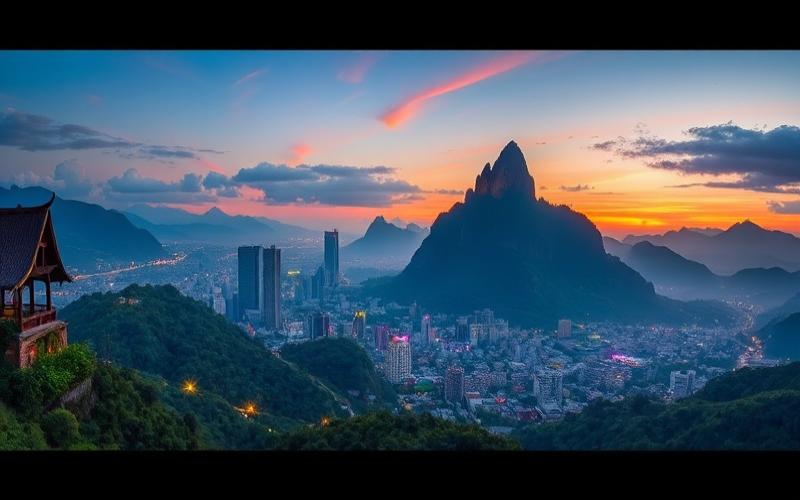
Taiwan, a vibrant island off the coast of China, is attracting an increasing number of foreign real estate investors. With [...]

The Taiwanese real estate market is booming, offering excellent opportunities for well-prepared sellers. Whether you’re an expatriate looking to sell [...]
Why is Taiwan a Sought-After Destination for Real Estate?
Taiwan boasts several strengths that make it an attractive destination for real estate investors:
A Robust and Innovative Economy: Taiwan is globally recognized for its cutting-edge technology industry, particularly in semiconductors. This economic strength translates into consistent demand for quality housing, both for locals and expatriates.
Political and Economic Stability: Despite geopolitical tensions with mainland China, Taiwan has maintained remarkable stability, offering a safe environment for long-term investments.
High Quality of Life: Taiwanese cities, especially Taipei, offer a unique blend of modernity and tradition, with quality infrastructure, an efficient healthcare system, and a rich local culture.
A Growing Real Estate Market: Although prices have seen significant increases in recent years, the Taiwanese real estate market remains dynamic, with interesting opportunities in different segments.
Favorable Taxation: Taiwan offers relatively low tax rates for rental income and real estate capital gains, which can increase investment profitability.
Good to Know:
Taiwan regularly ranks among the top destinations for expatriates in Asia, which supports demand for quality housing and can offer interesting rental opportunities.
The Taiwanese Real Estate Market: Rising Prices but Persistent Opportunities
The Taiwanese real estate market has experienced sustained growth in recent years, particularly in major cities like Taipei. However, prices generally remain lower than in other major Asian metropolises like Hong Kong or Singapore.
Price Trends: According to data from Taiwan’s Ministry of the Interior, residential real estate prices have increased by an average of 5 to 7% annually over the past five years. This upward trend has persisted despite the COVID-19 pandemic, demonstrating the market’s resilience.
Regional Comparison: Despite price increases, real estate in Taiwan remains more affordable than in other Asian financial centers. For example, the average price per square meter in Taipei is about 30 to 40% lower than in Singapore and up to 60% lower than in Hong Kong for comparable neighborhoods.
Local Variations: There are significant differences between regions. Taipei, the capital, has the highest prices, closely followed by New Taipei City. Secondary cities like Taichung, Tainan, or Kaohsiung offer more affordable prices with interesting growth potential.
Price Example: In Taipei, in a central neighborhood like Xinyi or Daan, a 100 m² apartment can trade between 15 and 20 million Taiwanese dollars (approximately $430,000 to $570,000). In a city like Taichung, a similar property might cost between 8 and 12 million Taiwanese dollars ($230,000 to $340,000).
Good to Know:
Despite rising prices, the Taiwanese government has implemented measures to limit real estate speculation and maintain housing accessibility, particularly for local first-time buyers.
Types of Real Estate Properties in Taiwan: From Urban Apartments to Traditional Houses
The Taiwanese real estate market offers a variety of properties suited to different budgets and investment goals. Here are the main types of housing available:
Condominium Apartments: This is the most common type of property in urban areas. You can find buildings from different eras, ranging from recent constructions with many amenities (gym, pool, 24/7 security) to older buildings offering larger spaces at more affordable prices.
Price Example: A modern 3-room apartment (approximately 80-100 m²) in a sought-after Taipei neighborhood can cost between 25 and 35 million Taiwanese dollars ($710,000 to $1 million).
Single-Family Homes: Less common in city centers due to urban density, they are more frequent in suburbs and secondary cities. These properties often attract local families and expatriates seeking more space.
Price Example: A 150-200 m² house with a garden in the suburbs of New Taipei City can trade around 40 to 50 million Taiwanese dollars ($1.1 to $1.4 million).
Traditional Houses: In some historic areas, you can find traditional Chinese-style houses. Although they often require renovations, they can represent unique opportunities for rehabilitation projects or tourist rentals.
Price Example: A traditional house needing renovation in a historic Tainan neighborhood could cost between 10 and 15 million Taiwanese dollars ($280,000 to $430,000), but renovation costs can be significant.
Studio Apartments and Micro-Apartments: Very popular among young professionals and students, these small units often offer attractive rental yields in dense urban areas.
Price Example: A 20-30 m² studio in a student neighborhood in Taipei can sell for between 5 and 8 million Taiwanese dollars ($140,000 to $230,000).
Good to Know:
Real estate properties in Taiwan are typically sold in “tsubo,” a traditional unit of measurement equivalent to about 3.3 m². It’s important to understand this conversion well when evaluating prices.
The Most Promising Areas for Real Estate Investment in Taiwan
Taiwan offers various real estate investment opportunities, with each region having its own strengths. Here’s an overview of the most attractive areas:
Taipei and New Taipei City: Greater Taipei remains the economic heart of the island and attracts the majority of investments. Neighborhoods like Xinyi (financial center), Daan (high-end residential), or Zhongshan (undergoing gentrification) are particularly sought after. New Taipei City, surrounding Taipei, offers more affordable options with good growth potential, especially in areas like Banqiao or Xindian.
Taichung: Taiwan’s third-largest city, Taichung is experiencing rapid development. Its pleasant climate and lower cost of living than Taipei make it an attractive destination for retirees and young professionals. The West District and Xitun neighborhoods are particularly dynamic.
Kaohsiung: The largest city in southern Taiwan, Kaohsiung benefits from significant investments in infrastructure and industry. Areas near the port and the Pier-2 Art Center artistic district offer interesting opportunities.
Tainan: Taiwan’s former capital, Tainan attracts with its rich historical heritage and booming technology industry. Historic neighborhoods like Anping and areas near the Tainan Science Park are worth watching.
Hsinchu: Nicknamed the “Silicon Valley of Taiwan,” Hsinchu is home to many technology companies. Demand for quality housing for engineers and executives is strong here.
Good to Know:
Areas near subway stations or high-speed rail stations generally experience faster real estate value appreciation. This is an important criterion to consider when choosing an investment.
Taiwan vs Other Asian Destinations: A Competitive Real Estate Market
To better understand the appeal of real estate investment in Taiwan, it’s helpful to compare it to other popular destinations in Asia:
Taiwan vs Hong Kong: Although Hong Kong long remained the reference for real estate investment in Asia, Taiwan now offers significant advantages. Prices in Taipei are significantly lower than in Hong Kong (up to 60% cheaper for comparable properties), offering better capital gains potential. Additionally, Taiwan’s political stability contrasts with recent uncertainties in Hong Kong.
Taiwan vs Singapore: Singapore and Taiwan share many similarities in terms of economic development and quality of life. However, real estate in Taiwan remains more affordable, with average prices 30 to 40% lower than in Singapore. Taiwan also offers less strict restrictions for foreign investors.
Taiwan vs Japan: Japan, particularly Tokyo, has long been a sought-after destination for real estate investment. Taiwan stands out with more dynamic economic growth and generally higher rental yields. Additionally, the language barrier is often less problematic in Taiwan, where English is more widely spoken.
Taiwan vs Malaysia: Malaysia, particularly Kuala Lumpur, attracts with its very competitive prices. However, Taiwan offers a more developed and diversified economy, as well as better infrastructure quality, which can justify larger investments with more stable long-term growth potential.
Good to Know:
Unlike some Asian countries, Taiwan does not impose major restrictions on foreign ownership, which greatly facilitates investments for non-residents.
Buying Real Estate in Taiwan as a Foreigner: Step-by-Step Guide
Unlike some Asian countries, Taiwan offers a relatively open framework for real estate acquisition by foreigners. Here are the main things to know:
Property Rights: Foreigners can generally buy real estate in Taiwan without major restrictions, provided their home country grants reciprocity to Taiwanese citizens. This condition is met for most Western countries.
Types of Accessible Properties: Foreigners can acquire apartments, houses, and land for residential or commercial use. However, purchasing agricultural land is subject to stricter restrictions.
Purchase Process: 1. Obtain an Alien Resident Certificate (ARC) or resident visa. 2. Open a Taiwanese bank account to facilitate transactions. 3. Find a property and negotiate the price with the help of a local real estate agent. 4. Sign a preliminary contract and pay a deposit (usually 1-5% of the price). 5. Conduct necessary legal checks (property title, mortgages, etc.). 6. Obtain local government approval for the purchase (generally a quick process). 7. Sign the final deed of sale and pay the balance. 8. Register the property with local authorities.
Financing: Taiwanese banks can grant mortgages to foreigners, but conditions are often less favorable than for local residents. The loan amount is generally limited to 60-70% of the property’s value.
Taxation: Foreign buyers are subject to the same taxes as locals, including: – Purchase tax: 6-15% depending on property value and holding period. – Annual property tax: 1-3% of the estimated property value. – Capital gains tax upon resale.
Good to Know:
It is highly recommended to hire a local lawyer specialized in real estate law to ensure all procedures are correctly followed and your interests are protected throughout the purchase process.
Rental Profitability in Taiwan: Attractive Yields in a Dynamic Market
Rental investment in Taiwan can offer interesting returns, particularly in large cities where demand for quality housing remains strong. Here are some concrete examples of rental profitability:
Apartment in Central Taipei: – Purchase: 40 m² studio in Zhongshan district for 12 million TWD (approximately $340,000) – Potential monthly rent: 25,000 TWD (approximately $710) – Gross annual rental yield: approximately 5-6%
Family Apartment in New Taipei City: – Purchase: 3-room, 80 m² apartment in Banqiao for 18 million TWD (approximately $510,000) – Potential monthly rent: 35,000 TWD (approximately $1,000) – Gross annual rental yield: approximately 4-5%
Student Studio in Taichung: – Purchase: 25 m² studio near a university for 4 million TWD (approximately $114,000) – Potential monthly rent: 10,000 TWD (approximately $285) – Gross annual rental yield: approximately 6-7%
Luxury Apartment in Kaohsiung: – Purchase: 2-room, 60 m² apartment with sea view for 10 million TWD (approximately $285,000) – Potential monthly rent: 22,000 TWD (approximately $625) – Gross annual rental yield: approximately 5-6%
It’s important to note that these figures are estimates and can vary depending on many factors such as exact location, property condition, condo fees, etc. Additionally, these yields are gross and do not account for taxes, management, and maintenance costs.
Factors Influencing Profitability: – Location: Properties near public transportation, employment areas, or universities generally have better profitability. – Property Type: Small units (studios, 2-bedrooms) often offer better yields, especially in large cities. – Property Quality: Modern, well-equipped housing can justify higher rents. – Rental Management: Good management can optimize occupancy and minimize vacancy periods.
Good to Know:
The Taiwanese rental market is dynamic, with strong demand from young professionals, students, and expatriates. This can ensure good stability of rental income for investors.
Conclusion: Taiwan, a Real Estate Investment Destination to Seriously Consider
Real estate investment in Taiwan presents many strengths for international investors. With its robust economy, political stability, and dynamic real estate market, the island offers an interesting balance between capital gains potential and attractive rental returns.
The main strengths of real estate investment in Taiwan include: – A legal framework favorable to foreign investors – Prices still competitive compared to other Asian metropolises – Sustained rental demand, particularly in large cities – A diversified and innovative economy, offering long-term growth prospects – High quality of life, attracting expatriates and international talent
However, as with any international investment, it’s crucial to research the specifics of the local market, purchase procedures, and tax aspects thoroughly. It’s recommended to work with local professionals (real estate agent, lawyer, accountant) to navigate this market effectively.
Whether you’re looking to diversify your real estate portfolio or gain exposure to Asia’s economic dynamism, Taiwan certainly deserves a prominent place in your investment considerations.
Disclaimer: The information provided on this website is for informational purposes only and does not constitute financial, legal, or professional advice. We encourage you to consult qualified experts before making any investment, real estate, or expatriation decisions. Although we strive to maintain up-to-date and accurate information, we do not guarantee the completeness, accuracy, or timeliness of the proposed content. As investment and expatriation involve risks, we disclaim any liability for potential losses or damages arising from the use of this site. Your use of this site confirms your acceptance of these terms and your understanding of the associated risks.

Cyril Jarnias is an independent expert in international wealth management with over 20 years of experience. As an expatriate himself, he is dedicated to helping individuals and business leaders build, protect, and pass on their wealth with complete peace of mind.
On his website, cyriljarnias.com, he shares his expertise on international real estate, offshore company formation, and expatriation.
Thanks to his expertise, he offers sound advice to optimize his clients' wealth management. Cyril Jarnias is also recognized for his appearances in many prestigious media outlets such as BFM Business, les Français de l’étranger, Le Figaro, Les Echos, and Mieux vivre votre argent, where he shares his knowledge and know-how in wealth management.





