
 Published on and written by Cyril Jarnias
Taiwan’s real estate market is currently experiencing an unprecedented period of transformation and dynamism. Between rapidly evolving lifestyles, demographic changes, and new regulations, the Taiwanese property market offers numerous opportunities for savvy investors. Let’s dive into the trends shaping this thriving sector.
Taipei’s Popular Neighborhoods: Between Tradition and Modernity
In Taipei, Taiwan’s economic and cultural capital, certain neighborhoods are particularly sought after by buyers and investors.
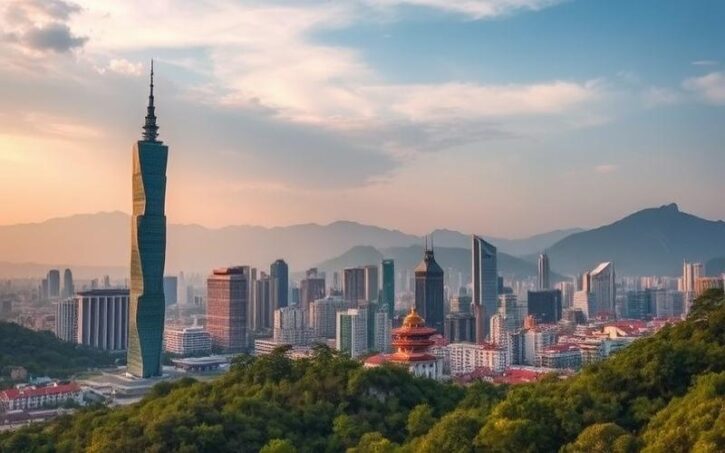
Xinyi District, the city’s true business center, is attracting increasing attention. With its modern skyscrapers, luxury shopping malls, and proximity to the famous Taipei 101 tower, Xinyi embodies the capital’s economic dynamism. High-end apartments and offices in this neighborhood are highly sought after, offering attractive rental yields for investors.
Da’an District, meanwhile, attracts with its more residential atmosphere and traditional charm. Known for its numerous universities, lush parks, and lively shopping streets, Da’an draws a young, educated population. Single-family homes and family apartments are particularly in demand, especially among expatriates and affluent Taiwanese families.
Zhongshan, a neighborhood undergoing transformation, is also experiencing renewed interest. Once considered somewhat outdated, Zhongshan is rapidly changing thanks to numerous urban renewal projects. Converted factories turned into creative spaces, design boutiques, and trendy cafes attract a young, creative population. Lofts and renovated apartments in former industrial buildings are particularly popular in this revitalizing neighborhood.
Shilin District, famous for its night market and tourist attractions, is increasingly drawing investors. Proximity to the National Palace Museum and Yangmingshan National Park makes it a highly desirable residential area. Houses with gardens and apartments with mountain views are particularly sought after in this green neighborhood.
Good to Know:
Central Taipei neighborhoods like Xinyi, Da’an, and Zhongshan offer the best long-term appreciation prospects, while more peripheral areas like Shilin can provide better value for first-time buyers or investors seeking higher rental yields.
Price Evolution: Sustained Growth Despite Challenges
The Taiwanese real estate market has experienced impressive growth in recent years, particularly in major cities like Taipei. Several factors explain this upward trend:
Sustained demand: Despite demographic slowdown, housing demand remains strong in Taiwan, particularly in urban areas. The trend toward independent living and shrinking household sizes contribute to maintaining upward pressure on prices.
Historically low interest rates: The accommodative monetary policy of Taiwan’s Central Bank has facilitated access to mortgage credit, stimulating demand and supporting prices.
Lack of buildable land: Taiwan’s mountainous topography and restrictions on agricultural land use limit new construction possibilities, contributing to supply scarcity and rising prices.
According to Taiwan’s Ministry of Interior data, residential property prices have increased by an average of 5.7% annually over the past five years. In Taipei, the increase has been even more pronounced, with an average annual rise of 7.2% over the same period.
- Average price per square meter in Taipei: approximately €14,000
- Average price per square meter in Taichung: approximately €5,500
- Average price per square meter in Kaohsiung: approximately €4,800
It’s important to note that these averages conceal significant disparities between neighborhoods and property types. In Taipei’s most sought-after areas, prices can easily exceed €20,000 per square meter for high-end properties.
Evolution outlook: Although price growth remains sustained, some experts worry about potential market overheating. The Taiwanese government recently implemented measures to curb real estate speculation, including increasing taxes on short-term transactions and strengthening mortgage controls.
Despite these measures, most analysts expect prices to continue rising in the coming years, albeit at a potentially more moderate pace. The scarcity of buildable land, combined with sustained demand, should continue to exert upward pressure on prices, particularly in major cities.
Good to Know:
Although Taiwan’s real estate prices have seen strong growth in recent years, they remain relatively affordable compared to other major Asian cities like Hong Kong or Singapore. This situation still offers interesting opportunities for foreign investors.
Investment Opportunities: Betting on Diversification
For investors looking to position themselves in the Taiwanese real estate market, several options are available, each with its advantages and disadvantages.
1. Downtown Apartments
Apartments located in central neighborhoods of major cities, particularly Taipei, remain a safe choice for investors. Rental demand is strong there, especially from young professionals and expatriates. Studios and two-bedroom apartments typically offer the best rental yields, with rates reaching 4-5% in the most sought-after areas.
- Strong rental demand
- Long-term appreciation potential
- Easy management
- High entry price
- Sometimes limited rental yields in most expensive areas
2. Single-Family Homes in Suburban Areas
With improved transportation infrastructure and the development of remote work, suburban areas are gaining attractiveness. Single-family homes with gardens, rare in city centers, are increasingly attracting families seeking space and quality of life.
- Better value for money
- Significant appreciation potential if the area develops
- Attractiveness for families
- Less rental demand than downtown
- Potentially more complex management
- Risk of depreciation if regional economy declines
3. Commercial Real Estate
The commercial real estate sector in Taiwan offers interesting opportunities, particularly in developing areas. Offices, coworking spaces, and commercial premises can offer attractive yields, especially in booming business districts.
- Potentially higher rental yields than residential
- Generally longer and more secure leases
- Portfolio diversification
- Often larger initial investment
- Sensitivity to economic cycles
- More complex management requiring good local market knowledge
4. Student Housing
With its many renowned universities, Taiwan attracts a large number of international students each year. Student housing, still underdeveloped on the island, represents a promising niche market for investors.
- Stable and predictable rental demand
- Potentially high yields
- Simplified management if handled by specialized operator
- Market still immature in Taiwan
- Dependence on immigration and education policies
- Need for regular renovations to remain attractive
Good to Know:
To maximize success chances in Taiwanese real estate investment, it’s crucial to thoroughly research local market specifics and surround yourself with competent professionals (real estate agents, lawyers, tax specialists) familiar with Taiwanese regulations.
Taiwan Real Estate Market Challenges and Opportunities
The Taiwanese real estate market, while dynamic and promising, is not without challenges. Investors must be aware of certain issues specific to this market:
1. Foreign Purchase Regulations
Unlike some Asian countries, Taiwan allows foreigners to purchase real estate. However, certain restrictions apply, particularly on agricultural land purchases. It’s essential to thoroughly research current regulations and obtain necessary permits before any investment.
2. Geopolitical Tensions
Taiwan’s geopolitical situation, particularly its relations with mainland China, can create some uncertainty in the real estate market. Although the direct impact on prices has been limited so far, this situation can influence foreign investor confidence.
3. Population Aging
Like many developed countries, Taiwan faces rapid population aging. This demographic trend could have long-term implications for the real estate market, particularly regarding demand for senior-friendly housing.
4. Energy Transition
The Taiwanese government has set ambitious energy transition goals. Energy-efficient and environmentally friendly buildings should gain attractiveness in the coming years, offering opportunities for visionary investors.
5. Real Estate Sector Digitalization
The growing adoption of digital technologies in Taiwan’s real estate sector (virtual tours, electronic signatures, online rental management) offers new opportunities for investors, while requiring adaptation of traditional practices.
Despite these challenges, Taiwan’s real estate market remains attractive for savvy investors. The country’s economic stability, reliable legal system, and strategic positioning in Asia make it a prime destination for international real estate investors.
Good to Know:
To effectively navigate Taiwan’s real estate market, it’s recommended to diversify investments, both in terms of location and property types. This approach minimizes risks while maximizing return opportunities.
Conclusion: A Dynamic Market with Multiple Facets
The Taiwanese real estate market offers a range of opportunities for local and international investors. Between sustained price growth in major cities, the emergence of attractive new neighborhoods, and the development of innovative market segments, Taiwan positions itself as a prime destination for real estate investment in Asia.
However, as with any foreign investment, it’s crucial to adopt a cautious and well-informed approach. Thorough knowledge of the local market, clear understanding of current regulations, and a long-term vision are essential for success in Taiwanese real estate.
Whether you’re attracted to modern downtown Taipei apartments, spacious suburban homes, or emerging opportunities in commercial or student real estate, the Taiwanese market likely has something to offer you. With a well-thought-out investment strategy and adequate professional support, success prospects in Taiwanese real estate are promising.
Disclaimer: The information provided on this website is for informational purposes only and does not constitute financial, legal, or professional advice. We encourage you to consult qualified experts before making any investment, real estate, or expatriation decisions. Although we strive to maintain up-to-date and accurate information, we do not guarantee the completeness, accuracy, or timeliness of the proposed content. As investment and expatriation involve risks, we disclaim any liability for potential losses or damages arising from the use of this site. Your use of this site confirms your acceptance of these terms and your understanding of the associated risks.

Cyril Jarnias is an independent expert in international wealth management with over 20 years of experience. As an expatriate himself, he is dedicated to helping individuals and business leaders build, protect, and pass on their wealth with complete peace of mind.
On his website, cyriljarnias.com, he shares his expertise on international real estate, offshore company formation, and expatriation.
Thanks to his expertise, he offers sound advice to optimize his clients' wealth management. Cyril Jarnias is also recognized for his appearances in many prestigious media outlets such as BFM Business, les Français de l’étranger, Le Figaro, Les Echos, and Mieux vivre votre argent, where he shares his knowledge and know-how in wealth management.





