 Published on and written by Cyril Jarnias
The Mediterranean Island of Cyprus and the Rise of “Dark Stores”
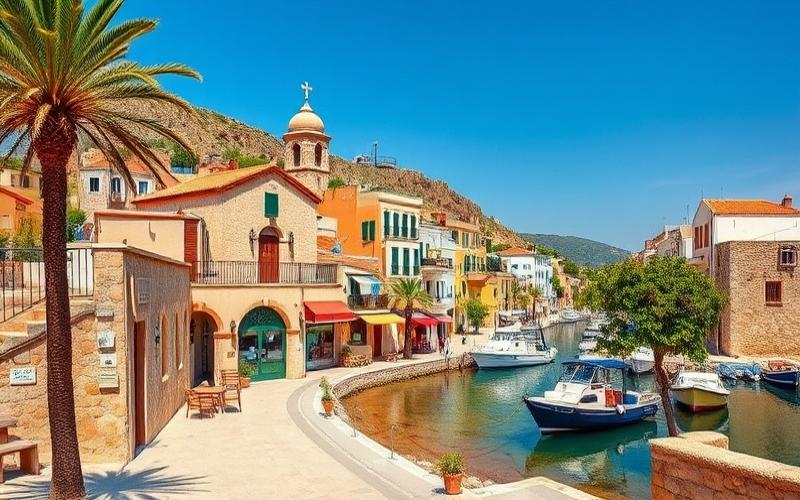
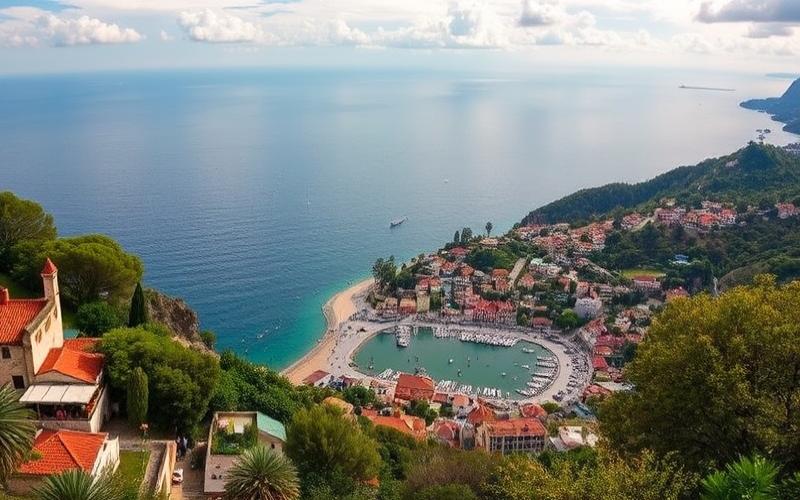
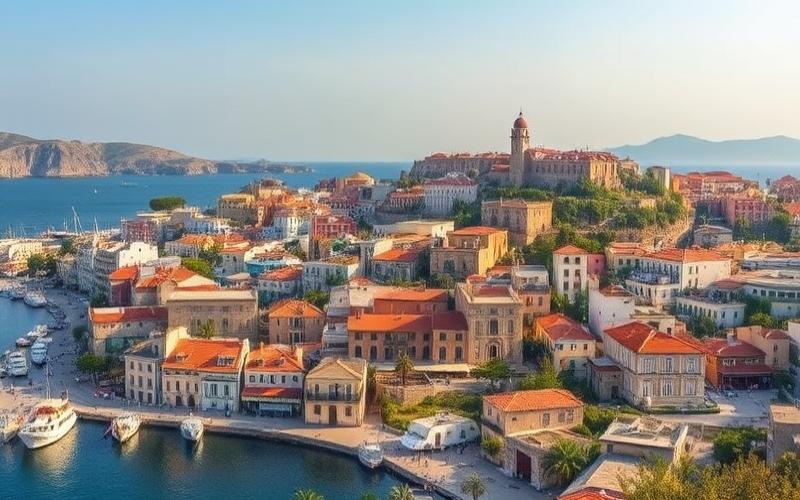
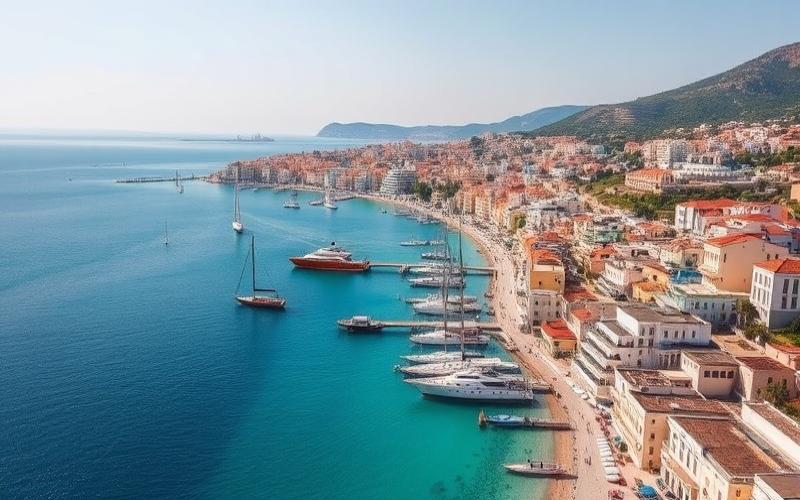
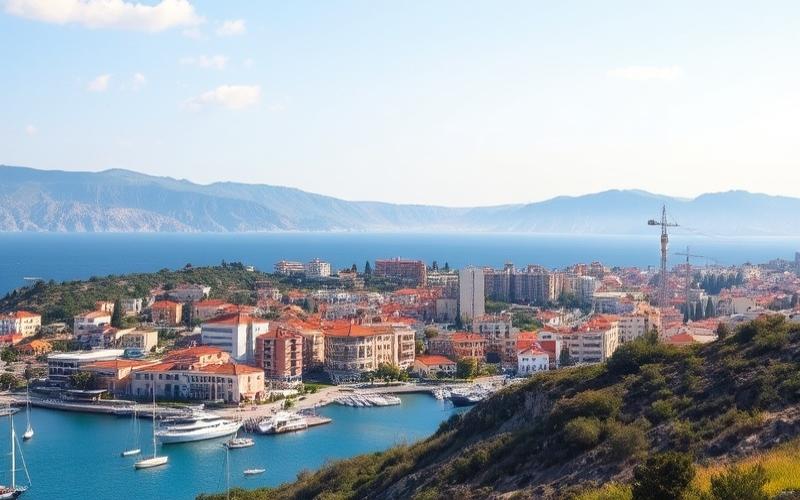
The Mediterranean island of Cyprus, famous for its sunny beaches and rich historical heritage, is undergoing a notable transformation in its real estate sector with the emergence of “dark stores”—next-generation storage spaces dedicated to rapid goods distribution.
While these discreet, windowless warehouses are revolutionizing the retail landscape by offering near-instant deliveries, they are also sparking debate about their urban and economic impact.
This article explores how this rapidly growing phenomenon in Cyprus is transforming the island’s real estate dynamics, highlighting the opportunities and challenges it creates for investors, residents, and local authorities.
Good to Know:
“Dark stores” are warehouses optimized for rapid delivery, with no public sales space, enabling more efficient logistics operations.
Urban Warehouses in Cyprus: A New Trend in Logistics Real Estate
Urban warehouses in Cyprus represent a significant evolution in the island’s logistics real estate landscape. This trend is emerging primarily in response to the growth of e-commerce, which is transforming Cypriot consumer habits. A notable development is the appearance of pickup point networks and smart lockers in major Cypriot urban areas.
This transformation is part of a global dynamic where consumers now demand instant gratification. In Cyprus as elsewhere, customers expect fast deliveries, pushing businesses to rethink their traditional distribution models. “Dark stores”—these small urban warehouses optimized for rapid online order fulfillment—are gaining popularity on the island.
| Characteristics | Traditional Warehouses | Urban Warehouses (Dark Stores) |
| Location | Outlying areas | City centers |
| Size | Large surface area | Compact |
| Delivery Time | Several days | Few hours/minutes |
| Technology | Conventional | AI and automation |
| Real Estate Cost | Moderate | High |
| Environmental Impact | Significant (long trips) | Reduced (proximity) |
The benefits of these infrastructures are numerous:
- Significant reduction in delivery times
- Decrease in last-mile logistics costs
- Inventory optimization through AI-powered systems
- Better responsiveness to demand fluctuations
The impact on the Cypriot real estate market is particularly evident in dense urban areas like Nicosia and Limassol, where former commercial spaces are being converted into local logistics centers. This transformation is generating a new dynamic in property valuation in neighborhoods once overlooked by logistics investors.
Looking ahead, this trend could strengthen Cyprus’s position as a Mediterranean logistics hub. However, several challenges are emerging:
- Urban Regulations: Need to adapt the regulatory framework to integrate these new activities in urban environments
- Architectural Integration: Designing warehouses that are aesthetically acceptable within the urban fabric
- Traffic Management: Organizing delivery vehicle flow in already congested areas
- Ecological Transition: Developing electric delivery fleets suited to the island context
The shift toward compact electric delivery vehicles, along with the increasing use of AI tools for route optimization, are part of this urban logistics transformation that is gradually shaping Cypriot cities.
Good to Know:
In Cyprus, the rise of urban warehouses is primarily driven by the explosion of e-commerce and growing demand for rapid urban deliveries, forcing businesses to bring their logistics closer to consumers. These new spaces help reduce logistics costs and improve supply chain efficiency compared to traditional warehouses located far from city centers. A significant impact is observed on the real estate market in urban areas like Nicosia and Limassol, where demand for these spaces is increasing. These warehouses create implications for the Cypriot economy, generating new business opportunities but also posing challenges in terms of urban regulations and architectural integration. Their integration into the existing urban fabric requires innovative approaches to balance density and functionality, which is a crucial issue for maximizing the benefits of this trend without harming urban quality of life.
The Impact of Dark Stores on Cypriot Real Estate
The emergence of dark stores in Cyprus is disrupting the commercial real estate landscape, particularly in urban and industrial areas. These spaces, designed for preparing and delivering online orders without public access, are transforming the demand and use of commercial properties.
Effects on Commercial Real Estate Prices
- Dark stores facilitate the conversion of vacant former commercial or industrial premises, potentially increasing their value in areas where demand was previously weak.
- In sought-after urban areas, competition is intensifying among e-commerce players seeking to optimize their logistics networks. This tends to drive up rents for certain suitable properties (warehouses near city centers or major routes).
- Conversely, excessive conversion of traditional stores into dark stores may reduce the commercial appeal of affected neighborhoods, negatively impacting prices for some physical retail spaces.
| Area | Impact on Prices | Expected Evolution |
|---|---|---|
| Central Urban | Selective Increase | Higher rents for suitable logistics spaces; increased vacancy risk for traditional shops |
| Periphery/Industrial | Moderate Appreciation | Optimization of underutilized spaces; gradual increase depending on urban density |
Changes in Commercial Space Demand
- Occupancy rates are increasing for previously unattractive surfaces (renovated underground parking, former storage facilities).
- Availability of properties is decreasing in certain niches sought by the logistics sector.
- The market is polarizing: strong demand for spaces suited to quiet/logistics operations versus relative disinterest in traditional small commercial units.
Impacts on Urban Development and Local Infrastructure
Dark stores are reshaping the urban fabric:
- Increased road traffic due to frequent deliveries
- Potential noise disturbances reported by residents
- Partial desertification of traditional commerce and possible weakening of local social ties
Local Reactions: Cypriot Residents & Authorities
Opinions are divided:
- Perceived Advantages
- Smart reuse of real estate brownfields
- Easier access to modern services
- Major Concerns
- Loss of urban vibrancy linked to gradual disappearance of physical stores
- Logistical issues (noise, traffic)
- Risk of heightened land speculation
Some European municipalities have already adopted commercial preemption rights or are considering strict regulations to ensure these installations do not permanently harm the social fabric or urban balance. Cyprus is closely monitoring these debates as this trend intensifies.
Key Summary:
The rapid advancement of dark stores is pushing Cypriot investors and authorities to rethink traditional real estate uses while seeking a balance between logistics innovation and preservation of vibrant urban environments.
Good to Know:
The emergence of dark stores in Cyprus is significantly influencing the commercial real estate market, especially in urban areas where these rapid distribution-optimized warehouses are being established. Commercial real estate prices have shown an upward trend in certain urban zones due to increased demand for these specific spaces, raising rents and reducing availability. This situation is nevertheless prompting a reorganization of industrial areas, with a notable impact on occupancy rates and new developments adjusted to this new form of commerce. On the local infrastructure side, this leads to improvements to meet associated logistics needs, while residents and authorities express concerns about impacts on the local landscape and neighborhood economic activity.
The Challenges and Opportunities of E-commerce and Last-Mile Delivery in Cyprus
The Cypriot e-commerce market is experiencing rapid growth, supported by high internet penetration (91% in 2022) and increasing consumer interest in online shopping. The most dynamic sectors are clothing (17.18% of stores), home & garden (12.34%), and beauty & fitness (10.3%), reflecting diverse offerings and gradual adaptation to local expectations.
| Category | Number of Stores | Share of Total |
|---|---|---|
| Clothing | 757 | 17.18 % |
| Home & Garden | 544 | 12.34 % |
| Beauty & Fitness | 454 | 10.30 % |
| Food | 321 | 7.28 % |
| Computers | 208 | 4.72 % |
Cyprus’s geographical specificities—island status with mountainous areas of low population density—strongly influence logistics development. Cities like Nicosia or Limassol concentrate the majority of commercial flows due to their moderate urban density and relatively efficient road networks in urban centers. Conversely, rural regions present more challenges related to greater distances and sometimes limited accessibility.
Main Last-Mile Challenges
- A road network sometimes congested in city centers.
- Population dispersion outside main urban areas complicating delivery consolidation.
- Local regulations on urban transport that may limit certain hours or vehicle types.
- Management of seasonal tourist traffic that periodically increases pressure on infrastructure.
Emerging Opportunities
Facing these traditional logistical constraints, several opportunities are emerging:
- Accelerated deployment of logistics innovations such as real-time tracking and intelligent route consolidation.
- Creation of new urban zones dedicated to decentralized storage (“dark stores”), enabling speed and flexibility in order preparation.
- Potential development of automated peripheral warehouses to relieve urban centers while remaining close to end consumers.
Market Adaptation
Market adaptation is reflected in:
- Expanded offerings with rapid product diversification to meet a demanding public regarding both choice and speed: short delivery times are gradually becoming an expected local standard.
- Gradual arrival of international players leveraging their proven models while adapting customer service to Cypriot cultural specificities: pickup points suited to local habits; multilingual customer support; varied options for secure payment.
Government Support
- Digital modernization through bilateral agreements aimed particularly at massive introduction of secure digital identifiers to facilitate electronic payments and simplified administrative management
- Public investments in telecom backbone improvement with recent extension of the ARSINOE submarine cable boosting international connectivity
- Strengthened national strategies around cybersecurity to accelerate safe digitalization for both businesses and users
Impact on Local Real Estate
The growing strength of e-commerce is reshaping certain neighborhoods. Observations include:
- Significant increase in rental/purchase demand for peripheral industrial spaces intended for urban storage/logistics;
- Occasional transformation or partial conversion in some residential neighborhoods where “dark stores” dedicated exclusively to rapid web order processing are established;
- Increased valuation around main arteries facilitating connection between regional logistics hubs and urban cores;
- Heightened land pressure potentially causing temporary local price/m² increases around newly created attractive hubs from this emerging economic activity.
The exponential development observed represents both a challenge and a major lever for any real estate-logistics chain seeking to anticipate—or even shape—Cyprus’s commercial future
Good to Know:
In Cyprus, e-commerce development is shaped by the island’s unique characteristics, where digital platforms increasingly influence the market. Last-mile logistics challenges, such as limited road infrastructure and variable urban density, complicate rapid deliveries. Yet, e-commerce growth opens opportunities for logistics innovation, including new storage zones and the potential of dark stores to optimize deliveries. Local and international businesses are adapting their offerings to meet growing expectations of Cypriot consumers who demand fast delivery times and extensive product choices. Government and private initiatives aim to support this sector, with notable impact on the real estate market, as certain areas become hubs for these new infrastructures. The dark store phenomenon, for example, is transforming some neighborhoods into e-commerce nerve centers, influencing both the local economy and real estate dynamics.
Disclaimer: The information provided on this website is for informational purposes only and does not constitute financial, legal, or professional advice. We encourage you to consult qualified experts before making any investment, real estate, or expatriation decisions. Although we strive to maintain up-to-date and accurate information, we do not guarantee the completeness, accuracy, or timeliness of the proposed content. As investment and expatriation involve risks, we disclaim any liability for potential losses or damages arising from the use of this site. Your use of this site confirms your acceptance of these terms and your understanding of the associated risks.

Cyril Jarnias is an independent expert in international wealth management with over 20 years of experience. As an expatriate himself, he is dedicated to helping individuals and business leaders build, protect, and pass on their wealth with complete peace of mind.
On his website, cyriljarnias.com, he shares his expertise on international real estate, offshore company formation, and expatriation.
Thanks to his expertise, he offers sound advice to optimize his clients' wealth management. Cyril Jarnias is also recognized for his appearances in many prestigious media outlets such as BFM Business, les Français de l’étranger, Le Figaro, Les Echos, and Mieux vivre votre argent, where he shares his knowledge and know-how in wealth management.