 Published on and written by Cyril Jarnias
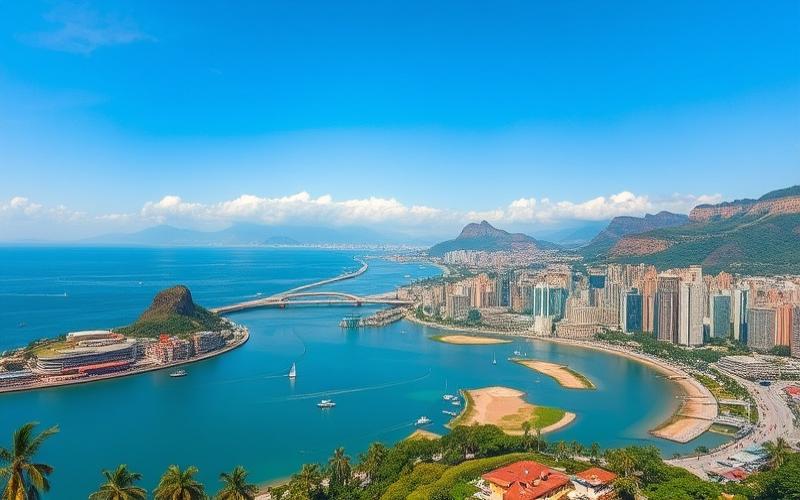
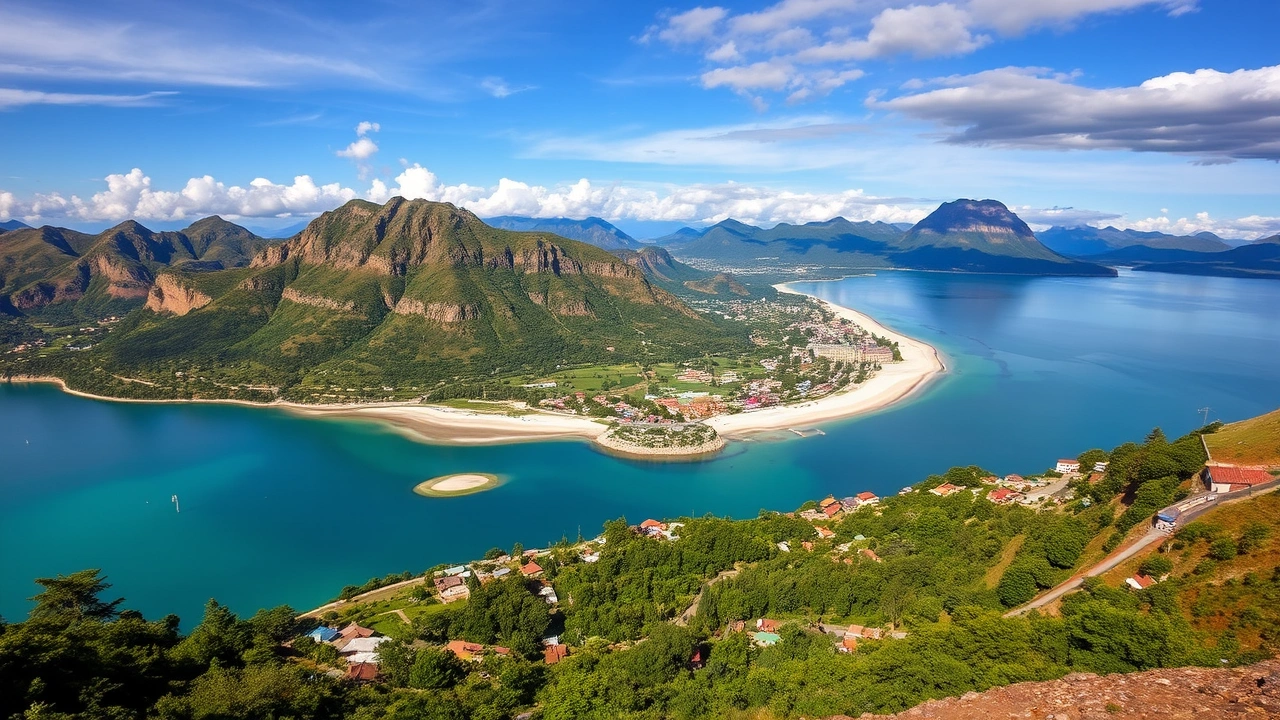
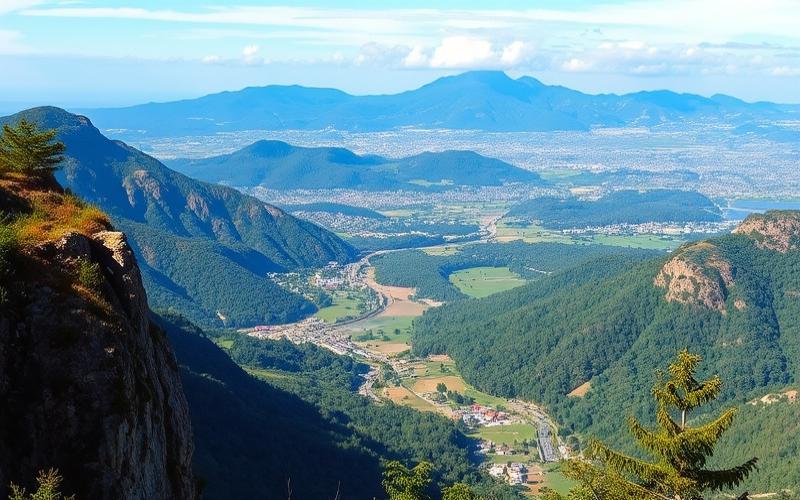
Between the Caribbean Sea, the Andes mountain range, and the vast Llanos plains, Venezuela is a country where sports are as much a part of street life as they are of stadiums. For an active traveler, it’s an almost endless playground, with a striking contrast between major competitive sports—baseball, soccer, basketball—and a multitude of outdoor activities, especially along the coasts and beaches. Playing a sport in Venezuela means coming into direct contact with local culture, as well as with spectacular landscapes, from the warm waters of the Caribbean coast to the snow-covered Andean peaks.
With over 2800 km of tropical coastline, water temperatures of 27-28°C, and protected archipelagos, the coast is ideal for water sports. The interior, with its 43 national parks, the Mérida mountain range, the tepuis, and the Orinoco plains, attracts hiking, climbing, cycling, and kayaking enthusiasts.
Within this abundant landscape, certain sports stand out for their popularity or because they embody a particular facet of Venezuelan culture. Far from offering a simple catalog, the aim here is to understand how these practices are rooted in the territory and how a traveler can experience them.
The Kingdom of Beach and Sea Sports
The Venezuelan coastline is the common thread for many popular sports, especially for travelers. The country combines two rare assets: warm water year-round and a great diversity of bodies of water, from the beach breaks of Margarita Island to the ultra-protected lagoons of Los Roques.
Surfing: An Emerging and Very Promising Destination
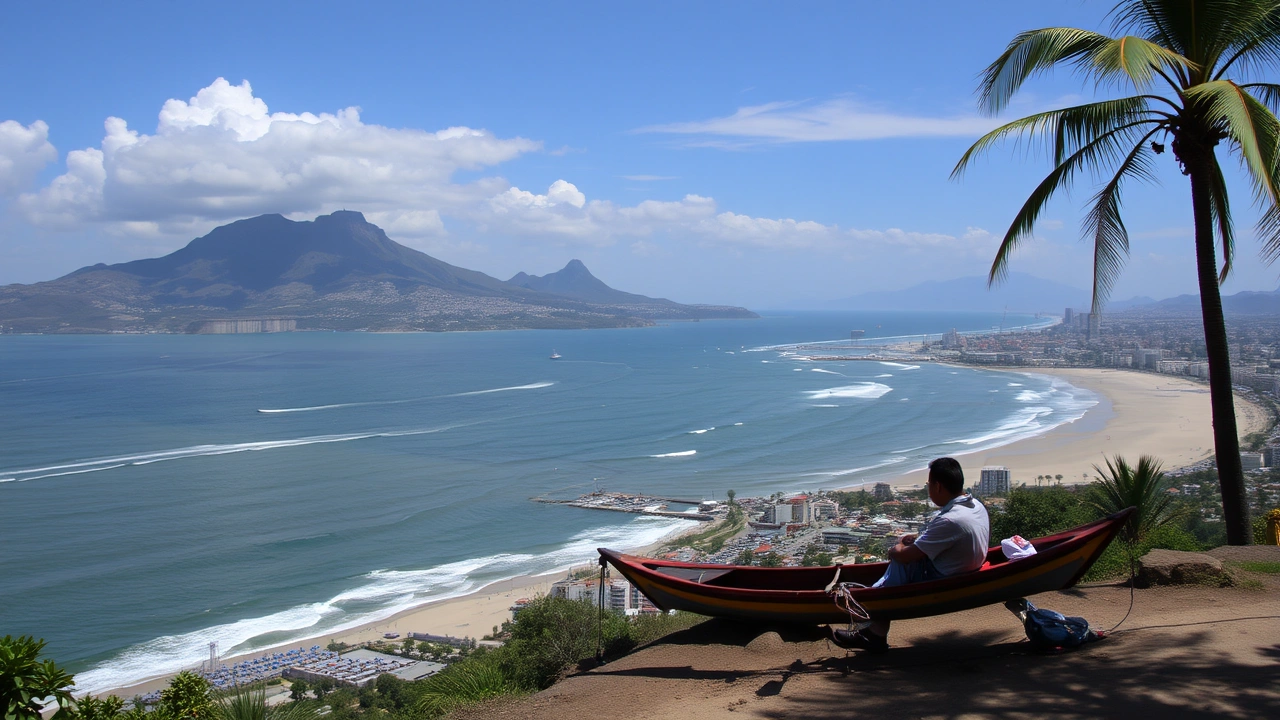
Surfing is booming in Venezuela. The country is often described as an emerging and trendy destination, still far from the crowds of more publicized neighboring spots, making it an attractive playground for surfers seeking quality waves without the crowds.
The most favorable swell season generally runs from November to March, when North Atlantic depressions send regular sets to the Caribbean coast. During this dry season, the northeast trade winds generate almost continuous “windswells” of 3 to 6 feet. Mornings are often the best, before the wind picks up. In summer, swells are more modest, around 2 to 4 feet, but some tropical depressions or hurricane swells can bring waves of 8 to 10 feet, sometimes with little wind.
The entire coastline is home to dozens of spots: specialized guides list at least 25 major sites. Among them, several areas clearly stand out.
On Margarita Island, three beaches structure the local surf scene. Playa el Agua is a long 4-kilometer stretch of sand, with a beach break offering rights and lefts over a sandy bottom, working at all tides. The wave power here is considered “ordinary,” making it a good spot to get comfortable, especially since the beach, lined with palm trees, is lively and well-equipped (kayaking, jet-skiing, parasailing). A few kilometers away, Parguito, more compact with about a kilometer of waterfront, offers significantly more powerful waves. It’s a beach break that works particularly well at mid-tide on an incoming tide. It’s no coincidence that the beach hosted the Pan American Surfing Games in 2002 and several national championships, nor that you can also find beach volleyball and yoga classes there: it’s one of the beating hearts of Venezuelan surf culture. More discreet, Guacuco is also a sandy beach break, better suited for shortboards. There’s a local school there, the Escuela de Surf Guacuco Roots, which gives lessons and provides access for beginners.
The coast accessible from Caracas and Maracay concentrates several renowned spots. Cuyagua, two hours from Maracay, is a powerful, tubular beach break, optimal from mid to high tide. Closer to Caracas, Los Caracas (1.5 hours) is a demanding reef break over a rocky slab, and Punta Care (1 hour) is a mixed point break that performs at mid and high tide. Other spots like Mamo, Tanaguarena, El Playón, or Anare allow for sessions adapted to conditions.
To the east, Sucre State is home to another surfing gem: Pui Pui. This beach combines a sandy bottom with an impressive series of 13 to 15 surfable peaks, accessible via Cumaná airport or a road from Carúpano. Farther offshore, near Los Roques, waves break over coral reefs. Punto La Gillette, near Gran Roque, is a powerful reef break accessible only by plane or boat then on foot. The setting of turquoise lagoon and white sand contrasts with the demanding nature of the wave.
Other names circulate among insiders: Patanemo with its cutting waves over coral reef, Playa Los Cocos and its fast sandbars over a mixed sand-rock bottom, Cumboto at its best on a mid incoming tide, or more confidential spots like Chaguaramas de Sotillo, accessible via a track recommended for 4x4s, which offers rights and lefts over a sandy and rocky bottom.
Surfing in Venezuela clearly caters to several audiences. Beginners find reassuring conditions on beaches like El Agua or some days at Guacuco. Intermediate surfers can progress on medium-power beach breaks before daring Cuyagua or Parguito in good conditions. Locals, often very technical, remind us, however, that this coastline is not without dangers: sharp reefs at Patanemo or Los Caracas, submerged rock ledges, strong currents depending on the setup, not to mention sometimes degraded roads and theft risks in some isolated areas. The local recommendation is clear: come with your own equipment and spares (fins, leash, skegs), monitor swell forecasts, don’t surf alone at an unknown spot, and pack a basic first-aid kit (disinfectant, bandages, eye and ear drops).
Kitesurfing and Windsurfing: The Flat Water Paradise
While surfing is developing, Venezuela is already a major destination for kitesurfing and windsurfing. The wind conditions, especially from January to June, are reputedly reliable, with a true “flat water paradise” on several sites.
The village of El Yaque, on Margarita Island, is a world-renowned destination for windsurfing and kitesurfing. Its strong, steady winds from January to May, over calm water, along with a complete dedicated ecosystem (posadas, specialized schools, beach restaurants) make it an ideal spot, with a very active freestyle scene for experienced riders.
A short distance away, Coche Island takes the logic of the perfect wind spot even further. Playa Coche is a long sandy beach, with calm, shallow waters, swept by steady winds. It’s an ideal playground for learning or improving in kitesurfing and windsurfing. Hotel clubs like Coche Paradise or Sunsol Punta Blanca offer accommodation, dining (buffets, all-inclusive packages), and direct beach access, making intensive practice easy. A popular itinerary is the downwinder kitesurfing route linking El Yaque to Coche: a long downwind glide that allows crossing this stretch of sea in a postcard setting.
Farther northwest, the Paraguaná Peninsula, and especially Adícora, is another wind mecca. Located in Falcón State, this area combines shallow waters, powerful trade winds, and large open expanses. Practitioners describe it as an ideal spot for both freeriding and freestyle. In other sectors of the same region, like Morrocoy or the surrounding cays, the sailing is more focused on cruising than performance, with exploration of lagoons, reefs, and isolated sandbars.
Finally, the Los Roques archipelago is a fantasy for many kitesurfers. This marine park, formed of about 350 islets and cays, offers turquoise lagoons and immaculate sandbars beaten by the trade winds. The wind is steady, the water exceptionally clear, and the crowds still relatively limited. The logistics, however, are more technical to organize: access by plane from Caracas, accommodations in posadas like Posada Cayo Luna or Aquarena, and the need to coordinate boats and outings with local operators to respect protected areas.
On these different spots, the most favorable period generally runs from January to June, with constant winds. For a rider wanting to chain sessions, a El Yaque – Coche – Adícora – Los Roques combination probably represents one of the best value-for-money options in terms of wind and landscape variety.
Diving, Snorkeling, and Reef Exploration
Beyond surfing and wind sports, Venezuela is also a privileged playground for diving and snorkeling. Coral reefs are particularly well-developed in certain marine parks, notably Los Roques and Morrocoy, but also around various islands and cays.
The Los Roques lagoon covers an area of over 400 km², formed about 130 million years ago.
Morrocoy, on the Falcón coast, is another sanctuary. Its dozens of cayos (Cayo Sombrero, Playa El Faro, Playa Puy Puy, among others) mix white-sand beaches, crystal-clear lagoons, and reefs easily accessible from the surface. Scuba diving allows for deeper exploration of drop-offs and coral gardens, while snorkeling can be done almost everywhere. Restaurants and posadas like La Ardileña or Posada Luz Del Faro complete the offering, as do boat trips organized from Tucacas or Chichiriviche.
Other sites complete this panorama. Playa Varadero is known for the transparency of its water and the abundance of marine life. Playa Caribe, in Miranda State, offers seabeds rich in fauna around the reefs. On Margarita, Playa Caribe and Playa Puerto Cruz are suitable for both swimming and snorkeling.
For travelers, these activities are often combined with simple beach pleasures: swimming, kayaking, boat rides, and even shell collecting, very common on sites like Cayo de Agua, La Francésa, Playa Medina, Playa Colorada, Playa Coche, or Playa Manzanillo.
Beach Volleyball, Yoga, Beach Games: Sports Life on the Sand
On major tourist beaches, sand sports hold a prominent place. Beach volleyball is omnipresent, notably at Playa Parguito, where tournaments are organized, and from where the national beach volleyball teams that participated in the CSV Continental Cup 2018–2020 originated. The atmosphere is that of an open-air beach club: nets set up permanently, impromptu matches in the late afternoon, a mix of locals and visitors.
Other beach sports mentioned in regional competition programs, like the South American Beach Games or the Bolivarian Beach Games, testify to the potential variety: beach soccer, beach tennis, beach rugby, frescobol, footvolley, beach ultimate frisbee, or even sandboarding. While not all are practiced everywhere daily, they show that Venezuelan beaches also serve as a stage for large-scale multi-sport events.
In some places, physical activities become gentler. At Parguito, for example, yoga classes are offered on the sand, often at sunrise or sunset, alongside surfers warming up. At Playa El Agua, you can also find kayaking, jet-skiing, parasailing, and boat rides along the coast, all playful variations of the very strong relationship Venezuelans have with the sea.
Major National Sports to Experience from the Inside
Beyond the coastline, Venezuela is above all a country of major stadium team sports: baseball, soccer, and basketball. Even if a traveler doesn’t directly participate in these disciplines at a high level, taking an interest in them, attending a game, or playing informally in a park or on a beach means touching the heart of local sports culture.
Baseball: The King of Sports, from Neighborhood Fields to the Major Leagues
Baseball is the number one sports passion in Venezuela. An estimated 200,000 people play, but the sport’s influence far exceeds these numbers: more than 350 Venezuelans have played in North America’s Major Leagues since 1939, and names like Luis Aparicio, Miguel Cabrera, Johan Santana, or Ronald Acuña Jr. have achieved near-mythical status.
Baseball’s establishment dates back to the early 20th century, driven by the presence of American oil companies. The symbolic turning point was the resounding victory of the national team against Cuba in the IV Amateur World Series, in Havana, on October 22, 1941. This unexpected triumph triggered national jubilation, to the point that tens of thousands of people welcomed the team on the roads between La Guaira and Caracas, and President Isaías Medina Angarita declared the date a public holiday. Decades later, sports journalists would still call this feat the greatest Venezuelan sporting event of the 20th century.
The Venezuelan Professional Baseball League (LVBP), founded in 1945, is the country’s premier winter league. It consists of eight iconic teams: Leones del Caracas, Navegantes del Magallanes, Tigres de Aragua, Cardenales de Lara, Águilas del Zulia, Caribes de Anzoátegui, Bravos de Margarita, and Tiburones de La Guaira. Its very popular season culminates in playoffs. The champion then represents Venezuela in the Caribbean Series, where national clubs have enjoyed much success.
The location of these clubs structures the country’s sports landscape, with major stadiums distributed throughout the territory.
| Baseball Stadium | City | Capacity | Main Resident Club |
|---|---|---|---|
| Estadio Monumental de Caracas Simón Bolívar | Caracas | 40,000 | Leones del Caracas |
| Estadio La Ceiba | Ciudad Guayana | 30,000 | – |
| Estadio Luis Aparicio “El Grande” | Maracaibo | 23,900 | Águilas del Zulia |
| Estadio Antonio Herrera Gutiérrez | Barquisimeto | 22,000 | Cardenales de Lara |
| Estadio Universitario | Caracas | 20,723 | – |
| Stadium Nueva Esparta | Porlamar | 18,000 | Bravos de Margarita |
| Estadio Alfonso Chico Carrasquel | Puerto La Cruz | 18,000 | Caribes de Anzoátegui |
| Estadio José Bernardo Pérez | Valencia | 16,000 | Navegantes del Magallanes |
| Estadio Fórum La Guaira | Macuto | 14,300 | Tiburones de La Guaira |
| Estadio José Pérez Colmenares | Maracay | 12,647 | Tigres de Aragua |
For a visitor, attending an LVBP game is an experience in itself: a very family-friendly atmosphere, music in the stands, roaming vendors, passionate commentary. But the practice of baseball is not limited to stadiums: in neighborhoods, vacant lots become improvised diamonds, and simpler versions like pelotica de goma (rubber ball, sometimes without gloves or full equipment) allow almost everyone to play, for lack of means.
This tradition is extended by intense training activity. A summer league affiliated with MLB (Venezuelan Summer League) long served as a breeding ground for American franchises, complemented by a Liga Paralela in winter. The creation in 2004 of the Luis Aparicio Award, which honors the best Venezuelan in MLB each year, shows how closely the country follows the trajectory of its stars abroad.
For a traveler wishing to play, the most realistic approach is to join informal games in parks or neighborhood fields, especially on weekends, or to participate in clinics or private academies in some major cities. On beaches, it’s also not uncommon to see groups improvising games with a simple stick and a ball.
Soccer: The Rise of “La Vinotinto”
For a long time, soccer suffered from the dominance of baseball. Today, however, it is one of the country’s most practiced sports: an estimated 500,000 players, from street soccer to amateur leagues, and the national team, nicknamed “La Vinotinto” in reference to the burgundy color of its jersey, has won over a large part of the public.
Pyramid organization and history of national competitions, under the aegis of the Venezuelan Football Federation.
Founded in 1926, it structurally oversees soccer in the country.
Has existed since 1921, professionalized in 1957. Often called Liga FUTVE.
Includes a First Division (~18 clubs), a well-stocked Second Division, and 3rd and 4th levels via regional associations.
The list of major soccer stadiums gives an idea of the importance of this infrastructure.
| Soccer Stadium | City | Capacity | Main Club |
|---|---|---|---|
| Estadio Monumental de Maturín | Maturín | 52,000 | Monagas SC |
| Estadio Metropolitano de Fútbol de Lara | Barquisimeto | 47,913 | Unión Lara |
| Estadio Metropolitano de Mérida | Mérida | 42,200 | Estudiantes de Mérida FC |
| Polideportivo Cachamay | Ciudad Guayana | 41,600 | Mineros de Guayana |
| Estadio José Pachencho Romero | Maracaibo | 40,800 | clubs of Maracaibo |
| Estadio Polideportivo de Pueblo Nuevo | San Cristóbal | 38,755 | Deportivo Táchira Fútbol Club |
| Estadio José Antonio Anzoátegui | Puerto la Cruz | 37,485 | Deportivo Anzoátegui |
For an amateur player or traveler, soccer is mostly played informally: urban fields, beaches, parks, company or neighborhood tournaments. But the rise of the national team has clearly strengthened the sport’s appeal. Even though the country remains the only CONMEBOL member never to have played in a World Cup, the progress since the 2000s is notable. Driven by coaches like Richard Páez or César Farías, the team has gone from being a “designated victim” to a respected opponent, with historic victories, like the first win against Uruguay or a friendly match won against Brazil.
Youth competitions illustrate this progress. The U20 team participated in the FIFA U-20 World Cup as early as 2009, before reaching a final in 2017, one of the greatest achievements in Venezuelan soccer. For soccer enthusiasts, it’s possible to follow league matches in stadiums like the Olímpico de la UCV in Caracas or Pueblo Nuevo in San Cristóbal, but also to encounter soccer culture everywhere on walls, in cafés, or buses decorated in “La Vinotinto” colors.
Basketball: Another Great Collective Passion
Basketball holds a special place in the Venezuelan sports landscape. Traditionally considered the second most popular sport behind baseball, it combines a solid tradition of street play (concrete courts in neighborhoods, public playgrounds) and a structured professional league.
The Venezuelan Basketball Federation (FVB) oversees the practice, with an elite now organized in the Superliga Profesional de Baloncesto (SPB). This league, the successor to the Liga Profesional de Baloncesto, has about twenty teams divided into conferences, with a regular season + playoffs format and an All-Star Game. Clubs like Marinos de Anzoátegui, Trotamundos de Carabobo, Guaiqueríes de Margarita, Cocodrilos de Caracas, or Guaros de Lara are well known to the public.
Two venues symbolize high-level basketball.
| Basketball Arena | City | Capacity | Main Club / Use |
|---|---|---|---|
| Domo Bolivariano | Barquisimeto | 10,000 | Guaros de Lara |
| Forum de Valencia | Valencia | 10,000 | Liga Pro basketball clubs |
The men’s national team has established itself as one of the best in South America, notably with a FIBA AmeriCup championship title in 2015. The country has also hosted major international tournaments, like the 2012 FIBA Olympic Qualification Tournament and the 2013 FIBA Americas Championship, confirming its weight on the continental scene.
For travelers who love basketball, it’s fairly easy to find informal games in the evening on outdoor courts in big cities and towns. The culture of street ball is well anchored, driven by local figures and inspired by the careers of players who turned professional, like Greivis Vásquez, Carl Herrera, Óscar Torres, or Richard Lugo.
Volleyball and Beach Volleyball: From the Court to the Sand
Volleyball is also well established in Venezuela. The Venezuelan Volleyball Federation was founded as early as 1937, and the country has had a Super League of volleyball since 2011. The men’s team made its mark by winning gold at the 2003 Pan American Games, before qualifying both men’s and women’s teams for the 2008 Beijing Games.
On the beach, the discipline merges with beach volleyball. The national teams recently participated in the CSV Continental Cup 2018–2020, and scenes of improvised beach volleyball at spots like Parguito, El Agua, or some Morrocoy beaches show how much this sport is associated with coastal sociability. For those wishing to play, it’s often enough to bring a ball: a net is already set up, and opponents can be found in minutes.
Nature Sports and Outdoor Adventures
Sports practice in Venezuela is not limited to institutional sports. A growing part of the country’s appeal for sports travelers comes from its vast spaces: trekking in the Gran Sabana, mountaineering in the Andes, kayaking in the Orinoco delta, mountain biking trips, etc.
Hiking, Trekking, and Mountaineering: From Tepuis to the Andes
With 43 national parks and 21 natural monuments, Venezuela is an immense hiking ground. Canaima, in the south, is undoubtedly the most emblematic. A UNESCO World Heritage Site, this three-million-hectare park brings together jungles, rivers, savannas, and tepuis, these table-top mountains with vertical cliffs 1.5 to 2 billion years old. This is where Salto Ángel plunges, the world’s highest uninterrupted waterfall (979 m in height), observed at the end of treks and canoe trips.
This classic trek leads to a plateau of 31 km², culminating at the border of Venezuela, Brazil, and Guyana, surrounded by 400-meter cliffs. The ascent, spread over several days, is demanding but remains accessible to hikers in good physical condition. It is considered one of the country’s most memorable sporting experiences.
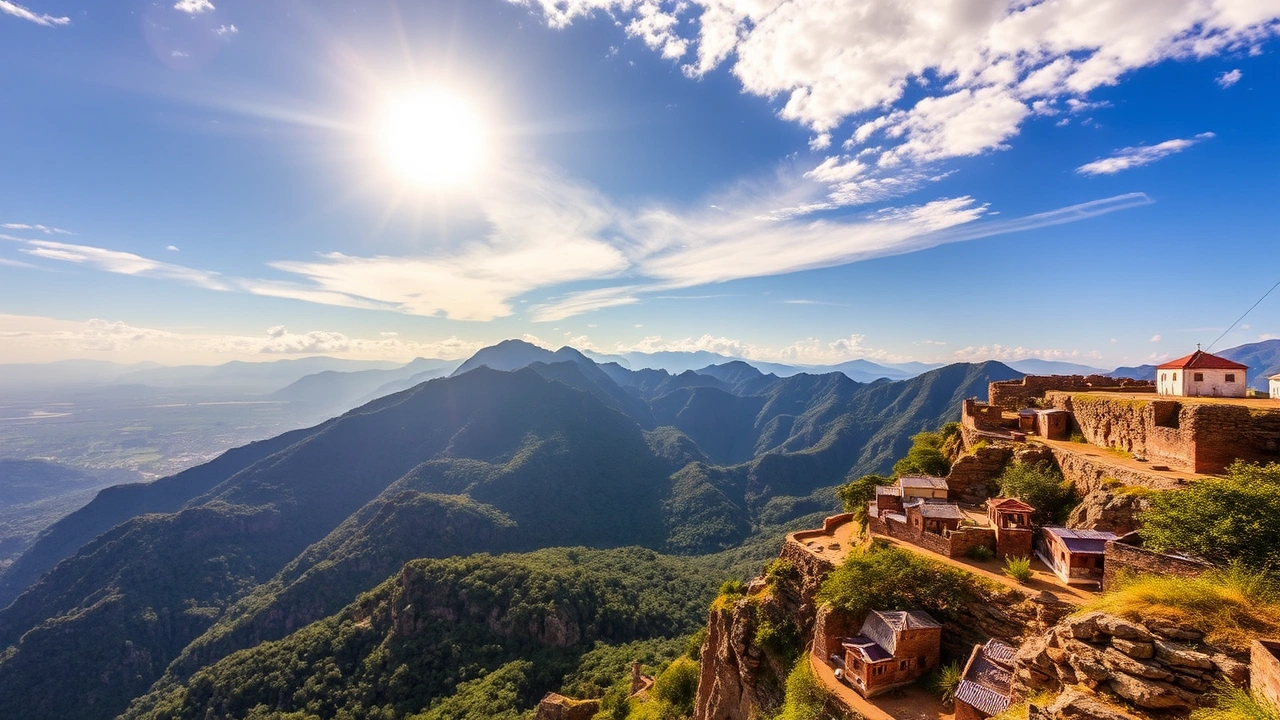
In the Venezuelan Andes, around Mérida, the register is more alpine. The Mérida cable car, the longest and highest in the world, takes visitors from the city (about 1,500 m altitude) to nearly 4,360 m, at Pico Espejo, passing through several stations. From there, hikes on foot or by mule lead to mountain villages like Los Nevados. The more experienced tackle peaks like Pico Bolívar, the country’s highest point at 4,981 m. There are also, on the Mérida mountain range, high-altitude skiing facilities, unique in the country.
Kayaking, Rafting, and Whitewater Sports
The diversity of waterways offers many possibilities for whitewater sports. The tributaries of the Orinoco, in particular, attract kayakers and rafters eager for tropical rapids. Specialized agencies, like Osprey Expeditions, organize descents combining athletic progression, wildlife observation, and immersion in indigenous cultures, notably among the Warao in the Orinoco delta.
In the vast river delta, which extends over more than 30,000 km² of swamps and channels, kayaking and canoeing are the preferred means of exploration. The practice takes shape in itineraries of several hours or days, punctuated by encounters with local wildlife like freshwater dolphins, howler monkeys, caimans, and numerous tropical birds.
Cycling, Mountain Biking, and Mountain Roads
Cycling is a very present sport in Venezuela, both at amateur and competitive levels. Races like the Vuelta a Venezuela or the Vuelta al Táchira, integrated into the UCI America Tour calendar, testify to a well-established cycling culture. Riders like José Rujano, third in the 2005 Giro d’Italia, illustrate this potential.
For a practitioner, options range from mountain road cycling in the Andes to mountain biking treks in the Llanos or near national parks. The Mérida mountain range, in particular, offers long climbs, scenic roads, and unpaved tracks, ideal for gravel or mountain biking. The Llanos plains are better suited for touring bikes, with endless straight lines and the possibility of observing diverse wildlife.
Traditional Sports and Cultural Roots
Some Venezuelan sports can only be understood in their cultural context. They sometimes occupy less media space than a baseball game, but they say a lot about the country’s identity.
Coleo and Toros Coleados: The Sports of the Llanos
Coleo, or toros coleados, is a form of rodeo typical of eastern and southern Venezuela, especially in the Llanos. Riders, the llaneros, pursue a bull on a track about 100 yards long. The objective: grab the animal by the tail and throw it to the ground, sometimes several times in a few minutes. Four or five riders compete like this, and the winner is the one who manages to knock the bull down the most times.
Coleo is a traditional equestrian practice, dangerous but popular in some regions, where it is linked to cowboy identity. It takes place in dedicated arenas, with competitions and festivities. For travelers, it’s recommended to attend a tournament as a spectator rather than participate, as the discipline requires great equestrian experience and precise knowledge of local rules.
Bolas Criollas: Venezuelan-Style Petanque
Bolas Criollas is another very widespread traditional sport, especially in rural areas and the Llanos. Inspired by European boules games, the principle resembles petanque or bocce: two teams throw heavy balls aiming at a small metallic ball, the mingo. Games are played on a dirt court 20 to 30 meters long.
Founded in 1956, it organizes a national championship every year, testifying to the game’s roots in popular culture. For travelers, it’s easy to observe games in villages, on simple courts near bars or squares. With a bit of curiosity, the locals willingly invite foreigners to try, as the game relies more on conviviality than athletic performance.
Venezuelan Federation of Bolas Criollas
Bullfighting, Martial Arts, and Other Practices
Bullfighting, inherited from Spanish colonization, is presented in the country more as a spectacular art than a sport. There are over 55 bullrings and about twenty bull breeding ranches, with important ferias like those of San Cristóbal or Mérida. The practice, however, remains ethically controversial, and its popularity is not comparable to that of major team sports.
Other more discreet disciplines also exist, like El Juego del Garrote (or Garrote Larense), a form of traditional martial art involving sticks, machetes, and knives, often associated with religious festivals like the Tamunangue. In cities, more international martial arts, judo or taekwondo, are well established, carried by champions like Naomi Soazo (the country’s first Paralympic gold medalist) or Elvismar Rodríguez.
Practical Tips for Sports Travelers
Whether you come to surf, kitesurf, hike, or simply play soccer on the beach, a few practical pointers greatly facilitate sports practice in Venezuela.
The tropical climate makes it essential to take hydration seriously, and to use sunscreen and mosquito repellent repeatedly, especially in humid areas (delta, Amazon, Llanos). On the coast, seawater is around 27–28°C, allowing most water sports to be practiced in swimsuits or rash guards without a wetsuit, but the sun can be fierce, even under clouds.
Travel can be long. The bus is the most economical means, taxis are abundant but often without meters, and the Caracas metro is practical in the city. Rental vehicles are few and often in poor condition. Using public transportation at night is not advised. To access isolated spots (like Chaguaramas de Sotillo for surfing, certain beaches of the central coast, or Llanos tracks), a 4×4 with an experienced local driver is highly recommended.
In the water, particular vigilance is required on coral reefs (Patanemo, Los Roques, Morrocoy), which can be very sharp. Wearing reef shoes can prevent many injuries. In surfing, several spots have rocky slabs or unseen boulders at high tide. It’s therefore preferable to ask local surfers before jumping in and to avoid surfing alone at an unknown spot.
Before your departure, it’s advisable to update your routine vaccinations. For extended stays in interior tropical areas, specific vaccinations against hepatitis A and B, yellow fever, or typhoid may be necessary. In addition, some travelers opt for “travel/sports” insurance to be covered during activities like surfing or mountain hiking.
Finally, even if the cost of living is relatively low for a visitor (simple meals from 1 USD, average dining around 3 USD), the country’s economic and social situation requires staying alert to safety, favoring structured tourist areas, and keeping informed of official travel advice.
A Country Shaped by Sport
When observing the array of popular sports to practice in Venezuela, a pattern emerges. The dominant disciplines—baseball, soccer, basketball—reflect North American and global influence, but have been locally reinterpreted, becoming strong identity markers. Beach and sea sports exploit the exceptional geography of the coastline, from Atlantic swells to the steady trade winds of coral archipelagos. Nature sports—hiking, kayaking, cycling—extend this relationship with the territory, toward the tepuis and the Andes. Finally, traditional practices like coleo or Bolas Criollas remind us that sport is also about memory and sociability, not just performance.
Venezuela allows you to chain various sports activities in a day or a trip. For example, surf in the morning at Parguito, play beach volleyball at sunset at Playa El Agua, then attend a Leones del Caracas game. For longer adventures, combine a multi-day trek on Mount Roraima with a kayak exploration of the Orinoco delta. Spontaneous local activities, like a game of Bolas Criollas or an impromptu soccer match on the beach, complete this offering.
Ultimately, what unites all these sports in Venezuela is a very strong collective energy, a way of experiencing play as a natural extension of daily life. Whether you’re a spectator or a practitioner, a fan of big stadiums or wild spaces, this country offers a multitude of ways to move, to push your limits, and to understand, through sport, a part of its soul.
Disclaimer: The information provided on this website is for informational purposes only and does not constitute financial, legal, or professional advice. We encourage you to consult qualified experts before making any investment, real estate, or expatriation decisions. Although we strive to maintain up-to-date and accurate information, we do not guarantee the completeness, accuracy, or timeliness of the proposed content. As investment and expatriation involve risks, we disclaim any liability for potential losses or damages arising from the use of this site. Your use of this site confirms your acceptance of these terms and your understanding of the associated risks.

Cyril Jarnias is an independent expert in international wealth management with over 20 years of experience. As an expatriate himself, he is dedicated to helping individuals and business leaders build, protect, and pass on their wealth with complete peace of mind.
On his website, cyriljarnias.com, he shares his expertise on international real estate, offshore company formation, and expatriation.
Thanks to his expertise, he offers sound advice to optimize his clients' wealth management. Cyril Jarnias is also recognized for his appearances in many prestigious media outlets such as BFM Business, les Français de l’étranger, Le Figaro, Les Echos, and Mieux vivre votre argent, where he shares his knowledge and know-how in wealth management.