 Published on and written by Cyril Jarnias
Canada, the world’s second-largest country by area, spans nearly 10 million square kilometers. This vast North American territory offers rich and diverse geography, ranging from ocean coastlines to majestic mountains, and including immense plains and forests.
Geographical Location
Canada occupies the northern part of North America. It is bordered by three oceans: the Atlantic Ocean to the east, the Pacific Ocean to the west, and the Arctic Ocean to the north. Its land border to the south and northwest is shared with the United States, forming the world’s longest binational border at 8,891 km.
- United States (to the south and northwest with Alaska)
- Greenland (Denmark) to the east, separated by the Baffin Sea
- Saint Pierre and Miquelon (France) off the coast of Newfoundland
Canada spans six time zones, reflecting its vastness. It lies at the same latitude as Rome at its southernmost point, extending all the way to the Arctic.
Main Geographical Regions
The Canadian territory can be divided into several major geographical regions, each with its own characteristics:
1. The Canadian Shield
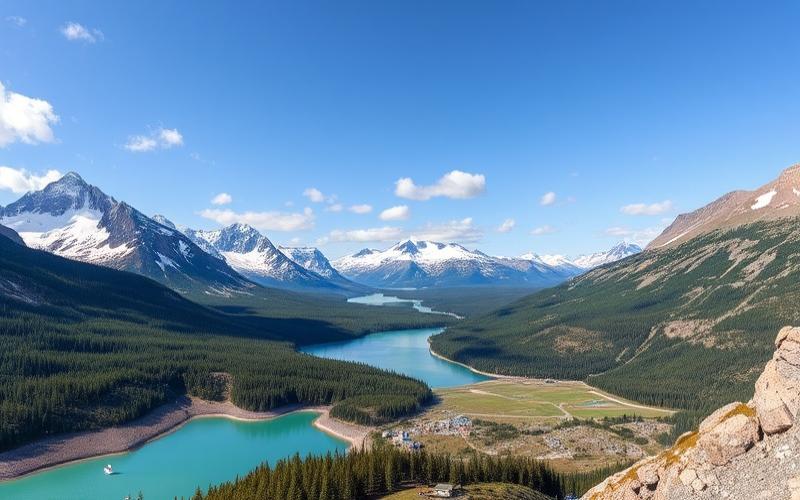
This vast rocky region covers nearly half of Canada’s territory. It stretches from Labrador to the Northwest Territories and encompasses much of Quebec, Ontario, and Manitoba. The Canadian Shield is characterized by its numerous lakes, boreal forests, and mineral deposits.
2. The Interior Plains
Located west of the Canadian Shield, the Interior Plains include the Canadian Prairies. This region, stretching from Alberta to Manitoba, is known for its vast agricultural lands and reserves of oil and natural gas.
3. The Western Cordillera
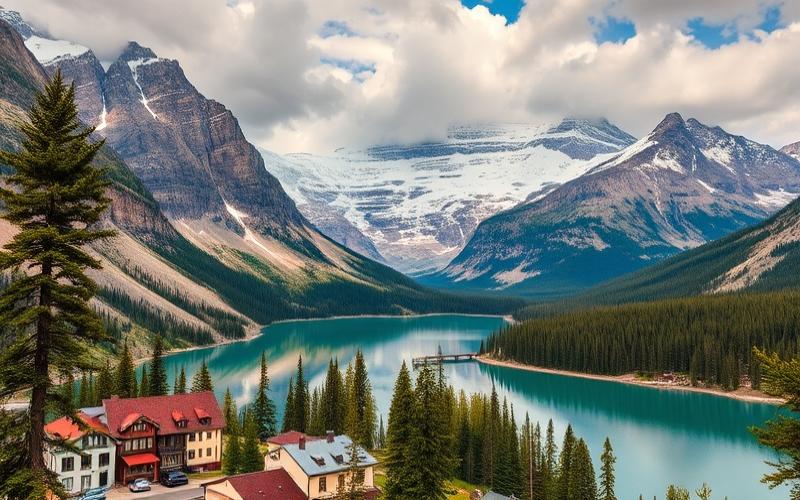
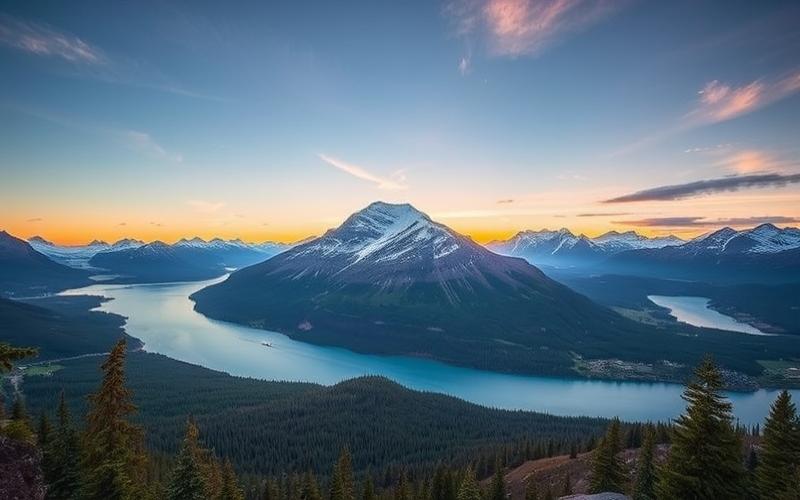
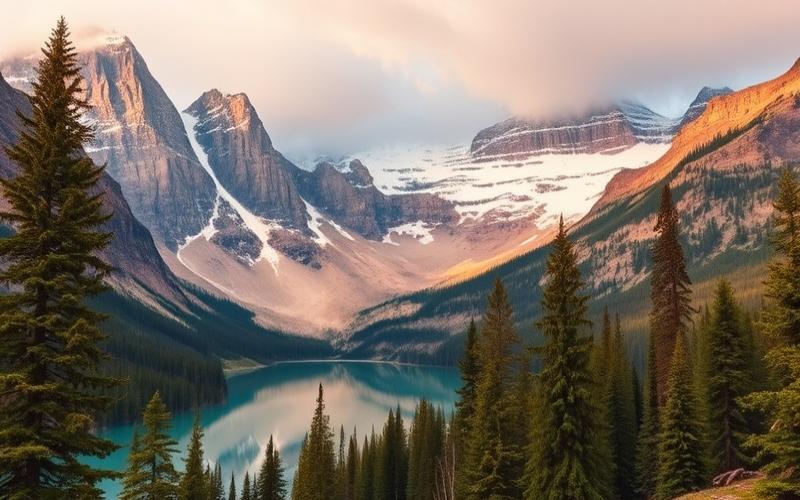
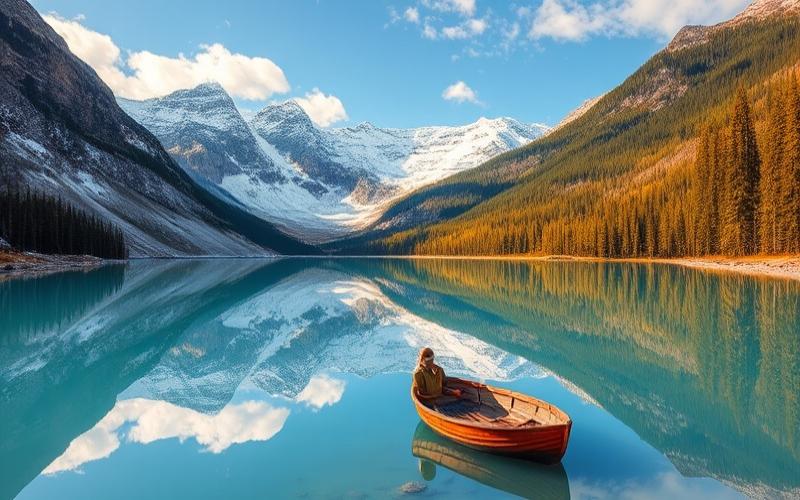
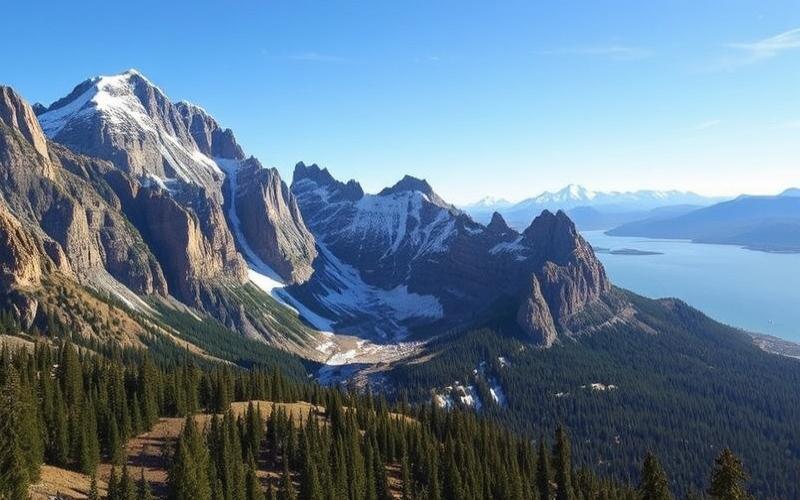
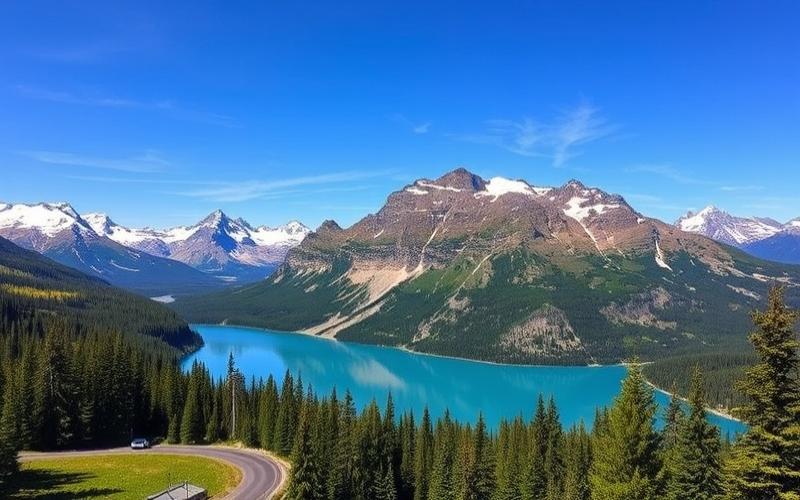
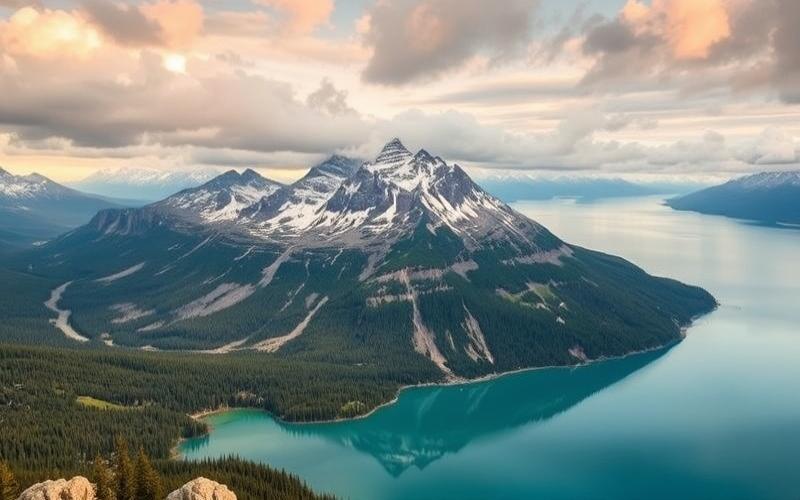
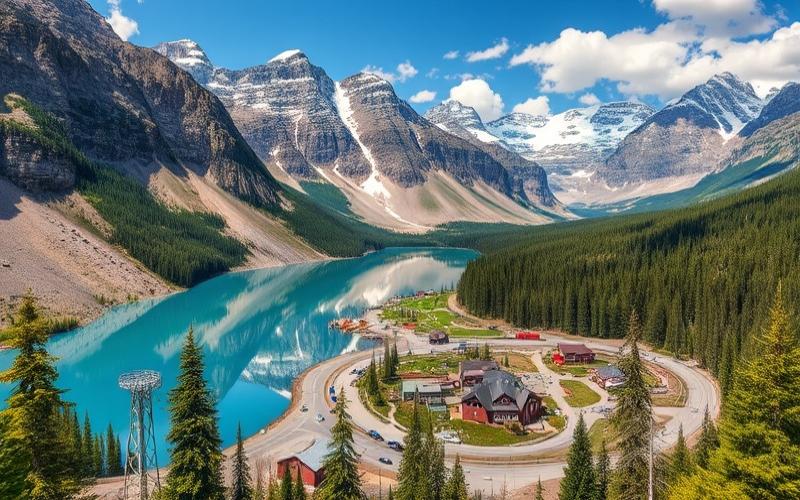
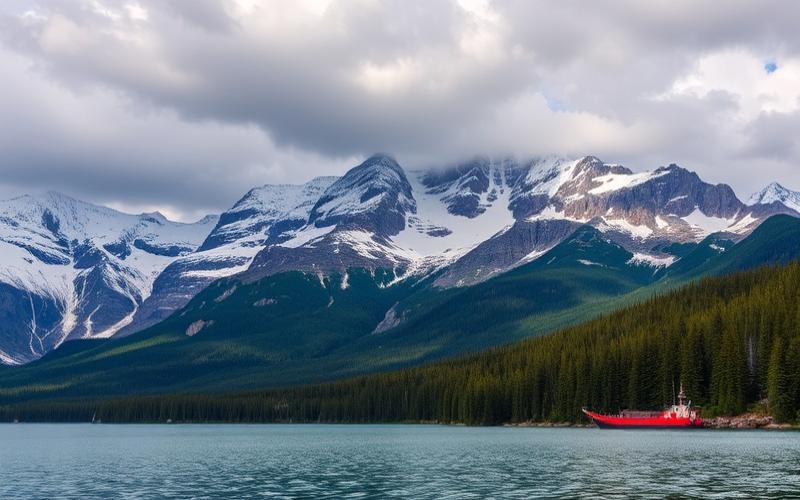
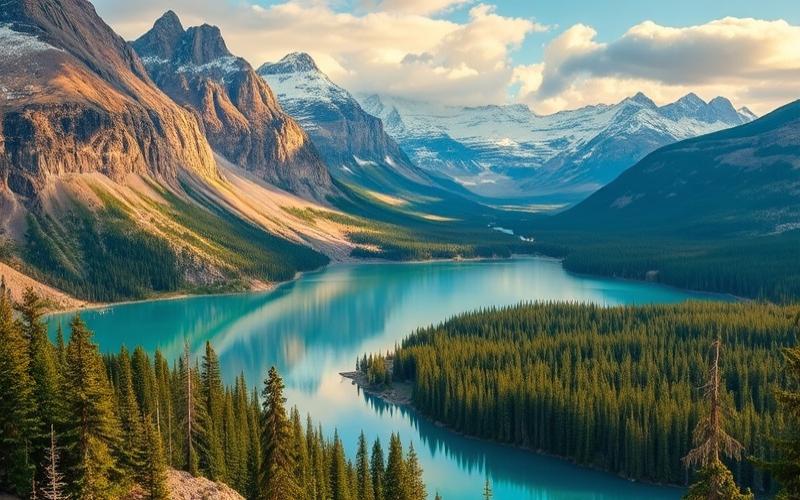
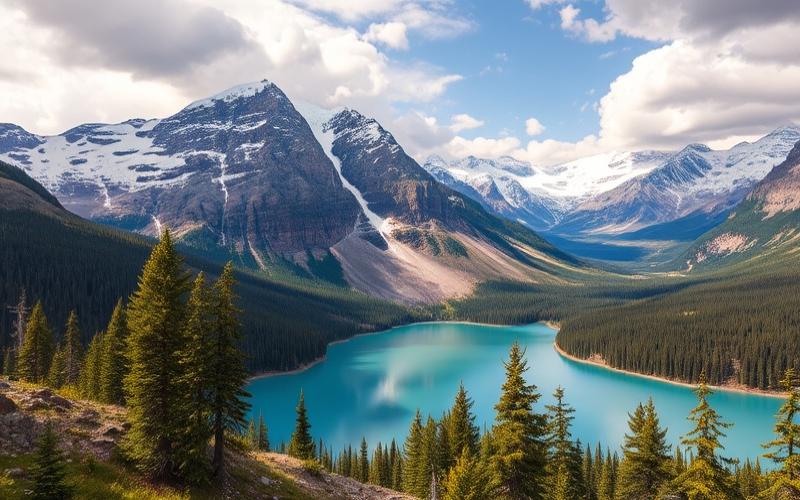
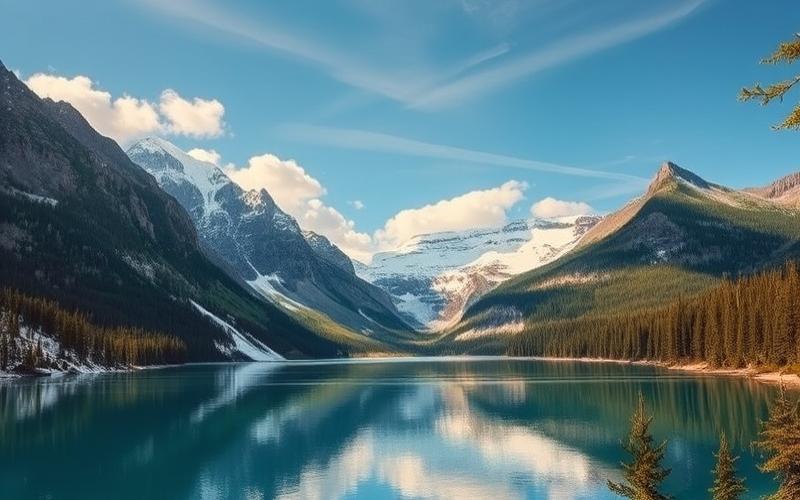
This spectacular mountain range runs along the Pacific coast. It includes the Rocky Mountains, the Coast Mountains, and numerous glaciers. This region is home to Canada’s highest point, Mount Logan (5,959 m), located in the Yukon Territory.
4. The St. Lawrence Lowlands
This fertile region, located along the St. Lawrence River, is home to the majority of Quebec and Ontario’s population. It is here that Canada’s largest cities are found.
5. The Appalachians
This ancient mountain range extends through the Maritime provinces and southern Quebec. It is characterized by its rounded hills and fertile valleys.
6. The Canadian Arctic
This vast northern region includes the territories of Nunavut, Yukon, and the Northwest Territories. It is characterized by its polar climate, tundra, and numerous Arctic islands.
Main Cities of Canada
Canada has several major metropolitan areas, each playing an important role in the country’s economy and culture:
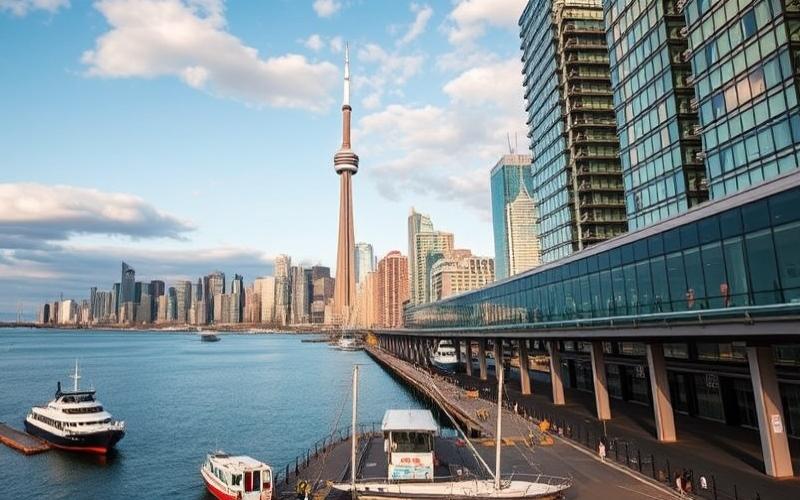
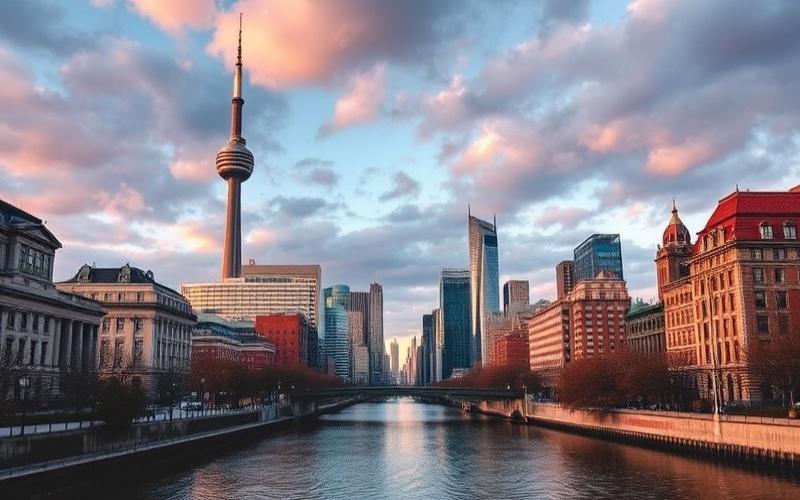
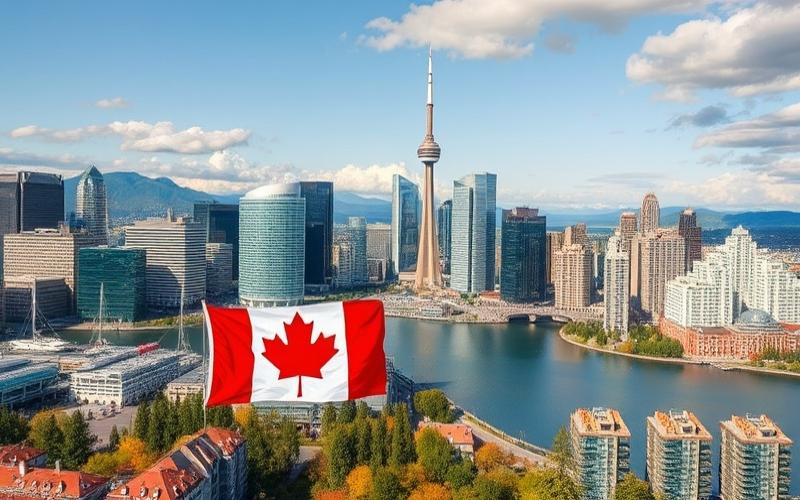
1. Toronto, Ontario: With a population of 2,794,356, Toronto is Canada’s largest city and the country’s economic center. Cosmopolitan and dynamic, it is known for its cultural diversity and financial sector.
2. Montreal, Quebec: Canada’s second-largest city with 1,762,949 inhabitants, Montreal is the heart of Canadian Francophonie. It is renowned for its historical heritage, vibrant cultural scene, and aerospace industry.
3. Calgary, Alberta: The country’s third-largest city with 1,306,784 inhabitants, Calgary is the center of Canada’s oil industry. It is known for its entrepreneurial spirit and its famous Stampede, an annual western festival.
4. Ottawa, Ontario: Canada’s federal capital, Ottawa has 1,017,449 inhabitants. As the seat of the federal government, it is home to many national museums and cultural institutions.
5. Edmonton, Alberta: With 1,010,899 inhabitants, Edmonton is the capital of Alberta and an important center for the oil and gas industry.
Other important cities include Vancouver in British Columbia, known for its exceptional quality of life; Quebec City, the capital of the province of the same name and a historical gem; and Winnipeg in Manitoba, an important transportation hub in the heart of the country.
Good to Know:
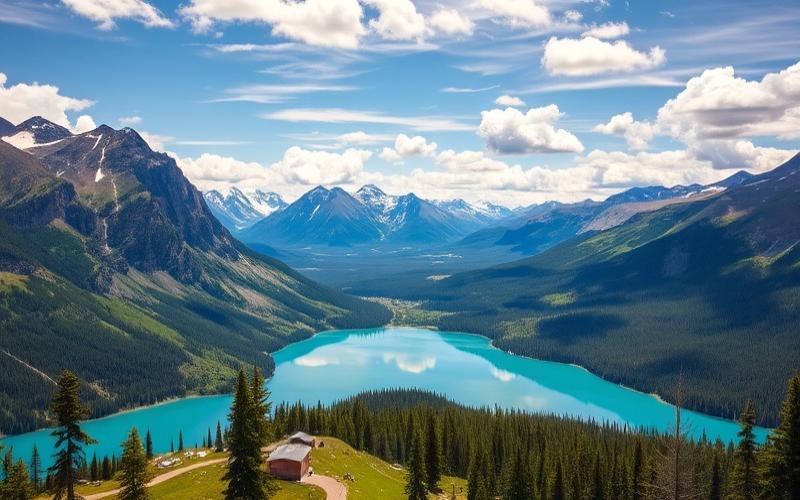
Canada’s geography is marked by its diversity, ranging from ocean coasts to mountains, and including prairies and boreal forests. This variety of landscapes offers an exceptional playground for nature and adventure enthusiasts.
Geographical Challenges and Issues
Canada’s unique geography presents both opportunities and challenges:
Natural Resources: Canada’s vast territory is rich in natural resources, including oil, natural gas, minerals, and forests. Their exploitation plays a crucial role in the country’s economy but also raises environmental concerns.
Climate: The harsh winters in much of the country pose challenges in terms of infrastructure and transportation. Climate change has a particularly visible impact in the Canadian Arctic, where melting ice is rapidly altering the landscape and ecosystems.
Transportation: The great distances between urban centers and remote regions require an efficient transportation network. Canada has developed an elaborate system of roads, railways, and air routes to connect its different regions.
Northern Development: Canada’s vast northern territories, rich in resources but sparsely populated, represent both a development opportunity and a challenge in terms of environmental preservation and Indigenous cultures.
Good to Know:
Despite its vast area, the majority of Canada’s population lives in a narrow band along the border with the United States, primarily due to the milder climatic conditions in this region.
Canada’s geography, with its striking contrasts and natural beauty, plays a fundamental role in the country’s identity and development. It shapes not only the physical landscape but also the economy, culture, and way of life of Canadians. Understanding this geography is essential to grasp the challenges and opportunities Canada faces in an ever-changing world.
Disclaimer: The information provided on this website is for informational purposes only and does not constitute financial, legal, or professional advice. We encourage you to consult qualified experts before making any investment, real estate, or expatriation decisions. Although we strive to maintain up-to-date and accurate information, we do not guarantee the completeness, accuracy, or timeliness of the proposed content. As investment and expatriation involve risks, we disclaim any liability for potential losses or damages arising from the use of this site. Your use of this site confirms your acceptance of these terms and your understanding of the associated risks.

Cyril Jarnias is an independent expert in international wealth management with over 20 years of experience. As an expatriate himself, he is dedicated to helping individuals and business leaders build, protect, and pass on their wealth with complete peace of mind.
On his website, cyriljarnias.com, he shares his expertise on international real estate, offshore company formation, and expatriation.
Thanks to his expertise, he offers sound advice to optimize his clients' wealth management. Cyril Jarnias is also recognized for his appearances in many prestigious media outlets such as BFM Business, les Français de l’étranger, Le Figaro, Les Echos, and Mieux vivre votre argent, where he shares his knowledge and know-how in wealth management.