 Published on and written by Cyril Jarnias
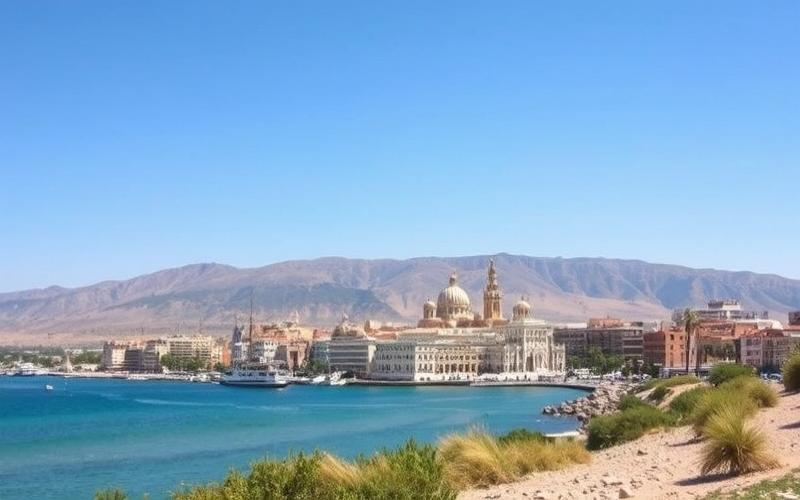
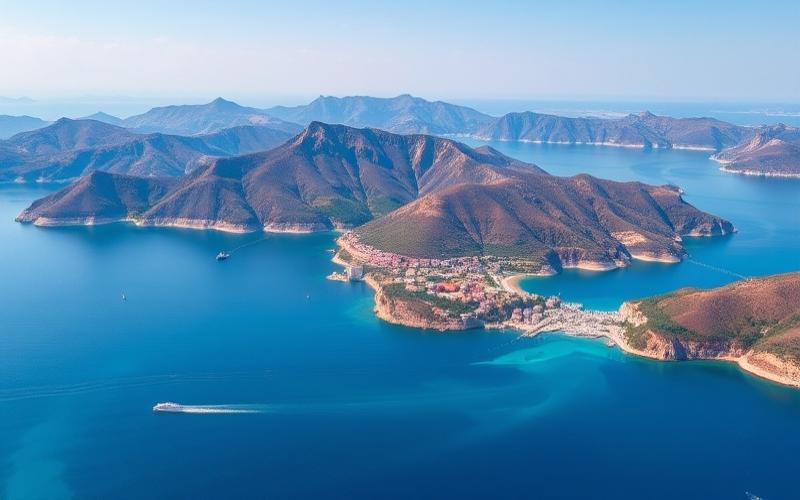
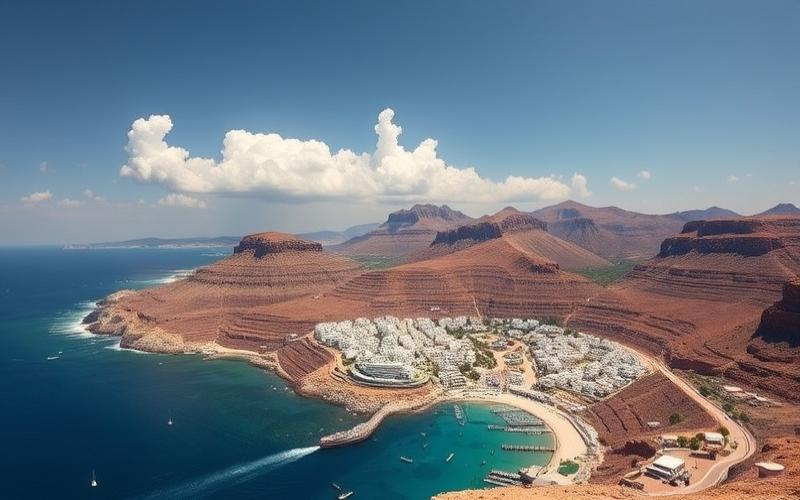
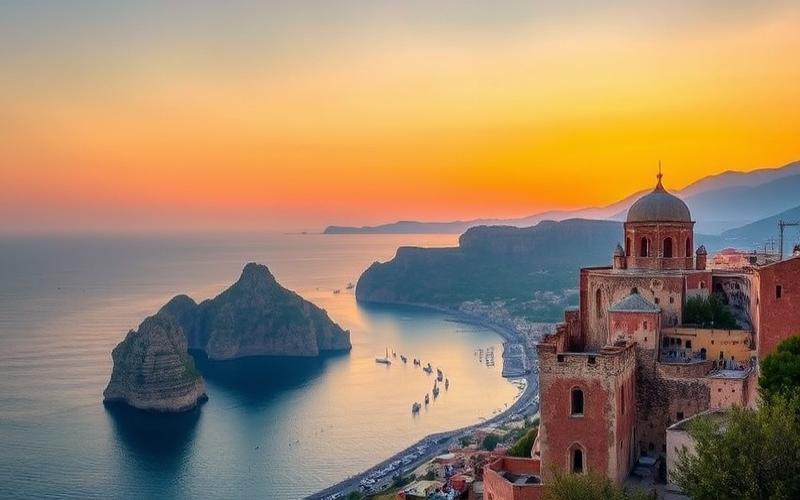
The island of Cyprus, a jewel of the eastern Mediterranean, offers a fascinating and diverse geography. Let’s dive into discovering this multifaceted island nation.
Geographical Location
Cyprus is located in the eastern part of the Mediterranean Sea, at the crossroads of Europe, Asia, and Africa. This strategic position has shaped its history and culture over the centuries. The island lies approximately 47 miles south of Turkey, 65 miles west of Syria, and 236 miles north of Egypt.
Although geographically closer to the Middle East, Cyprus is politically and culturally linked to Europe. It has been a member of the European Union since 2004, making it the EU’s easternmost member state.
Area and Topography
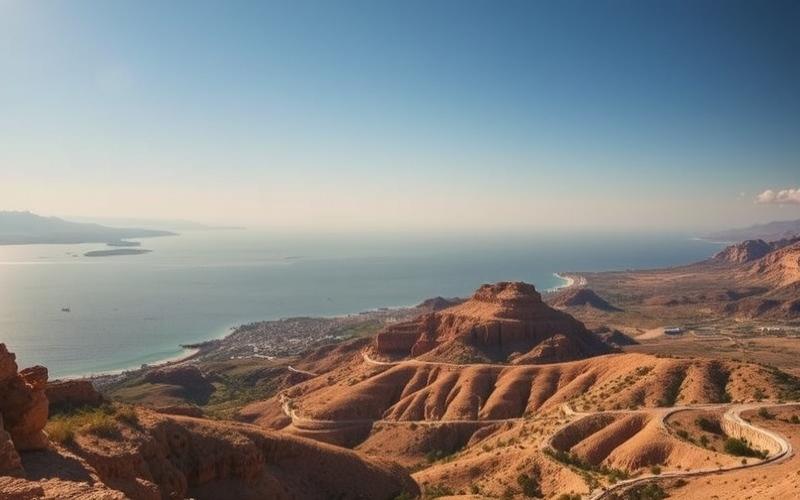
With an area of 3,572 square miles, Cyprus is the third largest island in the Mediterranean, after Sicily and Sardinia. Its topography is characterized by three main distinct zones:
– To the north, the Kyrenia Mountain Range (or Pentadactylos), which stretches from east to west and peaks at 3,360 feet in elevation. – In the center, the Mesaoria Plain, a fertile area conducive to agriculture. – To the southwest, the Troodos Massif, which hosts the island’s highest point, Mount Olympus, rising to 6,401 feet.
Climate
Cyprus enjoys a typical Mediterranean climate, characterized by hot, dry summers and mild, wet winters. The island is known to be one of the warmest in the Mediterranean, with an average annual temperature of 68°F in Nicosia. Summers can be particularly scorching, with temperatures frequently exceeding 95°F.
Main Regions and Cities
Cyprus is divided into six administrative districts, each named after its main city:
1. Nicosia (Lefkosia): The capital and largest city on the island, Nicosia is a unique city, divided in two by the “Green Line” that separates the Greek part from the Turkish part. It is the political, economic, and cultural center of Cyprus.
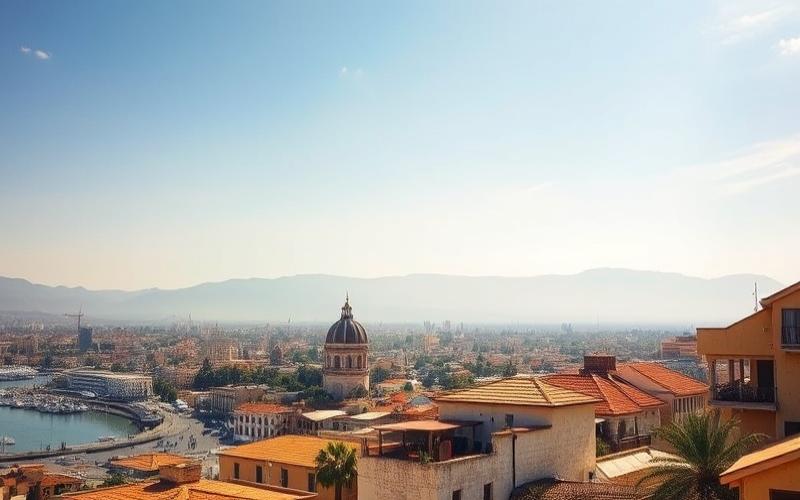
2. Limassol (Lemesos): The country’s second-largest city, Limassol is a major tourist and port center. It is renowned for its beaches, archaeological sites, and wine production.
3. Larnaca: The third-largest city in Cyprus, Larnaca is home to the island’s main international airport. It is known for its lively waterfront and historical sites.
4. Paphos: Located in the west of the island, Paphos is famous for its rich archaeological heritage, listed as a UNESCO World Heritage site.
5. Famagusta: Located in the northern part of the island, Famagusta is a historic city known for its beaches and medieval ruins.
6. Kyrenia: Another important city in northern Cyprus, Kyrenia is renowned for its picturesque harbor and medieval castles.
Neighboring Countries
Although an island, Cyprus maintains neighborly relations with several countries:
– Turkey, located 47 miles to the north – Syria, 65 miles to the east – Lebanon, approximately 112 miles to the east – Israel, approximately 199 miles to the southeast – Egypt, 236 miles to the south – Greece, whose closest islands (Rhodes, Karpathos) are about 236 miles to the west
Geopolitical Particularities
The geography of Cyprus is inseparable from its unique geopolitical situation. Since 1974, the island has been divided into two parts:
– The Republic of Cyprus, internationally recognized, which controls the southern two-thirds of the island. – The Turkish Republic of Northern Cyprus, recognized only by Turkey, which occupies the northern third of the island.
This division is materialized by the presence of the “Green Line,” a United Nations-controlled buffer zone that crosses the island from east to west, including the capital Nicosia.
Good to Know:
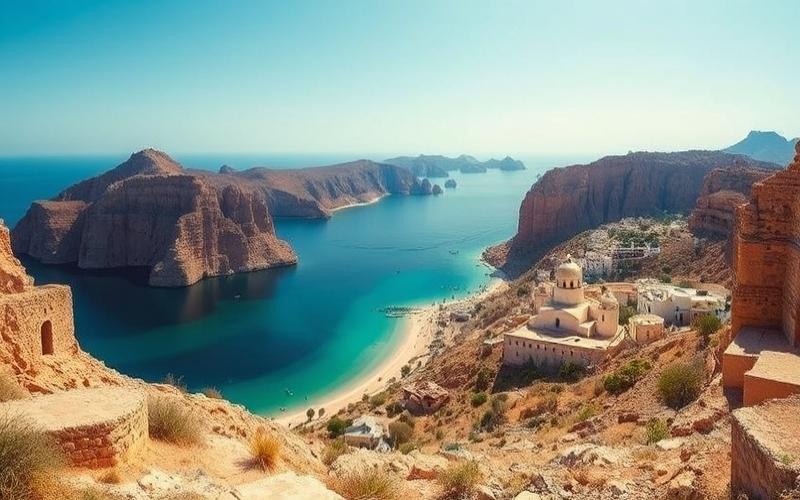
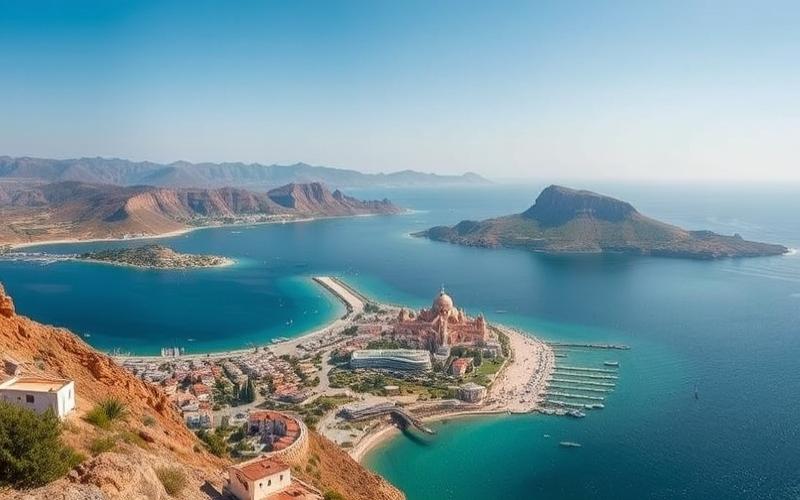
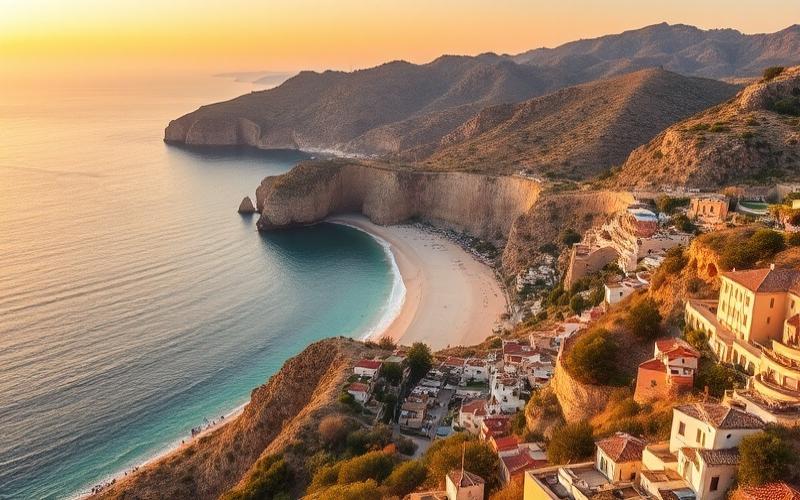
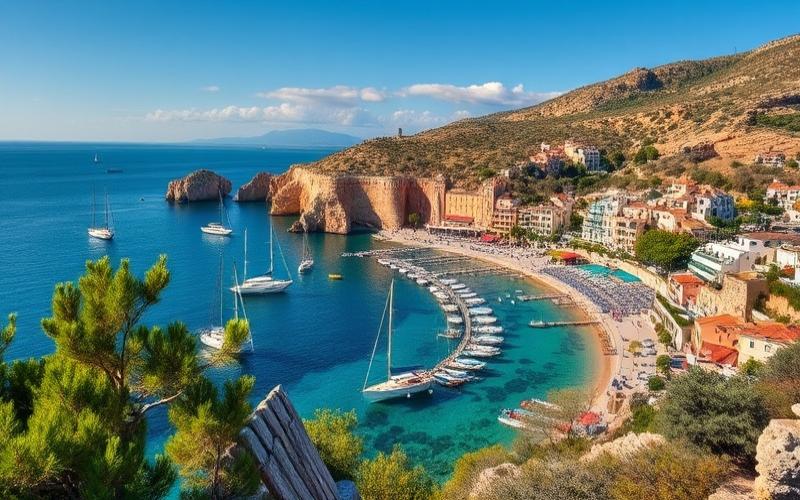
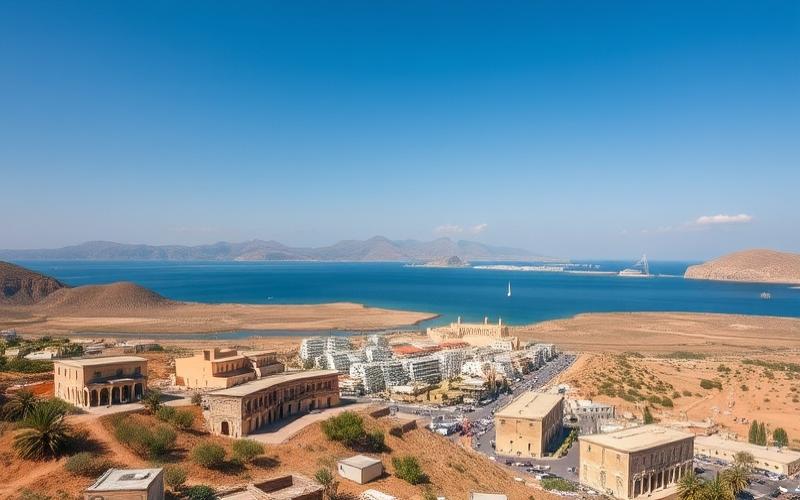
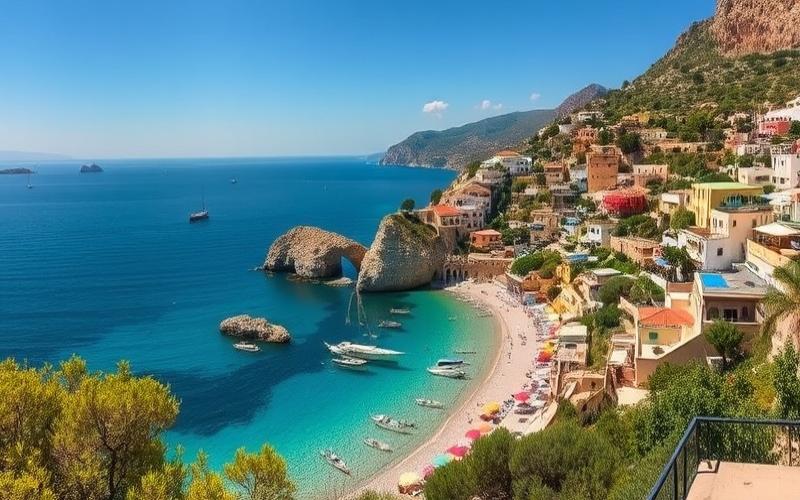
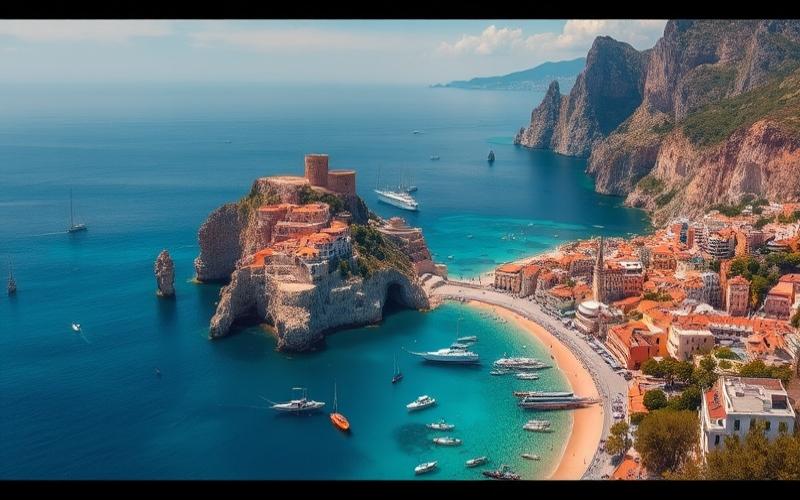
Despite its small size, Cyprus offers a great diversity of landscapes, ranging from golden sandy beaches to the green mountains of Troodos, and including millennia-old archaeological sites. This variety, combined with its sunny climate, makes it a popular tourist destination throughout the year.
The geography of Cyprus, at the crossroads of Europe, Asia, and Africa, makes it a unique place where the influences of these three continents blend harmoniously. Whether you’re drawn to its paradise beaches, picturesque mountains, or rich historical heritage, Cyprus has something to offer every visitor.
Disclaimer: The information provided on this website is for informational purposes only and does not constitute financial, legal, or professional advice. We encourage you to consult qualified experts before making any investment, real estate, or expatriation decisions. Although we strive to maintain up-to-date and accurate information, we do not guarantee the completeness, accuracy, or timeliness of the proposed content. As investment and expatriation involve risks, we disclaim any liability for potential losses or damages arising from the use of this site. Your use of this site confirms your acceptance of these terms and your understanding of the associated risks.

Cyril Jarnias is an independent expert in international wealth management with over 20 years of experience. As an expatriate himself, he is dedicated to helping individuals and business leaders build, protect, and pass on their wealth with complete peace of mind.
On his website, cyriljarnias.com, he shares his expertise on international real estate, offshore company formation, and expatriation.
Thanks to his expertise, he offers sound advice to optimize his clients' wealth management. Cyril Jarnias is also recognized for his appearances in many prestigious media outlets such as BFM Business, les Français de l’étranger, Le Figaro, Les Echos, and Mieux vivre votre argent, where he shares his knowledge and know-how in wealth management.