 Published on and written by Cyril Jarnias
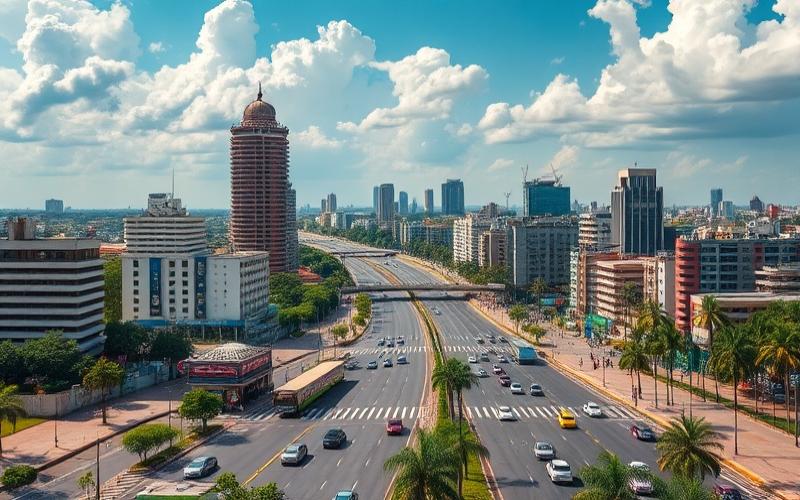
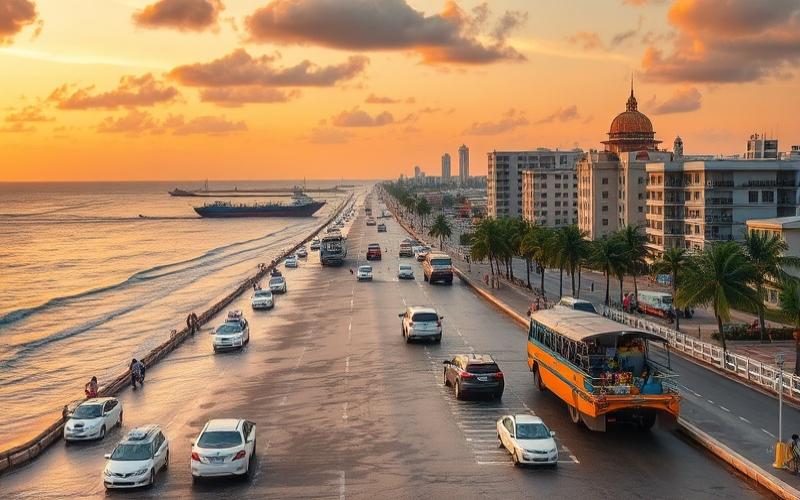
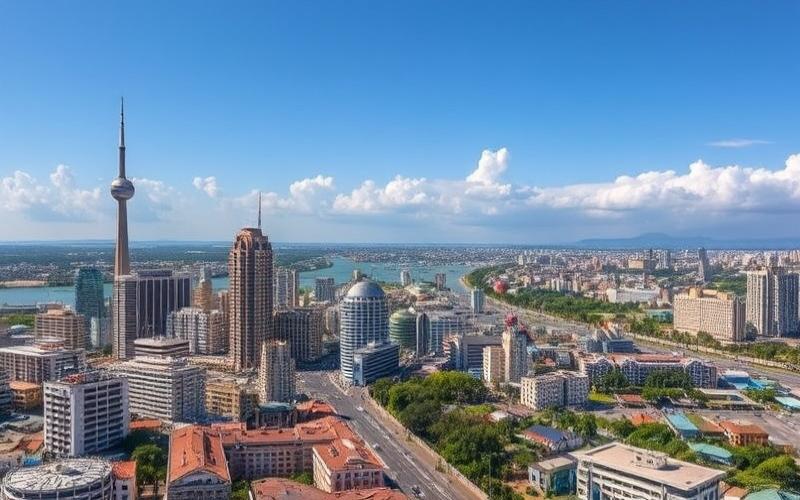
Relocating to Côte d’Ivoire is an adventure full of promise, though not without its challenges. This West African country, known for its vibrant culture and natural wealth, attracts many expatriates seeking professional opportunities and cultural discoveries.
Living in Côte d’Ivoire can offer a dynamic lifestyle with relatively low costs and welcoming people. However, adaptation can prove complex due to significant cultural differences and sometimes insufficient infrastructure outside major cities like Abidjan.
To better understand what this entails, it’s crucial to carefully weigh the advantages and disadvantages of this unique experience.
Discovering Economic Opportunities in Côte d’Ivoire
Key Economic Sectors in Côte d’Ivoire in 2025
| Sector | Key Opportunities | Growth Potential |
|---|---|---|
| Agriculture | Local processing of cocoa, cashew nuts, tropical fruits (pineapple, mango, banana), export | Very high (20% of GDP, world leader in cocoa and cashew) |
| Renewable Energy | Solar solutions, wind projects, increasing renewable energy mix | Government aims for 45% renewable energy mix by 2030 |
| Technology/Digital | E-commerce platforms, digital financial services, tech startups, “Innovation City” in Abidjan | High (urban growth and young demographics) |
| Industrialization | Agro-industry, construction materials, chemicals, textiles, packaging, automotive parts | Strong government support, major infrastructure projects |
Recent Economic Growth Statistics
- GDP: Côte d’Ivoire remains the leading economy in WAEMU, representing about 40% of the Union’s GDP.
- Growth: Despite a slowdown in the agricultural sector (-4.1% in 2023), secondary and tertiary sectors support overall dynamic growth, driven by industrialization and urbanization.
- Agricultural Production: 1.25 million tons of cashew nuts expected in 2025; record cocoa production in 2024.
Government Incentives for Foreign Investors
- Temporary tax exemptions (corporate tax, VAT) for new investments in priority sectors.
- Facilitated access to industrial land through special economic zones and industrial parks.
- Institutional support through CEPICI (Investment Promotion Center in Côte d’Ivoire) to simplify administrative procedures.
- Stated objective: increased local processing of raw materials and promotion of skilled job creation.
Local Partnership Opportunities and Legal Establishment Conditions
- Investors can partner with local companies, particularly in agro-industry and tech, or opt to create a 100% foreign-owned subsidiary.
- Simplified business creation: low minimum capital deposit, centralized procedures at CEPICI’s One-Stop Shop, obtaining a RCCM (Trade and Movable Credit Register) in less than a week.
- The state encourages joint ventures, particularly for agro-industrial processing and infrastructure.
Challenges for Expatriates
- Business Climate: Despite improvements, bureaucracy, administrative delays, and corruption can pose obstacles. The Doing Business ranking still has room for improvement.
- Security: Generally stable in Abidjan and major cities, but caution is recommended in some border areas (regional security risks).
- Infrastructure: Massive investments have improved road networks, the Port of Abidjan, and energy access, but challenges remain, particularly in rural areas (electricity, water access, logistics).
Concrete Examples of Successful Establishments
- OLAM (agro-industry): leader in local cocoa and cashew processing, partnership with the Ivorian government for high-value-added exports.
- Jumia (e-commerce): successful adaptation to the Ivorian market, sustained growth through urbanization and service digitalization.
- EDF Renewables: participation in major solar projects, supporting government energy transition.
- Cargill: investment in local cocoa processing, job creation, and development of responsible supply chains.
Main Opportunities for 2025
- Processing and export of local agricultural products.
- Deployment of solar solutions and rural electrification.
- Digital services and mobile payment platforms.
- Construction, materials, and urban logistics.
- Public-private partnerships in infrastructure and industry.
Key Takeaways
Côte d’Ivoire offers an attractive environment for foreign investors in 2025, driven by sustained growth, clearly identified priority sectors, and competitive incentive schemes. Challenges exist, but successful establishment examples demonstrate the vitality and potential of the Ivorian market.
Good to Know:
The Ivorian economy showed growth of over 6% in 2023, with key sectors like agriculture and renewable energy attracting government incentives; however, the business climate requires caution and adaptation to local infrastructure.
Overcoming Cultural Challenges of Expatriation
Specific Cultural Aspects of Côte d’Ivoire That Can Challenge Expatriates:
- Language Differences: French is the official language, but over 60 local languages (Dioula, Baoulé, Bété, Senufo…) are commonly used daily, especially outside major cities. Lack of French or local language knowledge can complicate communication and integration.
- Social and Religious Practices: Ivorians place great importance on greetings, respect for elders, and traditional rites. Religious practices are diverse (Islam, Christianity, traditional religions) and shape social life, with specific holidays and taboos for each community.
- Communication Norms: Exchanges are often indirect and respectful, particularly towards elders or superiors. It’s advisable to avoid sensitive topics like politics or religion during initial contacts. Humility and observation are valued.
| Cultural Challenges | Description |
|---|---|
| Language Barrier | Official French but diversity of local languages |
| Social Practices | Importance of greetings, respect for elders, community values |
| Religious Practices | Diversity of faiths, specific holidays and taboos |
| Communication Norms | Indirect, respectful, avoid sensitive topics |
Strategies and Practical Tips to Overcome These Challenges:
- Learning Local Languages:
- Take French classes if necessary.
- Learn a few words or phrases in the neighborhood or village’s local language.
- Social Integration:
- Participate in community events (markets, festivals, traditional dances).
- Join expatriate associations or professional networks to expand social circles.
- Get involved in collective actions (tontines, mutual aid).
- Respect and Cultural Curiosity:
- Observe customs before participating.
- Learn about local food or behavioral taboos.
- Show respect for traditions, even if different from your own.
List of Practical Tips:
- Always greet when entering public or private places.
- Dress appropriately for the context, especially during ceremonies.
- Avoid openly criticizing or comparing lifestyles.
- Be patient, open to differences, and ask locals for advice.
Expatriate Testimonials:
“I quickly learned that knowing how to say ‘hello’ in the neighborhood’s language opened many doors. Ivorians appreciate the effort, even modest, to integrate into their culture.”
— Claire, French expatriate in Abidjan
“At first, I was lost facing the diversity of social codes, but by participating in local festivals and talking with my Ivorian colleagues, I discovered a friendliness and mutual support that greatly enriched me.”
— Marc, expatriate executive
“The respect for religious traditions and elders surprised me, but it was by adopting a humble attitude that I could build real friendships.”
— Anna, German consultant
Reflection on the Cultural Wealth and Diversity of Côte d’Ivoire:
“Côte d’Ivoire offers expatriates a unique experience, based on encounters with multiple cultures, great friendliness, and remarkable social vitality. Overcoming cultural challenges means accessing human and professional wealth that transforms one’s perspective on the world and oneself in lasting ways.”
Good to Know:
Learning Dioula or Baoulé promotes integration in Côte d’Ivoire, while participating in local festivals and respecting religious traditions helps familiarize with the culture. Expatriates emphasize the importance of open communication to overcome cultural misunderstandings and thus enrich their experience.
Personal Transformation: Living in Côte d’Ivoire
Living in Côte d’Ivoire provokes deep personal transformation through immersion in unique cultural aspects and adaptation to a new lifestyle.
Ivorian Hospitality
The warm welcome and generosity of Ivorians mark all expatriates. The sense of community, mutual aid, and importance of human relationships facilitate integration, encourage stepping out of comfort zones, and develop empathy along with adaptability.
The Maquis Concept
Maquis, popular and friendly restaurants, are emblematic places where all social classes mix. This is where one discovers local cuisine, shares informal moments, and builds authentic connections. Frequent visits to maquis not only help better understand Ivorian society but also adopt a new way of experiencing friendliness and spontaneity.
Daily Challenges and Discoveries
Adapting to Côte d’Ivoire involves rethinking habits:
- More flexible time management, importance of patience
- Discovery of new food and festive references
- Need to build professional and personal networks locally
- Learning social codes and respect for traditions
This adaptation, sometimes demanding, develops resilience, open-mindedness, and the ability to put things in perspective.
Linguistic Opportunities
Living in Côte d’Ivoire offers the possibility to learn or improve:
- French, the official language
- Local languages such as Dioula, Baoulé, or Bété
This linguistic richness allows for deeper cultural immersion and promotes understanding of the country’s subtleties.
| Language | Main Usage | Impact on Expatriate |
|---|---|---|
| French | Administration, work, school | Professional integration |
| Dioula | Commerce, popular neighborhoods | Closeness with population |
| Baoulé, Bété… | Families, specific regions | Discovery of local diversity |
Testimonials and Anecdotes
“The maquis allowed me to create real friendships. I learned to put daily worries in perspective and enjoy every moment, which changed my outlook on life.”
Victoire, French expatriate
“Ivorian hospitality surprised me. Very quickly, I was invited to parties, to share meals. This gave me confidence and desire to get involved in local life.”
Claire, settled in Abidjan
“I feel the need to be useful in Africa. Settling here pushed me to undertake and rethink my ambitions.”
Guy F. Koré, repat
Main Benefits of Personal Transformation:
- Openness to cultural diversity
- Development of resilience and adaptability
- Linguistic enrichment
- Creation of authentic connections
- Redefinition of personal priorities and values
Côte d’Ivoire, through its cultural codes and lifestyle, encourages every expatriate to reinvent themselves, learn, and grow personally.
Good to Know:
Discovering the “maquis” and the warm welcome of the Ivorian population are often cited by expatriates as elements that foster personal transformation, while learning French and local languages enriches the daily cultural experience.
Disclaimer: The information provided on this website is for informational purposes only and does not constitute financial, legal, or professional advice. We encourage you to consult qualified experts before making any investment, real estate, or expatriation decisions. Although we strive to maintain up-to-date and accurate information, we do not guarantee the completeness, accuracy, or timeliness of the proposed content. As investment and expatriation involve risks, we disclaim any liability for potential losses or damages arising from the use of this site. Your use of this site confirms your acceptance of these terms and your understanding of the associated risks.

Cyril Jarnias is an independent expert in international wealth management with over 20 years of experience. As an expatriate himself, he is dedicated to helping individuals and business leaders build, protect, and pass on their wealth with complete peace of mind.
On his website, cyriljarnias.com, he shares his expertise on international real estate, offshore company formation, and expatriation.
Thanks to his expertise, he offers sound advice to optimize his clients' wealth management. Cyril Jarnias is also recognized for his appearances in many prestigious media outlets such as BFM Business, les Français de l’étranger, Le Figaro, Les Echos, and Mieux vivre votre argent, where he shares his knowledge and know-how in wealth management.