 Published on and written by Cyril Jarnias
Relocating to Lithuania as an expatriate represents a rewarding adventure that combines immersion in a rich cultural history with the opportunities of a rapidly evolving country.
This guide explores the essential elements for a successful transition, from choosing the city that best matches your aspirations to understanding the local administrative nuances, not forgetting integration into social and professional life.
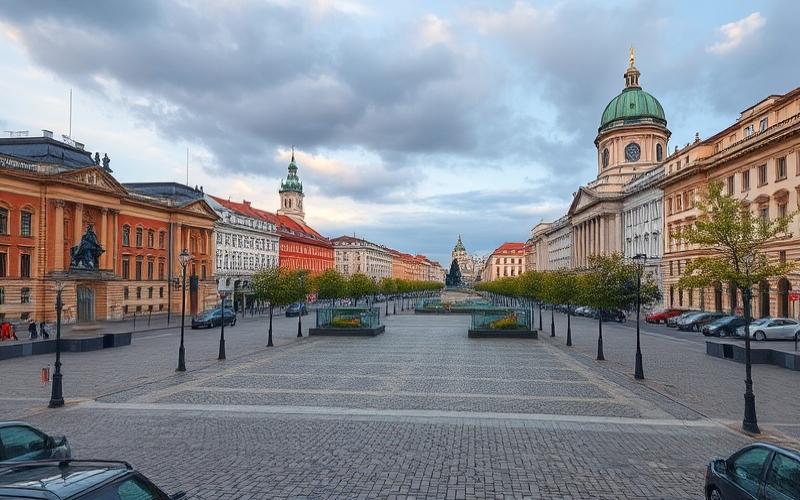
Whether you’re drawn to Vilnius, the vibrant capital with its numerous festivals and exquisite cuisine, or to Kaunas and its dynamic innovation initiatives, you’ll discover how to turn your expatriation dream into an exciting reality.
Preparing Your Move to Lithuania: Key Steps
Preparing Your Move to Lithuania: Key Steps
Visa and Residence Permit
| Type of Stay | Type of Visa/Permit | Main Procedures | Estimated Timeframes |
|---|---|---|---|
| Short stay (90 days) | National visa (type D) | Application at the consulate then, upon arrival, application for a temporary residence permit at the Migration Department | 1 to 3 months |
| Residence (work, studies, family) | Temporary or permanent residence permit | Complete file to submit, proof of resources, insurance, housing, etc. | 1 to 3 months |
Tip: Plan well in advance, as file processing can be extended depending on the season and reason for stay.
Vaccinations and Healthcare
- Recommended Vaccinations:
- Up-to-date universal vaccines (DTP, Hepatitis B, MMR)
- Recommended: Hepatitis A, tick-borne encephalitis (especially for stays in rural or forested areas)
- Lithuanian Healthcare System:
- Mixed system: public and private hospitals, funded by the National Health Insurance Fund
- Mandatory health insurance for all residents and employees
- Expatriates must subscribe to local insurance or international private insurance for full coverage
- European Health Insurance Card valid only for temporary stays for EU nationals
- Emergency care accessible to all, but some specialized care or care in rural areas may have waiting times
Housing
- Search Tips:
- Start searches before arrival, visit if possible before signing a lease
- Prioritize proximity to workplace or studies
- Beware of overly attractive listings (scams)
- Neighborhoods Popular with Expatriates:
- Vilnius: Old Town, Naujamiestis, Antakalnis
- Kaunas: City Center, Žaliakalnis
- Recommended Platforms:
- aruodas.lt (local leader)
- domoplius.lt
- Facebook Marketplace and expatriate groups
- Local real estate agencies for personalized assistance
Finances
- Opening a Bank Account:
- Passport, residence permit or proof of address required
- Main banks: Swedbank, SEB, Luminor
- Currency Exchange:
- Lithuania uses the euro (€)
- Numerous ATMs, exchange offices in major cities
- Cost of Living (monthly estimate for one person):
- Housing (2-bedroom apartment in city center): 500 to 900 €
- Utilities and internet: 100 to 200 €
- Transportation: 30 to 50 €
- Food and leisure: 250 to 400 €
Language and Culture
- Resources for Learning Lithuanian:
- Apps (Duolingo, Memrise)
- Online courses (Lithuanian Language Institute)
- Universities and cultural centers
- Cultural Adaptation Tips:
- Respect for punctuality and administrative rules
- More reserved communication at first
- Importance of national holidays and local traditions
Employment
- Recognition of Qualifications:
- Translate and authenticate diplomas (apostille or equivalent)
- Request recognition via the Academic Recognition Center (SKVC)
- Job Search:
- Popular platforms: cvonline.lt, cvbankas.lt, LinkedIn
- Networking via chambers of commerce and expatriate groups
- Prioritize English or Russian in certain sectors (IT, international services)
Education
| Level | Main Options | Notes |
|---|---|---|
| Daycare & Preschool | Public/private institutions, international schools | Early registration recommended |
| Primary & Secondary | Public schools (instruction in Lithuanian), international schools (English, French, Russian) | Varying admission process |
| Higher Education | Recognized universities (Vilnius University, Kaunas University) | Programs in English and Lithuanian, equivalence procedures to plan for |
Transportation
- Public Transportation:
- Dense network of buses, trolleybuses (especially in Vilnius, Kaunas, Klaipėda)
- Affordable monthly passes, mobile apps for trip planning
- Car and Driver’s License:
- European license recognized; for non-EU, exchange or conversion possible after 185 days of residence
- Easy car rental, accessible used car market
Social Integration
- Tips:
- Participate in local events, cultural workshops, language cafes
- Join sports clubs, associations (French-speaking, international)
- Use social media to join expatriate groups (Facebook, Meetup)
Practical Information
- Useful Resources for Expatriates:
- Consulates and embassies (France, Belgium, Canada, etc.)
- Information centers for foreigners (International House Vilnius)
- Facebook Groups: “French in Lithuania”, “Expats in Vilnius/Kaunas”
- Official websites: Migration Department, National Health Insurance Fund
For each step, anticipate administrative procedures, inform yourself with local authorities, and leverage community resources for a successful relocation.
Good to Know:
The procedures for obtaining a residence permit in Lithuania can take several weeks; it is therefore recommended to start the process early. Remember to obtain a European health insurance card at least three months before your departure and explore platforms like Aruodas now for your housing search.
Succeeding in Your Integration into the Lithuanian Community
Practical tips for understanding and adapting to Lithuanian culture
Lithuanians place great importance on honesty, loyalty, respect for elders, and family relationships. They are often reserved at first but become warm once trust is established. Family traditions hold a central place during special events like weddings, baptisms, and birthdays.
Social Norms
- Respect for Family: Family is at the heart of social life. Participating in family events or talking about them with interest can help build a connection.
- Modesty and Discretion: Avoid excessive displays of emotion in public; favor calm and reserve.
- Punctuality: Being on time is a sign of respect, especially in a professional context or when invited to someone’s home.
- Dress Code: Dress modestly for formal occasions; a classic style is appreciated.
Communication Practices
| Aspect | Practical Tips |
|---|---|
| Verbal Style | Direct but polite, clarity and conciseness valued. Avoid aggressiveness or overly sarcastic humor. |
| Formality | Use titles and last names until invited to use first names. |
| Non-verbal Communication | Eye contact is important; silence can mean reflection rather than disagreement. |
| Written Communication | Clear, structured professional emails are expected in the workplace. |
Local Customs
- Traditional Holidays: Participate in celebrations like Užgavėnės (Mardi Gras), Kaziukas (craft fair), Joninės (summer solstice), or Kaledos (Christmas). These events allow you to discover local culture while meeting residents.
- Giving a Small Gift, especially after a successful negotiation or when invited to someone’s home, is appreciated but should remain modest.
- Respect Religious Rituals, even if you don’t share the same faith; they are an integral part of community life.
Participation in Community Events
Integrate gradually by attending village festivals, local markets, or association activities. These moments offer natural opportunities to interact with Lithuanians in a relaxed setting.
- Look for Franco-Lithuanian or international cultural associations present in your city.
- Sign up for group classes (folk dance, choir) to share common experiences.
- Offer your volunteer help at local charity or environmental events.
Expanding Your Social Network
To expand your relational circle:
- Use platforms like Facebook Groups (“Expats in Lithuania”, “Foreigners in Vilnius”), Meetup.com to find social events suitable for expatriates.
- Join LinkedIn to connect with local French-speaking/international professionals working in Lithuania.
- Regularly participate in polyglot cafes organized by some municipal libraries to practice foreign languages including French/Lithuanian/English while getting to know new friends from diverse backgrounds.
Learning Lithuanian
Learning a few language basics shows authentic respect towards the local society. Even if English is often understood in large cities, mastering common expressions facilitates daily and deeper integration.
Here are some useful resources:
- Mobile apps Duolingo, Memrise offer free modules.
- French Cultural Center in Vilnius sometimes offers language workshops.
- Local universities offer intensive courses for beginners/intermediates.
Don’t hesitate to ask colleagues or neighbors to correct your pronunciation – this breaks the ice and fosters human connection!
Inspiring Testimonials
“After six months spent in Kaunas without speaking Lithuanian, I decided to take evening classes once a week via the technical university. Today I can hold a simple conversation and my neighbors now invite me to traditional meals every Sunday.” — Sophie, French expatriate settled since 2018
“I found a job in a tech startup thanks to the Facebook group ‘Expats Tech Lithuania’. Quickly integrated into the multicultural team thanks to an open mindset among very welcoming Lithuanian colleagues despite the initial language barrier.” — Thomas, Belgian engineer arrived in 2020
These journeys illustrate the importance of perseverance in language learning and active participation in community/associative life.
Useful Local Resources
Here are some structures that can assist with your steps:
| Structure | Services Offered | Main Location |
|---|---|---|
Good to Know:
Participating in local events like St. John’s Festivals and signing up for language courses are excellent ways to integrate; join Facebook groups for expatriates in Lithuania to exchange tips and find friendly meetups.
Main Types of Visas for Expatriates in Lithuania
| Visa Type | Purpose | Maximum Duration | Main Conditions |
|---|---|---|---|
| Schengen Visa (Type C) | Tourism, business, short visit | 90 days / 180 days | Proof of purpose, funds, travel insurance |
| National Visa (Type D) | Work, studies, family, entrepreneur | Up to 1 year | Work permit, enrollment, resources |
| EU Blue Card | Highly qualified work | Up to 4 years | Diploma, contract, salary threshold |
| Student Visa | Higher education studies | According to study duration | University admission, resources, insurance |
| Entrepreneur Visa | Business creation or management | Up to 1 year | Business plan, resources, registration |
Process for Obtaining a Residence Permit in Lithuania
Temporary Residence Permit:
- Submit an application at the consulate or local Migration Service.
- Generally valid for 1 year, renewable depending on the reason (work, studies, family reunification).
Permanent Residence Permit:
- Possible after several years of legal residence (generally 5 years).
- Submit the application directly to the Migration Service in Lithuania.
Required Documents
Indicative list, to be adapted according to visa type
- Valid passport
- Completed application form
- Recent ID photo
- Proof of reason for stay (employment contract, admission letter, business plan)
- Proof of sufficient financial resources
- Health insurance
- Proof of housing in Lithuania
- Clean criminal record (for certain reasons)
- Payment of application fees
Timeframes to Anticipate
- Schengen Visa: approximately 15 working days
- National Visa (D): 1 to 2 months
- Temporary Residence Permit: 2 to 4 months
- Permanent Residence Permit: 4 to 6 months
Practical Tips for Document Preparation
- Check the official document list on the Lithuanian Migration Service website.
- Provide certified translations of documents not in Lithuanian or English.
- Prepare certified copies and keep the originals.
- Anticipate application and renewal timeframes to avoid any interruption of stay.
- Use specialized services or accredited agents for personalized assistance.
Tips to Simplify the Administrative Process
- Group all supporting documents in a file organized by categories.
- Request a housing certificate as soon as the lease is signed.
- Sign up for tracking alerts on the Migration Service portal to be informed of the steps.
- Book an appointment online as soon as the application submission period opens.
Legal Obligations Once Resident in Lithuania
- Register with local authorities (Migration Service) within 7 days of arrival.
- Maintain valid health insurance.
- Respect the permit conditions (employment, studies, activity).
- Declare any change in situation (address, employer, marital status).
- Familiarize yourself with immigration laws, rights and duties of residents.
Official Websites for Further Information
- Lithuanian Migration Service (migracija.lrv.lt)
- Lithuanian Ministry of Foreign Affairs (urm.lt)
- European Job Mobility Portal (eures.europa.eu)
Key Points to Remember
- Meticulous preparation of documents and respect for timeframes are essential to obtain and maintain your legal status in Lithuania.
- Laws and procedures evolve regularly; consult official sources before each procedure.
- Assistance from experts or specialized agencies can greatly facilitate the process, especially for entrepreneurs and families.
Good to Know:
To obtain a Lithuanian visa, anticipate processing times that can vary from a few weeks to several months depending on the visa type, and ensure you have all required documents well prepared, such as proof of funds and employment contract for a work visa. For an in-depth read, visit the Lithuanian Ministry of Foreign Affairs website which details the latest requirements.
Finding Your Home: Housing Guide for Expatriates
In Lithuania, expatriates have several types of housing suitable for different lifestyles and budgets:
| Housing Type | Description | Advantages | Disadvantages |
|---|---|---|---|
| City Center Apartment | Majority in large cities, often in modern or Soviet-era buildings | Proximity to services, urban life, transportation | High prices, sometimes reduced spaces |
| Suburban House | Single-family homes, more common in outskirts or villages | Quiet, space, garden, family environment | Requires a vehicle, distance |
| Shared Accommodation | Sharing an apartment or house, common among students and young professionals | Reduced cost, social life | Less privacy, adaptation necessary |
| University Dormitory | For students, shared rooms in dorms on or near campus | Very low price, university proximity | Limited comfort, community living |
| Guesthouses/B&Bs | Especially in historic centers, short stays or transition | Central location, local ambiance | Not suitable long-term, variable cost |
Popular Neighborhoods for Expatriates
| City | Popular Neighborhoods | Advantages | Disadvantages |
|---|---|---|---|
| Vilnius | Senamiestis (Old Town), Užupis, Naujamiestis | Historic charm, cultural life, close to amenities | High rents, dense traffic |
| Kaunas | Center, Žaliakalnis | Quiet, green spaces, good accessibility | Fewer activities, sometimes far from center |
| Klaipėda | City Center, Melnragė | Proximity to sea, relaxed ambiance, recent infrastructure | Limited supply, rising prices |
Average Housing Costs (per month)
| City | Studio | 2-Bedroom Apartment | 3-Bedroom Apartment | Shared Accommodation (per room) |
|---|---|---|---|---|
| Vilnius | 400-500 € | 600-900 € | 800-1200 € | 200-350 € |
| Kaunas | 300-400 € | 500-700 € | 700-1000 € | 150-300 € |
| Klaipėda | 300-400 € | 500-700 € | 700-900 € | 150-300 € |
Utilities (electricity, water, heating) are generally not included in the rent and represent an additional cost of about 50 to 150 € depending on the season and housing size.
Administrative Steps for Renting a Property
- Documents to Provide:
- Passport or ID card
- Proof of income or employment contract
- Sometimes, letter of recommendation or guarantor
- Signing the Lease Agreement:
- Usual duration of 12 months, sometimes negotiable
- Contract generally drafted in Lithuanian (request an English translation)
- Inventory advised upon entry
- Security Deposit:
- Equivalent to 1 to 3 months’ rent, refunded at lease end if no damage is found
Practical Tips for Finding Housing
- Use specialized websites: Aruodas.lt, Domoplius.lt
- Join Facebook groups dedicated to expatriates or housing search
- Solicit local real estate agencies (fees generally borne by the tenant)
- Ask employer, university, or expatriate network for advice
- Visit several properties and check the condition of equipment before signing
Cultural Aspects to Consider
- Landlords are often discreet and respect privacy, but appreciate clear communication and respect for contract rules
- Housing may be furnished or unfurnished; the style of furnishings may differ from Western standards (sometimes basic or minimalist furniture)
- It is common to remove shoes upon entering the home
- Interactions are generally formal at first; an effort to learn a few words in Lithuanian is appreciated
Resources and Useful Contacts
- Search platforms: Aruodas.lt, Domoplius.lt
- Facebook Groups: “Expats in Vilnius”, “Kaunas Expat Community”, “Klaipėda International”
- Local real estate agencies recommended by expatriates
- University welcome offices for students
- Municipal integration assistance services (notably in Vilnius and Kaunas)
- Embassies and consulates for legal information on renting
Important
Take the time to compare offers, read the contract carefully, and, if possible, seek legal assistance or a local friend before committing.
Good to Know:
Expatriates can choose between city center apartments, often more expensive but close to amenities, and suburban houses offering more space; popular neighborhoods include Vilnius’s historic center and the Žvėrynas district. Remember that to rent in Lithuania, a security deposit equivalent to one or two months’ rent is generally required, and bring with you a copy of your passport and proof of income.
Disclaimer: The information provided on this website is for informational purposes only and does not constitute financial, legal, or professional advice. We encourage you to consult qualified experts before making any investment, real estate, or expatriation decisions. Although we strive to maintain up-to-date and accurate information, we do not guarantee the completeness, accuracy, or timeliness of the proposed content. As investment and expatriation involve risks, we disclaim any liability for potential losses or damages arising from the use of this site. Your use of this site confirms your acceptance of these terms and your understanding of the associated risks.

Cyril Jarnias is an independent expert in international wealth management with over 20 years of experience. As an expatriate himself, he is dedicated to helping individuals and business leaders build, protect, and pass on their wealth with complete peace of mind.
On his website, cyriljarnias.com, he shares his expertise on international real estate, offshore company formation, and expatriation.
Thanks to his expertise, he offers sound advice to optimize his clients' wealth management. Cyril Jarnias is also recognized for his appearances in many prestigious media outlets such as BFM Business, les Français de l’étranger, Le Figaro, Les Echos, and Mieux vivre votre argent, where he shares his knowledge and know-how in wealth management.