 Published on and written by Cyril Jarnias
Relocating to South Korea is increasingly attracting French speakers: professional opportunities, technological dynamism, rich culture… and above all, a rare sense of security on a global scale. While a country with low crime, it is exposed to a veritable “pandemic of scams,” South Korea offers a largely very safe living environment, provided you understand its specific risks and codes.
This article covers all aspects of safety for expatriates, including crime, scams, the legal framework, health, natural hazards, as well as social etiquette and transportation. It aims to prepare for a smooth and informed relocation.
A Very Safe Country… But Not Without Risks
The first thing to keep in mind before unpacking your bags in South Korea is that it is one of the safest countries in the world. Crime statistics, international comparisons, and even everyday behaviors contribute to this feeling.
Safety is also reflected in the contrast between major risks (low) and minor everyday threats (pickpocketing, scams, extreme weather). For an expatriate, the challenge is not to “survive” but to navigate intelligently in a very secure yet sometimes disorienting environment.
Crime Level: What Do the Numbers Say?
Available data converges: South Korea shows low crime compared to most industrialized nations. Crime indices calculated by platforms like Numbeo regularly place the country in the “low crime level” category, with a very high perceived safety both day and night.
Number of key structural indicators to assess the country’s position
| Indicator | Approximate Value | Interpretation |
|---|---|---|
| Crime Index (2025) | ≈ 25–27 | Low |
| Safety Index (2025) | ≈ 73–75 | High |
| Homicide Rate (per 100,000 pop.) | ≈ 0.6 | Very Low |
| Daytime Walking Safety Level | > 80/100 | Very Safe |
| Nighttime Walking Safety (Perception) | > 70/100 | Safe |
Violent crimes, random assaults, or armed attacks are extremely rare. The country also has very strict gun control laws, making shootings virtually nonexistent in the local media landscape.
However, several trends deserve the attention of an expatriate:
Crime has shown a slow but real increase since the 2000s, influenced by changes in legal classification and economic development. There is a rise in crime among those over 60, often linked to senior poverty, as well as a growing prevalence of frauds and scams, particularly online and by phone.
Feeling of Insecurity: A Reality Very Different from Many Western Countries
Perception surveys show that the majority of residents feel very little exposure:
– low concern about burglaries, car theft, or theft of personal items,
– low perception of drug problems or violent crime,
– relatively high confidence in the police and CCTV systems.
In practice, it is common to see laptops left unattended in cafes, handbags placed on restaurant tables without constant supervision, or even self-service stores with no staff, which rely on a high level of social trust.
This context does not dispense with the need for caution – especially in large cities and entertainment districts – but it profoundly changes the way safety is experienced daily.
Scams and Fraud: The Real Achilles’ Heel of Safety
While violent crime remains contained, South Korea faces an explosion of scams, to the point that some experts speak of a “scam pandemic.” For an expatriate, this is likely the main financial and psychological risk to manage.
A Country Hit by a “Scam Pandemic”
A recent report on the state of fraud in South Korea, compiled by several entities specializing in fraud prevention, paints a concerning picture:
– 44% of Korean adults report having been targeted by a scam attempt in the last 12 months;
– 26% say they have actually been victims;
– an adult is exposed to an average of 56 scam attempts per year;
– losses related to scams amount to billions of dollars, with certain types of fraud – notably voice phishing – sharply increasing.
For authorities, the rise of generative AI, deepfakes, and cross-border criminal networks further complicates the issue. Scammers benefit from automated tools to personalize their attacks, imitate voices, or produce very convincing fake documents.
Key Scams to Know When Relocating
Settling in South Korea quickly involves juggling a local phone number, a bank account, payment apps, and online platforms. All are entry points for scammers.
Among the most common schemes:
Voice phishing (보이스피싱) in South Korea uses fraudulent calls or SMS messages impersonating official institutions. Scammers pose as a bank, the police, the prosecution, tax authorities, immigration services, or even the victim’s employer. Common scams include: a fake judicial investigation demanding a “transfer of funds to a secure account,” a supposed problem with a bank account or card, or threats of deportation or visa cancellation for foreigners, accompanied by a request for passport or residence card scans.
– Investment and Cryptocurrency Scams
These are now the most widespread forms. Promises of very high returns, fake financial advisors, fictitious trading platforms or clones of known sites, or fake customer service for crypto exchanges. Profits are often simulated on an interface until the withdrawal moment, which never comes.
– Personal Loan Scams
Very old in Korea, they also target foreigners looking for quick credit: you are offered a loan, but upfront fees (application, insurance, guarantee) are required. Once the fees are paid, the loan never materializes.
– Online Shopping Scams
Fictitious e-commerce sites, stores selling counterfeit goods, fake second-hand listings: these scams affect many residents. A significant portion of fraud victims have been trapped by online purchases.
– Fake Housing and Rentals
Attractive real estate listings circulate with fake photos, wrong addresses, or properties that simply don’t exist. Scammers insist on receiving a deposit before the viewing. Some platforms more oriented towards foreigners are fortunately more secure, but caution is still advised.
Be wary of drivers presenting themselves as linked to a hotel or official service and offering a fixed price, as they may multiply the price upon arrival. Other common practices include rigging the meter or taking unjustified detours to increase the fare.
– “Cultural” or Spiritual Approaches
Individuals, especially in tourist areas, approach foreigners under the pretext of a “cultural experience” or traditional ceremony. The invitation leads to a request for an exorbitant donation, sometimes calculated based on the victim’s age.
– Bars, Clubs, and Unofficial “Guides”
Some establishments practice inflated overcharging for foreigners or impose extremely expensive drinks. Pseudo-guides offer free or cheap tours… then take you to shops or bars where they earn a commission on your spending.
– “Administrative” SMS Scams
Messages from fake delivery services, tax authorities, tax refunds, or government vouchers. All lead to malicious links or forms designed to steal your IDs, OTP codes, or passwords.
For a newcomer, the difficulty lies in the fact that South Korea is otherwise an extremely digitized country: many procedures go through SMS, banking apps, two-factor authentication. Distinguishing real messages from fake ones becomes an art in itself.
How Authorities Are Responding to This Wave of Scams
Korean institutions are not passive in the face of this fraud wave:
Initiatives implemented to enhance security and protect citizens from scams.
Up to 10 years in prison for fraud, including computer fraud.
Sharing alerts between banks, telecom operators, and police via dedicated platforms.
Immediate freezing of bank accounts identified as suspicious.
Informing residents about the most common fraudulent scenarios, in multiple languages.
International organizations like the Global Anti-Scam Alliance also call for better global cooperation, the creation of data-sharing hubs on scams, and increased accountability for major digital platforms.
Best Practices to Reduce Your Exposure
In an environment where scam attempts are frequent, good daily habits matter more than penal repression alone.
For an expatriate, a few simple principles make a big difference:
– never transfer money based on an unsolicited call or text, even if the number seems local;
– never share passwords, OTP codes, PINs, nor send scans of your passport or residence card via unsecured messaging;
– if called by a “bank,” “prosecutor,” “police,” or “immigration,” hang up and call back using the official number found on the institution’s website or your bank card;
– enable spam filters and block unknown numbers on your smartphone;
– never click on links in SMS messages about deliveries, tax refunds, vouchers, or penalties: use the official website or app;
– be wary of “easy” job offers that ask you to use your bank account to transfer funds or receive packages – you risk being implicated as a “mule” in criminal circuits.
Regarding housing, taxis, shopping, the rule is the same: favor official channels, recognized apps, established stores, and always check online reviews and reputation.
Understanding the Legal Framework: A Protective but Demanding System
South Korea is a rule-of-law state with a judicial system structured on several levels (district courts, high courts, Supreme Court, Constitutional Court). For an expatriate, the first rule is clear: local law applies fully, regardless of your nationality. Ignorance of the law is not an acceptable defense.
Fraud Under Korean Law
The Korean Penal Code defines fraud around four elements:
– deception (lie, concealment of essential information);
– an act of asset disposition by the victim (payment, signing a contract, transferring an asset);
– a patrimonial advantage obtained by the perpetrator (money, guarantee, debt release, etc.);
– fraudulent intent.
The potential penalties for the main categories of fraud are significant:
| Offense (Korean Penal Code) | Maximum Penalty Provided |
|---|---|
| General Fraud (Article 347) | 10 years imprisonment or 20 million KRW fine |
| Computer Fraud (Article 347-2) | 10 years imprisonment or 20 million KRW fine |
| Quasi-Fraud (exploitation of minor/disabled) | 10 years imprisonment or 20 million KRW fine |
| Illegal Use of Services (phones, etc.) | 3 years imprisonment or 5 million KRW fine |
| Unjust Enrichment (exploitation of distress) | 3 years imprisonment or 10 million KRW fine |
For an expatriate victim of fraud, two main paths exist:
– the criminal path: filing a complaint with the police (112), potentially the financial regulator (1332) or the cybersecurity agency (118);
– the civil path: a lawsuit for damages against the perpetrator, before civil courts.
Fines paid as part of a criminal proceeding are collected by the state, not by the victim. However, initiating criminal proceedings can put pressure on the fraudster, encouraging them to reimburse the victim in hopes of obtaining a reduced sentence from the judge.
Rights and Obligations of Foreigners
Foreign residents have concrete rights in case of a dispute or problem:
– right to be informed of their rights upon arrest, including the right to remain silent and to an attorney;
– right to an interpreter during interrogations and hearings (though the quality of translation may vary, especially for French);
– possibility to request that their consulate be informed of their detention (Vienna Convention);
– access to legal aid offices (associations, bar associations, public legal aid services).
In return, certain obligations are strict:
– always be able to present valid identification (passport or alien registration card). Not having it can result in a fine;
– respect local laws, notably regarding drugs (zero tolerance), traffic (very low permitted blood alcohol level), political demonstrations (prohibited for foreigners).
In case of serious criminal proceedings, foreigners often risk pre-trial detention to prevent fleeing the country, and bail is rare. It is therefore highly advisable to avoid any behavior that skirts legality.
What to Do in Case of Scam or Cyberattack?
In case of payment or disclosure of data to a scammer, time is the key factor. Korean authorities have emergency mechanisms to try to limit the damage.
The first hours should be structured as follows:
1. Contact your bank immediately to request an emergency payment block (지급정지) and monitoring of your account. 2. Call the police at 112 to report the incident, requesting an interpreter if necessary. 3. Contact the Financial Supervisory Service at 1332 for bank, card, or credit fraud. 4. Call the national cybersecurity agency (KISA) at 118 in case of phishing, hacking, or malware. 5. Change all your passwords and remove suspicious applications. 6. Keep all evidence: screenshots, messages, statements, IDs of fraudulent accounts.
Depending on the amount involved or the complexity, it may be worthwhile to get assistance from an English or French-speaking lawyer based in Seoul, from a firm accustomed to handling expatriate cases.
A Very Safe, But Highly Codified Society: Social Safety and Etiquette
Safety in South Korea is not limited to the absence of crime. It is embedded in a culture strongly marked by Confucianism, hierarchy, respect for elders, and concern for social harmony. For an expatriate, understanding these social codes directly contributes to their relational and professional “safety.”
Hierarchy, “Face,” and Harmony
Several notions structure interactions:
– hierarchy (age, professional status, seniority) remains omnipresent;
– preserving each person’s kibun (dignity, face) is essential: avoid direct confrontations, do not publicly ridicule;
– nunchi – “reading the atmosphere” – is a key social skill: observe before acting, adapt behavior to context;
– the group takes precedence over the individual: attitudes perceived as too individualistic or confrontational can generate misunderstanding or exclusion.
For a newcomer, this dynamic may seem constraining, even opaque, but it is also a powerful factor for social stability and behavioral predictability.
Politeness Codes and Gestures to Master
A few simple rules immediately improve the quality of interactions and avoid misunderstandings:
– greet with a slight bow of the head or upper body, especially towards older or hierarchically superior persons;
– use both hands to give or receive an object (business card, drink, gift) as a sign of respect;
– avoid overly familiar physical contact with strangers (back slapping, hugs);
– limit public displays of affection, especially in family-oriented places or in the presence of elders;
– never stick chopsticks upright in a bowl of rice (a gesture associated with funeral rites);
– remove shoes when entering a home, some traditional restaurants, temples, or hanoks.
Gradually mastering these codes reduces invisible tensions, opens doors, and in a way, protects from hostile reactions or misunderstandings.
Women’s Safety: A Generally Reassuring but Imperfect Environment
Many female expatriates emphasize how safe they feel in South Korea, even returning home alone late at night, contrasting with other countries. Incidents of harassment or targeted assaults exist but remain statistically rare.
Points of vigilance are nonetheless real and should be considered.
– inappropriate behavior under the influence of alcohol in bar or club districts – notably around Hongdae or Itaewon;
– some cases of technological voyeurism (hidden cameras, molka) in private places or restrooms;
– a certain fetishization of foreign women from certain origins, which can manifest as intrusive comments or attitudes.
Common-sense advice remains valid: watch your drink, avoid isolating yourself with strangers met at night, prefer returning by taxi booked via an official app, and do not hesitate to call the police in case of threatening behavior. Law enforcement is generally responsive and may escort a person feeling in danger.
Transportation and Getting Around: Safe, Efficient… But to Get Used To
Korean public transportation is often cited as a global model: dense network, cleanliness, punctuality, reasonable fares. They are also overall very safe, even late at night.
Subways and Buses: A Highly Regulated Environment
Major cities have extensive subway systems, with multilingual signage and CCTV. Stations are equipped with platform screen doors, limiting the risk of falling onto the tracks. Reserved seats (for seniors, pregnant women, disabled persons) are clearly marked.
On these networks, the main risks are:
– pickpocketing in crowded cars during rush hour;
– some bothersome behavior in the evening (intoxicated persons, isolated harassment).
Implicit rules of good conduct reinforce the feeling of safety: speak quietly, avoid eating or drinking, do not talk loudly on the phone.
Urban buses follow the same logic: heavily used, monitored, with strong driving discipline, although some drivers may seem abrupt in dense traffic.
Taxis and Ride-Hailing: Safe, but Sensitive to Overtourism
Official taxis – easily recognizable – remain an affordable and generally reliable means of transport. Using apps like Kakao T avoids most inconveniences: estimated price, tracked route, cashless payment.
The most frequent scams for foreigners remain concentrated around airports and certain tourist districts:
– individual presenting themselves as a “taxi” or “hotel shuttle” with an announced price then multiplied upon arrival;
– failure to use the meter or unjustified charges (invented surcharges).
The solution is simple: book via an app or use the official taxi queue at the airport, refuse any taxi without a meter or not clearly identified, and check that the meter starts correctly.
Road Traffic: Higher Risk for Pedestrians
Paradoxically, in a very safe country, the road constitutes one of the main physical dangers of daily life:
– sometimes aggressive driving;
– occasional disregard for traffic lights or crosswalks;
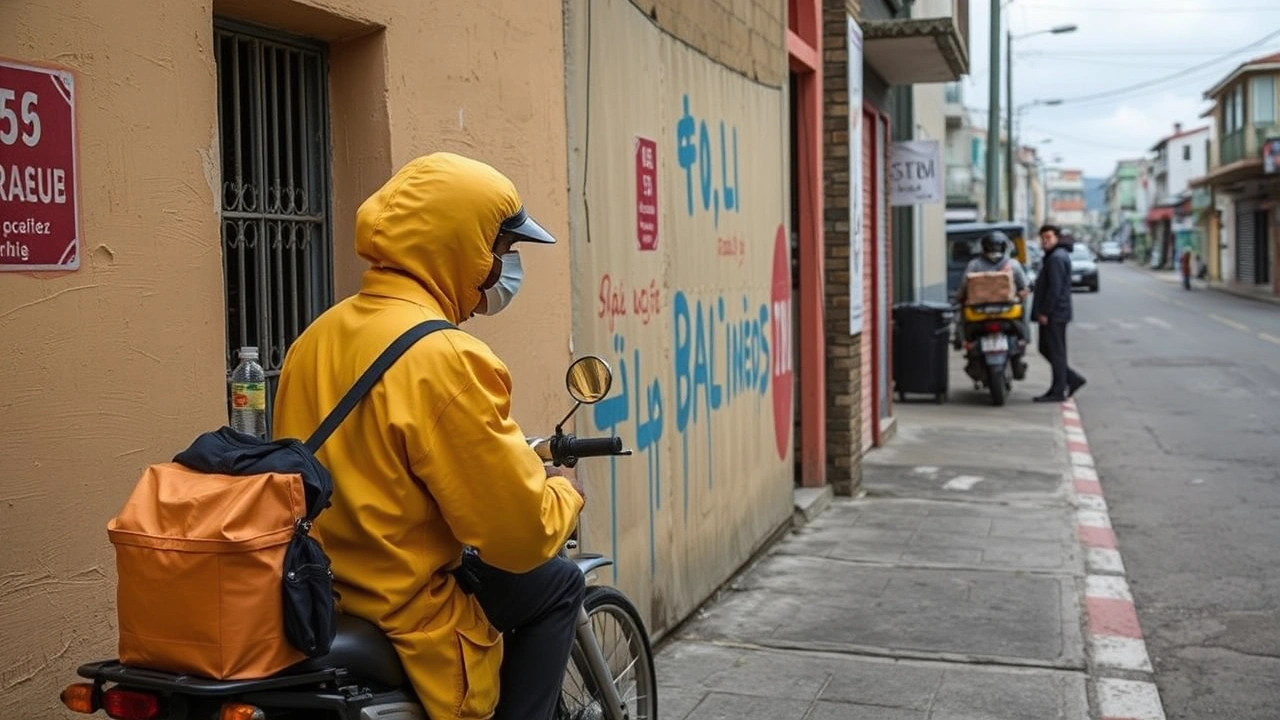
– delivery scooters riding on sidewalks in commercial districts.
For an expatriate, it’s prudent to adopt a few habits: research local customs, keep digital copies of important documents, subscribe to international health insurance, and maintain a cash reserve for emergencies.
– cross only at crosswalks, even with a green light, visually checking that vehicles actually stop;
– stay alert for scooters on sidewalks, especially around restaurants and cafes in the evening;
– avoid shortcuts in very narrow alleys without sidewalks.
In case of an accident involving a pedestrian, the driver is often presumed responsible under Korean law, even if fault is shared. This is something to know if you decide to drive: the legal framework strongly protects vulnerable users.
Health, Environment, and Disasters: Highly Organized Safety
Safety in South Korea is also about the country’s capacity to handle health risks, weather hazards, and major disasters. In these areas, Korea has sophisticated systems, but not without limitations.
A High-Performing Healthcare System, But Heavily Regulated
For expatriates, the good news is clear: South Korea offers a modern, efficient, and accessible healthcare system, based on a near-universal national health insurance.
From a purely health perspective:
– hospitals and clinics are well-equipped, with a high number of beds per capita;
– quality of care is compared to the best OECD standards, notably for certain cancers and stroke treatment;
– life expectancy is very high.
The counterpart, for an expatriate, is a strict administrative framework:
– virtually mandatory enrollment in the National Health Insurance Service (NHIS) for any stay over six months;
– premiums based on salary or calculated on income for the self-employed;
– co-payment system: insurance covers a portion of costs, but not all, which prompts many residents to take out private supplementary insurance, especially for chronic illnesses.
The table below provides a simplified overview of the data or concepts presented in the article, allowing for a quick and synthesized understanding of the essential information.
| Aspect | Key Characteristics for an Expatriate |
|---|---|
| System Type | National Health Insurance (NHIS) + private supplements |
| Expatriate Enrollment | Mandatory after 6 months of residence with alien card |
| Cost Coverage Share | Approximately 50–80% depending on type of care |
| Out-of-Pocket / Co-payment | 20 to 50%, capped annually based on income |
| Languages in Major Hospitals | English often available, sometimes other languages |
| Private Insurance | Used to reduce out-of-pocket costs and cover non-covered illnesses |
Medical emergencies are well managed (number 119), but wait times can be long, even in some renowned hospitals, which again justifies the benefit of international insurance offering repatriation options.
Air Quality, Weather, and Natural Hazards: An Environment to Monitor
Beyond the strictly medical dimension, an expatriate must also contend with a set of specific environmental risks:
– Air pollution: episodes of fine dust and “yellow dust” in spring, which can bother those with asthma or respiratory illnesses. Wearing filtering masks (KF94, FFP2) and using air purifiers is common.
– Monsoon and typhoon seasons: intense rains, strong winds, local flooding, landslides, especially between summer and early fall. Alerts are disseminated by SMS (cell broadcast) and via a dedicated government app.
– Occasional earthquakes: less frequent than in Japan but taken very seriously. Recent infrastructure increasingly incorporates seismic standards.
The South Korean state has heavily invested in disaster management:
The authorities implement a concerted strategy and various tools to ensure safety and responsiveness in a crisis.
Specialized ministries, meteorological agencies, and domestic security services work together for an effective response.
National risk management plans and emergency drills are organized regularly to test and improve procedures.
Citizens are alerted via a multi-channel system: SMS, sirens, public announcements, and the official “Emergency Ready” mobile app.
For an expatriate, it is strongly advised:
– to install and configure this app on your phone (alerts, shelter maps, emergency numbers);
– to follow local information in case of heavy rain, typhoon, or extreme pollution episodes;
– to know the shelter locations in your neighborhood (underground spaces, schools, public buildings).
Tensions with North Korea: A Highly Mediatized Risk But Barely Perceptible Daily
The peninsula remains technically at war since the 1950s, and missile tests or North Korea’s belligerent rhetoric regularly occupy international headlines. Yet, daily life in the South is marked by striking normality.
Authorities maintain a high state of readiness:
– periodic civil defense drills with sirens, temporary traffic stops, shelter-in-place instructions;
– enhanced surveillance of the demilitarized zone (DMZ) and sensitive military areas.
For expatriates, these drills can be impressive, but they are part of the local landscape and do not generally signal an imminent conflict. The main recommendation remains to follow official instructions and stay informed via the diplomatic channels of your home country.
Living Safely Day-to-Day: Practical Tips for Expatriates
Beyond the main chapters (crime, health, disasters), the safety of an expatriate life hinges on a multitude of practical details. They concern managing documents, money, travel as much as building a local network.
Documents, Money, and Housing: Organizing Your “Security Base”
To minimize administrative and financial risks:
– keep multiple copies (physical and digital) of essential documents: passport, residence card, work contract, lease, insurance certificates;
– adopt a primarily electronic payment mode (cards, T-Money, payment apps) avoiding carrying too much cash;
– secure access to accounts with strong passwords, two-factor authentication, and monitor statements regularly;
– for housing, favor serious agencies or platforms specializing in assisting foreigners, and always verify the address, existence of the property, and the landlord’s identity.
In South Korea, the security deposit system (key money) for rentals can amount to tens of thousands of euros. A poorly drafted contract or fraud concerning this deposit can lead to serious financial consequences.
Building a Network: A Form of Invisible Security
One of the strengths of expatriate life in Korea lies in the density of foreign communities and support groups: associations, professional networks, online groups, multicultural events.
Joining these networks:
– facilitates access to concrete feedback on neighborhoods, employers, schools, doctors;
– allows sharing information about current scams, pitfalls to avoid, reliable good deals;
– offers a psychological safety net, particularly useful when facing culture shock and the language barrier.
Developing trusting relationships with local colleagues, neighbors, or friends is an important safety factor. These people can alert you to inappropriate behavior, assist you in delicate administrative procedures, and help you in case of a problem.
Managing the Language Barrier and Misunderstandings
Even though English is widely taught, not all Koreans are fluent, far from it, especially outside major cities and highly international sectors. The language barrier can complicate:
– interactions with the police;
– procedures at the bank, hospital, immigration;
– the exact understanding of certain contracts or official documents.
To reduce this risk:
– learn a minimum of Korean (courtesy phrases, numbers, basic vocabulary);
– use efficient translation apps;
– seek out services known to have English-speaking staff (international centers, major clinics, offices dedicated to foreigners in certain cities).
In case of a serious dispute, it is preferable to engage a lawyer accustomed to handling cases for foreigners, rather than relying solely on friends or approximate translations.
Conclusion: A Largely Very Safe Relocation, Provided You Are Informed
Safety in South Korea rests on a solid foundation: low violent crime, responsive institutions, modern infrastructure, a culture of discipline and public order. For an expatriate, this context translates to great freedom of movement, a sense of security far superior to that of many major cities, and an environment conducive to a peaceful daily life.
However, the challenges should not be underestimated:
Staying in the country involves protecting yourself against the explosion of sophisticated digital scams, being vigilant regarding road traffic that is sometimes risky for pedestrians, anticipating environmental episodes (pollution, extreme rain, typhoons), and respecting a strict legal framework concerning drugs, drunk driving, and political demonstrations.
By using existing tools (official apps, emergency numbers, health and travel insurance, expatriate networks), respecting local codes, and adopting a few simple cybersecurity and vigilance habits, it is entirely possible to have a smooth expatriate life in South Korea, fully enjoying the richness of this country without falling into either carelessness or paranoia.
The key, as often, lies in two words: information and preparation. With them, South Korea can become not only a professional or academic destination of choice, but also one of the safest places to build a part of your life.
Disclaimer: The information provided on this website is for informational purposes only and does not constitute financial, legal, or professional advice. We encourage you to consult qualified experts before making any investment, real estate, or expatriation decisions. Although we strive to maintain up-to-date and accurate information, we do not guarantee the completeness, accuracy, or timeliness of the proposed content. As investment and expatriation involve risks, we disclaim any liability for potential losses or damages arising from the use of this site. Your use of this site confirms your acceptance of these terms and your understanding of the associated risks.

Cyril Jarnias is an independent expert in international wealth management with over 20 years of experience. As an expatriate himself, he is dedicated to helping individuals and business leaders build, protect, and pass on their wealth with complete peace of mind.
On his website, cyriljarnias.com, he shares his expertise on international real estate, offshore company formation, and expatriation.
Thanks to his expertise, he offers sound advice to optimize his clients' wealth management. Cyril Jarnias is also recognized for his appearances in many prestigious media outlets such as BFM Business, les Français de l’étranger, Le Figaro, Les Echos, and Mieux vivre votre argent, where he shares his knowledge and know-how in wealth management.