 Published on and written by Cyril Jarnias
France attracts tens of millions of visitors from all over the world every year, to the point of having become the world’s top tourist destination. Beyond the numbers lies an astonishingly diverse territory, where universally known great classics rub shoulders with more discreet wonders, often listed as UNESCO World Heritage sites or labeled as “Most Beautiful Villages of France.” Exploring France’s must-see tourist sites means traversing centuries of history, from Romanesque art to futuristic architecture, as well as some of Europe’s most spectacular landscapes, from Mont Blanc to the Mediterranean *calanques* (rocky inlets), and from the Atlantic dunes to the volcanoes of Auvergne.
This article provides an in-depth overview of the major unmissable hubs, linking monuments, cities, natural landscapes, UNESCO labels, and cultural experiences to give a coherent overall picture of what makes France a “world-country.”
Synthesis Article
Paris and Île-de-France: A Concentration of World Heritage
It’s hard to talk about must-see tourist sites in France without starting with Paris and its region. The capital, the world’s third most visited city, alone boasts an impressive number of monuments, museums, and symbolic places, several of which are inscribed on the UNESCO World Heritage list as part of the “Paris, Banks of the Seine” site.
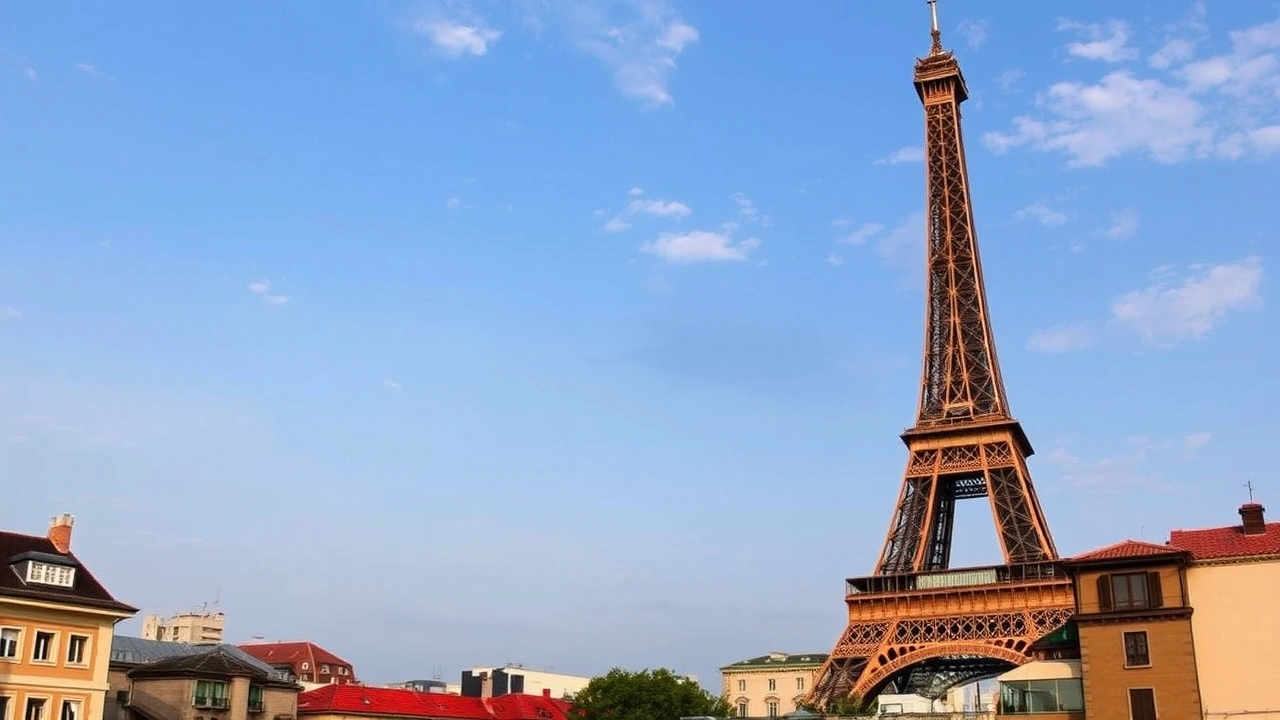
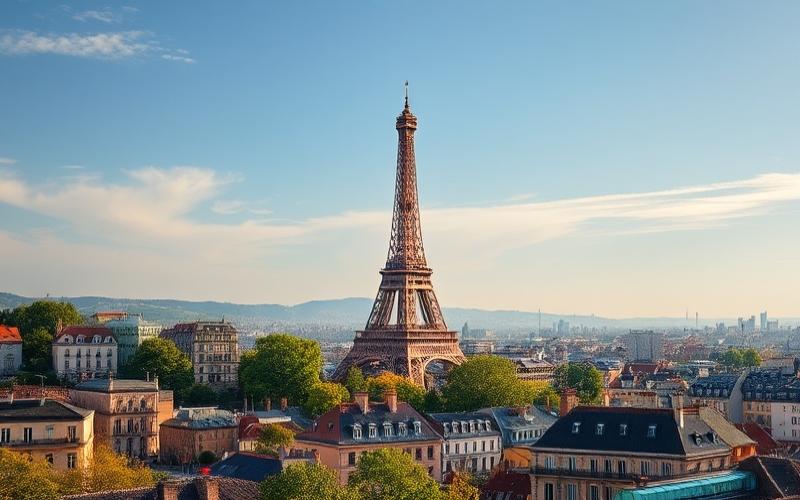
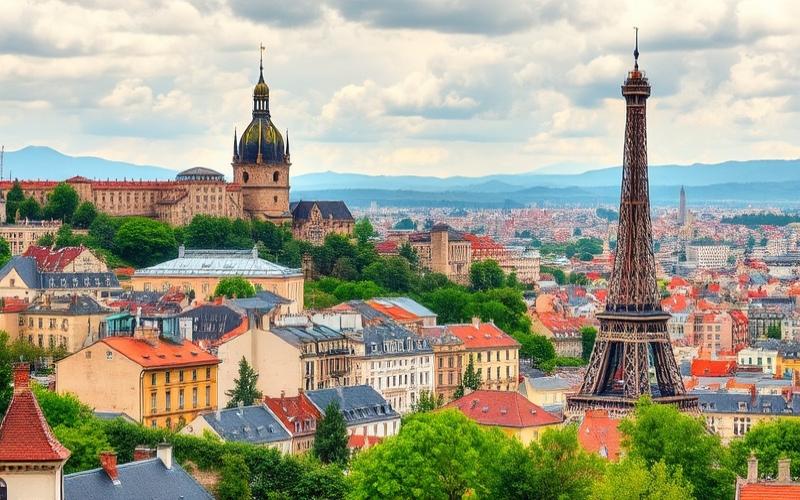
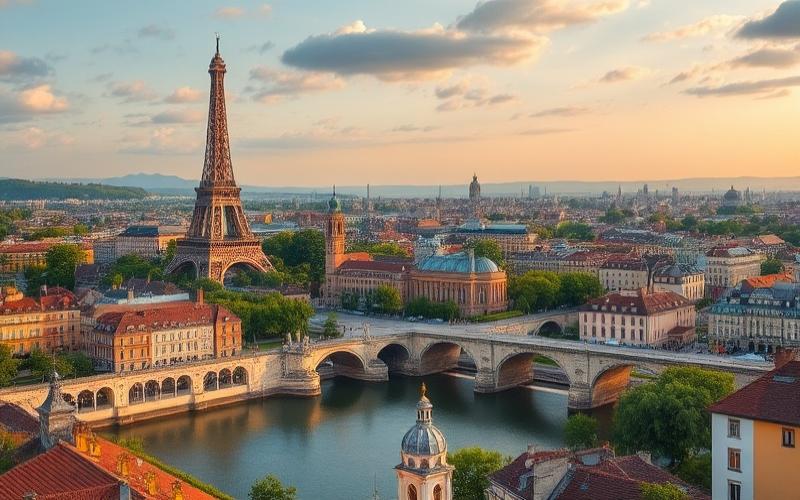
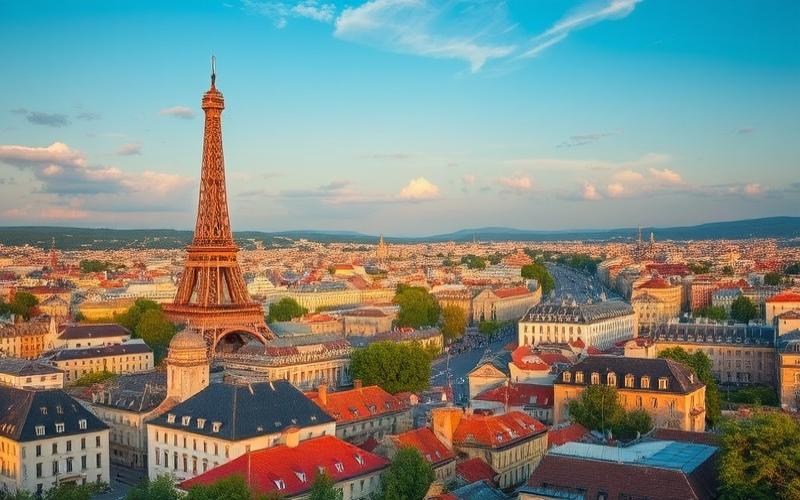
Along the river, some of the planet’s most famous edifices follow one after another: the Eiffel Tower, the Arc de Triomphe, the Louvre, the Musée d’Orsay, Notre‑Dame cathedral, the Sainte‑Chapelle, the Place de la Concorde, and the Musée du quai Branly. These institutions are not just postcard images but true tourist engines: the Louvre is the world’s most visited art museum, the Eiffel Tower remains the most visited paid monument, and Notre‑Dame de Paris, recently reopened, welcomed over 13 million visitors per year before the fire.
Paris boasts exceptional cultural offerings with major institutions like the Centre Pompidou (currently under renovation), the Musée de l’Orangerie, the Musée Rodin, the Musée Picasso, and the Musée des Arts et Métiers. To facilitate visits, many museums are accessible via passes like the Paris Museum Pass or the Paris Passlib’, allowing for a complete immersion in the history of art, science, and technology.
Île-de-France is not just Paris. A few minutes away by RER (commuter rail), two palatial complexes rank among must-see tourist sites in France: the Palace of Versailles and the Palace of Fontainebleau, both UNESCO-listed.
The Palace of Versailles, with its Hall of Mirrors, its French-style gardens, and the Trianon estate, was the center of monarchical power under Louis XIV, Louis XV, and Louis XVI. In parallel, the Palace of Fontainebleau, a favorite residence of many sovereigns from Francis I to Napoleon, illustrates another facet of the monarchy, more intimately linked to hunting, artistic creation, and the evolution of architectural styles from the Middle Ages to the 19th century.
A few kilometers north of the capital, Chantilly completes this royal triptych with its château, park, and the Musée Condé, which houses the second-largest collection of Old Master paintings in France after the Louvre. Farther away, Provins, a fortified medieval town, illustrates the region’s role in the network of European fairs in the Middle Ages and has also been recognized by UNESCO.
For many foreign visitors, Paris serves as a gateway to the rest of the country. TGV (high-speed train) connections and the dense transport network (RER, metro, regional trains) make it easy to link the capital to major French sites, reinforcing the central position of Île-de-France in the national tourism economy.
Key Figures to Place Paris in French Tourism
| Indicator | Approximate Value |
|---|---|
| Tourists in the Paris region (2022) | > 44 million |
| Tourism’s share of French GDP | ≈ 9 % |
| Jobs related to tourism (France total) | ≈ 2.9 million (≈ 11 % of employment) |
| Annual visitors to the Eiffel Tower | ≈ 6.2 million |
| Annual visitors to the Louvre | ≈ 8.5 million |
| Annual visitors to the Palace of Versailles | ≈ 6 million |
The Loire and Its Châteaux: The “Garden of France” in All Its Majesty
When discussing must-see tourist sites in France, the Loire Valley immediately stands out as a unique ensemble. Listed as a World Heritage site between Sully‑sur‑Loire and Chalonnes, this region is nicknamed the “Garden of France” for its landscapes of meadows, forests, vineyards, and orchards irrigated by the country’s longest river.
The Loire’s particularity lies in the exceptional concentration of châteaux, over 300, with several dozen open to the public. Their construction spans from the Middle Ages to the 18th century and traces the transition from a feudal world of fortresses to a refined art of living during the Renaissance and then the Classical era. Tuffeau stone, light and slightly golden, has given many of them their luminous silhouette and aesthetic unity.
Château de Chambord, the largest of the Loire châteaux, has 440 rooms.
Chenonceau, nicknamed the “Ladies’ Château,” attracts visitors as much for its gallery spanning the Cher River as for the female figures who left their mark on it, from Diane de Poitiers to Catherine de Medici. Amboise combines a medieval fortress, a royal residence, and a panoramic view of the Loire, and houses in its chapel the tomb of Leonardo da Vinci, who spent his final years nearby at Clos Lucé.
Other châteaux, sometimes less publicized, are major tourist sites for their architecture, gardens, and history. Among them: Villandry and its French-style gardens, Azay-le-Rideau built on an island in the Indre River, Chaumont-sur-Loire and its International Garden Festival, Cheverny which inspired the Moulinsart Castle in Tintin, and Ussé, associated with the Sleeping Beauty tale.
Some Iconic Loire Valley Châteaux
| Château | Major Asset | Historical or Artistic Particularity |
|---|---|---|
| Chambord | Largest Loire château | Double-helix staircase, vast forest estate |
| Chenonceau | Gallery over the Cher River | Strong connection to several important female figures |
| Amboise | Panorama over the Loire | Supposed tomb of Leonardo da Vinci |
| Villandry | Terraced French-style gardens | Masterpiece of landscape art |
| Azay‑le‑Rideau | Water mirror on the Indre | Pure example of early French Renaissance |
| Chaumont-sur-Loire | Park and International Garden Festival | Former property of Catherine de Medici and Diane de Poitiers |
| Cheverny | Perfectly maintained park, kennels | Model for Moulinsart Castle in Tintin |
The Loire also illustrates how major political shifts redrew the map of power: after the Hundred Years’ War, kings retreated to this safer region before gradually recentering the court in Paris and then Versailles. The châteaux tell the story of these successive shifts, but also the ravages of the Revolution, their military reuse during both World Wars, and their contemporary conversion to tourism, culture, and sometimes luxury hotels.
Provence, Côte d’Azur, and the Mediterranean: Light, *Calanques*, and Hilltop Villages
Southeastern France forms another block of must-see tourist sites in France, driven by a Mediterranean climate, spectacular relief, and millennial history. The Provence‑Alpes‑Côte d’Azur region combines ancient cities, coastal landscapes, hilltop villages, national parks, and world-famous cultural events.
Marseille, the country’s oldest port and a major Mediterranean metropolis, was named a European Capital of Culture. Its Vieux‑Port, popular neighborhoods like Le Panier, and emblematic churches such as Notre‑Dame de la Garde make it a natural starting point for exploring the French Mediterranean. A few minutes away by boat or on foot begins the Calanques National Park, between Marseille and Cassis: about twenty steep inlets bordered by limestone cliffs with turquoise waters, designated a national park in 2012.
Farther east, the Côte d’Azur, the country’s second-largest tourist hub after Paris, lines up prestigious seaside resorts, steep headlands, gardens, and marinas. Nice, with its Promenade des Anglais and its recent status as a UNESCO-listed “Winter Resort Town of the Riviera,” epitomizes this seaside tradition aimed at European elites since the 19th century. Cannes, its beaches, its Old Port, and especially its Film Festival attract the world’s film elite every spring. Menton, nicknamed the “Pearl of the Riviera,” stands out for its mild climate, gardens, and its Lemon Festival, a winter event that has become a hallmark.
Inland, Provence offers a more rural face, with its vineyards, its lavender fields in bloom between late June and mid‑July, and its villages in the Luberon or Alpilles. Gordes, Roussillon, Les Baux‑de‑Provence, or Saint‑Rémy‑de‑Provence have preserved stone streets, shaded squares, chapels, and medieval castles. The Ochre Trail near Roussillon, sometimes nicknamed the “Provençal Colorado,” features cliffs and ochre quarries with flamboyant hues, while the Carrières de Lumières site, near Les Baux, projects monumental artworks onto the walls of ancient quarries.
South of the Rhône delta, a vast protected wetland shaped by the river and the sea, offering untouched nature in the heart of a often urbanized south.
Known for its pink flamingos, white horses, and bulls, which symbolize the natural wealth of this territory.
The Parc naturel régional de Camargue encompasses marshes, lagoons, and wild beaches that constitute a unique ecosystem.
The vast salt flats, where salt is harvested, create landscapes with changing colors according to the seasons.
Towns like Saintes‑Maries‑de‑la‑Mer are a major pilgrimage site for the Romani people, reflecting the region’s strong cultural dimension.
Panorama of Major Sites in the Southeast
| Area | Key Sites | Main Assets |
|---|---|---|
| Marseille & Surroundings | Old Port, Notre‑Dame de la Garde, *Calanques* | Maritime heritage, coastal national park |
| Côte d’Azur | Nice, Cannes, Menton, Saint‑Tropez | Beaches, festivals, exceptional sunshine |
| Inland Provence | Avignon, Arles, Gordes, Roussillon, Les Baux | Ancient treasures, rural landscapes, ochres |
| Camargue | Regional Natural Park, Saintes‑Maries | Wildlife, marshes, bullfighting culture |
This Mediterranean coastline also boasts several major UNESCO sites: Arles and its Roman and Romanesque monuments, the Pont du Gard, the papal city of Avignon, as well as natural ensembles like the Gulf of Porto in Corsica, home to the Scandola Nature Reserve and the Calanques de Piana.
Atlantic Coasts, Dunes, and Ports: Another Face of the French Coastline
In contrast to the Mediterranean mildness, the English Channel and Atlantic coastlines offer a palette of must-see tourist sites in France where the sea interacts with cliffs, tides, dunes, and storms.
In Normandy, the Alabaster Coast lines up white chalk cliffs for over 130 km, from Dieppe to Le Havre. Étretat, with its natural arches and its chalk needle rising about sixty meters high, has inspired painters and writers, from Monet to Maupassant. A bit farther offshore, the Bay of Mont Saint‑Michel links Normandy and Brittany: a medieval sanctuary perched on a rock in a bay with some of Europe’s strongest tides, the site is a UNESCO World Heritage site and welcomes nearly one million visitors per year. The bay itself is recognized for its salt marshes, birds, and small groups of dolphins and seals.
Farther west, Brittany unfurls spectacular landscapes, notably along the Pink Granite Coast in the Côtes‑d’Armor. Over about thirty kilometers between Perros‑Guirec, Trégastel, and Ploumanac’h, enormous pink granite blocks sculpted by the elements create a quasi-surreal setting. Since the early 20th century, a preservation policy has prevented the concreting over of this coastline, preserving coastal paths like the GR34, iconic rocks, and small coves.
The highest sand dune in Europe, it peaks at over 100 meters and moves eastward by about 1.5 meters per year. Located near Pyla-sur-Mer on the Atlantic coast, it offers a panorama over the Banc d’Arguin ornithological reserve and the Cap Ferret peninsula. This region combines seaside tourism, oyster farming, water sports, and bird watching.
The Vendée coast, the Charente‑Maritime coastline with the Île de Ré or the Île d’Oléron, and the Basque Country around Biarritz and Saint‑Jean‑de‑Luz complete this mosaic of seashores. Each claims a strong identity, often anchored in fishing, maritime culture, tides, and seafood, from Breton sardines to Atlantic oysters.
Mountains and Vast Spaces: Alps, Pyrenees, Auvergne Volcanoes, and Jura
France is not just a country of plains and coastlines. A large part of its territory is occupied by mountain ranges, which concentrate several must-see tourist sites in France, be they high peaks, major national parks, or unique volcanic landscapes.
In the Alps, the silhouette of Mont Blanc towers over 4,800 meters, the highest peak in Western Europe. The Chamonix Valley has become, since the 19th century, a world capital of mountaineering and mountain sports. The cable cars leading to the Aiguille du Midi at nearly 3,840 meters, or the panoramic cable car crossing the glaciers towards Italy, are among the most spectacular Alpine experiences. Nearby, the rack railway climbing to the Mer de Glace or the hike to Lac Blanc allow visitors to witness the rapid transformations of these glacial environments firsthand.
Farther south, numerous parks (Mercantour, Écrins, Vanoise) and landscapes like the Esterel massif or the Gorges du Loup combine rugged terrain, forests, high-altitude lakes, and mountain villages. Ski resorts (Chamonix, Les Trois Vallées, Val d’Isère, Tignes, Serre Chevalier, etc.) transform these areas into major winter tourism hubs, while hiking, mountain biking, and mountaineering take over from late spring to early autumn.
The Cirque de Gavarnie is a “colosseum of nature.”
Victor Hugo
In the center of the country, the Massif Central and Auvergne offer another type of mountain, gentler, marked by volcanism. The Parc naturel régional des Volcans d’Auvergne, the largest volcanic ensemble in Europe, has been inscribed on the UNESCO World Heritage list as part of the “Chaîne des Puys – Limagne fault”. An alignment of volcanic cones, craters, and domes, including the Puy de Dôme, it bears witness to a complex geological history showcased both in the landscape and in places like the Vulcania theme park. Volcanic lakes, thermal springs, and hilltop castles complete this scenery.
Finally, the Jura represents a more discreet but rich range with remarkable sites: successions of glacial lakes, waterfalls like those in the Hérisson Valley, trails along ridges and forests. The Jura Lakes Route, an itinerary of about 150 km, offers a condensed version of these aquatic and forested landscapes that attract hikers, anglers, and lovers of preserved nature.
Major Mountain Ensembles to Remember
| Mountain Range | Iconic Site(s) | Tourism Particularities |
|---|---|---|
| Alps | Mont Blanc, Aiguille du Midi, Vanoise, Écrins | Peaks, glaciers, ski resorts, high-altitude lakes |
| Pyrenees | Cirque de Gavarnie, National Park, Yellow Train | Cirques, waterfalls, pastoralism, thermalism |
| Massif Central | Chaîne des Puys, Puy de Dôme, Vulcania | Volcanoes, lakes, thermal spas, rural heritage |
| Jura | Lakes Route, Hérisson Valley | Glacial lakes, waterfalls, forested landscapes |
Cities of Art and History: Lyon, Bordeaux, Strasbourg, and Others
Beyond Paris, several metropolises and medium-sized cities have established themselves as must-see tourist sites in France, each with its own identity, gastronomy, and urban heritage.
Lyon, at the confluence of the Rhône and Saône rivers, is a UNESCO World Heritage site for its historic center: the Renaissance quarters of Vieux‑Lyon, the Fourvière hill, the slopes of La Croix‑Rousse marked by the history of silk weaving, and the Presqu’île with its monumental squares. This city positions itself as a gastronomic capital, with its “bouchons” (traditional Lyonnaise restaurants) and a recognized culinary tradition, while also hosting major events like the Festival of Lights. Urban parks like the Parc de la Tête d’Or, with its lake and free zoo, also make it a popular leisure spot.
The Miroir d’Eau (Water Mirror) in Bordeaux is the world’s largest reflecting pool.
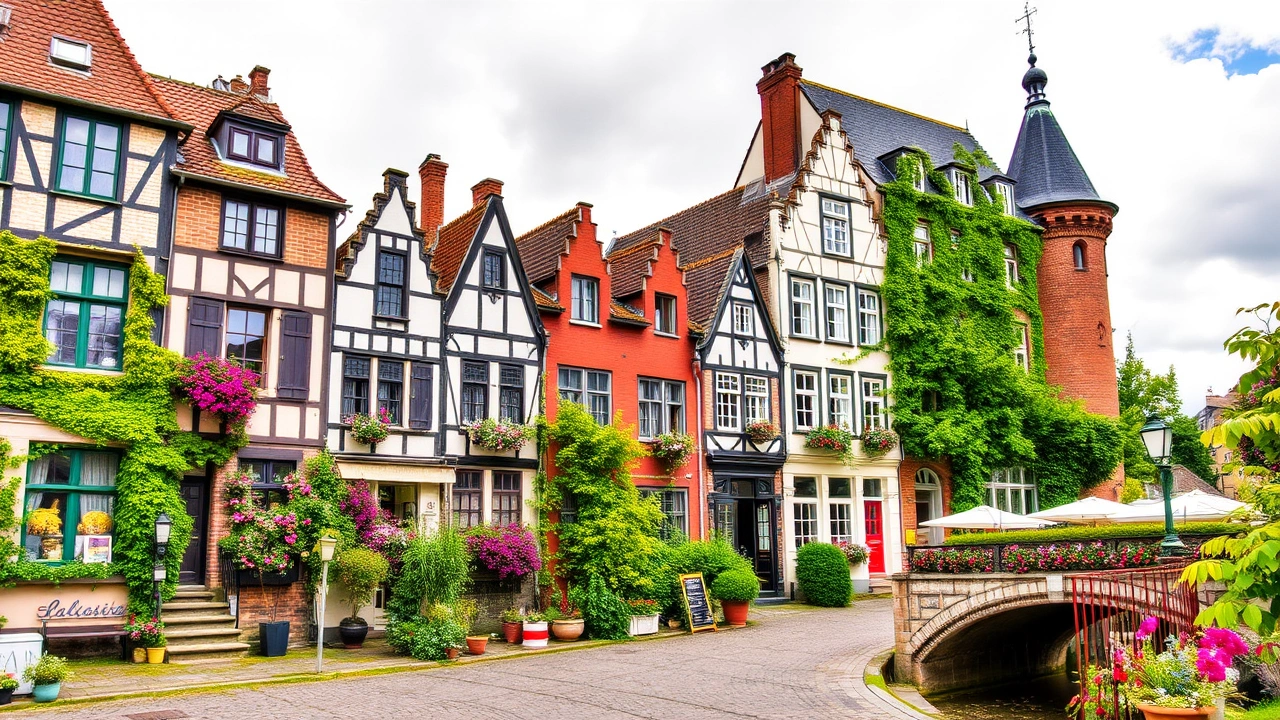
Strasbourg, the Alsatian capital on the German border, combines a great Gothic cathedral, neighborhoods of half-timbered houses (La Petite France), canals, and European institutions. Its historic center, extended to the Imperial Neustadt quarter, is a UNESCO World Heritage site. The city has become famous outside France for its Christmas markets, which attract visitors from across the continent every winter. Farther south, Colmar and villages like Riquewihr, Eguisheim, or Kaysersberg extend this postcard ambiance of half-timbering, complemented by vineyards on the hillsides and typical gastronomy.
In northern France, Lille illustrates this diversity with its characteristic brick architecture and Flemish gables in Vieux‑Lille, its Baroque-style squares, and a very active cultural life. Rouen, in Normandy, is also an unmissable site, famous for its cathedral immortalized by Claude Monet’s paintings, its Gros‑Horloge (Great Clock), its numerous half-timbered houses, and its history linked to Joan of Arc.
Dijon, in the heart of Burgundy, perpetuates the memory of the Dukes of Burgundy through palaces, museums, and medieval alleys, and plays a central role in wine tourism via the “Climats” route, those vineyard parcels classified as UNESCO World Heritage. Reims, the Champagne capital, combines a cathedral of royal coronations, palaces, and champagne houses, while other cities like Nantes, Toulouse, Montpellier, Nancy, or Amiens further enrich the network of major urban destinations.
UNESCO Cities and Major Urban Hubs Outside Paris
| City / Urban Ensemble | UNESCO Recognition | Distinctive Asset |
|---|---|---|
| Lyon | Historic Site of Lyon | Gastronomic capital, *traboules* (passageways), Festival of Lights |
| Bordeaux | Port of the Moon | 18th-century city, Miroir d’Eau, surrounding vineyards |
| Strasbourg | Grande‑Île and Neustadt | Cathedral, half-timbered houses, European institutions |
| Bordeaux – Saint‑Émilion | Jurisdiction of Saint‑Émilion | Vineyard landscape, monolithic church |
| Reims | Cathedral, former Abbey of Saint‑Rémi… | Royal coronations, champagne |
| Dijon & Burgundy vineyards | Climats of the Burgundy Vineyard | Unique wine *terroirs* |
| Le Havre | City Rebuilt by Perret | Modernist concrete architecture, major port |
| Nice | Winter Resort Town of the Riviera | Riviera, historic seaside urbanism |
Religious, Spiritual Sites, and Pilgrimage Routes
Must-see tourist sites in France are not limited to civic monuments. Many religious edifices, cathedrals, abbeys, and sanctuaries exert a spiritual, historical, and architectural attraction.
Beyond Notre‑Dame de Paris and the great ensembles of Reims, Chartres, or Amiens, some destinations have established themselves through their pilgrimage vocation. Lourdes, in the Hautes‑Pyrénées, welcomes several million faithful and curious visitors each year, drawn to the site where Bernadette Soubirous reportedly saw Marian apparitions in 1858. The town has become one of the world’s centers of Catholic pilgrimage, with a sanctuary organized around the grotto, basilicas, and pools where ritual baths are practiced.
Mont Saint‑Michel is a major spiritual site, centered on its Benedictine abbey. Furthermore, French sections of the Routes of Santiago de Compostela, including churches, bridges, hospices, and trails, are also UNESCO-listed, crossing the Southwest from towns like Le Puy‑en‑Velay to Saint‑Jean‑Pied‑de‑Port.
The country also boasts iconic abbeys like Fontenay in Burgundy, a Cistercian masterpiece and UNESCO World Heritage site, or Saint‑Savin‑sur‑Gartempe in the Centre‑Val de Loire, renowned for its exceptional cycle of Romanesque frescoes. These monastic ensembles, often set in peaceful valleys, recall the place of spirituality, prayer, and work in shaping the French rural landscape.
The UNESCO Contribution: A Framework for Understanding the Must-Sees
To understand why certain places rank among must-see tourist sites in France, the UNESCO angle is particularly illuminating. The country now has over fifty listed properties, with a large majority cultural, a few natural, and two mixed.
The selection criteria highlight various dimensions: architectural innovations, witnesses to major historical events, cultural landscapes, industrial sites, testimonies to agro-pastoral practices or modernity. Thus, the fortifications designed by Vauban, present in several regions, symbolize the military organization of the absolute monarchy, while the vineyard landscapes of Champagne or Burgundy illustrate centuries of methodical viticulture based on finely delimited *terroirs*.
France boasts natural sites inscribed on the World Heritage list both in metropolitan France (like the Chaîne des Puys and the Gulf of Porto in Corsica) and in its overseas territories (like the French Southern Lands, the Lagoons of New Caledonia, the Pitons of Réunion, and the volcanic landscapes of Martinique). These properties broaden the notion of must-see tourist sites to include distant but fully integral parts of the French state.
Distribution of UNESCO Sites in France
| Type of Property | Approximate Number | Notable Examples |
|---|---|---|
| Cultural | ≈ 45 | Paris – Banks of the Seine, Loire Valley, Lyon, Carcassonne, Reims, Avignon, Bordeaux, Climats of Burgundy |
| Natural | 7 | Chaîne des Puys, Gulf of Porto, French Southern Lands, Lagoons of New‑Caledonia |
| Mixed | 2 | Pyrénées – Mont Perdu, Marquesas Islands |
UNESCO inscription often has a leveraging effect on tourism, aiding site conservation, reinforcing international visibility, and structuring an offering around them: interpretation centers, themed trails, guided tours, cultural events. But it also comes with challenges, particularly concerning visitor flow management, summer overcrowding, and balancing local life and the tourism economy.
Villages, Rural Landscapes, and “Deep France”
While major cities, châteaux, and coastal sites concentrate a good share of visitors, another essential dimension of must-see tourist sites in France is nestled in the fabric of villages, market towns, and rural landscapes that crisscross the territory.
Created in the 1980s, this label distinguishes over 150 French communes meeting strict criteria for built heritage, enhancement, and quality of life. It includes a great diversity of villages, from the bastides of the Southwest (Monpazier, Monflanquin) to the stone villages of the Luberon (Gordes, Roussillon), including hamlets in the Gorges du Tarn and the flower-decked towns of Alsace.
These villages play a pivotal role in the tourist experience: they offer an alternative to the crowds of major cities, allow for a better understanding of local specificities (architecture, agriculture, gastronomy, language or dialect), and provide access to often preserved landscapes, be they vineyards, bocage (hedged farmland), limestone plateaus, or volcanic hills.
Rocamadour, in Quercy, illustrates a sanctuary village built on a cliffside, blending religious heritage, medieval alleyways, and views over the *causses* (limestone plateaus). In Alsace, villages like Riquewihr, Eguisheim, or Kaysersberg embody the model of wine-growing towns with their half-timbered facades, inner courtyards, narrow lanes, and surrounding vineyards, complemented by wine cellars and *winstubs* (typical taverns) for a complete sensory experience.
In the shadow of major axes, entire regions remain marked by low population density and a strong landscape identity, like the Aubrac, Quercy, Périgord, Morvan, or certain areas of the Massif Central. They sometimes benefit from a regional natural park, another label structuring “soft” tourism, focused on hiking, cycle tourism, rural heritage, and local products.
Cross-Cutting Themes: Wine, Gastronomy, Culture, and Seasons
Exploring must-see tourist sites in France also means traversing a country where gastronomy and wine play a structuring role in regional appeal. Bordeaux, Burgundy, Champagne, Alsace, Loire, Rhône, Jura, and the Southwest offer wine routes, estate visits, tastings, and festive events like the release of Beaujolais Nouveau or harvest festivals. The vineyard landscapes themselves, often in terraces or on slopes, are an integral part of what attracts the visitor’s eye.
Regional cuisine, driven by local products (cheeses, cured meats, seafood, truffles, oils, herbs…), naturally becomes part of any tourist itinerary. Some cities have built their reputation on this dimension, like Lyon, Strasbourg, Dijon, or Bayonne. Others, like Marseille, Sète, La Rochelle, Saint‑Malo, or Cancale, highlight fish and seafood in a port setting.
Numerous events punctuate the year in France, offering a living experience of places beyond mere sightseeing. Among the most notable: the Festival d’Avignon, the Nice Carnival, the Festival of Lights in Lyon, the Christmas markets in Strasbourg and Colmar, the Lemon Festival in Menton, various jazz festivals, historical festivals in the Loire region, and film festivals like the one in Cannes. These festivities, through concerts, shows, parades, and animations, considerably enhance the appeal of the sites.
Seasons strongly modulate the perception of must-see tourist sites in France. Spring and autumn, with moderate temperatures and thinner crowds, are often recommended for exploring cities, châteaux, and vineyards. Summer concentrates flows on the Mediterranean and Atlantic coastlines and iconic sites like Mont Saint‑Michel, the Loire Valley, or the Gorges du Verdon. Winter, on the other hand, shifts the spotlight to ski resorts in the Alps, Pyrenees, or Jura, but also to the magical atmosphere of Christmas markets in Alsace or Lorraine.
Overseas France and Territorial Extensions: Broadening the Notion of “France”
Even though most foreign visitors concentrate on metropolitan France, some must-see tourist sites in France are also located thousands of kilometers from the mainland, in the overseas departments and territories. Réunion, Martinique, Guadeloupe, French Guiana, French Polynesia, New Caledonia, or the French Southern and Antarctic Lands considerably enrich the palette of accessible landscapes.
The Lagoons of New Caledonia, a World Heritage site, are among the planet’s most biodiverse reef systems. The *piton* peaks, cirques, and ramparts of Réunion offer spectacular volcanic relief, where one can go from beaches bordered by lagoons to the heights of the Piton des Neiges or Piton de la Fournaise. In Martinique, the volcanic landscapes around Mount Pelée and the northern *pitons* recently joined the World Heritage List, underscoring the scientific and aesthetic interest of these landforms.
These territories, sometimes difficult to access, remind us that must-see tourist sites in France are not limited to Western Europe but encompass a mosaic of distant islands and lands, a legacy of a complex colonial history, now being re-examined through the lens of sustainable tourism, ecosystem preservation, and the valorization of local cultures.
Conclusion: A Geography of Must-Sees in Motion
Must-see tourist sites in France do not form a fixed list but a constantly evolving geography, where new places gain notoriety, where old sites reinvent themselves, and where the question of balancing visitor numbers and preservation becomes central.
Beyond major regions like Paris, the Loire, the Côte d’Azur, Provence, Normandy, Brittany, the Alps, the Pyrenees, Alsace, Bordeaux, and Champagne, France abounds with lesser-known destinations (villages, natural parks, medium-sized cities) that enrich the journey. To organize your discovery, you can rely on UNESCO listings, national labels, natural parks, and cultural itineraries.
In this country of multiple landscapes, climates, and cultures, each traveler can trace their own thread: follow the great Gothic cathedrals, the wine routes, medieval fortifications, volcanoes, wild coastlines, great cities of art, or the most beautiful villages. It is precisely this possibility of composing almost infinite journeys, based on an exceptional foundation of sites, that makes France one of the richest discovery grounds in the world.
A soon-to-be retiree, aged 62, with a financial estate exceeding one million euros well-structured in Europe, wanted to return to France for tax purposes while optimizing his tax burden, securing his estate, and maintaining his international ties. Budget allocated: 10,000 euros for comprehensive support (tax advice, administrative formalities, relocation, and estate structuring), without forced sale of assets.
After analyzing several options (remaining abroad, returning to Belgium, Portugal, Spain), the chosen strategy was to target France to benefit from schemes for non-resident retirees returning to France, favorable tax treaties, a solid legal environment, and facilitated access to healthcare and the French banking network. The mission included: pre-residence tax audit (exit tax, treaties, double taxation risks), choice of status and optimization of the place of establishment in France, assistance in obtaining residence, transfer of bank domicile, plan for reconstituting or breaking foreign tax ties, referral to a local network (tax lawyer, notary, insurance experts), and estate restructuring (inheritance, gifts, life insurance contracts).
Planning to move abroad? Contact us for custom offers.
Disclaimer: The information provided on this website is for informational purposes only and does not constitute financial, legal, or professional advice. We encourage you to consult qualified experts before making any investment, real estate, or expatriation decisions. Although we strive to maintain up-to-date and accurate information, we do not guarantee the completeness, accuracy, or timeliness of the proposed content. As investment and expatriation involve risks, we disclaim any liability for potential losses or damages arising from the use of this site. Your use of this site confirms your acceptance of these terms and your understanding of the associated risks.

Cyril Jarnias is an independent expert in international wealth management with over 20 years of experience. As an expatriate himself, he is dedicated to helping individuals and business leaders build, protect, and pass on their wealth with complete peace of mind.
On his website, cyriljarnias.com, he shares his expertise on international real estate, offshore company formation, and expatriation.
Thanks to his expertise, he offers sound advice to optimize his clients' wealth management. Cyril Jarnias is also recognized for his appearances in many prestigious media outlets such as BFM Business, les Français de l’étranger, Le Figaro, Les Echos, and Mieux vivre votre argent, where he shares his knowledge and know-how in wealth management.