 Published on and written by Cyril Jarnias
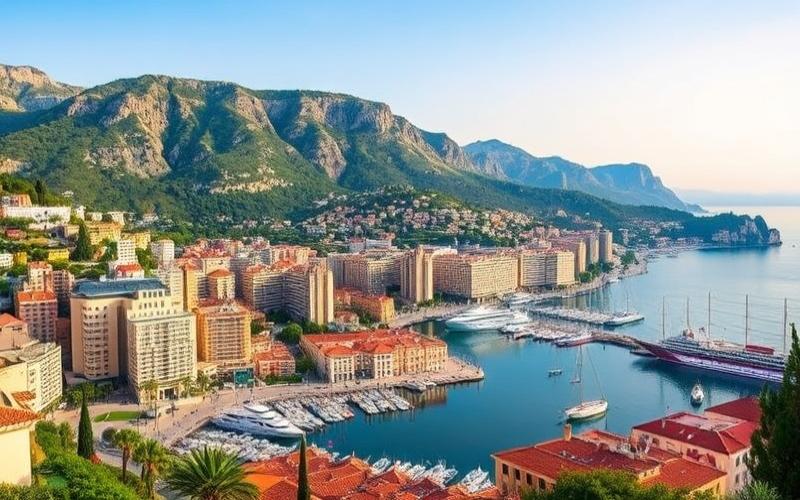
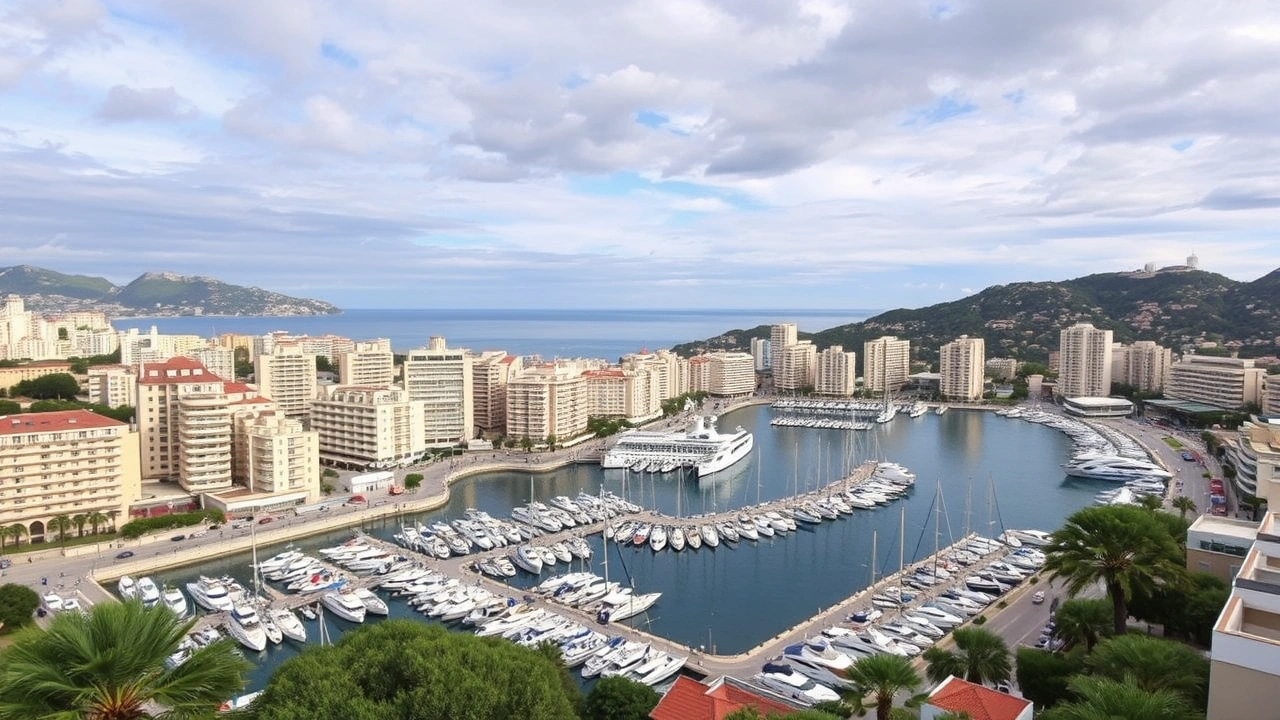
Unpacking your bags in Monaco is unlike any other move. A micro-state squeezed between the Mediterranean and the hills of the French Riviera, the Principality attracts a very affluent population, drawn by the absence of personal income tax, exceptional security, and an ultra-premium living environment. But behind the postcard image, settling in Monaco follows strict rules, a record-high cost of living, and highly codified procedures.
This guide covers all the essential aspects of relocating to Monaco: residence, taxation, housing, healthcare, schooling, banking, and daily life. It helps you assess if the Principality fits your project and gives you the keys to undertake the concrete steps.
Understanding the Context: A Wealthy, Safe, and Ultra-Selective Micro-State
The Principality occupies just over 2 km², making it the world’s second-smallest and most densely populated country. About 38,000 people live there, with barely a quarter being Monegasque nationals. Over 130 to 145 nationalities are represented, with strong contingents of French, Italian, and British citizens, but also Russians, Swiss, or Belgians.
One in three residents is a millionaire in Monaco, illustrating the marked social homogeneity of the Principality.
The country is a constitutional monarchy led by Prince Albert II. The economy is based on finance, private banking, wealth management, real estate, high-end tourism, yachting, and events (Formula 1 Grand Prix, Monaco Yacht Show, tennis, festivals). Security is a major selling point: one police officer for about 80 residents, omnipresent video surveillance, and very low crime.
For an expatriate, this translates into an extremely stable, safe, and international environment… but also a saturated real estate market, one of the highest costs of living in the world, and stringent residency criteria.
Residency and Residence Permit: The Heart of the Relocation Project
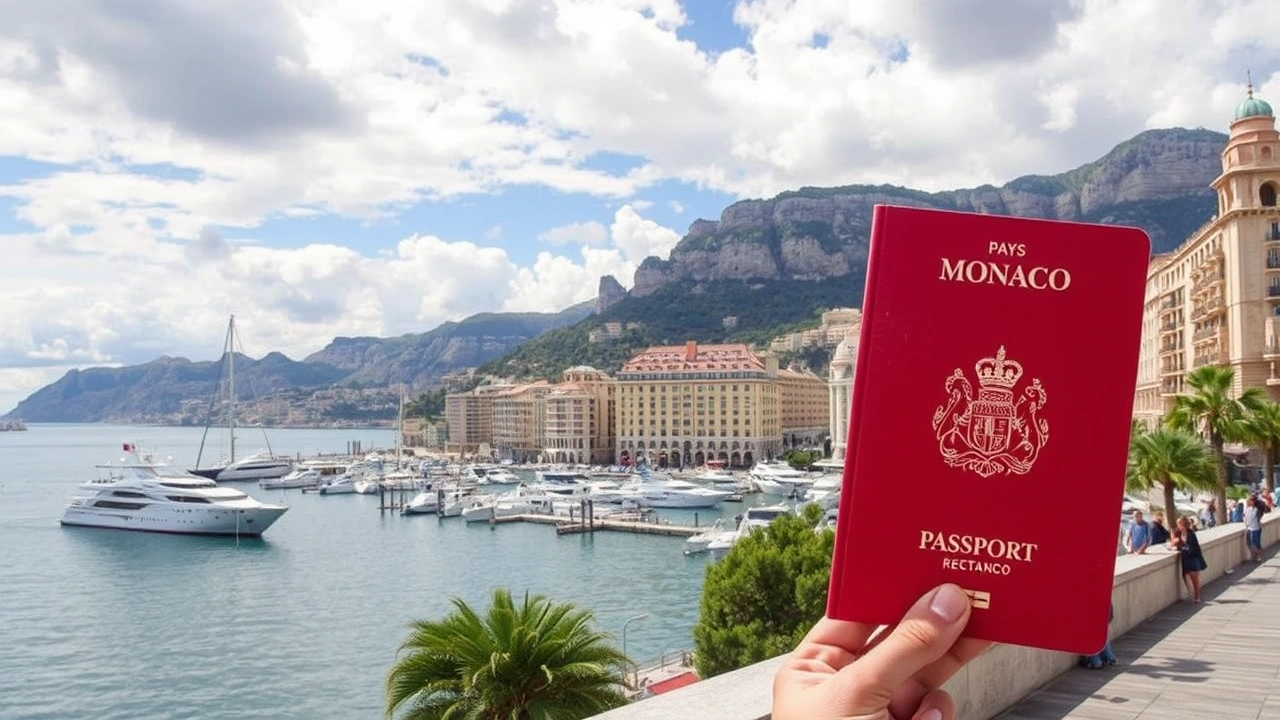
Any person aged 16 or over who wishes to live in Monaco for more than three months a year or establish their primary residence there must apply for a residence permit, the famous Monegasque residence card. This document is key to most of your procedures (banking, school, healthcare, etc.).
The Three Main Categories of Residence Permits
The system is progressive, designed to filter and stabilize residents over time.
| Permit Type | Validity Period | Main Access Conditions |
|---|---|---|
| Temporary | 1 year (renewable annually) | First-time settlement, proof of housing, financial means, clean criminal record, health insurance |
| Ordinary | 3 years (renewable) | Generally after several renewals of a temporary card (approx. 3 years of residence) |
| Privileged | 10 years | After 10 years of continuous residence and subject to a favorable administrative investigation |
Minors under 16 do not get a permit but a specific travel document. From age 16, they must follow the same procedure as adults.
Nationality and Entry Visa: Who Needs What?
Citizens of the European Economic Area (EEA) and Switzerland can enter freely with a passport or national ID card. They must, however, apply for a residence permit if they settle long-term.
Third-country nationals, including those from the United Kingdom since 2021, must obtain a French long-stay visa (Visa D) “for Monaco” from a French consulate before being able to apply for a Monegasque residence permit.
For stays of less than 90 days within 180, standard Schengen rules apply: some passports enter visa-free, others do not.
Practical Process: From Online Application to Interview
The Monegasque authorities emphasize control and traceability, while gradually digitizing the procedure.
The general process is as follows:
1. Preparing the basic file (housing, finances, criminal record, health insurance, civil status). 2. Submitting the application via the dedicated online service or by mail/in person at the Residents Section (Directorate of Public Security). 3. Completeness check: if the file is deemed complete, an interview is scheduled. 4. Individual interview in Monaco, where the originals of all documents are verified and the life project is examined. 5. File processing over several weeks, or even a few months. 6. If accepted, the residence permit is issued (stamp duty of approximately €80 for the first card).
The processing time for an application is generally 2 to 5 months after the interview. For a renewal, it is advisable to prepare the application about 45 days before expiry, providing proof that the residency conditions are still met.
The Three Pillars of Acceptance: Housing, Financial Means, Clean Record
For an expatriate, the difficulty is less administrative than practical and financial. Three key conditions dominate the decisions:
To obtain a resident permit in Monaco, three main conditions must be met. First, the housing must be suitable for the household size (a minimum one-year lease or deed of ownership) and comply with the surface area rules established in 2020. Second, sufficient financial means are required: for individuals without local employment, a deposit of at least €500,000, sometimes up to a million, in a Monegasque bank account is often required. Employees, entrepreneurs, or retirees can justify with other income sources. Third, a clean criminal record is mandatory, with an extract from every country of residence over the past five years, dated less than three months old.
These are in addition to comprehensive health insurance, a detailed CV, a statement on honor, and, for some profiles, letters of recommendation from well-established residents.
How Much Time Must You Spend in Monaco?
Officially, the law does not set a very detailed quota of days, but in practice:
– authorities expect the resident to spend at least 3 months per year actually in Monaco for simple permit maintenance;
– to be considered a full tax resident and obtain a tax residence certificate, it is generally required to spend more than 183 days per year in the Principality or to have the center of your economic interests there.
Prolonged absences, near-zero water and electricity consumption, or infrequent use of the property can raise questions during renewals.
Taxation: A Major Asset… Subject to Real Conditions
The main driver of Monaco’s appeal remains its tax regime for individuals. The 1869 ordinance abolishing personal income tax has never been challenged.
Taxes on Income, Wealth, Capital Gains
For a Monegasque resident (non-French), the situation is simple: the Monegasque tax system is particularly advantageous, offering an exemption from personal income tax, which attracts many expatriates.
– no personal income tax;
– no wealth tax;
– no capital gains tax (including on real estate);
– no withholding tax on dividends or interest received by individuals.
Regarding inheritance tax in Monaco, the taxation depends solely on the location of the assets. Direct line transfers (between parents and children or between spouses) are exempt, with a rate of 0%. However, a bequest to a person with no family relationship can be taxed up to 16%.
Table – Inheritance Tax Rates Based on Relationship
| Relationship between Deceased and Heir | Tax Rate on Assets Located in Monaco |
|---|---|
| Spouse, Parents, Children | 0% |
| Partners (civil union) | 4% |
| Brothers and Sisters | 8% |
| Uncles, Aunts, Nephews, Nieces | 10% |
| Other Relatives (more distant) | 13% |
| No Family Relationship | 16% |
There are no French-style “forced heirship” rules: in principle, the law of the deceased’s last domicile governs the succession, unless specific provisions apply.
Precautions for French and Other “Sensitive” Tax Residents
French citizens constitute the best-known special case: under the 1963 tax treaty between France and Monaco, a French national who moves to Monaco remains in principle subject to French income tax, with very limited exceptions (residents before 1962, born and always domiciled in Monaco, etc.).
For non-French nationals, the freedom to establish residence is broader, but certain precautions are necessary to secure one’s tax situation.
Many countries like Italy or the United Kingdom closely examine cases of changing tax residence to Monaco. A purely formal relocation, without actual physical presence, risks being challenged.
Owning assets located in other countries (like a property in France or a company abroad) continues to generate taxes in those jurisdictions, regardless of residence in Monaco.
Monaco has also adopted international standards for the Automatic Exchange of Information (AEOI/CRS), participates in tax cooperation, and is no longer considered by the OECD or EU as a “non-cooperative tax haven.” Bank accounts and Monegasque structures are no longer invisible.
Cost of Living: A Budget to Calibrate Down to the Millimeter
The flip side of the tax haven and living environment is extreme expense. Major international comparisons place Monaco at the top of the most expensive countries, well above major cities like New York, London, or Hong Kong.
Estimates vary by source, but all agree: living comfortably in Monaco requires very high income.
Overall Cost Comparison
| Profile | Estimated Monthly Cost of Living (Housing Included) |
|---|---|
| Single Person | around $7,500 to $8,000 (or equivalent in €) |
| Family of Four | between $9,500 and over $27,000 depending on lifestyle |
| Digital Nomad | around $8,000 |
| “Standard” Expat | around $9,400 |
| Local | around $7,900 |
Monaco is regularly ranked:
– #1 worldwide for housing costs,
– around the top 20 for overall quality of life,
– more than 120% more expensive than the United States on most items (excluding housing), and over 260% more expensive when including rent.
Housing: The Crux of the Matter
This is the expense that overshadows all others. The average price per square meter for purchases has exceeded €50,000 for older properties, with peaks near €100,000/m² in Larvotto, especially in the most exclusive new developments.
Regarding rentals, Monaco is again the most expensive place in the world.
| Property Type | Average Monthly Rent (Approximate Range) |
|---|---|
| Studio / 1-Bedroom, Center | €6,000 to €10,000 |
| 1-Bedroom, Off-Center or Cheaper Areas | €4,500 to €6,000 |
| 3-Bedroom in Most Sought-After Areas | over €20,000 |
| Prime Monthly Rent (All Types, High-End) | approx. €115/m² |
Families looking for 3 bedrooms or more are particularly penalized: demand is exploding, supply is scarce, waiting lists are long, and some rents have increased by more than 50% in a year for these larger units.
When renting, anticipate significant costs beyond the rent: often high building maintenance fees, the price of a parking space if needed, agency fees typically representing 10% of the annual rent, and registration duties of 1% on three years of rent, payable at lease signing.
For an expatriate, it is common for rent and housing charges to absorb the largest part of the monthly budget, even with a comfortable income.
Daily Consumption, Food, and Going Out
Everyday prices logically follow the general level:
– grocery shopping costs over a third more than in the United States;
– dining out is about 60% more expensive than in the USA, with lunch menus around twenty euros, a simple dinner for two approaching €100, and fine dining that can skyrocket quickly;
– a latte or cappuccino often exceeds €5, a regular draft beer is close to €10.
A monthly grocery budget for a family of four in the United States easily exceeds this amount in dollars, excluding restaurants.
Transportation: A More Reasonable Expense
The small size of the territory greatly limits travel costs. You can cross Monaco on foot in less than an hour, aided by many public escalators and elevators connecting the different levels of the rock.
Local buses are inexpensive (around twenty euros for a monthly pass), and a sea shuttle (Boat-Bus) crosses the port. Most longer trips are made outside the Principality, via the SNCF train station or Nice airport about thirty kilometers away, also connected by helicopter.
Motorists must contend with expensive public parking (though the first hour is often free), dense traffic, and regular closures during major sporting events. Gasoline is at the high level of Western Europe.
For a newcomer, the choice of neighborhood conditions both the budget, daily living comfort, and access to schools or shops.
Overview of Main Neighborhoods
– Monte‑Carlo / Carré d’Or: iconic heart, around the Monte‑Carlo Casino. Grand hotels, luxury boutiques, prestigious buildings. Prices and rents at the top of the scale.
– Larvotto: beach neighborhood, recently renovated promenade, and especially the new eco-designed Mareterra district, built on the sea with apartments and villas at record price levels.
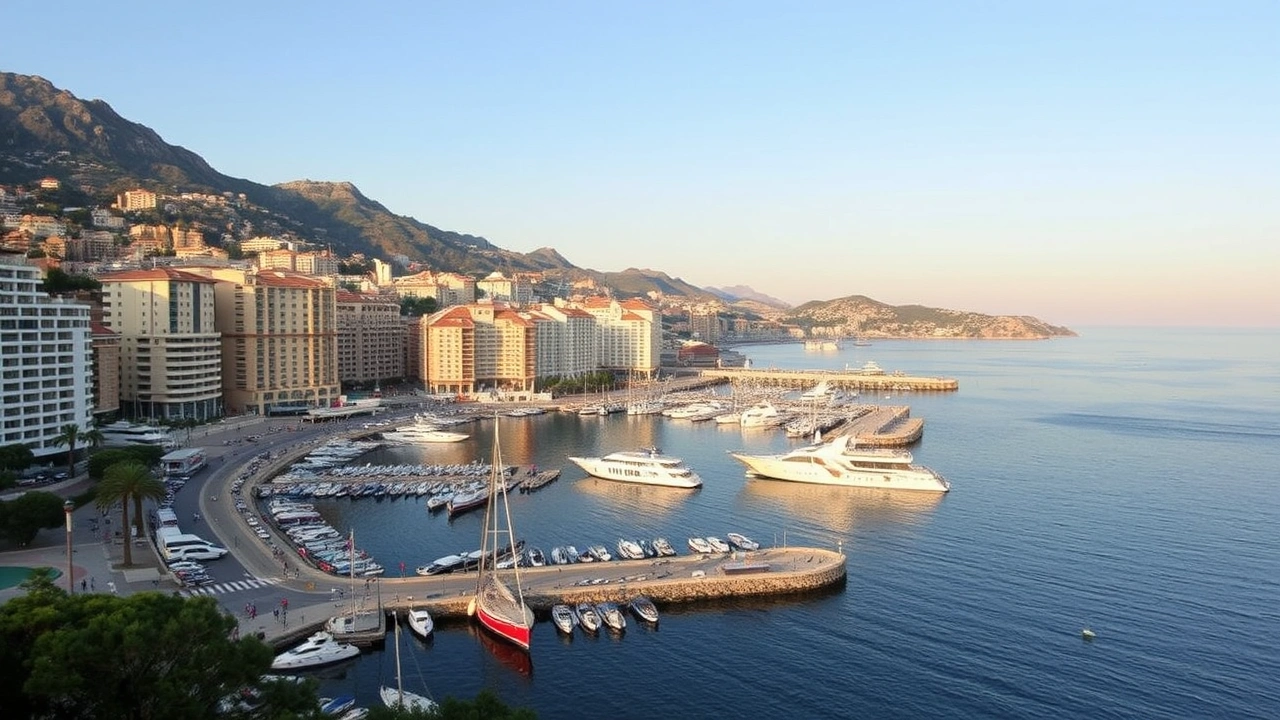
– Fontvieille: modern neighborhood built on reclaimed land, with a marina, shops, sports facilities (Stade Louis II). A more “residential” and family-friendly image.
– La Condamine / Port: lively neighborhood, traditional market, shops, close to Port Hercule. Highly sought after for daily life.
– La Rousse – Saint‑Roman: more residential area, with high-rise buildings, often slightly less expensive than the Carré d’Or but very popular.
– Jardin Exotique: on the heights, a bit quieter, with panoramic sea views, slightly more accessible prices, especially in older buildings.
– Les Moneghetti: residential sector, relatively more affordable in the Monegasque context.
– Monaco‑Ville (Le Rocher): old town, historic alleys, seat of the Prince’s Palace and institutions. More limited housing supply, village atmosphere.
Buy or Rent: A Strategic Choice
For most expatriates, especially at the beginning, renting is the natural path, if only because homeownership requires significant capital and a specific tolerance for risk in this micro-market.
Factors to consider:
For high-net-worth individuals, investing in one or more units, via an SCI or foreign structure, is common, but you must anticipate registration duties (4.5% to 10%) and transparency obligations. For families with a long-term project, purchasing allows you to lock in part of the cost in a rising market (+5% per year on average), but ties up significant capital. For professionals on assignment or testing the waters, renting is more logical, despite a rigid rental market (scarce supply, high demand) requiring several months of anticipation.
Even for a purchase, obtaining local bank financing is not automatic. Monegasque institutions target an international, high-net-worth clientele and scrutinize the origin of funds. Interest rates are at levels close to Western Europe, with a recently tightened legal usury rate.
Work, Start a Business, or Live Off Your Assets?
Monaco is not just a haven for wealthy retirees. The Principality has over 65,000 jobs for about 38,000 residents, meaning a majority of workers live in the surrounding areas (France and Italy) and commute daily.
Employment: Key Sectors and Hiring Priorities
The major employers are concentrated in: the strategic sectors of the economy, such as technology, healthcare, energy, and financial services.
– luxury tourism and hospitality-restaurants (Monte‑Carlo SBM group, notably);
– finance, insurance, private banking, asset management;
– specialized services: consulting, engineering, research, cutting-edge technologies;
– construction and real estate-related activities.
Labor law provides for a legal 39-hour workweek, with overtime paid at a higher rate. Paid leave amounts to at least 2.5 working days per month worked, i.e., 30 days per year for a full year, with bonuses for seniority or family situation.
However, authorities apply a job priority principle:
1. Monegasque citizens; 2. foreigners married to a Monegasque or born of a Monegasque parent; 3. foreigners already resident and with professional experience in Monaco.
An employer is required to declare vacant positions to the Employment Office, which then has a few days to propose priority candidates. Hiring an expatriate is easier if the sought profile is highly specialized or if the company is already familiar with the administrative procedures.
Any foreign employee must have either a valid Monegasque residence permit or a French residence permit if they live in France and work in Monaco. In all cases, a work permit is mandatory, linked to a specific job: changing positions requires a new authorization.
Creating or Transferring a Company
Entrepreneurship is possible, but subject to approval. To engage in commercial, industrial, or artisanal activity, you must:
– obtain government authorization (from the Minister of State), after review of the project (financial solidity, experience, economic interest for Monaco);
– choose a legal form (SARL, SAM, SNC, SCS, etc.) with a minimum capital (e.g., €15,000 for a SARL, €150,000 for a SAM);
– register the company with the Trade Register, the statistical directory, and the tax administration;
– declare the registered office address in Monaco and have the premises inspected for compliance.
The project review period can take up to three months. Furthermore, authorities can refuse it if they deem the sector already sufficiently represented, especially in highly regulated activities like real estate, finance, healthcare, insurance, personal services, media, or food.
Once created, a company is potentially subject to corporate income tax (25%) if more than 25% of its turnover comes from abroad. Conversely, a structure where at least 75% of turnover is generated in Monaco can be exempt from corporate tax. Tax relief regimes exist for young companies, with a progressive ramp-up over five years.
Living Off Capital: The Typical “Independent Means” Resident Profile
A significant portion of new residents are individuals not working professionally in Monaco. They live off dividends, rents, interest, capital gains, sometimes private pensions, and therefore do not need a work permit.
For this profile, the key requirement is demonstrating very substantial financial means, often via a significant deposit in a Monegasque bank. Authorities require clear evidence that the person will not depend on the local social system.
This approach has given rise to what could be called a “residency by independent means”: it’s not an official investment program, but in practice, without significant wealth, access to a residence permit remains exceptional.
Banking and Wealth Management: A Mandatory Gateway for the Wealthy
Monaco concentrates about thirty banks and fifty asset management companies in a tiny area. Nearly 70% of managed assets come from non-resident clients. The infrastructure is therefore calibrated for wealth management, not mass retail banking.
Opening an Account: A Selective and Lengthy Process
For an expatriate aiming for residency, opening an account with a local bank is almost unavoidable:
The minimum deposit often required in practice to convince authorities of sufficient financial means.
Institutions primarily target high or ultra-high-net-worth clients. Opening an account involves:
– a face-to-face interview, often preceded by preparatory exchanges;
– presenting a very complete file justifying the lawful origin of funds (statements, sale contracts, company accounts, dividend certificates, tax returns, inheritance deeds, etc.);
– bank reference letters and a description of the professional and financial situation.
The minimum entry ticket for many banking establishments in France is €500,000 in assets.
For expatriates with more modest financial means or in the exploratory phase, a common solution is to keep a bank account in their home country or open one with a neighboring French bank (Cap d’Ail, Beausoleil, Menton, etc.), even if it means managing transfers and exchange fees.
Healthcare: An Excellent Public System, But High Costs
The Monegasque healthcare system is often described as one of the best in the world: modern, well-equipped, heavily inspired by the French model, and largely accessible to contributing residents.
System Organization and Coverage
Social protection is managed by the Caisses Sociales de Monaco (CSM), which includes several funds:
– a mandatory health-maternity-disability insurance scheme for employees and equivalents, funded by employer/employee contributions (approx. 15% of gross salary, up to a ceiling);
– a scheme for self-employed individuals, with a fixed contribution;
– a pension fund based on a points system.
For most insured individuals, healthcare reimbursement works on a co-payment basis:
– approximately 80% of medical expenses are reimbursed under normal circumstances;
– some patients (long-term conditions, special situations) can benefit from exemption of the co-payment and coverage close to 100%.
Spouses and children can be covered as dependents. This coverage is subject to two main conditions: dependents must reside in Monaco or the Alpes-Maritimes, and the insured must have the status of head of family.
French or Italian cross-border workers have access to certain services under bilateral agreements, provided they can prove their rights in their country of origin.
Hospitals and Clinics
The cornerstone of the public system is the Princess Grace Hospital Centre (CHPG), a general hospital with a 24/7 emergency department, state-of-the-art equipment, and specialized services (cardiology, oncology, obstetrics, etc.).
Surrounding it are several high-level private facilities:
– Monaco Cardio-Thoracic Centre (cardiac and thoracic surgery);
– geriatric centers, sports medicine centers, specialized clinics, hemodialysis centers, etc.
Hospitalization fees reflect the high standard: a night can range from €600 to over €2,000 depending on the room type and care. General practitioner consultations are often between €50 and €100, more for some specialists.
Private Insurance: Almost Essential for an Expatriate
Even when contributing to the Caisses Sociales, the out-of-pocket expense can quickly become significant, especially in case of private hospitalization, complex dental work, or comfort options. Most residents therefore take out complementary health insurance (mutuelle), sometimes included in the employer’s package.
For newly arrived expatriates, the situation is more delicate:
– enrollment in the public scheme is not always immediate;
– medical costs are very high for an uninsured patient.
Subscribing to international health insurance is therefore highly recommended from the outset. Premiums vary greatly depending on age, health status, coverage (Monaco/Europe only or worldwide including the USA), but to give an idea:
– for an adult in their forties, a contract broadly covering Monaco and internationally (excluding the USA) can be around $4,000 to $5,000 per year;
– some flexible offers allow you to lower the premium through deductibles, co-payments, or annual limits.
Authorities may, in some cases, require proof of adequate health coverage at the time of the residence permit application.
Schooling and Education: A System Inspired by France, Highly Internationalized
For expatriate families, the educational offering is a key element. Monaco has established a system aligned with the French curriculum, while adding its own specificities.
Public and Private Contract Schools
Education is compulsory from ages 6 to 16, but nursery school enrollment starts at age 3. The public system includes seven nursery and primary schools, one middle school (Collège Charles III), and two public high schools: Lycée Albert Ier (general and technological) and the Technical and Hotel School (Lycée Rainier III), specializing in hospitality-restaurants, accounting, management.
These institutions follow the French curriculum, under the academic supervision of the French Ministry of Education (Nice academy), with some particularities:
– English taught from age 3;
– courses in Monegasque history and the Monegasque language (mandatory from 3rd grade through 9th grade, then optional in high school);
– European and international sections, artistic and sports options, partnerships with major cultural institutions (Opera, Orchestra, Museums).
Number of teachers for just over 4,300 students in public education, considered a high-quality ratio.
A private “under contract” sector complements the offering, subject to the same pedagogical requirements (curriculum, exams, hiring). This includes the Institut François d’Assise Nicolas Barré (FANB) and Cours Saint‑Maur, sometimes with more personalized pedagogical approaches or stronger spiritual dimensions.
International Schools and English-Language Education
For expatriates seeking an Anglophone or international curriculum, two main players dominate:
Presentation of the main international schools in Monaco, offering high-quality bilingual or English-language programs.
Private independent school, bilingual French-English in primary, then predominantly English in secondary. Offers all International Baccalaureate programs (IB PYP, MYP, DP, CP). Hosts over 800 students of 60 nationalities. Annual fees: approx. €5,000 in nursery to nearly €19,500 at the end of the cycle.
Private institution following the British curriculum up to A-Levels, with a strong English orientation. Offers typical extracurricular activities like the Duke of Edinburgh’s Award.
Tuition fees at these schools represent a major investment for expatriate families, to be factored in from the start. As an indication, a year at an international primary school can approach or exceed €30,000 in some cases (depending on the program and associated services).
Higher Education
Monaco does not have a vast university network but has a few specialized institutions, notably:
– International University of Monaco (IUM): Anglophone business school, offering bachelors, masters, MBAs, and doctorates focused on finance, management, luxury, sports business, etc. Very connected to the local economy and international networks.
– arts schools (Pavillon Bosio), dance (Académie Princesse Grace), nursing, fine arts, or gemology schools.
For a young adult, studying at IUM or these schools is a natural way to build a local network, but tuition fees (several tens of thousands of euros for a full cycle) are in line with the local cost of living.
Daily Life, Security, and Social Integration
Living in Monaco means moving in a very controlled bubble, but also one very connected to the neighboring French Riviera.
Security, Environment, and Climate
Security is rarely a concern: omnipresent cameras, constant police presence, entry control at major events. Crime remains marginal, reassuring families as well as single women or LGBTQ+ community members.
The Mediterranean climate offers very mild winters and warm summers tempered by the sea. The region enjoys about 300 sunny days per year, with more pronounced rainy spells in spring and autumn.
Air quality is generally good. However, the country remains vulnerable to the effects of climate change, notably sea level rise and increased pressure on the coastline.
Expatriate Networks and Social Life
Despite its size, or perhaps because of it, Monaco has a dense ecosystem of associations and clubs:
– international networks like InterNations to meet other expatriates;
– British Association of Monaco, Union des Français de l’Étranger (UFE), Monaco Ambassadors Club, International Club of Monaco;
– online groups (Facebook, etc.) dedicated to expatriates, women, specific nationalities, or entrepreneurs.
The many cultural (ballet, opera, philharmonic, circus, television festivals, Printemps des Arts, etc.) and sporting events (Grand Prix, Monte‑Carlo Rolex Masters, Yacht Show) that punctuate the year are excellent opportunities to develop your professional network. It is important to respect social etiquette, which favors a certain formality: punctuality, neat attire, and respect for hierarchies, particularly in business circles.
Public Health, Sports, and Leisure
Life expectancy in Monaco is among the highest in the world, reflecting both the quality of healthcare, the standard of living, and a certain culture of prevention (low tobacco and alcohol consumption compared to other countries, very low crime).
The sports facilities (fitness clubs, pools, tennis courts, nautical clubs, nearby hiking trails) allow for a very active lifestyle. Joining a sports club or association is an excellent way to integrate, especially for expatriates who do not work locally.
Is Monaco Right for You? Some Decision-Making Guidelines
Before embarking on a relocation project, it is useful to ask several very concrete questions.
Before deciding to move to Monaco, it is crucial to evaluate several factors. Check the compatibility of your financial profile, as life there is very costly (requirement of a substantial bank deposit, high rents, international school fees). Analyze if your tax situation justifies the move, as the advantage varies based on your nationality and income sources. Be aware of the highly regulated and non-anonymous environment of the Principality. Plan how to occupy your days to avoid isolation, especially for spouses. Finally, explore alternatives offered by other countries that may present similar advantages with a sometimes lower entry barrier.
Practical Tips to Concretely Prepare Your Relocation
Even though each situation is unique, some general guidelines emerge from how the Principality functions.
To succeed in your move to Monaco, surround yourself with professionals (lawyers, tax advisors, immigration consultants) to navigate the legal and tax aspects. Start by arranging your housing and opening a bank account, two essential elements for your residency file. Anticipate a process of several months for all procedures to avoid gaps in your rights. Meticulously prepare documentation on the origin of your funds to meet enhanced due diligence requirements. Plan for your children’s school and social integration by contacting schools early and facilitating their adaptation. Finally, take out robust international health insurance to cover yourself, especially during the transition period.
Relocating to Monaco as an expatriate means entering a very exclusive club, governed by a combination of prestige, requirement, and discretion. This destination is not for everyone, but for those whose profile fits – high net worth, genuine international mobility, a life project compatible with an ultra-urban and secure environment – it offers a unique blend of security, advantageous taxation, top-tier services, and Mediterranean quality of life.
Understanding this reality, with supporting numbers and rules, is the best way to approach such a project with clarity, without being blinded solely by the glitter of the Casino and the race cars of the Grand Prix.
A 62-year-old retiree, with financial assets over one million euros well-structured in Europe, wanted to change his tax residence to optimize his tax burden and diversify his investments, while maintaining strong ties with France. Allocated budget: €10,000 for comprehensive support (international tax advice, administrative formalities, relocation, and asset structuring), without forced asset sales.
After analyzing several attractive destinations (Monaco, Greece, Cyprus, Mauritius), the chosen strategy focused on Monaco for its absence of personal income tax for non-French individuals, its advantageous wealth taxation, political stability, high-end living environment, and international financial ecosystem. The mission included: pre-expatriation tax audit (exit tax, France-Monaco tax treaties), organizing Monegasque residency (rental/purchase, proof of effective stay), transferring banking relationships, plan to sever French tax ties (stay >183 days outside France, center of economic interests in Monaco), introduction to a local network (lawyer, family office, bilingual service providers), and asset integration (analysis, restructuring, and optimization of succession planning).
Planning to move abroad? Contact us for custom offers.
Disclaimer: The information provided on this website is for informational purposes only and does not constitute financial, legal, or professional advice. We encourage you to consult qualified experts before making any investment, real estate, or expatriation decisions. Although we strive to maintain up-to-date and accurate information, we do not guarantee the completeness, accuracy, or timeliness of the proposed content. As investment and expatriation involve risks, we disclaim any liability for potential losses or damages arising from the use of this site. Your use of this site confirms your acceptance of these terms and your understanding of the associated risks.

Cyril Jarnias is an independent expert in international wealth management with over 20 years of experience. As an expatriate himself, he is dedicated to helping individuals and business leaders build, protect, and pass on their wealth with complete peace of mind.
On his website, cyriljarnias.com, he shares his expertise on international real estate, offshore company formation, and expatriation.
Thanks to his expertise, he offers sound advice to optimize his clients' wealth management. Cyril Jarnias is also recognized for his appearances in many prestigious media outlets such as BFM Business, les Français de l’étranger, Le Figaro, Les Echos, and Mieux vivre votre argent, where he shares his knowledge and know-how in wealth management.