 Published on and written by Cyril Jarnias
Moving abroad to start a business is a dream for many entrepreneurs. But deciding to set up a company in Monaco is a whole other level: ultra-attractive taxation, security, exceptional quality of life… and some of the highest costs in the world. For an expatriate, Monaco can be a powerful springboard — provided you master the rules of the game.
This guide details the practical aspects of creating and operating a business in Monaco for a foreigner, including residency conditions, legal forms, taxation, operating costs, recruitment, commercial real estate, business networks, and strategies for getting started cautiously.
Why Monaco attracts expatriate entrepreneurs so much
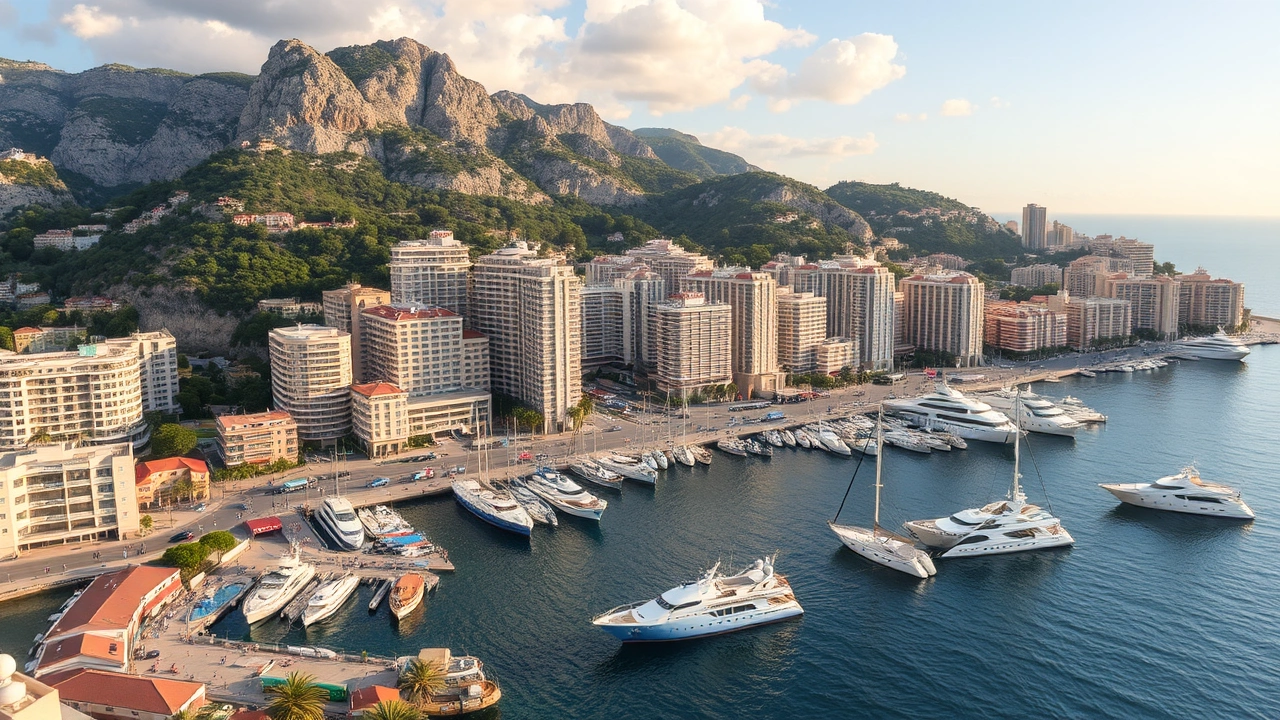
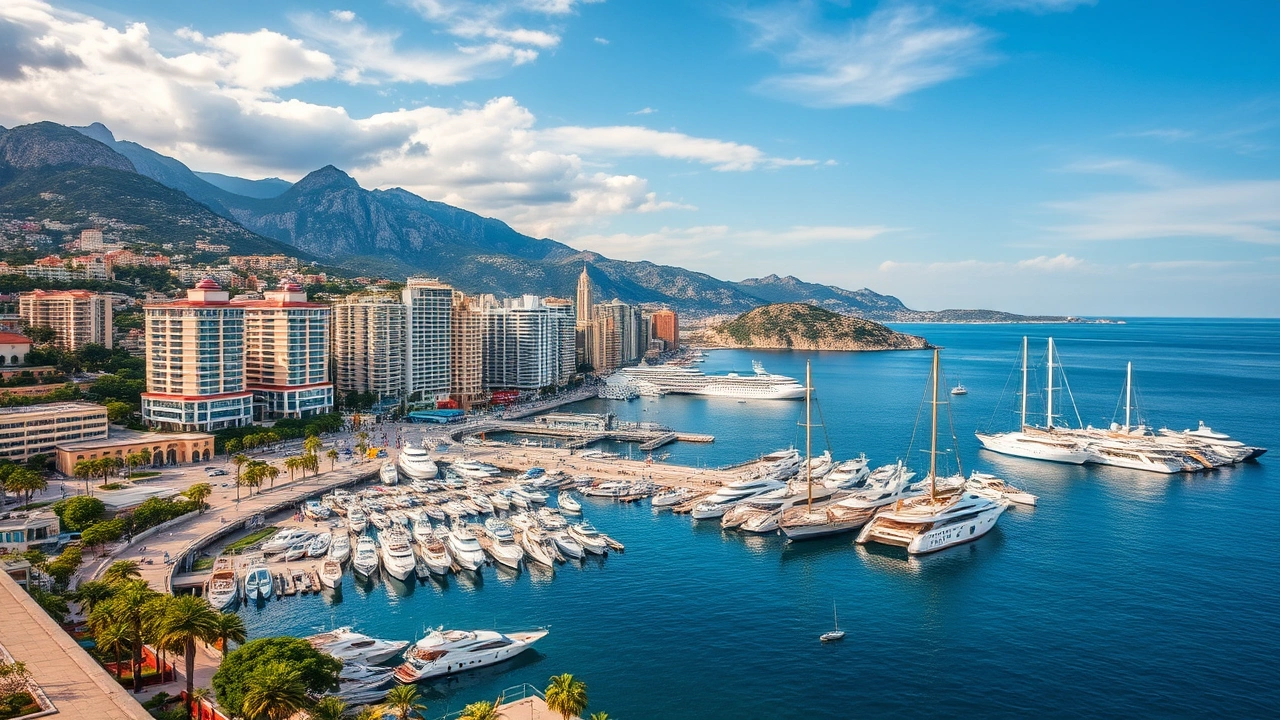
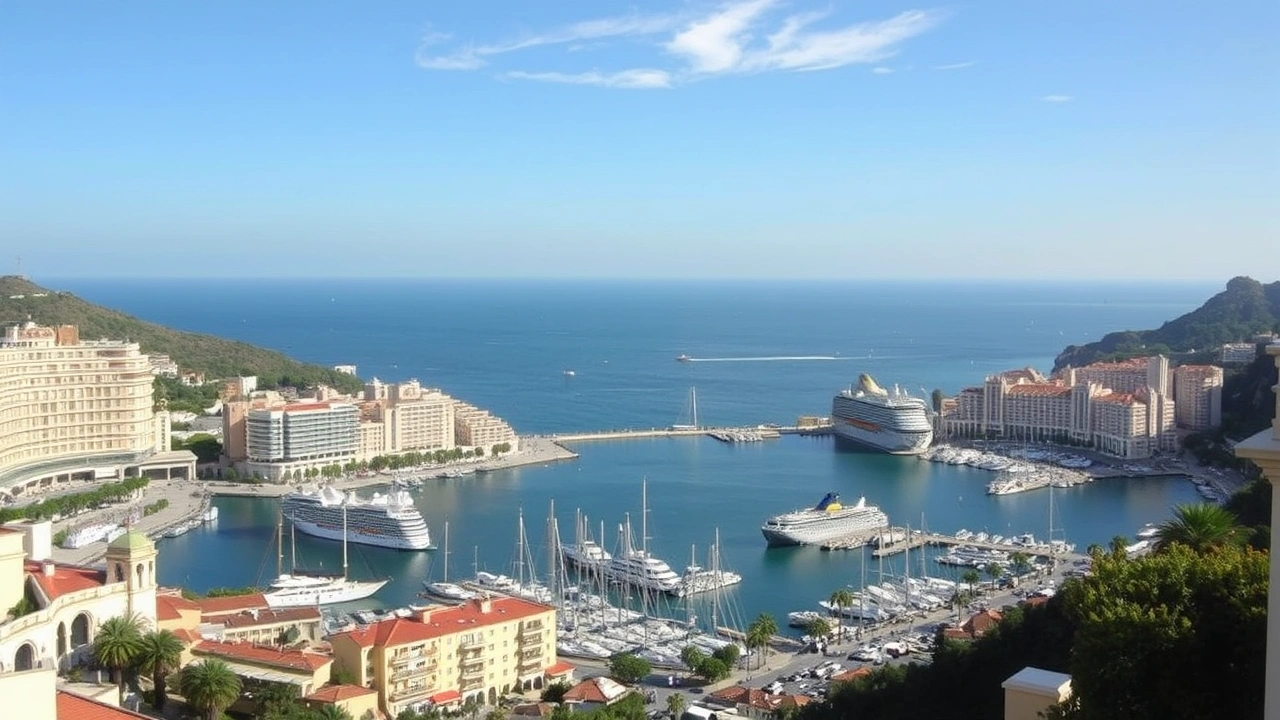
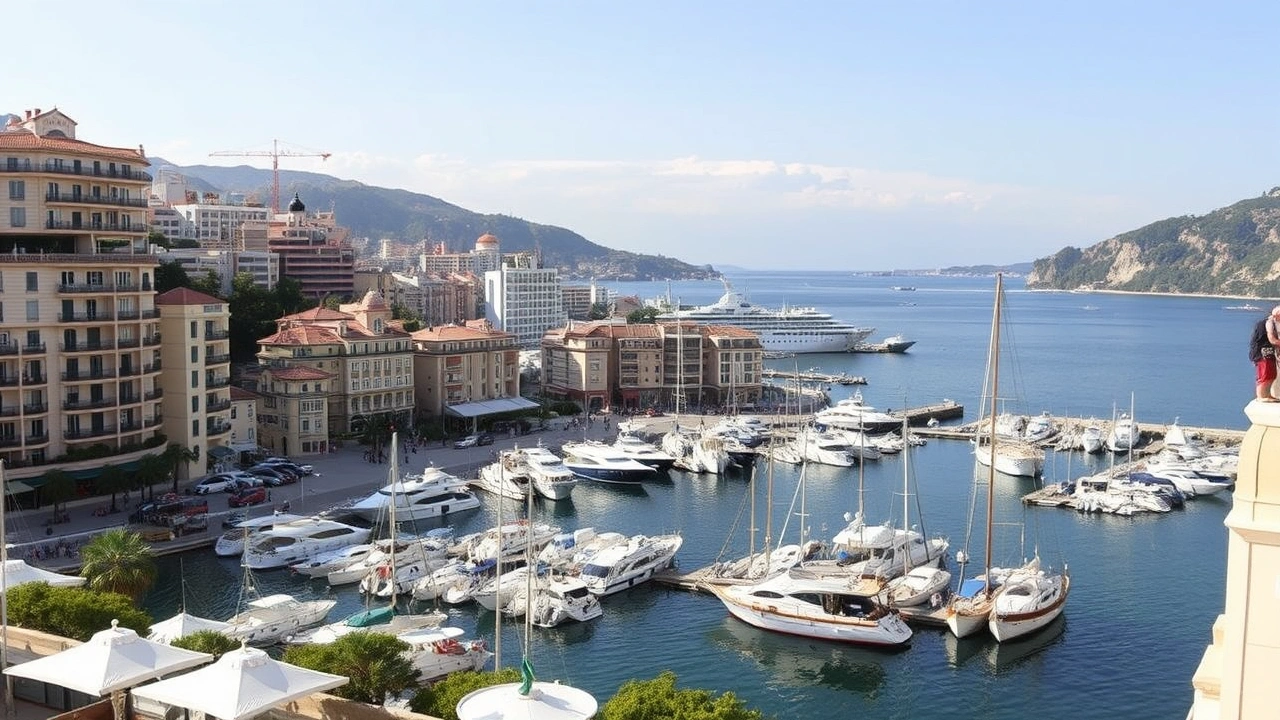
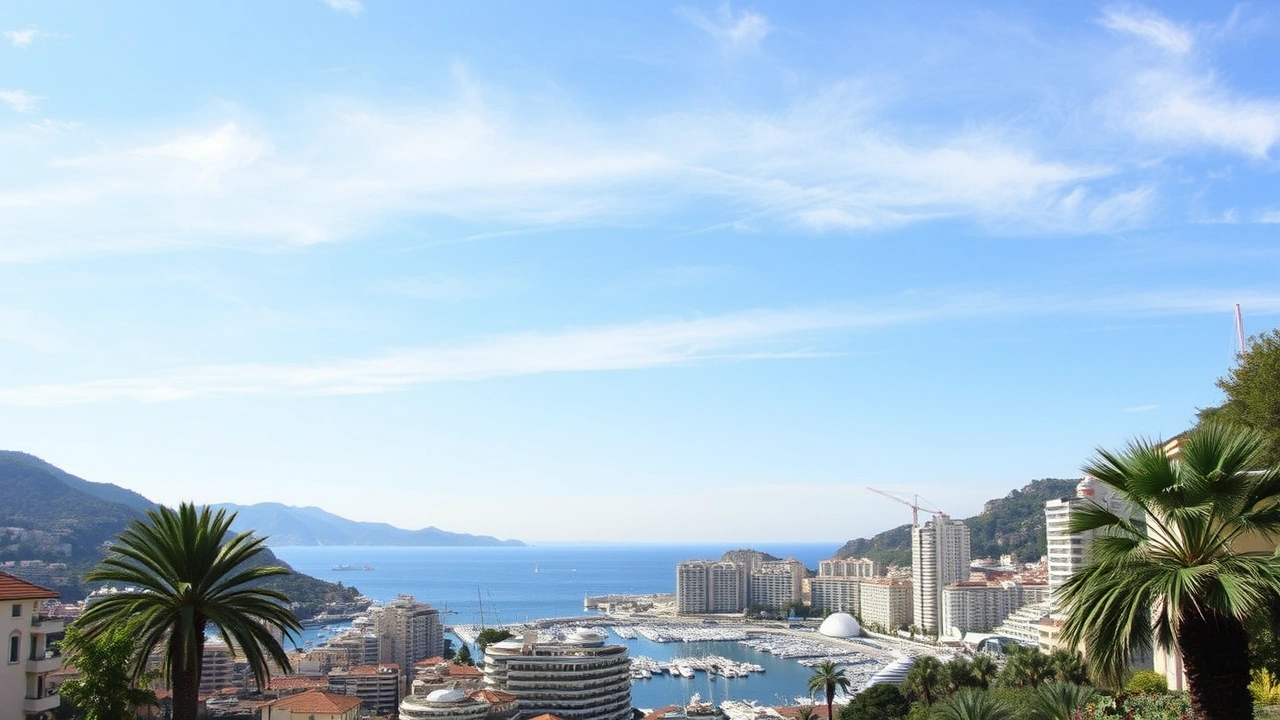
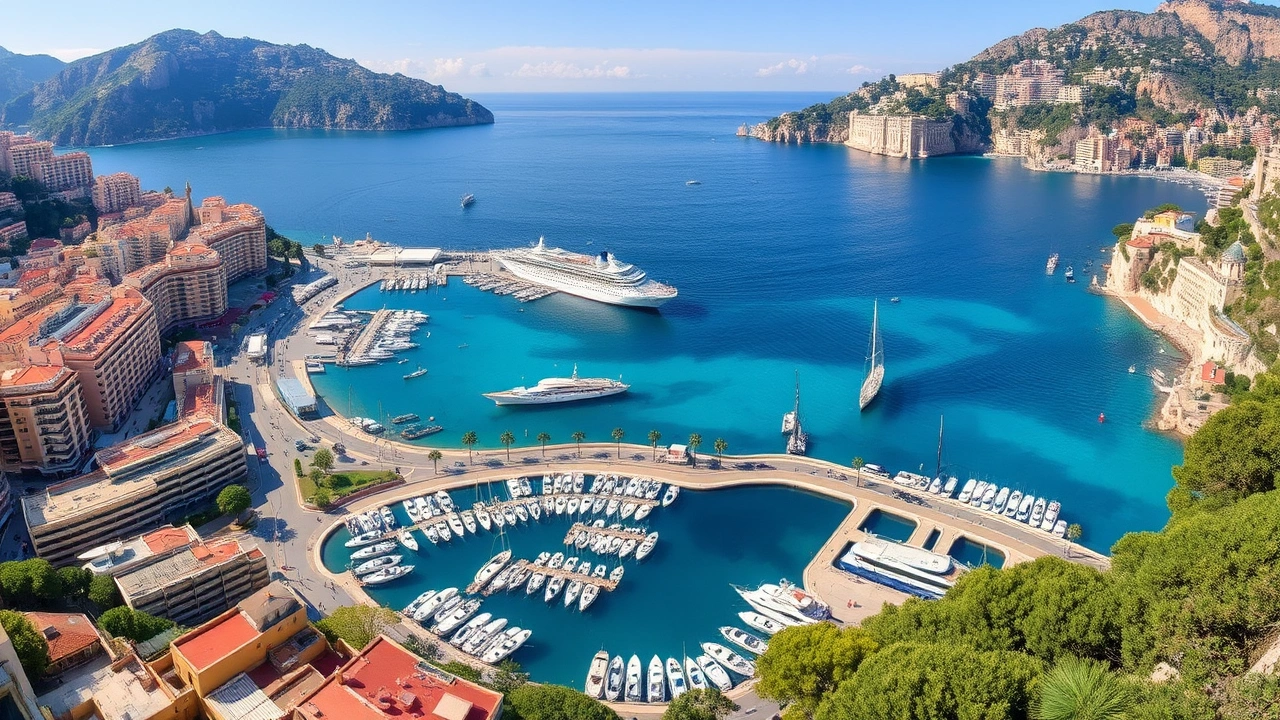
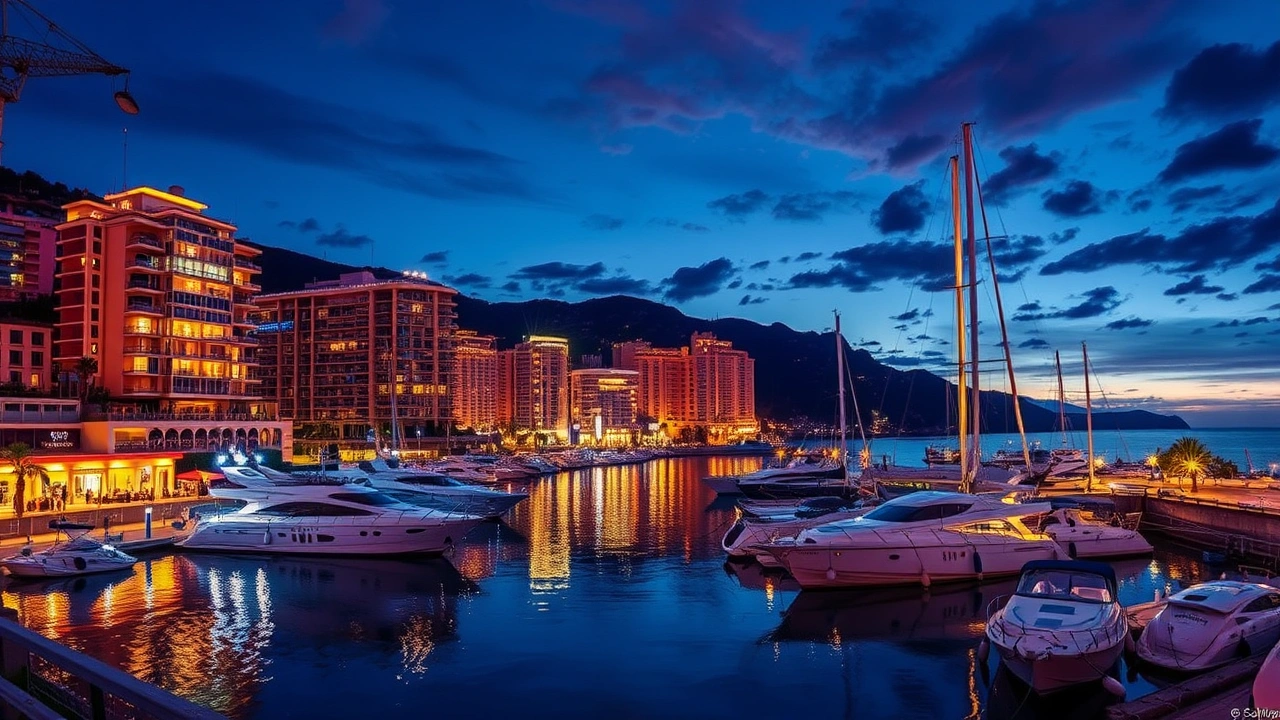
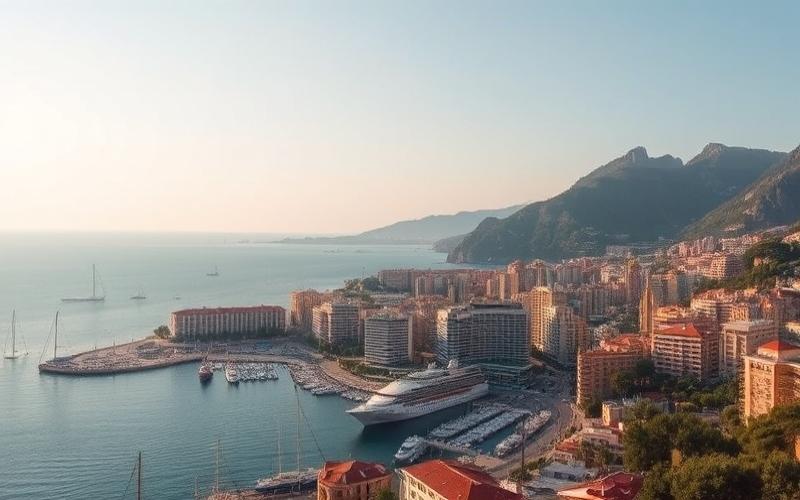
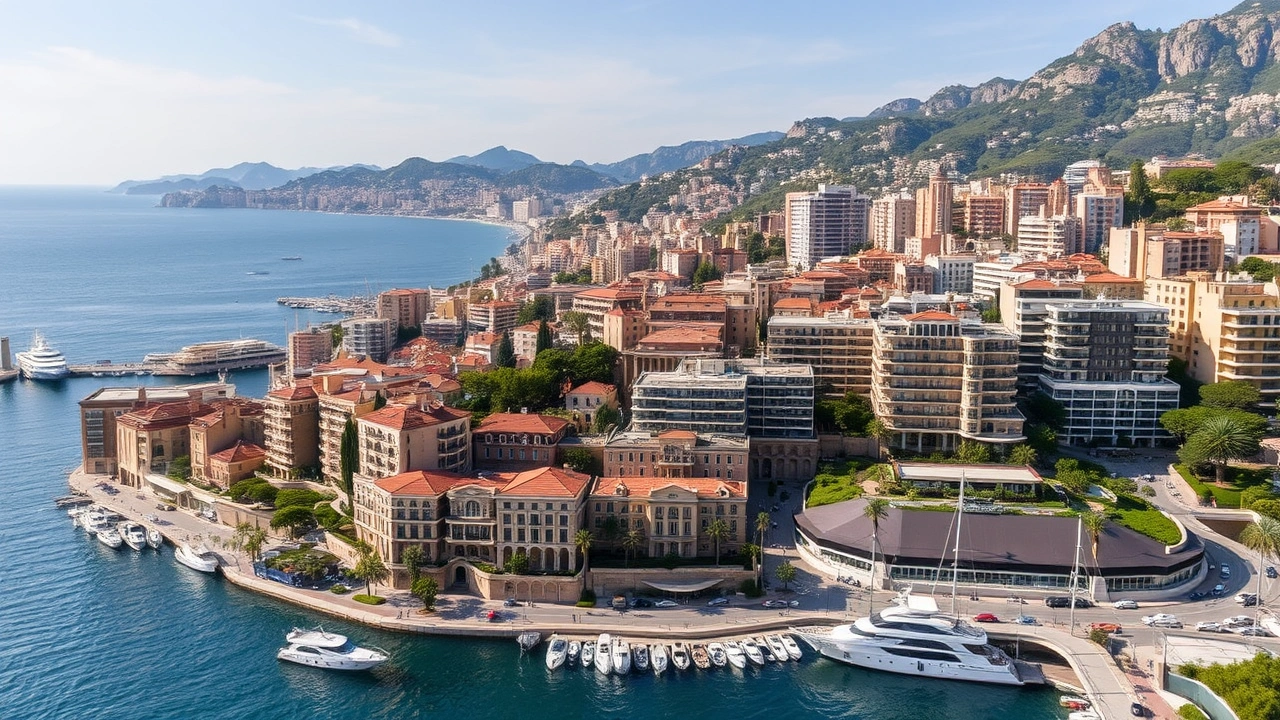
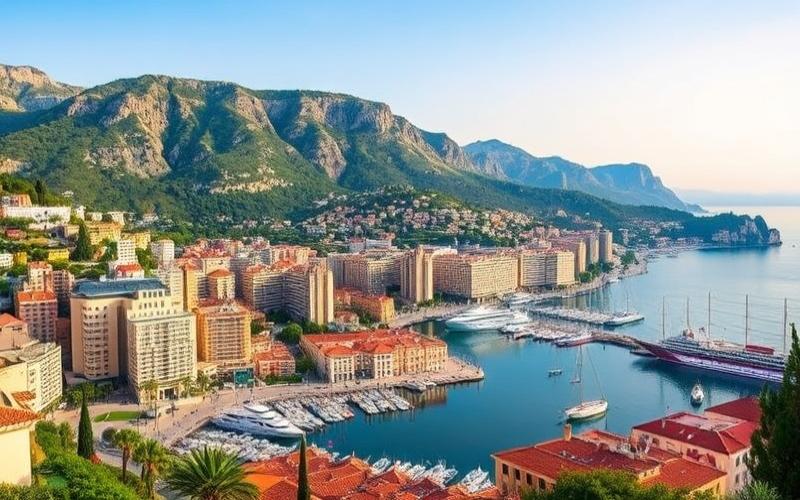
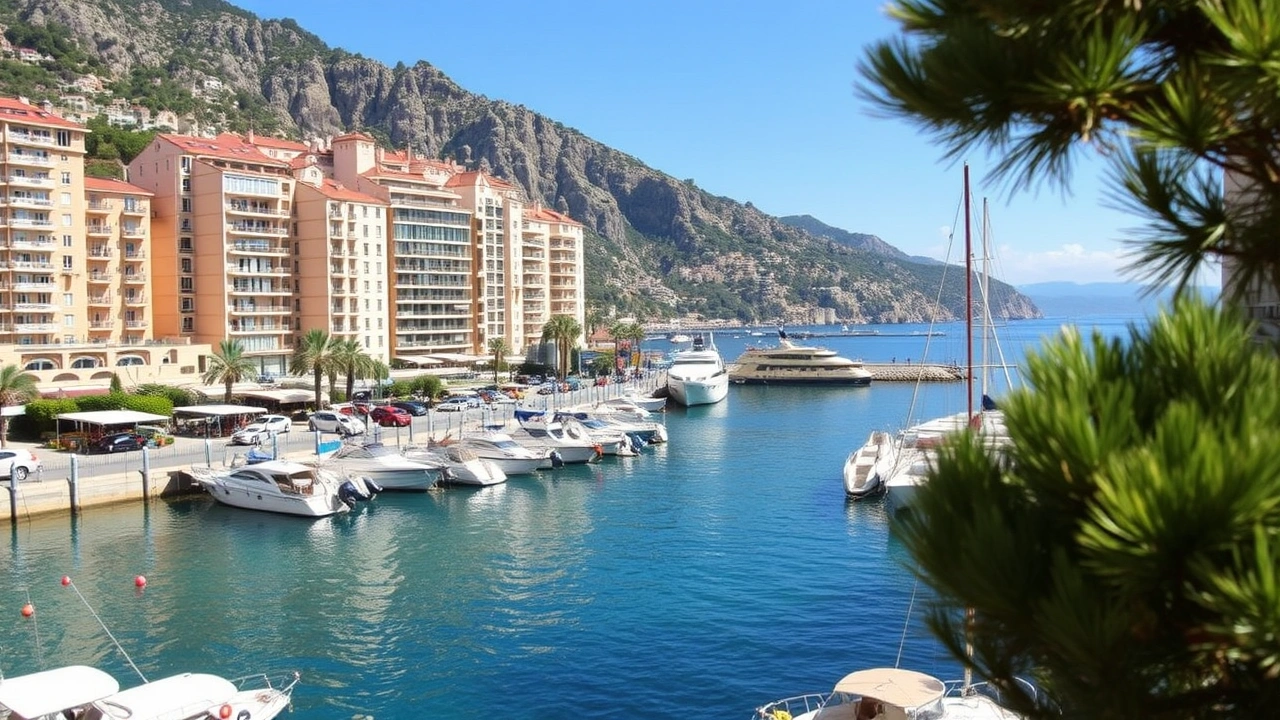
Monaco is a sovereign state of 2.02 km² on the French Riviera, wedged between France and the Mediterranean. Its population is around 38–39,000 inhabitants, but it is home to more than 11,000 businesses. The country ranks among the very highest in the world in GDP per capita, with an extremely high standard of living and security reputed to be exemplary.
Several factors explain why many high-income expatriates see it as an ideal ground for entrepreneurship.
A very particular tax and economic environment
For a foreign entrepreneur, the combination is rare:
– no income tax for residents (except for French nationals, who are taxed by France)
– no wealth tax, no tax on dividends or most private capital gains
– zero inheritance tax between spouses and for direct descendants
– targeted corporate taxation: the tax on profits (25%) only applies if more than 25% of turnover is generated outside Monaco, or in the case of intellectual property income.
In concrete terms, a company that generates at least 75% of its turnover in Monaco can be fully exempt from corporate income tax. And even if you fall under the tax regime, new companies benefit from a very advantageous progressive scheme for their first five years.
The table below summarizes the progressive application of the corporate income tax for a new taxable company:
| Years of Activity | Taxable Base Considered | Maximum Effective Rate (CIT 25%) |
|---|---|---|
| Year 1 | 0% of profits | 0% |
| Year 2 | 0% of profits | 0% |
| Year 3 | 25% of profits | 6.25% |
| Year 4 | 50% of profits | 12.5% |
| Year 5 | 75% of profits | 18.75% |
| From Year 6 | 100% of profits | 25% |
This tax framework is complemented by political stability, a legal system inspired by French civil law, strong transparency (Monaco is on the European “white list” and applies OECD standards for combating tax evasion), and an economy geared towards high-end services: finance, private banking, yachting, real estate, tourism, but also tech, medtech, fintech, greentech, or the blue economy.
An exceptional quality of life… at a record price
In terms of daily life, the indicators are positive: average life expectancy of 86.4 years, very good air quality, drinkable tap water, very low crime rate, excellent medical infrastructure (Princess Grace Hospital Center), and a human freedom score of 8.7.
Quality of life comes at an extreme cost, as confirmed by data on the cost of living.
– Monaco is the most expensive country in the world in terms of cost of living, 6.77 times the global average
– the city of Monaco is the most expensive city among over 9,000 cities studied
– an expatriate spends on average around $9,400 per month, a digital nomad about $8,000
– the estimated monthly cost for a single person is around €6,400–7,700 (housing included), and over €9,000 for a family of four.
Housing is by far the largest expense:
| Type of Housing (rental) | Range of Monthly Rents |
|---|---|
| Furnished studio 45 m² – expensive area | ≈ €4,888 |
| Furnished studio 45 m² – “normal” area | ≈ €3,999 |
| Furnished apartment 85 m² – expensive area | ≈ €2,127 (low estimate) |
| Furnished apartment 85 m² – “normal” area | ≈ €8,000 |
| 1 bedroom, city center | €5,130 to €13,000 |
| 1 bedroom, outside center | €2,000 to €12,500 |
| 3 bedrooms, city center | €10,000 to €78,000 |
| 3 bedrooms, outside center | €6,000 to €24,000 |
For purchase, the entry ticket is even more selective: the median property price exceeds $8.7 million and prices can easily range between €50,000 and €100,000 / m² in the best neighborhoods.
For an expatriate entrepreneur, this means you must consider your business project and financing plan by integrating not only business costs, but also this very high cost of living.
Residing in Monaco as a foreigner: conditions and options
Even before creating a company, the issue of residency is central. One can create a company in Monaco as a non-resident, but most strategies (tax, banking, operational) work much better if you obtain a residence permit.
The main lines of the residency system
Any person aged 16 or over who intends to reside in Monaco for more than three months per year must hold a residence permit issued by the Directorate of Public Security.
Three main statuses exist:
– Temporary card: valid for 1 year, renewable twice
– Ordinary card: valid for 3 years, generally accessible after several years of stay, renewable
– Privileged card: valid for 10 years, accessible after 10 years of continuous residence (under conditions).
Obtaining it is based on three pillars:
The three essential categories of supporting documents for your Monaco residence permit application file.
Lease or property deed in Monaco, or proof of accommodation by a relative.
Salary, professional income, pension, or own resources (often proven by a significant bank deposit).
Recent criminal record extract from countries where you have resided in the last five years.
For non-EEA nationals, a long-stay visa issued by a French consulate is required before applying for the residence card.
The “own means” route: bank deposit and real estate
Monaco does not have an official “golden visa”, but in practice, a typical scheme has emerged for wealthy residents:
– deposit of at least €500,000 in a Monegasque bank (often, banks rather request €1 million)
– rental or purchase of accommodation in Monaco (rents start around €3,000–5,000/month for a small studio)
– proof of stable income and a clean criminal record.
The bank deposit serves as proof of financial means and must remain blocked for the entire duration of the residency. In practice, many private banks require a higher amount to accept a client.
The table below illustrates the order of magnitude of the basic “package” for an expatriate aiming for residency by own means:
| Key Element | Usual Order of Magnitude |
|---|---|
| Minimum bank deposit | €500,000 (often ≥ €1,000,000 in practice) |
| Monthly rent (studio) | €3,000 to €5,000 minimum |
| Required lease duration | 12 months or more |
| Initial residence card | 1 year (temporary), then renewals |
This route appeals to entrepreneurs who already have significant assets and primarily wish to benefit from the quality of life and personal taxation, even if they develop their activity internationally.
The “entrepreneur” route: creating a company to support residency
Another option: coming to Monaco specifically to create a business. In this case, obtaining residency is closely linked to your economic project.
A typical schema or standard structure serves as a reference for creating or analyzing other similar elements. It represents the most common or ideal form of a concept, process, or object, thus enabling clear understanding and consistent application.
– prepare a file for the Department of Economic Expansion (DEE) to obtain a business permit
– set up a company (LLC, SAM, general partnership, limited partnership, or sole proprietorship)
– prove sufficient financial means to live and develop the business
– then submit a residence permit application supported by the business creation file and, if possible, an initial employment contract (including for the manager).
This route is more accessible than purely asset-based residency for entrepreneurial profiles, but it requires meeting a high level of criteria regarding the credibility of the project, the “seriousness” of the business plan, and its alignment with the Monegasque economy.
Creating a business in Monaco: key steps for an expatriate
In Monaco, no economic activity (commercial, artisanal, industrial, services, or even freelance) can start without prior authorization from the government. This is a major difference with many countries.
1. Obtain the business permit
The competent authority is the Department of Economic Expansion (DEE), located at 9 rue du Gabian. Your application includes in particular:
– a letter of request addressed to the Minister of State
– a clean criminal record (less than 3 months old)
– a precise description of the planned activity
– a business plan showing the economic reality of the project (and the absence of a purely nominal “brass plate company”)
– diplomas and professional references
– a description of the premises (or draft lease)
– for certain activities: specific licenses or qualifications (finance, health, real estate, insurance…).
The administration examines: the impact of public policies on citizens.
– your reputation and good character
– your skills and experience
– the “stable” and structured nature of the activity
– sometimes, the level of market saturation (permits may be refused if a sector is deemed saturated).
The law provides for a processing period that can take up to three months. In practice, the complete process (authorization + subsequent formalities + bank) often takes from 3 to 6 months.
2. Choose the appropriate legal form
Monaco offers several legal vehicles. For an expatriate entrepreneur, certain forms are more common.
The SARL (LLC): the standard for SMEs
The Limited Liability Company (SARL) is the most common form for small and medium-sized enterprises:
The minimum capital required to create a company in Monaco is 15,000 euros, which must be deposited into a Monegasque bank account.
It is generally the first option to consider for a commercial, service, or consulting activity with a few employees. It allows for simple governance and a credible image with partners.
The SAM: for larger projects or those with an international dimension
The Monegasque Public Limited Company (SAM) is the local version of the public limited company:
– minimum 2 shareholders
– minimum capital: €150,000, fully paid up
– mandatory board of directors
– creation by notarial deed and publication in the Journal de Monaco.
It is the preferred structure for capital-intensive activities, holdings, or companies planning to raise significant funds. The setup and operating costs can reach around €200,000 in the first year (fees, capital, administrative costs).
Other possible forms
– SNC (General Partnership): all partners are jointly and severally liable for debts. Interesting for very closed structures where trust is maximal.
– SCS (Limited Partnership): general partners (unlimited liability) + limited partners (liability limited to their contribution).
– Civil Company: for non-commercial activities, typically real estate asset management.
– Sole Proprietorship (individual activity): no minimum capital, but unlimited liability for the entrepreneur.
The table below compares the two most common forms for an expatriate:
| Characteristic | SARL (LLC) | SAM (Public Ltd.) |
|---|---|---|
| Minimum capital | €15,000 | €150,000 |
| Min. number of partners | 2 | 2 |
| Governing body | Manager | Board of Directors |
| Formalities of creation | Simple deed + registration | Notarial deed + official publication |
| Image / positioning | SME, commerce, services | Large companies, holdings, finance |
3. Register and obtain official identifiers
Once the authorization is obtained and the company is formed, several registrations are mandatory:
– Trade and Industry Registry (RCI): registration of the company within two months of starting activity.
– Statistical Identification Number (NIS): issued by IMSEE (Monegasque Institute of Statistics and Economic Studies).
– Declaration of existence with the Tax Department.
The State collects a registration duty equivalent to 1% of the share capital. Registry fees (approx. €100 for a company, €55 for a sole proprietorship) must also be paid.
4. Open a professional bank account
To operate, a company must mandatorily have a professional bank account with a Monegasque institution. This serves both to deposit the share capital and for day-to-day operations.
The local banking sector is highly selective, with about 30 banks and a strong private banking culture. Opening an account requires:
– thorough due diligence (beneficial owners, source of funds, activity)
– provision of the RCI extract or an acknowledgment of receipt of the company creation file
– presentation of identity documents and proof of address for directors and shareholders
– often, a detailed business plan and banking references.
The entry amount required to open a professional account depends on your status (resident or not) and the type of relationship desired by the bank. The emphasis is less on a standard minimum deposit than on the overall economic coherence of the project: its size, expected financial flows, and the profile of the shareholders. In practice, a project with a turnover of only a few thousand euros is unlikely to be accepted.
In case of a refusal to open an account, the bank must provide you with a certificate of refusal. You can then refer the matter to the Department of Budget and Treasury, which can impose an account solution.
5. Comply with accounting and substance obligations
All companies must keep accounts and, except in limited cases (certain civil companies), file their annual accounts with the authorities.
For companies subject to corporate income tax, the retention period for supporting documents is at least 10 years. The identification of beneficial owners must be declared to the RCI and updated in case of change.
Beyond the letter of the law, the administration and foreign partners expect a Monegasque company to have real substance:
– actual offices or premises in Monaco
– local staff or at least a core of key functions
– board meetings and strategic decisions taken in the Principality
– material and IT resources on site.
This is particularly important to avoid foreign tax authorities reclassifying your structure as purely artificial under their CFC (controlled foreign companies) rules.
Corporate taxation for expatriates in Monaco
Corporate taxation in Monaco is mainly based on the tax on profits (Impôt sur les bénéfices, akin to corporate income tax), VAT (via the customs union with France), and certain transfer or registration taxes.
Who is subject to the tax on profits?
Subject to it are:
– companies and sole proprietors carrying out a commercial or industrial activity, and
– generating more than 25% of their turnover outside Monaco,
or
– receiving intellectual property income (patents, trademarks, copyrights, industrial processes), even if the activity is concentrated in Monaco.
Companies generating at least 75% of their turnover within the Principality escape corporate income tax. For others, the standard rate is now 25% (progressive alignment with France).
Monegasque tax regime
Tax losses can be carried forward indefinitely, but their annual offset is capped (€1 million plus 50% of the profit above this threshold). There is no carry-back mechanism.
VAT, withholding taxes, and other taxes
Due to the customs union with France, Monaco applies VAT according to the European system, with:
– a standard rate of 20%
– reduced rates of 10%, 5.5% and 2.1% depending on sectors (food, books, public transport, hospitality, etc.).
There is no withholding tax on certain types of income or in specific situations, as specified in the associated context.
– dividends paid to non-residents
– interest
– royalties.
For intra-group dividends, a “parent-subsidiary”-type regime allows for exemption from corporate income tax, subject to a small portion of expenses being reintegrated (5%, 10%, or 20% depending on the case).
Regarding transfers, gift/inheritance duties only apply to assets located in Monaco and according to the family relationship, with a total exemption for direct line and between spouses.
Setup and operating costs: what to expect?
When preparing an entrepreneurial project in Monaco from abroad, underestimating costs is the most common mistake. You must consider both:
– the cost of the structure (legal, tax, banking)
– operating expenses (office rents, salaries, social charges, services)
– the personal cost of living of the manager(s).
Commercial real estate and offices
On 2.02 km², space is scarce. Office spaces, shops, and mixed-use spaces are highly sought after, particularly in neighborhoods like:
– Carré d’Or / Monte-Carlo: prestigious address, close to the Casino and luxury hotels
– Fontvieille: modern business district with a port, shopping centers, and business centers (e.g., Le Thalès)
– La Condamine, La Rousse – Saint Roman, Larvotto, Jardin Exotique, Moneghetti, etc.
You can find both small offices (15–25 m²) and large open-plan spaces (over 400, 800, or even 1,000 m²), often in high-end residences with concierge, pools, gyms, sea views, parking…
Monthly commercial rents seen in listings typically range from €2,700 to over €32,000 (excl. VAT) depending on size, location, standard, and services.
A security deposit equivalent to three months’ rent is the norm. Commercial leases generally have a maximum duration of nine years, renewable.
Running costs and services
In addition to rent, budget for: the associated charges and expenses.
Overview of typical monthly expenses for a home, including charges, services, and communications.
Variable, sometimes high in luxury residences.
For an 85 m² unit, the monthly bill can range between €187 and €500.
€49 to €150/month for a 60 Mb/s or faster connection, with an average speed of 78 Mb/s.
€32 to €80/month for a plan with calls and at least 10 GB of data.
A summary table of the monthly expenses for a typical small office (excluding rent) might look like this:
| Item | Indicative Monthly Range |
|---|---|
| Electricity, water, heating (85 m²) | €187 – €500 |
| Fixed Internet | €49 – €150 |
| Mobile phone (2 lines) | €64 – €160 |
| Insurance, small supplies | €100 – €300 |
| Total excluding personnel | ≈ €400 – €1,100 |
Hiring and managing staff: costs and frameworks
The Monegasque labor market is highly structured. There were nearly 65,700 jobs (public + private) at the end of 2024, for just over 6,300 private sector employers. The workforce is multilingual and highly skilled, but salary expectations are in line with the cost of living.
The average net monthly salary is around €7,400 after tax (non-existent locally), a level consistent with the cost of living. The minimum wage discussed for 2025 is about €1,800.
Social contributions are significant:
– Employer side: total contributions (health, pensions, family allowances, unemployment, work accidents) between 28% and 40% of gross salary.
– Employee side: 10 to 14% of gross.
Added to this is a peculiarity: a mandatory 13th month, presented as a “Prince’s bonus” of 5%.
In practice, for a managerial position at €8,000 gross, the total monthly employer cost can easily exceed €10,500–11,000, including charges.
Labor law: protective but predictable framework
The applicable rules are codified in the Labor Code and several specific laws. Some useful benchmarks:
The legal weekly working hours in France is set at 39 hours.
Employees are entitled to at least 5 weeks of paid vacation per year, increased by seniority. Permanent contracts (CDI) are the norm; fixed-term contracts are strictly regulated.
The protective framework (non-discrimination, health and safety, harassment, union rights, etc.) is close to what is known in France, with a Labor Court in case of dispute.
Key specificity: priority to local employment
For an expatriate setting up a business, perhaps the most sensitive aspect is the priority hiring system. The law imposes a strict order:
In Monaco, hiring is regulated according to a strict order of priority. Employers must first consider: 1. Monegasque nationals, 2. Foreigners married to a Monegasque and certain of their descendants, 3. Foreign residents in Monaco already integrated into the local job market, 4. Residents of neighboring French municipalities (Cap d’Ail, La Turbie, Beausoleil, Roquebrune-Cap-Martin) with professional experience in Monaco. All other candidates can only be hired if no suitable profile has been found in these four priority categories.
Each position must be declared in advance to the Employment Service (Directorate of Labor). The latter has four days to propose priority candidates. The application for hiring authorization and work permit is then made via a specific form, submitted with a €5 fiscal stamp.
Any foreigner, including EU citizens, must obtain before starting work a work permit linked to a specific employer and position. Any change requires a new authorization.
In practice, this adds a layer of administrative complexity for expatriate managers who wish to hire foreign profiles directly. Not respecting these rules exposes them to heavy penalties (fines, even short prison sentences) and administrative complications.
Using an Employer of Record (EOR)
To test the market or hire a few collaborators without immediately creating a legal entity, several international providers offer an Employer of Record (EOR) service in Monaco. They become the legal employer, handling payroll, charges, compliance, work permits, while you operationally manage the employee.
Players like Rivermate (€499/employee/month advertised) or other EORs cited in studies present this model. It’s an interesting solution for:
– validating the potential of a market or a function before investing in a local entity
– employing cross-border workers
– significantly reducing the administrative burden.
Setup strategies: from market testing to full presence
Not all expatriates have the same means or the same needs. It is therefore useful to consider different possible trajectories.
Option 1: testing without a local entity via an EOR or subcontracting
If your initial goal is to explore the potential of clients in Monaco, you can:
– sell your services from your home country (in B2B, for example)
– enter into a partnership with an already established company
– hire a local salesperson or manager via an EOR.
This limits fixed costs, while starting to build a network and better understand market expectations (especially in the luxury, yachting, finance, premium services sectors).
This step allows you to then decide, on more solid grounds, whether it’s worth creating a Monegasque entity.
Option 2: create a small structure (SARL) and use flexible spaces
For an entrepreneur who really wants to “be” in Monaco, but cannot initially afford expensive office space, a frequent configuration involves:
To set up a company in Monaco, it is recommended to form an SARL with reasonable capital, at least €15,000 to give the project credibility. For premises, you can rent a small office or a space in a business center (like Le Thalès) or a coworking space (MonacoTech, Monaco Foundry, MonaHub, MP TechGrind, IBC). To optimize costs, consider partially resorting to remote work and foreign freelancers to reduce the local payroll.
Incubators like MonacoTech play a key role for tech or innovative startups. They offer:
– a 800 m² workspace with a FabLab for about €300/month
– coaching, workshops, a network of experts and partners
– administrative support through a partnership with the Order of Chartered Accountants (creation files, payroll, etc.)
– sometimes, financial support (MonacoTech Pass).
For an expatriate, this advantage allows access to a principality with a very high cost of real estate, benefiting from an initial setup where expenses remain relatively controllable.
Option 3: set up a more structured vehicle (SAM, administrative office…)
For very wealthy entrepreneurs or families, the creation of a SAM or an administrative office of a foreign company in Monaco serves other objectives:
– centralizing asset management or group direction
– structuring investments in finance, real estate, or industry
– optimizing group taxation and asset protection, within a framework compliant with international standards.
An administrative office of a foreign company can be taxed at a reduced rate based on its operating expenses (about 2.8%). This model can suit a parent company located in another jurisdiction that wishes to benefit from the Monegasque infrastructure (banks, talent, image) without moving all its activity.
Here, the setup is generally planned with specialized consulting firms, notaries, and lawyers, with fees starting around €5,000 and potentially rising much higher depending on complexity.
Networks and ecosystem: a decisive asset for the expatriate entrepreneur
In a micro-state where most business is done on the basis of trust and relationships, knowing how to integrate into the right circles is crucial.
Business clubs and professional networks
Several organizations structure the economic life:
Key players and organizations that energize the Monegasque economic ecosystem by facilitating networking, innovation, and business development.
Economic arm of the government, grouping over 600 member companies. Organizes about fifty annual events: cocktail receptions, conferences, overseas missions, and B2B meetings.
Highly selective public-private incubator, supported by the government and Monaco Telecom. Focuses on innovative startups in GreenTech, BlueTech, Smart Yachting, MedTech, FinTech, and AI.
Association with over 90 members. Organizes annual summits, quarterly mixers, and startup pitch competitions.
High-end business networking club, present in several countries and very active on the Monegasque scene.
Network dedicated to professional women, offering monthly events, an annual forum, and awarding the “Monte-Carlo Woman of the Year” prize.
Added to these are many more social but useful clubs for building an address book (Monaco Ambassadors Club, International Club of Monaco, etc.), not to mention the International University of Monaco (IUM) which has its own entrepreneurial ecosystem (Tech Summit, student clubs, alumni network).
These structures offer direct access to decision-makers, business angels, family offices, and established executives, which can strongly accelerate the growth of a project for a newcomer.
Expatriate communities
Expatriates are very present, and platforms like InterNations, as well as many Facebook groups (“Monaco Expats“, “Expat Women in Monaco“, etc.), facilitate:
– exchanging advice on housing and procedures
– building a social network (dinners, outings, events)
– sharing business or job opportunities.
For a foreign entrepreneur, these communities are a good entry point to understand local codes, avoid faux pas, and get recommendations (accountant, lawyer, real estate agent, banker…).
Promising sectors for an entrepreneurial project in Monaco
While Monaco is historically the kingdom of luxury tourism, private banking, and yachting, the economy is diversifying strongly. For an expatriate, certain niches are particularly interesting.
Tech, innovation, and sustainability
The authorities have clearly bet on technological upscaling:
– estimated annual tech sector growth of 12%
– projected sector revenues exceeding $1.2 billion per year in the short term
– ambition to enter the top 10 of European tech hubs.
The promoted themes include:
Overview of the main technological and innovative fields supported by the principality, combining sustainability, digital, and excellence.
Development of renewable energies, energy efficiency, green mobility, and the circular economy.
Promotion of the sustainable maritime economy, ocean protection, and technologies for yachting and navigation.
Innovations for yachts and superyachts, including connected services and clean propulsion.
Telemedicine solutions, medical artificial intelligence, and patient monitoring platforms.
Decentralized finance, crypto asset management, tokenization, and transaction security.
Data and critical infrastructure protection, in collaboration with the Digital Security Agency.
Local startups like Net0 (carbon footprint management), Discloser (ESG reporting platform), InnoDeep (AI for cancer screening), or DWorld (VR experiences) illustrate this dynamic.
Monaco remains a must for:
Luxury services for wealthy individuals (HNWIs) encompass several specialized domains. This includes wealth management and financial advice, yacht management (sales, charter, management) by players like Y.CO, as well as concierge, event planning, and bespoke travel services. The sector also includes the rental and sale of prestige real estate, often handled by highly specialized agencies.
The presence of some 2,000 millionaire residents or semi-residents, and a flow of 350,000 visitors per year, creates a reservoir of potential clients for high-value-added services.
Creating your business in Monaco: points of vigilance for expatriates
Even with comfortable means, setting up an activity in Monaco is not trivial. Some recurring pitfalls emerge from studies and field feedback.
Underestimating timelines and paperwork
The combination of residency + company creation + bank account opening can easily take 3 to 6 months, or more if documents are missing or the activity is regulated. Planning on a horizon of a few weeks is unrealistic.
You must particularly anticipate:
– criminal record extracts from different countries
– sworn translations into French
– certification of documents by Monegasque consulates
– iterative exchanges with the DEE, the bank, the Employment Office.
Neglecting priority to local employment and work permits
Ignoring the hierarchy of hiring priority or having a foreign collaborator work without a work permit exposes you to heavy penalties (criminal, administrative, and reputational).
For each key recruitment, integrate into your planning the essential steps such as drafting the job offer, posting the ads, selecting candidates, conducting interviews, making the decision, and onboarding the new employee. This allows anticipating timelines, allocating necessary resources, and ensuring a smooth and effective recruitment process.
– declaration of the position to the Employment Service
– the four-day period for proposals of priority candidates
– the application for hiring authorization and work permit
– the mandatory medical appointment at the Occupational Health Service.
Miscalibrating the legal structure and substance
Creating an expensive and oversized SAM for a modest activity or, conversely, remaining a sole proprietor for a significant project are two extremes to avoid. A fine analysis of:
– your target market (Monaco, Europe, world)
– your tax strategy (exposure to corporate tax, CFC rules of your country of origin)
– your financing and credibility needs
To determine the most appropriate legal form for a company (such as an LLC, a Public Ltd., or an administrative office), it is essential to base the decision on a comparative analysis of the project’s specific needs, the number of partners, the desired liability regime, tax constraints, and administrative formalities. This approach should guide the choice to ensure the structure’s coherence and viability.
Likewise, a “shell company” without premises or personnel presents a risk of challenge by foreign tax authorities, especially if you originate from a country with high taxation.
Forgetting that Monaco is not in the EU
Even though Monaco uses the euro and applies European VAT via France, it is not a member state of the European Union. Some cross-border or regulated activities may encounter restrictions or require more complex legal structures (approvals, financial passports, etc.).
For a project heavily oriented towards the European internal market, it may be relevant to combine Monaco (for the asset holding seat, residency) with an operational subsidiary in an EU country.
In conclusion: which expatriate profile is Monaco really suited for?
Creating your business in Monaco is neither simple nor cheap. The extreme cost of living and rents, the selectivity of banks, the welcome but demanding rigidity of labor law and business permits make the Principality a playing field reserved for well-structured projects.
On the other hand, for an expatriate who:
The target profile has initial capital or strong financing capacity, operates in high-end segments (finance, tech, yachting, luxury, premium consulting), knows how to value a dense but accessible ecosystem with the right codes, and seeks a combination of personal tax optimization, security, and a rare quality of life.
Monaco can offer a considerable lever.
The key, for a foreign entrepreneur, is not to approach Monaco as a simple “tax haven”, but as a sophisticated economic ecosystem where the State demands real value creation and where credibility is built over time: real substance, rigorous respect of rules, participation in networks, and alignment with priorities (innovation, sustainability, quality).
By meticulously preparing your project, surrounding yourself with local advisors (lawyers, notaries, accountants, relocation agencies) and intelligently using support structures (MonacoTech, MEB, business clubs), you maximize your chances of transforming what could be just a prestigious address into a solid base for your international development.
A 62-year-old retiree, with a financial estate exceeding one million euros well-structured in Europe, wanted to change tax residency to optimize his tax burden and diversify his investments, while maintaining a link with France. Allocated budget: 10,000 euros for comprehensive support (tax advice, administrative formalities, relocation, and asset structuring), without forced asset sales.
After analyzing several attractive destinations (Monaco, Greece, Cyprus, Mauritius), the chosen strategy was to target Monaco for its absence of personal income tax for non-French individuals, its legal security, its high-end banking environment, and its easy access from France. The mission included: pre-expatriation tax audit (exit tax or not, tax deferral), obtaining Monegasque residency (proof of resources, residential lease or purchase), detachment from CNAS/CPAM (French health), transfer of banking residency, plan to break French tax ties (183 days/year outside France, economic center of interests), connection with a local network (lawyer, private bank, real estate advisor), and comprehensive asset integration.
Planning to move abroad? Contact us for custom offers.
Disclaimer: The information provided on this website is for informational purposes only and does not constitute financial, legal, or professional advice. We encourage you to consult qualified experts before making any investment, real estate, or expatriation decisions. Although we strive to maintain up-to-date and accurate information, we do not guarantee the completeness, accuracy, or timeliness of the proposed content. As investment and expatriation involve risks, we disclaim any liability for potential losses or damages arising from the use of this site. Your use of this site confirms your acceptance of these terms and your understanding of the associated risks.

Cyril Jarnias is an independent expert in international wealth management with over 20 years of experience. As an expatriate himself, he is dedicated to helping individuals and business leaders build, protect, and pass on their wealth with complete peace of mind.
On his website, cyriljarnias.com, he shares his expertise on international real estate, offshore company formation, and expatriation.
Thanks to his expertise, he offers sound advice to optimize his clients' wealth management. Cyril Jarnias is also recognized for his appearances in many prestigious media outlets such as BFM Business, les Français de l’étranger, Le Figaro, Les Echos, and Mieux vivre votre argent, where he shares his knowledge and know-how in wealth management.