 Published on and written by Cyril Jarnias
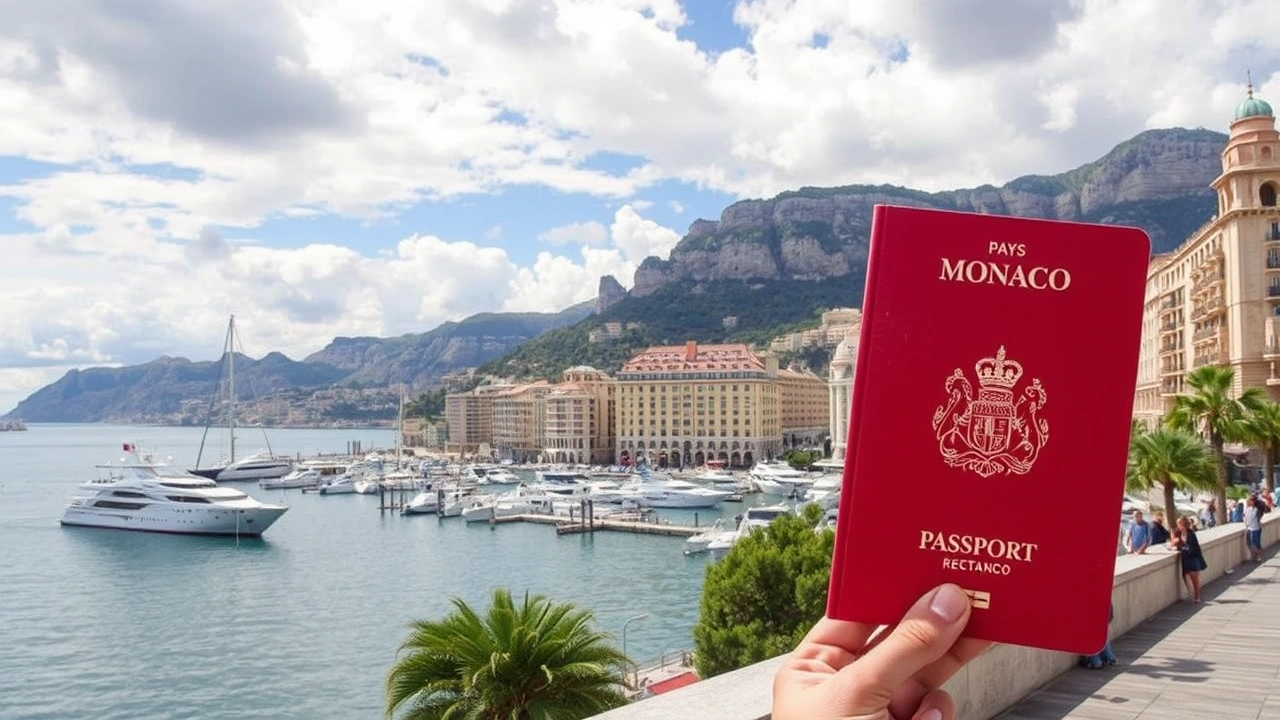
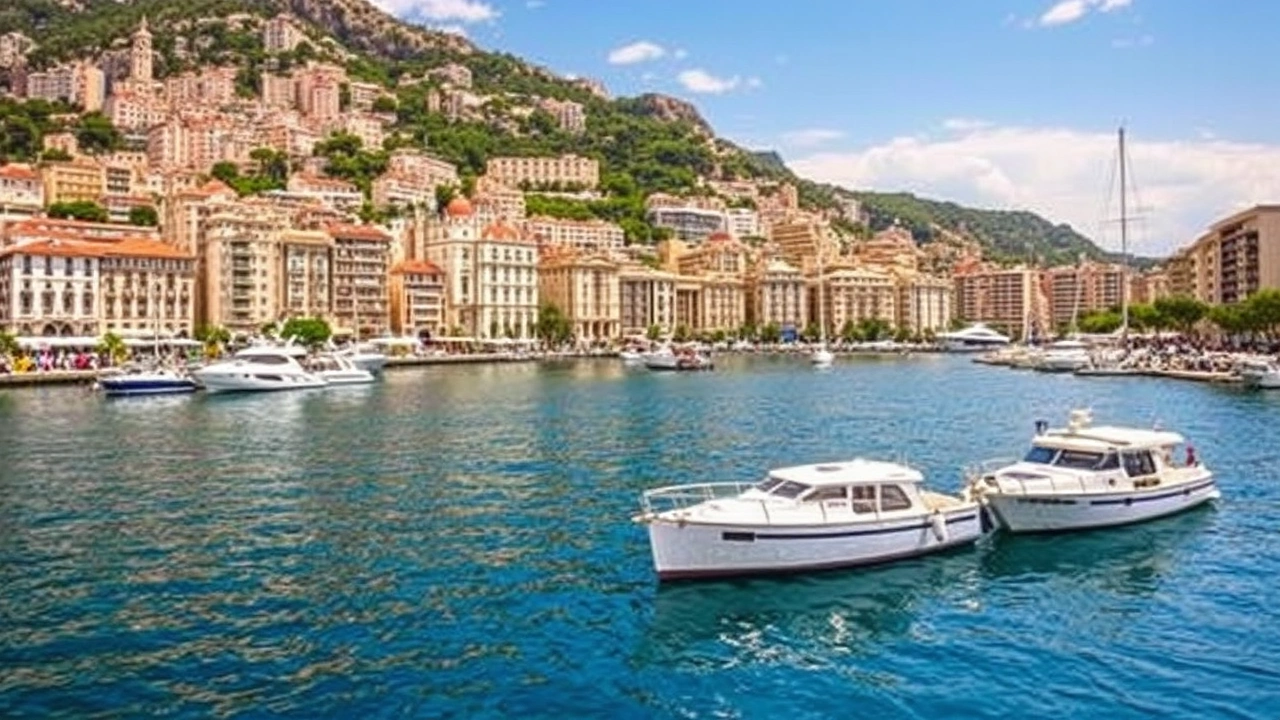
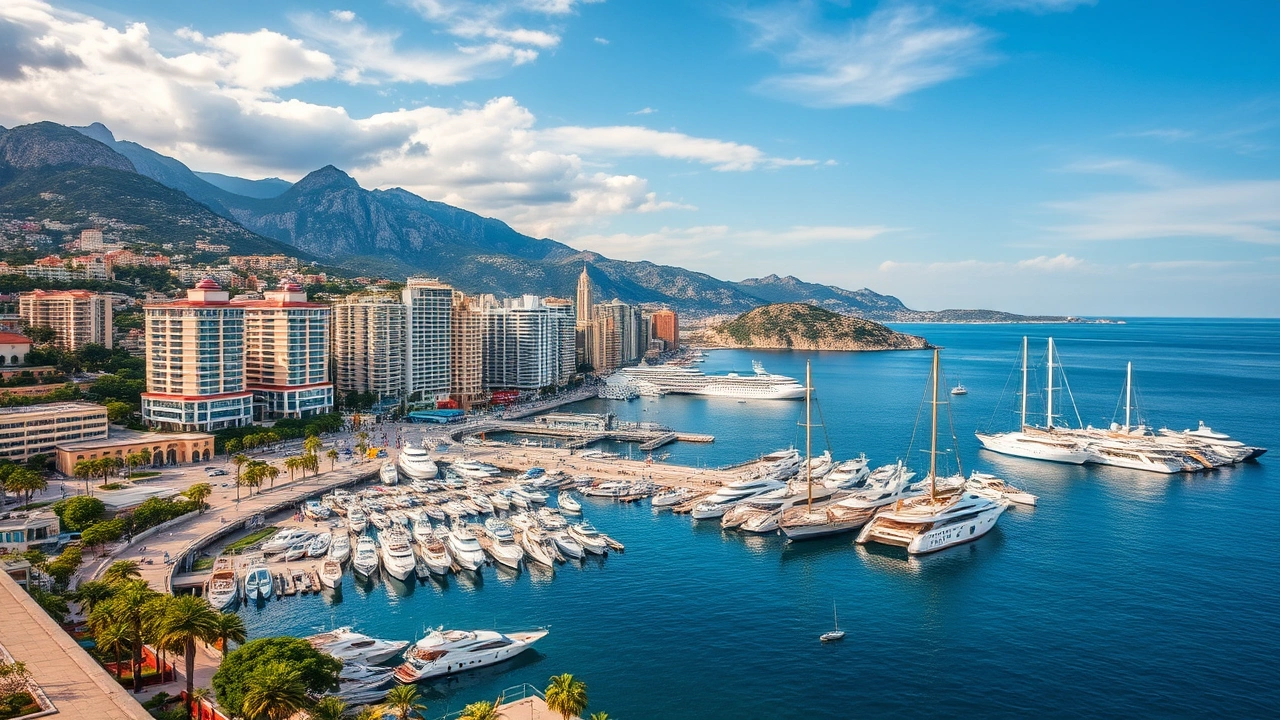
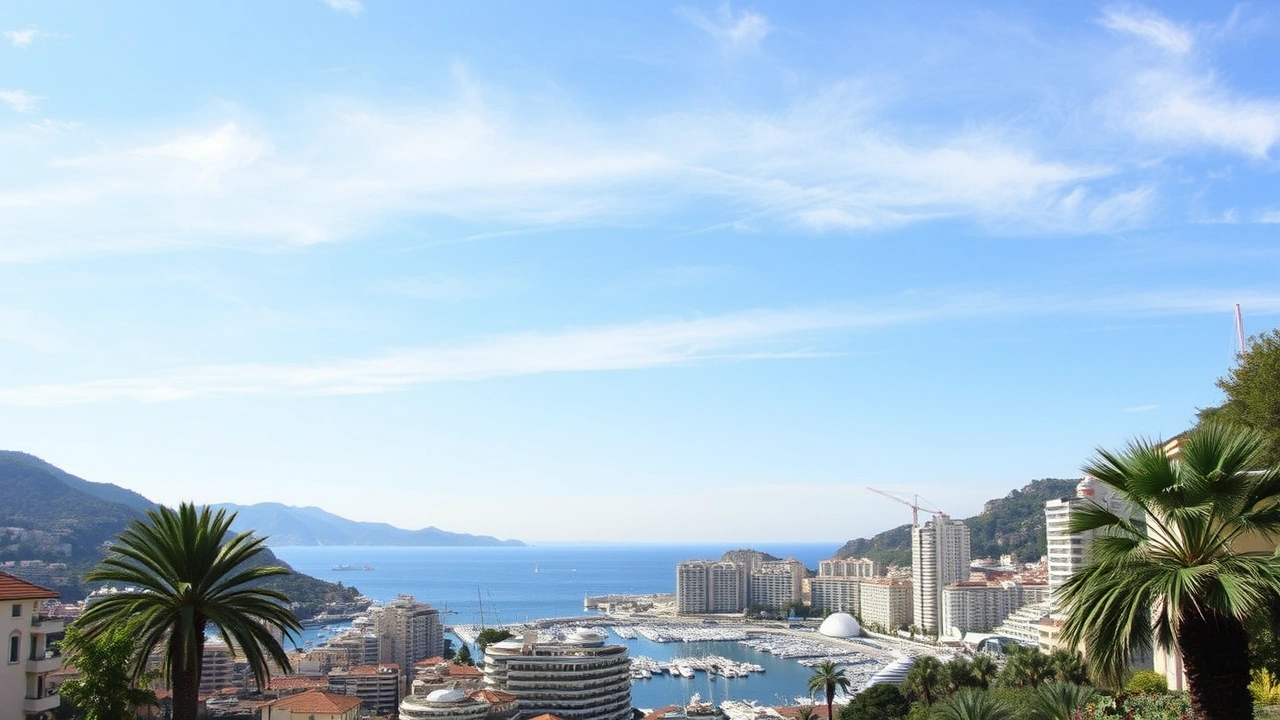
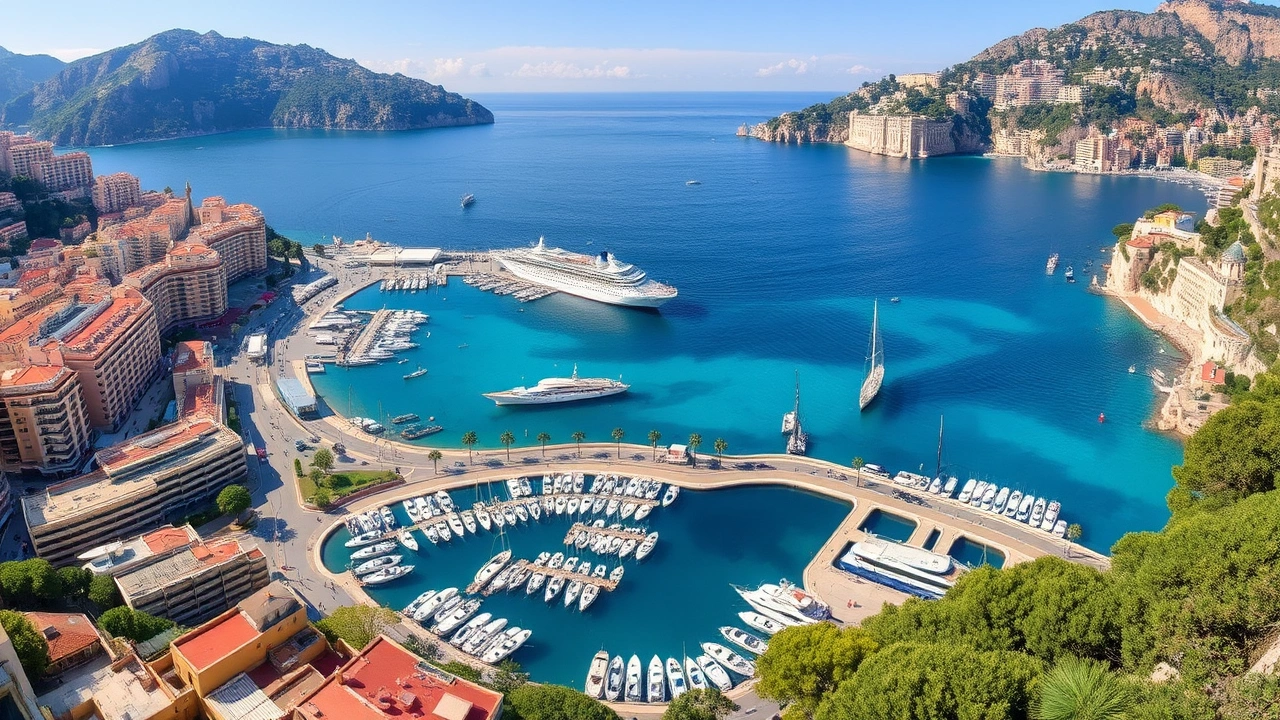
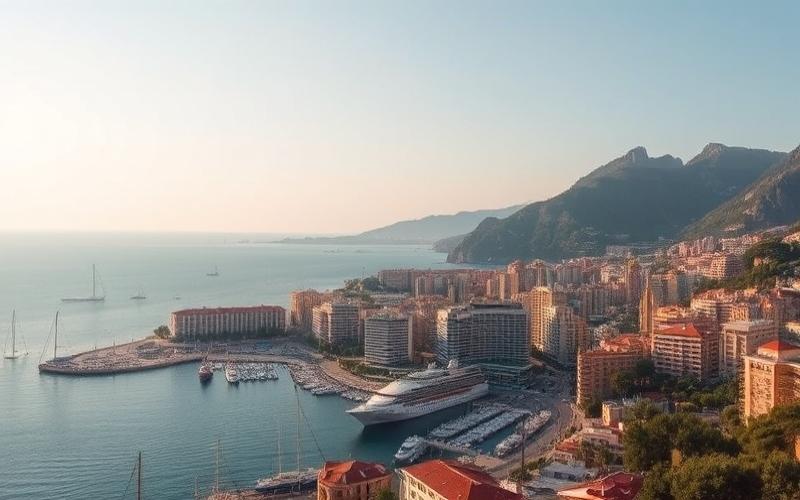
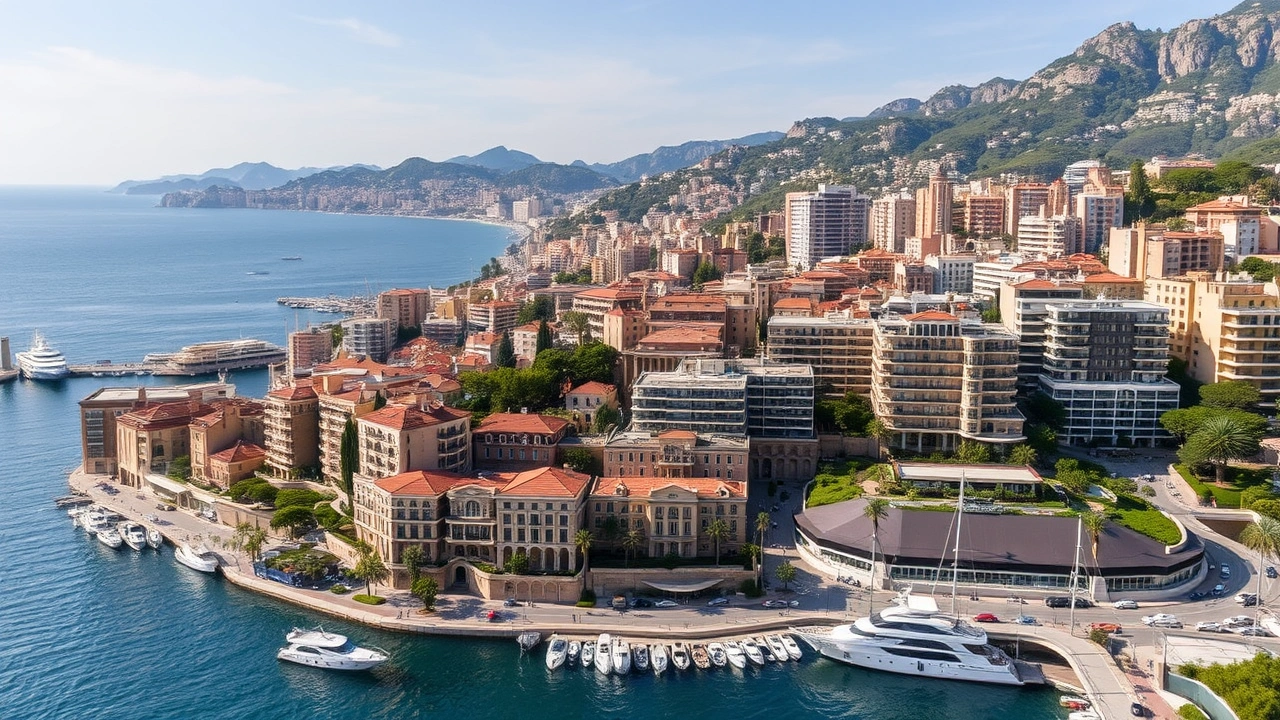
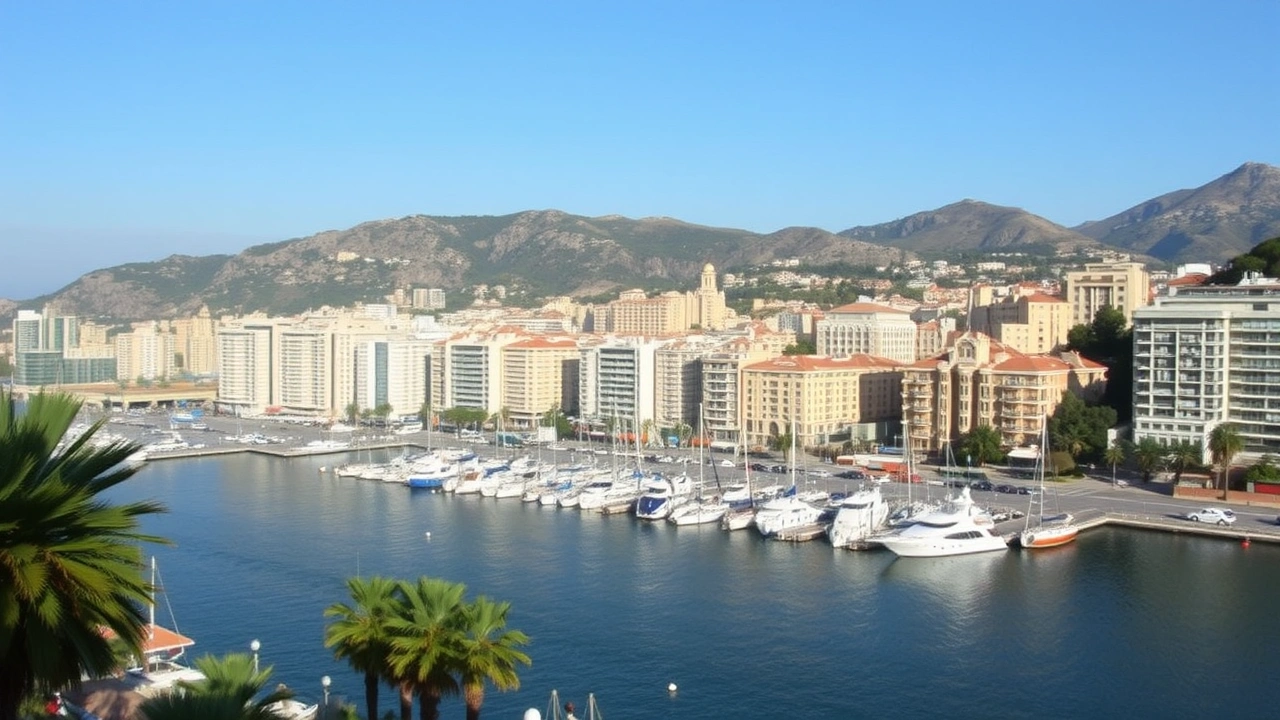
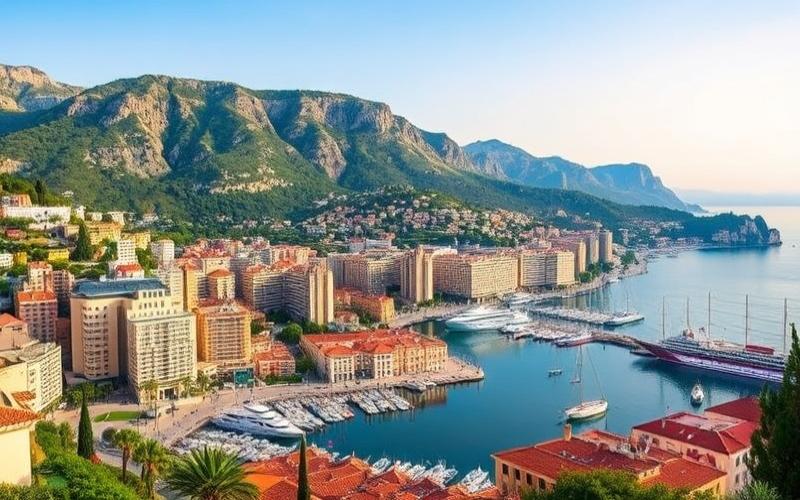
Relocating to Monaco is far from a simple move to the French Riviera. You change countries, but also scale, atmosphere, social codes, and your relationship with money, language, and work. The territory is barely 0.77 square miles, the population is around 38 to 39 thousand, more than 130 nationalities mix, and about a third of residents are millionaires. The scene is set: a micro-state, macro-luxury, maximum security, and high expectations in every domain.
Before moving to Monaco, it’s essential to understand that the Principality is a highly codified society, extremely safe, and very expensive. Behind the image of luxury lies an environment where form matters almost as much as substance, and which is both open and discreet. Understanding these cultural differences helps avoid misunderstandings.
A Very Rich, Very Safe, but Also Very Expensive Micro‑State
You can’t approach Monegasque culture without immediately highlighting three elements that structure daily life: the small size of the territory, the concentration of wealth, and the cost of living.
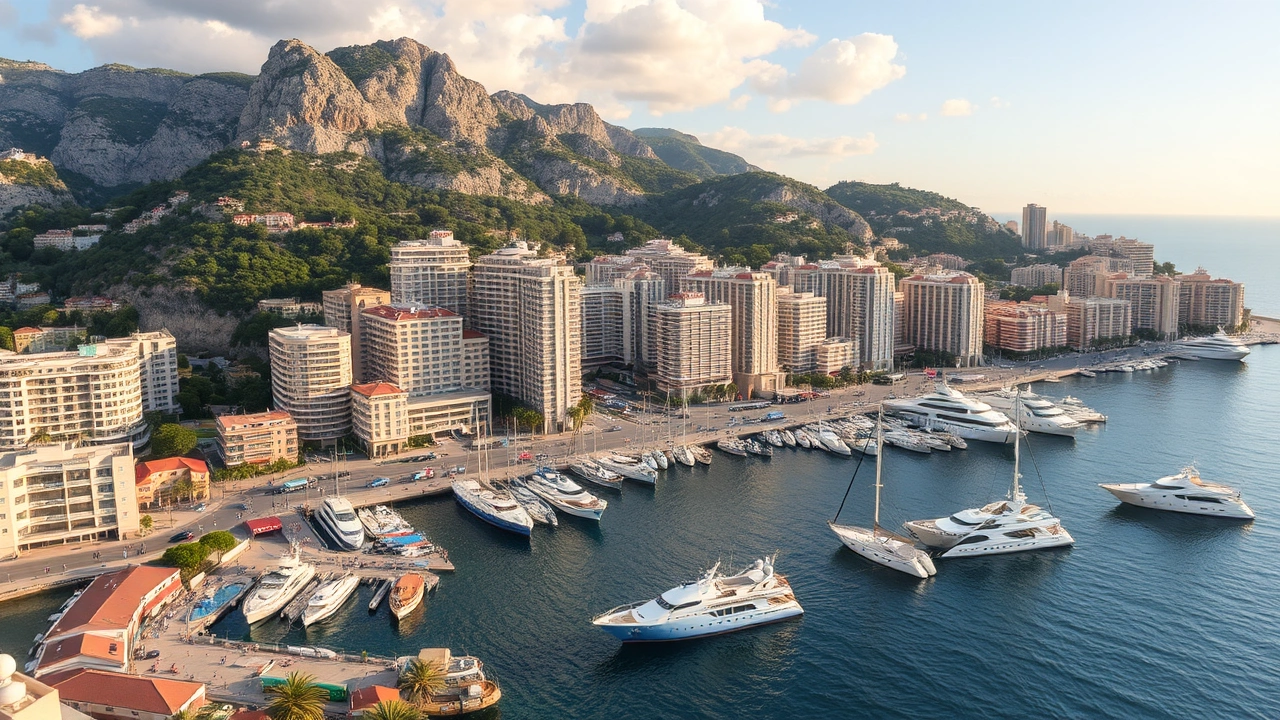
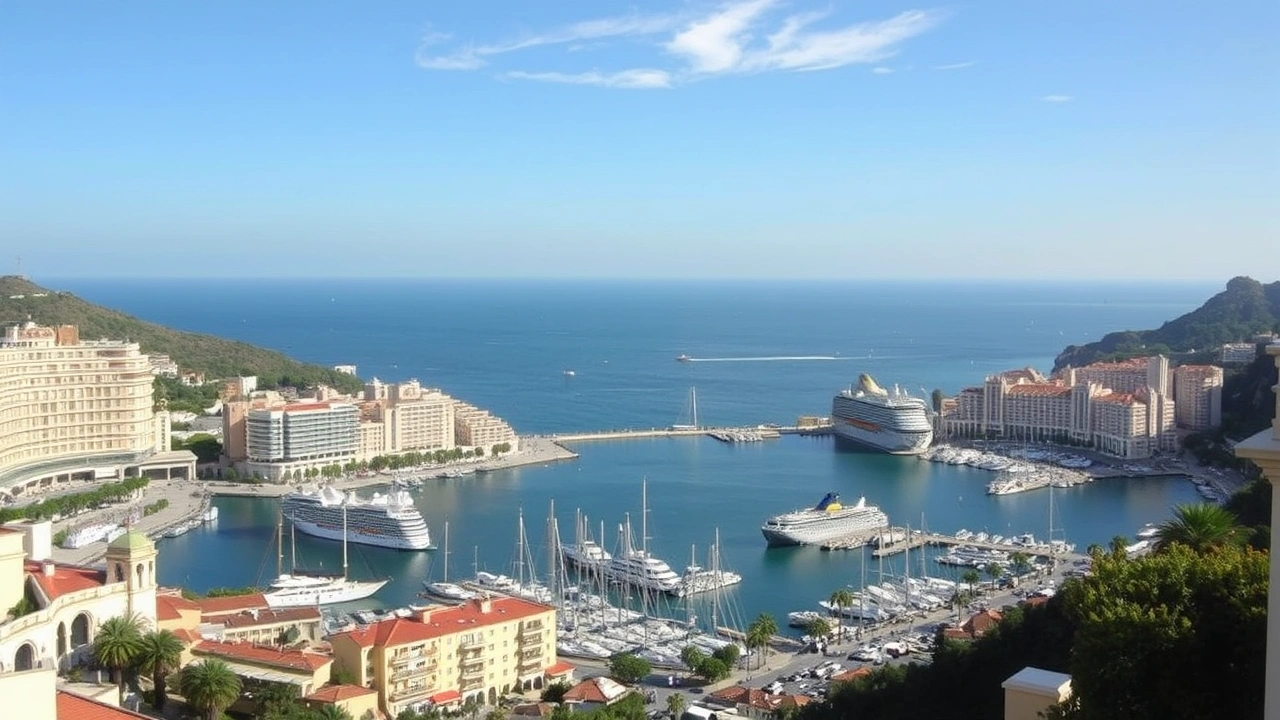
The country is smaller than New York’s Central Park, yet it’s home to nearly 40,000 inhabitants, over 140 nationalities, a powerful financial sector, some of the world’s most expensive real estate, and constant tourist activity. Space is limited, every square meter is optimized, every move takes place in a dense but remarkably organized urban environment.
At the same time, security is exceptional. There is roughly one police officer for every 80 residents, over 1,000 cameras cover the Principality, and the crime rate is among the lowest in the world. The country is often described as one of the safest places in Europe, if not on the globe.
Monaco’s GDP per capita is approximately $257,000, illustrating exceptional economic prosperity.
Living in a Permanent Setting of Luxury
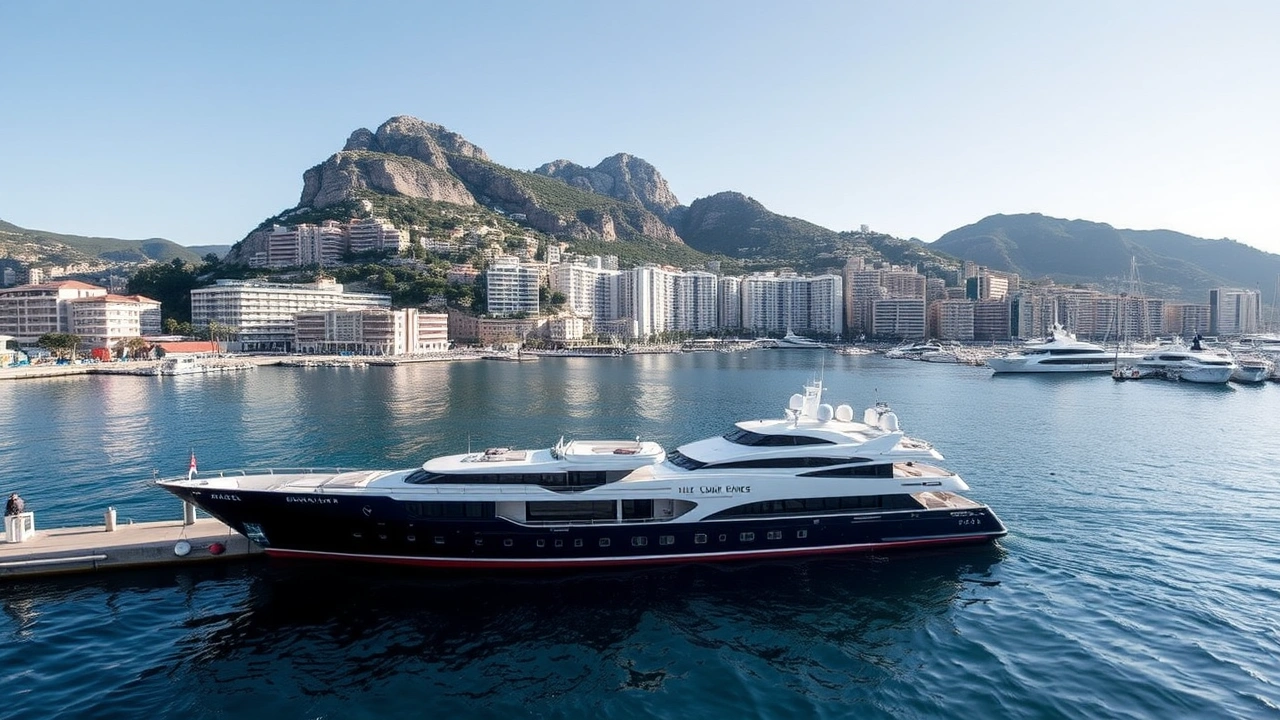
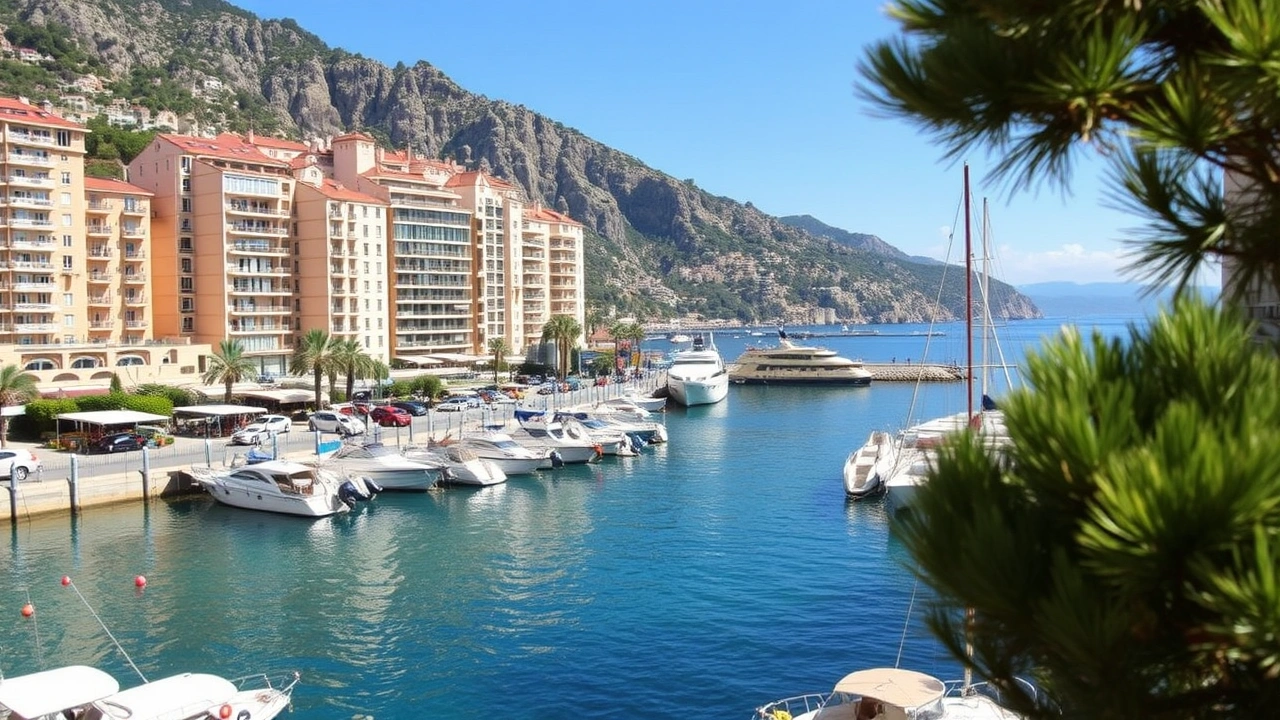
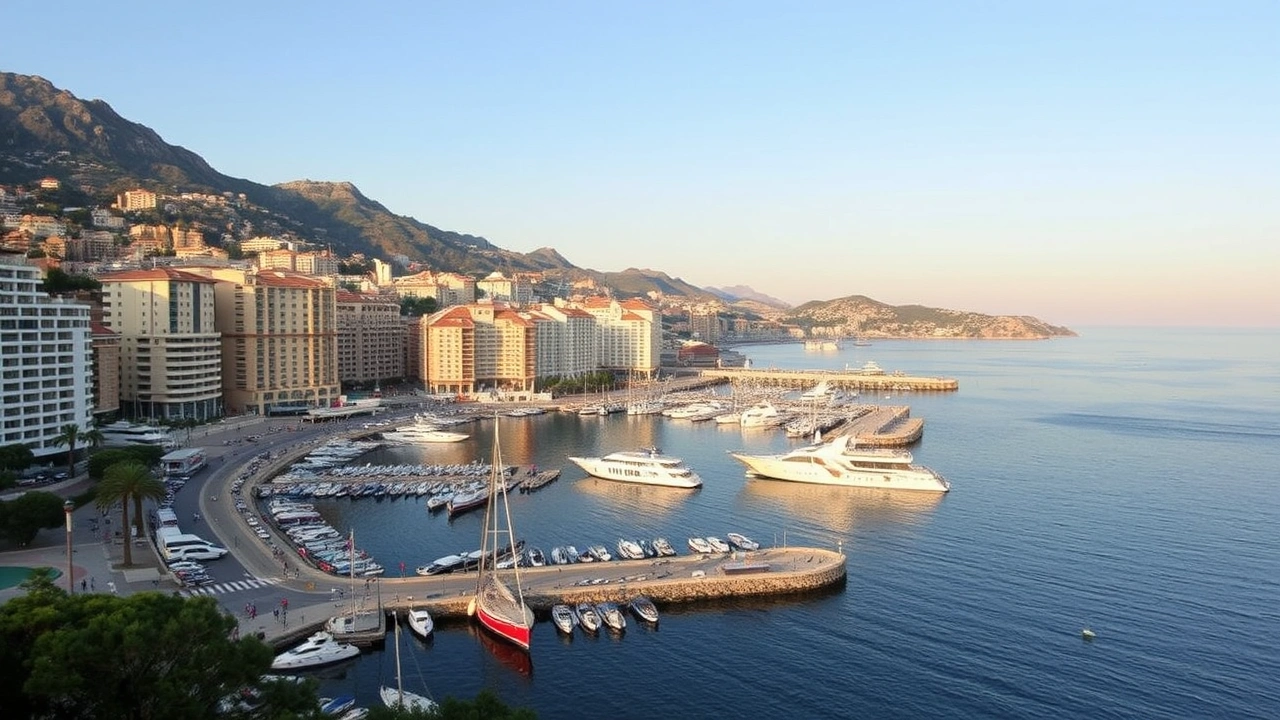
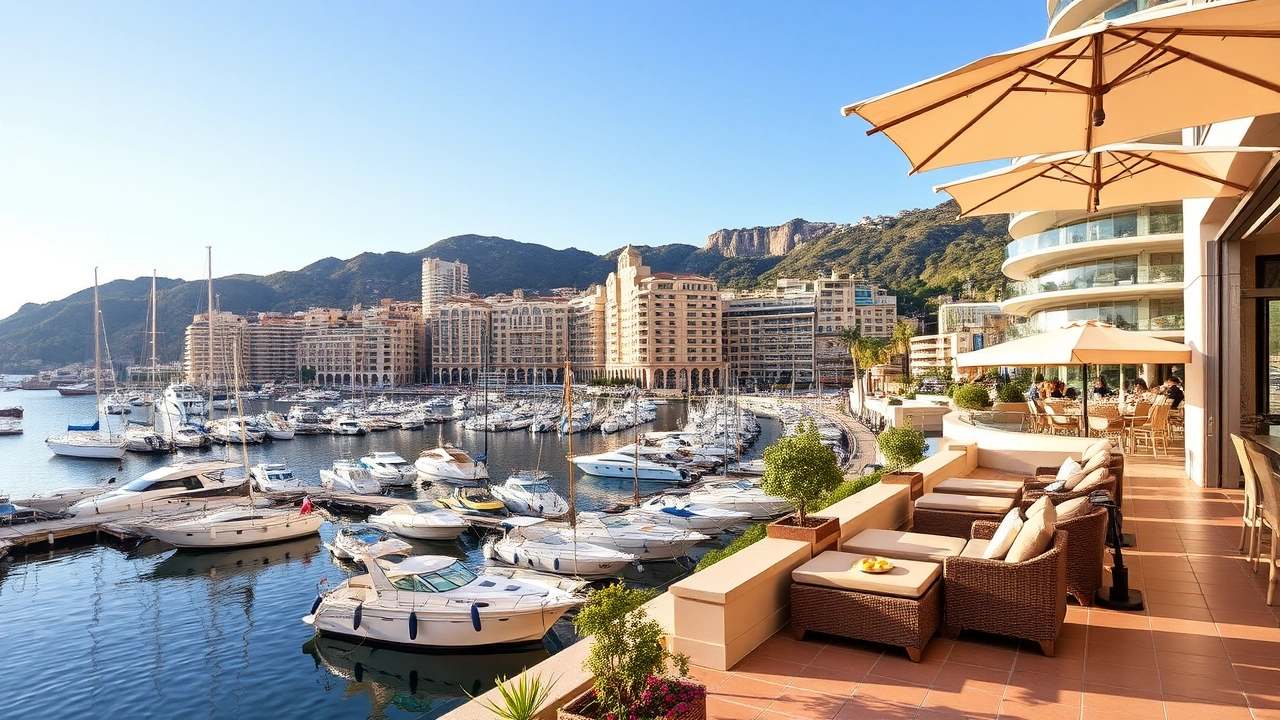
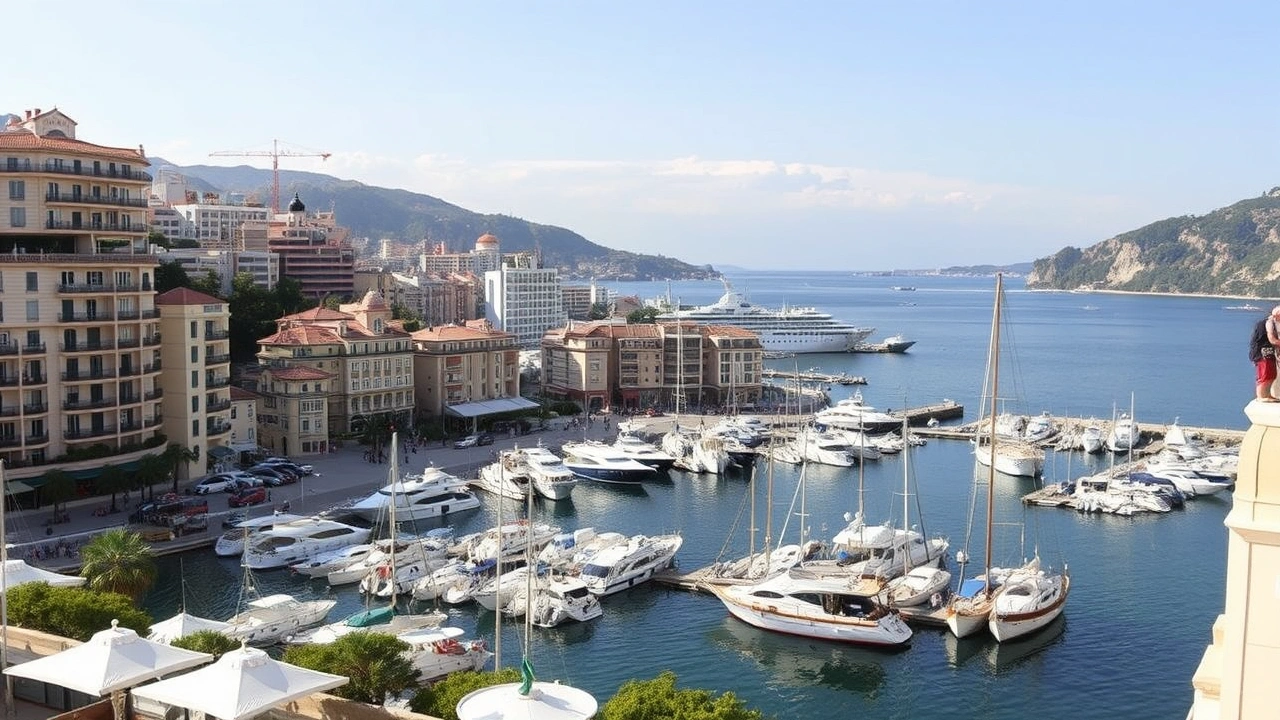
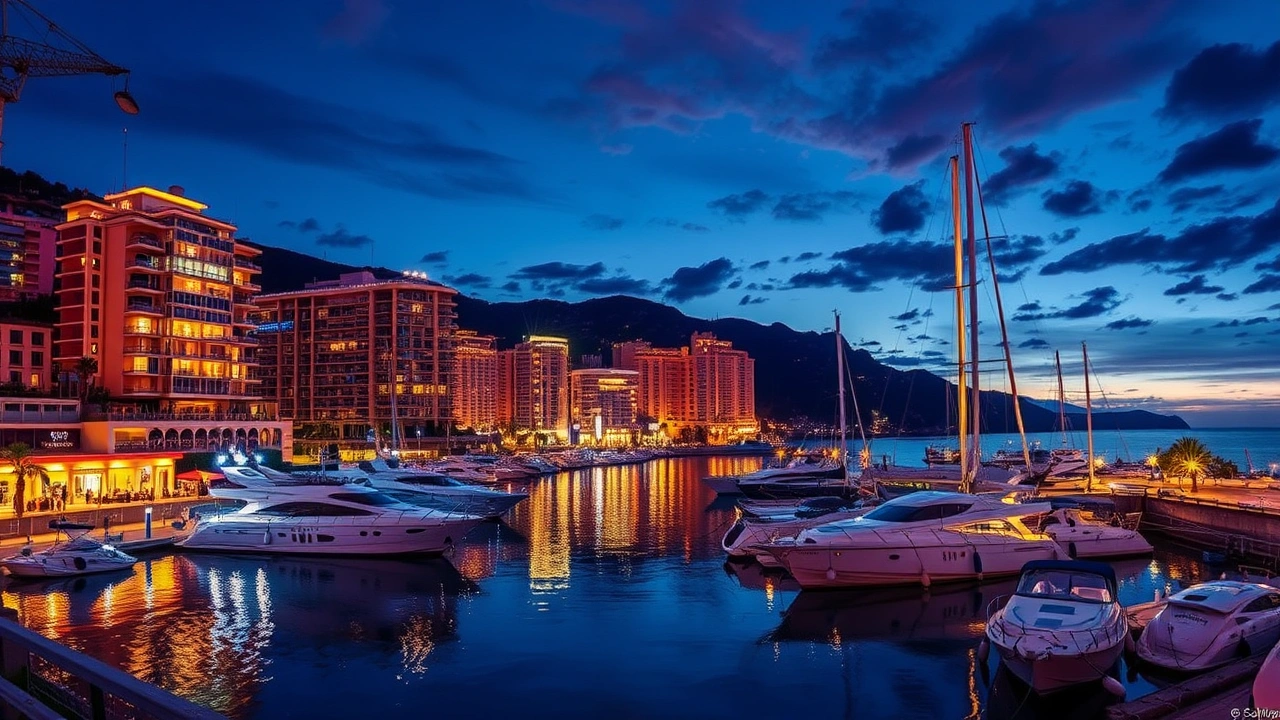
One of the major culture shocks for newcomers is the normalization of luxury. Yachts several dozen meters long, sports cars, haute couture boutiques, five‑star hotels, and gourmet restaurants are part of the daily landscape. The country is a global hub for private banking, high‑end real estate, yachting, prestige events, fashion, and jewelry.
The lifestyle is decidedly opulent: high‑society events, private clubs, residences with exceptional amenities, tailor‑made services. Yet, local culture values discretion: people don’t flaunt their wealth, they avoid crude displays, and respect for privacy is absolute (to the point where paparazzi are outlawed). It’s a unique mix: conspicuous wealth in the surroundings, restraint and reserve in behavior.
Cost of Living: Numbers That Speak Volumes
For an expat, the financial dimension is not just a detail: it structures social habits, housing choices, family integration, and even leisure. To give an idea, we can compare Monaco to France and Switzerland.
Cost of Living Comparison
| Indicator | Monaco vs. World | Monaco vs. France | Monaco vs. Switzerland |
|---|---|---|---|
| Cost of Living (excl. rent) | 6.77× higher | +59.4% | +31.5% |
| Cost of Living (incl. rent) | — | +82.2% | +64.1% |
| Average Rent | — | +94.3% | +84.6% |
| Local Purchasing Power | — | −85.4% | −142.9% |
Rents are the main source of shock for newcomers. A one‑bedroom apartment in the city center typically rents for around 6,000 euros per month, a three‑room apartment can exceed 20,000 euros and climb much higher depending on the view and the residence. For purchase, prices often approach or exceed 50,000 euros per square meter in the most sought‑after neighborhoods.
Daily expenses follow the same trend as other budget items, although the gap observed is less pronounced than for housing‑related costs.
Examples of Everyday Prices
| Product / Service | Average Price in Monaco |
|---|---|
| Liter of Milk | ~€1.88 |
| Loaf of Bread | ~€4.20 |
| Dozen Eggs | ~€3.99 |
| “Cheap” Restaurant Meal | ~€26.80 |
| 3‑Course Dinner for Two, Mid‑Range Restaurant | ~€150 |
| Monthly Public Transport Pass | ~€22 |
| Monthly Gym Membership | ~€362.50 |
In this context, many people working in Monaco actually live in neighboring French towns (Beausoleil, Cap‑d’Ail, Roquebrune‑Cap‑Martin, etc.), adding a cross‑border dimension to the local culture: many colleagues or school parents return home each evening “across the border” while still feeling strongly connected to the Principality.
A Linguistic Mosaic Dominated by French
Officially, Monaco is Francophone. The 1962 Constitution establishes French as the official language: it’s the language of administration, justice, public education, and official texts. But in daily life, the linguistic landscape is significantly richer.
Italian is very present, due to the Genoese origins of the Grimaldi family and the Italian community, which represents about 19% of the population. English is widely used in tourism, finance, and international services; about 40% of residents speak it, and a notable portion of the Monegasque elite are bilingual, or even trilingual, in French‑English‑Italian.
Monegasque is the traditional language of Monaco, of Ligurian origin. Long threatened with extinction, it is now taught in schools and valued as an important element of national identity.
Languages and Integration: A Key Cultural Issue
For an expat, the first concrete cultural difference lies in the role of French in daily life. You can certainly get by in English in hotels, restaurants, financial services, and many international companies. But for dealing with the administration, following children’s schooling in the local system, managing certain residency formalities, or simply interacting with many shopkeepers and neighbors, a minimum of French is highly preferable.
The linguistic effort is also greatly appreciated: consistently using a simple “Bonjour,” “S’il vous plaît,” “Merci,” “Au revoir” radically changes the tone of exchanges. In a culture where form matters a lot, using French, even imperfectly, is a marker of respect.
Tip for Interactions in France
Monegasque, however, remains primarily a cultural symbol. It is taught from third grade in schools, street signs in Monaco‑Ville are bilingual, the national anthem is sung in this language, and an annual Monegasque language contest reinforces its prestige. For an expat, knowing a few words is an appreciated nod, but not a functional necessity.
A Society of Luxury… But Highly Codified and Discreet
Unlike other seaside destinations with a relaxed atmosphere, Monaco combines a Mediterranean climate with the rigor of codes. You’ll find sunshine (about 300 days a year), the sea, terraces, but also a strong culture of etiquette, rank, reputation, and reserve.
Politeness, Discretion, and Respect for Boundaries
Greetings are rather formal, especially during first meetings. People shake hands while making eye contact and saying “Bonjour Monsieur,” “Bonjour Madame,” with the last name if known. Using the informal “tu” is not automatic: it is offered, and one generally waits for the older or higher‑ranking person to take that step.
Among close acquaintances, the cheek kiss (two kisses, usually starting on the right) is common, following French custom. It’s important to note that social context and situation (professional or private) play a determining role in its use. Therefore, it’s wise to assess the relationship and setting before greeting someone this way.
Discretion is a cardinal value. People avoid direct questions about wealth, income sources, private life, religion, or political views. Initial conversations favor consensual topics: culture, travel, gastronomy, sports, local news, events like the Grand Prix or artistic happenings.
This reserve is accompanied by a keen awareness of the image one projects: speaking very loudly in public, losing one’s temper in a restaurant, overusing the phone on public transport, or exhibiting obvious drunkenness are frowned upon and can even lead to sanctions in some cases (disturbing public order).
Dress Code: Elegance as a Social Norm
In Monaco, you don’t just dress for yourself; you also dress to show respect for the place and the people. The dress code is another area of strong cultural differences for newcomers.
In work environments like finance, law, luxury, or high‑end hospitality, attire is generally very formal. For men, this means wearing a suit or blazer, and for women, a dress or tailored suit. Shoes should be polished, and accessories should be discreet but of high quality.
In upscale restaurants, evening events, galas, private clubs, or the Monte‑Carlo Casino, elegance is expected. Sneakers, shorts, and T‑shirts may result in being refused entry to certain establishments. Conversely, a carefully chosen outfit facilitates social acceptance and integration into networks that are highly sensitive to appearances.
In daily life, even so‑called “casual” attire remains neat: well‑cut clothes, quality fabrics, subdued colors. Walking shirtless in town, moving around in swimwear away from the beach, or walking barefoot on public streets are simply prohibited by regulation.
Social Relations: Between Cosmopolitanism and Closed Circles
Monaco is both highly international and relatively closed. Over 75% of residents were born abroad, more than 130 nationalities are present, economic life is globally oriented. But social circles can remain highly segmented: Monegasque families, foreign high‑net‑worth individuals, expat executives, cross‑border workers, service industry workers, etc.
This duality has a strong impact on the experience of newcomers.
A Culture of Networks, Clubs, and Circles
Personal relationships play a decisive role, both socially and professionally. People meet a lot in clubs, associations, professional networks, charity events, and private circles.
Discover the main organizations that animate the community life of international residents in Monaco.
A dynamic club fostering exchanges and connections among the Principality’s international residents.
Represents and supports French citizens residing in Monaco and abroad.
Brings together the local British community around social and cultural events.
Expands the network beyond Monaco to the entire French Riviera.
A central association for foreign residents, organizing numerous activities.
Promotes Monaco internationally and strengthens ties with the business community.
Online groups like “Monaco Expats” or “Expat Women in Monaco” for daily exchanges.
These structures offer dinners, conferences, sports activities, networking evenings, language classes, cultural workshops. They are often the most direct way to enter circles that would otherwise be quite hermetic.
Integration: A Multi‑Level Process
Many expats describe a real “adaptation curve.” On one hand, the safety, cleanliness, climate, quality of infrastructure, and prestige of events give the impression of having arrived in an ideal setting. On the other hand, the high cost of living, urban density, formality, the weight of reputation, and highly structured social circles can create a feeling of distance.
Studies and testimonials highlight that the main difficulties encountered during expatriation are the language barrier, job access, administrative procedures for residency permits, high rental costs, and social repositioning, which can generate a sense of disconnect.
Succeeding in integration therefore requires action on several fronts: learning or improving your French, joining clubs or associations, participating in major local events (National Day, Sainte‑Dévote, sports or artistic events), understanding professional codes, anticipating children’s schooling and healthcare access, and accepting that all this takes time.
Etiquette in Daily Life: Meals, Invitations, Religion, Public Space
Beyond the broad principles, some very concrete habits structure social life and sometimes surprise newcomers.
Table Manners, Heavily Influenced by French Tradition
Gastronomy holds a special place in cultural life. Monaco offers a broad spectrum, from local specialties (barbagiuan, stocafi, Mediterranean dishes) to a constellation of Michelin‑starred restaurants, notably around Casino Square (Hôtel de Paris, Café de Paris, restaurants of renowned chefs).
Sharing a meal is often an important social act, whether for business or private life. It’s generally expected that everyone is served and that the host begins before others start; a “Bon appétit” is said, utensils are held “the French way,” elbows stay off the table. Moderation in alcohol consumption is the norm, as public drunkenness is poorly perceived.
When you are invited, it is essential to arrive on time or with a slight delay described as “à la méditerranéenne,” but never excessively late. Bringing a small gift, such as a carefully chosen bottle of wine, chocolates, or flowers (avoiding white, associated with funerals), is part of basic social codes. These details, though seemingly minor, significantly influence the quality of the relationship with your host.
Religion, Holidays, and the Local Calendar
The Catholic religion is very present in Monegasque culture. Approximately 90% of the population identifies as Catholic, many official ceremonies have a religious dimension, and several holidays structure the year: the Feast of Sainte‑Dévote in late January, National Day in November, major dates of the liturgical calendar (Christmas, Easter, Assumption, All Saints’ Day, Immaculate Conception, etc.).
Religious calendar days are public holidays, leading to the closure of many shops and traffic modifications due to events. Furthermore, proper attire (covered shoulders, no short shorts) and a respectful attitude (silence) are required in places of worship like the Cathedral or the Sainte‑Dévôte Chapel during services.
Use of Public Space: Civility and Regulation
Monaco enforces strict rules regarding public order. Begging is prohibited, as are certain behaviors deemed inappropriate: sloppy attire in certain areas, public alcohol consumption, repeated noise disturbances, vandalism. Fines can be significant.
In transport and collective spaces, expectations align with those of many European societies, but with perhaps a stronger sensitivity to the notion of “decorum”: avoid speaking loudly, readily offer your seat to the elderly, pregnant women, or people with disabilities, refrain from eating pungent‑smelling food. Again, the issue is as much about civic-mindedness as image: in such a small city‑state, everyone is highly visible.
The World of Work: Formalism, Hierarchy, and the Importance of Networks
The professional landscape in Monaco is deeply marked by the sectors dominating the economy: banking and finance, real estate, yachting, luxury tourism, legal and accounting services, organization of high‑end events. This specialization creates a highly structured work environment, where both high technical skills and perfect mastery of relational codes are expected.
A Formal and Hierarchical Professional Environment
Companies, especially in traditional sectors (banking, insurance, law, real estate), operate with clear hierarchical structures. Decisions are generally made at the top, communication flows through well‑defined channels, and respect for titles and functions is central.
In exchanges, form matters a lot: one addresses a superior as “Monsieur” or “Madame” followed by the last name, maintains a certain distance initially, and avoids premature familiarity. Professional emails remain highly codified, close to French standards (polite formulas, formal style).
Despite a few agile exceptions, the Monegasque ecosystem is generally cautious regarding innovation. Risk‑taking is measured, innovative projects must be backed by a solid track record or a very convincing business plan, and failure can durably affect professional reputation.
Communication Style: Diplomacy and Indirectness
Cultural differences also manifest in how things are said. Direct confrontation, harsh criticism, or aggressive humor go down very poorly. Nuanced phrasing, suggestions rather than commands, and constructed arguments rather than power plays are preferred.
In a meeting, one avoids interrupting, lets everyone present their point of view, and disagreements are expressed subtly (“I understand your point, but…”, “It might be preferable to…”). This diplomacy doesn’t exclude firm decisions but softens their delivery.
For expats from more direct cultures (Anglo‑Saxon, Nordic, or Germanic), French‑style communication can be disorienting. Developing the ability to read between the lines, decode subtle signals, and spot implicit consensus is as crucial a skill as technical competencies for successful professional integration.
Negotiation and Decision‑Making Time
Negotiations take time. Building the relationship, establishing trust, demonstrating ethical integrity and a good reputation are indispensable prerequisites, especially in financial and real estate sectors where stakes are high.
Decisions involving a company or a wealthy family are not made hastily. One must therefore accept a sometimes slower pace than hoped, multiply meetings, provide highly documented files, revisit certain points to provide reassurance.
Professional meetings often spill over into lunches or dinners, sporting events, charity evenings. This blending of professional and social spheres is not so much a confusion of roles as a way to evaluate the person as a whole: seriousness, reliability, public behavior, ability to adapt to local codes.
Tax Culture and Relationship with Money: An Assumed Singularity
To talk about Monaco without talking about taxes would be absurd, as taxation is part of the country’s DNA and influences its demographics and economy. But here again, simplistic representations (“tax haven” in the caricatured sense) don’t do justice to the system’s subtleties.
No Income Tax… But a Strong Culture of Compliance
For the majority of residents (excluding special cases, notably some French nationals), there is no income tax, no wealth tax, no annual property tax, no residential tax, no capital gains tax on real estate located in Monaco, no specific levy on dividends or interest.
Social security contributions on salaries can represent between 15% and 25% of income.
Furthermore, the culture of banking confidentiality, once romantically associated with Monaco, has evolved profoundly. The country now participates in automatic exchange of financial information (CRS standard) with nearly a hundred jurisdictions and has its own financial intelligence unit (SICCFIN). Banks apply strict know‑your‑client procedures, and property‑owning structures are subject to increased transparency obligations.
This is a major cultural difference: people come to Monaco for its favorable tax regime, but must get used to an environment of demanding compliance, where fund traceability and the solidity of legal structures are scrutinized.
Perception of Wealth and Social Norms
The density of high‑net‑worth individuals has a significant psychological and cultural impact. People who were at the top of the income scale in their home country may feel “average” or even modest in Monaco compared to the colossal fortunes that structure economic and social life.
Expatriation changes implicit expectations regarding consumption, housing, school choice, extracurricular activities, travel, and donations. This shift in reference points can be stimulating for some but generate social pressure that’s difficult to manage for others.
The norm, however, remains a certain sobriety in expressing that wealth: reputation hinges on the quality of commitments, seriousness in business, loyalty to local networks, and respect for customs, more than on flaunting material possessions. In such a small country, collective memory is long, and a faux pas can cost dearly in symbolic capital.
Family, Education, and Health: Strong but Demanding Systems
For expat families, Monaco has two major advantages: a high‑performing school system, largely inspired by the French model, and a very high‑level healthcare offering. But these advantages come with access constraints and costs that must be anticipated.
Schools: A Highly Structured Franco‑Monegasque System
Schooling is compulsory from ages 6 to 16, with the possibility of starting kindergarten at age 3. The system is overseen by the Department of National Education, Youth, and Sports, and relies heavily on French curricula (schedules, exams, baccalauréat), with local specificities: teaching of Monegasque, history of Monaco, artistic, sports, or international options.
Public schools are free and renowned for the quality of their teaching (baccalauréat success rate close to 100%). There are also private schools under contract (state‑subsidized but required to follow the same curricula) and independent international schools, like the International School of Monaco, which offers a bilingual French‑English curriculum and the International Baccalaureate.
Access to Monaco’s public schools is subject to a strict order of priority: first, children who are Monegasque or have a Monegasque parent; then, children of residents; and finally, certain children of cross‑border workers whose parents work in the Principality. Enrollments, tightly regulated in terms of timing, require a complete file including residency certificates, birth certificates, and school reports.
In international schools, tuition fees can reach around 20,000 to 23,000 euros per year for secondary school. This is a key point for expats: Monaco’s culture of educational excellence comes with substantial costs in the private sector, on top of already very high rents.
Health: An Exceptional Level, Provided You Are Well Insured
Monaco’s healthcare system is often described as one of the most efficient in the world, with a mix of well‑equipped public and private structures. The public hospital, the Princess Grace Hospital Centre, offers 24‑hour emergency care, various specialties, and state‑of‑the‑art equipment. Alongside it, several private clinics and specialized centers (cardiology, geriatrics, sports medicine, etc.) complement the offering.
Residents working in Monaco are required to contribute to the Monaco Social Security Funds, with distinct schemes for the self‑employed and state employees. The system typically reimburses 80% of costs according to a fixed scale, with full coverage possible in certain cases. Dependents (spouse, children) can benefit from coverage, even if they reside in the Alpes‑Maritimes department of France.
But for expats, especially those not locally employed, the insurance question is crucial. Without adequate coverage, the bill can be steep: several hundred euros per night of hospitalization, specialized consultations at high rates, childbirth costing several thousand euros, etc. Authorities often require proof of health insurance to issue a residency permit.
The local culture in this matter is clear: you don’t improvise. It is highly recommended to take out an international private insurance policy or a suitable complementary insurance (mutuelle), in addition to the mandatory scheme, to cover out‑of‑pocket costs, access to private facilities, certain dental or optical care, and even repatriation in case of serious problems.
Conclusion: Relocating to Monaco, a Change in Dimension More Than Scenery
Relocating to Monaco is not just about settling in the sun with a favorable tax regime. It’s entering a highly structured micro‑world where security is maximal, social expectations are high, codes are sophisticated, international diversity is real but framed, and the cost of any mistake – legal, financial, or behavioral – is potentially significant.
The major cultural differences play out as much in form (language, politeness, attire, hierarchy, etiquette) as in underlying structures (weight of finance, hyper‑concentration of wealth, unique taxation, urban density, control of public space, central role of networks). This combination gives Monaco a very particular identity: a mix of Mediterranean warmth, European formality, cosmopolitan high‑society, and regulatory rigor.
To succeed in settling in Monaco, it is crucial to understand and accept in advance the cultural and administrative specificities of the Principality. This involves working on your French, anticipating your budget and insurance, researching schools, familiarizing yourself with residency rules, and patiently building your professional and social network. This preparation allows you to fully benefit from the exceptional advantages Monaco offers: security, climate, high‑quality infrastructure, efficient health and education systems, international events, and privileged access to business circles and high‑level networks.
Monaco cannot be tamed in a few weeks, but those who take the time to understand its subtleties find much more than a luxurious setting: a genuine culture, with its traditions, demands, opportunities, and unique codes.
A 62‑year‑old retiree, with a financial portfolio exceeding one million euros diversified across Europe, wanted to transfer his tax residence to Monaco to reduce his personal tax burden and diversify his investments, while maintaining strong ties with France. Budget allocated: 10,000 euros for comprehensive support (international tax advice, administrative procedures, wealth structuring, and relocation follow‑up), without forced sale of existing assets.
After comparing several attractive destinations (Greece, Cyprus, Mauritius, Andorra), the chosen strategy targeted Monaco for its absence of income tax for non‑commercial individuals, political stability, high‑end banking environment, and immediate proximity to France. The assignment included: pre‑expatriation tax audit (exit tax, FR‑MC tax treaties), obtaining the Monegasque residency permit with proof of housing and financial capacity, transfer of banking residence, plan to sever French tax ties (duration of stay, center of economic interests), and integration into a local network (lawyers, private banks, family offices). This approach enabled a massive reduction in tax burden, while managing risks of dual tax residence and French audits.
Planning to move abroad? Contact us for custom offers.
Disclaimer: The information provided on this website is for informational purposes only and does not constitute financial, legal, or professional advice. We encourage you to consult qualified experts before making any investment, real estate, or expatriation decisions. Although we strive to maintain up-to-date and accurate information, we do not guarantee the completeness, accuracy, or timeliness of the proposed content. As investment and expatriation involve risks, we disclaim any liability for potential losses or damages arising from the use of this site. Your use of this site confirms your acceptance of these terms and your understanding of the associated risks.

Cyril Jarnias is an independent expert in international wealth management with over 20 years of experience. As an expatriate himself, he is dedicated to helping individuals and business leaders build, protect, and pass on their wealth with complete peace of mind.
On his website, cyriljarnias.com, he shares his expertise on international real estate, offshore company formation, and expatriation.
Thanks to his expertise, he offers sound advice to optimize his clients' wealth management. Cyril Jarnias is also recognized for his appearances in many prestigious media outlets such as BFM Business, les Français de l’étranger, Le Figaro, Les Echos, and Mieux vivre votre argent, where he shares his knowledge and know-how in wealth management.