 Published on and written by Cyril Jarnias
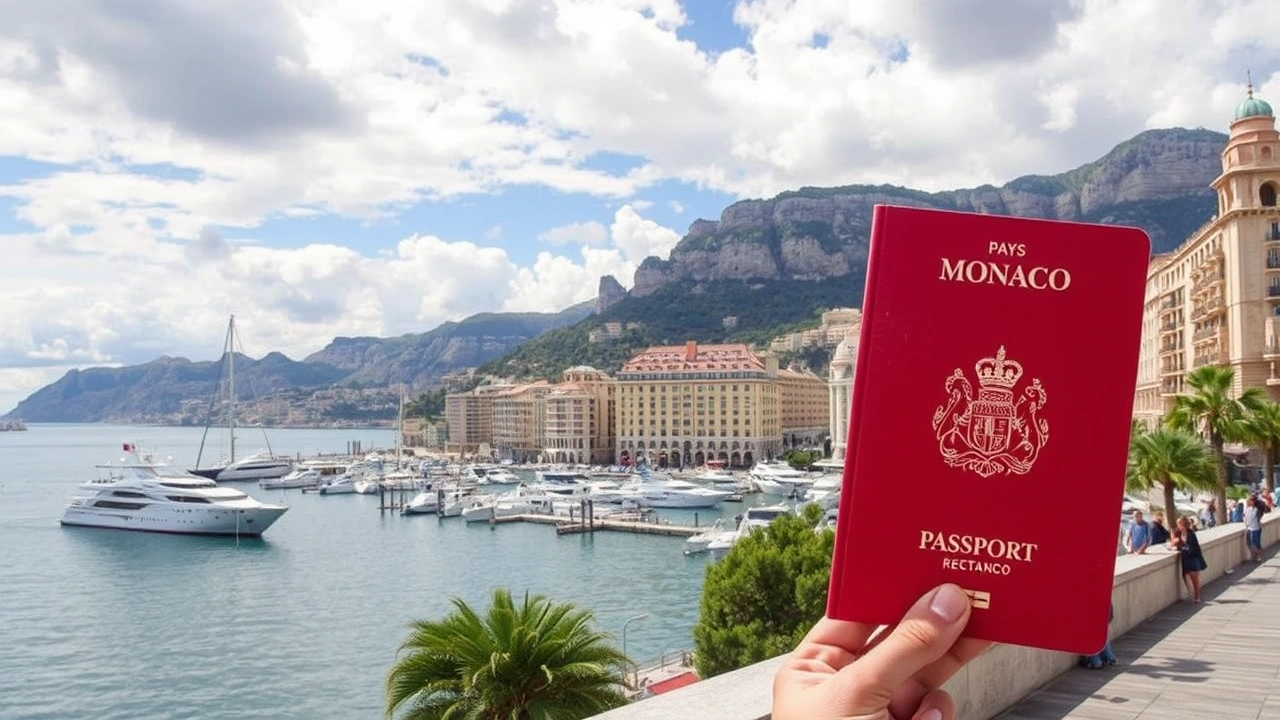
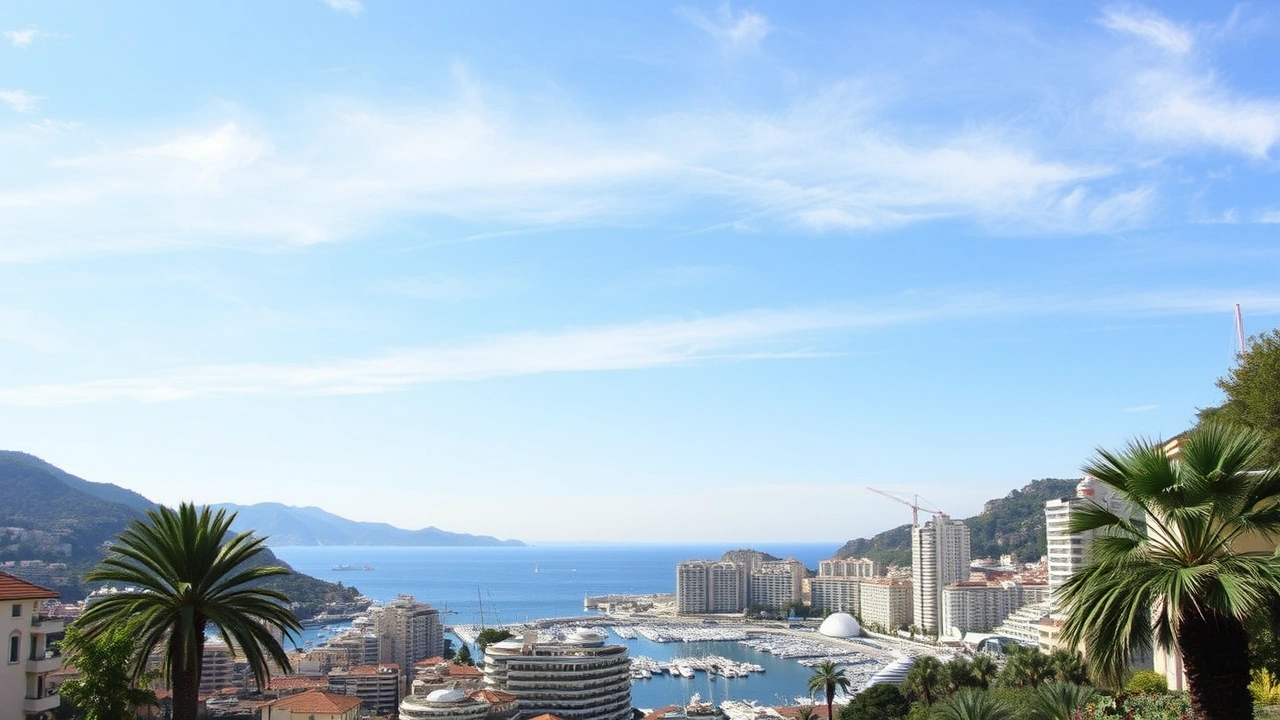
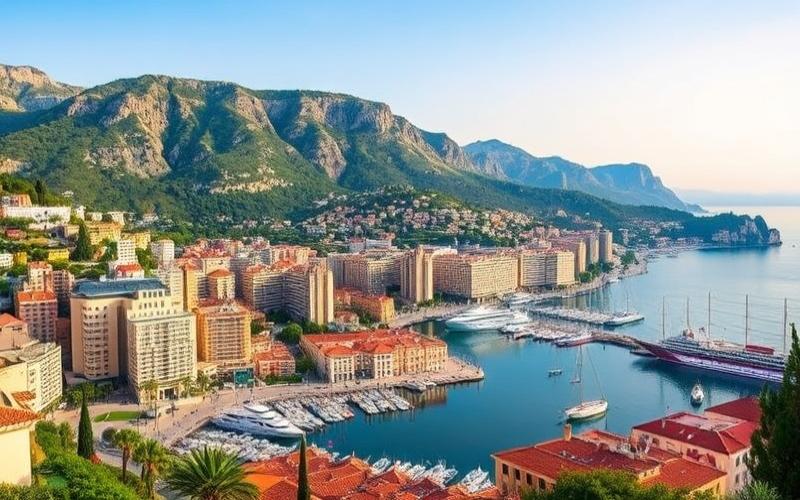
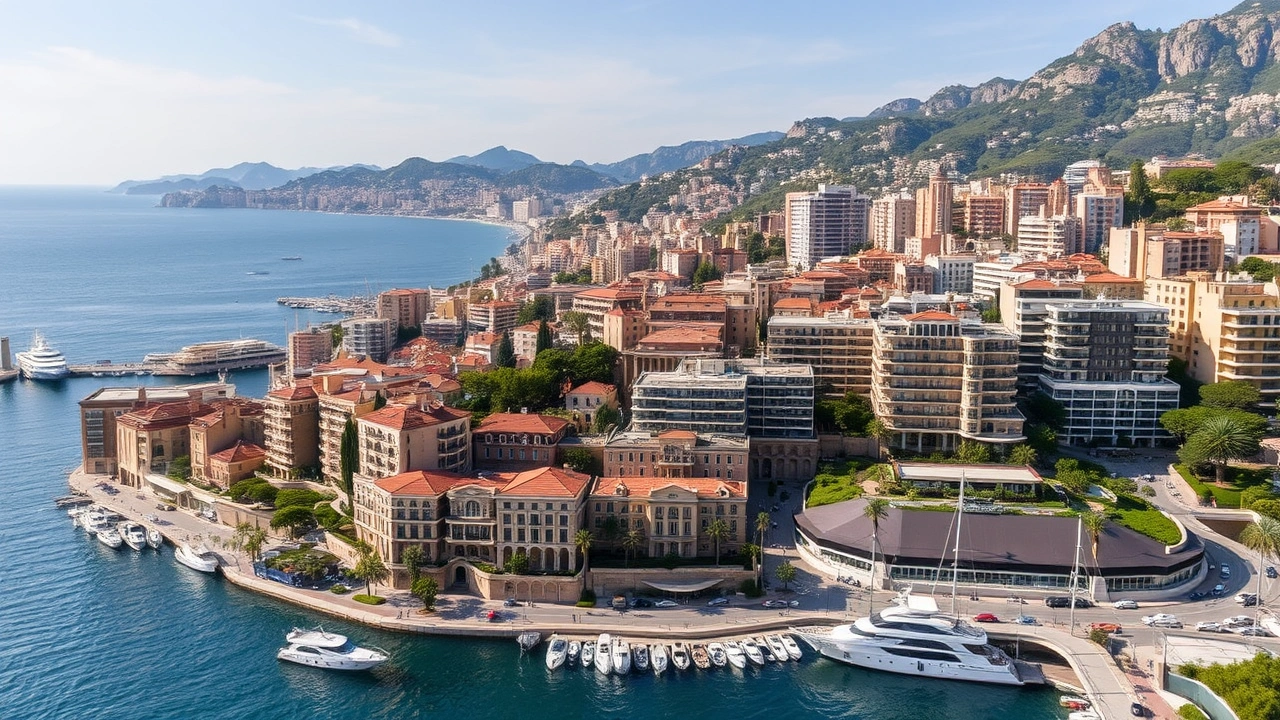
Living in Monaco is a dream for a large part of the world. Between near-absolute security, favorable taxation, sunny climate, and international prestige, the Principality concentrates on a 2 km² territory one of the most expensive and selective real estate markets in the world. For an expatriate, the real question is therefore not whether Monaco is attractive, but rather in which neighborhood to settle.
Each district of Monaco (Monte-Carlo, Larvotto, Fontvieille, etc.) has its own personality, ambiance, price level, and specific advantages, attracting different populations such as families, entrepreneurs, or retirees. With over 75% of residents born abroad and more than 130 nationalities, choosing the neighborhood is a key step for settling in the Principality.
In this context of land scarcity, with square meter prices that can exceed €100,000 and often “off-market” deals, choosing the right neighborhood is crucial. Overview of the most sought-after areas for expatriates in Monaco, their advantages, and the reality of the budgets one must consider today.
An extremely tight real estate market, a common context for all neighborhoods
Before going into detail about the neighborhoods, one must understand the general framework. With a territory of only 2.02 km² and the status of the world’s second smallest country, Monaco has a structurally limited housing stock. This scarcity, combined with constant international demand, makes the Principality one of the most exclusive real estate markets in the world.
The average resale price per square meter in the real estate market, across all areas, is €51,967.
The market is dominated by apartments, with single-family homes and villas being extremely rare. The most sought-after properties are 2 to 4-room units, particularly three and four-bedroom apartments for families, with a significant premium for properties with terraces, unobstructed sea views, and proximity to schools and services. Transactions are often quick, the market remains seller-oriented, and a significant portion of prestige sales occur outside public channels via private networks.
The average rent in Monaco is estimated at €91 per m² per month, one of the highest in Europe.
In this general landscape, certain neighborhoods particularly stand out for expatriates. Each one caters to a specific profile: families seeking schools and parks, entrepreneurs looking for the nerve center, retirees prioritizing calm and views, wealthy nomads fond of beach life.
Monte‑Carlo and the Carré d’Or: The beating heart of luxury
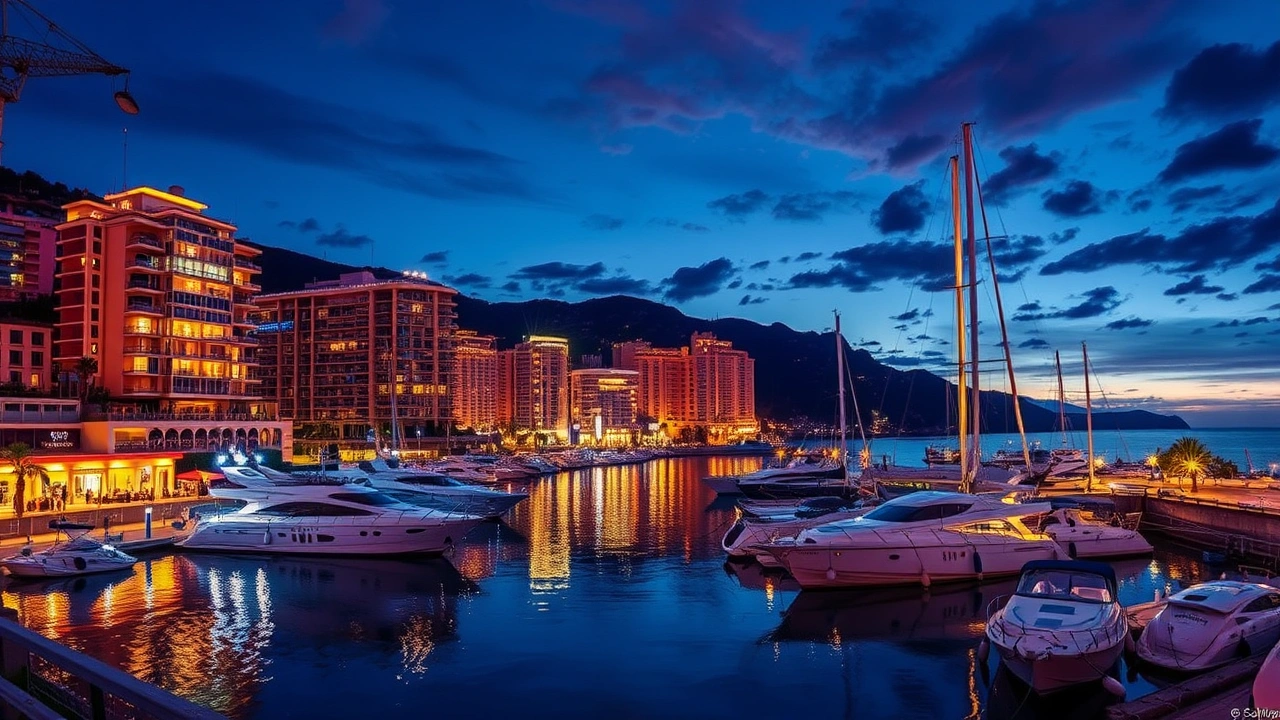
Monte‑Carlo remains the absolute symbol of Monaco in the collective imagination. This is where the Monte‑Carlo Casino, luxury hotels, high-end boutiques, starred restaurants, and the famous Carré d’Or, the epicenter of Monegasque glamour, are concentrated. For many wealthy expatriates, it is the “natural” address when they settle in the Principality.
Monte‑Carlo is a lively neighborhood, close to the sea, featuring a mix of carefully renovated Belle Époque buildings and ultra-contemporary residences with service levels akin to luxury hotels. The Carré d’Or, a micro-sector around the Casino Square, is dedicated essentially to the ultra-high-end, with buildings like One Monte‑Carlo, 26 Carré d’Or, Park Palace, or La Petite Afrique.
The Monte-Carlo real estate market is extremely tight, with an average price of around €51,628/m². 80% of transactions fall between €50,000 and €70,000/m², and exceptional properties can exceed €100,000/m². For more constrained budgets, more remote sectors, such as towards the French border or the Roses and Géraniums streets, offer prices around €40,000/m².
For rentals, the range is correspondingly high: a studio can start around €2,000 per month but easily climbs to around €2,800 near the Carré d’Or. 2-3 room units and large family apartments, especially in prestige buildings, trade at significantly higher levels.
Record sale price per square meter that can be reached in Monaco’s Carré d’Or, a super-luxury neighborhood.
For expatriates, Monte‑Carlo and its Carré d’Or clearly target those who prioritize absolute prestige, the “everything on foot” lifestyle to the best restaurants, shops, and social events (Grand Prix, Monte‑Carlo Fashion Week, concerts and operas, gatherings at the Yacht Club), and who have a budget to match. It is also the gateway to many professional and social networks, attracting executives, international entrepreneurs, financiers, and celebrities.
Larvotto: Life with your feet in the sand
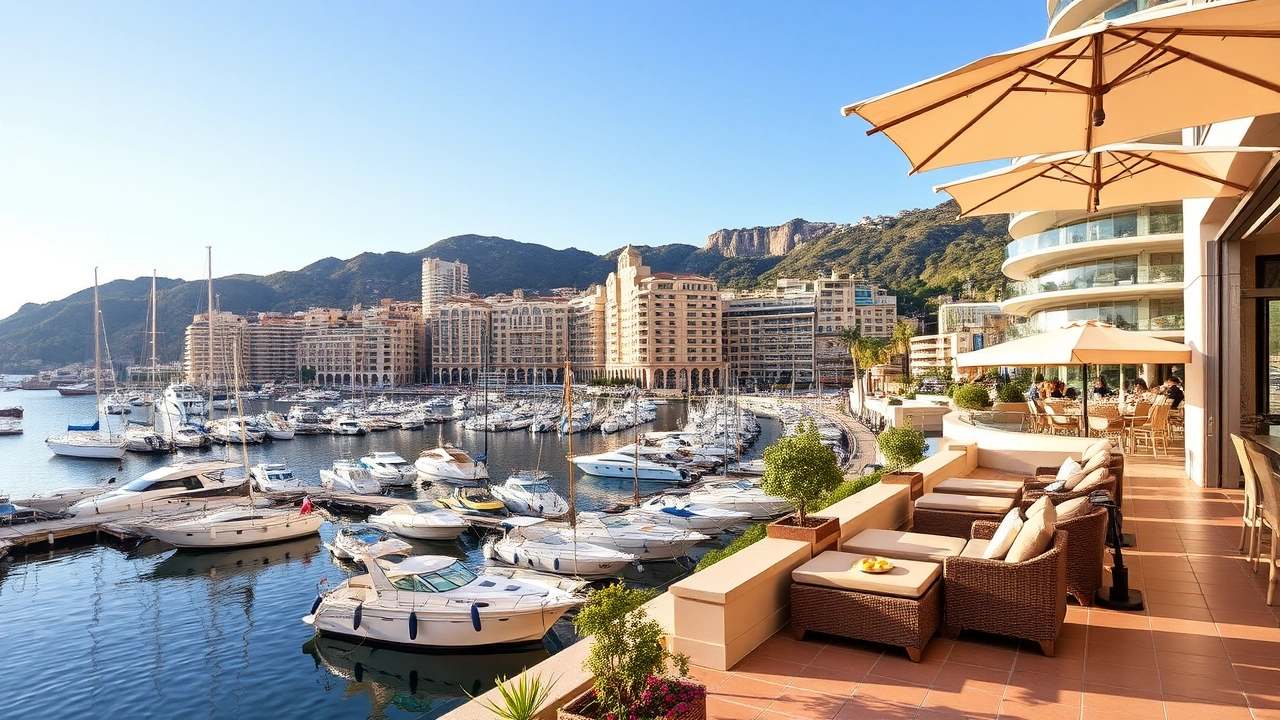
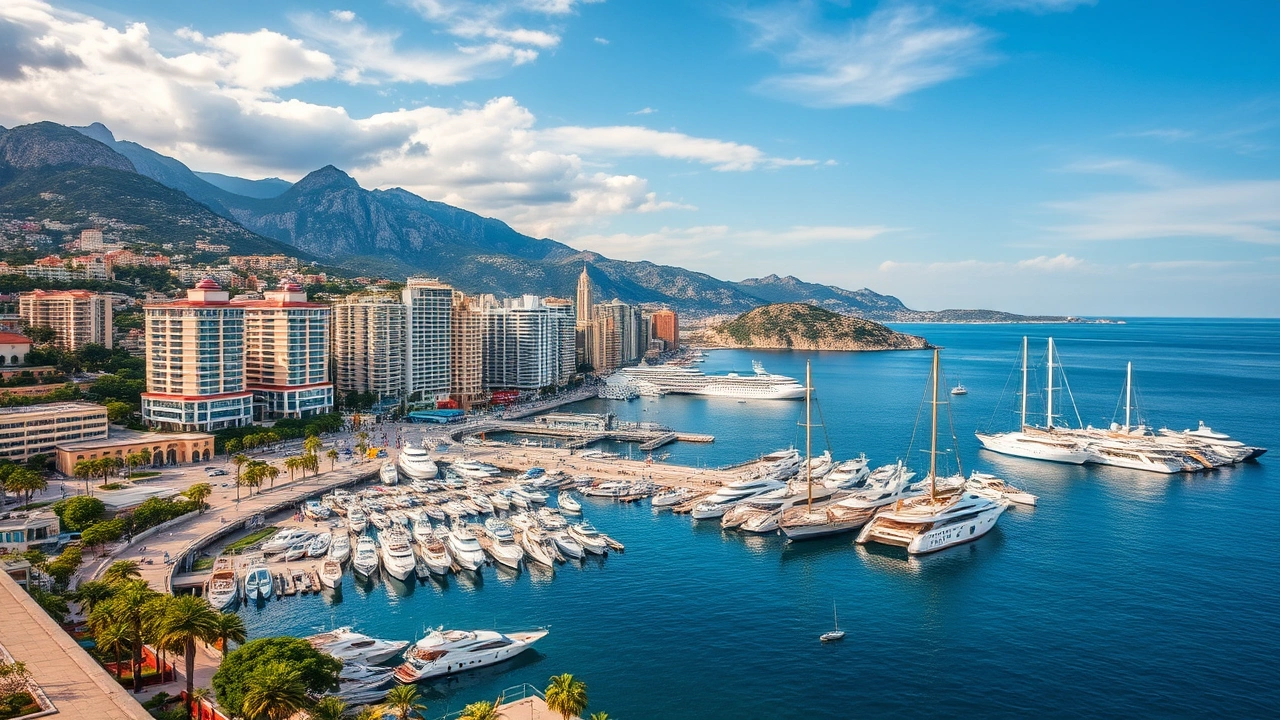
On the eastern edge of the Principality, Larvotto is the major beach neighborhood of Monaco and one of the most popular among expatriates for a year-round “resort” lifestyle. This is where the country’s only large public beach is located, about 400 meters long, with clear water, complete facilities (showers, changing cabins, first aid stations, accessibility equipment), and a promenade recently reinvented.
The seafront is structured by Princess Grace Avenue, often cited among the most expensive streets in the world for real estate, and by the Larvotto Boulevard. You’ll find iconic residences like La Réserve, La Tour du Larvotto, Palais de la Plage, 21 Princesse Grace, as well as recent or developing complexes like Bay House or the new seaside neighborhood Mareterra (Anse du Portier), designed in part by architect Renzo Piano.
The La Croisette beach reopened in summer 2021 after a major transformation. The project, including an esplanade designed by Renzo Piano, added 130 trees, a 300 m² playground, a bike path, sports facilities, a fountain, and new businesses (restaurants, bars, ice cream shops). Summer evenings are animated by live music, offering a festive yet family-friendly atmosphere.
Culturally, Larvotto is home to the Grimaldi Forum, a major convention and performance center hosting exhibitions, ballets, operas, international trade shows, and the Top Marques luxury car show. Nearby are also the Sporting Monte‑Carlo with its Salle des Étoiles with a retractable roof, venue for high-level concerts and galas, as well as the Japanese Garden, a 7,000 m² public park offering a Zen oasis between sea and city.
The residential offer consists mainly of luxury apartments and penthouses with large terraces and frontal views of the Mediterranean. The urbanization of Larvotto, authorized in 1966 by a decree from Prince Rainier III, saw more than a third of the neighborhood reclaimed from the sea, with the construction of seawalls, beaches, and buildings with exceptional views. Demand is extremely strong and supply limited; in some buildings like Columbia Palace or Roccabella, many apartments are only available for rent, with waiting lists of several years.
Average price per m² in 2024 in Monaco’s most expensive neighborhood, Larvotto.
To give a comparative overview of some price indicators in key coastal neighborhoods:
| Neighborhood / Sector | Average Price / m² (approx.) | Frequent Range / m² | Positioning |
|---|---|---|---|
| Larvotto (global) | ~€65,857 | €50,000 – €80,000 (seafront) | Most expensive |
| Monte‑Carlo (excluding Carré d’Or) | ~€51,628 | €50,000 – €70,000 | Ultra-prime |
| Carré d’Or (Monte‑Carlo sub-sector) | > €90,000 | peaks ≥ €100,000 | Hyper-luxury |
| Mareterra (new seafront) | n.a. (average) | €90,000 – €130,000 (market data) | Super-prime |
For expatriates, Larvotto particularly attracts families and couples seeking a beach lifestyle, with an environment perceived as very safe, a density of local services (pharmacies, medical offices, shops, supermarkets, schools, daycares, sports clubs), and a friendly atmosphere year-round. It embodies both the postcard Monaco – yachts, iconic hotels like the Monte‑Carlo Bay or Le Méridien Beach Plaza, clubs like Jimmy’z or Twiga – and an almost classic Mediterranean daily life, rhythmed by the beach, jogging on the promenade, or coffee by the water.
Fontvieille: The “new Monaco” for families and professionals
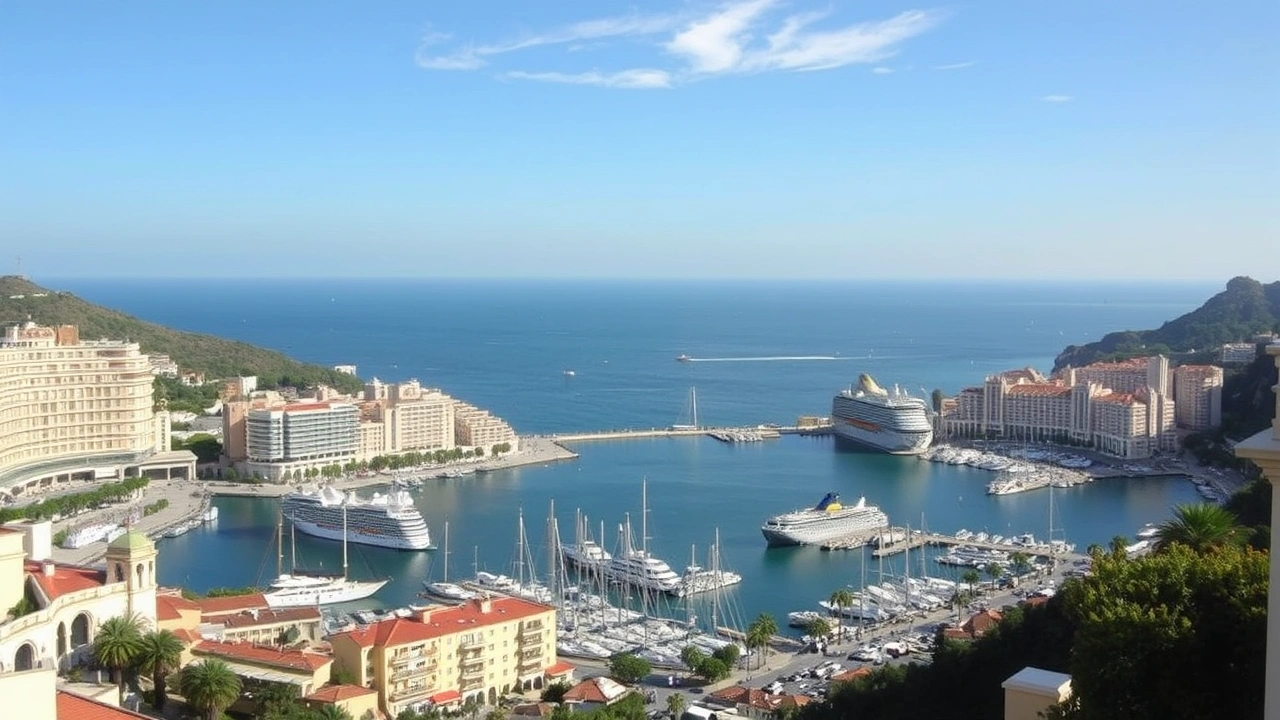
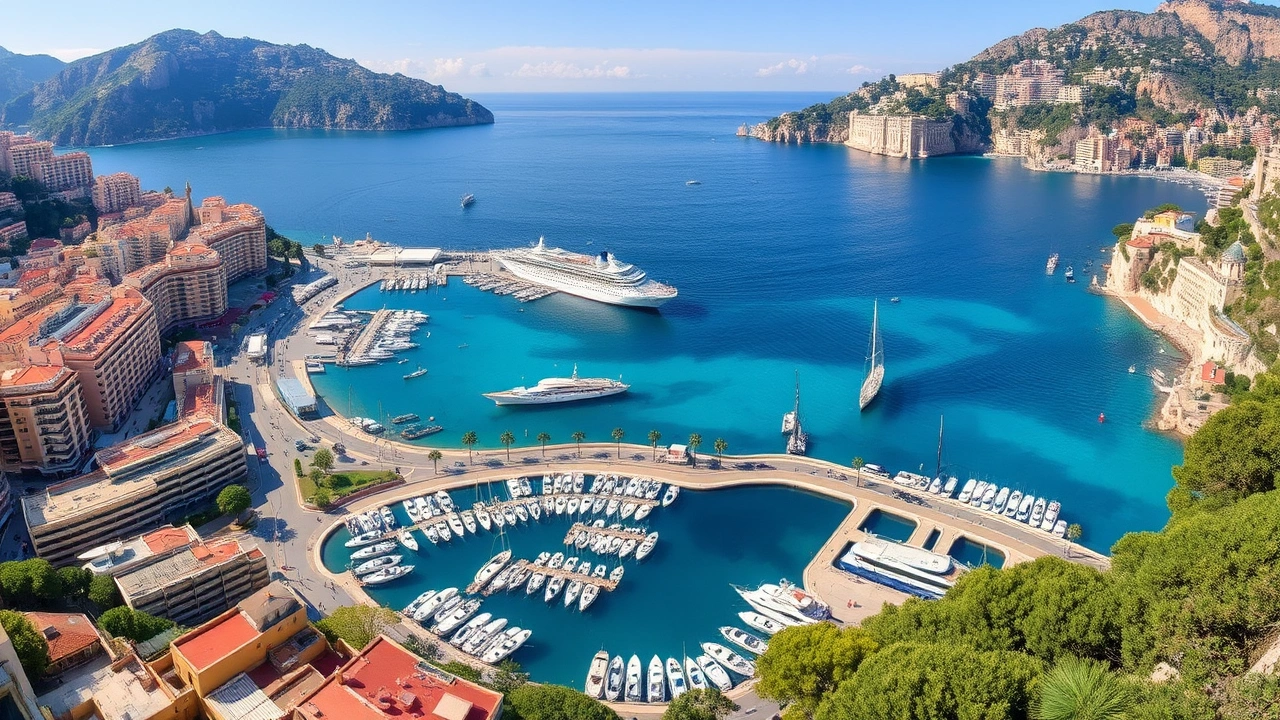
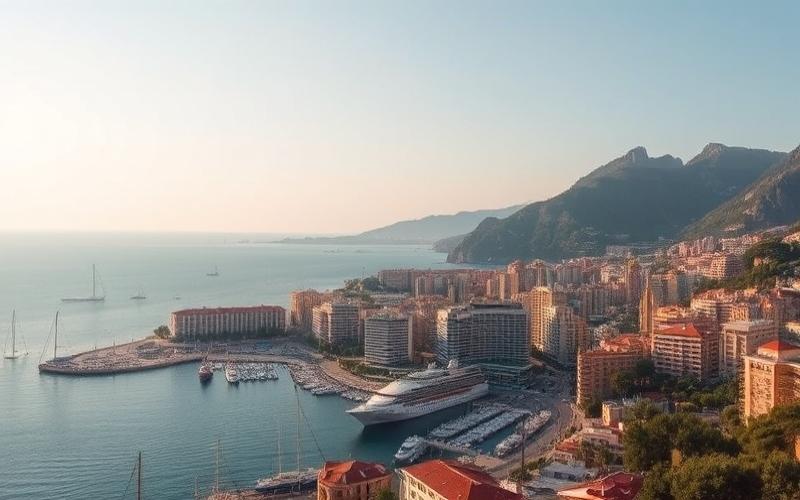
Geographically opposite Larvotto, on the west and south side, Fontvieille illustrates Monaco’s ability to reclaim land from the sea for development. It is the most recent of the Principality’s major neighborhoods, built almost entirely on land reclaimed from the Mediterranean as part of a project launched in 1966 under the impetus of Prince Rainier III. In total, 22 hectares were filled, despite significant technical constraints due to a depth of 30 to 40 meters. About one-third of this area is occupied by the marina, the rest being a mix of residential, industrial, office, and leisure areas.
The Fontvieille neighborhood covers about 33 hectares and is home to nearly 4,400 residents, representing about 12% of Monaco’s population. It borders Cap‑d’Ail in France and is near the Monegasque neighborhoods of La Colle, Les Moneghetti, and the Rocher. Its design, led by architect Manfredi Nicoletti and engineer Gianfranco Gilardini, gives it a unique architectural coherence in Monaco, with wide seaside promenades, homogeneous buildings around the port, numerous pedestrian zones, and green spaces.
For expatriates, Fontvieille is synonymous with serene quality of life and functionality. The 275-berth port, protected from swell, lines up yachts and pleasure boats, while remaining on a human scale. The neighborhood also hosts the Stade Louis II, a temple of sport home to the AS Monaco football team and the Roca Team basketball squad, as well as many facilities (Olympic pool, multi-sport hall, athletics track, conference center). This is also where the Monaco Heliport is located, offering frequent connections to Nice Airport, and several museums (H.S.H. the Prince’s car collection, naval museum, stamp and coin museum, animal park).
Fontvieille is often described as Monaco’s most diverse neighborhood, combining residences, offices, light industry, and businesses. It offers a shopping mall undergoing deep renovation (with a future multiplex, housing, new shops, and green spaces), restaurants along the quayside, and parks like the Parc de Fontvieille and the Roseraie Princesse Grace. Very attractive for families, it has schools (daycares, kindergartens), many playgrounds, the nearby Marquet beach, and the town of Cap d’Ail just minutes away.
In real estate terms, Fontvieille has appreciated significantly. Prices per square meter there have increased by nearly 60% in ten years, and the neighborhood is now among the most expensive, alongside Monte‑Carlo and Larvotto. The average is around €59,175 per m², with marked internal disparities. The “Fontvieille village,” around the port, groups together 1970s buildings like L’Eden Star, Michelangelo, Donatello, or Le Grand Large, which can be described as “intermediate luxury.” In this area, prices range from around €38,000 per m² at the entry level to €60,000 per m² for the most sought-after apartments, with an average around €45,000 per m² depending on floor, view (port, street, Rocher), and services (pool, concierge).
Prestigious seafront residences, near the heliport and port, offering large spaces and high-end services.
Residence offering large spaces, up to 850 m² with terraces, and enhanced services like a 24/7 concierge.
Flagship building in the neighborhood with amenities such as pools, gyms, and private gardens.
Residence more geared towards rental, benefiting from the services and privileged environment of the area.
Prestigious residence where prices per m² can exceed €75,000 for the most exceptional units.
For rentals, Fontvieille remains slightly below Larvotto but is still in the upper tier of Monaco. A large studio can rent for around €2,000 per month, a two-bedroom for about €4,000, and large family units are in ranges comparable to other prime neighborhoods, especially in the most high-end residences.
What makes Fontvieille successful with expatriates – particularly British and Americans – is this fairly rare mix in Monaco of modernity, calm, space, and top-tier sports infrastructure. The neighborhood is flat, facilitating mobility for all ages, well-connected to the rest of the Principality, and a few steps from the border with France. The only drawback often mentioned: the daily flow of cross-border workers creates road congestion, and the location at the western end can seem a bit remote to those who prioritize life around the Casino or La Condamine.
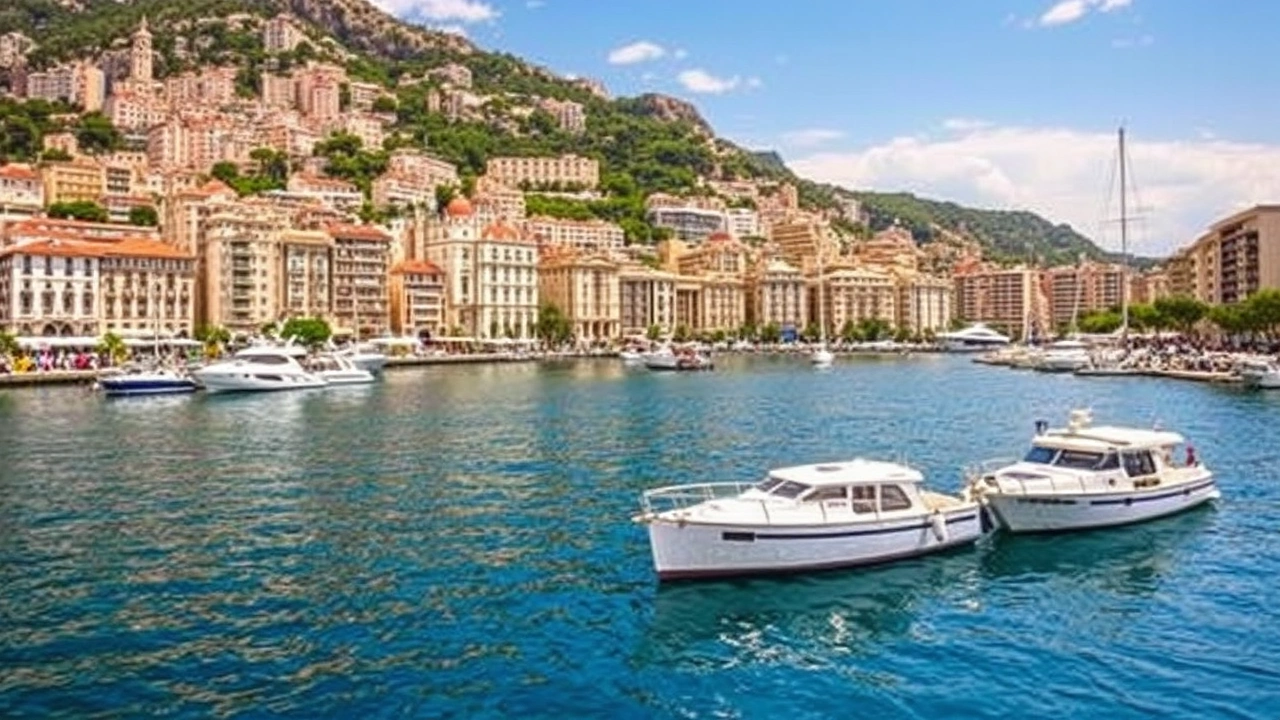
La Condamine: The “village” spirit at the foot of Port Hercule
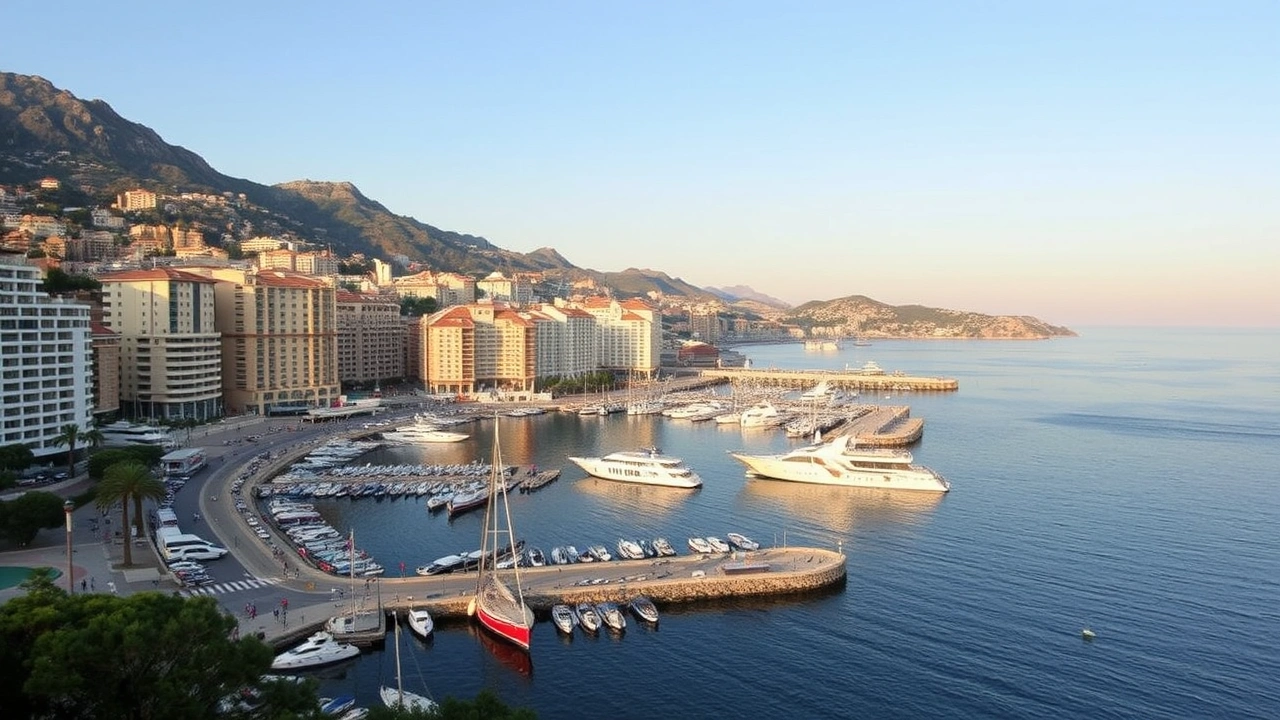
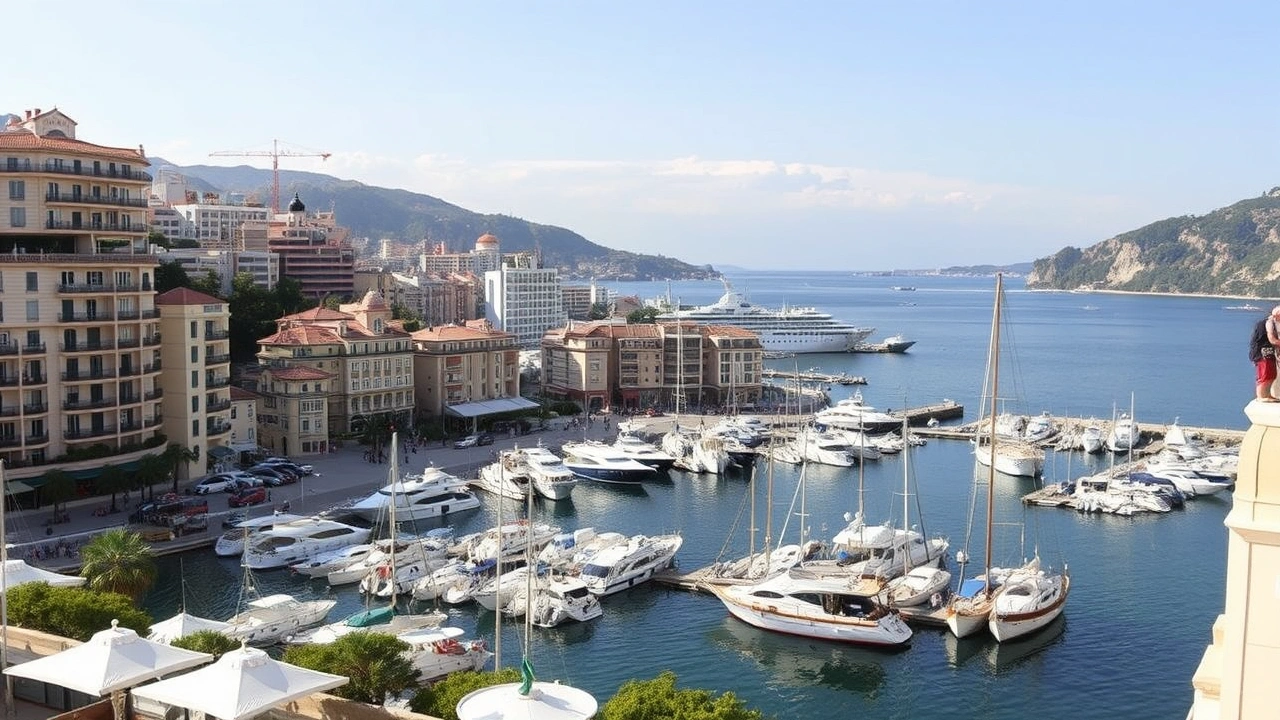
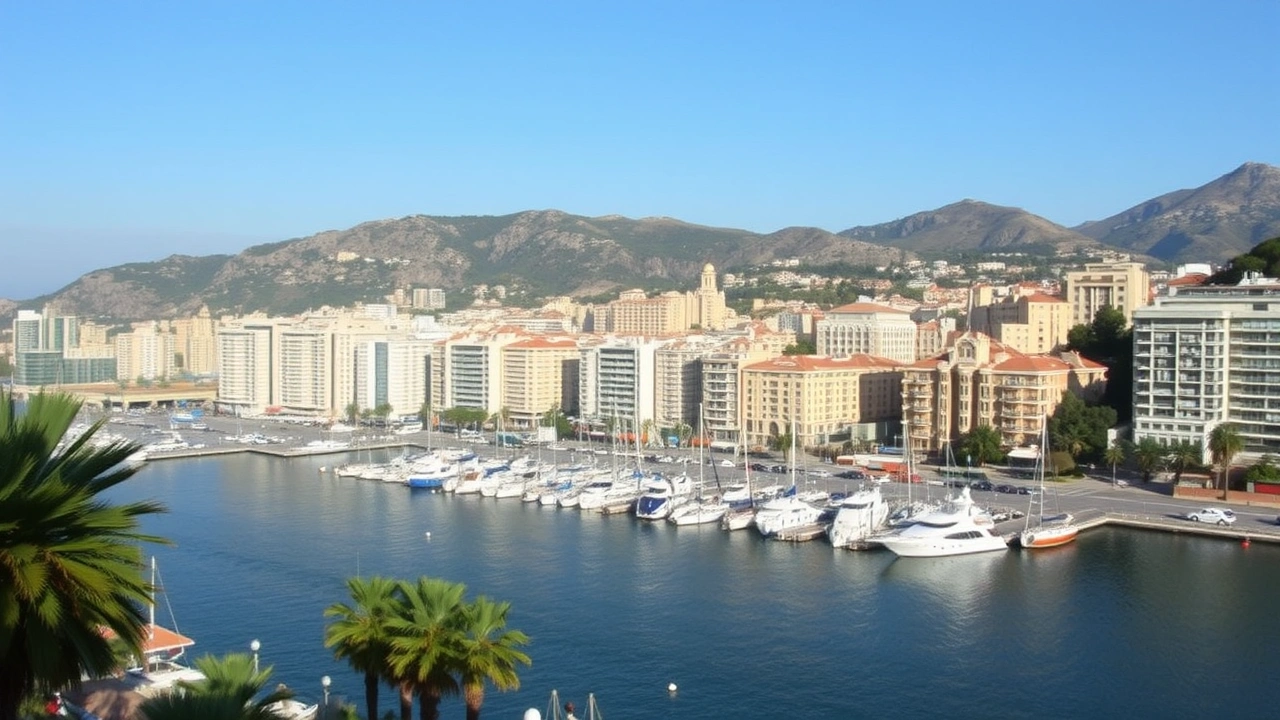
For many expatriates who want to experience “the real Monaco” without necessarily aiming for the price peaks of Larvotto or the Carré d’Or, La Condamine is a choice alternative. This historic neighborhood, the third largest in the Principality, stretches around Port Hercule – the large pleasure port capable of accommodating up to 700 boats – and represents what some call traditional Monaco.
La Condamine is distinguished by a more local atmosphere, a mix of neighborhood shops, cafes, restaurants, and markets. The Condamine Market, at Place d’Armes, has hosted a daily market for fruits, vegetables, and regional specialties since 1880, complemented by a covered gourmet hall where you can have a quick lunch. Shopping streets like Rue Grimaldi or Rue Princesse Caroline set the rhythm of the neighborhood, which transforms in the evening with establishments sometimes turning into festive spots.
The La Condamine neighborhood features varied architecture, mixing traditional Monegasque buildings, post-war apartment blocks, and modern developments. Many facades hide apartments completely renovated to contemporary standards. The high-end offer has been strengthened by recent residences (Le Stella, Montana, Soleil d’Or, Villa Floriane). On the seafront, buildings like Ermanno Palace, Shangri-La, or Palais Héraclès are highly sought after for their direct views of the port and the Formula 1 Grand Prix circuit.
The location of La Condamine also makes it an interesting mobility hub for active expatriates: proximity to the Monaco‑Monte‑Carlo train station via public elevators, multiple bus lines connecting the neighborhood to Larvotto, Monte‑Carlo, or Fontvieille, numerous public parking lots, possibility of reaching Nice by train or intercity bus. For families, the presence of schools like the École de la Condamine or Collège Charles III, as well as the proximity of the International University of Monaco (located in Fontvieille but nearby), are assets.
Average resale price per square meter in the La Condamine neighborhood in Monaco.
For rentals, La Condamine is in high demand, especially by young professionals and families wanting to live in the heart of the action. A two-bedroom typically rents for around €2,500 per month, a three-bedroom for about €4,000, with larger, very well-located units naturally being higher.
For expatriates, the appeal of La Condamine lies in this rare combination, in Monaco, of authenticity, neighborhood life, immediate proximity to major events (Monaco Yacht Show, Grand Prix, festivals), and relative “accessibility” compared to the iconic seafront neighborhoods. It is also a popular investment territory, with rental demand being extremely strong.
Jardin Exotique and Les Moneghetti: Views, space, and tranquility
Perched on the heights in the west of the Principality, the Jardin Exotique neighborhood – which since 2013 encompasses the former areas of La Colle and Les Révoires and part of Les Moneghetti – is attracting more and more expatriates seeking calm, space, and panoramic views of the sea, the Rock, Fontvieille, and the French coast.
The area takes its name from the famous Jardin Exotique, a botanical garden on a cliffside open to the public since 1933, home to a remarkable collection of cacti and succulents imported from arid zones worldwide, as well as an underground cave adorned with stalactites and stalagmites. Nearby are also Villa Paloma, one of the sites of the New National Museum of Monaco, the Museum of Prehistoric Anthropology, and, lower down, the Parc Princesse Antoinette with its playgrounds, mini-golf, and multi-sports fields.
The neighborhood offers a discreet and peaceful residential ambiance, ideal for families and expatriates. It is characterized by numerous green spaces, high-rise buildings, villas, and secure residences. It has essential amenities like the École des Révoires, shops on Avenue Hector Otto, and good bus service. Public elevators facilitate pedestrian access to shopping districts and the port, while remaining just minutes from central areas.
In real estate terms, Jardin Exotique is one of the few sectors where, relatively speaking, one can still find more space for a slightly more moderate price per square meter than in coastal areas. Average prices are around €41,614 per m², with 1950s buildings in the range of €30,000 to €35,000 per m², while buildings offering better views – like Monte‑Carlo View or Garden House – can go up to €45,000 or €50,000 per m². Residences such as Eden Tower, Les Ligures, or Tour Simona remain in high demand, particularly for their terraces and amenities (pool, tennis, concierge).
Minimum price per square meter for prestige apartments in this neighborhood by 2025.
In terms of rental yield, Jardin Exotique and Les Moneghetti appear as interesting sectors for expatriate investors: strong international demand for large living spaces, upscale services, average annual rents between €600 and €900 per m² depending on the building, with peaks beyond that in the most luxurious buildings like Tour Simona. All within a living environment that many residents readily compare to a “balcony overlooking the Mediterranean.”
To give an idea of the difference in average price level between some major residential neighborhoods:
| Neighborhood | Estimated Average Price / m² | Dominant Profile |
|---|---|---|
| Larvotto | ~€65,857 | Ultra-beachfront, seafront |
| Fontvieille | ~€59,175 | Families, marina, sports, calm |
| La Condamine | ~€54,099 | Urban, port, local life |
| Monte‑Carlo | ~€51,628 | Hyper-center luxury |
| Jardin Exotique / Moneghetti | ~€41,614 | Views, space, more residential |
For expatriates sensitive to the balance between prestige, living space, and family quality of life, the Jardin Exotique–Moneghetti duo clearly deserves special attention, often recommended by agencies like Monaco Properties or La Costa Properties for families who prioritize space and views over the glitz of the seafront.
La Rousse – Saint‑Roman: Verticality and panoramic views
In the northeast of Monaco, overlooking Larvotto and bordering Beausoleil and Roquebrune‑Cap‑Martin, the La Rousse – Saint‑Roman neighborhood has become in recent years one of the epicenters of major real estate transactions in the Principality. It features high-rise buildings from the 1970s‑1980s like Château Périgord I & II or Parc Saint‑Roman, and more recent towers including the famous Tour Odéon.
The penthouse in the tower has a surface area of over 3,500 m², one of the most expensive in the world.
Overall, La Rousse offers prices per square meter between €40,000 and €60,000 depending on the building and floor. Older but still appreciated residences, like Château Périgord, Parc Saint‑Roman, or Monte‑Carlo Sun, allow for large spaces with sea views and high-end amenities at a slightly lower price level than absolute seafront properties. The neighborhood also hosts new iconic developments like Bay House – a large complex combining apartments and villas overlooking Larvotto beach, delivered in 2024 – or Mona Résidence, whose rents are projected to be in the range of €800 to €1,200 per m² per year.
This neighborhood offers an ideal compromise with views over the bay, quick access to Larvotto and Monte‑Carlo, and many high-end residences, while being calmer than the center. It is appreciated by families for the proximity of schools and sports clubs, like the Monte‑Carlo Country Club, and by international professionals for its spacious apartments with hotel-like amenities.
Monaco‑Ville (Le Rocher): The ultra-secure historic village
Monaco‑Ville, often referred to as the Rock, is the historic and oldest neighborhood of the Principality. Perched on a rocky promontory, it houses the Prince’s Palace (seat of the Grimaldi dynasty since 1297), the cathedral, the government, parliament, courts, and several museums including the iconic Oceanographic Museum.
For expatriates, the Rock neighborhood presents limited accessibility with few buildings, an almost complete absence of hotels, very few properties available for sale, and many older buildings lacking elevators or parking. However, it offers exceptional security, a pedestrian zone, and is very quiet and well-monitored. These characteristics particularly attract very wealthy families, often British, American, or Russian, seeking a village-like and ultra-protected environment for their children.
Prices there have practically doubled in a decade, driven by the scarcity of supply and demand from a few very targeted buyers. A few fully renovated houses or apartments trade at levels comparable to the best sectors of Monte‑Carlo, or even more, given the extreme rarity. As an illustration, a furnished 220 m² house was offered for rent at around €20,000 per month, a level consistent with the rents of large family properties in other ultra-high-end neighborhoods.
For the majority of expatriates, Monaco-Ville (the Rock) is mainly a tourist destination, appreciated for its museums, gardens, and cultural events like the changing of the guard or the Sainte Dévote festivities. However, for a small number of privileged residents, this historic neighborhood constitutes one of the most unique and exclusive addresses in the Principality, far from being just a sector to visit.
What expatriates are looking for: Security, quality of life, and taxation
Beyond the micro-characteristics of each neighborhood, the popularity of Monaco among expatriates rests on a common foundation: a level of security rarely matched, remarkable political and legal stability, and a very attractive tax environment.
The Principality has a very high police ratio (1 officer for every 67 to 100 residents) and a network of over 1000 cameras. Thanks to a zero-tolerance policy and active coordination, crime figures, such as violent crimes or thefts, are extremely low and below European averages.
International indicators confirm this situation: a security index around 0.94 out of 1 according to some rankings, a score close to 90/100 on crime perception indices, and a consistent ranking among the safest countries in the world. In practice, residents highlight the possibility for children to go to school alone, the great tranquility of nighttime travel, even for women alone, and the prevalence of buildings with concierge services, controlled access, secure underground parking, and direct links to emergency services.
The Principality of Monaco offers an exceptional tax framework in Europe: no income tax, wealth tax, or capital gains tax for residents (under certain conditions for some French nationals), and no property tax. Only a few levies apply to real estate transactions, rental income, and non-direct gifts. This advantageous taxation is reinforced by great political stability (constitutional monarchy of the Grimaldis, close to France and the EU) and predictable law inspired by the French model, attracting entrepreneurs, executives, and international rentiers.
Finally, the Monegasque quality of life completes this picture: Mediterranean climate with nearly 300 days of sunshine per year, mild winters, access in about thirty minutes to Nice International Airport (and a few minutes by helicopter from Fontvieille), a high-level healthcare system (Princess Grace Hospital Center, specialized centers), an overwhelming cultural and sports offering (Grand Prix, Yacht Show, ballets, opera, festivals, tennis, etc.), and an educational system combining excellent French-speaking public schools and private or international institutions like the International School of Monaco or the International University of Monaco.
Cost of living and overall budget for an expatriate
This attractiveness, however, comes at a price. Cost of living data positions Monaco as one of the most expensive countries in the world, with a level approximately 6 to 7 times higher than the global average, and more than 100% above that of the United States when rents are included. It is regularly ranked as the most expensive country among nearly 200 states studied.
A few orders of magnitude give an idea of the necessary budget for an expatriate:
The estimated monthly cost for a family of four in Monaco, excluding rent, can reach 10,000 euros.
Regarding housing, the ranges already mentioned by neighborhood can be compared to the average rental prices observed in the Principality:
| Type of housing (2025) | Typical monthly rent level |
|---|---|
| Studio / 1 bedroom (overall) | €3,000 – €6,000 |
| 2–3 bedrooms (residential neighborhoods) | €5,000 – €15,000 |
| 3 bedrooms (luxury sector) | €15,000 – €25,000 |
| Penthouses / exceptional villas | €30,000 and up, to €200,000 |
Purchases come at a high price: on average around €52,000 per m², and significantly more in neighborhoods popular with expatriates (Larvotto, Monte‑Carlo, Fontvieille, La Condamine, La Rousse). In ultra-prime specialties like Mareterra, the figures of €90,000 to €130,000 per m² mentioned on the market give an idea of the competition for the rarest properties.
How to choose your neighborhood as an expatriate?
Faced with this mosaic of neighborhoods and this price level, the choice of residence depends heavily on the expatriate’s profile.
Families with young children often prioritize the neighborhoods of Fontvieille, Jardin Exotique/Moneghetti, or certain parts of Larvotto and La Condamine. These areas offer a combination of suitable amenities: parks, playgrounds, schools, more generous living spaces, and a strong sense of community. On the other hand, households seeking direct beach access, a beachfront environment, and luxury hotel services tend to favor Larvotto. For the highest budgets, new neighborhoods like Mareterra or seafront residences are the preferred options.
Entrepreneurs, financial executives, and highly mobile profiles are naturally attracted to Monte‑Carlo and the Carré d’Or, closest to decision-making centers, offices, business clubs, and nightlife, or to La Rousse for spectacular views and proximity to routes towards Italy. Rental investors, for their part, look closely at neighborhoods like La Condamine, highly sought after for short or medium-term rentals, or Jardin Exotique, where one finds a combination of high rents and slightly more moderate prices per square meter.
For a real estate transaction in Monaco, using a local agency specialized in the high-end market is crucial. A significant portion of the most interesting transactions happens off the public market. Moreover, the legal complexity (notary fees of 6 to 9%, residence permit procedures, compliance checks) makes this guidance almost indispensable.
A unique expatriation destination, driven by scarcity
In the end, discussing the most sought-after neighborhoods by expatriates in Monaco comes down to analyzing how, on a tiny territory, a succession of hyper-specialized micro-markets have formed, each with its international clientele, codes, prices, and evolution prospects.
Monte‑Carlo and the Carré d’Or embody ultra-urban luxury; Larvotto, the festive beachfront; Fontvieille, family-oriented modernity focused on sports and the marina; La Condamine, the commercial and authentic soul of the Principality; Jardin Exotique and Les Moneghetti, life overlooking the sea, more residential and contemplative; La Rousse – Saint‑Roman, panoramic verticality; Monaco‑Ville, finally, the historical quintessence for a handful of privileged individuals.
Monaco’s real estate market is characterized by absolute land scarcity, due to the country’s record density and constant international demand. For expatriates who can bear the cost, the principality offers an exceptional living environment: near-total security, advantageous taxation, pleasant climate, quality public services, and permanent access to a globalized ecosystem of finance, yachting, culture, and sport.
The challenge remains to find, within these few square kilometers, the neighborhood whose DNA best matches one’s life project. In Monaco, this choice is rarely trivial; but for those who settle there, it is often decisive for the success of their expatriation.
A French business owner around 50 years old, with a financial portfolio already well-structured in Europe, wanted to diversify part of his capital into residential real estate in Monaco to seek asset security and exposure to a very high-end market. Allocated budget: €2 to €3 million, without using credit.
After analyzing several micro-markets (Carré d’Or, Fontvieille, La Rousse), the chosen strategy was to target a luxury apartment in a secure residence, offering a moderate but very defensive rental yield and strong long-term value preservation potential, with an overall ticket (acquisition + notary fees + potential refurbishment) of around €2.5 million. The mission included: neighborhood selection, connection with a local network (real estate agent, notary, Franco-Monegasque tax advisor), choice of the most suitable structure (direct ownership, civil company), and definition of an international diversification plan coherent with his overall wealth strategy.
Planning to move abroad? Contact us for custom offers.
Disclaimer: The information provided on this website is for informational purposes only and does not constitute financial, legal, or professional advice. We encourage you to consult qualified experts before making any investment, real estate, or expatriation decisions. Although we strive to maintain up-to-date and accurate information, we do not guarantee the completeness, accuracy, or timeliness of the proposed content. As investment and expatriation involve risks, we disclaim any liability for potential losses or damages arising from the use of this site. Your use of this site confirms your acceptance of these terms and your understanding of the associated risks.

Cyril Jarnias is an independent expert in international wealth management with over 20 years of experience. As an expatriate himself, he is dedicated to helping individuals and business leaders build, protect, and pass on their wealth with complete peace of mind.
On his website, cyriljarnias.com, he shares his expertise on international real estate, offshore company formation, and expatriation.
Thanks to his expertise, he offers sound advice to optimize his clients' wealth management. Cyril Jarnias is also recognized for his appearances in many prestigious media outlets such as BFM Business, les Français de l’étranger, Le Figaro, Les Echos, and Mieux vivre votre argent, where he shares his knowledge and know-how in wealth management.