 Published on and written by Cyril Jarnias
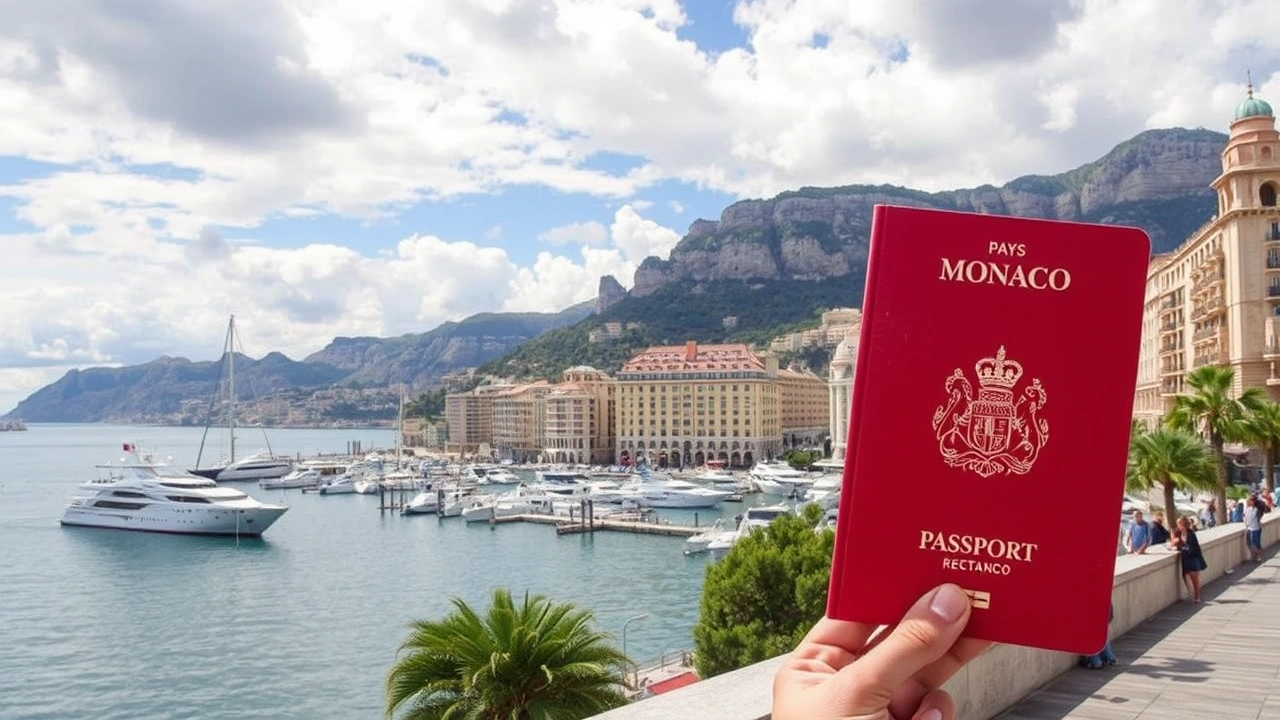
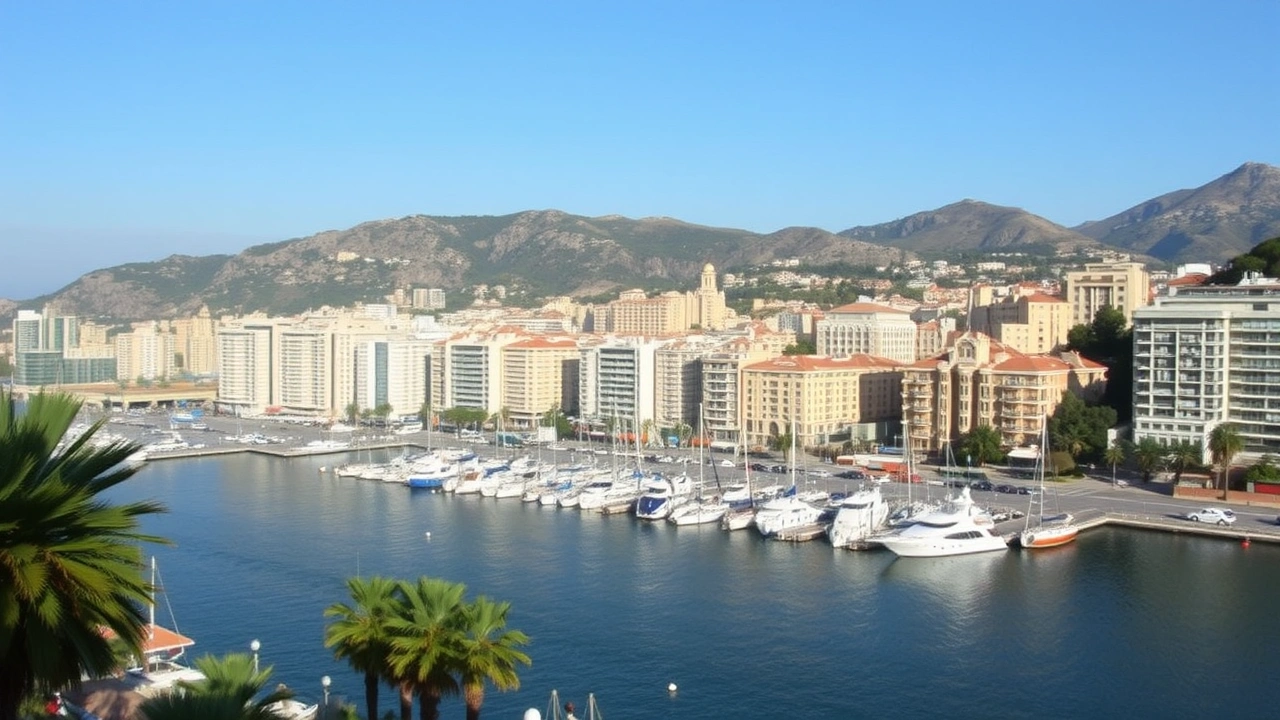
Moving to or even just renting in Monaco is a dream for many, but the reality check is often brutal when confronted with prices, rules, and the scarcity of available properties. Crammed into just over two square kilometers, wedged between the Mediterranean and the French hills, the principality is home to one of the most expensive and tightest real estate markets on the planet. Finding a place to live in Monaco, whether to reside, invest, or spend a few months, therefore requires method, connections… and a solid budget.
This guide covers all the essential aspects for settling in Monaco, whether you are a tenant, buyer, or long-term visitor. It details rental price levels, hidden costs, regulated sectors, the role of agencies, target neighborhoods, and pitfalls to avoid. It also offers tips to maximize your chances of finding a home.
Understanding the Playing Field: A Micro-Market Under Immense Pressure
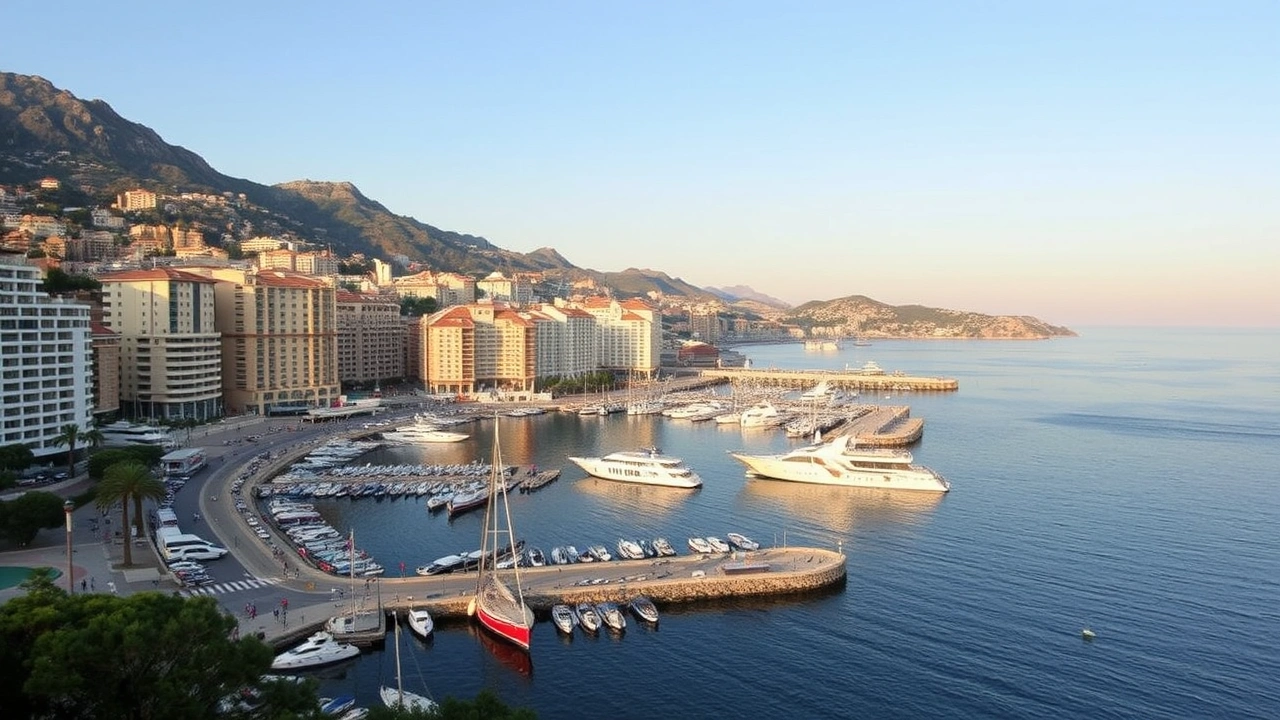
Before you even start looking for an apartment, you need to grasp one key fact: Monaco is about two square kilometers, roughly the size of New York’s Central Park. In this tiny space live nearly 38,000 residents, joined daily by tens of thousands of cross-border workers. The result: record density, a chronic housing shortage, and stratospheric prices.
About one-third of Monaco’s residents are millionaires, drawn by the stability, security, and lack of income tax.
This global demand, combined with an extremely limited supply, translates to record prices. On the sales market, prices commonly exceed €50,000 per square meter in standard residential areas and approach €100,000 per square meter in the most sought-after sectors like Carré d’Or or Larvotto. On the rental side, the principality is ranked as the world’s most expensive city for residential rents.
To understand the scale, it is essential to rely on concise benchmarks.
Average Monthly Rent: Key Figures
| Type of Housing | Location | Indicative Monthly Range* |
|---|---|---|
| Studio / 1 room (≈ 40–45 m²) | City Center | $4,000 – $8,955 (≈ €3,999 – €5,938+) |
| Studio / 1 room | Outside Hyper-Center | $3,690 – $7,974 (≈ €4,415) |
| 2 rooms | All Monaco (Long-term lease) | Starting around €6,000/month |
| 3 rooms / 3 bedrooms (≈ 80–85 m²) | Center | $20,350 – $40,900 (≈ €20,875+) |
| 3 rooms / 3 bedrooms | Outside Center | $11,540 – $13,000 (≈ €13,500) |
| Furnished 45 m² Studio | “Normal” neighborhood | ≈ €3,999/month |
| Furnished 85 m² Apartment | “Normal” neighborhood | ≈ €8,000/month |
Figures vary depending on the building, view, condition, floor, or services included.
On top of these already astronomical rents, you must add often high maintenance charges, massive security deposits, and non-negotiable agency fees. It is this combination that makes Monaco a daunting market for newcomers.
The Three Faces of Housing in Monaco: Free, Regulated, and Public
To understand why some properties seem “impossible to find” and why others follow very strict rules, you need to know the structure of Monaco’s housing stock, divided into three main sectors.
On one side, the free market sector, where most high-end properties are exchanged under terms negotiated between owners and tenants. On the other, the regulated sector, subject to protective laws for certain categories of residents. Finally, a significant public housing stock, reserved primarily for nationals.
Free Market Sector: Where Newcomers and Foreign Investors Play
The free market sector mainly includes buildings constructed after September 1, 1947. In this segment, rents, lease durations, deposits, and conditions are freely negotiated. It is also the only segment truly accessible to foreigners without a particular link to the principality.
Properties in Monaco’s free market sector are mainly concentrated in modern or recently redeveloped neighborhoods. These areas include Monte-Carlo, La Rousse/Saint-Roman, Fontvieille, Larvotto, Mareterra, part of La Condamine, as well as Jardin Exotique and Moneghetti. This is where you’ll find most of the luxury real estate: high-end apartments, residences with 24/7 concierge services, equipped with pools and gyms. The most iconic new real estate projects, such as Mareterra, Bay House, or L’Exotique, are also located in these sectors.
This is also where rents and purchase prices reach record levels. For example, in Monte-Carlo, the average resale price hovers around €54,000/m², while in Larvotto, a small sample of recent transactions shows levels close to €97,000/m².
Regulated Sector (Law 1.235 / 1.291, Law 887): Protected Housing and Priority for “Children of the Country”
Alongside the free market exists a so-called “protected” or regulated sector, governed primarily by Law No. 1.235 (amended by Law No. 1.291) and by Law No. 887. This mainly concerns housing in buildings constructed before September 1, 1947, for which the State strictly regulates rents, lease durations, and especially tenant eligibility.
The goal is twofold: to prevent speculation in the old housing stock and to guarantee affordable housing for categories considered to have a strong link with Monaco. Access is prioritized according to a very strict order, with the following at the top:
Several categories of people can claim Monegasque nationality: nationals by birth, persons with a Monegasque parent, “children of the country” (born in Monaco and having resided there continuously since birth, under certain conditions), spouses, widows/widowers, or divorcees of Monegasques, as well as very long-term residents (over 40 years, then those with at least 10 years of proven residence).
For these properties, the owner does not freely choose their tenant: they must go through the Housing Department (Direction de l’Habitat), which publishes available properties and directs applications according to this order of priority. Rents are determined by comparison with similar properties and annual increases are strictly controlled.
For a foreign newcomer, this sector is therefore, in practice, very difficult to access.
Public Housing Stock: Approximately 3,300 Units Reserved for Nationals
Monaco has also developed a stock of approximately 3,300 housing units owned by the State, with rents significantly below the free market. They are intended primarily for Monegasque nationals and meet precise criteria regarding family situation, income, and length of residence. Again, recently arrived foreigners have no access, barring very specific cases.
For an expatriate or foreign investor, it must therefore be understood that almost all the truly available supply is in the free market sector, with the prices and conditions that entails.
Renting in Monaco: A Structured, Expensive… and Highly Codified Process
Renting an apartment in Monaco is no formality. The market is extremely competitive, properties rent quickly, and owners can be very selective. To hope to secure a lease, you must accept a number of rules of the game.
Using an Agency: In Practice, Essential
In Monaco, almost all medium and long-term rentals go through real estate agencies. This is more than a common practice: it is an organized system. Most agencies are members of the Monegasque Real Estate Chamber (Chambre Immobilière Monégasque), which sets common commission scales. Among themselves, they share their listings in real time, meaning that by working with a single agency, you can actually access the entire market.
Trying to “play” multiple agencies in parallel is often counterproductive: the market is small, professionals know each other, and an application that makes the rounds of all the agencies can quickly lose credibility. The most effective strategy is to select an experienced agency, clarify your budget and criteria, and then entrust them with an exclusive search mandate.
Typical services include:
Comprehensive, personalized support for your rental project in Monaco, from property search to administrative management.
In-depth study of your profile and objectives (residential, investment, family, etc.) to target suitable properties.
Organization of viewings, including for exclusive and sometimes still “off-market” properties.
Negotiation of financial and contractual conditions with the property owner.
Preparation of the lease agreement and specific clauses (indexation, renovations, use of premises).
Support for setting up electricity (SMEG), internet (Monaco Telecom), and home insurance contracts.
Coordination and follow-up of the entry and exit condition reports.
In return, the tenant pays a standard commission, equivalent to 10% of the annual rent excluding charges, plus 20% VAT. This commission is typically due only in the first year.
Costs to Expect Before Even Getting the Keys
This is a point that surprises many prospective tenants: in Monaco, you often need to pay out a considerable sum before putting a single box in the apartment.
In summary, you need to anticipate:
| Expense Item | Amount / Common Rule |
|---|---|
| Security Deposit | Generally 3 to 6 months’ rent + charges |
| Rent Advance | Often 3 months, sometimes up to a year depending on the application |
| Rent Payment | In practice, quarterly payment in advance |
| Agency Commission | 10% of annual rent + 20% VAT |
| Lease Drafting Fees | Approx. €680 + 20% VAT (varies by agency) |
| Lease Registration Fees | 1% of total rent + charges for the duration, +0.5% if guarantors |
| Entry Condition Report (Bailiff/company) | Approx. €700 to €1,000 (usually tenant’s responsibility) |
| Home Insurance | €500 to €1,000 per year |
| Co-ownership Charges | €500 to €1,500 per month depending on the residence |
In total, for a 2-room apartment at €6,000 monthly rent plus €700 in charges, it’s not uncommon to have to advance more than €40,000 between deposit, rent advances, agency fees, and registration, before even moving in.
This level of financial commitment is partly explained by the fact that a long-term lease is often a prerequisite for obtaining Monegasque tax residency. Owners know applicants are motivated and solvent, and local practice has gradually normalized these customs.
Tenant Application: A Severe Filter, Backed by the Banking System
To rent in Monaco, it’s not enough to produce pay stubs. Owners—and agencies—primarily examine your banking solidity through a local institution. In most cases, opening an account with a Monegasque bank is essential.
Documents typically required include:
– Valid passport or ID
– Recent proof of current tax residence (e.g., utility bill)
– Bank attestation from a Monegasque institution proving your ability to cover the rent (often with a minimum blocked amount or proof of assets)
– Professional information (employment contract, activity attestation, income structure)
– Client information form provided by the agency
Compliance requirements (especially anti-money laundering) are strict. An applicant who cannot justify the lawful origin of their funds or a wealth level consistent with the local cost of living has little chance of their application succeeding.
Lease Duration, Renewal, and Rent Indexation
In the free market, residential leases remain relatively flexible, but they always include indexation clauses.
Key points:
– Minimum term generally one year, sometimes three years for “classic” leases
– Automatic renewal if neither party gives notice, with a standard notice period of three months
– Annual rent review indexed to official indices (ICC, BT01…), very often with a minimum increase clause of about 3%, even if the index is lower
– Revision clauses most often “upwards only”
The landlord can terminate the lease before its term in specific cases, such as to reoccupy the property for personal use or to carry out major renovations. This process is regulated: it requires notice and may obligate the owner to offer the tenant equivalent re-housing.
An important cultural point: in Monaco, the concept of “normal wear and tear” is much less tolerated than elsewhere. The apartment must be returned in a condition very close to that recorded in the entry condition report, often implying repainting and meticulous maintenance. Without a condition report, the property is presumed to have been returned in good condition… to the tenant’s detriment.
Renting to Obtain Residency: Apartment Size and Residence Permit
For many newcomers, renting an apartment in Monaco is not just about having a roof: it’s a condition for obtaining the famous residence permit, the key to tax residency.
The authorities require in particular:
– A title of occupancy (registered lease or deed of ownership)
– A home whose surface area is appropriate for the household size: a family of four cannot claim a simple studio
– Proof of sufficient financial means (significant bank deposit, regular income, or assets)
– A clean criminal record from countries of residence for the past five years
This requirement for housing proportionality to the number of occupants mechanically increases demand for large apartments (3-4 bedrooms), which are already very rare. Families must therefore anticipate their search even more and accept very high rents.
Choosing Your Neighborhood: Vibe, Prices, and Lifestyle Profile
On a map, Monaco may seem tiny, but in practice each neighborhood has a distinct ambiance, topography, and price range. Choosing your area carefully is crucial, especially if you plan to live there year-round.
Monte-Carlo and Carré d’Or: The Ultra-Luxury Heart
Monte-Carlo is the iconic district, home to the Casino, Hôtel de Paris, haute couture boutiques, and the Opera Ballet. A highly sought-after part, the Carré d’Or, surrounding the Casino and Avenue des Beaux-Arts, concentrates some of the principality’s most prestigious buildings (Hôtel de Paris Residences, One Monte-Carlo, Park Palace, Métropole, etc.).
Prices match the setting: around €54,000/m² for resale, and rents that can climb very high. A simple, well-appointed 2-room easily exceeds €7,000/month, while a large apartment with views of the Casino Square or the Formula 1 circuit is negotiated well above €20,000/month. For a very high-end duplex in One Monte-Carlo, rents mentioned can exceed €100,000/month.
Living here means being within walking distance of everything: Michelin-starred restaurants, shops, offices, cultural events. However, noise and bustle (especially during the Grand Prix) can be a downside, and spaces are often more compact.
Larvotto and Mareterra: Beach, Waterfront, and Eco-District
To the east lies Larvotto, known for its man-made beach, bars, clubs, and residences with sea views. The area has been completely redeveloped and now benefits from the Mareterra sea extension, a 6-hectare ultra-luxury eco-district with villas, apartments, promenades, and private marinas.
The average price per square meter for a transaction in the Larvotto district, showing a strong annual increase.
This area particularly appeals to residents seeking sea views, relative tranquility, and also families attracted by the proximity of new residences and cultural infrastructures (Grimaldi Forum).
Fontvieille: Port, Greenery, and Family Life
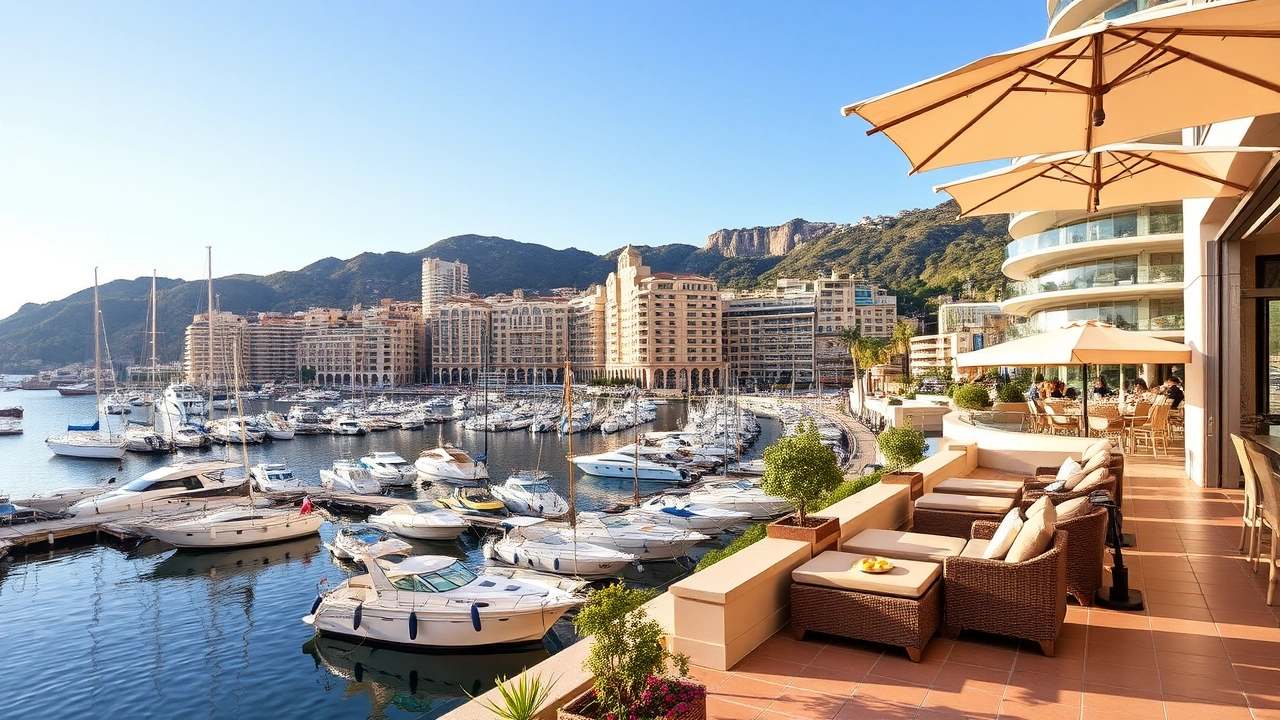
Fontvieille is a district built on the sea in the 1980s. More recent, more horizontal, it offers an almost “village” atmosphere with its marina, gardens, play areas, and the Stade Louis II. It mixes housing, offices, shops, and sports facilities.
The average price per square meter for an apartment resale in this sector.
La Condamine and Port Hercule: Neighborhood Life and Animation
Between Monte-Carlo and Fontvieille, La Condamine is a historic district centered around the Place d’Armes market and Port Hercule. You’ll find genuine neighborhood life, with shops, cafes, restaurants, and a mix of old buildings and more recent apartment blocks.
Here too, prices remain very high (around €53,800/m² on average for resales), but the diversity of buildings sometimes allows for finding interesting spaces at levels slightly below those of the Carré d’Or, while enjoying a very central location. It’s a neighborhood appreciated by families and professionals who want to do everything on foot.
La Rousse / Saint-Roman: Towers, Sea Views, and International Schools
Nestled in the far northeast, La Rousse / Saint-Roman is dominated by residential towers, including the very famous Tour Odéon, Europe’s tallest residential tower. The area is undergoing major transformation, with many recent developments, and is attracting more families due to the presence of renowned schools nearby, like the International School of Monaco.
Prices remain very high (about €45,300/m² on average on the secondary market), but some residences offer relatively more accessible spaces than in ultra-central sectors, while often guaranteeing spectacular sea views.
Jardin Exotique, Moneghetti, Les Révoires: Residential and Panoramic
On the west and northwest side, the neighborhoods of Jardin Exotique, Moneghetti, and, higher up, Les Révoires are mostly composed of residences and villas with plunging views of the Rock and the sea. Jardin Exotique has seen its prices soar recently (nearly €49,850/m² on average), which remains more affordable than the hyper-luxury districts.
The average price per square meter for a property resale in the Moneghetti district of Monaco.
Les Révoires, on the French border, have long had a reputation as a more working-class neighborhood, with a lot of social housing and a more mixed image. For a new foreign arrival, this sector is not the first port of call, especially since most of the housing stock there is regulated or social.
Monaco-Ville: The Rock, Historic and Ultra-Rare
Perched on its promontory, Monaco-Ville (the Rock) concentrates the Prince’s Palace, the cathedral, the Oceanographic Museum, and state institutions. It’s a neighborhood with medieval charm, cobbled streets, and small houses. But the residential supply is very limited (only 3% of residents), and properties available for sale or rent are rare, often reserved for a very specific clientele willing to pay a premium for this privilege.
Cost of Living and Charges: Don’t Focus Only on Rent
The rental shock in Monaco is already severe, but you must not underestimate the rest: food, services, transportation, education, leisure are all significantly more expensive than in most major Western cities.
International comparisons show a total cost of living (housing included) about 260% higher than in the United States, with restaurant prices about 60% higher and food items 30 to 35% more expensive. A simple restaurant meal is around €25–30, a mid-range dinner for two easily approaches €140–160, and a simple beer can cost €8 to €10.
The average net monthly salary in Monaco, which is just enough to cover a standard lifestyle in the principality.
Building charges, which vary widely, can represent a major factor in the housing budget.
Charges, Electricity, Internet: Points to Watch
| Expense Item | Typical Monthly Cost Indication |
|---|---|
| Co-ownership Charges (common services) | €500 – €1,500/month depending on the residence |
| Electricity, Heating, Water, Waste (85 m²) | $300 – $345 (≈ €280 – €320) |
| High-speed Internet (50–60 Mbps+) | $60 – $75/month (≈ €55 – €70) |
| Mobile plan 10 GB + calls | About $52 – $59 (≈ €50 – €55) |
| Home Insurance | €500 – €1,000/year |
In high-end buildings, charges can include concierge, 24/7 security, pool, gym, even hotel services. This increases the total cost, but these amenities are often sought by international residents who want an impeccable level of service.
Short Stay, Seasonal, or Long-Term: Which Type of Rental to Choose?
You don’t rent the same way to attend the Formula 1 Grand Prix as you do to settle long-term and apply for a residence permit. In Monaco, there are three main rental types: short-term tourist rental, high-end seasonal rental, and long-term lease.
Short-Term Rental: A Highly Regulated and Difficult-to-Access Market
Platforms like Airbnb or Booking.com offer apartments in Monaco, with nightly rates ranging from €60–70 for very modest offers in low season to over €1,600 per night for luxury properties. The average is around €250 per night but can easily double or triple during major events (Grand Prix, Monaco Yacht Show, conferences).
Studios and well-located small 2-room apartments often rent for €300 to €600 per night, while high-end apartments can reach €800 to €2,000 per night in high season. Some villas or penthouses exceed €50,000 per week during peak periods.
Furnished short-term rentals are strictly regulated. They require declarations to the authorities and are often prohibited by building regulations. Violations can lead to heavy fines, making it generally an unrealistic option for an individual in their own home.
High-End Seasonal Rental: A Very Specific Investor Product
For owner-investors, seasonal rentals can look very profitable on paper. A studio or 2-room apartment listed on Airbnb can, in exceptional years, generate 30% to twice the gross income of a classic lease, provided annual occupancy rates of 50–70% are achieved and high-demand months are targeted (May, June, September, summer).
The trade-off is a high operational cost (professional cleaning after each stay, platform fees, management, accelerated maintenance) and a risk of strong seasonal variation. Specialized management services can take up to 20% of revenue, plus platform commissions (from 3–5% to over 15%).
These rental offers are suitable for short stays (a few days to a few weeks). However, for a residence permit application, authorities generally require a lease of at least one year or a title of ownership to constitute the residency application file.
Long-Term Rental: The Classic Path for Living and Residing in Monaco
To settle, enroll children in school, truly enjoy the lifestyle, and especially apply for a residence permit, long-term rental (one year renewable, sometimes three years) is now the quasi-mandatory path for those who do not wish or cannot buy.
It is in this segment that the rules described above apply (agency, massive deposit, registered lease, SMEG electricity, etc.). The trade-off for this rigidity is significant stability: the annual occupancy rate is close to 95%, and a serious tenant can, in practice, stay for many years in the same apartment, with reasonable visibility on rent evolution through indexation clauses.
For an investor, gross rental yields in this segment are around 2.5 to 3%, which may seem modest, but in a context of very strong long-term capital appreciation.
Buying to Live or Invest: Procedure, Costs, and Taxation
Many residents choose to buy rather than rent, either to secure their long-term situation or to optimize their wealth in a very favorable tax environment. But here too, the entry ticket is extremely high.
Purchase Prices: Entry Tickets and Average Levels
Market data shows that:
– The average resale price across all districts is around €52,000/m²
– In more “affordable” residential districts like Moneghetti, it drops towards €42,000/m²
– In Monte-Carlo, La Condamine, Fontvieille, averages are around €53–54,000/m²
– In Larvotto and some waterfront sectors, levels close to or above €90,000–100,000/m² are observed for the most sought-after properties
– On the very high-end new market (Mareterra, Bay House…), the average price of a property sold in 2024 reached €36.4 million, with more than half of transactions above €20 million and several sales over €100 million
The minimum price to enter the Parisian real estate market, for very small spaces or properties needing renovation in less central neighborhoods.
Steps of an Acquisition in Monaco
The purchase procedure follows a precise and highly regulated sequence:
Buying a property in Monaco follows a secure, structured process. After price negotiation, the buyer submits a written offer which becomes binding once accepted. The parties then sign a preliminary contract (compromis). The buyer pays a deposit, typically 10% of the price, into the notary’s escrow account. The notary conducts thorough legal checks on the property before preparing the final deed. Signing of the definitive deed usually occurs 2 to 3 months after the compromis, with payment of the balance and fees. Finally, the notary registers the transaction with the Monegasque land registry.
Notaries in Monaco are appointed by the Prince, and their involvement is mandatory for any real estate transfer.
Ancillary Fees and Transaction Costs
The buyer must budget for: notary fees, insurance costs, potential renovations, and local taxes.
| Expense Item | Indicative Range |
|---|---|
| Notary Fees | Approx. 1 to 2% of the purchase price |
| Registration / Transfer Duties | Approx. 4.5 to 6% of the property price |
| Agency Commission | Typically 3% of price + VAT for the buyer |
| Total Transaction Cost | Approx. 6 to 11% of the purchase price |
To this may be added certified translation fees if your documents are not in French, English, or Italian, as well as banking fees if you finance part of the purchase with a loan. Monegasque banks remain cautious, with loan-to-value ratios often limited to 50–60%.
Tax-wise, the principality is extremely attractive: no wealth tax, no income tax, no property tax nor local residence tax, and no capital gains tax for non-commercial individuals. Inheritance duties are modulated according to the family relationship (0% between spouses and in direct line, up to 16% for unrelated persons).
Tips and Strategies to Maximize Your Chances of Finding a Home
In a market where every available apartment may receive several strong applications, having the means is not enough: you must also play smart.
Plan Very Far Ahead, Especially Around Events
The Monegasque calendar also dictates the real estate market. Periods around the Formula 1 Grand Prix, the Monaco Yacht Show, or major conferences see an influx of temporary residents and high-end visitors. Seasonal rentals skyrocket, some owners temporarily withdraw their property from the residential market to take advantage of soaring daily rates.
For a permanent move, it is better to:
– Avoid the Grand Prix weeks and major events for signing a lease (risk of increased competition and reduced availability)
– Start the search 6 to 12 months before the desired date if you are targeting a large family apartment in a high-demand neighborhood
– Be ready to seize an opportunity quickly: a well-located, correctly priced property can rent in a few days
Prepare Your Application Carefully and Cultivate the Agency Relationship
In a niche market, personal relationships count for a lot. A transparent, responsive candidate, able to quickly provide solid banking proofs and who doesn’t create unnecessary back-and-forth, has a clear advantage.
A few useful reflexes: Take the time to plan your actions, anticipate potential difficulties, and maintain a proactive attitude to effectively manage everyday situations.
– Prepare all documents in advance (passport, bank attestations, proof of income, employer documents if applicable)
– Open a bank account in Monaco as soon as possible, or at minimum initiate discussions with a local bank
– Clarify your objective from the start (simple residence, family move, business project, etc.), which helps the agency focus the search
– Respect deadlines and commitments: in Monaco, a last-minute withdrawal can close doors for a long time
Be Flexible on Neighborhood and Property Type
Insisting on a 3-room apartment with sea view in the Carré d’Or on a limited budget has little chance of success. On the other hand, being open to looking at very good quality residences in La Rousse, Jardin Exotique, Moneghetti, or part of Fontvieille can open more realistic prospects, while still offering a very comfortable living environment.
For an initial foothold, many new residents start with:
– A 2-room apartment in a decent location but without a spectacular view, planning to upgrade later
– A slightly more outlying but better-sized apartment, rather than a micro-studio right in the Carré d’Or
Don’t Underestimate “Peripheral” Alternatives
Finally, for those who don’t need Monegasque tax residency, there is a powerful option: living right nearby (Nice, Beausoleil, Roquebrune-Cap-Martin, Menton or even some neighboring Italian villages) and commuting.
Rents there are certainly high for the region, but not remotely comparable to Monegasque levels. A 3-room apartment in Nice often costs less than a simple studio in Monaco, and connections (regional TER train, bus, car, helicopter from Nice) allow you to easily reach the principality.
This solution is not compatible with establishing tax residency in Monaco, nor with obtaining a residence permit, but it represents a pragmatic compromise for working in the principality without blowing your housing budget.
Conclusion: An Exceptional Market Requiring Preparation and Realism
Finding a home in Monaco is not just “booking a luxury apartment on the French Riviera”. It is entering a hyper-competitive micro-market, where space is scarce, demand is global, rules are specific, and players are highly structured. Between record rents, multi-month security deposits, mandatory agency fees, strict selection via banks, and the duality between free and regulated sectors, the journey for a prospective tenant or buyer resembles a strategic project more than a simple real estate transaction.
Those who succeed best are those who:
To succeed in your real estate purchase, prepare your financial file well in advance and rely on a trusted local agency. Be flexible on the neighborhood and type of property. Factor all hidden costs into your budget (charges, insurance, registration fees). Finally, anticipate the ‘residency’ dimension: plan for a home suited to your household size, the residence permit formalities, and your banking relationships.
In return, Monaco offers a unique living environment: exceptional security, favorable taxation, mild climate, very high-level services, and a cosmopolitan setting. For those who can afford it, taking the time to properly understand the local real estate rules is the best way to turn a postcard dream into a successful installation in one of the world’s most exclusive markets.
A French business owner, around 50 years old, with a well-structured financial portfolio in Europe, wanted to diversify part of his capital into prestige residential real estate in Monaco to seek secure rental yield and exposure to an ultra-prime euro-denominated market. Allocated budget: €2 to €3 million, without financing.
After analyzing several neighborhoods (Carré d’Or, Larvotto, La Condamine), the chosen strategy focused on targeting a high-end apartment with sea view, combining a target gross rental yield of 2–3% – keeping in mind that “the higher the yield, the greater the risk” – with strong long-term capital preservation potential, for a total ticket (acquisition + registration fees + furnishing) of about €2.5 million. The mission included: neighborhood selection, introduction to a local network (agents, notary, tax advisor), choice of structure (direct ownership or Monegasque company), and integration of the asset into the overall wealth strategy.
Planning to move abroad? Contact us for custom offers.
Disclaimer: The information provided on this website is for informational purposes only and does not constitute financial, legal, or professional advice. We encourage you to consult qualified experts before making any investment, real estate, or expatriation decisions. Although we strive to maintain up-to-date and accurate information, we do not guarantee the completeness, accuracy, or timeliness of the proposed content. As investment and expatriation involve risks, we disclaim any liability for potential losses or damages arising from the use of this site. Your use of this site confirms your acceptance of these terms and your understanding of the associated risks.

Cyril Jarnias is an independent expert in international wealth management with over 20 years of experience. As an expatriate himself, he is dedicated to helping individuals and business leaders build, protect, and pass on their wealth with complete peace of mind.
On his website, cyriljarnias.com, he shares his expertise on international real estate, offshore company formation, and expatriation.
Thanks to his expertise, he offers sound advice to optimize his clients' wealth management. Cyril Jarnias is also recognized for his appearances in many prestigious media outlets such as BFM Business, les Français de l’étranger, Le Figaro, Les Echos, and Mieux vivre votre argent, where he shares his knowledge and know-how in wealth management.