 Published on and written by Cyril Jarnias
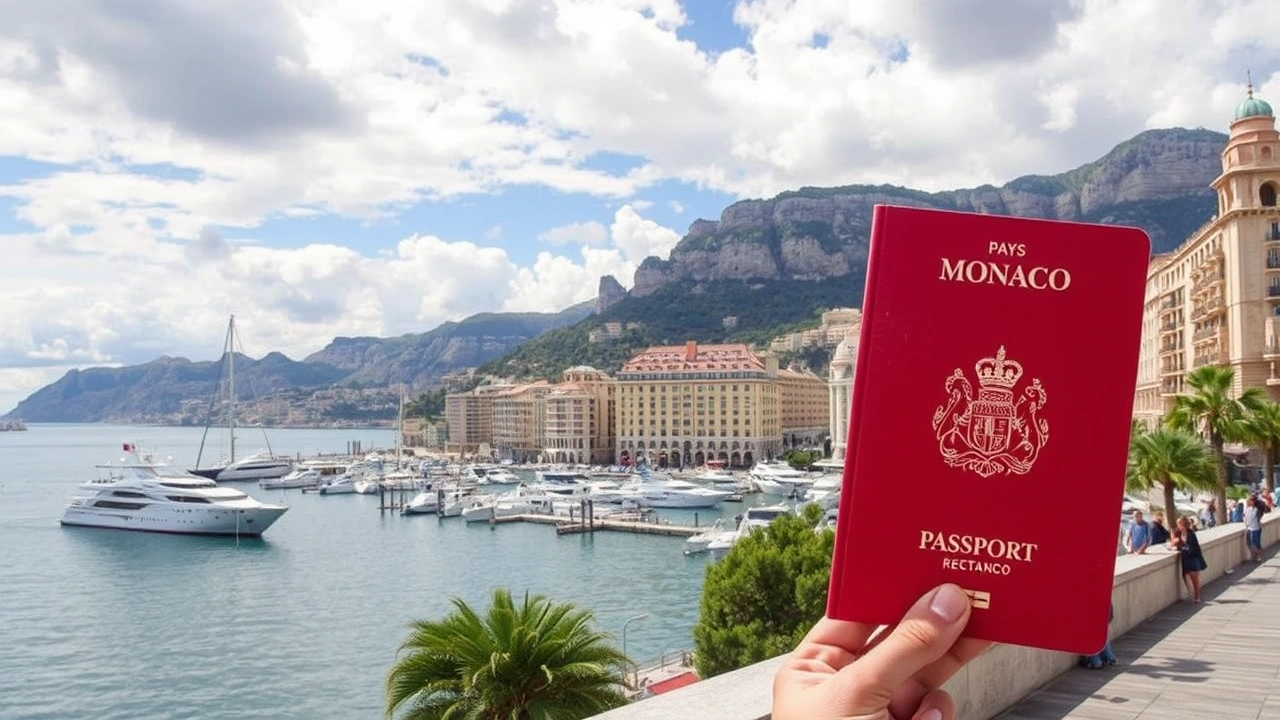
Leaving one’s country to settle in Monaco is a dream for many executives, business leaders, and investors. With its Mediterranean climate, exceptional security, absence of income tax, and prestigious events, the Principality ticks many boxes. But behind the postcard image also lie significant constraints, starting with a cost of living and real estate prices among the highest on the planet, highly selective residency procedures, and extremely limited living space.
This article details the key aspects to consider for an expatriation project in Monaco, including taxation, cost of living, job opportunities, the healthcare system, education, administrative procedures to obtain residency, and overall quality of life.
A Micro-State with a Unique Profile
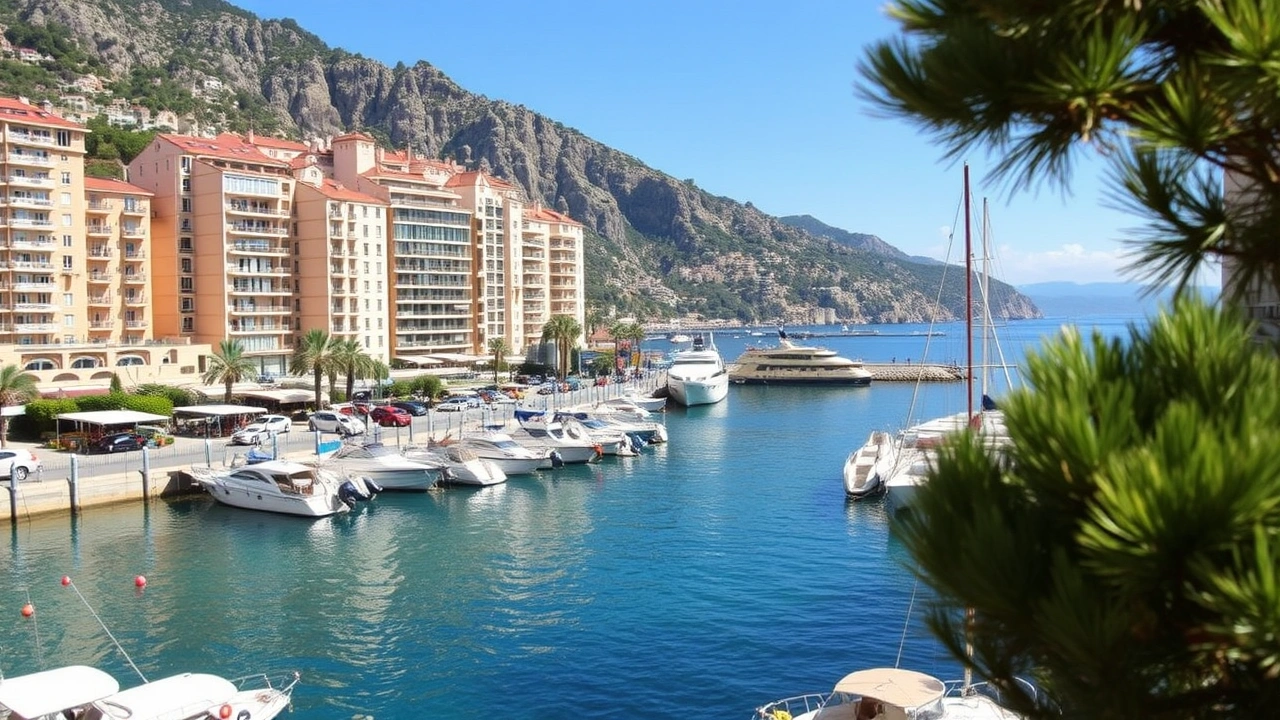
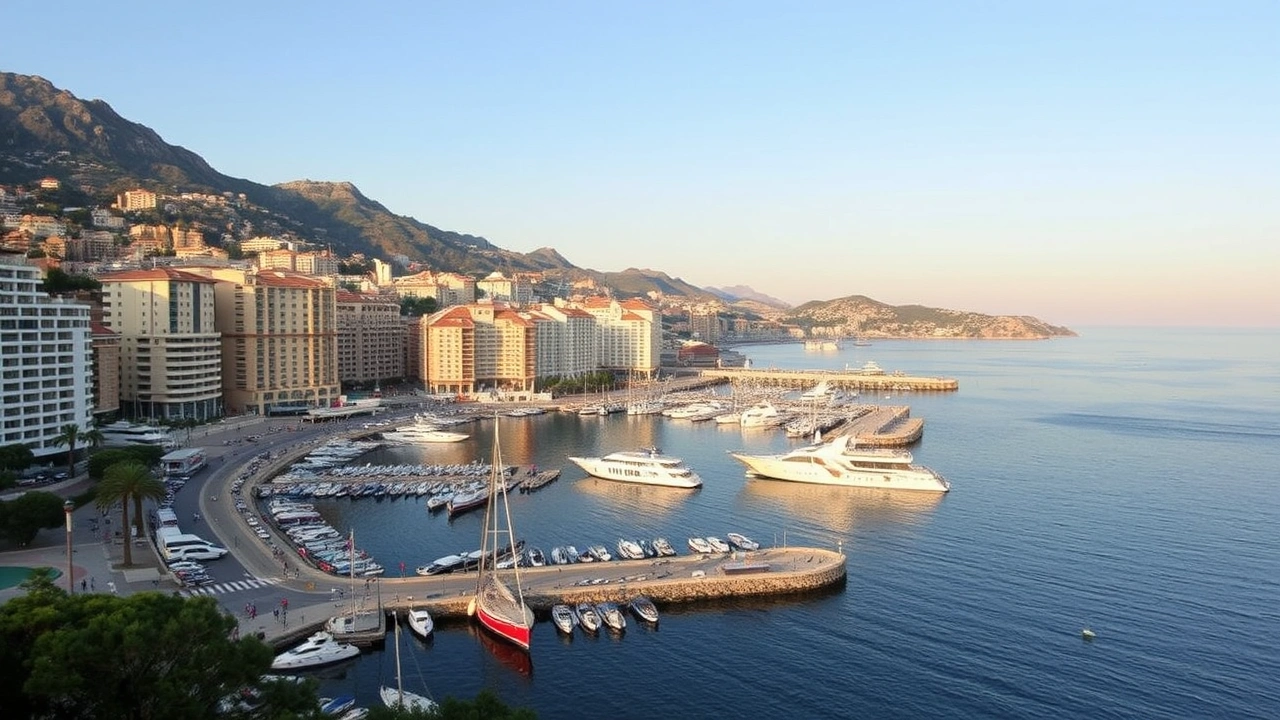
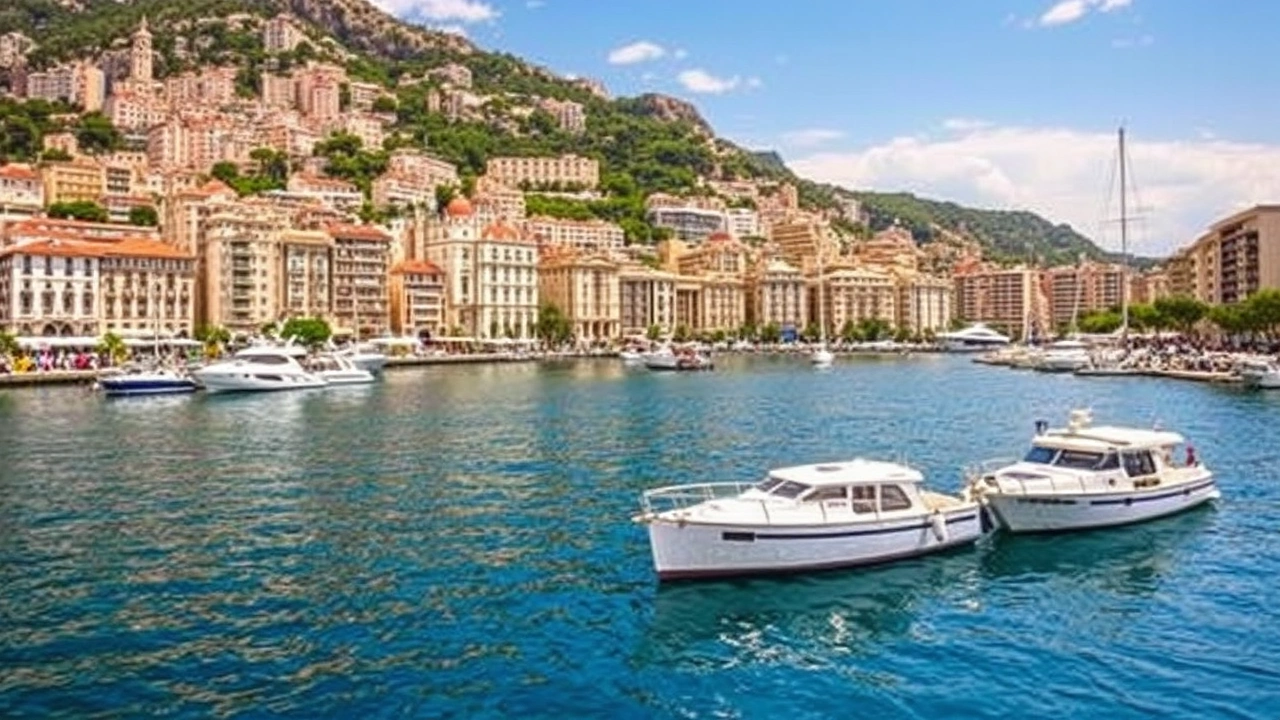
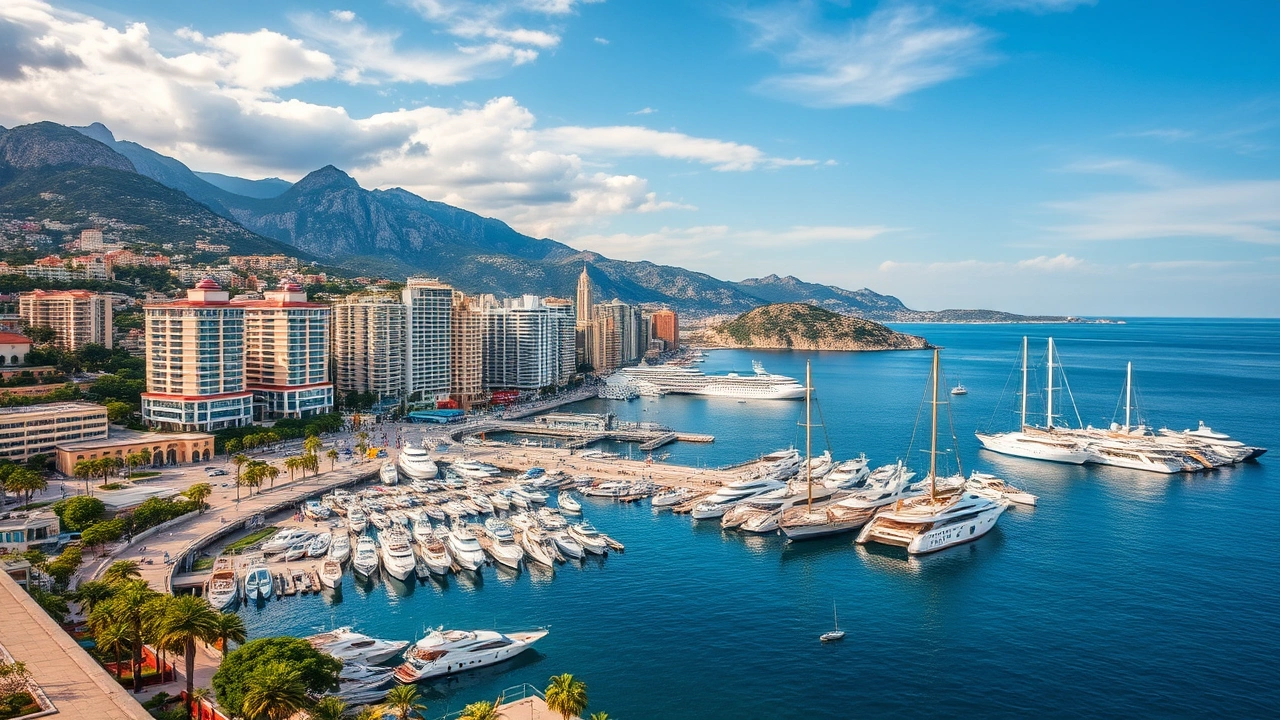
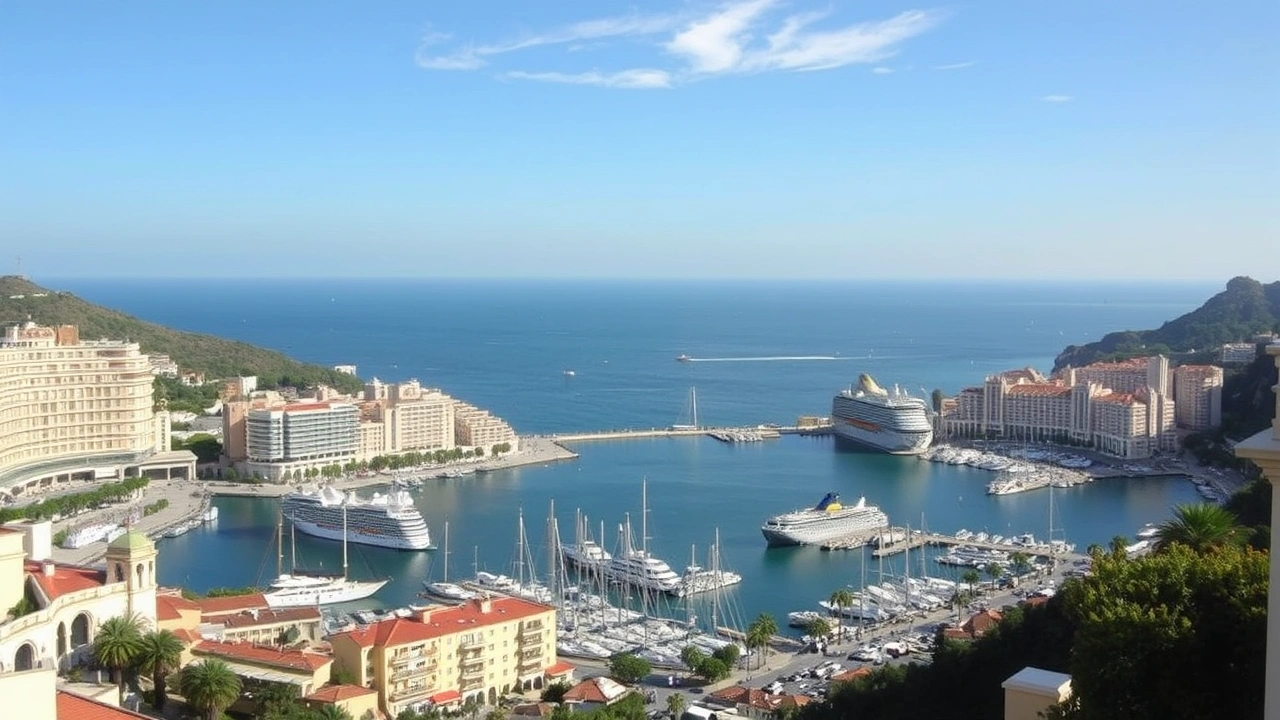
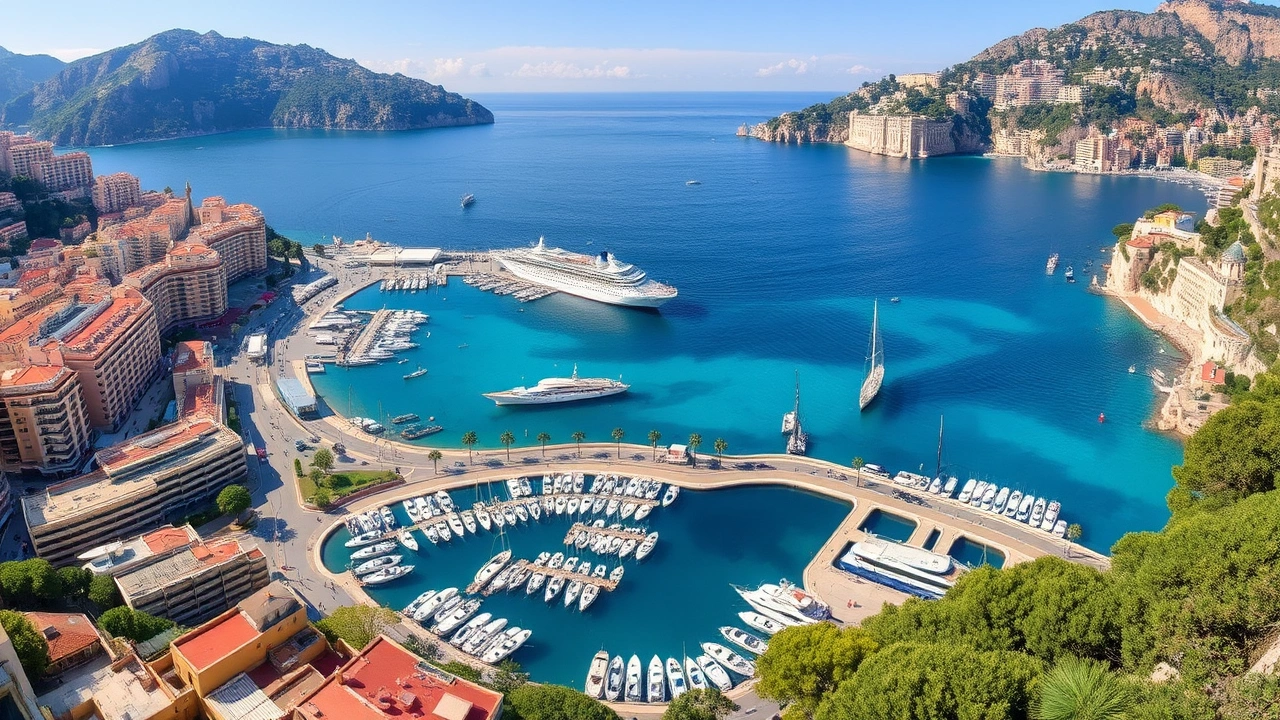
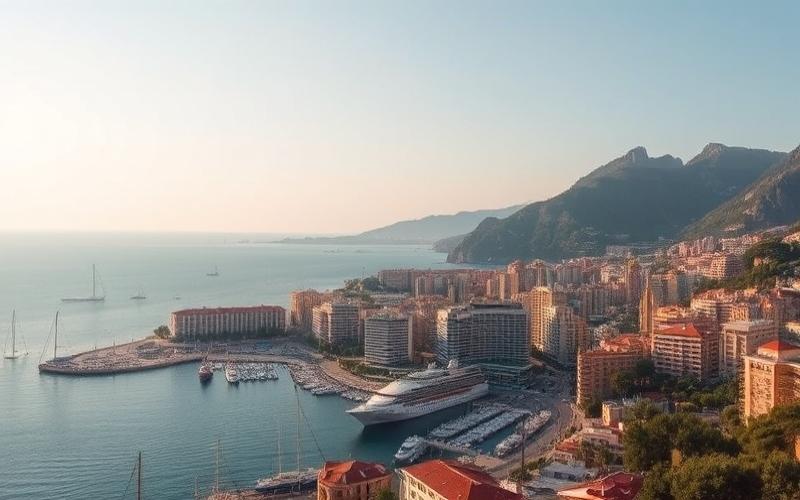
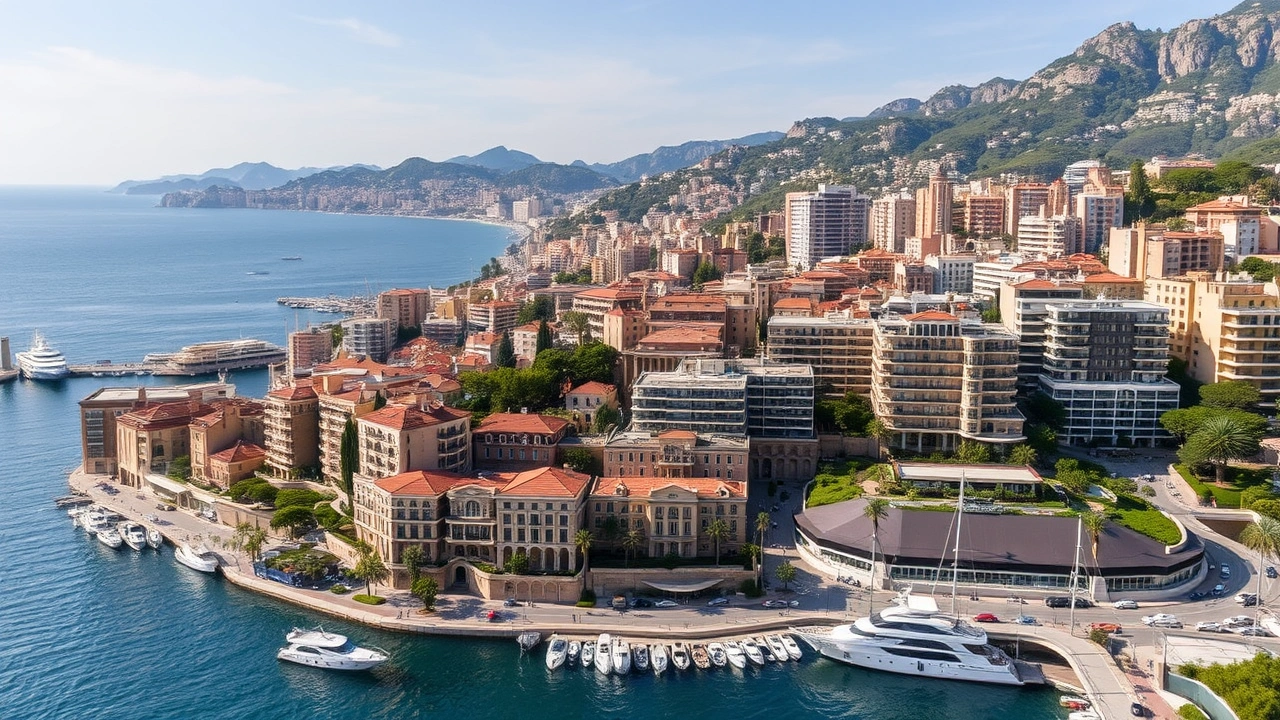
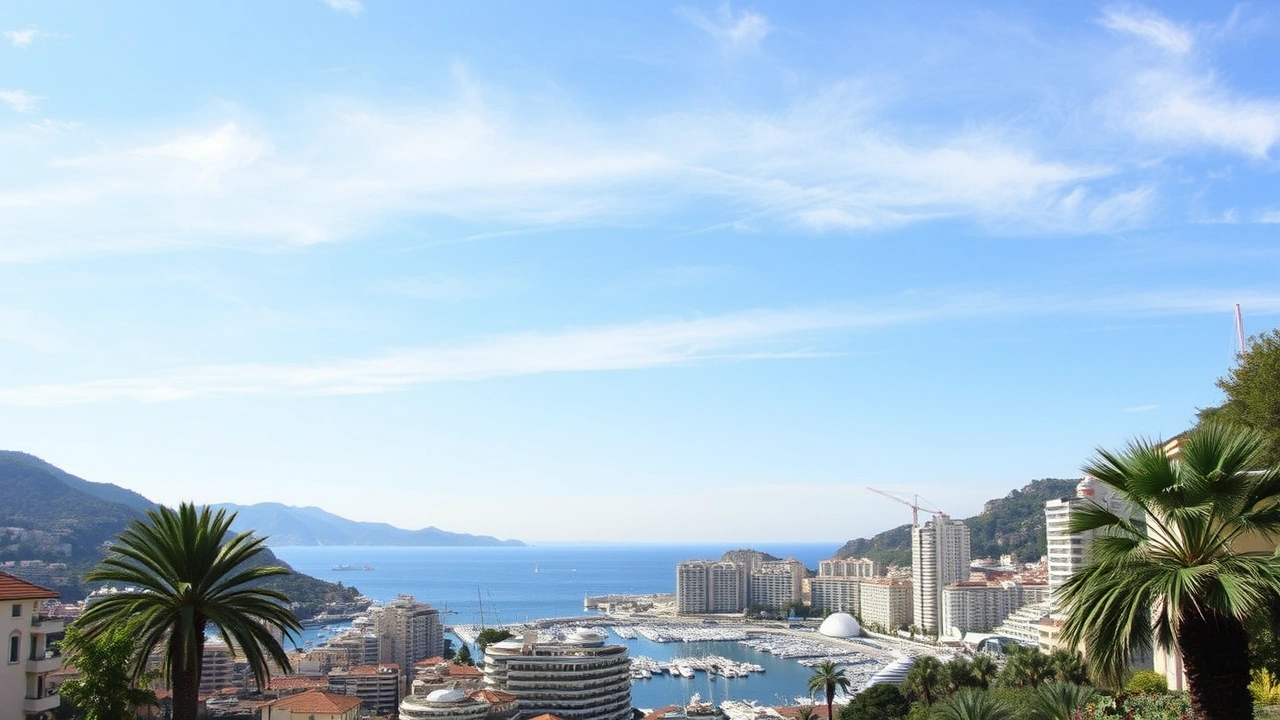
Before weighing the pros and cons, one must understand what this territory is really like. Monaco is a city-state nestled on the French Riviera, squeezed between the Mediterranean Sea and France, on just over 2 km², which is equivalent to Central Park in New York. It is the second smallest country in the world after Vatican City, but also the most densely populated, with nearly 38,000 to 39,000 residents… and an army of cross-border workers who commute daily from France or Italy.
Over 75% of Monaco’s inhabitants were born outside the Principality.
The country is a constitutional monarchy led by Prince Albert II, from the Grimaldi dynasty, which has been in power since the end of the 13th century. Monaco is not a member of the European Union but uses the euro, applies VAT aligned with France, and benefits from customs agreements with the EU. Its defense is ensured by France.
A Very High Quality of Life… for Those Who Can Afford It
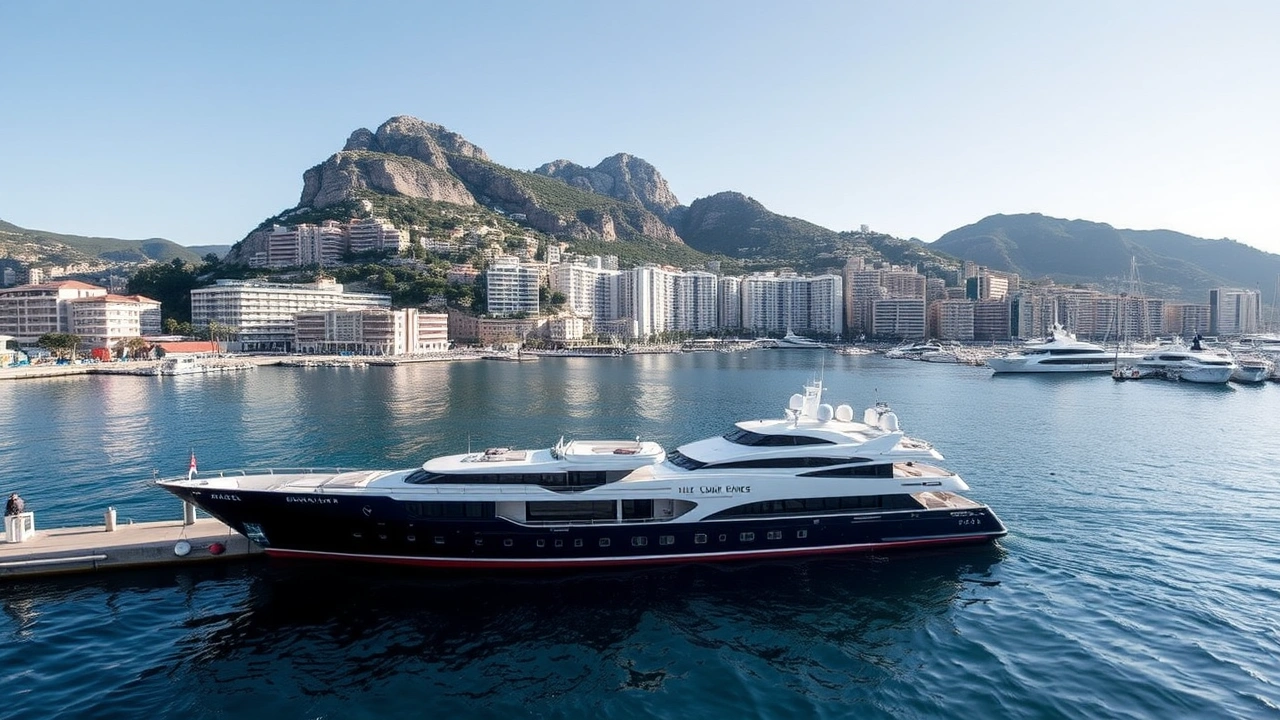
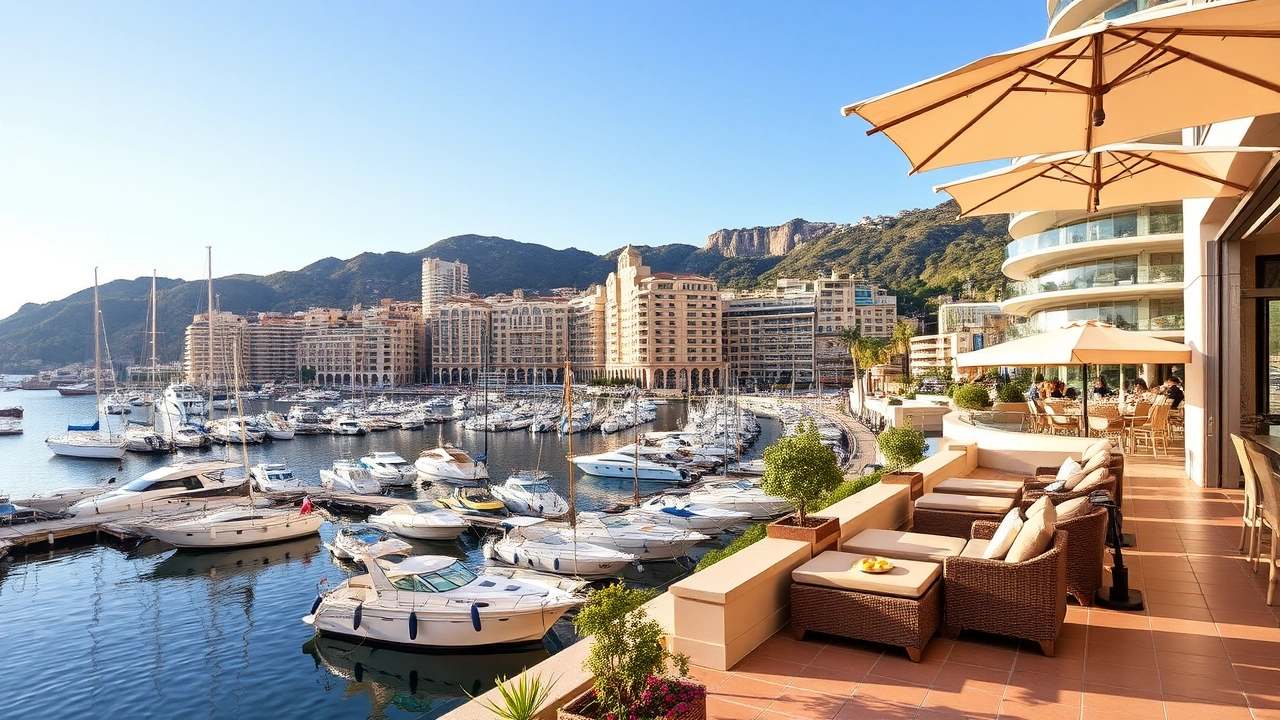
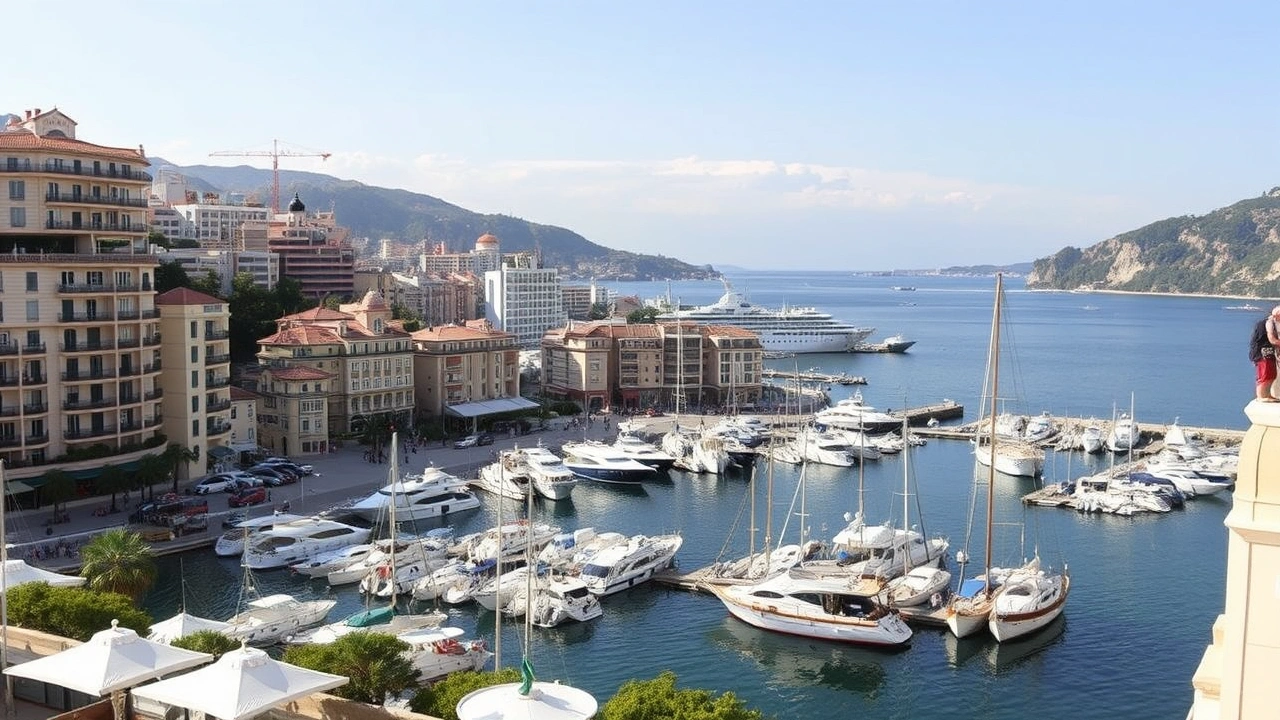
Monaco cultivates an image of luxury and glamour: giant yachts, palace hotels, haute couture boutiques, Formula 1 Grand Prix, casino, high-society parties. But beyond the scenery, the Principality objectively offers an extremely high standard of living: a reported poverty rate of 0%, unemployment around 2%, life expectancy nearing 90 years – among the highest in the world – a recognized healthcare system, high-performing education, and exceptional security.
The region benefits from a very mild Mediterranean climate, with about 300 sunny days per year. Summers are hot and dry, with temperatures often around 25°C, while winters are short and mild, with temperatures rarely dropping below 10–12°C. This stable and pleasant climate is a major argument for families seeking a safe environment and for highly mobile entrepreneurs.
But this “paradise” comes at a price, and it is astronomical.
The Major Advantage: Virtually Non-Existent Personal Taxation
The first thing that comes to mind when talking about expatriation to Monaco is taxation. On this point, the Principality remains one of the most attractive destinations for wealthy individuals.
No Income Tax, No Wealth Tax, No Annual Property Tax
For the vast majority of residents, there is no income tax. The measure dates back to 1869 and remains today one of the country’s main attraction levers. Salaries, dividends, interest, capital gains, rents, board attendance fees: all these incomes are not taxed at the Monegasque level for individuals.
There is also no wealth tax, nor an annual property tax on homes. Real estate capital gains made by individuals are not taxed under a tax equivalent to the real estate capital gains tax applied in many other European countries.
Regarding inheritance, there are no inheritance or gift taxes between spouses and in direct line (parents, children). For other heirs, taxation remains moderate compared to some countries:
| Beneficiary of assets located in Monaco | Approximate Tax Rate |
|---|---|
| Spouse / children / parents | 0% |
| Civil union partner | 4% |
| Brothers and sisters | 8% |
| Uncles, aunts, nephews, nieces | 10% |
| Other more distant relatives | 13% |
| Persons with no family relationship | 16% |
Donations to certain organizations of general interest and to the Monegasque State may be exempt.
A System Mainly Targeting Companies Doing Business Abroad
Contrary to a sometimes widespread idea, Monaco is not completely “tax-free”. Commercial or industrial companies that generate more than 25% of their turnover outside the territory are subject to a profits tax. The standard rate is 25% for recent financial years, after a gradual reduction phase from an old rate of 33.33%. Companies operating solely within Monaco remain in principle exempt.
The VAT system is aligned with the French model, with a standard rate of 20% and reduced rates (10%, 5.5%, 2.1%) applicable depending on the nature of the products or services, such as food, culture, press, or medicine. Furthermore, registration and stamp duties apply to certain transactions, particularly in the real estate sector.
For new entrepreneurs, a scheme temporarily mitigates the profits tax in the first years, which helps encourage the creation of companies in certain sectors.
Important Exceptions and Limitations
Not all nationalities benefit in the same way from this tax framework. French nationals residing in Monaco remain subject to French income tax, under a bilateral agreement. Except for rare historical exceptions (residency established in Monaco prior to the 1960s and under strict conditions), a French person moving to the Principality does not therefore “disappear” from the Paris tax radar.
U.S. citizens and green card holders remain taxable in the United States on their worldwide income, even if they reside in Monaco. This obligation includes reporting foreign accounts (FBAR) and paying federal tax, although provisions like the foreign earned income exclusion or tax credit may apply.
Finally, Monaco, long criticized for its opacity, has significantly strengthened its international cooperation. It now applies the OECD’s automatic exchange of information standard (CRS), has signed multiple tax information exchange agreements, and is no longer on the official lists of “non-cooperative tax havens” of the OECD or the EU. However, some NGOs or countries still consider it a harmful tax jurisdiction. The Principality is also on the FATF’s “grey list,” which closely monitors efforts in anti-money laundering and counter-terrorist financing.
For a candidate for expatriation, this means that opening an account in Monaco or becoming a resident there in no way guarantees anonymity vis-à-vis the tax authorities of one’s country of origin.
The Flip Side: An Extraordinary Cost of Living
The tax advantages and security come at a very concrete cost: daily life in Monaco is by far one of the most expensive in the world. International comparisons are clear.
An Exploding Monthly Budget
Estimates converge: factoring in rent, a single person generally needs a monthly budget of around €7,000 to €8,000 to live in Monaco at a local “average” standard (and not in ultra-luxury). For a family of four, needs easily exceed €20,000 per month, just to cover housing, utilities, food, transportation, and some leisure activities.
Comparisons show that the total cost of living (including housing) is approximately:
– Nearly 250% higher than in the United States,
– About 78% more expensive than in France,
– 58% above Switzerland,
– Three times more expensive than Germany,
– Up to 300% more expensive than the United Kingdom according to some comparative baskets.
Even excluding rent, the cost of living index is vastly higher than the world average.
The Most Expensive Real Estate on the Planet
Real estate is the main factor behind this inflation. Monaco regularly vies for top global spot for price per square meter. Some data series report an average nearing or exceeding €50,000/m², with much higher peaks in certain prestigious buildings and neighborhoods.
To give an order of magnitude:
To give an order of magnitude
| Type of property or rental | Typical Price Level (order of magnitude) |
|---|---|
| Average sale price per m² | ~ €50,000–55,000 / m² (overall average, well above in places) |
| Studio for rent (center) | €6,000 / month and up |
| 1-bedroom apartment in center | Around €6,400 / month |
| 3-bedroom apartment in center | €17,000 to over €20,000 / month |
| Very high-end studios / small apartments | Up to €2,000 / night in short-term rental |
| Large property or penthouse | Several million euros (€5M is not exceptional) |
The scarcity of land partly explains these levels. The territory is tiny, squeezed between sea and mountain. Each new real estate project is an engineering challenge, often on platforms or extensions over the sea, as in Fontvieille. Properties change hands infrequently: it is estimated that, on average, a property changes ownership only every 37 years.
The rental market is structured into several segments:
– A public sector (state-owned housing), reserved primarily for Monegasques and long-term residents;
– A regulated sector, with controlled rents for certain older buildings;
– And a free market, where most expatriates end up, with prices having no ceiling other than the market’s.
Faced with the high cost of real estate in the Principality, discover the preferred residential alternatives.
Finding affordable housing in Monaco is one of the main challenges to settling in for newcomers.
Many employees, students, and families choose to reside in neighboring French towns like Beausoleil, Cap d’Ail, Roquebrune-Cap-Martin, Menton, or Nice.
In these towns, rents, although high for the region, remain significantly lower than those in the Principality.
Daily Life, Between Luxury and Silent Inflation
Beyond housing, everything is more expensive: restaurants, supermarkets, services, leisure. A simple meal at an inexpensive establishment can easily cost around twenty euros, a dinner for two at a mid-range restaurant often runs around €110 to €300 for three courses, with drinks charged at premium prices.
The grocery basket is also significantly more expensive than in most French cities. Coffee, bread, milk, eggs, fruit, vegetables, cosmetics, everything carries the Monaco premium. A simple men’s haircut easily costs around €50–60, a gym session can quickly become expensive, although more affordable subscriptions exist.
For a person relocating with an “upper average” salary, the combination of exorbitant rent, school fees, and an expensive daily life can quickly erode the tax advantages, especially in the absence of significant assets.
Near-Absolute Security, a Key Argument for Families
If taxation attracts investors, it is often security that convinces families to take the plunge. On this point, Monaco is a world model.
The Principality boasts one of the lowest crime rates in the world. It is estimated there is about one police officer for every 80 inhabitants, a ratio without equal. Over a thousand video surveillance cameras constantly monitor the streets, building entrances, parking lots, commercial areas. The authorities’ stated goal is “total security.”
Undesirable behavior is strictly regulated: begging is prohibited, appropriate attire is required in public spaces, noise nuisances are monitored. This rigor contributes to a sense of order and cleanliness, sometimes perceived as very normative, but often appreciated by residents who precisely seek a very controlled environment.
For parents, peace of mind is real: children can move around alone to the park, beach, or school in an extremely secure setting. This factor is regularly cited as one of the primary reasons for satisfaction by expatriates with children.
A Top-Ranked Healthcare System
Monaco is regularly presented as one of the best-equipped countries in terms of doctors per capita and one of the most effective in terms of public health. Figures confirm this image: over 500 doctors per 100,000 inhabitants, life expectancy nearing 90 years, very low infant mortality.
The healthcare system combines a strong public sector and a dense private sector.
Hospitals and Specialized Centers of International Standard
The cornerstone of the system is the Centre Hospitalier Princesse Grace (CHPG), a large public hospital with about 600 beds, created at the beginning of the 20th century. It offers 24/7 emergency services, numerous specialties (oncology, cardiology, geriatrics, pediatrics, obstetrics, etc.) and serves as a regional reference. A major reconstruction project is underway to provide Monaco with an even more modern hospital, with delivery scheduled around 2026.
Alongside it, several institutions complement the offer:
Monaco has a range of specialized and recognized private healthcare facilities, covering various medical fields from cardiac surgery to sports medicine.
Specializing in cardiac and thoracic surgery, this facility enjoys international recognition.
Expert center for orthopedics, sports medicine, and rehabilitation.
Facility dedicated to managing kidney pathologies.
Like the Clinique de Monte‑Carlo or the Clinique du Louvre, offering services in surgery, maternity, and specialized consultations.
The Principality devotes about 8% of its annual budget to health, which, relative to the small size of the country, translates into state-of-the-art equipment and a very well-trained, often multilingual healthcare staff (French, English, Italian).
Mandatory and Complementary Health Insurance
Every salaried or self-employed worker in Monaco must contribute to the local social security, managed by the Caisses Sociales de Monaco. Employers pay a significant contribution on payroll, employees also contribute on their remuneration. The system operates on a reimbursement model: the patient pays upfront and is later reimbursed, generally between 80 and 100% of the reference rate, for a wide range of care (general practitioner, specialists, hospitalization, prescribed medication, maternity, rehabilitation, etc.).
Most residents take out private insurance (mutual) in addition to the basic coverage. This complementary insurance reduces the patient’s out-of-pocket expenses, particularly for certain treatments like dental care or medical procedures not fully covered by the main scheme.
Expatriates without professional activity, or non-European students, must compulsorily subscribe to sufficiently comprehensive private health insurance to obtain and maintain their residency permit. Costs can be substantial, especially since some high-end services, like a complete VIP check-up at CHPG, are billed at around €4,000.
An important point: the European Health Insurance Card (EHIC), valid in EU member states, is not valid in Monaco. Except for specific arrangements (notably for some French and Italians affiliated with their national scheme), Europeans cannot simply rely on this card for free treatment in the Principality.
A Solid, Very Francophone but Internationally Open Education
For families considering expatriation, the quality of schooling is a central criterion. In this area too, Monaco displays a high level.
The education system is modeled on the French system, under the supervision of the Department of National Education, Youth, and Sports. Schooling is compulsory from ages 6 to 16, but most children start nursery school at age 3. Public schools are free, with relatively small class sizes and baccalaureate success rates close to 100%.
The language of instruction is French, with a strong emphasis on foreign languages: English is introduced from nursery school, Monegasque (munegascu) is compulsory from CE2 (grade 3) to 9th grade, and other languages may be offered in middle and high school.
A Network of Public and Private Schools
The territory has several public nursery and elementary schools (Carmes, Parc, Stella, Fontvieille, Saint‑Charles, Condamine, Révoires), one public middle school (Collège Charles III) and two high schools: Lycée Albert Iᵉʳ (general and technological) and Lycée Rainier III, also called the Technical and Hotel School of Monte‑Carlo, focused on vocational and hotel training.
Private schools under contract, often Catholic-inspired, complement the educational offer. They follow the French curriculum and can educate from nursery to high school, such as Cours Saint-Maur or the institution François d’Assise – Nicolas Barré (FANB).
Expatriate families can also turn to fully private structures, independent of the French system, like the International School of Monaco (ISM) or the British School of Monaco.
International Schools for Children of Mobile Families
The International School of Monaco, founded in the mid-1990s, now welcomes several hundred students of dozens of nationalities, from nursery to high school. It offers bilingual French/English teaching and prepares students for recognized international diplomas, such as the International Baccalaureate (IB) and IGCSE. Tuition fees are substantial: on the order of a few thousand euros per year in nursery to nearly €20,000–23,000 at the end of secondary school, excluding registration fees and additional costs.
Monaco offers several international education options. The British School of Monaco follows the British curriculum up to A-Levels. For young children, there is also a small bilingual Montessori school.
For families already engaged in an international school path, these institutions offer appreciable continuity. But again, the cost adds to an already very heavy housing budget, which de facto reserves these options for particularly well-off households.
Residing in Monaco: Highly Selective Access Conditions
Setting up in Monaco for more than three months per year requires obtaining a residency card. This is the key that grants access to local rights (healthcare, banking, schooling, etc.). The procedure is demanding and clearly targets solvent profiles.
The Different Residency Cards
Three main statuses exist for foreigners:
| Type of Residency Card | Validity Period | Conditions of Presence on Territory (indicative) |
|---|---|---|
| Temporary card (“résidente”) | 1 year, renewable twice | At least 3 months per year in Monaco |
| Ordinary card | 3 years, renewable | After several years of residence; at least 3 months/year |
| Privileged card | 10 years | After about 10 years of residence; at least 183 days/year |
Spouses of Monegasque citizens benefit from specific provisions, with a card valid for 5 years after one year of marriage and residence.
The residency card is mandatory from age 16 for anyone residing more than three months per year in the country. It is applied for with the Directorate of Public Safety (residents section), after an interview.
The associated administrative fees remain symbolic compared to other daily costs: around ten euros for the first card according to some older data, around €80 for a temporary card, €100 for a three-year card and €160 for the ten-year card according to other more recent sources.
Housing, Resources, Criminal Record: The Triple Filter
For an application to be accepted, the authorities require three major proofs:
For a residency permit application, the candidate must justify suitable housing in Monaco. This can be ownership, a lease of at least one year, or accommodation provided by a person holding a residency permit. Proofs (notarial deed, lease, or attestation of accommodation) are systematically verified.
– 2. Sufficient Financial Resources One must demonstrate the ability to support oneself (and one’s family) without becoming a burden on the State. This can be through:
– a local employment contract,
– self-employment income,
– ownership of a company,
– significant financial assets. In this last case, the practice is for a Monegasque banking institution to issue a letter attesting that the applicant holds sufficient assets. The minimum threshold mentioned in practice is often around €500,000, but some banks require rather €1 to €2 million, especially for a private banking relationship. For very large fortunes, some banks require several million, or even over €10 million, as a minimum deposit.
The candidate must provide clean criminal record extracts from their country of origin and any recent country of residence. A background check, including an interview with the Monegasque police, is conducted to verify the coherence of the residency project.
In addition, there is the obligation to have health insurance, public or private depending on the professional situation, and the provision of all necessary civil status documents (birth, marriage, divorce certificates, sworn translation if applicable).
Non-European Nationals: The Two-Step Process
Citizens of the European Union, the European Economic Area, and Switzerland can settle in Monaco without a prior visa, even though they must follow the residency card procedure. On the other hand, non-EEA nationals (including now British citizens) must first obtain a long-stay visa (type D) issued by the French authorities, as access to Monaco is physically via France.
The maximum processing time for some residency card applications in Monaco can reach 20 weeks.
This two-tier system (France then Monaco) makes expatriation significantly more complex for a non-European than for an EU national.
Tax Residence and Nationality: Two Different Things
Obtaining a residency card does not necessarily mean being recognized as a tax resident by all countries. Some states retain their own criteria (length of stay, center of economic interests, family, etc.) to determine tax residence. Monaco issues, if necessary, a tax residence certificate, but this is not always enough to convince the tax authorities of the country of origin.
As for becoming a Monegasque citizen, that’s a whole other story. Naturalization is theoretically possible after at least 10 years of adult residence, but remains rare and entirely discretionary: the Prince decides case by case. Monaco does not in principle recognize dual citizenship, which requires candidates to renounce their other passports. In practice, only a few dozen naturalizations are granted, often to personalities or profiles deemed particularly contributing to the life of the Principality.
Work and Business: A Dynamic but Very Targeted Economy
Monaco boasts one of the highest GDP per capita in the world. The economy relies mainly on:
– High-end tourism (palace hotels, conferences, casinos, yachting, sporting and cultural events);
– Private banking and wealth management, with over €100 billion in assets under management;
– Luxury real estate;
– Non-polluting niche industries;
– High value-added services (consulting, technology, applied research, etc.).
More than 48,000 to 78,000 people come to work there every day, far more than the number of inhabitants. Monegasques themselves hold a tiny minority of jobs (only a few percent), with positions mostly held by French and Italian cross-border workers, but also by many settled expatriates.
Job Market: Opportunities, but Not for Everyone
The sectors offering the most openings are logically those structuring the economy: finance, private banking, insurance, wealth management, luxury, high-end hospitality and catering, events, yachting, business services, and increasingly, technology (cybersecurity, data science, software development, fintech, AI, etc.).
The average net monthly salary in Switzerland ranges between 5,500 and 7,000 euros, generally exceeding those in neighboring countries.
But these levels must be placed in the context of the cost of living: a decently high salary in another European country may prove insufficient to live decently in Monaco, especially with a family. Most expatriates who actually reside in the Principality hold high-level positions (executives, entrepreneurs, top management) or have significant asset-based income.
Access to employment in Monaco is strictly regulated. Employers must obtain a work permit for each employee. The Employment Service applies a priority order: 1) Monegasque citizens, 2) foreigners married to a Monegasque, 3) persons already resident, then 4) other candidates. Furthermore, French is the dominant working language. Although English is used in some international circles, not mastering French is a real handicap for finding salaried employment.
For an expatriate spouse following a partner relocated to Monaco, it can therefore be difficult to find local employment, especially if their profile does not fit into the key sectors.
Mobility, Transport, and Daily Constraints
Living in a very densely built micro-state has obvious practical advantages: everything is close, one can cross the country on foot in less than an hour, public services, shops, and schools are within walking or bus distance. But this compactness also has a downside: high human density, heavy car traffic, very mineral urban environment.
Modern Public Transport, Complicated Car Use
The urban bus network covers the different neighborhoods well, with daytime lines and a night line, and even a boat-bus crossing the harbor. Fares remain reasonable compared to the rest: a few euros per ticket, around twenty euros for a monthly pass, less than €200 for an annual subscription according to available data. Bike-sharing or electric car-sharing services exist (MonaBike, Mobee), managed by a single app (Monapass) which also centralizes access to parking and event tickets.
It takes 7 minutes by helicopter to reach Nice Côte d’Azur Airport from Monaco.
On the other hand, using a personal car on a daily basis can become a headache: heavy traffic, omnipresent paid parking, narrow streets, frequent road closures during major events (F1 Grand Prix, rally, sports events). More than 40 public parking lots allow parking, often with the first hour free, but subscriptions and long-term parking represent a non-negligible expense.
Ride-hailing services like Uber are not authorized in Monaco. The taxi system operates on a traditional model with specific rates: a fixed fare for trips within the principality, a surcharge for waiting, and high prices for trips to the airport.
A Very Dense Space, Little “Breathing Room”
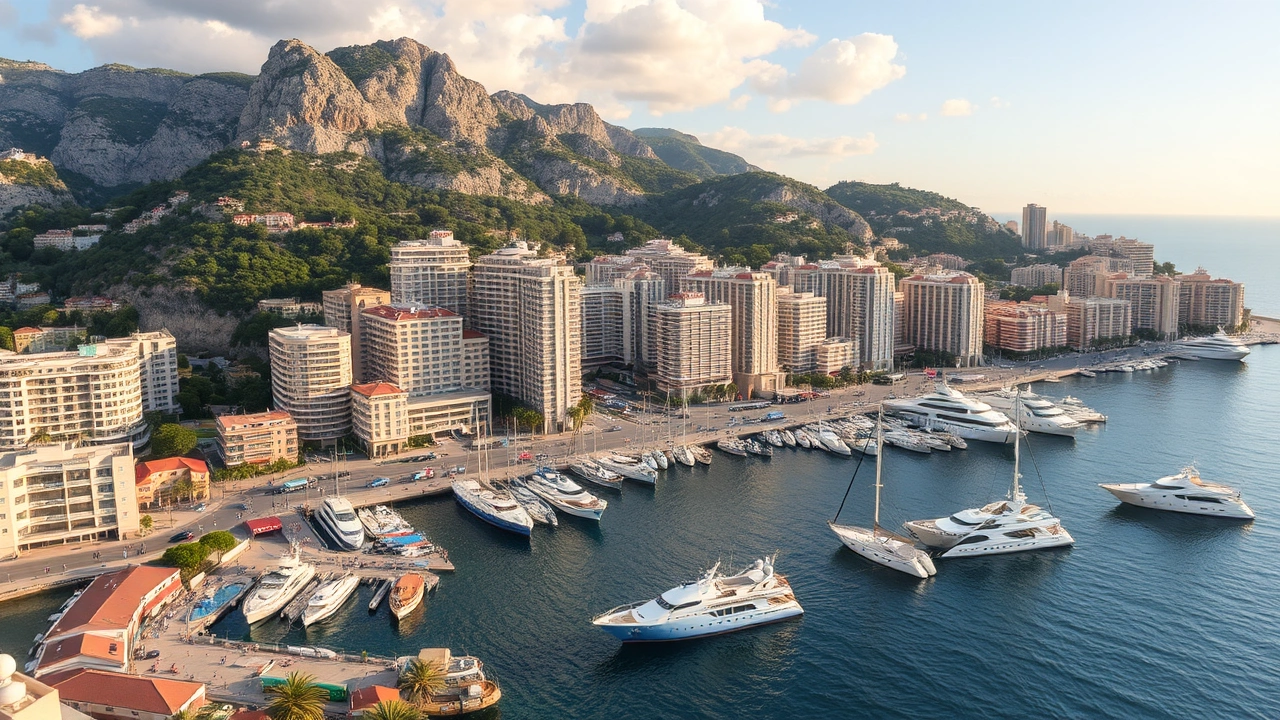
The built density is felt as soon as one looks up: residential towers, luxury buildings, infrastructure cascading down the hillside, corniche roads, tunnels, public escalators and elevators to manage the terrain. For some, this extremely dense and mineral urban landscape is a disadvantage for long-term projection, as it sometimes gives a feeling of lacking space and nature, despite some remarkably maintained parks and gardens.
The small size of the territory can also create a very marked sense of social exclusivity: one often sees the same faces again, social circles are limited, the boundary between private and professional life can blur in certain circles.
Culture, Leisure, Social Life: A Concentration of Events and Luxury
Monaco partly compensates for its small size with a profusion of events, cultural institutions, and sports activities.
The Principality hosts major annual events: Formula 1 Grand Prix, Monaco Yacht Show, circus festivals, spring of the arts, charity galas, fashion shows, exhibitions. The philharmonic orchestra, the opera, the Ballets de Monte‑Carlo, several theaters and museums (including the famous Oceanographic Museum) animate the cultural scene.
The principality offers a rich gastronomic scene with many starred restaurants and renowned tables, blending French, Mediterranean, Italian, and international influences. The Casino de Monte‑Carlo and its gaming establishments are important symbols, although, by protective tradition, Monegasque citizens and residents are not allowed to gamble there.
A Structured Social Life, but a Certain Exclusivity
For expatriates, integration often happens through organized clubs and networks. Many circles exist: Club des Résidents Étrangers de Monaco (CREM), International Club of Monaco, national associations (British, Swiss, French, etc.), sports clubs, yachting clubs, bridge clubs, networks like InterNations, social media groups dedicated to expatriates, parent-teacher associations, etc.
The commune has set up a “Welcome Office” to welcome newcomers and organize information meetings, thus facilitating connection-building. However, the relatively homogeneous environment (many high-income households) and the small size of the community can give newcomers an impression of a sometimes closed microcosm, especially with limited mastery of French or not sharing certain social codes.
The local culture is described as rather conservative in some aspects, with a marked sense of propriety and appearance. For expatriates seeking an “alternative” scene or great cultural diversity, this can be perceived as a drawback.
Family Life: A Very Protective Environment
Despite its image as a “playground for the rich”, Monaco proves surprisingly suited to family life. Besides the already mentioned security and the quality of healthcare and education, the Principality has managed to develop a generous offer of parks, gardens, beaches, and activities for children.
Monaco offers various spaces and activities for young people, like the Princess Antoinette Park with its playgrounds, mini-farm, sports fields, and mini-golf; the Exotic Garden; the Saint‑Martin Gardens; the Princess Grace Park and Rose Garden in Fontvieille; and Larvotto beach, redeveloped with playgrounds, promenade, anti-jellyfish devices, and surveillance. Clubs organize extracurricular activities, summer camps, and sports sections (soccer with AS Monaco, swimming, martial arts, sailing, dance, music, theater).
For parents who can afford this lifestyle, the compromise is often considered very favorable: an ultra-secure cocoon, high-end infrastructure, serious school supervision, albeit at the cost of strong financial pressure.
Summary: Who is Expatriation to Monaco Really For?
From a strictly factual point of view, expatriation to Monaco offers first-rate advantages:
– Extremely advantageous personal taxation (no income tax, no wealth tax, no annual property tax, very light inheritance taxes for close family) for most nationalities;
– Exceptional security, highly visible police, widespread video surveillance, very low crime;
– World-class healthcare system, with state-of-the-art equipment, many specialists, high medical density, record life expectancy;
– Solid education, based on the French model with an international openness and high-level bilingual schools;
– Privileged climate and living environment, on the Mediterranean, in close proximity to major European cities;
– Political and economic stability, strong currency, modern infrastructure, efficient public services.
But these assets are inseparable from significant constraints:
Setting up in Monaco is made difficult by a cost of living and a real estate market among the highest in the world, saturated and competitive. Residency procedures require proof of wealth, housing, and good character, effectively selecting high-purchasing-power profiles. Job opportunities are concentrated in a few sectors (finance, luxury, tech, high-end tourism), living space is limited with high density, and social life is marked by specific cultural codes and a certain exclusivity.
In practice, Monaco constitutes a relevant choice for:
The influx of new residents to Monaco is mainly composed of three profiles: already wealthy entrepreneurs, investors, and executives, attracted by the favorable taxation, security, and European connectivity; affluent families who prioritize security, the quality of education and the healthcare system, despite a high cost of living; and highly qualified professionals in the Principality’s key sectors, able to obtain remuneration aligned with the local level.
For an expatriate with a comfortable income but without significant assets, or for a young professional without prospects of a six-figure salary, the equation is much harder to solve. Daily life then risks becoming a permanent race to keep up with the financial pace imposed by the Principality, to the point of erasing some of the tax advantages.
Monaco is therefore not a universal El Dorado, but a micro-state with very clear rules: an ultra-secure, politically stable, fiscally gentle environment for individuals, but de facto reserved for a minority capable of bearing its costs. Expatriation there resembles less a simple change of country than a change in economic and social league.
A 62-year-old retiree, with financial assets over one million euros well structured in Europe, wishes to change tax residence to optimize his tax burden and diversify his investments, while maintaining a link with France. Budget allocated: €10,000 for complete support (tax advice, administrative formalities, relocation and asset structuring), without forced sale of assets.
After analyzing several attractive destinations (Monaco, Greece, Cyprus, Mauritius), the strategy chosen was to target Monaco for its absence of income tax for individuals (except French citizens working in Monaco), absence of wealth tax, and a stable economic environment in the heart of Europe. The mission includes: pre-expatriation tax audit (exit tax, tax deferral), obtaining Monegasque residency (stay conditions, proof of resources and housing), coordination with CNAS/CPAM, transfer of banking residence, plan to break French tax ties (183 days/year outside France, center of economic interests), connection with a local network (lawyer, private bank, property managers), and asset integration. This setup allows for very significant tax savings while controlling risks (French tax audits, FR‑MC convention, adaptation to the cost of living and real estate market).
Planning to move abroad? Contact us for custom offers.
Disclaimer: The information provided on this website is for informational purposes only and does not constitute financial, legal, or professional advice. We encourage you to consult qualified experts before making any investment, real estate, or expatriation decisions. Although we strive to maintain up-to-date and accurate information, we do not guarantee the completeness, accuracy, or timeliness of the proposed content. As investment and expatriation involve risks, we disclaim any liability for potential losses or damages arising from the use of this site. Your use of this site confirms your acceptance of these terms and your understanding of the associated risks.

Cyril Jarnias is an independent expert in international wealth management with over 20 years of experience. As an expatriate himself, he is dedicated to helping individuals and business leaders build, protect, and pass on their wealth with complete peace of mind.
On his website, cyriljarnias.com, he shares his expertise on international real estate, offshore company formation, and expatriation.
Thanks to his expertise, he offers sound advice to optimize his clients' wealth management. Cyril Jarnias is also recognized for his appearances in many prestigious media outlets such as BFM Business, les Français de l’étranger, Le Figaro, Les Echos, and Mieux vivre votre argent, where he shares his knowledge and know-how in wealth management.