 Published on and written by Cyril Jarnias
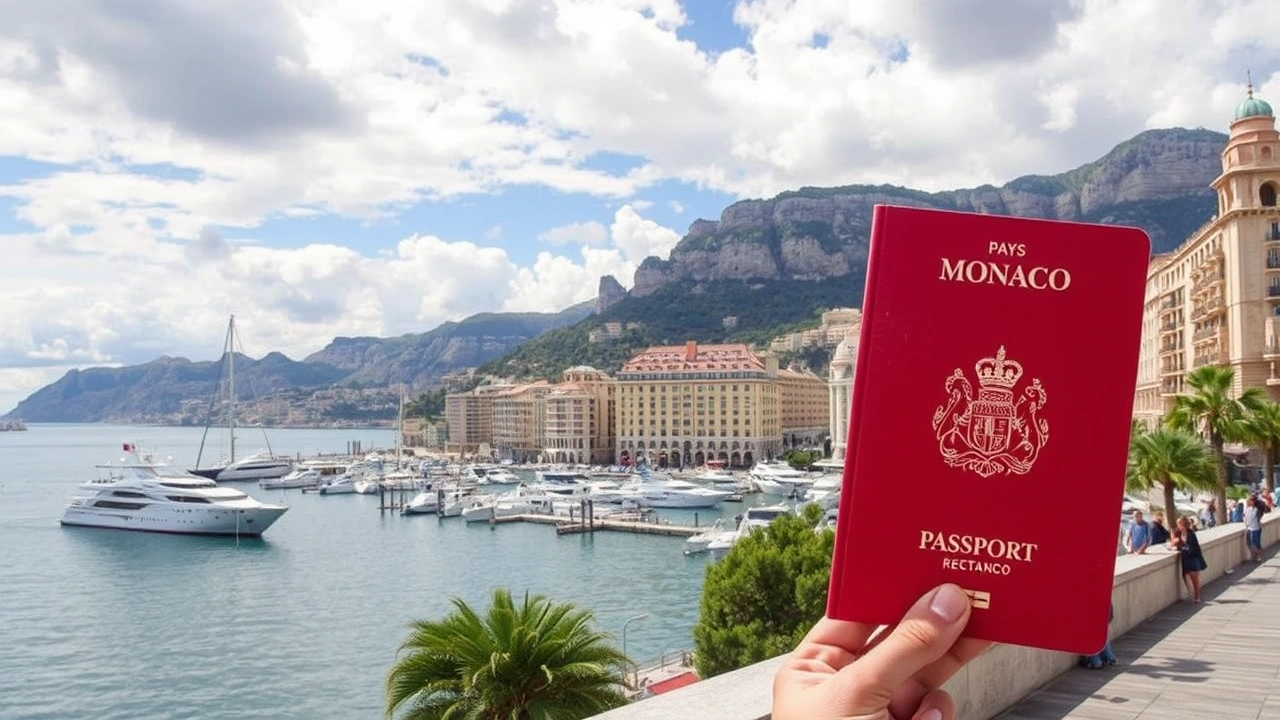
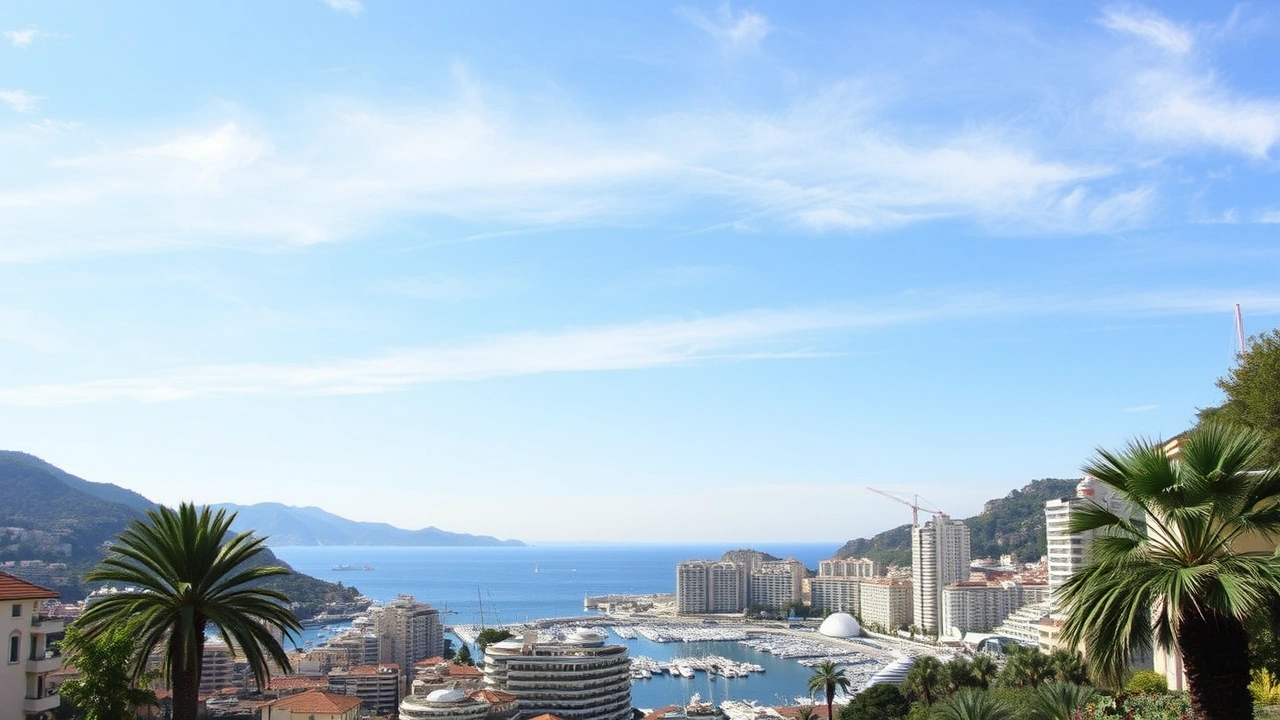
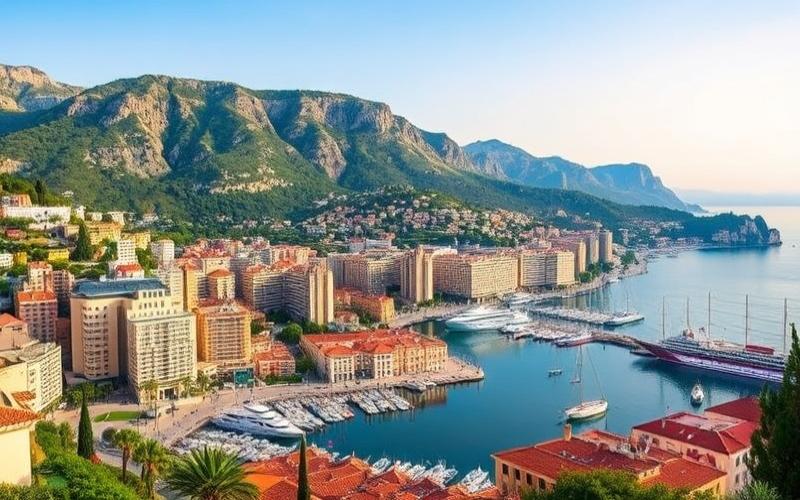
Between the turquoise Mediterranean, steep cliffs, and ultramodern skyscrapers, the Principality packs a density of must-see places into barely two square kilometers that rivals major capitals. With a well-organized day, you can cover the essentials. In two or three, you begin to feel the heartbeat of this micro-state, voted “Best European Destination” by European Best Destinations and favored by over 1.2 million travelers.
Monaco, a city-state nestled on the French Riviera, is simultaneously a postcard-perfect setting, a laboratory for maritime urban planning, a paradise for motorsport enthusiasts, and a hub of culture. Here’s an overview of the must-see tourist sites in Monaco, from the historic rock to urban beaches, via Belle Époque casinos and gardens suspended above the void.
Le Rocher: Historic Heart and Royal Panoramas
Perched on its limestone promontory, Le Rocher concentrates everything visitors seek in Monaco: princely history, old pedestrian alleys, landmark museums, and spectacular views over Port Hercule and the sea.
The Prince’s Palace: A Fortress Turned Sovereign Residence
Overlooking the Mediterranean, the Prince’s Palace alone tells the story of eight centuries of power for the Grimaldi dynasty. First built as a Genoese fortress in 1191, it became a princely residence from the 16th century onward, with interiors inspired by the Italian Renaissance.
A visit to the State Apartments – ticketed access – reveals a succession of solemn drawing rooms, period frescoes, tapestries, and marble floors. Over 600 m² of Italian Renaissance frescoes have been restored, giving the whole an unexpected brilliance for a palace of modest size. Entry is after a security check, with an included audio guide (11 languages) for a self-guided tour, or via a pre-booked guided tour.
The palace terraces are accessible without a ticket and offer an exceptional panoramic view of Port Hercule, the hills, and the districts of Monaco, from Fontvieille to Monte‑Carlo. It’s also considered one of the best photo spots in the city, especially at sunset.
The Changing of the Guard Ritual
Even before entering, a daily spectacle attracts visitors: the changing of the guard by the Prince’s Company of Carabiniers, created in 1817. Every day at precisely 11:55 AM, the main courtyard transforms into a perfectly choreographed military stage. Parade, inspection, military band, changing of the sentries, raising or lowering of the flag: the ceremony is free, but you need to arrive early to get a good spot.
The Carabinier Corps, responsible for the security of the Palace and the princely family, comprises 124 men (officers, non-commissioned officers, and soldiers). In summer, their immaculate white uniforms with plumed helmets stand out against the pale stone of Le Rocher; in winter, the attire becomes black or navy blue, always impeccably pressed. Since 2014, the Carabinier Orchestra – about twenty musicians from the ranks – regularly accompanies the ceremony.
Monaco Cathedral: Grimaldi Memorial and Romanesque-Byzantine Architecture
A few minutes’ walk from the palace, the Cathedral of Our Lady of the Immaculate Conception – often called Monaco Cathedral or Saint Nicholas – watches over the principality from the ridge of the rock. Built between 1875 and 1903 in a Romanesque-Byzantine style, it stands on the site of a former 13th-century church dedicated to Saint Nicholas.
Nice’s Saint-Michel Cathedral features a facade of white stone from La Turbie (22 m wide, 18 m high). Its bright interior is adorned with a high altar and a bishop’s throne in Carrara marble and illuminated by 183 restored stained-glass windows. It houses a retable from the early 16th century painted by Louis Bréa, a Niçois Renaissance artist, as well as other notable religious works.
The cathedral is especially the resting place for many members of the princely family, including the most famous sovereigns: Albert I, Charles III, Louis II, Rainier III and, of course, Princess Grace. Since 1962, their tombs have been grouped in the ambulatory, providing visitors with a discreet but highly frequented place for contemplation.
The cathedral’s monumental organ has nearly 4,840 pipes, entirely overhauled in 2011.
Saint-Martin Gardens and Le Rocher Museums
Below the cathedral, the Saint-Martin Gardens wind along the cliffside, among pine trees, sculptures, and breathtaking sea views. Created in the 19th century – Monaco’s first public gardens – they offer a green respite steps from the historic center and form a natural corridor leading to another major site: the Oceanographic Museum.
A few streets away, other places complete the discovery of Le Rocher: Baroque chapels like the Chapel of Mercy, the medieval-style Palace of Justice, small squares lined with colorful houses, the Museum of Old Monaco (dedicated to Monegasque traditions, though currently undergoing expansion work), and statues of sovereigns dotting the alleys.
The Oceanographic Museum: Where the Sea Meets the Cliff
Set into the cliff face, 85 meters above the waves, the Oceanographic Museum first impresses with its monumental silhouette. Built from La Turbie stone after eleven years of construction, it literally clings to the rock wall. The exterior Baroque-revival architecture conceals an interior designed as a grand scientific journey through the oceans.
Founded by Prince Albert I – who led 28 oceanographic campaigns – the museum is now one of the principality’s emblems. It welcomes over 650,000 visitors a year and has a clear mission: to make the oceans known, loved, and protected.
Aquariums, Turtles, and Coral Reefs
In the basement, about a hundred tanks recreate the main marine environments, from the Mediterranean to tropical reefs. More than 6,000 specimens, 350 fish species, 200 families of invertebrates, and about a hundred corals thrive in meticulously recreated settings.
The Shark Lagoon, a 6-meter deep tank holding nearly half a million liters of water, features rays, sharks, and reef fish. The Mediterranean basin, meanwhile, is home to about a hundred local species, illustrating the fragile biodiversity of this sea. A tactile experience also allows the public, supervised by scientific mediators, to touch starfish and sea urchins.
Monaco was a pioneer in the captive breeding of hard corals as early as 1989. A sea turtle care center, the Monegasque Center for the Care of Marine Species, simultaneously cares for injured animals found in the Mediterranean, reinforcing the site’s role as an environmental sentinel.
Collections, Immersive Exhibitions, and Rooftop Terrace
Beyond the aquariums, the floors showcase the principality’s scientific and maritime heritage. Ship models, oceanographic instruments, fossils, ethnographic objects related to seafaring peoples: more than 60,000 pieces make up the collections. An entire room – Oceanomania, conceived as a cabinet of curiosities by artist Mark Dion – lines up old diving suits, scale models, and surprising artifacts gathered over the course of expeditions.
The ‘Monaco and the Ocean’ section highlights the commitment of three sovereigns of the Principality – Princes Albert I, Rainier III, and Albert II – to the knowledge and protection of the marine environment. At the heart of the tour, a 27-meter-long scenographic vessel immerses visitors in the world of major oceanographic research campaigns.
The IMMERSION Room, a vast digital cube of 650 m², regularly offers 360° immersive exhibitions – polar expeditions, coral reefs, futuristic projections on the Mediterranean of tomorrow – while experiences like the escape game aboard the ship “Princess Alice II” or the virtual reality “ImmerSEAve” complement the visit.
On the rooftop terrace, a panoramic restaurant and a children’s play area, “Turtle Island,” offer a final circular view of the sea, Le Rocher, and the Italian coast in the distance.
Monte‑Carlo: Luxury, Gaming, and Belle Époque Architecture
It’s hard to mention Monaco without talking about Monte‑Carlo, its most famous district, built on a spur overlooking the sea. Casinos, palace hotels, high-end jewelry boutiques, supercars lined up on the Place du Casino: the image is well-known, but the district deserves attention, if only for its architecture and its role in the country’s history.
The Monte‑Carlo Casino: Dream Machine and Backbone of Prosperity
In the beginning, there was a financial crisis. In the mid-19th century, the principality lost the towns of Menton and Roquebrune, which stopped paying their taxes. Revenue collapsed, the House of Grimaldi faltered. It was Princess Caroline, wife of Prince Florestan I, who had the idea to create a casino to attract a wealthy international clientele and replenish the coffers.
He obtained a 50-year concession, set up a dedicated company – the forerunner of the current Société des Bains de Mer – and had a real complex built on the Spélugues plateau, renamed Monte‑Carlo in honor of Charles III.
François Blanc, director of the Bad Homburg casino
The current building, expanded several times, owes much to Charles Garnier, the architect of the Paris Opera. Between 1878 and 1879, he transformed the building, added a performance hall on the sea side (the famous Salle Garnier), and redesigned the gaming rooms on the square. Later, new rooms – like the Trente‑et‑Quarante – would complete the ensemble.
The result: a Belle Époque jewel, a mix of Beaux‑Arts and Second Empire styles, with a symmetrical façade flanked by domes and turrets. Inside, marbles, wood paneling, painted ceilings, crystal chandeliers, and works of art create a setting worthy of the greatest opera houses.
Gaming, Salons, and Tourist Visits
Beyond the myth, the casino remains a genuine gaming establishment. Roulette (European, French), blackjack, punto banco, baccarat, craps, poker, video poker, slot machines: the offering covers the entire spectrum, spread across several salons with different atmospheres – the very bright Salle Europe, Salle Blanche, Salle Médecin, private Touzet salons, etc.
Discover a surprising particularity of the iconic Monegasque casino and its primary purpose.
Monegasque citizens are not allowed to gamble in the casino, a historic ban dating back to Princess Caroline, concerned with moralizing the practice.
The casino complex is primarily intended and designed to welcome foreign visitors.
During the day, the general public comes mainly for the tour. From 10 AM to 1 PM, you can access the most beautiful spaces of the building with an audio guide, in proper attire. The foyer is sometimes open for free, but full access to the rooms costs around twenty euros depending on the package. The gaming salons only open in the afternoon, with a specific entry fee and an even stricter dress code: no shorts, no sneakers, smart casual attire required, and jackets mandatory for men in the evening.
Inspired Ian Fleming for ‘Casino Royale’, served as a setting for several James Bond films (GoldenEye, Never Say Never Again), and gave its name to the ‘Monte‑Carlo methods’, named by physicist Nicholas Metropolis.
The Monte‑Carlo Casino
Right next door, the Hôtel de Paris Monte‑Carlo, the Café de Paris, and the Monte‑Carlo Opera complete this quadrilateral of luxury known as the Carré d’Or (Golden Square), which has become a tourist site in its own right, if only to watch the constant parade of exceptional cars on the Place du Casino.
Place du Casino, Opera, and Luxury Shopping
Around the casino, the Place du Casino forms a sort of open-air theater. Belle Époque palace hotels, façades with sculpted balconies, private mansions, aligned terraces: it’s the ideal place to observe without necessarily consuming, especially in the evening when the lighting transforms the site into a film set.
The Monte‑Carlo Opera (Salle Garnier), connected to the casino but also accessible from the sea, offers a programming mix of operas, ballets – with Les Ballets de Monte‑Carlo – and symphonic concerts by the Philharmonic Orchestra. A few steps away, the Métropole shopping center and the One Monte‑Carlo district bring together a concentration of haute couture, jewelry, and watchmaking boutiques, extending Monaco’s image as a European capital of luxury.
The Formula 1 Circuit: A City Transformed into a Track
The Monaco Circuit isn’t just a legendary track for Formula 1 fans; it’s also, for the rest of the year, a fascinating pedestrian route to understand how the city unfolds around its port and districts. At 3.3 km long, the route takes in the city streets, from the exit of the Fairmont tunnel to the swimming pool of Port Hercule, passing by the famous slowest hairpin on the calendar.
Monaco’s urban circuit is famous for its iconic turns (Sainte‑Dévote, Rascasse…). During the Grand Prix, temporary grandstands are installed around the port. Outside of competition, it’s possible to walk the circuit to see the starting grid, the Automobile Club building, and the Rainier III nautical stadium, a landmark for television cameras.
Highly-rated walking tours online offer to decode behind the scenes: choice of racing lines, stories of legendary races, famous accidents, anecdotes about drivers. They also remind us that it was largely thanks to the success of the casino and then the Grand Prix that Monaco was able to abolish income tax for its citizens as early as the late 19th century and transform into a major financial center.
Port Hercule: The Principality’s Maritime Theater
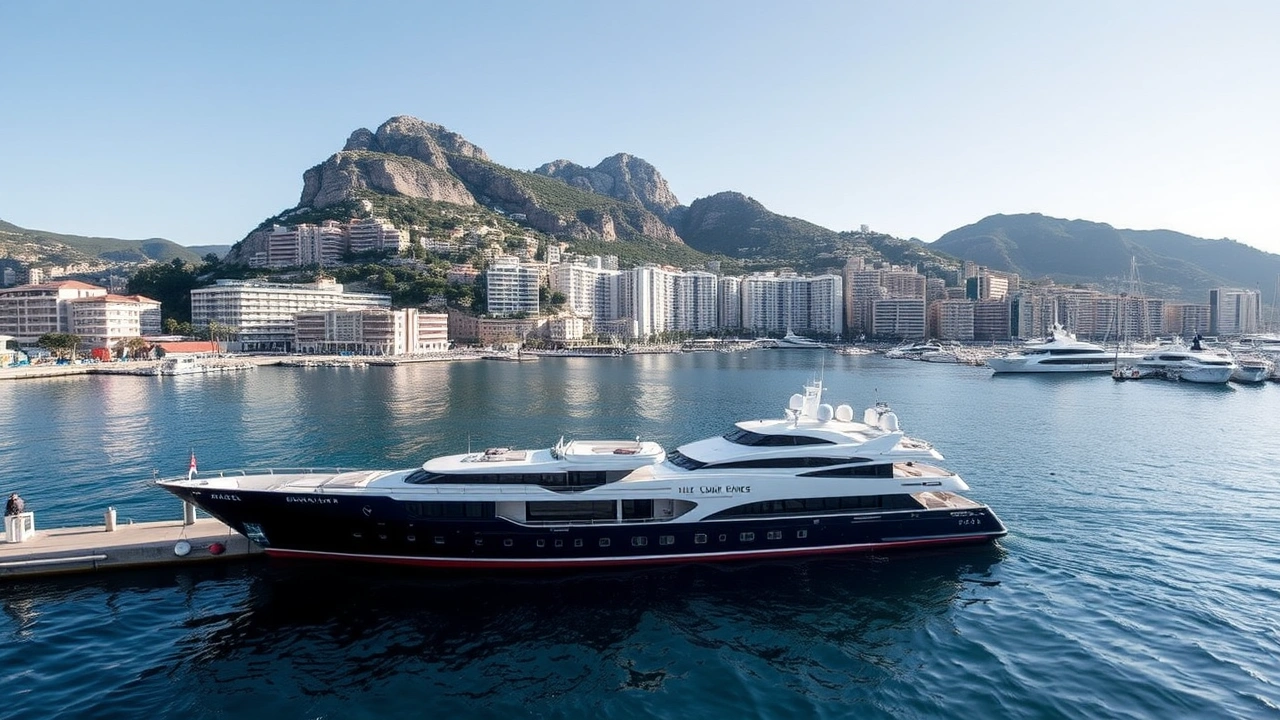
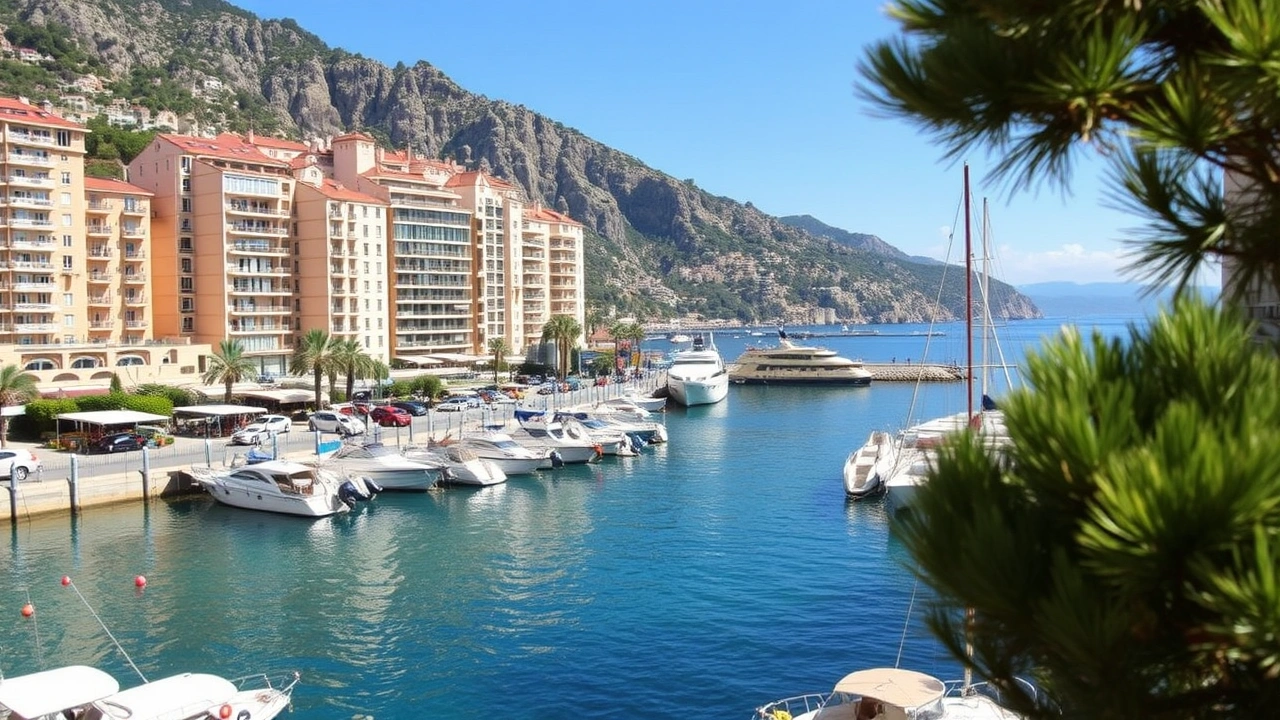
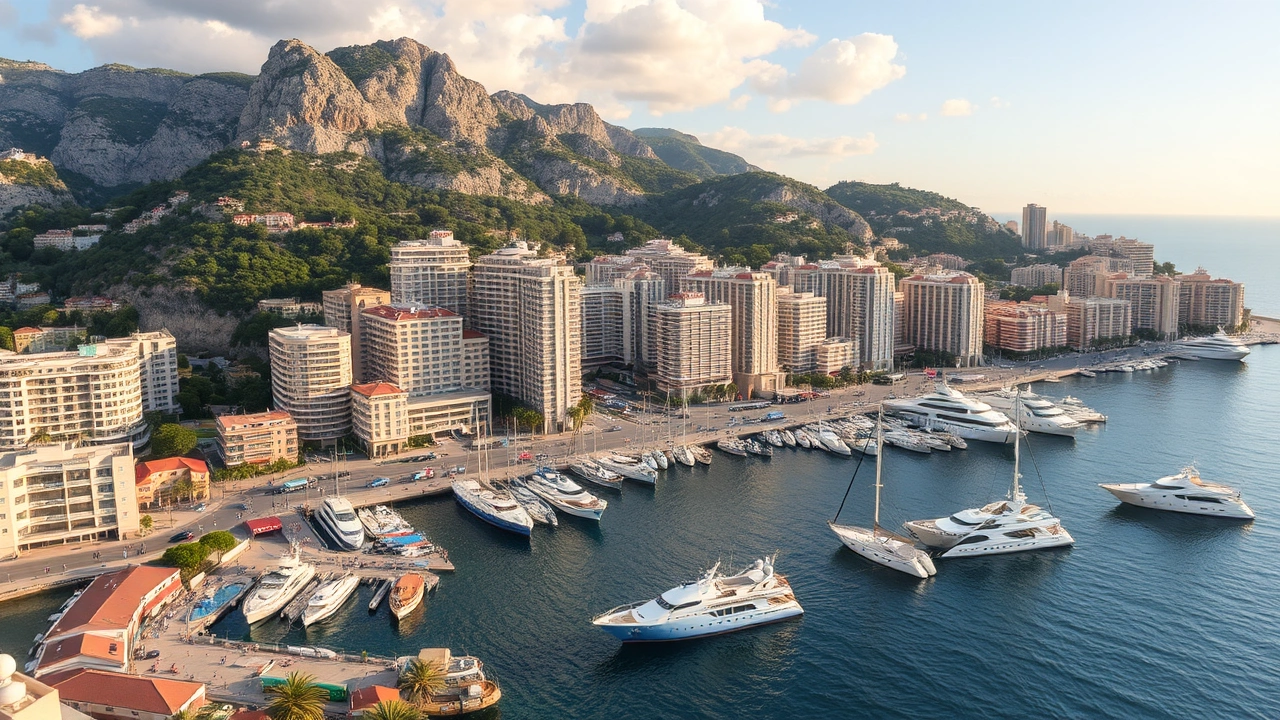
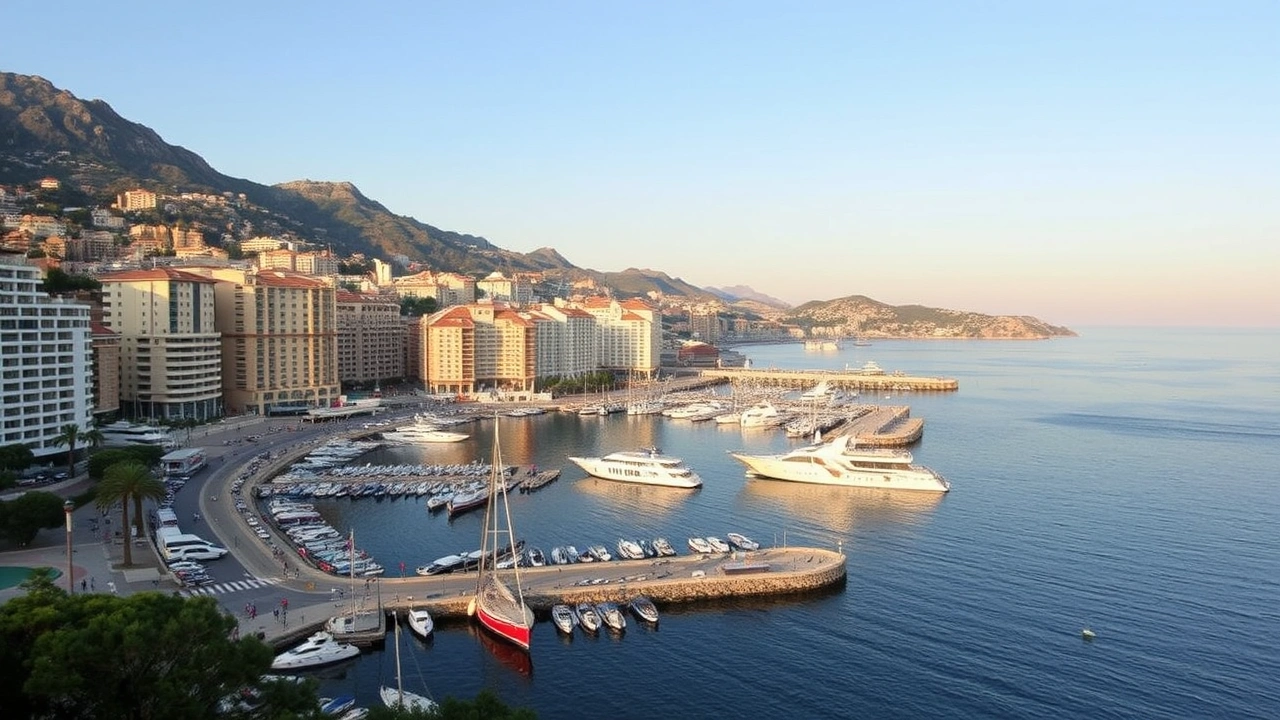
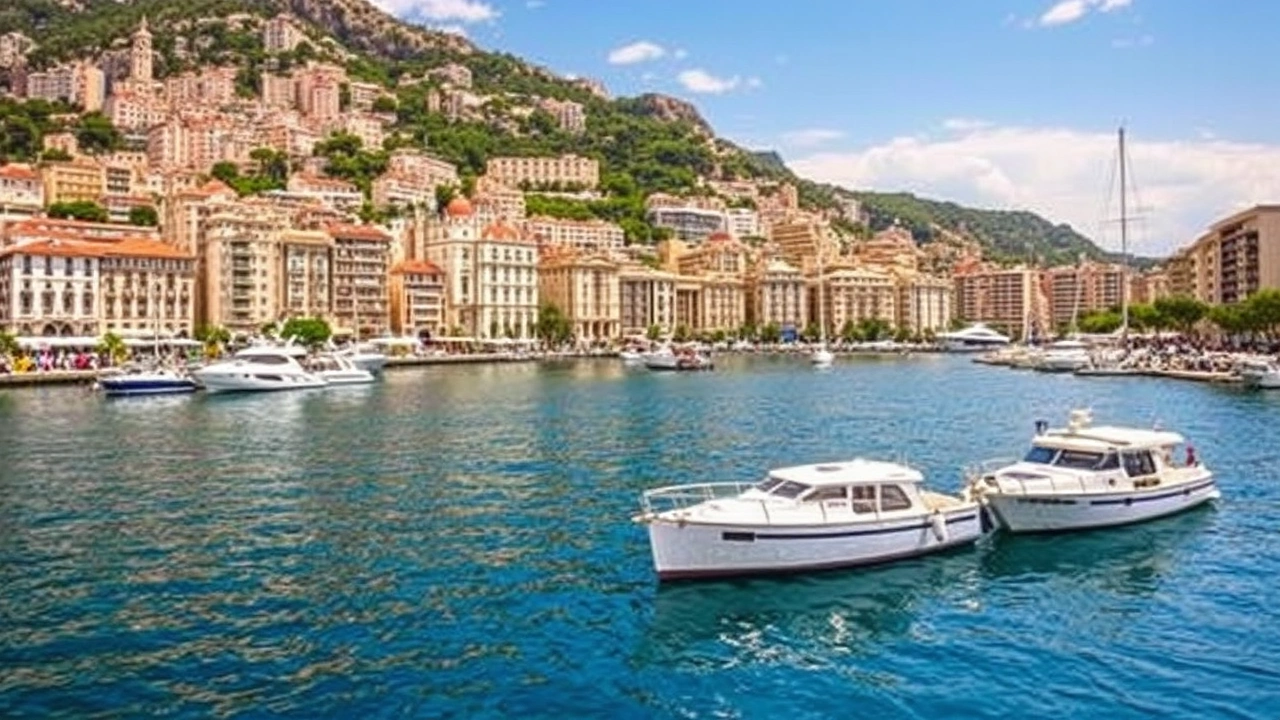
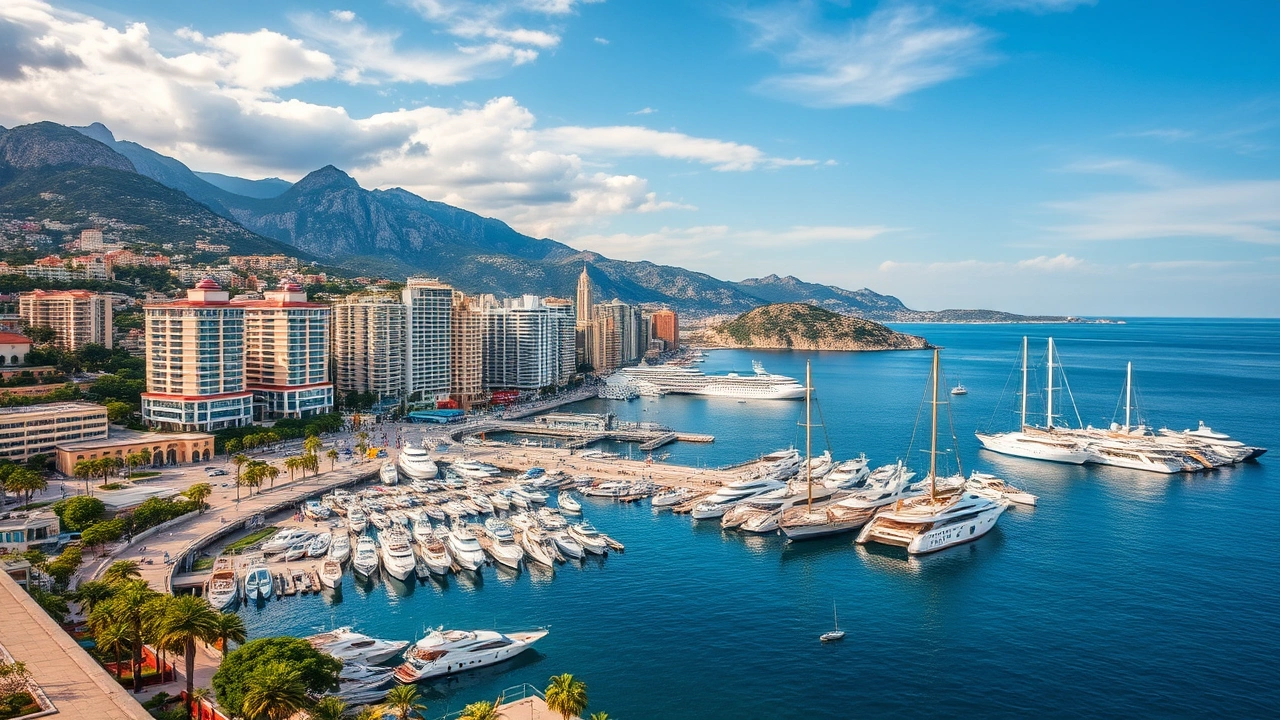
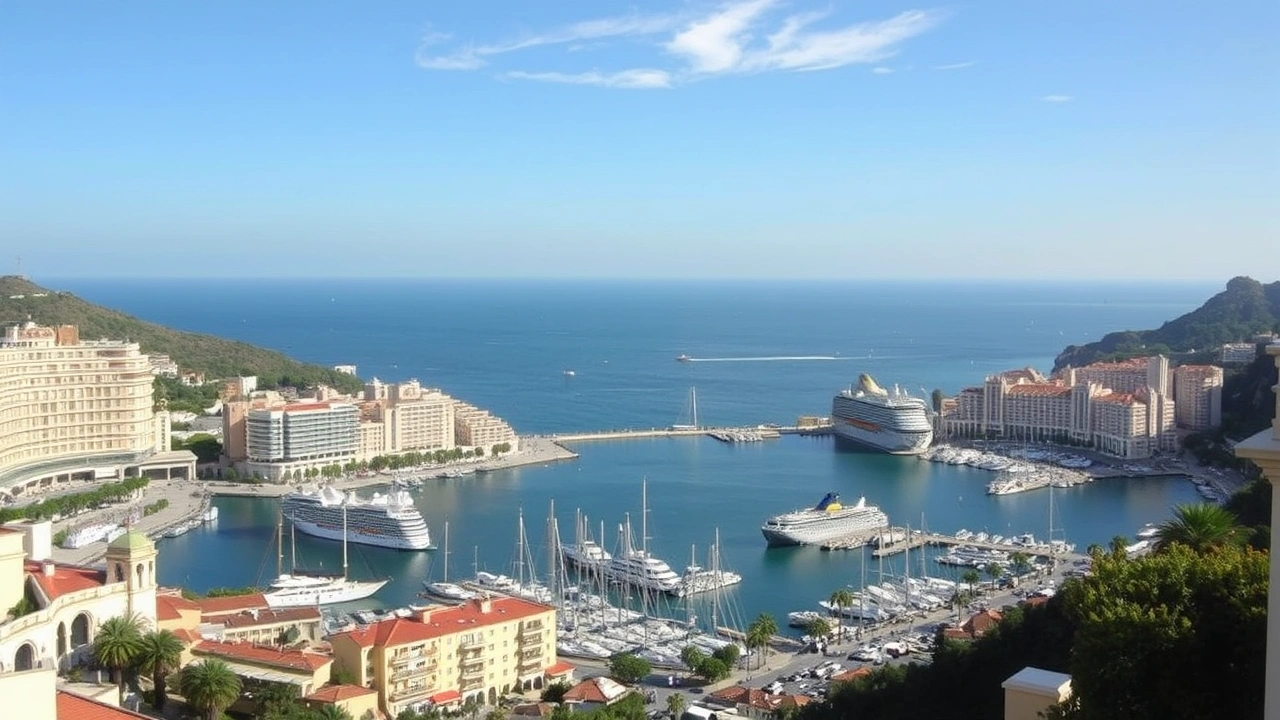
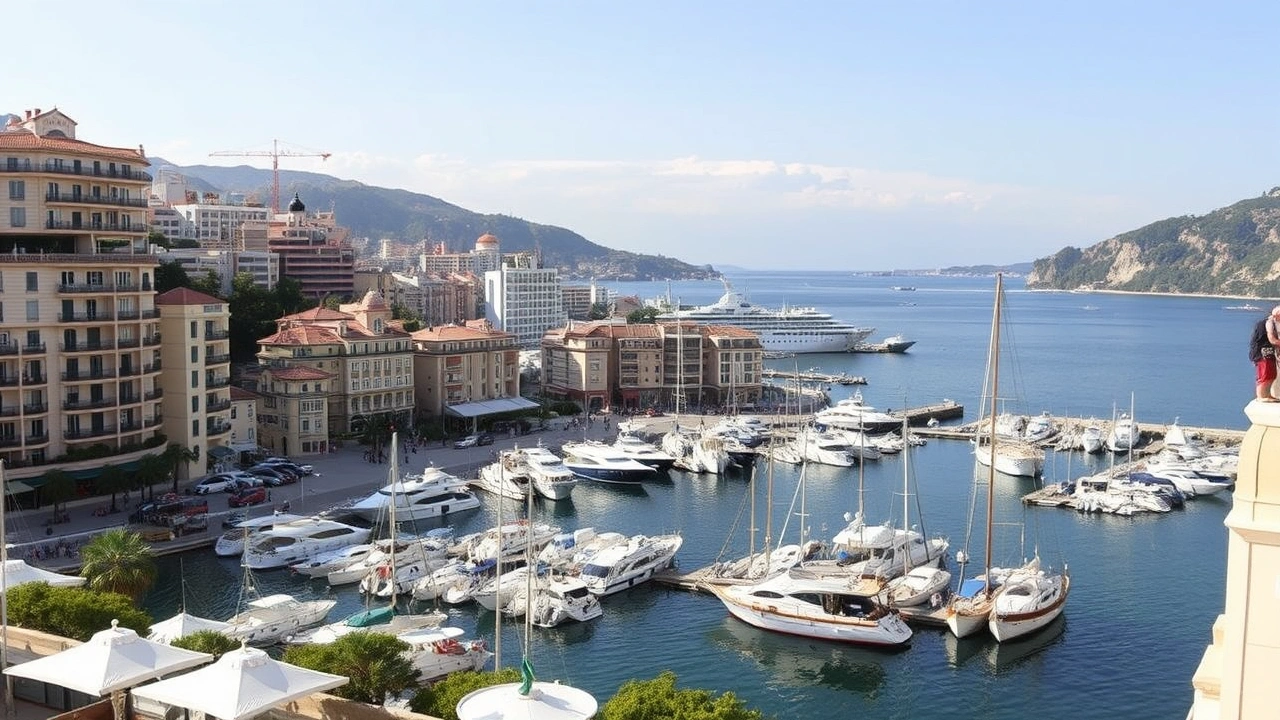
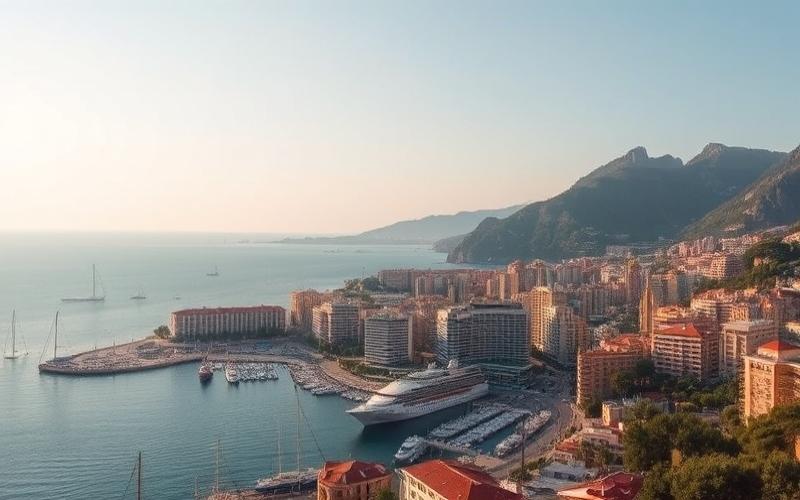
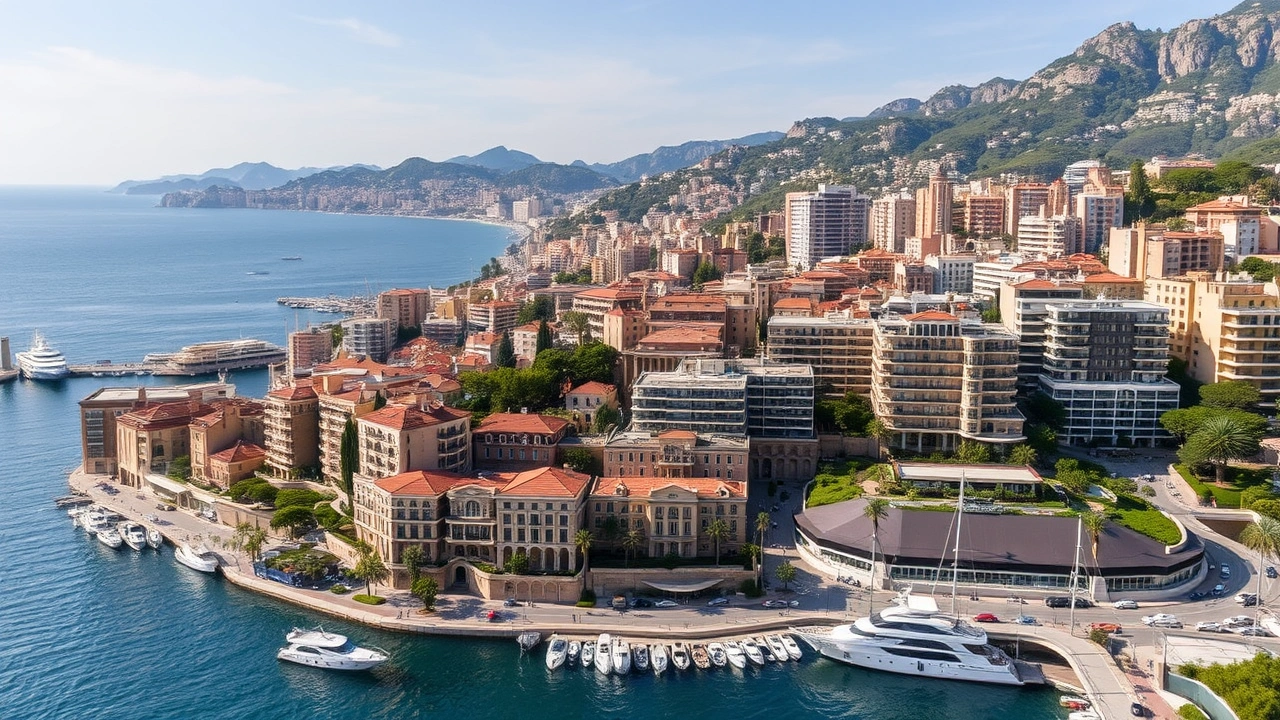
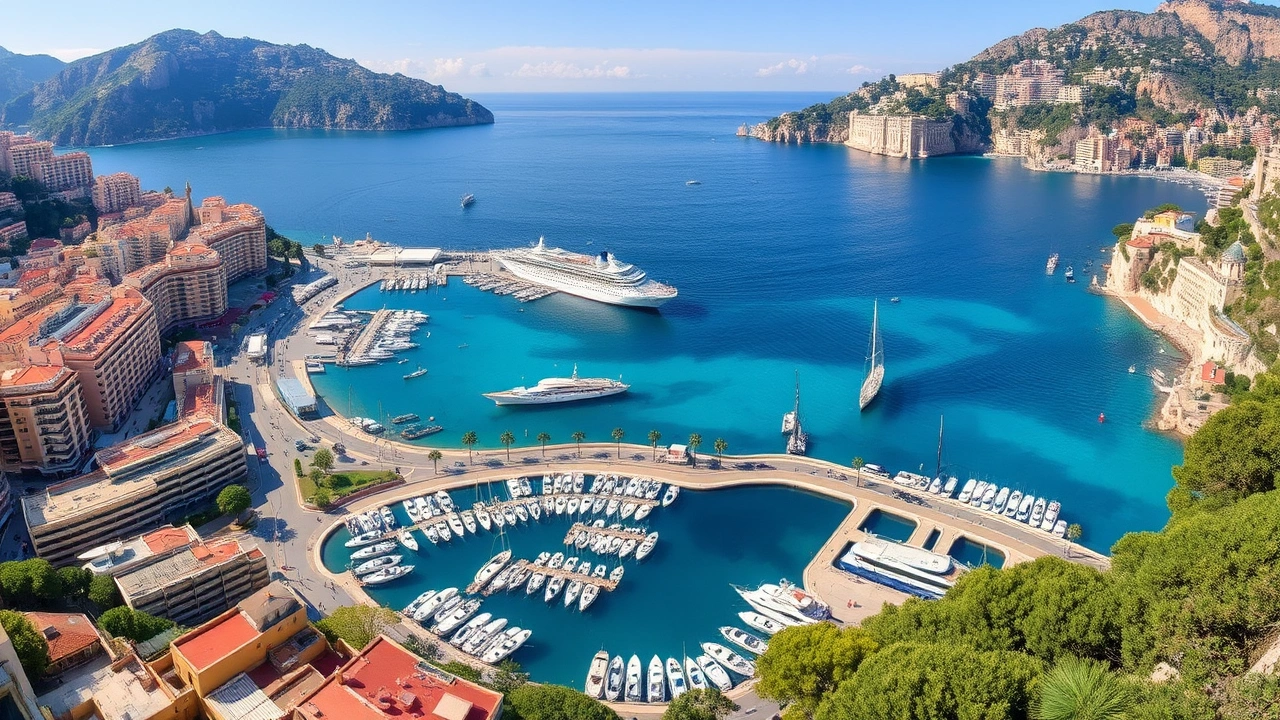
At the foot of Le Rocher and La Condamine, Port Hercule also concentrates several facets of Monaco: ancient heritage, super-yacht marina, venue for global events, and promenade open to all.
An Ancient Port Turned Super-Yacht Marina
Since antiquity, this deep cove has served as a natural shelter for navigation. Roman authors – Virgil, Pliny the Elder, Tacitus – mention this “Portus Herculis Monoeci”, associated with the demigod Hercules and a sanctuary on the rock. Today, the configuration has changed, but the bay remains one of the few deep-water ports on this stretch of coast.
That’s the number of boats, from sailboats to giga-yachts, that Port Hercule can accommodate.
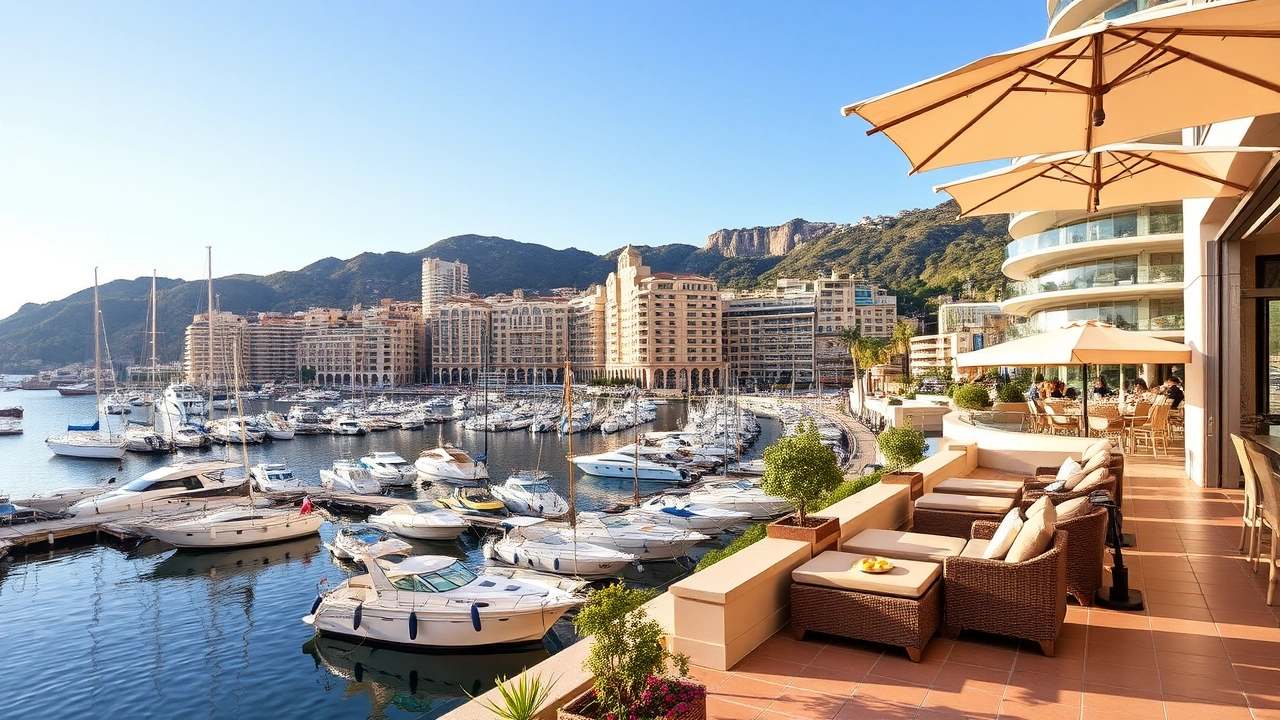
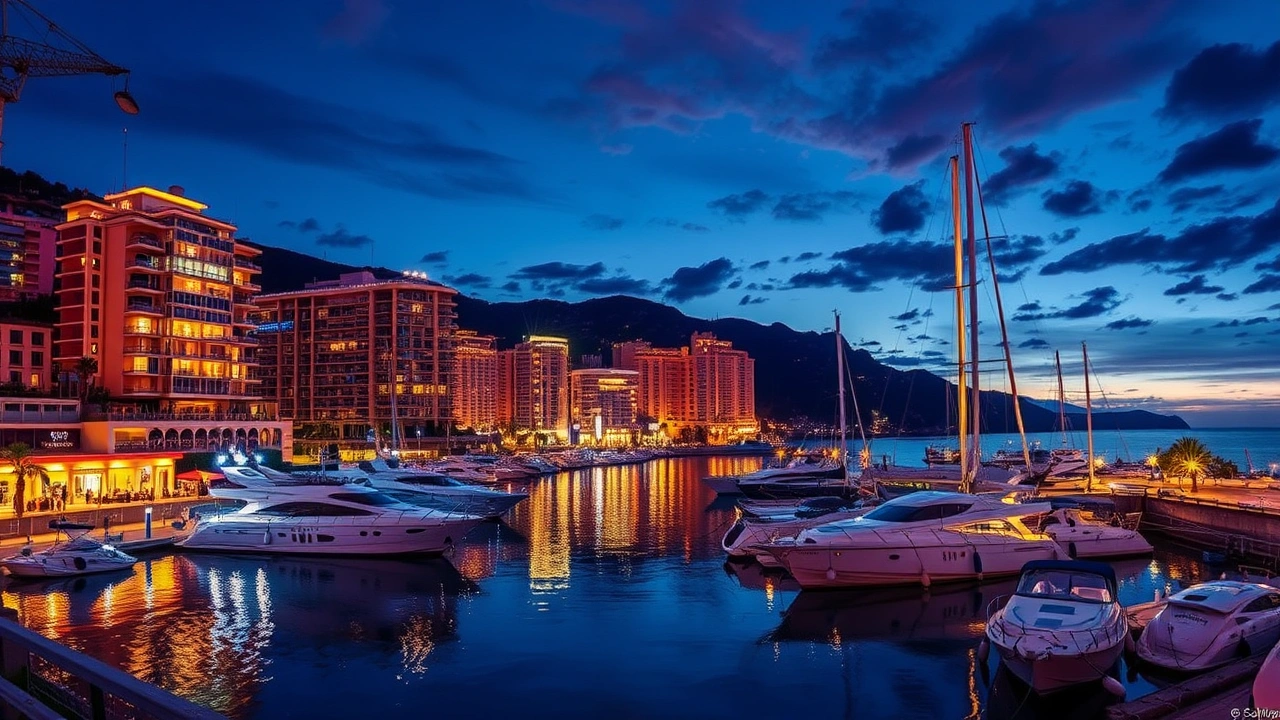
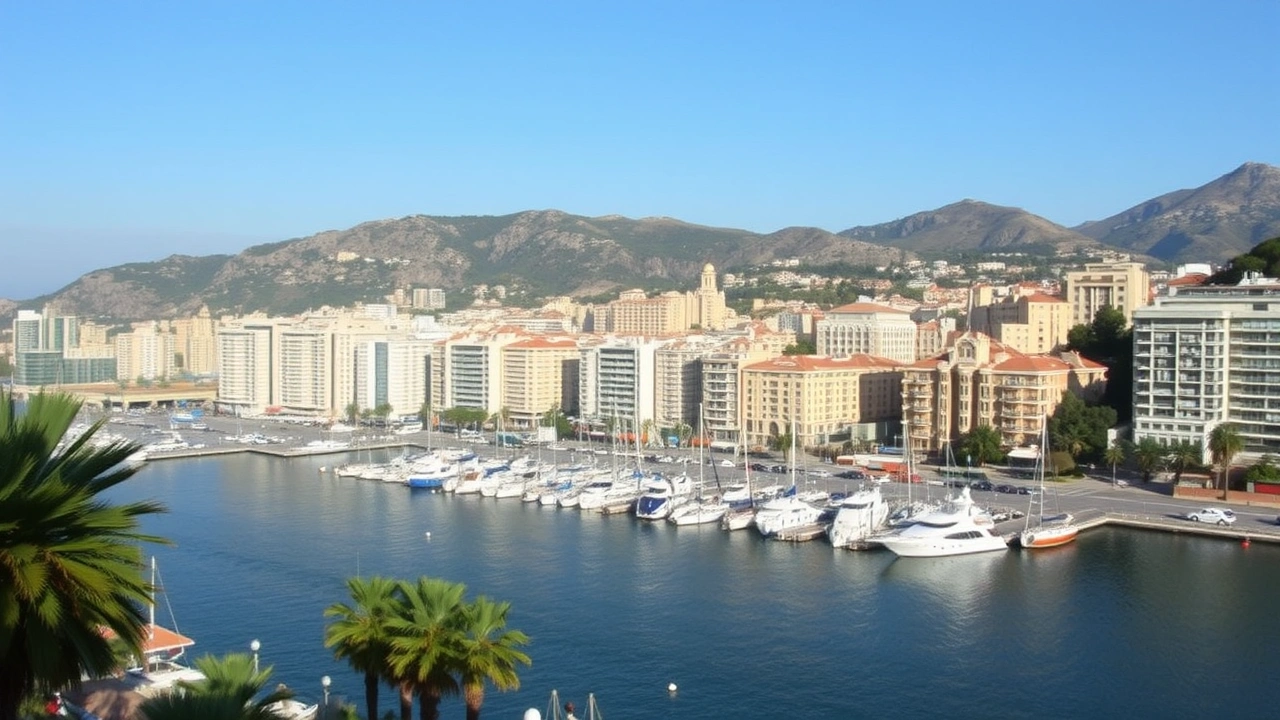
For the visitor, the port is above all a cinematic setting: alignment of masts, succession of gleaming bridges, extravagant silhouettes of mega-yachts, and in the background, the natural grandstands of the apartment buildings of La Condamine and Monte‑Carlo. A small boat-bus allows crossing the basin for a modest fare, while the quays remain freely accessible, offering multiple viewing angles, especially from the heights for photography enthusiasts.
Events and Life on the Quays
Port Hercule serves as the backdrop for two major international events: the Formula 1 Grand Prix and the Monaco Yacht Show. In May, the asphalt is devoured by single-seaters; in September, the world’s largest shipyards exhibit their creations worth tens of millions of euros. Other events – Monaco Classic Week, autumn fair, large-scale concerts like Jean‑Michel Jarre’s for Prince Albert II’s wedding – regularly transform the port into an open-air stage.
Monaco’s quays see varied activity throughout the year. In addition to permanent restaurants, bars, and shops, they host temporary event structures such as AS Monaco’s summer village or winter Christmas markets with ice rinks. This mix attracts a diverse crowd: relaxed tourists, yacht crews in professional attire, early morning joggers, and families enjoying the leisure facilities.
Gardens and Nature: From the Exotic Garden to the Japanese Garden
Despite its record urban density, the principality has multiplied its green spaces, hanging gardens, and thematic parks. Some stand as true tourist sites in their own right, offering another image of Monaco, more botanical and contemplative.
The Exotic Garden: Giant Cacti and a Prehistoric Cave
Clinging to the western cliff of the principality, at 62 Boulevard du Jardin Exotique, this botanical garden overlooks Monaco, the Mediterranean, and the Italian coast. Inaugurated in 1933 by Prince Louis II, it is the culmination of a project launched by Albert I after the acquisition of a rocky promontory in the Moneghetti district.
The Exotic Garden of Monaco, founded in 1895 by gardener Augustin Gastaud, houses an exceptional collection of over 1,000 species and 25,000 succulent plants. Installed on 15 hectares of terraces, these plants (columnar cacti, opuntias, agaves, aloes, euphorbias) come from arid regions like the southwestern United States, Mexico, Southern and Eastern Africa, the Arabian Peninsula, and Madagascar. The site offers a spectacular landscape, especially when the giant century-old specimens are in bloom.
The layout in the rock intentionally gives the impression that the vegetation grew spontaneously on the cliff. Several thematic zones mark the visit: avenue of tall cacti, “Grusonii Valley” (the famous “mother-in-law’s cushions”), a cooler area around a pond with papyrus, Mediterranean space… The microclimate of this slope, bathed in light and sea breezes, allows for staggered blooming: South African aloes and crassulas in mid-winter, cacti in spring and summer.
The guided tour of the Observatory Cave, a karst cavity discovered in 1916, lasts 20 minutes but requires climbing over 300 steps. This topography, as well as that of the surface garden, severely limits accessibility for people with reduced mobility or in wheelchairs.
Excavations in the cave have uncovered remains of prehistoric animals and traces of human occupation, now displayed in the Museum of Prehistoric Anthropology located on site. This museum, founded in the early 20th century by Albert I, presents flint tools, ritual objects, fossils of woolly rhinoceros or cave lions, and reconstructions of protohistoric life scenes in the western Mediterranean.
Due to safety and renovation work, the Exotic Garden and the cave are currently closed, with a reopening scheduled for 2025. The botanical center and shop remain partially accessible on certain days, allowing at least a glimpse of this unique botanical heritage.
| Key Element of the Exotic Garden | Main Data |
|---|---|
| Approximate Area | ~15 hectares |
| Number of Plants | ~25,000 |
| Succulent Species | > 1,000 |
| Cave Length | ~300 m |
| Cave Elevation Change | from 98 m to 40 m altitude |
| Interior Temperature | ~18 °C constant |
The Japanese Garden and Other Iconic Green Spaces
At the other end of the principality, by the sea in the Larvotto district, a completely different world awaits the visitor: the Japanese Garden. Designed in 1994 by landscape architect Yasuo Beppu at the request of Prince Rainier III, this Zen-style garden combines wooden bridges, a waterfall, symbolic islets, a stone lantern, a tea house, and a koi carp pond. Mediterranean species are pruned and trained according to Japanese principles, producing a delicate dialogue between the Riviera and traditional Japan.
The Princess Grace Rose Garden in Monaco covers an area of 5,000 square meters.
Between Le Rocher and the sea, the Saint‑Martin Gardens complete this network of “green lungs” that allow walking, in a well-kept vegetal setting, between the major tourist sites of Monaco.
Larvotto Beach: The Urban Beach Where All of Monaco Gathers
Monaco has only one large public beach, but it concentrates almost everything one expects from a contemporary waterfront: a lively promenade, protected swimming areas, sports facilities, seafront restaurants, and even specialized services for people with disabilities.
An Artificial Beach, but a True Mediterranean Setting
Located in the Larvotto district, below the very prestigious Avenue Princesse‑Grace, Larvotto Beach stretches for about 400 meters. Fully developed, it rests on a strip of pebbles and fine gravel rather than sand, which sometimes surprises unprepared visitors. Water shoes are highly recommended for comfort.
The water, turquoise and clear, remains shallow for the first few meters before dropping off rapidly beyond the near-shore area. A breakwater system protects the bay from swell, while a jellyfish net over 400 meters long is installed during the high season to secure swimming. The beach is part of a protected marine area, where some underwater sectors have reserve status.
| Characteristics of Larvotto Beach | Information |
|---|---|
| Approximate Length | ~400 m |
| Surface Type | pebbles/gravel |
| Swimming Area | shallow at the edge, deeper quickly |
| Protection | breakwaters + jellyfish net (summer) |
| Beach Type | public, with private sections |
Accessibility, Facilities, and Beach Clubs
The concrete promenade bordering the coastline unfolds on two levels, accessible by elevators and ramps, usable by wheelchair and strollers. Showers (with hot water), changing rooms, toilets, drinking water point, first aid posts, children’s play areas, outdoor gym, volleyball court, daycare, diving school: the list of facilities is long for a space that altogether covers just over 14,000 m².
Larvotto Beach offers the Handiplage service, an exemplary facility for swimmers with reduced mobility. Supervised by trained attendants, it provides amphibious beach wheelchairs (Tiralo), adapted sun loungers, an accessible shower, and offers three hours of free parking in the adjacent underground lot. This service is the result of a long-term partnership between the princely government and a local women’s service club, aiming to make the coastline accessible to all.
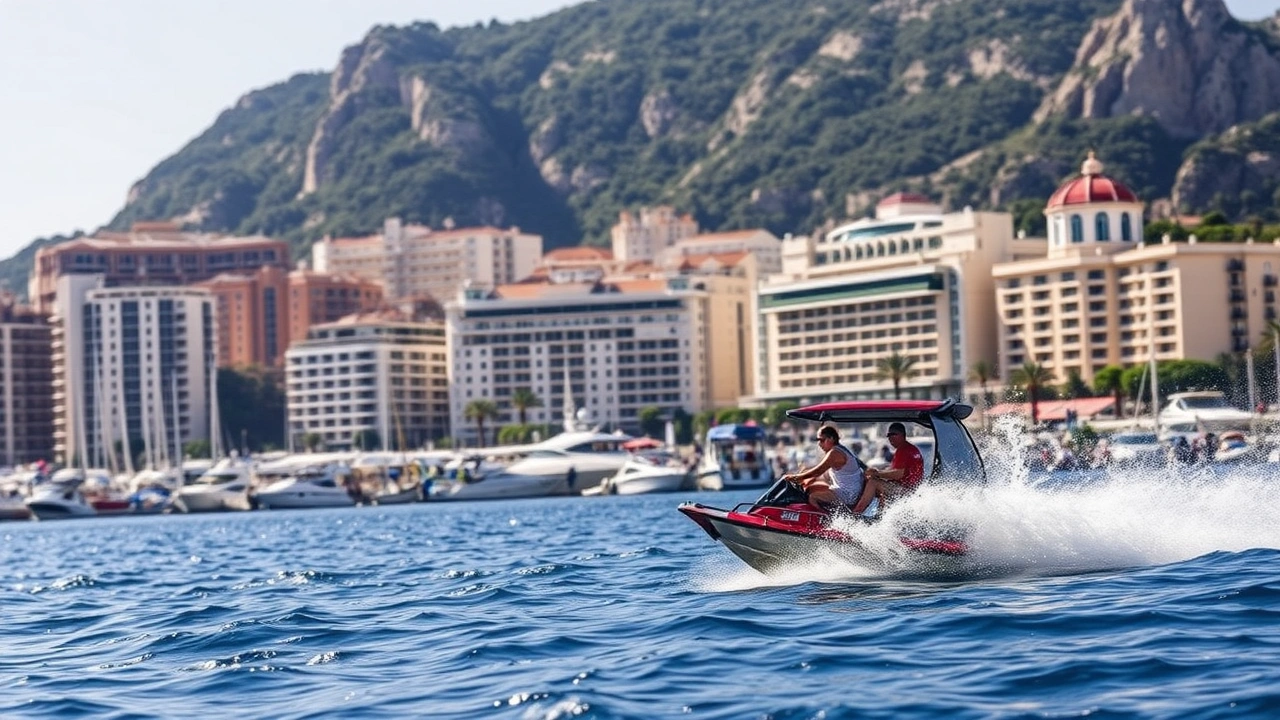
Water sports enthusiasts can rent pedal boats and kayaks, or head to a floating platform installed offshore to dive into the sea from an original vantage point. Several private clubs finally share the coastal fringe: La Rose des Vents, Le Neptune, La Note Bleue, Le Miami…, each with its own developed beach, restaurant, and loungers and umbrellas for rent. Prices remain high – about €15 for a lounger, €5 for an umbrella at some establishments – but it’s always possible to settle for free on the public section with your own towel.
Along the promenade, a string of cafes, ice cream parlors (including the renowned Mullot), bars, and restaurants allows bathers to eat, with offerings ranging from simple pizza to sophisticated Mediterranean menus. To preserve a family-friendly atmosphere, the beach is strictly non-smoking, dog access is prohibited, and nudism is forbidden.
An Ideal Base for Exploring Monaco on Foot
From Larvotto, you can reach the Place du Casino on foot in about twenty minutes, or Port Hercule in about forty minutes, by walking along the sea. Bus lines (5 and 6) serve the “Plages” stop directly, and a network of bike lanes also allows access by bicycle, with a station of electric self-service bikes nearby.
Many visitors choose to stay in this district, particularly at the Monte‑Carlo Bay Hotel & Resort or the Méridien Beach Plaza, which has its own private beach section adjacent to Larvotto. From there, it’s easy to alternate between sea bathing, cultural outings, and evenings on the Place du Casino.
Culture, Museums, and Events: Monaco Beyond the Clichés
While yachts, the casino, and Formula 1 travel the world in images, Monaco is increasingly banking on an enriched cultural offering to enhance its visitors’ experience.
Thematic Museums: Cars, Stamps, Coins, and Contemporary Art
Besides the Oceanographic Museum, several museums are worth a stop.
The Collection of Vintage Cars of H.S.H. the Prince of Monaco, located at the port, lines up over a hundred vehicles: racing cars, prestige models, ceremonial carriages, old Formula 1 single-seaters. The ticket remains affordable and appeals to a broad audience, from car enthusiasts to families.
This museum presents the postal and monetary history of Monaco through rare stamps, printing proofs, coins, banknotes, and machines. Its moderate entry fee and small size make it easy to include in a busy schedule.
Higher up, the New National Museum of Monaco (NMNM) deploys a contemporary program between Villa Sauber, near the sea, and Villa Paloma, on the heights. Temporary exhibitions, installations, and performances offer a decidedly modern counterpoint to the historic image of Le Rocher.
A Dense Season of Events
In terms of agenda, Monaco operates almost year-round at a sustained pace of events. Besides the Formula 1 Grand Prix and the Monaco Yacht Show, already mentioned, you’ll find:
The Principality of Monaco offers a varied calendar of events throughout the year. In winter, there’s the Monte‑Carlo Rally, the International Circus Festival, the Monaco Run, Christmas markets, and an ice rink on the Rainier III nautical stadium. Spring is marked by the cultural season of the Philharmonic Orchestra, Les Ballets de Monte‑Carlo, and exhibitions at the Grimaldi Forum. Summer offers the Monte‑Carlo Summer Festival, the Monte‑Carlo Jazz Festival, major exhibitions at the Grimaldi Forum, and the Red Cross Gala, closed with a fireworks display. Finally, autumn is animated by a fair on the port and various yachting and boating-related events.
This buzz relies on a network of institutions – Grimaldi Forum, Opera, orchestra, permanent troupes – that occupy performance halls year-round. Even for a short stay, it’s rarely difficult to find a concert, exhibition, or show to add to your program, complementing site visits.
Getting Around and Planning Your Visit: Making the Most of the Must-See Sites
With an area of barely 2.02 km² and a very dense network of public transport, elevators, and escalators, Monaco is very easy to explore in one or two well-planned days. The small size of the territory works in the visitor’s favor here.
A Country Made for Pedestrians… and Elevators
The main districts – Monaco‑Ville, La Condamine, Monte‑Carlo, Fontvieille, Larvotto, Jardin Exotique – are connected by a network of city buses with simple fares and by an astonishing web of 79 public elevators, 35 escalators, and 8 moving walkways. These help compensate for sometimes impressive elevation changes between the waterfront and the promontories – particularly for climbing up to Le Rocher or reaching the Exotic Garden.
Monaco-Monte-Carlo train station is underground and directly connects the principality to neighboring French and Italian cities. For budget reasons, many visitors choose to stay in towns like Nice, Menton, Beausoleil, or Ventimiglia, then travel to Monaco for the day by train or bus. The principality’s main sites are then accessible on foot.
A Tiny Territory but Exceptionally Dense in “Must-Sees”
The particularity of Monaco, compared to other seaside destinations, is the exceptional concentration of points of interest within a limited perimeter. It is perfectly possible, in a single day, to:
To discover the Principality’s main sites in one day, you can start by climbing to Le Rocher to visit the Prince’s Palace, watch the changing of the guard, and enter the cathedral. Then, it’s advisable to descend through the Saint‑Martin Gardens to the Oceanographic Museum. To reach Monte‑Carlo, the Place du Casino and its surroundings, you can take a bus or an elevator. The route continues by descending towards Port Hercule to walk part of the Formula 1 circuit, before ending the day by the water at Larvotto Beach.
In two days, you can add the Exotic Garden (once reopened), the thematic museums (cars, stamps, NMNM), the Princess Grace Rose Garden, the Japanese Garden, Fontvieille, and some gastronomic addresses. The density of sites means that “doing everything” quickly becomes a game: the question isn’t so much finding what to visit but choosing in what order.
| Examples of Visit Combinations | Content |
|---|---|
| 1 “classic” day | Le Rocher (Palace, cathedral), Saint‑Martin Gardens, Oceanographic Museum, Place du Casino, walk on the port |
| 2nd “nature & sea” day | Exotic Garden (after reopening), Museum of Prehistoric Anthropology, Japanese Garden, Larvotto Beach, Princess Grace Rose Garden |
| 1 “culture & circuit” day | Oceanographic Museum, NMNM (Villa Sauber or Paloma), Prince’s Vintage Car Collection, walk on the F1 circuit, evening at the Opera or Casino |
Monaco, a Concentrate of Experiences in a Tiny Territory
From the prehistoric cave nestled under giant cacti to the gilded salons of the Belle Époque casino, from the Formula 1 pits to the palm-lined urban beaches, from Baroque chapels to high-tech aquariums perched on a cliff, Monaco defies clichés through the diversity of its must-see sites.
The Principality rests on a dynasty established since 1297. Its prosperity historically comes from gaming, tourism, and finance, symbolized by Monte-Carlo and Port Hercule. Today, the state is reinventing itself as a cultural and sustainable destination thanks to major investments in science, art, and landscapes, embodied by institutions like the Oceanographic Museum, the Exotic Garden, the princely Rose Garden, and the Japanese Garden.
In a world where sprawling metropolises spanning tens of kilometers sometimes become hard to grasp, Monaco has an unexpected advantage: offering, on a tiny territory, a concentrate of experiences and places with high evocative power. It is precisely this density of “must-sees” that, beyond the glamorous veneer, justifies dedicating more than just a photo stop.
A French business executive around 50 years old, with a financial portfolio already well-structured in Europe, wanted to diversify part of his capital into residential real estate in Monaco to seek asset stability, exposure to a very high-end market, and a euro-denominated asset. Allocated budget: 2 to 3 million euros, without using credit.
After analyzing several districts (Carré d’Or, Exotic Garden, Fontvieille), the chosen strategy consisted of targeting a luxury apartment with partial sea view or premium amenities, combining a moderate net rental yield (2–3%) “the higher the security and prestige, the more limited the yield” and a strong potential for capital preservation/appreciation in the long term, with a total ticket (acquisition + notary fees + possible renovations) of around 2.5 million euros. The mission included: district selection, connection with a local network (real estate agent, notary, tax advisor), choice of the most suitable ownership structure (direct ownership, holding company), and definition of an international diversification plan.
This type of support allows the investor to benefit from Monaco market opportunities while controlling legal, tax, and rental risks.
Planning to move abroad? Contact us for custom offers.
Disclaimer: The information provided on this website is for informational purposes only and does not constitute financial, legal, or professional advice. We encourage you to consult qualified experts before making any investment, real estate, or expatriation decisions. Although we strive to maintain up-to-date and accurate information, we do not guarantee the completeness, accuracy, or timeliness of the proposed content. As investment and expatriation involve risks, we disclaim any liability for potential losses or damages arising from the use of this site. Your use of this site confirms your acceptance of these terms and your understanding of the associated risks.

Cyril Jarnias is an independent expert in international wealth management with over 20 years of experience. As an expatriate himself, he is dedicated to helping individuals and business leaders build, protect, and pass on their wealth with complete peace of mind.
On his website, cyriljarnias.com, he shares his expertise on international real estate, offshore company formation, and expatriation.
Thanks to his expertise, he offers sound advice to optimize his clients' wealth management. Cyril Jarnias is also recognized for his appearances in many prestigious media outlets such as BFM Business, les Français de l’étranger, Le Figaro, Les Echos, and Mieux vivre votre argent, where he shares his knowledge and know-how in wealth management.