 Published on and written by Cyril Jarnias
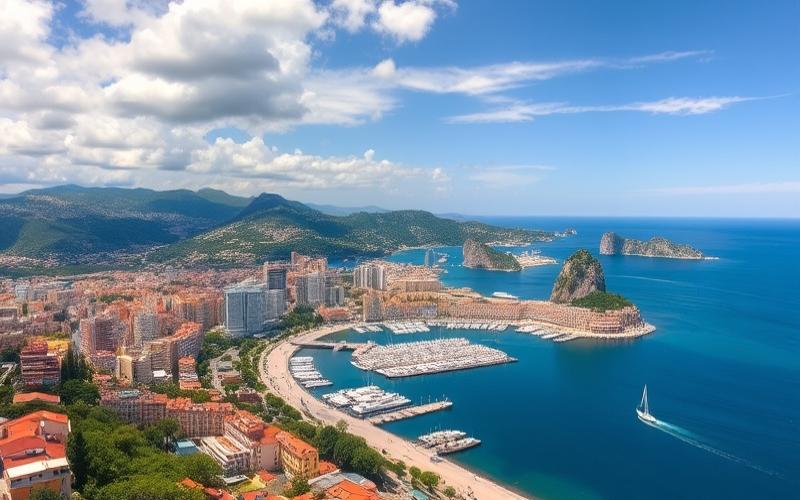
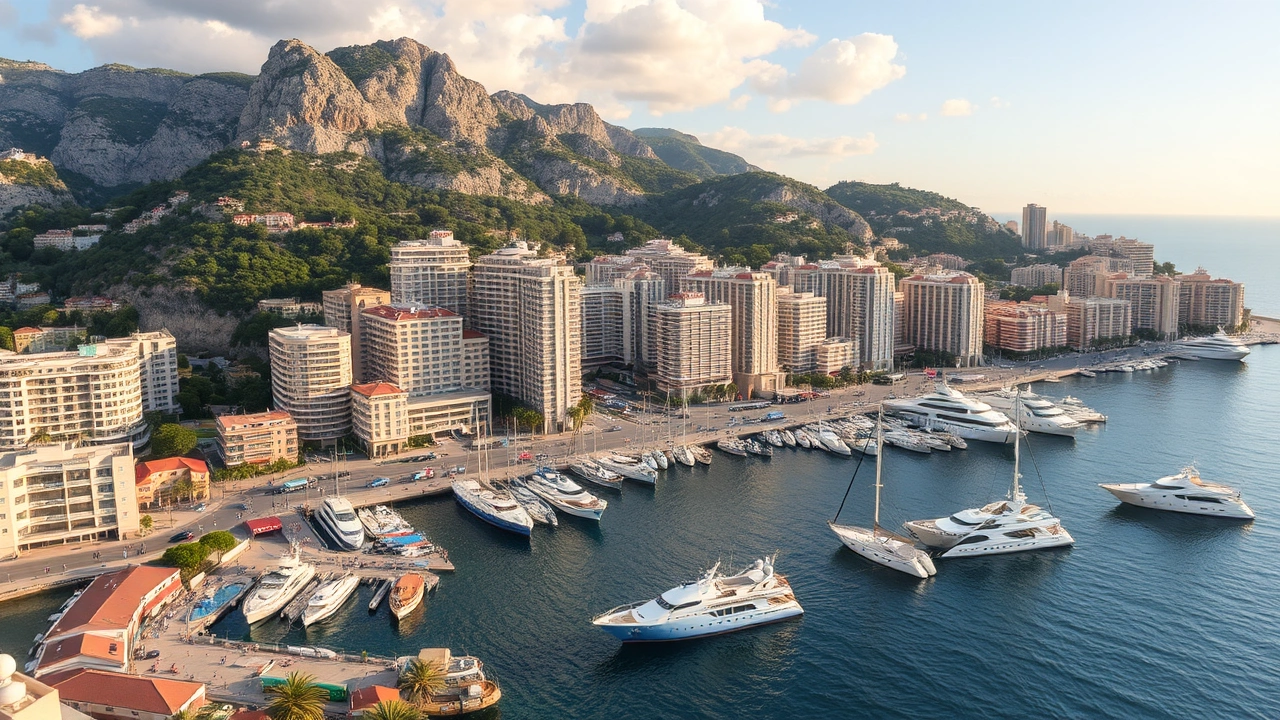
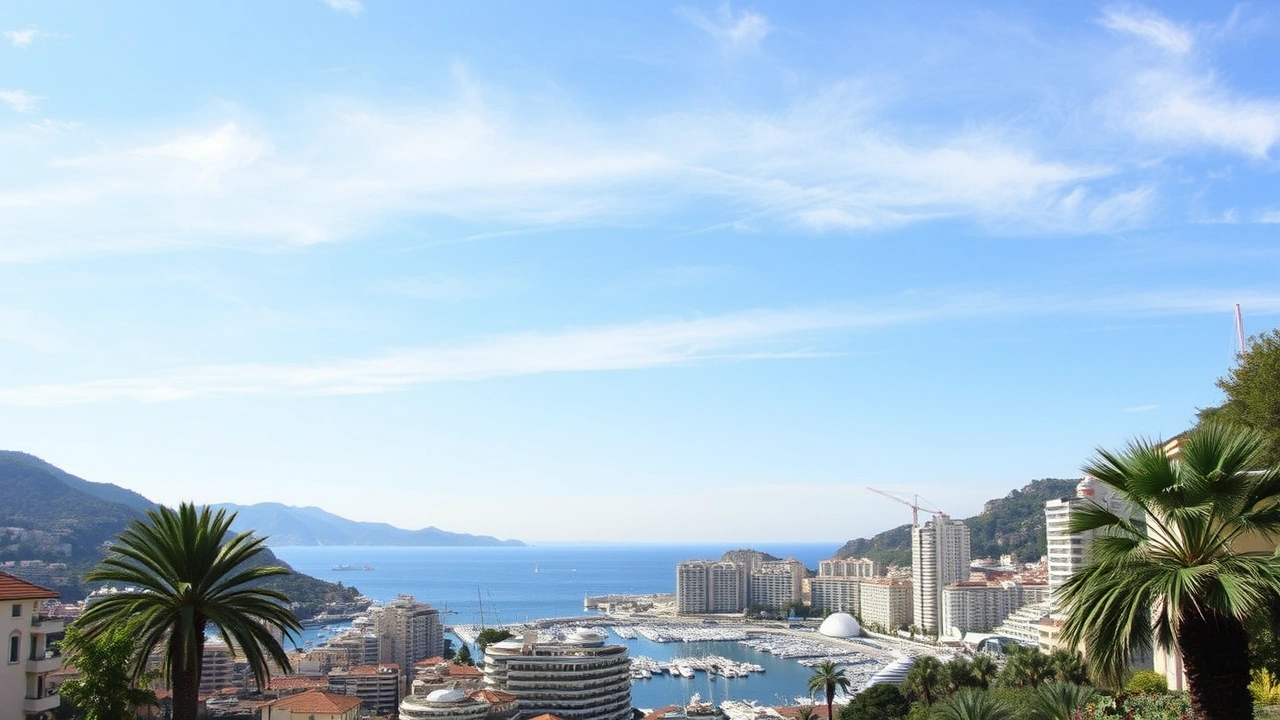
Wedged between sea and mountains, tiny on the map but larger-than-life on the global sports scene, the Principality achieves a rare paradox: concentrating on just 2 km² a density of disciplines, infrastructures, and events worthy of a continent-sized country. In Monaco, people don’t just applaud champions at the Grand Prix or the Rolex Monte-Carlo Masters: they play, train, and experiment, from the sea to the summits.
Behind its reputation as a luxurious destination, Monaco offers a multitude of sports activities. You can practice water sports like diving, racket sports (tennis, padel), golf, hiking, running, or fitness, both within the principality and in its immediate surroundings.
The Sea as a Playground: Sailing, Water Sports, and Diving
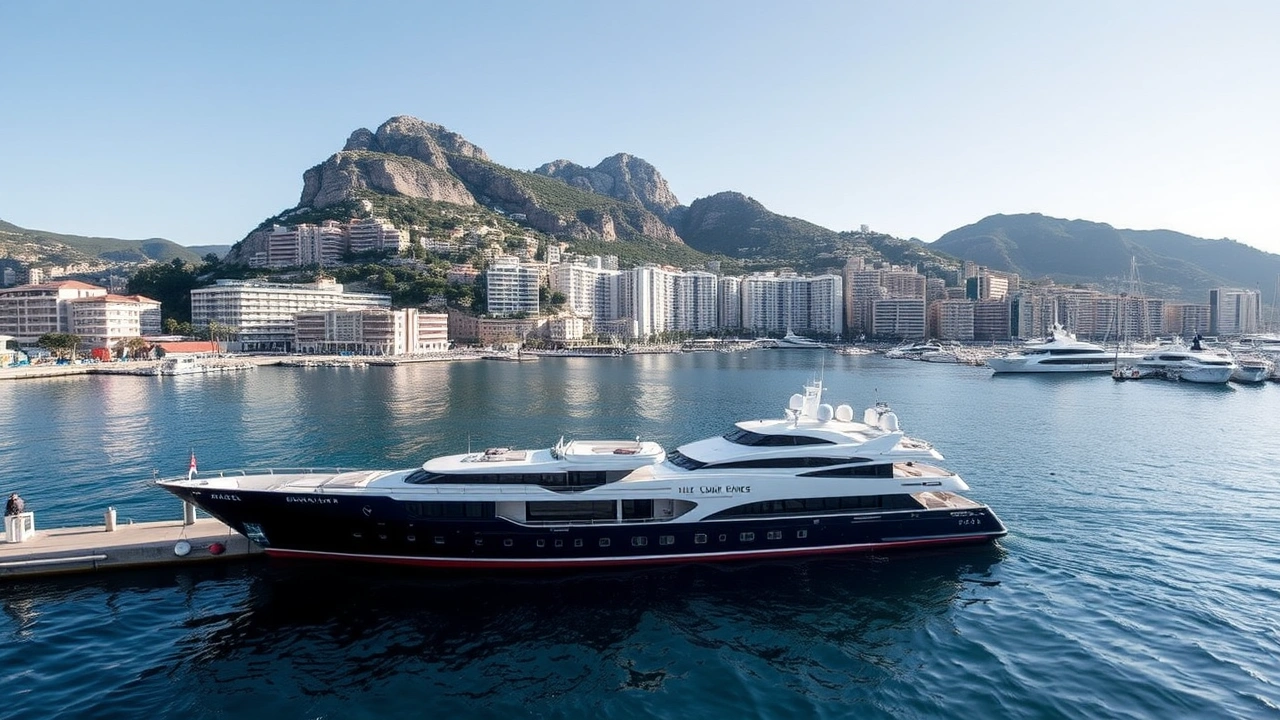
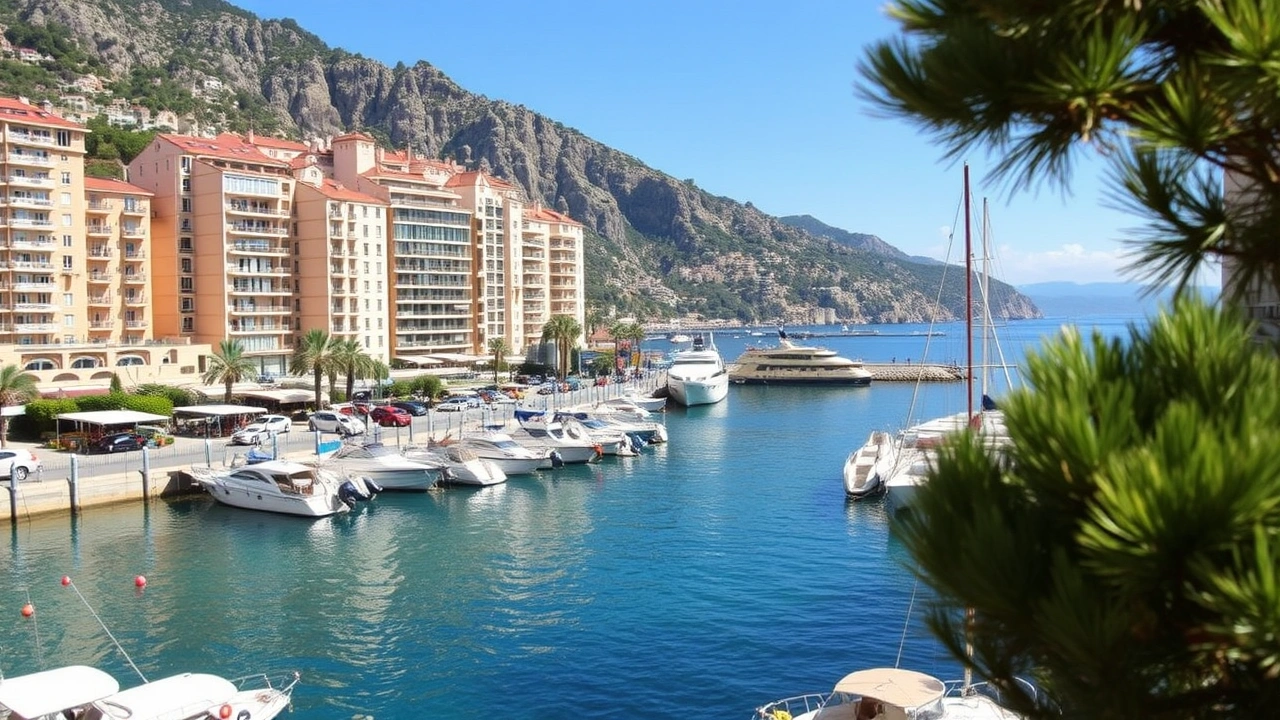
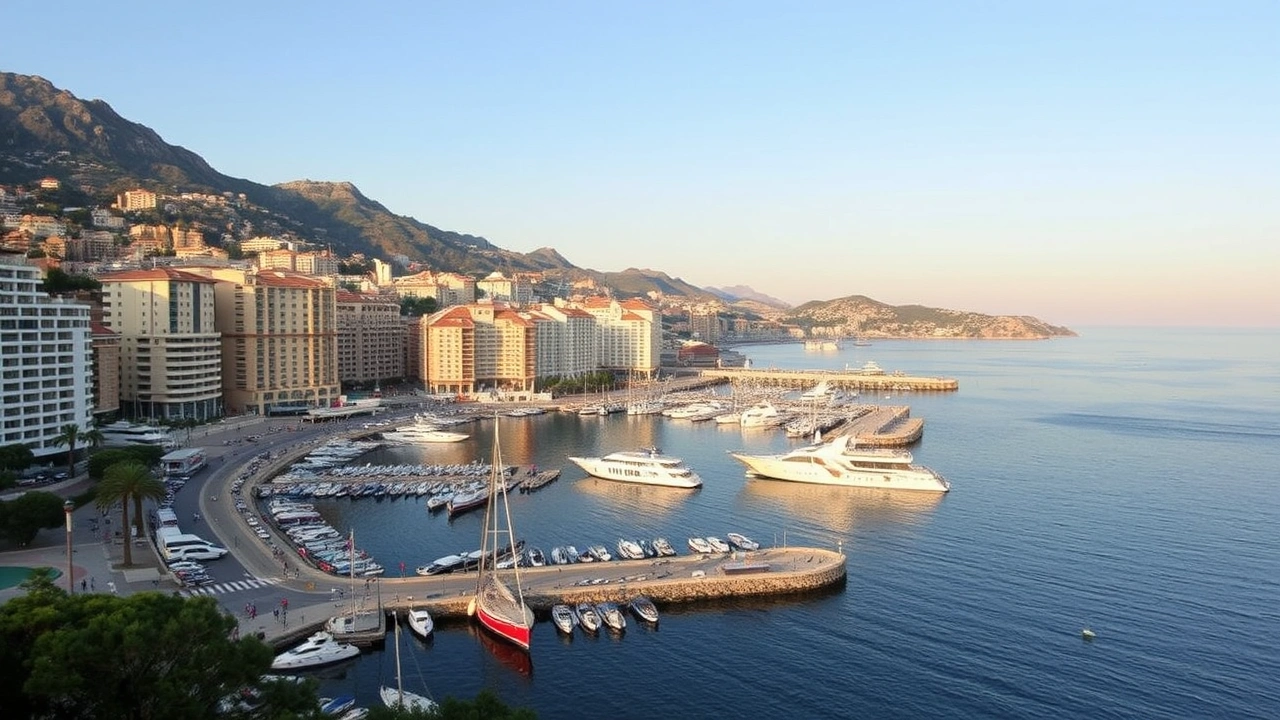
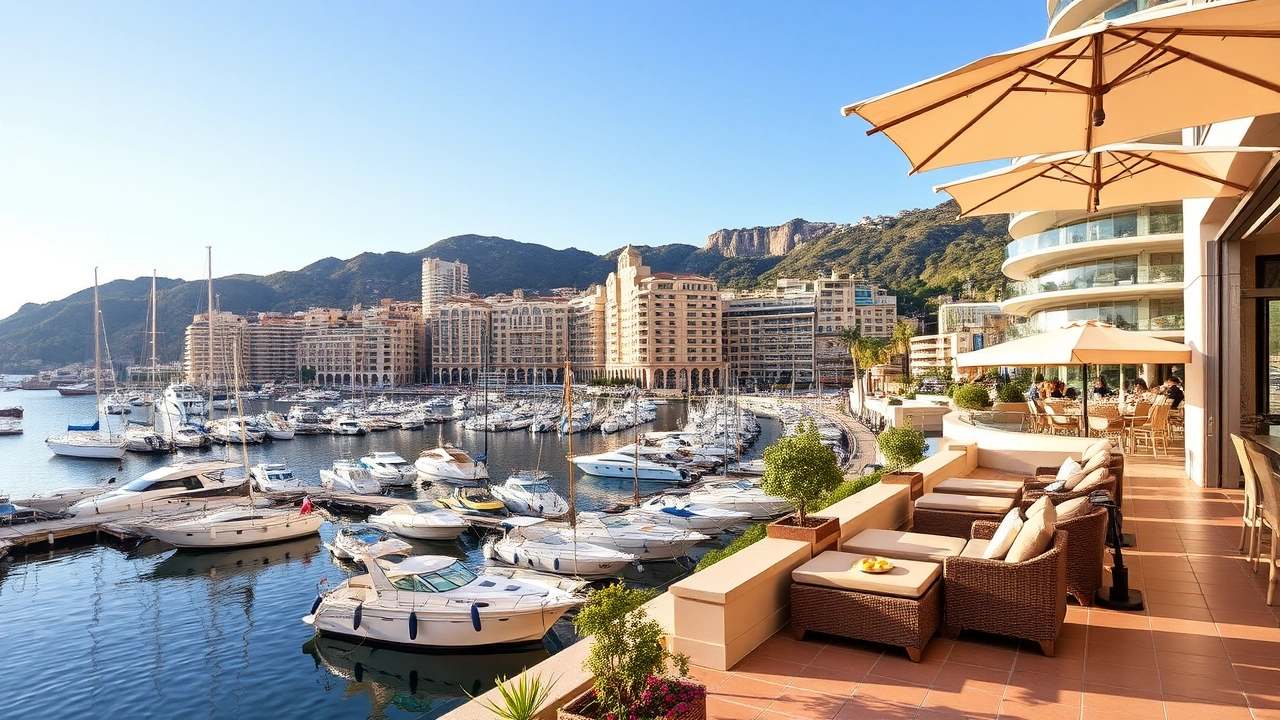
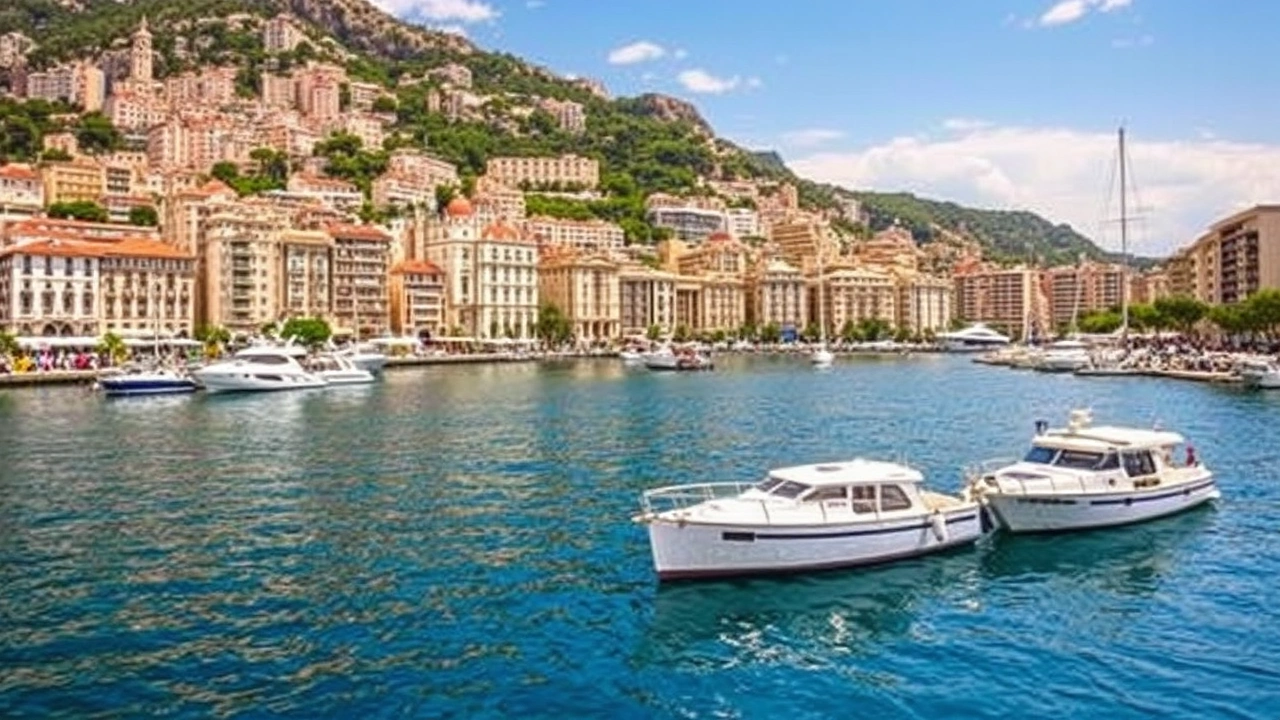
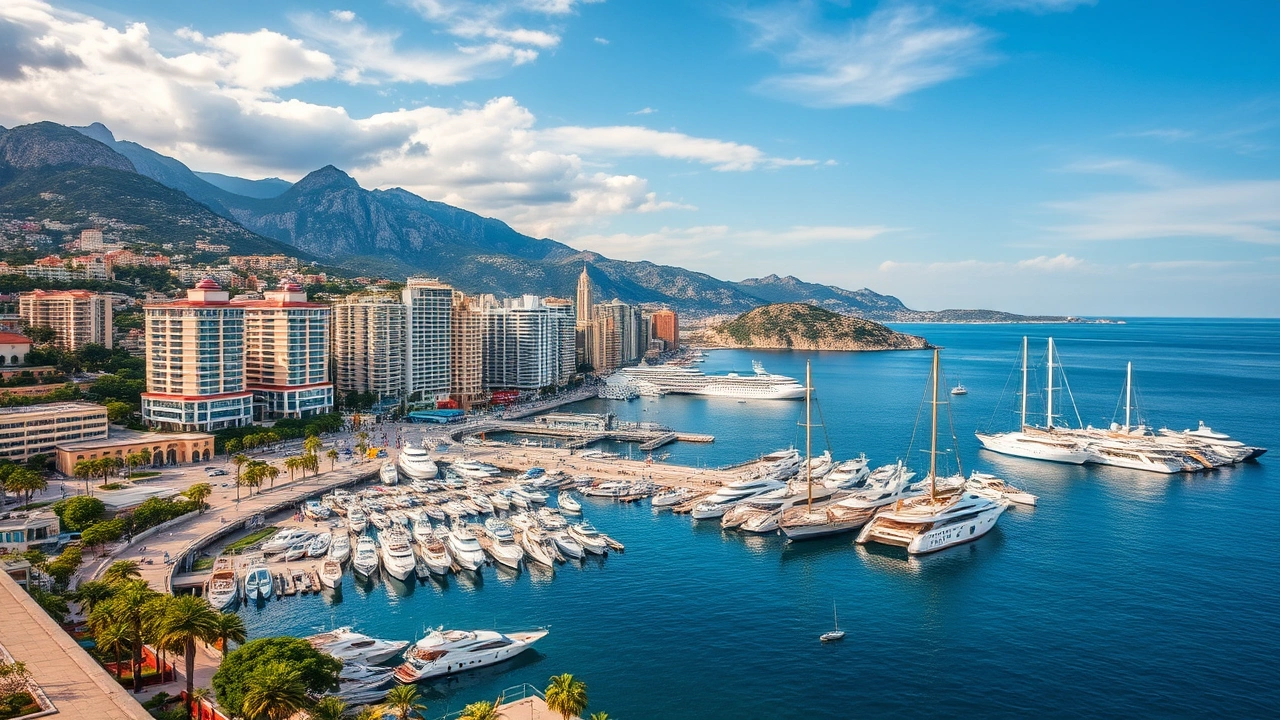
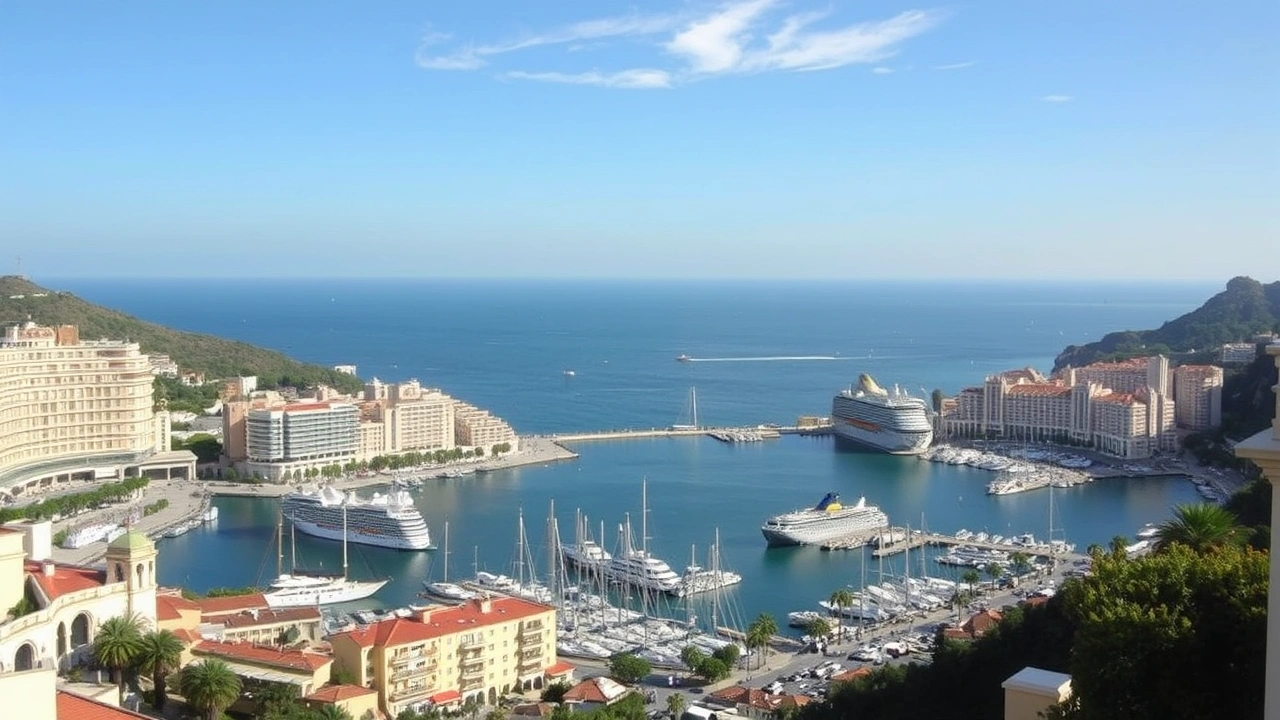
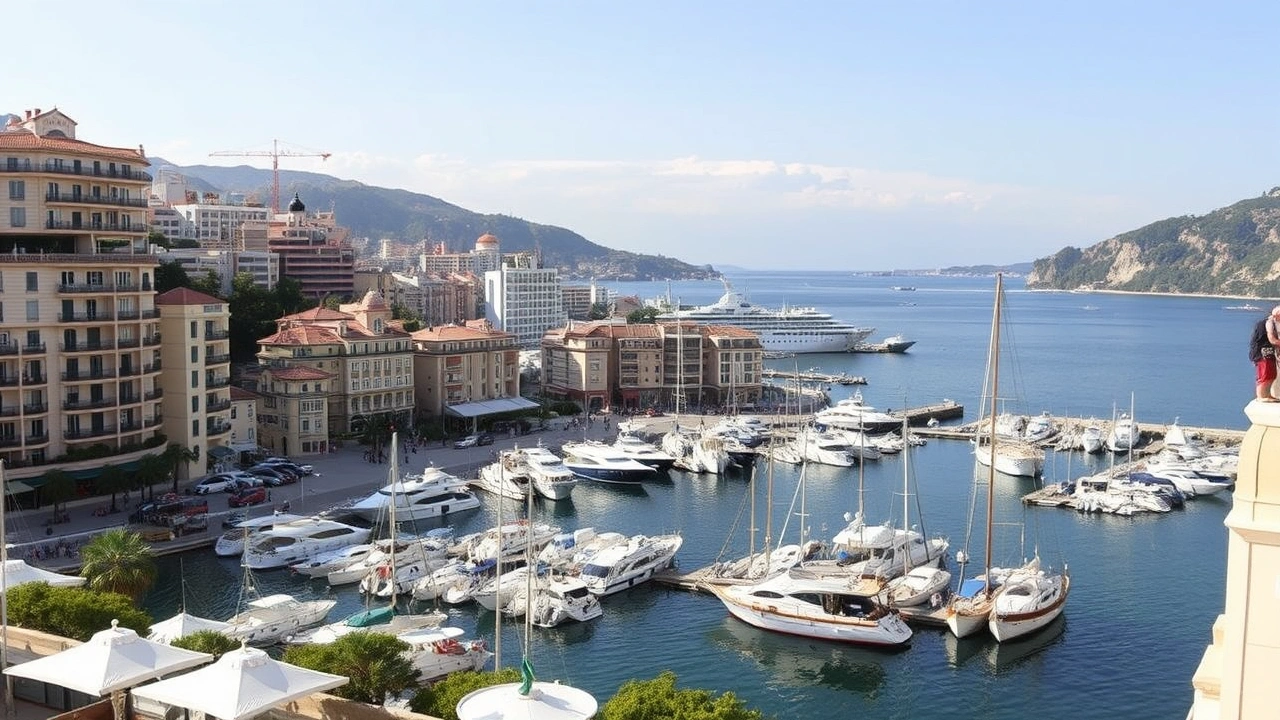
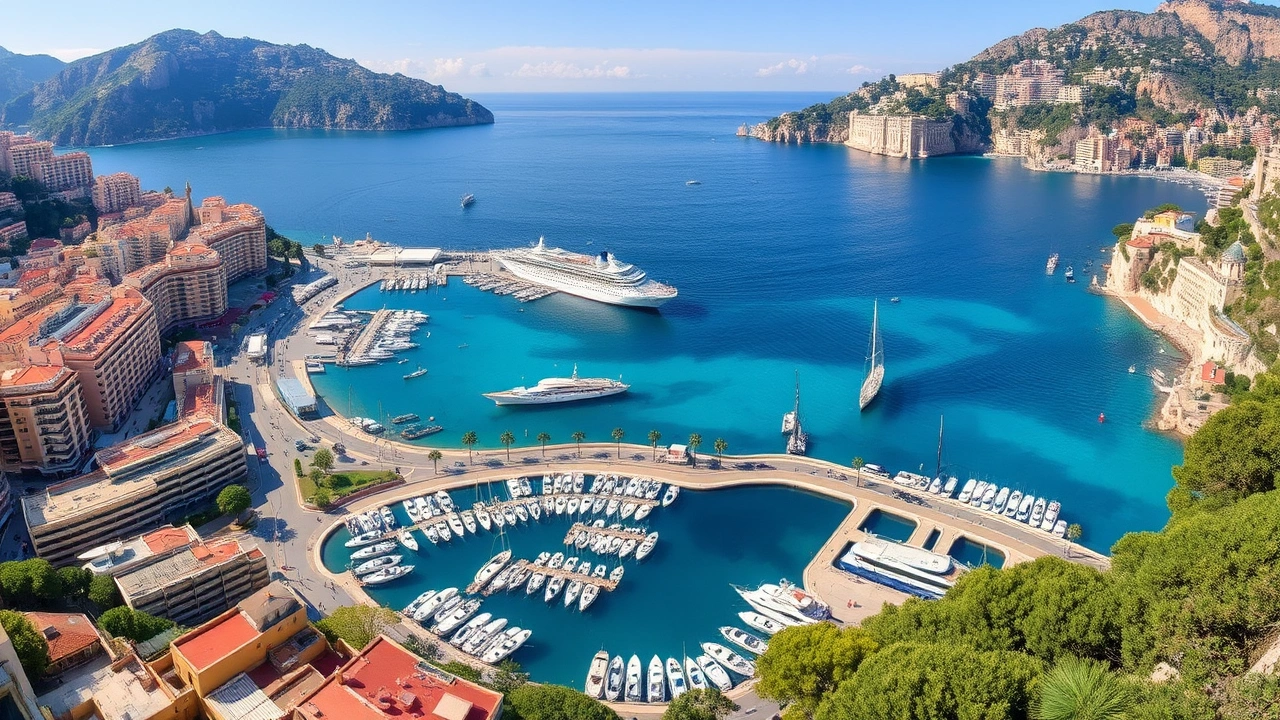
It’s hard to talk about sports in Monaco without starting with the sea. Framed by the Yacht Club de Monaco and a series of specialized facilities, the bay of Port Hercule and its surroundings offer an exceptional aquatic playground.
Sailing: From Beginner Lessons to High-Level Regattas
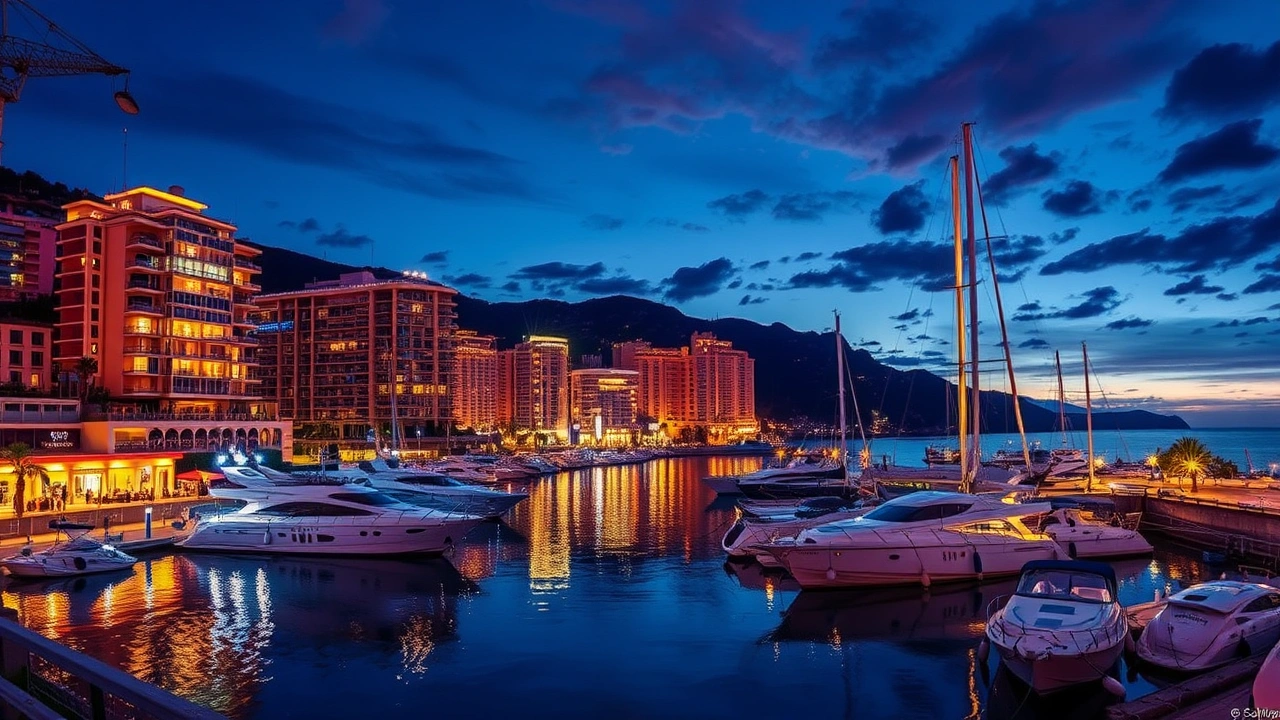
The Yacht Club de Monaco (YCM), founded in 1953 by Prince Rainier III and presided over by Prince Albert II since the 1980s, is much more than a prestigious club lining superyachts along the Quai Louis-II. It is also the country’s only sailing club and a genuine engine for the practice of sailing.
The facility, housed in a building designed by Foster + Partners and fitted out by Jacques Grange, brings together around 2,500 members from 82 nationalities. But behind this showcase lies a remarkable machine for training sailors: nearly 3,000 children each year are introduced to sailing through schools, Wednesday sports programs, and summer camps, supervised by about ten state-certified instructors.
The Sailing School allows children to start as young as 6, first with discovery sessions, then within the “sports section” which guides them towards suitable fleets: Optimist (categories A and B), ILCA (ex-Laser), dinghies like the Bug or Topper, then J/70 or Smeralda 888 monotypes. Progression is structured around a genuine “sports pathway”, complemented by the Monaco Sport Academy, which helps young racers balance studies, training, physical preparation, medical follow-up, and mental preparation.
The Yacht Club de Monaco offers adults annual courses and clinics on different types of boats: dinghies, keelboats, and monotypes. The club has a large fleet including several dozen Optimists, ILCAs, Toppers, Laser Picos, J/70s, and SB20s, as well as Hansa 303s for inclusive sailing. It also owns iconic vessels like the *Tuiga*, a 1909 gaff cutter designed by William Fife, which serves as the club’s flagship.
The club, having received accreditation from the Royal Yachting Association (RYA), also delivers international certifications: powerboat licenses (levels I and II), jet-ski piloting courses, dinghy and sea safety clinics, with standardized pedagogy and modules covering seamanship, navigation, and risk management.
Beyond the school, racing is part of Monaco’s DNA. The YCM’s calendar features world-class events: Primo Cup – UBS Trophy in monotypes, Monaco Sportsboat Winter Series, major gatherings of classic yachts (Monaco Classic Week), Optimist events, and especially the Monaco Energy Boat Challenge which places innovation and clean energy at the heart of the game. All these events, in turn, stimulate amateur practice: it’s hard to resist the urge to sail when the great yachts pass under your windows.
Mainstream Water Sports: From Jet-Ski to Paddleboarding
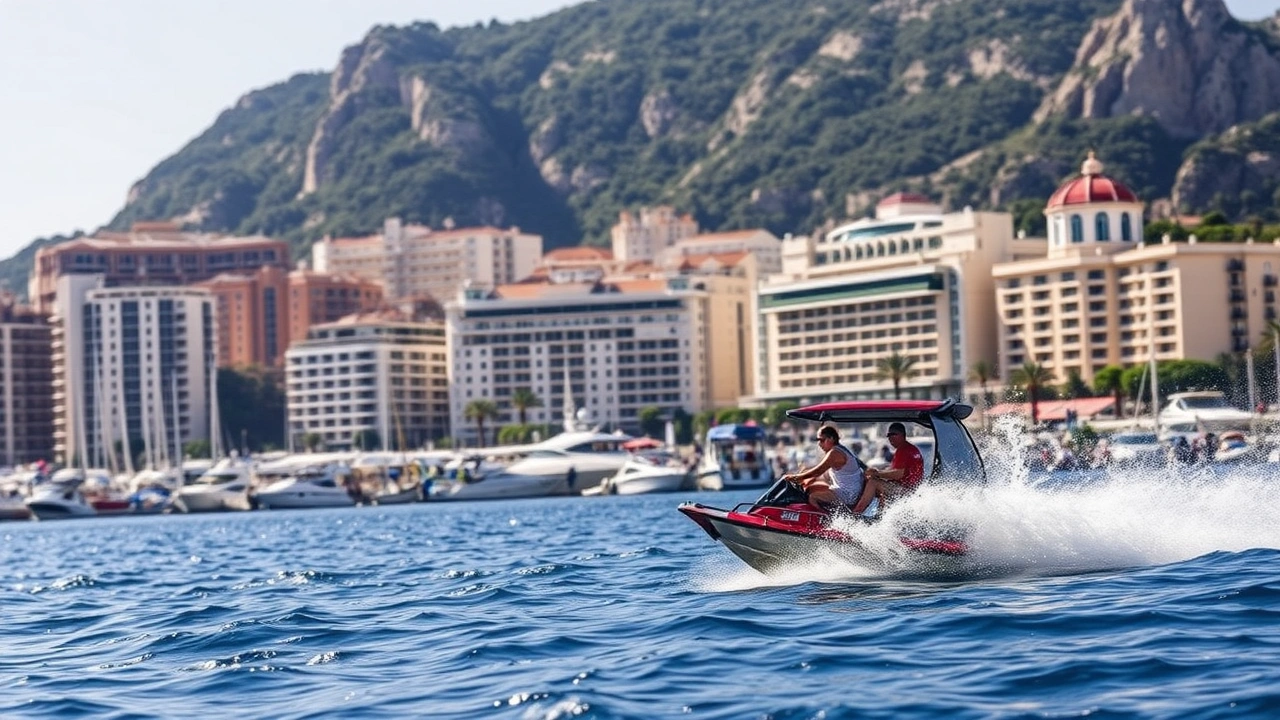
For those who don’t necessarily dream of racing but want to enjoy the Mediterranean, the water sports offering is extensive. Around Larvotto and Monte-Carlo Beach, several providers offer fun or sporting activities: jet-ski, wakesurfing, wakeboarding, waterskiing, towed inflatables, parasailing, paddleboarding, or kayaking.
The Monte-Carlo Beach water sports center is active from early June to early September. It offers activities such as parasailing, jet-ski, wakesurfing, waterskiing, tubing, and boat rentals. After these activities, you can follow up with an aquagym or aquabike class in the site’s Olympic-sized seawater pool.
At Larvotto, stand-up paddleboarding (SUP) has established itself as a favorite activity: accessible, photogenic, and perfect for exploring the coast, it attracts both residents and visitors alike.
Scuba Diving: A Rich Mediterranean Playground, Within Flipper’s Reach
Often overshadowed by major tropical destinations, the Monegasque and Côte d’Azur Mediterranean remains a surprisingly rich diving area. The water benefits from a mild climate: around 68°F to nearly 84°F from May to September, rarely below 55–57°F in winter, with visibility ranging from 30 to 100 feet depending on the site.
Around Monaco, there are about a dozen listed spots, but especially a string of sites stretching from Cap Ferrat to Cap Martin, then towards Menton and up to the Îles d’Hyères. The underwater terrain mixes drop-offs, canyons, rocky plateaus, and wrecks, colonized by gorgonians, sponges, nudibranchs, moray eels, conger eels, groupers, schools of barracuda, dentex, or amberjack.
Several clubs organize trips. The Monegasque Academy of the Sea offers a structured discovery dive: boat departure from Larvotto, sailing to Menton or Villefranche, a 45-minute guided snorkeling session followed by a first tank dive of 20 minutes, accessible from age 8 for children who know how to swim.
Nearby, in Menton, the Palmes Beach center, active for over half a century, allows diving on around forty sites, from Italy (Bordighera) to the Bay of Villefranche. This club provides a large boat that can carry about thirty divers and a more agile semi-rigid, handles equipment repair (Aqualung, Mares, Scubapro, etc.), and organizes combined diving and accommodation stays.
Some dives are very accessible, like Cap Ferrat or sites at around 65 feet such as the *Le Toulonnais*, a tugboat intentionally sunk in front of the Oceanographic Museum of Monaco to create an artificial reef. Others, like drop-offs descending to 130–200 feet or mythical wrecks (the submarine Rubis, the cargo ship Donator near the Îles d’Hyères), require an advanced level and often technical supervision.
Safety and Respect for the Marine Environment
As with hiking, caution is advised. Sometimes strong currents at depth, changeable Mediterranean weather, topography that can create tricky conditions: local clubs insist on a few simple rules: don’t overestimate your level, check your equipment, follow the supervisor’s recommendations, respect decompression stops and dive planning.
Ecologically, the area benefits from several protections, notably the Port-Cros National Park or the Cap Roux Reserve further west, not to mention the Pelagos Sanctuary dedicated to marine mammals. Divers and boaters alike are encouraged to limit their impact: no collecting, no feeding wildlife, no anchoring on seagrass (Posidonia), and sorting waste both on board and on land.
Tennis and Padel: Racket Sports in the Spotlight
Monaco and its surroundings have elevated racket sports to an art form. While the Rolex Monte-Carlo Masters serves each spring as a global showcase for the Côte d’Azur’s clay courts, amateur practice is also thriving, thanks in particular to a dense network of tennis and padel clubs.
Tennis: From the Clay of the Monte-Carlo Country Club to Neighborhood Clubs
The beating heart of tennis in the region is the Monte-Carlo Country Club (MCCC), located in Roquebrune-Cap-Martin, just a few dozen meters from the Monegasque border. Built in 1928 in an Art Deco style on 35,000 m², the club boasts 23 courts, 21 of which are clay, plus two indoor courts, two hard courts, fitness rooms, squash courts, a swimming pool, and even a putting green. All with a stunning view over the Mediterranean.
Rafael Nadal won 46 consecutive matches at the Rolex Monte-Carlo Masters, where he clinched eleven titles.
Around this beacon, the Monegasque tennis federation brings together other clubs, including the Tennis Club de Monaco, which manages four outdoor clay courts, a mini-court for the youngest, and has several hundred members, adults and children alike. Its rates remain relatively affordable compared to the local standard: annual membership around a few hundred euros, and hourly booking for non-members.
Within a few kilometers of the Principality, the Côte d’Azur multiplies options: the historic Beaulieu club (1918), the Menton club (1901), facilities in La Turbie, Villefranche, Èze… Most combine floodlit courts, clubhouse, bar or restaurant, changing rooms, even training studios or play areas for children. It’s community-based, family-friendly tennis, allowing for both recreational play and participation in regional tournaments.
Even the police force has its own sports association dedicated to tennis, which gives an idea of the sport’s deep roots in the local fabric. Inter-club competitions, veterans’ tournaments, junior circuits follow one another all year round.
Padel: The New Obsession for Racket Players
Born in Mexico in the late 1960s, padel exploded in Spain then Argentina before sweeping across Europe and the rest of the world. An enclosed court of 20m by 10m, glass walls, solid perforated rackets, almost exclusively doubles play, fast and very fun rallies: the cocktail has everything to seduce. In Monaco, the padel wave has fully arrived.
The region’s flagship club, offering an unparalleled view of Monaco and the sea, with complete facilities for sports and relaxation.
Five padel courts (two covered) and seven tennis courts.
A gym, a children’s area, a sauna, and a clubhouse.
A restaurant on-site and dedicated parking for members.
The site was inaugurated – a telling sign – in the presence of Prince Albert II, Monegasque and French political officials, as well as sports personalities like Didier Deschamps or former tennis player Ivan Ljubicic. The idea promoted by its backers is clear: to make Monaco and its periphery one of the Mediterranean hubs for padel.
Everything seems to contribute to this ambition. On one hand, the global numbers are staggering: over 12 million players, tens of thousands of courts in operation, an installation market that could exceed 85,000 courts by 2026, not to mention several million rackets sold each year. Southern Europe is at the forefront, Spain already nearing 15,000 courts, Italy or Sweden experiencing spectacular growth.
On the other hand, the Monegasque region is multiplying events. The Grimaldi Forum hosted a “Padel Best Village” combining exhibition matches (VIP, women’s, Italy-France meetings, inclusive format) and round tables with former football greats like Christian Vieri, Nelson Dida, or Frank de Boer. The 2025 edition even included pickleball in its program, another booming racket sport.
Following this, the professional A1 Padel circuit, created by Monegasque entrepreneur Fabrice Pastor, chose the Beausoleil club to launch a Grand Master bringing together 48 of the best pairs. A qualifying tournament (P500) guarantees a wild-card to the most successful local players. Access is free on weekdays, symbolically paid on weekends, allowing many curious spectators to discover the top level.
For players, the appeal of padel is threefold: easy-to-grasp technique, a very strong social dimension (you essentially play with four), and interesting profitability for clubs, a court generating on average much more revenue than a classic tennis court. No wonder, then, to see establishments like Monte-Carlo Beach adding the discipline to their offering, or historic tennis clubs (Èze, for example) integrating padel courts into their facilities.
Golf: An 18-Hole Course Above Monaco and a Constellation of Others
Amidst the towers, golf could almost go unnoticed. Yet it’s one of the most emblematic sports of the Côte d’Azur, and the Principality has a major asset: an 18-hole course perched on the heights, on Mont Agel, at an altitude of about 3,000 feet, with views of three countries from some greens.
Monte-Carlo Golf Club: A Balcony Over the Mediterranean
Located in La Turbie but intimately linked to Monaco, the Monte-Carlo Golf Club is an institution. Designed by Scottish architect Willie Park Jr., the 18-hole, par 71 course stretches over just under 6,500 yards, amidst alpine meadows, pines, and rocks, with the blue of the sea always in the background. Founded in the early 20th century, the club hosted professional events like the Monte Carlo Open for decades and continues to be the setting for charitable competitions such as the Princess of Monaco Cup, benefiting notably the Princess Charlene Foundation and Fight Aids Monaco.
The course offers an exceptional panorama of France, Monaco, and Italy from the 5th hole. Thanks to a mild climate, it is open 363 days a year, which is rare for a mountain golf course. A handicap is required to play, attesting to the technical nature of the course.
In practical terms, the Monte-Carlo Golf Club belongs to the Société des Bains de Mer. Guests of its hotels benefit from discounts on green fees, set around €140 on weekdays and €170 on weekends for non-members. The clubhouse houses a restaurant (closed Monday), a pro shop, a driving range, and equipment rental. It has received the top 5-star rating from Golf Stars, as well as a biodiversity label from the French Golf Federation.
A Region Literally Dotted with Greens
Around the Principality, the French Riviera probably forms one of the densest golfing “corridors” in Europe. Within a few dozen kilometers, you find courses of all styles and levels, from very affordable compact courses to five-star resorts.
To measure this diversity, a few examples suffice, presented here in a summary table:
| Course | Location | Holes / Par | Approx. Length | Indicative Green Fee (18 holes) |
|---|---|---|---|---|
| Monte-Carlo Golf Club | La Turbie | 18 / 71 | ≈ 6,350–6,560 yds | €140 weekday / €170 weekend |
| Circolo Golf degli Ulivi | Sanremo (Italy) | 18 / 69 | 6,220 yds | €60 weekday / €80 weekend |
| Royal Mougins Golf Resort | Mougins | 18 / 71 | 6,565 yds | €110–190 depending on season |
| Riviera Golf de Barbossi | Mandelieu | 18 / 71 | ≈ 5,970 yds | ≈ €105 (discount rates) |
| Old Course Mandelieu | Mandelieu | 18 / 71 + 9 / 33 | 6,285 yds + 2,315 yds | €90 (18H) / €55 (9H) |
| Terre Blanche (Le Château / Le Riou) | Tourrettes | 2×18 / 72 | 7,235 yds / 6,565 yds | €110–170 |
| Saint-Endréol | La Motte | 18 / 72 | 6,745 yds | €65–75 |
More compact formats are not forgotten. Facilities like the Golf de la Vanade (9 holes par 30, 1,760 yds, green fee around €30) or the Golf Country Club de Nice (compact 9 holes, par 27) offer quick courses, suitable for beginners, pressed players, or those wanting to work on their short game.
Discover a selection of golf clubs in the western Côte d’Azur region, combining exceptional courses and high-end accommodation.
A GEO-certified performance center for an optimal golfing experience.
A domain combining golf and prestigious accommodation.
A resort offering a complete golf experience.
Par 72 course of 6,890 yds at 3,280 ft altitude.
Sainte-Maxime, l’Esterel, Valescure (one of the oldest in France) and Beauvallon.
Why Golf Thrives in Monaco
The reasons for this success are multiple. The climate, first, with its generous sunshine and few rainy days, allows playing almost year-round. The setting, next: alternating shots by the sea, amidst umbrella pines, then on the heights with the Mediterranean below, offers a unique aesthetic.
Accessibility also plays a role: most courses in the region readily welcome visitors, with green fee bookings easy by phone or online. And the level of service – hotels, spas, gourmet restaurants, golf academies like the Prime Golf Academy in Mougins – attracts an international clientele who can easily combine vacation and sports practice.
Hiking, Trail Running, and Running: From Coastal Paths to Alpine Trails
Monaco and the Côte d’Azur rarely evoke, at first glance, major hiking. Yet the territory offers an astonishingly rich network of trails, suitable for both family strolls and demanding trail outings, all in a setting where sea and mountains interplay.
Two Complementary Worlds: Coastline and Hinterland
The entire seafront is traversed by the Sentier du Littoral (Coastal Path), a network of easily accessible, well-marked coastal paths, dotted with beaches, coves, restaurants, and picnic areas. Around Cap d’Ail, the walk linking Plage Marquet – at the gates of Monaco – to Plage de la Mala illustrates this model well: about an hour’s walk, educational panels on flora and fauna, historic villas, some stairs but overall terrain accessible to all.
Further east, the Promenade Le Corbusier in Roquebrune-Cap-Martin unfolds a perfect postcard: views of Monaco, coves, vegetation scented with lavender or freesia, a villa designed by the famous Swiss architect after whom the path is named. The full route takes about three hours, with some stairs but no major difficulty.
This example illustrates the rapid transition to more challenging trails near the coast. The Nietzsche Path links Èze-sur-Mer to Èze Village, with an elevation gain of about 1,410 feet to climb in a good hour. The route, composed of stone stairs and tight switchbacks, offers breathtaking panoramas but requires good physical condition.
Another classic for Monaco regulars: the climb to the Trophée d’Auguste in La Turbie. From the Monaco/Beausoleil border, you tackle steep streets, winding roads, and a paved path to reach the Roman monument and its botanical park in less than an hour. Ideal for a short but intense workout.
Major Trails: Via Alpina and GR5
For those who dream bigger, the region is crossed by legendary long-distance hiking trails. The Via Alpina, linking Monaco to Trieste by crossing eight Alpine countries, symbolically starts on the square of the Prince’s Palace before heading to the heights via the Saint-Martin Gardens then the Exotic Garden. The GR5, meanwhile, connects Nice to Lake Geneva following a ridge line through the French and Swiss Alps; several access points are possible from the Nice hinterland (Aspremont, Cimiez, Menton…).
Although complete itineraries like the GR5 require several weeks (4 to 5), they are designed to be walked in sections over a day or a weekend. A network of villages, inns, and refuges along the route facilitates this step-by-step discovery.
Running and Urban Trail Running: A Natural but Demanding Circuit
Beyond marked trails, Monaco also serves as a playground for runners. A running route of about 5.6 miles, cumulating nearly 650 feet of elevation gain, allows you to loop around the city and Monte-Carlo passing by the Japanese Gardens, Casino Square, Port Hercule, the old town, the Oceanographic Museum, and the Prince’s Palace.
Specialized companies, like Go! Running Tours, even offer guided running tours, a mix of tourist discovery and training.
Go! Running Tours
For those who prefer specifically designed locations, the Principality also has soft-surface paths: a 0.87-mile course on soft surface above Avenue Princesse-Grace, and a 1.55-mile circuit in an olive grove near the Exotic Garden, equipped with 20 fitness stations. Both facilities are free and open every day.
Preparation and Safety in Natural Settings
The mountains literally start right above Monaco, and the terrain can surprise inexperienced hikers. Recommendations from tourist offices and specialized platforms converge: check the weather, bring water, food, a first-aid kit, a reliable map or app, inform someone of your route, wear shoes with ankle support, a hat, sunglasses, and sunscreen. Some coastal sections can become dangerous in heavy seas: violent waves, spray, possible slips on rocks.
Authorities also emphasize the importance of staying on marked trails, notably to limit soil erosion and preserve flora, not lighting fires, carrying out your trash, and respecting wildlife. Dogs must be kept on a leash, or even prohibited in some sensitive areas.
Pools, Aquagym, and Swimming: Monaco’s “Aquafitness” Version
In addition to its beaches and private clubs, Monaco has a network of public and hotel pools that allow swimming, trying freediving, taking aquagym classes, or simply relaxing with the family.
Rainier III Nautical Stadium: The Pool That Becomes an Ice Rink
Right in the heart of Port Hercule, on the Route de la Piscine – which gave its name to a famous sequence of corners on the F1 circuit – the Rainier III Nautical Stadium features an Olympic-sized heated seawater pool at about 81°F. From May to early October, swimmers move in a 50 × 20–25 m rectangle bordered by stands, with 3, 10, 16, and 33-foot diving boards, as well as a 148-foot water slide.
The municipality offers aquagym, aquabike sessions, aquatic circuits, as well as freediving introductions for those over 8. Entry remains affordable, with reduced rates for residents and free access for seniors and toddlers, and supervision is provided by certified lifeguards.
This is the area in square meters of the ice rink installed from December to March on the emptied pool basin.
Indoor Pools: Training Year-Round
To swim sheltered, the Principality relies on two main facilities.
The Albert II Nautical Center, integrated into the Louis-II stadium complex, offers a covered Olympic pool, a children’s initiation pool and aquagym, as well as a diving well with 3, 10, and 16-foot springboards, all at 82°F. Open much of the day on weekdays and weekends, it allows both supervised sports practice (clubs, schools) and free swimming.
The Saint-Charles pool occupies the upper floors of a building in the Monte-Carlo district. More modest pool (59 × 39 ft), water heated up to 90°F depending on activities, a small adjacent gym: it’s the kingdom of specialized aquatic activities. You’ll find baby swimming, prenatal swimming, supervised aquaphobia, aquabike by reservation, aqua-trampoline, swimming lessons for all ages, “Aqua mermaid” sessions for children, or intensive programs like “Aqua power” and, conversely, gentler “Aqua relax” modules. Yoga or Pilates classes complete the offering in the gym space.
Hotel Pools: The Aquatic Experience in Luxury Mode
The establishments of the Société des Bains de Mer and the major hotels of the Principality have turned their pools into real destination arguments. Monte-Carlo Beach has an outdoor Olympic-sized ozonated seawater pool, heated to 82°F from May to October, with two diving boards and a solarium. Aquagym and aquabike classes are held there in a chic beach atmosphere.
Monte-Carlo Bay offers a large sand-bottomed outdoor lagoon (paid access), an indoor pool, and a Technogym room. The Méridien Beach Plaza has an indoor and a heated outdoor pool, plus a children’s pool. At the Fairmont, Nikki Beach provides a rooftop panoramic pool, focused on a festive atmosphere.
For those wanting to combine health and fitness, the Thermes Marins Monte-Carlo, a stone’s throw from the Hôtel de Paris and the Hermitage, brings together over 71,000 sq ft a heated seawater pool with sea views, aquagym, aqua-cardio, or aqua-boxing classes, a cardio-training area, saunas, steam rooms, Jacuzzis, a solarium, and even cryotherapy cabins.
Fitness, Strength Training, and High-End Coaching
Beyond “classic” sports, Monaco has established itself as a laboratory for premium fitness: hyper-equipped gyms, international coaches, breathtaking sea views… All complemented by free public facilities.
Ultra-Sophisticated Private Clubs
Several gyms stand out for their high-end positioning. On the Larvotto promenade, Fit Factory operates 6,500 sq ft facing the sea, with a strength training area, cardio equipment, an immersive cycling room, a sauna, and a relaxation area. Memberships can be daily, weekly, or monthly, and give access to group classes and equipment.
39 Monte-Carlo is an ultra-selective ‘house club’, accessible mainly by invitation. It offers personalized coaching, cutting-edge group classes (HIIT, Ballet Barre, etc.), state-of-the-art equipment, a spa, a restaurant, a hair salon, and private events. The annual membership costs several thousand euros.
Other clubs, like Eclub Monaco (a hyper-connected gym with smart machines and varied classes) or the Hercule Fitness Club on the port (managed by the Town Hall, with strength training, spinning, aquabike, aquagym), offer more affordable but equally serious sporting alternatives.
In the immediate periphery, in Cap d’Ail or Beausoleil, gyms like World Class Monaco or Gymway complete the offering, sometimes with boxing facilities, steam rooms, treatment rooms, or group class studios (Pilates, Zumba, stretching).
Connected Public Spaces
The Principality hasn’t forgotten free access, however. Launched in 2019, the MonaMove concept installs, on the Fontvieille and Port Hercule quays, outdoor fitness stations, autonomous thanks to solar energy. Pull-up bars, guided machines, benches… Users can train independently or follow the mobile app, designed with former rugby international Sébastien Chabal and offering about a hundred video exercises. Access is free from age 14.
In addition to fitness trails and running paths, the principality has equipped itself with outdoor sports stations. These installations offer the possibility to train with a panoramic view of the yachts, the Rock, or the Mediterranean Sea.
Tailored Coaching
Alongside gyms, an ecosystem of independent coaches has developed, offering sessions at home, in the gym, on yachts, or outdoors. Some structures, like Capital Coaching, position themselves as “concierges” for sports coaching on the Riviera: availability 7 days a week, extended hours, ability to operate in luxury hotels, specialization in strength training, Pilates, aesthetic preparation, or nutritional coaching.
Other Key Disciplines: Soccer, Basketball, Shooting, Dance, Pétanque…
The list of sports you can practice in Monaco doesn’t end there. The Principality has a historic soccer club, AS Monaco, which electrifies the Louis-II stadium, but also a women’s section (OS Monaco). Amateurs can play 5-a-side or 7-a-side soccer on municipal fields, while youth are taken care of by the club’s soccer schools.
Basketball is experiencing spectacular growth thanks to AS Monaco Basket, which competes at the highest European level. While Gaston-Médecin hosts the matches, amateur practice happens through local clubs and municipal facilities.
Monegasque sports also offer specialized facilities for more niche disciplines, allowing for quality practice in suitable settings.
Practice at the Rainier III shooting range, located near the Louis-II stadium.
Activity supervised by the Compagnie d’Arc in Fontvieille.
Historic practice within the Société nautique de Monaco, founded in 1888. Rower training starts from age 12 on the Quai Louis-II.
Finally, it’s impossible to overlook a sport deeply rooted in Mediterranean culture: pétanque. The Club Bouliste monégasque, on Rue de l’Industrie, opens its grounds daily, offers a boules school for children, and perpetuates a way of life made of competitions, apéritifs, and long games at sunset.
Grand Spectacle: Playing Alongside the World’s Greatest Events
While the focus here is on sports practice, it’s impossible not to mention the impact of the major events organized in Monaco on the motivation of residents and visitors. The Principality hosts some of the most prestigious events on the international calendar each year: Monaco Formula 1 Grand Prix, Historic Grand Prix, Formula E ePrix, Monte Carlo Rally, Meeting Herculis in athletics, Monte-Carlo International Show Jumping, International Swimming Meeting, Rolex Monte-Carlo Masters in tennis, Monaco Yacht Show, Monaco Solar & Energy Boat Challenge…
Watching elite competitions like the Formula 1 Grand Prix, tennis tournaments with Alcaraz or Djokovic, or equestrian events at the foot of the Rock can spark an immediate desire to practice a sport, whether it’s running, tennis, or cycling.
Monaco’s designation as the “World Capital of Sport” for 2025 by the European association ACES seals this reality: here, sport is as much a spectacle as a daily practice, encouraged by quality public infrastructure, dynamic clubs, and a clear political will.
In Practice: How to Choose Your Sport in Monaco?
Faced with this abundance, how do you find your way when living or staying in Monaco? A first key is to think by environment.
Those who love the sea will naturally lean towards sailing (Yacht Club school, summer clinics), diving (discovery dive or level 1 with local centers), water sports (jet-ski, paddleboarding, kayaking, waterskiing), or swimming in a seawater pool at the Rainier III Nautical Stadium or in beach hotels.
Racket sports enthusiasts can play tennis at numerous clubs in the region (Monaco, Beausoleil, Menton, Beaulieu, Èze, La Turbie…). Padel is also accessible, notably at Tennis Padel Soleil, Monte-Carlo Beach, or neighboring clubs. For inspiration from the best, you can attend the professional Rolex Monte-Carlo Masters tournament.
Nature lovers will aim for hiking and trail running, enjoying the coastal paths to start and routes towards La Turbie, Tête de Chien, Èze or the plateau above Nice to progress. Specialized platforms and the “Your Monaco” app – which lists over 20 walking and running routes with elevation profiles, estimated time, and points of interest – are valuable allies.
For structured physical training, several options are available: fitness centers (like Hercule Fitness, Fit Factory, 39 Monte-Carlo, Eclub, or World Class), outdoor sessions at the MonaMove stations, or private coaching, very widespread in the region.
Finally, for a shared convivial moment: pétanque at the Club Bouliste, dance in studios in Beausoleil, archery, target shooting, or even yoga and meditation in hotel spas offer as many gateways to regular practice.
Some Examples of Possible Combinations in a Week
To illustrate how broad the offering is, we can imagine different “typical weeks” of sports in Monaco.
| Practitioner Profile | Monday | Wednesday | Friday | Weekend |
|---|---|---|---|---|
| Sea Enthusiast | Swimming at Rainier III | Discovery Dive at Larvotto | Paddleboarding at Larvotto | Sailing Discovery Trip with YCM |
| Racket Fan | Tennis Lesson (TC Monaco) | Padel Session Tennis Padel Soleil | Friendly Tennis Match | Trip to Rolex Monte-Carlo Masters (season) |
| Runner & Hiker | Jogging Larvotto – Port | Climb to Trophée d’Auguste | MonaMove Session at the port | Hike Tête de Chien or Nietzsche Path |
| Fitness Aficionado | Strength Training Fit Factory | HIIT or Boxing Class at 39 MC | Yoga at Thermes Marins | Urban Trail + Recovery Swim |
Each discipline can be practiced at very different intensities, from family leisure to performance programs; that’s another Monegasque strength: the ability to offer, on a tiny territory, experiences adapted to all levels, from complete beginner to top-level athlete.
Conclusion: A Micro-Principality, a Macro Sports Playground
Between the white sails of the Yacht Club, the greens suspended above the Mediterranean, the clay courts facing the sea, the steep trails climbing towards Mont Agel, or the pools that transform into ice rinks in winter, Monaco establishes itself as a formidable concentration of sporting possibilities.
The Principality benefits from spectacular geography, a benign climate, a firmly rooted sports tradition, and constant investment in its infrastructure. The result is a unique ecosystem where, in a single day, you can run along the port, try padel, swim in a seawater pool, train in a gym facing the sea, and finish on a trail overlooking the bay.
For those who love to move, it’s an unparalleled playground, where every street corner, every beach, every hill can become the stage for a new session. And perhaps that is the true Monegasque luxury: the possibility to live sport daily, with the same intensity as the great events that make the entire planet dream.
A 62-year-old retiree, with financial assets exceeding one million euros well-structured in Europe, wanted to change his tax residence to optimize his tax burden and diversify his investments, while maintaining a link with France. Budget allocated: 10,000 euros for comprehensive support (tax advice, administrative formalities, relocation and wealth structuring), without forced asset sales.
After analyzing several attractive destinations (Monaco, Greece, Cyprus, Mauritius), the chosen strategy was to target Monaco for its lack of income tax for individuals on non-French sourced Monegasque income, no wealth tax (ISF), high-end banking environment, and secure living environment, just 2 hours from Paris. The mission included: pre-expatriation tax audit (exit tax or not, tax deferral), obtaining the Monegasque residence permit with rental/purchase of a primary residence, CNAS/CPAM detachment, transfer of banking residence, plan for severing French tax ties (183 days/year outside France, center of economic interests…), introduction to a local network (tax lawyer, immigration advisor, private bank), and wealth integration. This support enables potentially major tax savings while controlling risks (French tax audits, FR-MC tax treaty, adapting to a high cost of living).
Planning to move abroad? Contact us for custom offers.
Disclaimer: The information provided on this website is for informational purposes only and does not constitute financial, legal, or professional advice. We encourage you to consult qualified experts before making any investment, real estate, or expatriation decisions. Although we strive to maintain up-to-date and accurate information, we do not guarantee the completeness, accuracy, or timeliness of the proposed content. As investment and expatriation involve risks, we disclaim any liability for potential losses or damages arising from the use of this site. Your use of this site confirms your acceptance of these terms and your understanding of the associated risks.

Cyril Jarnias is an independent expert in international wealth management with over 20 years of experience. As an expatriate himself, he is dedicated to helping individuals and business leaders build, protect, and pass on their wealth with complete peace of mind.
On his website, cyriljarnias.com, he shares his expertise on international real estate, offshore company formation, and expatriation.
Thanks to his expertise, he offers sound advice to optimize his clients' wealth management. Cyril Jarnias is also recognized for his appearances in many prestigious media outlets such as BFM Business, les Français de l’étranger, Le Figaro, Les Echos, and Mieux vivre votre argent, where he shares his knowledge and know-how in wealth management.