 Published on and written by Cyril Jarnias
Moving to Uruguay often conjures dreams of summers by the Atlantic, endless Carnival, and strolls along Montevideo’s Rambla. But behind this postcard image lies a very particular climate, with its strengths and pitfalls. For an expatriate, understanding and adapting to it is not a minor detail: it shapes daily comfort, health, energy bills… and even how to arrange a home or garden.
Uruguay enjoys a temperate humid climate with four distinct seasons and rapid weather changes. Extreme temperatures are rare, but you should expect humidity, wind, and sunshine considered among the most aggressive in the world, which can surprise newcomers.
This article offers a practical guide, based on precise climate data and the experience of residents, to help expatriates live comfortably year-round in Uruguay.
Understanding the Uruguayan climate before unpacking your bags
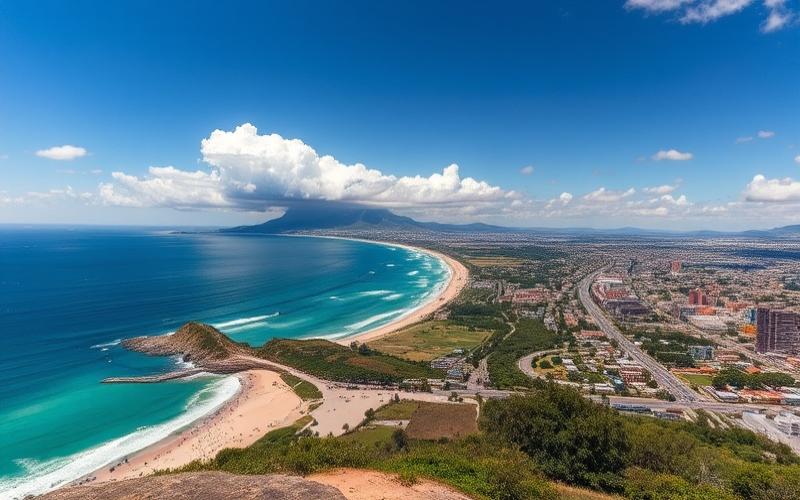
The country lies entirely in the temperate zone of the Southern Hemisphere, between Argentina and Brazil, with long coastlines on the Río de la Plata and the Atlantic Ocean. No high mountains, no natural barriers: air masses circulate freely, making the weather changeable and exposed to strong winds.
Contrary to what some imagine before arriving, the climate is not tropical. It is classified as a humid subtropical climate (Köppen Cfa), moderated along the coast by oceanic influence bringing some areas closer to a cool oceanic climate (Cfb).
Seasons reversed for Europeans and North Americans
Across the Southern Hemisphere, the seasons are reversed compared to Europe or North America. In Uruguay:
| Season (Uruguay) | Main Months | General Characteristics |
|---|---|---|
| Summer | December – March | Hot, humid, thunderstorms, extreme UV |
| Autumn | March – May | Mild, unstable, pleasant for travel |
| Winter | June – August | Damp cold, winds, frequent rain |
| Spring | September – November | Cool at first, windy, humid |
The country does not observe daylight saving time: so there is no seasonal time change to manage. It’s a detail, but one that simplifies life when organizing calls abroad or planning meetings with a headquarters on the other side of the world.
Moderate temperatures, but a sometimes misleading feel
Throughout the year, the average temperature is around 16°C (61°F). On paper, that’s mild. In reality, two points often surprise expatriates:
In winter, humidity accentuates the sensation of cold, making temperatures harder to bear. In summer, direct sun and lack of shade can make certain afternoons grueling, even when the thermometer shows moderate values. It is therefore important to consider these humidity and sunshine factors, in addition to the indicated temperature, to assess real climatic comfort.
Some concrete references:
| City / Region | Month | Avg Max Temp | Avg Min Temp | Observations |
|---|---|---|---|---|
| Montevideo | January (summer) | 28°C (82°F) | 17°C (63°F) | Recorded absolute max: 43°C (109°F) |
| Montevideo | July (winter) | 14°C (57°F) | 6°C (43°F) | Absolute min: -5°C (23°F) |
| Artigas (northwest) | January | 33°C (91°F) | 18°C (64°F) | Measured max: 42°C (108°F) |
| Artigas | July | 18°C (64°F) | 7°C (45°F) | Measured min: -4°C (25°F) |
| Paysandú | January / July | 42°C (108°F) (max) | -4°C (25°F) (min) | Strong temperature swings |
Overall, summers are hotter in the north and inland, while the coast (Montevideo, Maldonado, Rocha, Punta del Este) benefits from sea breezes that limit overheating but increase humidity.
Rain, humidity, and fog: a recurring theme
Rain is not confined to a “rainy season” like in the tropics. It falls year-round, with high annual totals:
| Region | Approximate Annual Rainfall |
|---|---|
| Montevideo (south) | 950–1,200 mm (37–47 in) |
| Center-north | 1,300–1,400 mm (51–55 in) |
| North (Artigas) | Up to 1,600 mm (63 in) |
Summer precipitation comes mainly from thunderstorms, sometimes violent, while winter is punctuated by the passage of cold fronts bringing continuous rain or fine drizzle. Relative humidity remains generally high, with notable peaks in winter and spring, even up to 87% in May in some eastern departments.
Frequent fogs create a humid atmosphere that, in poorly ventilated homes, provides an ideal breeding ground for mold growth.
The key role of wind and the Pampero
Without mountains to block air masses, the country is exposed to winds year-round. This parameter affects the thermal feel, but also safety (falling branches, exceptional storms) and daily life.
Two things to know:
– Summer winds, coming from the Atlantic, cool down hot afternoons, especially on the coast.
– The Pampero, a cold wind from the Argentine pampas, can sweep the country from May to September, causing sharp temperature drops and sometimes brief overnight frosts.
A few extreme episodes illustrate this windy risk: storms have already reached 172 to 200 km/h (107 to 124 mph) in the south of the country. Tropical hurricanes, however, do not hit Uruguay, and earthquakes are negligible.
Uruguayan summer: moderate heat, extreme sun
For many expatriates, summer is the season of discovery: Pocitos Beach, a getaway to Punta del Este, late evenings on the Rambla. But just because thermometers often show “only” 28 to 30°C (82 to 86°F) doesn’t mean caution is optional.
Often humid heat… but bearable
Between December and March, temperatures generally reach the high 20s or low 30s Celsius (low to mid-80s Fahrenheit). Heatwaves can push the mercury towards 36 to 40°C (97 to 104°F), especially inland and in the northwest (Artigas, Salto, Paysandú, Mercedes). These hot spells last an average of two to three days before being broken by a thunderstorm.
Humidity is present, but it’s far from the stifling mugginess of the tropics. On the coast, ocean breezes make evenings very pleasant, even in the middle of summer.
A UV index comparable to Australia
What distinguishes the Uruguayan summer isn’t so much the heat as the power of ultraviolet radiation. Uruguay is at a latitude close to Sydney and Cape Town, with a thinner ozone layer than at higher latitudes.
The UV index regularly reaches ‘very high’ to ‘extreme’ levels, requiring maximum protection.
| Period | Risk Level (UV) | Approximate Time to Sunburn (fair skin, no protection) |
|---|---|---|
| January – March | Extreme (11–14) | 10 minutes |
| November – December | Very High to Extreme (13–14) | 10 minutes |
| April, August | High (6–7) | 25 minutes |
| May – July | Moderate (3–5) | 30 minutes |
| September – October | Very High (8–10) | 15 minutes |
The World Health Organization recommends protecting yourself when the UV index reaches 3. In the height of summer, Montevideo shows average daily UV levels that can climb to 14, Artigas to 15. In other words: even a noon walk to the supermarket can be enough to burn a fair-skinned newcomer.
How to practically adapt to the Uruguayan summer
In terms of daily life, the entire country has integrated this reality:
– Families avoid the beach between noon and 3–4 p.m.
– Children wear caps or hats, sunscreen, and T-shirts during the most intense hours.
– On beaches, many set up tents, umbrellas, or canopies with high-protection fabric.
For an expatriate, a few reflexes quickly become essential:
For optimal UV protection, it is recommended to use a broad-spectrum sunscreen with a minimum SPF of 30, applying about 30 ml for the whole body and reapplying every 2 to 4 hours, especially after swimming. Also, choose covering yet lightweight clothing (like cotton shirts or UV-protective T-shirts) and a wide-brimmed hat. It is important not to rely on pleasant temperatures or a breeze, as the risk of burning exists even at 25°C (77°F) with wind. Finally, consistently wear quality sunglasses that block UVA and UVB (UV 400 rating).
The extreme sun intensity doesn’t only concern sensitive skin: in the long term, it increases the risk of skin cancers, cataracts, and premature skin aging. Even if the cited statistics come mainly from the US, they give an idea of the global scale of the phenomenon: millions of basal cell and squamous cell carcinomas diagnosed each year, with a major role played by repeated unprotected exposures.
Uruguayan winter: neither Siberia nor the Mediterranean… but a disconcerting damp cold
From June to August, winter averages might seem mild to those coming from Canada, Northern Europe, or certain French regions: around 14–15°C (57–59°F) in the afternoon in Montevideo, 5–7°C (41–45°F) at night. Snow is virtually absent from the plains, limited to rare episodes in some southern sierras.
Yet, many expatriates find winter “harsher than expected.” The reason lies less in the numbers and more in two combined factors: humidity and the quality of housing.
A cold that “gets into your bones”
The winter air is often saturated with humidity, with drizzle, repeated rains, fog, and little sustained sunshine. Under these conditions, a damp and windy 8°C (46°F) can feel more biting than a dry 0°C (32°F).
Typical days are divided between: work activities, relaxation moments, and social interactions.
Autumn presents great meteorological variability, alternating between disturbed phases and calmer periods.
Windy episodes, sometimes accompanied by heavy rain or thunderstorms.
Persistent gray sequences with overcast skies.
Clear days, often cool but pleasant when the sun breaks through.
Invasions of the Pampero, that cold wind from the pampas, can cause temperatures to drop abruptly, leading to light frosts, especially inland. However, values below -5°C (23°F) remain exceptional.
Homes often poorly adapted to the cold
The winter culture shock comes mainly from the buildings. A large part of Uruguayan houses and apartments, including in the capital, feature:
– little or no thermal insulation,
– massive, cold walls that store moisture,
– single-glazed or poorly sealed windows,
– the absence of central heating.
The common heating methods are:
– wood stoves or fireplaces,
– reverse-cycle air conditioners (“split” units) running on electricity,
– portable electric heaters,
– to a lesser extent, bottled gas.
The most modest households can spend up to 10% of their income on electricity alone.
Indoor humidity and mold: a real issue for expatriates
Under these conditions, indoor humidity easily climbs. In Montevideo, cases of black mold on walls, especially in old buildings, are common in winter. They concentrate in poorly ventilated rooms: bedroom corners, bathrooms, areas in contact with cracked exterior walls.
Waiting for spring to clean, as one sometimes hears, is not a good idea from a health standpoint. Fungi release spores and irritating substances, associated with:
– respiratory allergies,
– worsening of asthma,
– eye and skin irritations,
– increased risks for immunocompromised individuals.
Here, international recommendations, notably from the WHO, agree: a damp and moldy home is a factor for poor respiratory health.
Adapting your home: priority to humidity and ventilation
For an expatriate settling long-term, one of the best investments is to choose – or transform – a home adapted to the Uruguayan climate. It’s better to address these issues upfront rather than discover a blackened wall in the middle of July.
What to look for before signing a lease or buying
During a viewing, it is useful to check a few concrete points:
– Quality of windows and doors: double glazing, seals in good condition, no gaps letting in wind.
– Signs of mold: wall corners, areas behind furniture, closets, bathroom ceiling.
– Orientation: rooms facing north (remember: Southern Hemisphere) receive more sun in winter, improving comfort.
– Height relative to the street: a slightly elevated home limits risks of humidity from sewer overflows or minor neighborhood flooding.
– Roof condition: water infiltration = recurring mold.
When purchasing, it is advisable to have the exterior structure checked to identify any potential cracks or waterproofing defects. This water infiltration into walls is a primary cause of fungal growth.
Managing humidity day-to-day
Once settled, several actions significantly reduce mold risks:
– Air out daily, even in winter: open wide for 10 to 20 minutes to renew the air without losing too much heat.
– Use an electric dehumidifier in the most affected rooms (bedroom, basement, bathroom) in winter.
– Limit drying laundry indoors or do it in a well-ventilated room, ideally with a dehumidifier.
– Move furniture slightly away from exterior walls to allow air circulation.
– Hunt for leaks: roofs, pipes, shower seals, faucets.
Dehumidifiers, particularly favored by expatriates, reduce humidity by condensing water vapor from the air onto a cold surface. The collected water can be reused, for example to water plants or for cleaning.
To monitor the indoor environment, a small hygrometer (often integrated into home weather stations or air quality sensors) allows you to aim for a relative humidity between 40% and 60%. Beyond that, the risk of mold development increases significantly.
Treating existing mold
If fungi are already present, cleaning must be combined with a deeper treatment:
1. Clean affected surfaces with appropriate products (white vinegar, specific antifungal solutions, possibly borax on some surfaces). 2. Let dry thoroughly while ventilating. 3. Treat the causes of humidity: exterior waterproofing, ventilation, insulation. 4. Repaint only after complete drying, preferring mold-resistant paints for sensitive rooms.
Painting directly onto a damp or moldy wall only masks the problem for a few weeks: the stains reappear quickly.
Heating and cooling without blowing your budget
Between humidity, lack of effective insulation, and the cost of electricity, managing thermal comfort and energy bills is another aspect of adaptation.
Winter: dealing with a “patchwork” heating system
More than a third of Uruguayan households still heat with wood, often via inefficient fireplaces or stoves. The rest relies on electricity (reverse-cycle air conditioners, heaters) or bottled gas.
For an expatriate, a few strategies are useful:
To reduce energy consumption, prioritize a home equipped with modern reverse-cycle air conditioners (split), whose efficiency exceeds that of standard electric heaters. Use timer settings to avoid continuously heating unoccupied rooms and close off unheated rooms at night to concentrate warmth in living spaces. Take advantage of solar gain by opening shutters and curtains on sun-facing facades during the day, then closing them in the evening to limit heat loss. In a house, consider installing an efficient wood stove, which provides pleasant heat and dries the air, reducing the sensation of humidity.
Authorities and public companies like UTE also promote energy efficiency solutions (water heater programming, more efficient appliances), a sign that managing demand is a major issue in a country where electricity, although very “green,” remains expensive for the end user.
Summer: reasonable air conditioning and smart ventilation
In summer, air conditioning becomes tempting, especially inland, where highs regularly exceed 30°C (86°F). However, massive air conditioning use can skyrocket the electric bill, already inflated by water heater usage.
Careful and attentive management of your home can often reduce reliance on air conditioning, for example by optimizing insulation, ventilation, or natural shading.
– Ventilate as much as possible during the cool hours of the night, creating cross breezes.
– Close shutters, blinds, and curtains during the hottest hours to limit direct radiation.
– Install, if possible, external sun protections on large exposed windows.
– Reserve air conditioning for the most uncomfortable hours and the rooms actually used, rather than cooling the entire home.
– Use “eco” modes and reasonable settings (for example, 25–26°C (77–79°F) rather than 20°C (68°F)).
On the coast, the presence of the Atlantic and sea breezes often makes summer evenings bearable, even after a hot day.
Living with wind, rain… and some severe thunderstorms
The other aspect of the Uruguayan climate is its relative instability and the frequency of strong winds. Without becoming paranoid, a few simple precautions are necessary, especially for those moving into a house, by the sea, or on riverbanks.
Securing your outdoor space
During winter storms or episodes of strong winds, the main risks are:
– falling branches or trees,
– flying garden furniture, umbrellas, flower pots,
– water infiltration through a worn-out roof.
Before each winter season, it is prudent to:
Before a period of bad weather, it is crucial to check the condition of the roof to prevent leaks, prune dead branches too close to the house to avoid falls, and ensure that patio furniture, barbecues, and planters can be brought indoors or securely fastened so they are not carried away by the wind.
Sudestadas, strong southeast winds that hit the coast, can make the sea very rough, with spray carried far inland. In some exposed areas, it’s better to avoid parking a car under trees during these episodes.
Managing intense rains and the risk of local flooding
Even though Uruguay doesn’t have a “monsoon,” some years see periods of very heavy rain, sometimes for a week straight in winter, sometimes in the form of organized lines of thunderstorms in summer. Extreme episodes have already caused damage estimated at several billion dollars across the Uruguay-Argentina region.
Before renting or buying a home, it is essential for an expatriate to inquire about the past flood risks of the neighborhood in question.
– Ask the neighbors if the street has ever been flooded.
– Check that the home’s plot is slightly elevated relative to the street.
– Observe the stormwater drainage systems and their maintenance.
Some low-lying areas of cities can experience temporary water accumulation. This shouldn’t necessarily be a deal-breaker, but it’s a parameter to know, especially if you store valuables on the ground floor or in a basement.
Managing allergies, pollen, and “belucas” in spring
Spring, from September to November, is often described as one of the most pleasant seasons in Uruguay: mild temperatures, nature in full bloom, days lengthening rapidly. But for allergy sufferers, this period can be more difficult than a damp winter.
In Montevideo, for example, you see clouds of cottony fibers in the air during spring: these are “belucas”, emitted by certain trees. They add to high pollen levels, likely to trigger rhinitis, conjunctivitis, or worsening of asthma in sensitive individuals.
For concerned expatriates, a few precautions ease adaptation:
To reduce allergy symptoms, keep windows closed during strong winds, air out early in the morning or late in the evening when pollen concentration is lower, consider using air purifiers with HEPA filters in bedrooms, and consult a doctor to adjust your antihistamine treatments.
The good news: spring is also the ideal season for gardening, with pleasant temperatures and bustling visits to “viveros” (garden centers). Those who enjoy working the land will find it a good way to engage with the local climate.
Gardening in Uruguay: dealing with heat, humidity, and droughts
The Uruguayan climate offers a long growing season, ideal for many crops: soybeans, rice, wheat, fruit, vines, olive trees… But in the garden, the constraints of the Río de la Plata – hot humid summers, cool winters, rainfall that is spread out but sometimes capricious – force an adaptation in plant choices and practices.
Choosing adapted plants rather than copying Europe
Local garden centers sometimes offer varieties inspired by Spain or Italy, not always well-suited to the summer humidity. Some typical Mediterranean plants, like certain lavandins, can die off within a few years due to the combination of heat + excess water.
For an expatriate who wants a garden low in maintenance and watering needs, it’s better to prioritize:
– local or naturalized species that have already proven their resilience,
– plants native to similar climates (other humid subtropical regions).
Groups like sages (Salvia spp.), including species native to Argentina or Mexico, show good drought tolerance. Similarly, some tropical plants, when planted in dense beds, show good adaptation in public spaces, as has been observed in Colonia del Sacramento.
Managing water in a context of climatic variability
Globally, the trend is towards more frequent episodes of droughts and extreme rains. Uruguay is no exception: alternating very wet periods (like in 2018) and marked droughts, which weigh on agriculture and drinking water resources.
An expatriate can create a pleasant green space by adopting xeriscaping strategies, an approach that reduces water needs without sacrificing garden aesthetics.
– improve the soil with organic matter (compost, well-decomposed manure) to increase its water retention capacity,
– mulch beds generously (wood chips, straw, dead leaves) to limit evaporation,
– water less frequently but deeply, preferably early morning or evening,
– group plants according to their water needs,
– use drip irrigation or soaker hoses to target roots.
This type of approach helps better withstand dry periods and reduce water consumption, an increasingly sensitive issue, even in a country with high annual rainfall.
Planning trips and scouting: when to come, what to prepare
For those still hesitating about moving or preparing a scouting trip, choosing the right time to come allows for a realistic idea of the climate and lifestyle.
The best times to discover the country
Climate data and feedback from experience converge:
The most pleasant period spans from late spring to early autumn (October to March), with generous sunshine, mild to warm temperatures, and vibrant cultural life (Carnival, festivals). To avoid crowds and high prices in beach resorts, prioritize the months of November, December (excluding New Year’s), March, and April.
In the height of summer, from late December to late January, beaches are packed, especially in fashionable resorts like Punta del Este. Montevideo partially empties of its residents, slowing the city’s pace: an aspect to be aware of for those seeking a “lively” city during this period.
Adapting your wardrobe to the climate
The key word, regardless of the season, remains: layering. The weather’s instability – wind, rapid temperature variations – requires a certain clothing flexibility.
In practice:
– In summer: prioritize T-shirts, light shirts, shorts, dresses, linen or cotton, and always a hat, sunglasses, and a light raincoat for thunderstorms.
– In the shoulder seasons (spring, autumn): plan modular layers (T-shirt + shirt + light sweater + waterproof windbreaker), as you can go from an almost summer-like afternoon to a cool evening.
– In winter: clothing similar to European autumn wear, but with good protection against dampness: coat or parka, sweaters, scarf, beanie, gloves, closed waterproof shoes.
The idea of a country “without a real winter” sometimes leads newcomers to underestimate the need for warm clothes. Yet, in a poorly insulated apartment, thermal pajamas or long underwear made of synthetic material or merino wool can make a noticeable comfort difference.
Health, sun, and medications: anticipate rather than endure
Beyond simple comfort, the Uruguayan climate poses a few specific health challenges, mainly linked to sun and humidity.
Medications and photosensitivity
Many medications (antibiotics, anti-inflammatories, diuretics, some cancer treatments) increase skin sensitivity to the sun. Under a UV index of 11 to 14, the effect can be dramatic: rapid burns, skin rashes, pigmentation spots.
Before leaving or when consulting a local doctor, it is useful to: gather your medical documents, prepare a list of medications you are taking, note your allergies, and know your medical history.
Before sun exposure, it is crucial to list your regular medication treatments and ask a healthcare professional if any of them can induce photosensitivity. If so, adjust your sun protection accordingly: wear covering clothing, avoid peak sun hours (generally between 12 p.m. and 4 p.m.), and use a high-protection sunscreen (SPF 50+) that is water-resistant.
General practitioners and dermatologists in Uruguay, especially in urban areas, are accustomed to managing these issues.
Cultural acceptance of sun protection
In Uruguayan society, the importance of sun protection is generally well-integrated, especially for children. On beaches, you often see:
– hats and caps,
– tents or beach canopies,
– swimming hours centered on morning and late afternoon.
For an expatriate, aligning with these habits allows both for protecting health and blending into local customs.
Thinking long-term: climate, energy, and sustainability
Finally, it is useful to place these individual tips in a broader context. Uruguay has undertaken a spectacular energy transition since the mid-2000s: nearly 95% of its electricity now comes from renewable sources (hydroelectric, wind, biomass, solar).
This transformation was also a reaction to years of drought, volatile hydrocarbon prices, and blackouts. It has reduced the country’s carbon footprint, but has not eliminated the challenges of adapting to climate change:
Projected temperature increase in degrees Celsius by the end of the century, leading to more intense rains, prolonged droughts, and pressures on water and agriculture.
For an expatriate, adopting energy-sober behaviors (better insulation, smart ventilation, prioritizing natural shade, limiting air conditioning use, harvesting rainwater for the garden, choosing adapted plants) is not just a question of the bill: it’s also a way to align with the sustainability trajectory of the host country.
—
Adapting to the Uruguayan climate, therefore, isn’t just about packing an umbrella and a straw hat. It’s understanding a subtle combination of moderate yet humid heat, sun of rare intensity, powerful winds, generous rains, and homes sometimes poorly prepared for these realities.
By grasping these parameters from the start – choice of neighborhood and home, thinking about heating, managing humidity, sun protection, adapted gardening – an expatriate can transform a potentially disconcerting climate into an ally, and fully enjoy this stable, green country open to the Atlantic.
Disclaimer: The information provided on this website is for informational purposes only and does not constitute financial, legal, or professional advice. We encourage you to consult qualified experts before making any investment, real estate, or expatriation decisions. Although we strive to maintain up-to-date and accurate information, we do not guarantee the completeness, accuracy, or timeliness of the proposed content. As investment and expatriation involve risks, we disclaim any liability for potential losses or damages arising from the use of this site. Your use of this site confirms your acceptance of these terms and your understanding of the associated risks.

Cyril Jarnias is an independent expert in international wealth management with over 20 years of experience. As an expatriate himself, he is dedicated to helping individuals and business leaders build, protect, and pass on their wealth with complete peace of mind.
On his website, cyriljarnias.com, he shares his expertise on international real estate, offshore company formation, and expatriation.
Thanks to his expertise, he offers sound advice to optimize his clients' wealth management. Cyril Jarnias is also recognized for his appearances in many prestigious media outlets such as BFM Business, les Français de l’étranger, Le Figaro, Les Echos, and Mieux vivre votre argent, where he shares his knowledge and know-how in wealth management.