 Published on and written by Cyril Jarnias
You cannot truly understand Uruguay without experiencing its nights. Between tango milongas, candombe batucadas in the streets, historic century-old bars, highly regulated casinos, and clubs open until sunrise, nightlife in Uruguay is much more than just a bar crawl: it’s an extension of its culture, history, and its very relaxed approach to time.
In Uruguay, nightlife starts and ends very late: dinner around 10 PM, first drinks around midnight, heading to the club around 2 AM, with a return to the hotel between 6 and 8 AM. This rhythm is common, especially in Montevideo and Punta del Este. The capital may seem calm on the surface, but the action is found in specific, often discreet neighborhoods and venues.
Understanding the rhythm and culture of the Uruguayan night
The key to enjoying the local nightlife is accepting that everything starts later than in most European or North American countries. People eat late, drink even later, and dance until dawn.
Uruguayans often start with a previa, a friendly warm-up that can take place at a friend’s house, in a bar, or on a terrace. This moment allows for conversation, sharing a bottle of Tannat or a clericó cocktail (white wine, fruit juice, and liqueurs) before shifting to a more festive mode. Clubs don’t really fill up until between 1 AM and 3 AM, especially from Thursday to Sunday, when the city is truly in night mode.
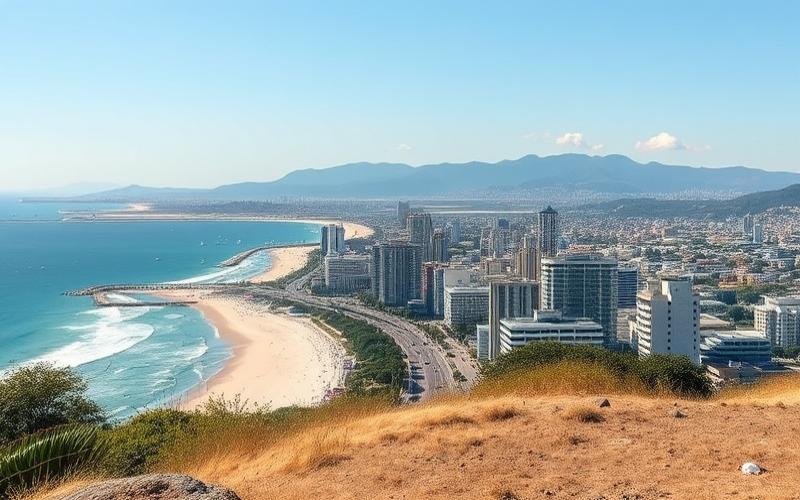
Montevideo illustrates a duality: an overall calm and safe capital that comes alive at nightfall. The atmosphere favors the art of savoring life over debauchery. Typical activities include having a drink on the Rambla facing the Río de la Plata, listening to a jazz trio in a Ciudad Vieja cellar, following a candombe comparsa in the Palermo neighborhood, or dancing salsa in Pocitos.
The country also has a very liberal approach to private behavior: widespread tolerance of marijuana consumption (even though its sale to tourists is illegal), regulated prostitution, LGBTQ+ rights among the most progressive on the continent. All this contributes to a generally relaxed, inclusive, and fairly open-minded nightlife atmosphere.
Montevideo by night: neighborhoods and vibes
The capital concentrates the core of Uruguayan nightlife. But it’s not in the administrative center where everything happens. Each neighborhood has its own personality and peak hours.
Pocitos, the beating heart of modern nights
Pocitos is the true epicenter of partying in Montevideo. This seaside residential neighborhood, lined by the Rambla, boasts a high concentration of bars, craft breweries, lively restaurants, and clubs.
You’ll find both nightlife institutions and more contemporary spots. Avenida Luis Alberto de Herrera, near the World Trade Center, forms a core hub frequented by 20–35 year-olds, with a succession of bars like Budda, 21 Bar, Barba Roja, Burlesque, or Sácame el Maleficio. It’s around this micro-neighborhood that people typically move from previa to nightclub.
A typical example is the Barba Roja bar, highly sought after for pre-gaming, before migrating to clubs like Lotus, the futuristic nightclub in the World Trade Center. With its spaceship-like design, strict dress code, and cover charge that includes a drink, Lotus attracts a crowd fond of electronic music and a “VIP” ambiance.
A bit further, Pocitos beach is the stage for a more informal nightlife: groups of friends with bottles of wine, portable speakers, mate shared on the Rambla benches. Nothing flashy, but it’s here that one can best sense the tranquilo side of Montevideo.
Ciudad Vieja: tango, historic bars, and music cellars
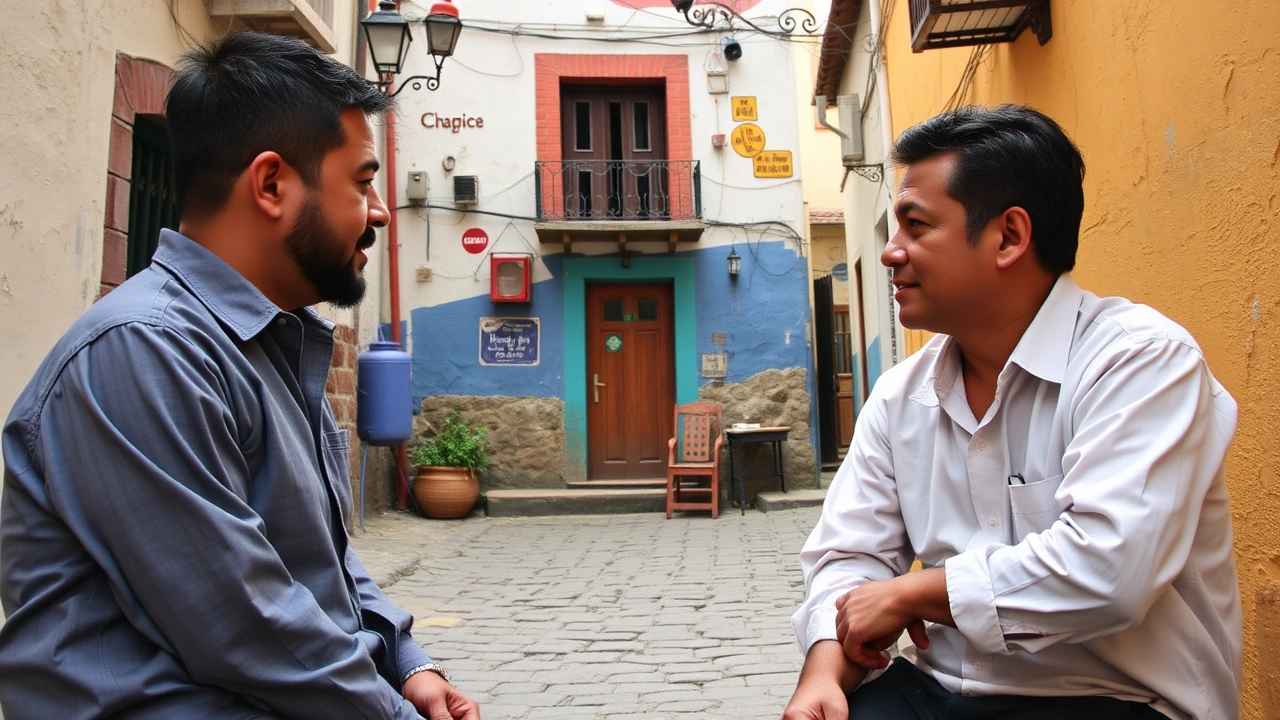
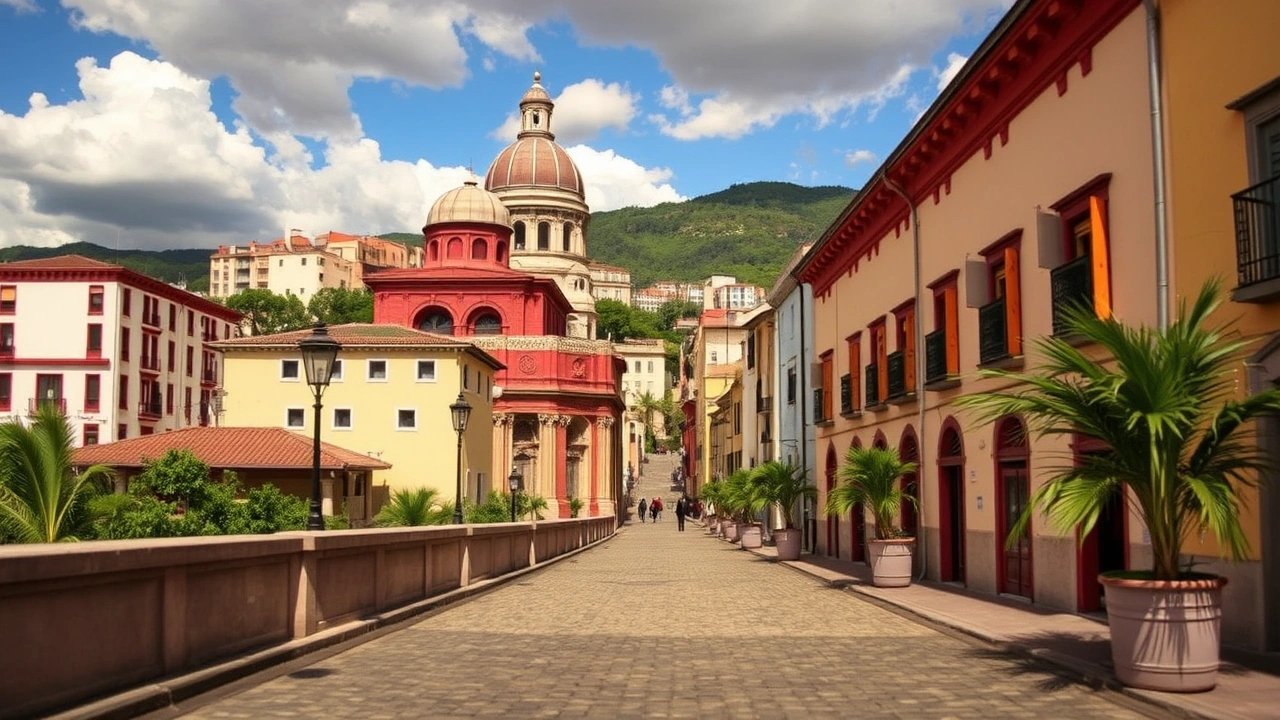
At the other end of the city, Ciudad Vieja, the historic heart of Montevideo, offers a nightlife experience steeped in memory. The cobblestone streets, period buildings, and century-old cafes form an ideal setting for a long night out.
Founded in 1895, Bar Fun Fun, located on Calle Soriano, is an iconic Montevideo establishment. It combines live tango and candombe, serves a signature cocktail made with liqueur (Uvita), and attracts a mixed clientele of tourists and regulars. It has hosted celebrities like Bryan Adams, Danny Glover, and Carlos Gardel, whose visit is commemorated on its walls.
Another landmark: Café Bar Tabaré, over a century old, located on Calle José Luis Zorrilla de San Martín. This venue, once frequented by big names in Latin American music, offers a warm bistro ambiance, a concert schedule, and a wooden interior that literally transports you to another era.
A few streets away, The Shannon replicates the spirit of an Irish pub with traditional music sessions, while Mortola is dedicated to jazz. Several wine cellars and tapas bars complete this landscape, creating a mix of classicism and modernity. The night often continues in a more intimate mode than in Pocitos, with lots of live music, conversation, and ballroom dancing.
The only downside: in the most isolated part of the Old City, the streets empty out and the sense of safety decreases. Local advice remains simple: stick to the busy streets, prefer taxis after a certain hour, avoid crossing the most deserted areas alone late at night.
Punta Carretas: chic rooftops and waterfront bars
Punta Carretas, an upscale neighborhood next to Pocitos, offers a more sophisticated version of a night out. Between its high-end shopping mall, residential streets, and coastline, the area attracts a well-dressed clientele, often older or couples.
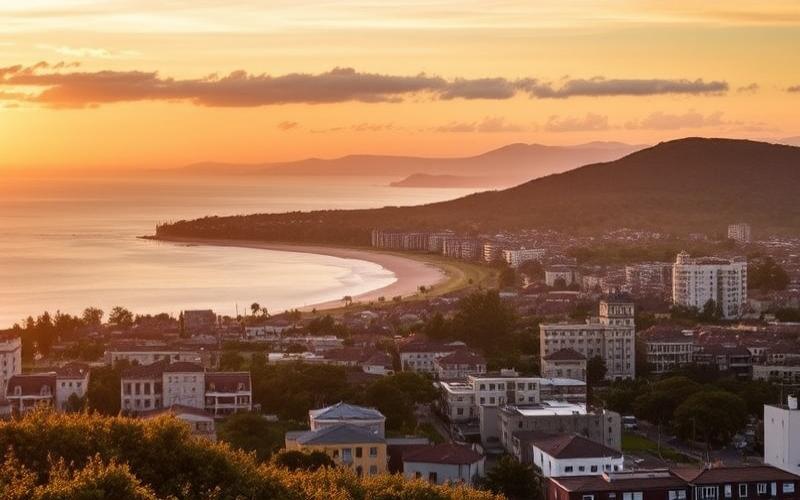
People willingly go up to a rooftop like Sky Bar Montevideo early or mid-evening to sip a cocktail with a view of the Río de la Plata. Coastal bars, like El Palenque or certain Rambla restaurants, focus on sunsets and late dinners of fish, seafood, and grilled meats.
This neighborhood also houses Café Bar Tabaré (restaurant version), which combines historical charm, a wide drinks menu, and occasional concerts. The overall atmosphere is more subdued than in student areas, ideal for starting a night before heading to more festive neighborhoods.
Palermo and Barrio Sur: nocturnal cradles of candombe
To feel the Afro-Uruguayan heartbeat, experience the night in Palermo and Barrio Sur. These working-class neighborhoods are the stage for comparsas, candombe troupes that rehearse in the streets to the sound of large drums heated over wood fires. Walking behind a comparsa for several blocks, amidst locals and dancers, is one of the most emblematic nocturnal experiences in Montevideo, especially as Carnival approaches, often touted as the world’s longest.
These parades follow no strict schedule: it’s advised to ask locals or your accommodation hosts for rehearsal days. The idea is to stay on the edge of the procession, beer in hand, without getting too close to the drums or disturbing the musicians. With a bit of common sense (don’t flash valuables, avoid deserted alleys), the experience remains accessible.
In these same neighborhoods, you can follow up with a dinner show at El Milongón, a large cultural house set in a former conventillo. The program includes: candombe, tango, milonga, and Uruguayan folk music, with a troupe of several dozen artists, in a dinner + show format that condenses an entire slice of the country’s nightlife culture into a few hours.
Parque Rodó and Cordón: student bars, alternative clubs, and pre-parties
Further north, the neighborhoods of Parque Rodó and Cordón are home to universities, many cheap bars, and venues very popular with Uruguayan students and internationals.
Parque Rodó, with its park, cafes, and breweries, starts the evening on a relaxed note: sipping craft beers, listening to local bands, enjoying quiet terraces. Kfe Bar, for example, often serves as a starting point for pub crawls. Some establishments, like Bar Rodo, play a pivotal role in the gay-friendly scene.
Cordón pushes the party meter a bit further. Here you’ll find Jackson Bar, a hybrid venue that starts as a bar-terrace and then transforms, around 2 AM, into a packed club where people dance to current hits until very late. Its reputation for a confusing line and unfriendly security is known, but it doesn’t seem to deter the young clientele.
La Ronda, another iconic spot located more towards the center, fits a boho style: DIY decor, walls covered in record sleeves, indie vibe, moderate prices. In the same galaxy, Solitario Juan or Paullier y Guaná attract a thirty-something crowd who appreciate good music, beers, and conversations that often spill out long after closing.
A very integrated LGBTQ+ scene
Montevideo is often cited as one of the most gay-friendly cities in the world. Early legalization of homosexuality, anti-discrimination laws, marriage and adoption for same-sex couples: the legal framework and social atmosphere allow for great visibility of couples in public spaces. An interesting consequence: there isn’t really a proper “gay neighborhood” per se, as queer venues are scattered all over.
That doesn’t prevent the existence of well-identified spots. The Il Tempo nightclub, near Parque Rodó, is presented as the most popular gay club in the capital. Open from Thursday to Sunday starting at midnight until sometimes 8 AM, the venue alternates drag shows, a high-energy dancefloor, and a mostly local clientele. Cover charge is around 300 Uruguayan pesos.
Chaînes Pub, in the city center, fills more of a neighborhood LGBTQ+ bar role, with a slightly older crowd on weekdays and drag shows on weekends. Bar Rodo, on the other hand, unapologetically mixes queer and straight crowds, with promotions (2-for-1 happy hour on Wednesdays, closing around 2 AM on weekdays, 4 AM on weekends).
Saunas like Toronto Sauna or Sauna Horus complete this nocturnal and post-nocturnal offering, with extended hours on weekends (until 1 AM or 8 AM, depending on the day). Here again, you can see how the Uruguayan night easily stretches into the next morning.
Drinking and eating at night: from parrillada to rooftop cocktails
In Uruguay, eating is as integral a part of a night out as drinking. One never dances very long on an empty stomach, and it’s not uncommon to start the night with a hearty dinner of grilled meat.
An asado, a large barbecue of meats, is often enjoyed among friends at a parrilla or at Montevideo’s Mercado del Puerto. You order a parrillada, usually accompanied by a glass of Tannat, the country’s emblematic grape, or a medio y medio, a typical sparkling blend.
For a late-night snack, the chivito (a huge steak sandwich, topped with cheese, egg, vegetables, sauces…) acts as a bulwark against a hangover. Húngaras (spicy sausages), choripanes, and other olímpicos (club sandwiches) complete the arsenal. For something sweet, pastries and masas surtidas allow you to end the night gently.
Discover the emblematic and popular drinks you can enjoy in the Uruguayan capital, from classics to local specialties.
Red and white wines, classics of Uruguayan wine production, are widely offered in restaurants and bars.
A very popular summer drink, a refreshing mix of wine and fruit, often shared among friends.
A dynamic craft brewing scene with dedicated establishments like Montevideo Brew House, Oso Pardo, or Mastra.
The ubiquitous traditional drink, consumed at any time, even at night in parks or on the famous Rambla.
A quick overview of drinks and indicative prices
Here is a simplified overview of some price benchmarks and vibes related to nightlife (amounts are rough estimates from sources):
| Item | Range or example |
|---|---|
| Weekend club entrance | 200–300 UYU (≈ $5–$10), sometimes includes 1 drink |
| Il Tempo (gay club) entrance | About 300 UYU |
| Bottle of medio y medio | ≈ 130 UYU at Bar Roldós |
| Glass of medio y medio | ≈ 30 UYU |
| Main course in a mid-range restaurant | $10–$15 USD |
| Gym session (cost comparison) | 200–300 UYU |
Most bars don’t charge a cover, but some impose a cover charge if you dine there, like Bar 62 in Pocitos. Clubs, however, systematically check IDs: it’s wise to always have your passport or an official ID card on you.
Casinos and gambling: another facet of the Uruguayan night
Uruguay has built a solid reputation as a liberal and highly regulated country when it comes to gambling. There are many land-based casinos, especially in tourist areas, and their operation is strictly supervised by the state.
An open but controlled legal framework
Institutionalized gambling dates back to the early 19th century with the lottery. Since then, the country has multiplied regulations for casinos and betting. Today, the National Directorate of Lotteries and Quinielas and the General Directorate of Casinos oversee a network of 18 licensed casinos, in addition to slot machine halls.
The minimum age required to access casinos in Macao, where players’ winnings are not taxed.
The atmosphere is very different from Las Vegas: few or no free cocktails, a more serious, sometimes almost studious ambiance. Casinos generally close around 2 AM or 3 AM on weekdays, a bit later during high tourist season.
Montevideo and Punta del Este, two casino styles
In Montevideo, the two main landmarks are the Victoria Plaza Casino, located in the Radisson near Plaza Independencia, and the Sofitel Montevideo Casino Carrasco & Spa, in the coastal Carrasco neighborhood. These places combine upscale hotels, gaming rooms, restaurants, and bars that are more subdued than typical nightclubs.
Punta del Este is home to the country’s largest casino. With its OVO NightClub, OVO Beach Club, and glamorous parties hosted by international DJs, the complex takes on a much more festive and ostentatious tone, especially between December and March, when the resort transforms into the ‘Monaco of the Southern Hemisphere.’
Enjoy Punta del Este Resort and Casino
The casino itself, frequented by an international clientele, leans more towards a “Las Vegas” model: entertainment, shows, private lounges, tournaments, jackpots, all extended by a very dense peripheral nightlife (bars, beach clubs, afters).
Games, laws, and online players
On the online front, Uruguay has made a clear choice: virtual casinos and online poker are prohibited, except for the lottery and sports betting, a monopoly of a public operator. The state blocks access to unlicensed sites and prohibits their advertising, without prosecuting players who access them, prioritizing privacy protection and large-scale prevention.
This regulation also explains why the Uruguayan night is still very much lived “offline“: people go out, meet up, and gamble in person, in casinos as well as in bars.
Punta del Este: nights of luxury between beaches and clubs
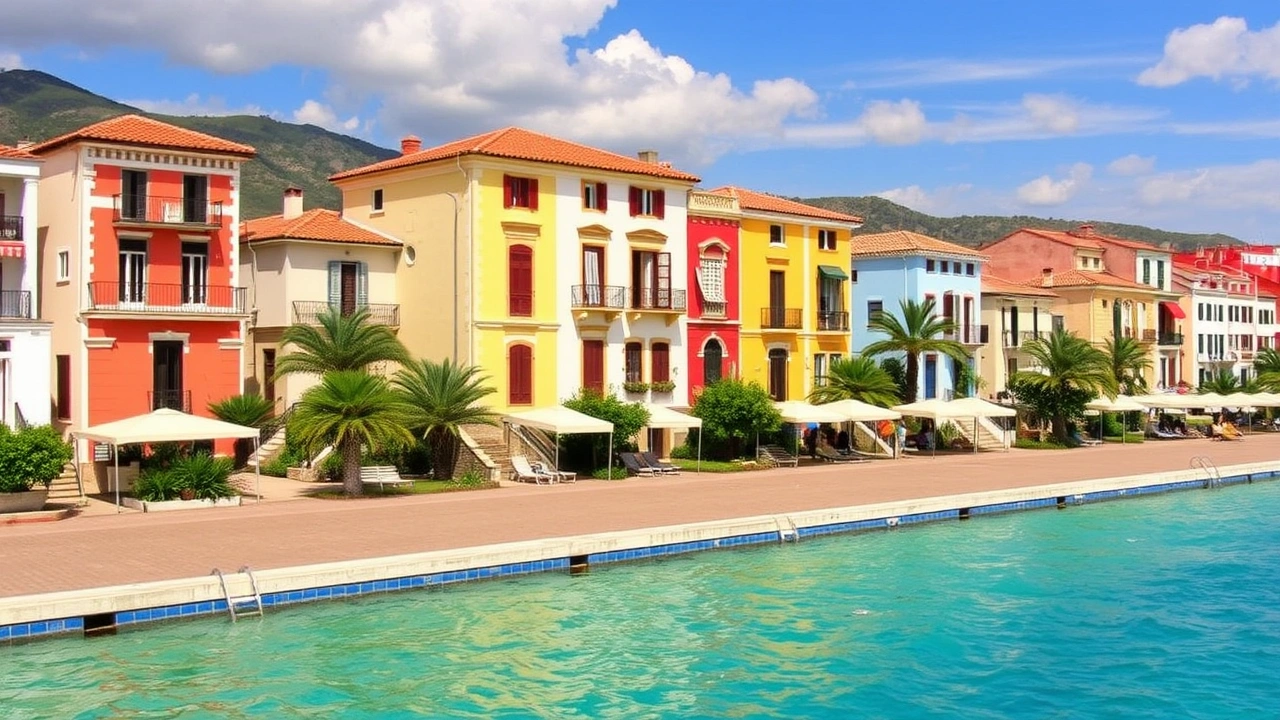
If Montevideo offers the widest palette, Punta del Este embodies summer exuberance. A chic resort frequented by the Argentine and Brazilian elite, the city packs an impressive density of bars, nightclubs, beach clubs, and beachfront restaurants into a few kilometers.
On Gorlero Avenue, the main artery, and around the marina, facades light up at nightfall, yachts fill with private parties, and terraces stay packed. Several areas – La Barra, José Ignacio, Punta Ballena – complete this mosaic.
Iconic clubs, bars, and beach clubs
Punta del Este has built its legend around a few venues that have become brands in their own right. OVO NightClub, attached to the Enjoy complex, is one of the most sought-after clubs of the season, with international line-ups, a celebrity clientele, and a very dressed-up ambiance. Tequila, another iconic club, also attracts lovers of late-night parties, often until sunrise.
Moby Dick Pub, located near the port, combines the functions of a pub, grill, dance floor, and terrace with a view of the boats. Establishments like Capi Bar and Bigote, on the other hand, focus on craft beers, strong cocktails, and nearby food trucks, creating a friendly and relaxed atmosphere.
Beach clubs, on the other hand, transform the day into a pre-party. OVO Beach, Parador Imarangatu, Aqua Beach, or the more exclusive spots in José Ignacio (La Huella, La Susana, La Choza de Mar, El Chiringo Anastasio) serve as restaurants, sun decks, cocktail bars, and dance floors at sunset. Reservations are almost a must during high season, as tables go quickly.
Example of venue typology in Punta del Este
| Type of venue | Some examples | Main vibe |
|---|---|---|
| Nightclub | OVO NightClub, Tequila, Moonlight Disco | Glamorous party, DJs, smart dress code |
| Pub / bar | Moby Dick, Capi Bar, Bigote | Relaxed, music, cocktails |
| Beach club | OVO Beach, Parador Imarangatu, La Huella | Beach + restaurant + music at sunset |
| Casino & show | Enjoy Punta del Este | Gambling, shows, concerts, themed nights |
Punta del Este truly never sleeps between late December and late February. On the other hand, off-season, many venues close or operate at a slower pace: some travelers then discover an almost ghostly town, which can be disappointing if you come for the party.
Colonia del Sacramento and other towns: calmer nights
Not the whole country vibrates at the same sound level as Montevideo or Punta del Este. Colonia del Sacramento, for example, offers much calmer evenings. In this UNESCO-listed colonial town, the night often boils down to a dinner on a cobblestone terrace, a glass of wine in an intimate bar, and a walk facing the sunset over the Río de la Plata.
Some establishments offer entertainment like live music or wine tastings, but the atmosphere remains calm, far from urban bustle. This gentleness is part of Colonia’s charm, often visited on a day trip from Buenos Aires or Montevideo.
Other towns, like Piriápolis or Punta Ballena, also have a few bars and live music venues, especially in summer, but the density remains modest, often concentrated around one or two key establishments.
Alcohol, laws, and excess: what to know before going out
Uruguayan conviviality comes with alcohol consumption that is particularly entrenched in social habits. Sharing a bottle, toasting with Tannat, extending an asado over several rounds – all this is seen as normal. However, surveys by the Ministry of Health show a real problem with binge drinking among 18–24 year olds, with about a quarter of this age group involved in regular excesses.
Legal framework and customs
Officially, the sale of alcohol is reserved for those over 18. Establishments must verify customers’ age, clearly display the prohibition of sale to minors, and respect restricted sales hours (prohibited after nightfall in stores, except bars and restaurants).
The new law strengthens prevention through advertising restrictions, prohibition of using minors and celebrities, obligation to offer free water at festive events, and the creation of an official registry of sales outlets.
In practice, bars and clubs mainly enforce age and dress code rules. Getting onto a chic rooftop or entering a club like Lotus often requires “casual-elegant” attire: clean jeans, a shirt, proper shoes. Flip-flops, beach shorts, swimwear, and caps are systematically turned away at the door.
Drinking culture and prevention
Alcohol remains omnipresent at parties, weddings, birthdays, and major sporting events. The contrast is striking with mate, a non-alcoholic hot drink that is just as omnipresent and shared among friends. This duality illustrates well how Uruguayans experience conviviality: always in a group, often around something to drink.
Health authorities implement educational campaigns and programs like the PNPCA to raise awareness of risks, especially for adolescents’ brains, and combat the normalization of excess. Tourists should be aware of these issues and their own limits, especially since driving with any amount of alcohol in the blood is strictly prohibited in the country.
Safety and nighttime transportation
Uruguay stands out in South America for a generally higher level of safety than its large neighbors. Violent crimes exist, but are less frequent. Montevideo, like any big city, has its share of theft, pickpocketing, or muggings, concentrated in certain neighborhoods.
Most tourist areas – Pocitos, Punta Carretas, Ciudad Vieja, Parque Rodó – are considered safe provided you follow basic advice: avoid deserted streets late at night, put away phones and wallets, don’t flash valuables on poorly lit terraces. Tourist police patrols are even deployed during high season around major hotels.
For nighttime transportation, taxis are the most common option, with affordable rates and functional apps like Uber or DiDi. Travel between central neighborhoods is generally short. Be aware, buses become scarce after 11 PM. To get back late after a night out, especially if you’ve been drinking, a remise (a pre-booked car with driver) is a comfortable and prudent alternative, in a country that enforces zero tolerance for drinking and driving.
On beaches (Punta del Este, Rocha, Costa de Oro), other risks come into play: break-ins at vacation homes, theft of items left unattended on the sand. The local solution, often effective, is to ask the person on the next towel to keep an eye on your things – a well-established reflex of solidarity that says a lot about the Uruguayan social fabric.
How to blend into the Uruguayan night
Immersing yourself in the local nightlife isn’t just about ticking off a list of bars and clubs; it’s also about understanding a few implicit codes.
First, embrace the long timeline. It’s no use showing up at midnight at a Montevideo or Punta del Este club hoping for a packed dance floor: venues only truly come alive between 2 AM and 3 AM. This is precisely why previas exist, in apartments, hostels, or relaxed bars.
To find out where to go out in the evening based on your preferences, several local resources are available: the Facebook group for international students (MIS), the ‘Montevideo Nocturna’ app, daytime free walking tours (which can end in a bar), and announcements for queer parties on Tango Queer Uruguay.
Finally, mix up the vibes: a milonga at a place like Joventango or Lo de Margot to see tango danced in everyday life, a concert at Sala Zitarrosa or the Auditorio del Sodre, a candombe night in Barrio Sur, a bar crawl in Cordón or Pocitos, a Saturday night at the Enjoy Punta del Este casino, a peaceful sunset in Colonia. It’s by varying the formats that you truly measure the richness of Uruguayan nightlife.
Conclusion: a night that reflects the country, tranquil yet intense
Nightlife in Uruguay defies clichés. It is both slow-paced and profound, more oriented towards music, dance, conversation, and sharing than towards spectacular excess. Montevideo, often underestimated, combines century-old bars, alternative scenes, LGBT clubs, craft breweries, and high-level performances. Punta del Este, on the other hand, offers a more ostentatious face-off with luxury, yachts, and VIP parties. Other towns, calmer, complete the picture with serene nights, turned towards the sea or colonial stones.
To sum it up, one could say the Uruguayan night is like a long piece of candombe or tango: it starts softly, takes its time to settle in, then sweeps away those who accept to be guided by its rhythm until the early morning.
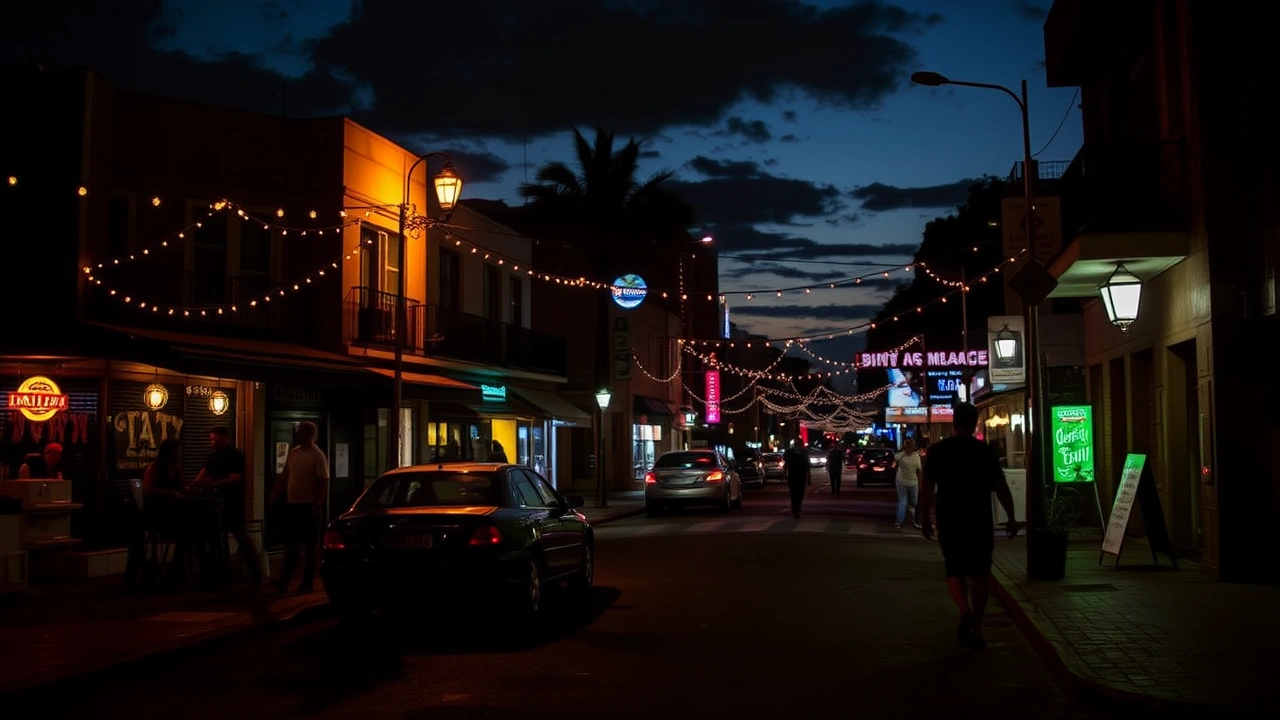
Description of the Uruguayan night
Disclaimer: The information provided on this website is for informational purposes only and does not constitute financial, legal, or professional advice. We encourage you to consult qualified experts before making any investment, real estate, or expatriation decisions. Although we strive to maintain up-to-date and accurate information, we do not guarantee the completeness, accuracy, or timeliness of the proposed content. As investment and expatriation involve risks, we disclaim any liability for potential losses or damages arising from the use of this site. Your use of this site confirms your acceptance of these terms and your understanding of the associated risks.

Cyril Jarnias is an independent expert in international wealth management with over 20 years of experience. As an expatriate himself, he is dedicated to helping individuals and business leaders build, protect, and pass on their wealth with complete peace of mind.
On his website, cyriljarnias.com, he shares his expertise on international real estate, offshore company formation, and expatriation.
Thanks to his expertise, he offers sound advice to optimize his clients' wealth management. Cyril Jarnias is also recognized for his appearances in many prestigious media outlets such as BFM Business, les Français de l’étranger, Le Figaro, Les Echos, and Mieux vivre votre argent, where he shares his knowledge and know-how in wealth management.