 Published on and written by Cyril Jarnias
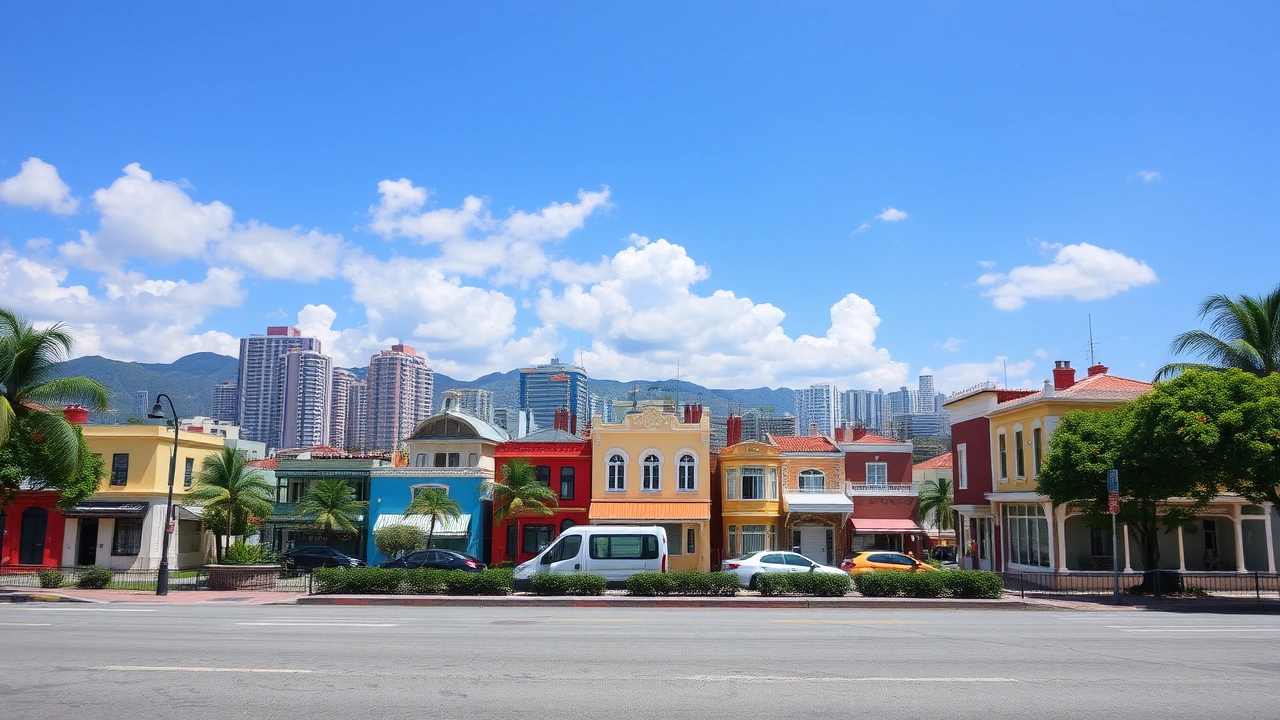
Moving to Venezuela, and particularly to Caracas, is rarely part of “conventional” expatriation plans. Yet, the country continues to attract a small number of professionals—diplomats, oil executives, humanitarian workers, teachers, freelancers—drawn by its cost of living in hard currency, climate, vibrant culture, and spectacular landscapes. But behind this image lies one of the most severe economic and humanitarian crises on the planet, with a level of insecurity and instability that ranks the country among the riskiest destinations for a foreigner.
Expatriation to Venezuela is only conceivable for a very specific minority (expatriates with protected contracts who are extremely well-prepared) and must be considered a calculated gamble requiring extreme caution. For the vast majority, it is a country to avoid.
A Paradoxical Country: Between Immense Resources and Structural Collapse
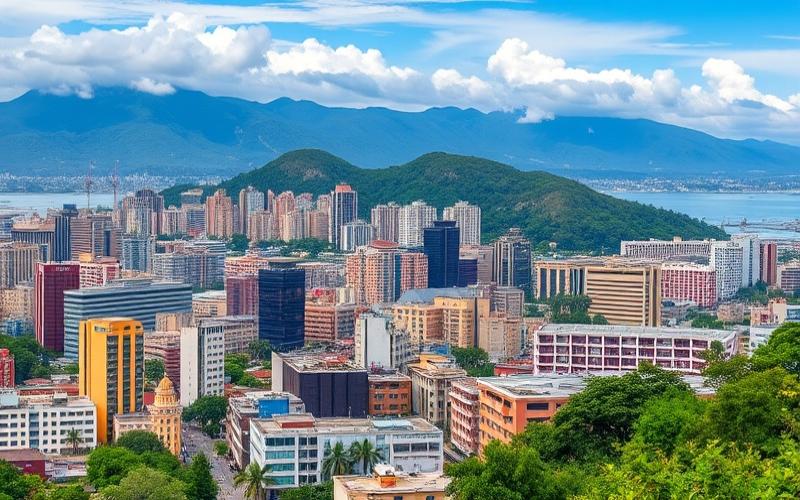
Venezuela possesses the world’s largest proven oil reserves and is one of the so-called “megadiverse” countries, with a variety of ecosystems ranging from the Andes to the Amazon, from the Llanos to the Orinoco Delta, and a long Caribbean coastline. Its population is around 28.5 million inhabitants, with nearly 2.9 million in the capital, Caracas. Spanish is the official language, the bolívar soberano the currency, although in practice, the US dollar dominates most transactions.
Over 94% of Venezuelans do not have sufficient income to cover their basic needs.
For an expatriate, this backdrop is central: it conditions safety, quality of life, access to services, work possibilities, and legal stability. Expatriating to Venezuela means accepting to live in a country where the daily economy is based on a “survival economy,” a weakened state, and a deeply unequal society.
Real Assets: Cost of Living in Hard Currency, Climate, Culture, and Nature
Despite the crisis, certain elements can make expatriation attractive for a very specific profile: individuals with stable income in hard currency, those with a solid benefits package, or those working remotely for foreign clients.
Cost of Living: Very Low for Those Earning in Dollars
For an expatriate paid in hard currency, Venezuela remains a country where one can lead a relatively comfortable—even very comfortable—lifestyle, provided certain fixed costs are secured (security, health, school). While a Venezuelan earns an average of between $211 and $376 per month, with an official minimum wage of $5 to $10, a foreigner paid internationally can spend without comparison.
Several estimates provide an overview of budgets:
| Profile | Estimated Monthly Budget (USD) | Comment |
|---|---|---|
| Single person (standard expat level in Caracas) | 1,250 to 1,500 | Excluding international schooling, with secure housing |
| “Classic” expat in Caracas (multiple sources) | ≈ 1,382 | Includes rent, food, transport, basic leisure |
| Digital nomad | ≈ 4,334 | More “premium” lifestyle, travel, coworking, etc. |
| Family of 4 (broad estimate) | 2,050 to 3,214 | Without high-end schooling |
| Family of 4 with international schools | ≈ 6,930 | Includes tuition fees in dollars |
Daily costs illustrate this gap between the local economy and the world of expatriates:
| Expense Item | Price Range (USD) | Remarks |
|---|---|---|
| Simple meal at an inexpensive restaurant | 3 to 12 | Highly variable by neighborhood and type of establishment |
| Meal for 2 at a mid-range restaurant | 30 to 56 | Higher in “expat” areas |
| Local beer (0.5 L) | 0.50 to 1.58 | Often in dollars at bars |
| Cappuccino | 2.33 to 3.46 | Typical prices in Caracas |
| Bread (500 g) | 0.76 to 2.10 | Depending on brand and purchase location |
| Dozen eggs | 1.22 to 3.41 | A product frequently affected by shortages |
| Liter of milk | 1.21 to 2.14 | Imported or local production |
| Bus or metro ticket (one-way) | 0.10 to 0.75 | Unsafe network, to be used with caution |
| Monthly transport pass | 2.17 to 34.30 | Rarely used by expatriates for security reasons |
| Taxi (8 km / 5 miles) | ≈ 25 | “Safe” taxis come at a high price |
| Cinema ticket | 2 to 6 | In secure shopping malls |
| Gym membership | 6.85 to 78.90 | Strong contrast between neighborhood gyms and high-end facilities |
In Caracas, rents for housing suitable for expatriates illustrate this dual reality: officially relatively low, but actual budgets are much higher in sought-after and secure neighborhoods.
| Type of Housing in Caracas | Monthly Rent (USD) | Details |
|---|---|---|
| Basic studio | 300 to 500 | Standard building, limited security |
| 1-bedroom apartment downtown | 197 to 524 | Heavily dependent on neighborhood and security |
| 2-bedroom apartment in a good building | 700 to 1,200 | Areas recommended for expats, sometimes with pool/gym |
| Modern 3-bedroom apartment, with services | 1,500 to 2,500 | High-end residences, often with generator and water tank |
| 3-bedroom apartment downtown (general range) | 380 to 979 | Average range excluding “ultra premium” |
For property purchase, the situation is very particular: mortgages are almost non-existent, transactions are in cash, and prices vary enormously by location and security pressure. A 100 m² (approx. 1,076 sq ft) apartment in a good neighborhood can be negotiated between $50,000 and $100,000, while in the most sought-after areas of Caracas (Las Mercedes, Altamira), the price per square meter can reach $2,000 to $3,000.
Climate: A Quasi-Permanent “Spring”
One of the great attractions of life in Venezuela remains its climate. In most urban and coastal areas, temperatures hover around 17 to 29 °C (63 to 84 °F), with little seasonal variation. In Caracas, the altitude moderates the tropical heat and offers an atmosphere often described as eternal spring. On Margarita Island, some expatriates speak of one of the “best climates in the world,” warm but breezy.
The mild climate allows for enjoying outdoor life and practicing outdoor activities year-round. Beaches, located less than an hour’s drive from the capital, are also accessible when security conditions allow.
Culture, Gastronomy, and Social Life: An Intact Richness
Despite the crisis, cultural and social life remains surprisingly vibrant. Venezuelans are often described by expatriates as warm, generous, joyful, “bon vivant,” and resilient. Friendliness, the importance of family, and a spirit of mutual aid are felt daily, especially in neighborhoods with strong community ties.
Local gastronomy offers a beautiful diversity, illustrated by dishes such as arepas (stuffed corn cakes), pabellón criollo (national dish with rice, black beans, and shredded beef), cachapas (thick sweet corn pancakes), empanadas, and plantains in all their forms. These specialties are found everywhere, from street stalls to more elaborate restaurants.
Music and dance are part of the country’s DNA: salsa, merengue, joropo, reggaeton still animate bars and private gatherings. The famous youth orchestra system, El Sistema, continues to function, producing musicians and concerts, even in a context of degraded resources.
Caracas also retains leading cultural institutions: the Teatro Teresa Carreño, the Museo de Bellas Artes, the Museo de Arte Contemporáneo… Museums, galleries, and theaters remain active, even if attendance may be limited by the economic and security situation.
Major traditional festivals—Carnival and Semana Santa (Holy Week)—remain highlights of the calendar, with parades, processions, and community events. Sports also hold a central place, especially baseball and soccer, which unite all social classes.
Landscapes and Nature: Exceptional Potential, Difficult to Access
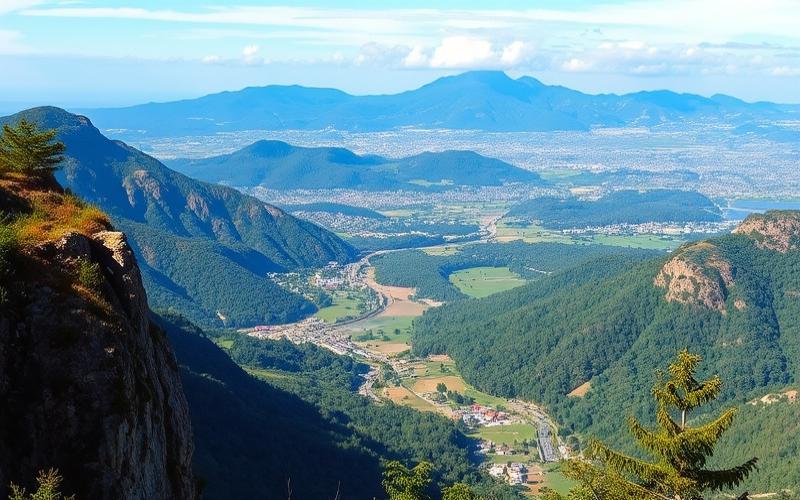
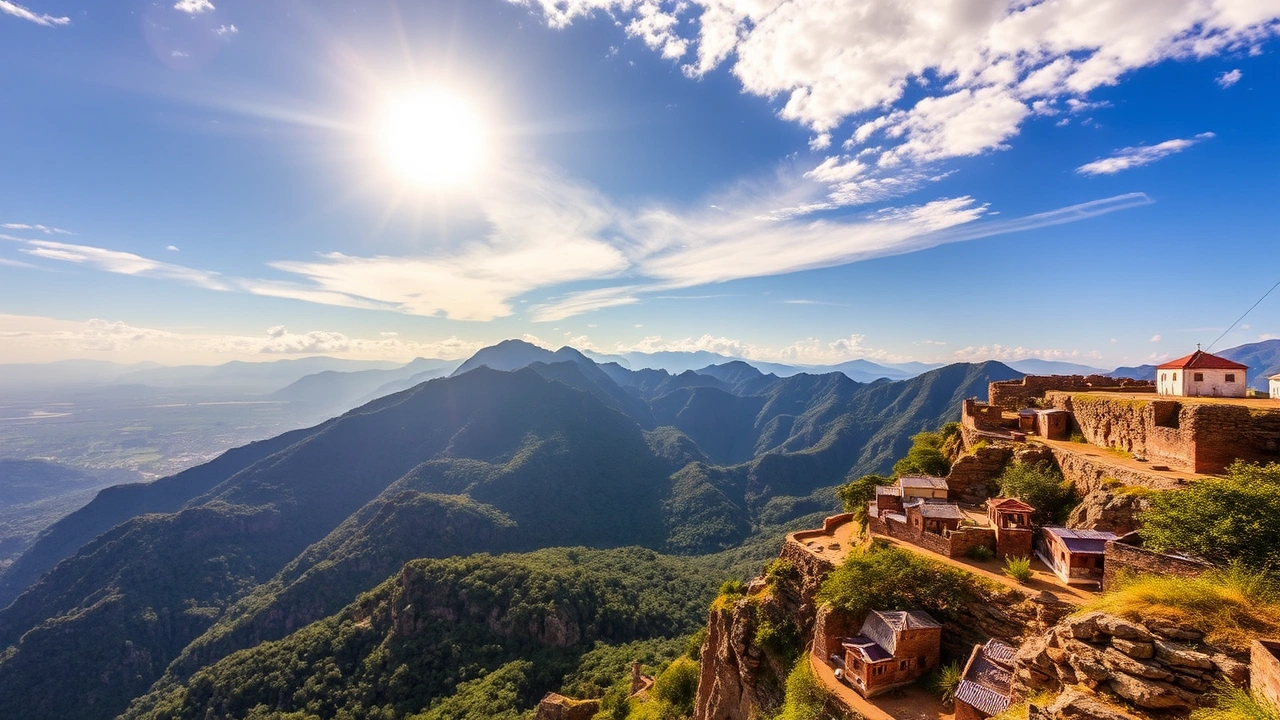
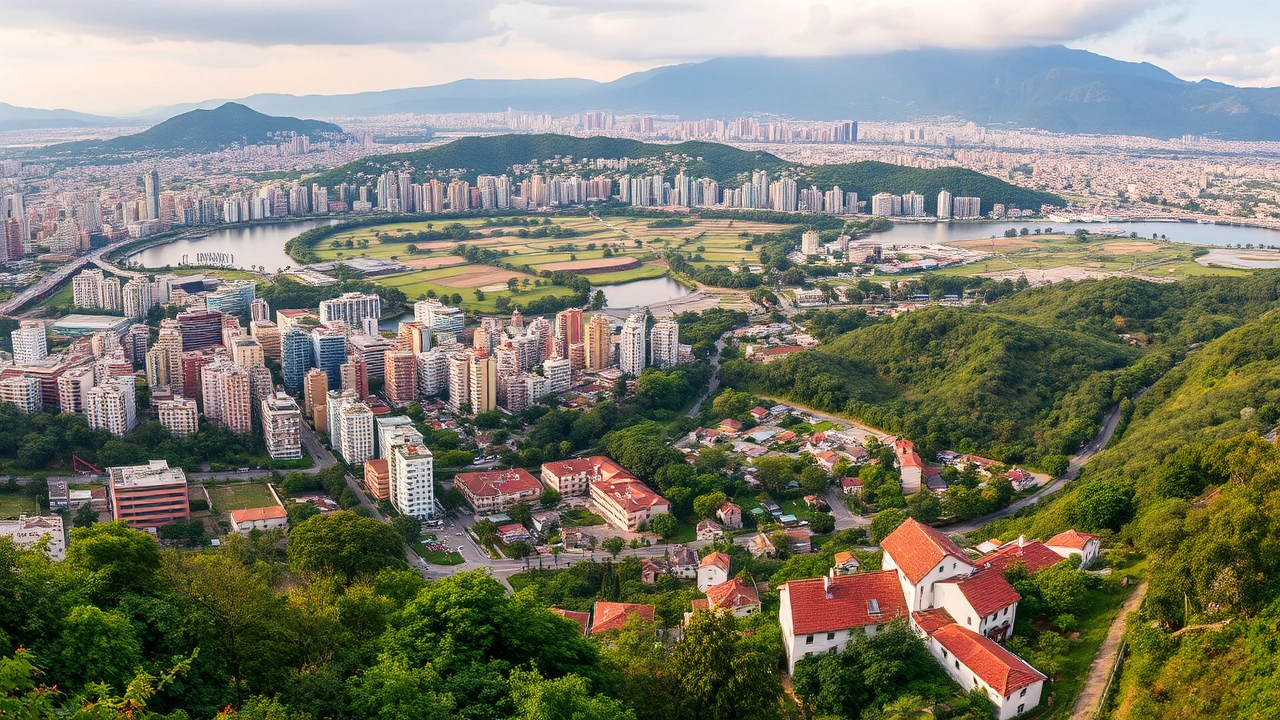
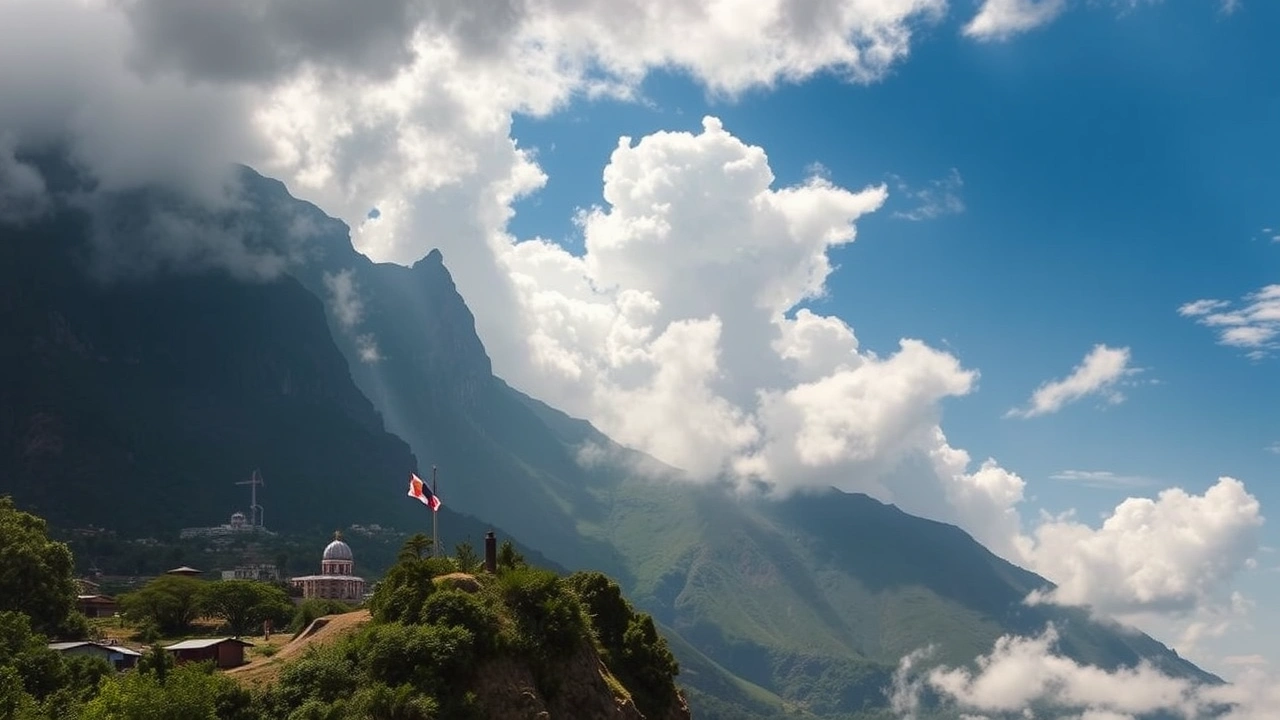
In terms of landscapes, few countries can compete: Angel Falls, the world’s highest waterfall, the tepuis of Canaima, the archipelagos of Los Roques or Morrocoy, Caribbean beaches, the Ávila massif overlooking Caracas… The country is ranked among the 17 “megadiverse” nations on the planet, with exceptional biodiversity.
For a nature-loving expatriate, hiking in El Ávila National Park, getaways to the beaches, or excursions to the Llanos and the Amazon are obvious assets… in theory. In practice, insecurity, the state of the roads, and the lack of reliable services drastically limit peaceful access to these wonders. Entire areas are under the control of armed groups or organized crime, especially in mining regions (gold, diamonds), making some territories simply inaccessible for a foreigner.
Pervasive Insecurity: The Main Obstacle to Expatriation
Regarding security, the assessment is unanimous: Venezuela is one of the most dangerous countries in the world for a foreign resident. The United States, Canada, the United Kingdom, and other European countries all advise against any travel. The U.S. State Department maintains a maximum alert level (“Do Not Travel”), citing risks of kidnappings, violent crime, arbitrary arrests, deteriorating health services, and lack of consular capacity.
Crime: Diffuse and Structural Violence
The homicide rate is among the highest in the region, with over 6,800 homicides in 2024, or about 26.2 violent deaths per 100,000 inhabitants. To this are added armed robberies, carjackings, violent burglaries, and kidnappings, including “express kidnappings”: short-term abductions where the victim is forced to withdraw money or transfer funds before being released.
Major cities like Caracas are under the grip of gangs that extort and sow terror. Border areas with Colombia, Brazil, and Guyana are controlled by guerrillas (ELN, dissidents of the FARC) and mafias (e.g., Tren de Aragua) involved in drug trafficking, extortion, and human trafficking.
For an expatriate, these risks translate into very strict rules: limit movement, avoid night travel, never display signs of wealth, vary routes, be discreet about one’s life and income. Expatriates living in Caracas rarely walk outside of a few very specific areas and mostly use private vehicles, often with a driver.
Maiquetía International Airport, the country’s gateway, is itself considered a sensitive point: assaults, thefts targeting travelers, kidnappings from parking lots or on the road to the city have been reported. Very early morning or late night travel to the airport is strongly discouraged.
Political Insecurity and Risks of Arbitrary Detention
The political climate is that of an authoritarian regime, where the separation of powers is largely undermined. Multiple cases of arbitrary detentions, sometimes prolonged, have been documented, including concerning foreigners. American citizens, for example, have been detained for several years without a fair trial, in deteriorating conditions, sometimes without their embassies being notified.
For an expatriate, an administrative problem, a misunderstanding, or an escalated checkpoint can quickly turn into a serious matter due to the absence of strong procedural guarantees. It is important to be aware that local authorities, particularly the police and immigration services, are reputed for corruption and extortion, especially towards people perceived as having financial means (“having dollars”).
Frequent political protests can descend into violence, with heavy-handed responses from security forces and the presence of armed pro-government groups, the *colectivos*, accused of intimidating opponents. Expatriates are advised to absolutely avoid this type of gathering.
Vulnerable Groups: Women, LGBTQ+ Individuals, Minorities
Security conditions are even more critical for certain populations. Life is generally not considered safe for women alone, due to the level of violence, including sexual violence. LGBTQ+ individuals face a very hostile environment, without legal recognition of their unions and with a high risk of harassment or even assault. As for minorities displaying signs of wealth or coming from Western countries, they can be preferred targets for criminals.
Collapsed Public Services: Water, Electricity, Transport, Internet
Even in the absence of crime, daily life in Venezuela is made difficult by the state of infrastructure. Electricity, water, public transport, telecommunications, and administrative services suffer from massive underinvestment and poor management.
Power Outages and Water Shortages
Power outages are frequent, sometimes lasting several days, and can affect almost the entire country. They impact all aspects of life: food refrigeration, elevator and pump operation, internet connection, building security, hospitals, etc. In Caracas, affluent neighborhoods are sometimes slightly better off, but no one is truly spared.
The water supply is very erratic, with tap water distribution often limited to a few hours or days per week. It is common for expatriates to reside in buildings equipped with large tanks and filtration systems. Tap water is not potable: it is necessary to boil it or use bottled water.
Transport: Degraded Roads and Risky Public Transport
The condition of roads is generally poor: potholes, lack of maintenance, defective signage, insufficient night lighting. Accidents are frequent, aggravated by aggressive driving and the regular presence of illegal checkpoints held by bandits.
Public transport in Caracas (buses, metro) is not recommended due to aging equipment, overcrowding, and a high level of delinquency (pickpocketing, assaults). Unregistered taxis also pose risks of assault or kidnapping. Only hotel taxis or pre-booked services via trusted contacts are considered safe options.
In practice, having a personal vehicle (or a car with a driver) becomes almost indispensable, with the associated cost and logistics (parking security, fuel, maintenance in a context of parts shortages).
Internet and Telecommunications: Slow Speeds and Outages
Connectivity is another sensitive point. In Caracas, the average speed is around 6 Mbps, well below international standards. Network outages are frequent, as are sudden mobile phone service interruptions. For a digital nomad or remote worker, this requires backup plans: access to multiple providers, 4G routers, backup solutions abroad, etc.
A Healthcare System in Ruins: The Achilles’ Heel of Expatriation
Perhaps one of the most critical aspects. The public healthcare system, once considered solid in Latin America, is today in a state of near-collapse.
Public Hospitals: Massive Shortages and Lack of Staff
Public hospitals lack everything: medicines, supplies, equipment, functional beds, running water, electricity. About 57% of hospitals lack a regular water supply, and power outages are frequent there. Successive reports mention medicine shortage rates fluctuating between 80% and 95%. Doctors report having to ask families to provide their own gloves, syringes, sheets, and even medicines.
Number of doctors who left Venezuela between 2012 and 2017, contributing to the collapse of the healthcare system.
For an expatriate, relying on the public system is not feasible. Even for “simple” care, hygiene conditions, medicine availability, and diagnostic reliability are problematic.
Private Clinics: Better, but Expensive and Limited
Major cities, notably Caracas, still have modern private clinics: Centro Médico de Caracas, Clínica El Ávila, Hospital de Clínicas Caracas, among others. These facilities generally have well-trained doctors, sometimes English-speaking, and a technical platform of a quite acceptable standard. But they operate almost exclusively in dollars, often require advance payments, and can also be affected by medicine shortages.
International health insurance premiums for an adult in Venezuela typically cost between $2,000 and $5,000 per year.
The implicit rule for a serious expatriate is therefore: do not reside in Venezuela without solid international health coverage, an evacuation plan, and a budget for care in neighboring countries if necessary.
Education: Very Costly International Schools and a Ravaged Public System
For families with children, the schooling question is central, and here again the country offers a strong contrast between a few quality private institutions and a public system in great difficulty.
Public System: Underfunded, Teachers in Exile
Venezuelan public schools, from primary to secondary, suffer from chronic resource shortages: dilapidated buildings, shortages of teaching materials, reduced school days, derisory salaries for teachers. More than 167,000 teachers are reported to have left their posts in recent years, often to emigrate.
Many schools only operate two or three days a week for lack of resources, and a growing proportion of children and adolescents are out of school. Under these conditions, the public system is not considered a viable option for expatriate children.
Public education system in some contexts
International Schools: Quality Offerings, but at a Premium Price
Caracas concentrates the majority of the international offerings: schools following American, British, French, German, Italian programs or offering the International Baccalaureate (IB). Among the institutions mentioned are:
– Escuela Campo Alegre (ECA), a long-standing English-language international school in Las Mercedes
– Colegio Internacional de Caracas (CIC), accredited for the IB, with an American-style program
– The British School Caracas, which combines the English program (National Curriculum, IGCSE) and the IB diploma
– French, German, Italian lycées, as well as other bilingual schools (Spanish-English)
These schools typically offer moderate class sizes, good facilities (laboratories, libraries, sports installations), and pedagogical oversight conforming to international standards. However, their tuition fees are very high in the local context.
International schools in Caracas often charge between $15,000 and $20,000 per year per child. Adding ancillary fees (school transport, extracurricular activities, specific materials), a family with two children can easily spend around $3,000 per month on combined tuition.
This type of schooling is often included, in whole or in part, in the expatriation packages offered by large companies, international organizations, or embassies. For a self-employed person or an employee without employer support, it becomes very difficult to bear such costs over time.
Economy, Employment, and Business: Niche Opportunities, Systemic Risks
The Venezuelan economy is one of the most unstable in the world. Despite a slight return to growth recently (around 3% to 6% depending on the year and estimates), the country remains mired in residual hyperinflation, a collapsing currency, heavy informal dollarization, and a depleted productive sector.
Job Market: Few Positions, Derisory Local Salaries
The official average salary is around $211 per month, but more than 70% of the population would earn less than $50 monthly, and only about 6% of workers would exceed $1,000. Public sector jobs are very poorly paid (teachers at $19 per month, for example). In the private sector, in fields like education, health, or engineering, typical local salaries range between $100 and $300.
Expatriates obviously do not accept this type of remuneration. Those who come to Venezuela do so mostly via:
Discover different types of positions and contracts accessible for an international career, particularly in specific sectors or renowned organizations.
Expatriation contracts, sometimes with major international companies, in the energy sector.
Jobs in embassies, NGOs, or UN agencies to contribute to cooperation and development.
Teaching positions within international school establishments around the world.
Punctual consulting or management missions in certain companies still active internationally.
Remote work for foreign clients in fields like IT, marketing, etc.
| Type of Position | Typical Remuneration (USD/month) | Remarks |
|---|---|---|
| Local public sector job (e.g., teacher) | ≈ 19 | Very low salary, difficult conditions |
| Local private sector skilled job (engineering, health, education) | 100 to 300 | Insufficient to live without external income |
| National average salary | ≈ 211.67 | Gives an idea of local purchasing power |
| Highly qualified foreign specialist | 2,000 to 3,000 or more | Generally paid by an international company, sometimes outside the local system |
The official unemployment rate is announced around 5.5%, but this masks a vast informal sector and massive underemployment. The formal job market is particularly narrow and marked by the continuous flight of talent.
Starting a Business: A Gamble Undermined by Instability
Creating a business in Venezuela is legally possible but runs into several obstacles: widespread corruption, hyperinflation, exchange controls, unstable regulations, weak investor protection, difficulty repatriating profits, near-non-existent access to credit (very high bank reserve requirements).
The country ranks very low in international rankings on economic freedom and the business climate (e.g., ~188th/190 for ease of doing business, ~177th/180 for perception of corruption). Furthermore, local laws grant broad discretionary power to the executive to modify agreements, creating considerable uncertainty for foreign investors.
In practice, opportunities still exist in a few niches: services aimed at the small elite with hard currency, very targeted real estate, IT outsourcing (qualified low-cost labor), importation of certain highly demanded goods. But these are sectors where mastery of the terrain, the ability to manage corruption and political risks, and access to reliable local networks are absolutely decisive.
Housing and Neighborhoods: Security as the Number One Criterion
For an expatriate, the housing search begins and ends with the question of security. In Caracas, the majority of foreigners living there are concentrated in a few neighborhoods in the east of the city, considered safer and better served:
– Altamira
– Los Palos Grandes
– La Castellana
– Las Mercedes
– El Rosal
In these areas, one finds apartment buildings with 24/7 security, cameras, controlled access, sometimes fencing and services (pool, gym). Expatriates almost always favor high-rise apartments over single-family houses, deemed more vulnerable.
Local additional fees can increase the housing budget by up to 30%.
The rental market operates almost exclusively in dollars, with security deposits of 2 to 3 months’ rent. International bank transfers are unreliable, so many transactions are settled in cash or via hard currency accounts in neighboring countries (Colombia, Panama).
Banking, Money, and Taxation: A Dysfunctional Local System
The Venezuelan banking system has been gutted by hyperinflation and exchange controls. Withdrawals in bolívars are capped at derisory levels, ATMs are often out of service or empty, and international transfers can be blocked or heavily delayed.
Most expatriates therefore bypass the local system: they maintain accounts abroad, use mostly cash dollars, and sometimes accounts in neighboring countries. Payments with foreign cards may work in some high-end businesses, but terminals are far from reliable. Services like Western Union or MoneyGram exist, but at high costs and with strict limits.
Cryptocurrencies, like stablecoins (e.g., USDT), are used by individuals and some businesses (even national ones) as a parallel system. For an expatriate, they can serve as a complementary tool, but their use requires good practical knowledge and the implementation of enhanced security measures.
Regarding taxation, becoming a tax resident in Venezuela occurs after more than 183 days of presence in the year. Residents are taxed on their worldwide income, with a progressive scale ranging from 6% to 34%. VAT is 16% on most goods and services, and employers must pay around 11% to 13% of the payroll in social contributions. Some countries have signed double taxation treaties with Venezuela, which, in some cases, allows avoiding double taxation.
Managed Expatriation or Solo Adventure: Two Radically Different Horizons
Faced with all these elements, a key distinction is necessary: that between the expatriate benefiting from a robust package and the individual coming on their own.
The Expatriate with a Package: “Bubble” Living Conditions but Persistent Risks
For diplomats, executives of large companies, employees of international NGOs, or teachers recruited by international schools, expatriation to Venezuela can, despite everything, offer a certain material comfort:
Main benefits offered as part of an expatriation assignment, ensuring security, comfort, and superior quality of life.
Housing located in the best neighborhoods, often fully covered by the employer.
Children’s schooling ensured at the best international schools.
International health coverage including medical evacuation if necessary.
Vehicle with driver, security protocol, and sometimes escort for travel.
Salary paid in hard currency, enabling a higher standard of living and savings.
Under these conditions, some speak of a “bubble”: a daily life relatively comfortable, but very compartmentalized, very different from that of Venezuelans, and always under the latent threat of a serious event (sudden deterioration of security, political blockade, new wave of shortages).
The “Independent” Expatriate: A Very High-Risk Gamble
For a freelancer, an isolated entrepreneur, an employee without an expatriation contract, the equation is much more fragile. Even with a good dollar income, one must bear:
Main expense items to anticipate for an expatriate or person living in a developing country.
The full cost of accommodation offering security guarantees adapted to the local context.
International health coverage to access quality care, often in private clinics.
Costs related to a personal vehicle, including fuel and recommended security measures.
Tuition fees in a private, often international, establishment for children.
Regular trips abroad to procure specific products and medicines unavailable locally.
Added to these charges is the fact of living in a country where crime and the collapse of public services make every potential problem potentially very serious. A serious health issue without adequate insurance can become catastrophic. An isolated expatriate, without an organization behind them, must therefore be even more cautious and have solid financial reserves.
Advantages and Disadvantages: Summary
To clearly measure the issues, it is useful to summarize the main strengths and weaknesses of expatriation to Venezuela, keeping in mind that they do not apply in the same way depending on the expatriate’s profile.
| Aspects | Potential Advantages | Major Disadvantages |
|---|---|---|
| Cost of Living | Possible high standard of living with hard currency income; competitive rents compared to major Western cities | High inflation, real dollar prices higher than official figures, significant hidden costs (security, generator, health) |
| Housing | Spacious apartments, luxury properties in some neighborhoods, dollar-based rental market | Transactions often in cash, water and electricity failures, need for equipment (generators, tanks), limited neighborhood choice for security reasons |
| Security | Tight-knit expatriate communities, sometimes well-established security protocols for contractors | Very high crime, kidnappings, armed robberies, political risks, arbitrary detentions, unreliable police services |
| Health | Presence of good-level private clinics in major cities | Public system in ruins, massive medicine shortages, imperative need for expensive international health insurance and an evacuation plan |
| Education | International schools of good to excellent level in Caracas | Extremely high tuition fees, geographically limited offering, dilapidated public system |
| Culture & Society | Warm population, still active cultural life, rich gastronomy, lively festivals and traditions | Tense social climate, restrictions on freedom of expression, hostility towards certain groups (LGBTQ+, political opponents), insecurity limiting nightlife and social life |
| Nature & Climate | Mild climate, exceptional landscapes (mountains, sea, jungle), many possible outdoor activities | Access limited by insecurity, state of roads, presence of armed groups in some regions, health risks (malaria, dengue, etc.) |
| Employment & Business | Qualified and cheap labor, niche opportunities (IT, consulting, targeted real estate) | Ravaged job market, derisory local salaries, corruption, exchange controls, legal insecurity, difficulty repatriating profits |
| Banking & Finance | Common use of the dollar, arbitrage possibilities for certain profiles | Dysfunctional banking system, capped withdrawals, unreliable transfers, need to handle a lot of cash, risk of theft |
Should You Consider Expatriation to Venezuela?
Given all these elements, expatriation to Venezuela bears no resemblance to a “conventional” choice of international mobility. It is more akin to a mission in a high-risk zone, with constraints and dangers comparable to those encountered in some war-torn or post-conflict countries.
For a minority of profiles—diplomats, oil sector experts, NGO leaders, international teachers—and provided they have a very protective package, the country still offers:
Discover the main benefits of an international career, combining personal and professional development.
Benefit from attractive remuneration and enhanced purchasing power thanks to a hard currency.
Live a personally enriching adventure that builds character and develops adaptability.
Immerse yourself in the heart of a dynamic and diverse culture to broaden your worldview.
Access sometimes strategic roles, offering significant visibility and impact.
But even for them, the equation rests on strict security protocols, meticulous preparation (insurance, evacuation plan, support networks), and a daily capacity to adapt to the unpredictable.
For an autonomous expatriate without organizational support, Venezuela presents major drawbacks: physical risks, legal uncertainty, collapse of public services, and high costs for security and comfort. Fortunately, the region offers many alternatives with a reasonable cost of living, welcoming populations, and spectacular nature, without the current extreme level of risk in Venezuela.
Ultimately, expatriating to Venezuela is not simply a choice of destination, it is a commitment to live in a country in deep crisis. Those who venture there must do so with their eyes wide open, perfectly informed, well-insured and supported, aware that the existing advantages—cost of living in dollars, climate, cultural richness—never fully compensate for the severity of the risks incurred.
Disclaimer: The information provided on this website is for informational purposes only and does not constitute financial, legal, or professional advice. We encourage you to consult qualified experts before making any investment, real estate, or expatriation decisions. Although we strive to maintain up-to-date and accurate information, we do not guarantee the completeness, accuracy, or timeliness of the proposed content. As investment and expatriation involve risks, we disclaim any liability for potential losses or damages arising from the use of this site. Your use of this site confirms your acceptance of these terms and your understanding of the associated risks.

Cyril Jarnias is an independent expert in international wealth management with over 20 years of experience. As an expatriate himself, he is dedicated to helping individuals and business leaders build, protect, and pass on their wealth with complete peace of mind.
On his website, cyriljarnias.com, he shares his expertise on international real estate, offshore company formation, and expatriation.
Thanks to his expertise, he offers sound advice to optimize his clients' wealth management. Cyril Jarnias is also recognized for his appearances in many prestigious media outlets such as BFM Business, les Français de l’étranger, Le Figaro, Les Echos, and Mieux vivre votre argent, where he shares his knowledge and know-how in wealth management.