 Published on and written by Cyril Jarnias
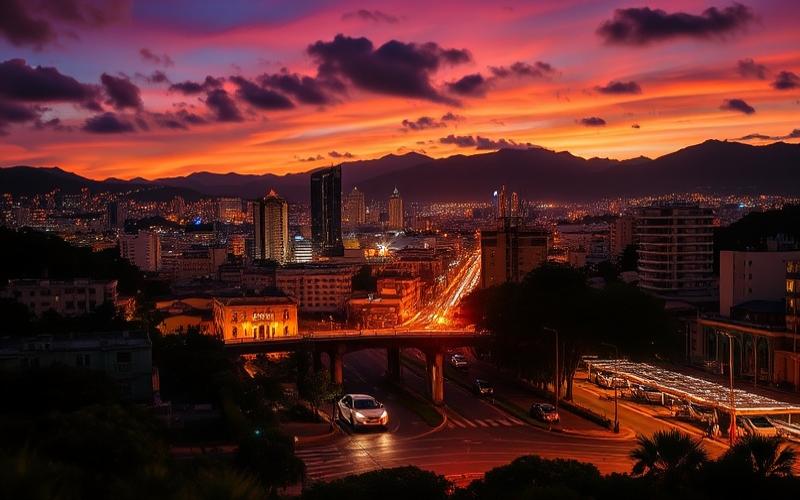
Long synonymous with wild parties, salsa until dawn, and long nights filled with reggaetón, nightlife in Venezuela has profoundly changed. Economic crisis, insecurity, club closures, mass exodus: the setting is no longer that of the 1970s when Caracas buzzed day and night. Yet, behind the bleak statistics, the “rumba” has not disappeared. It has moved, transformed, sometimes retreated into apartments, sometimes sought refuge on the beaches of Margarita, often concentrated in a few specific, better-secured neighborhoods.
The U.S., Canadian, and British governments formally advise against all travel to Venezuela due to a severe economic and security crisis, a very high homicide rate, and a failing healthcare system. Nightlife is not a recommended reason for travel.
But to understand what going out at night really means in this country, one must look beyond the clichés, see how Venezuelans still manage to dance, where nightlife scenes have survived, and how partying adapts to an extreme context.
Caracas, the capital of rumba under high tension
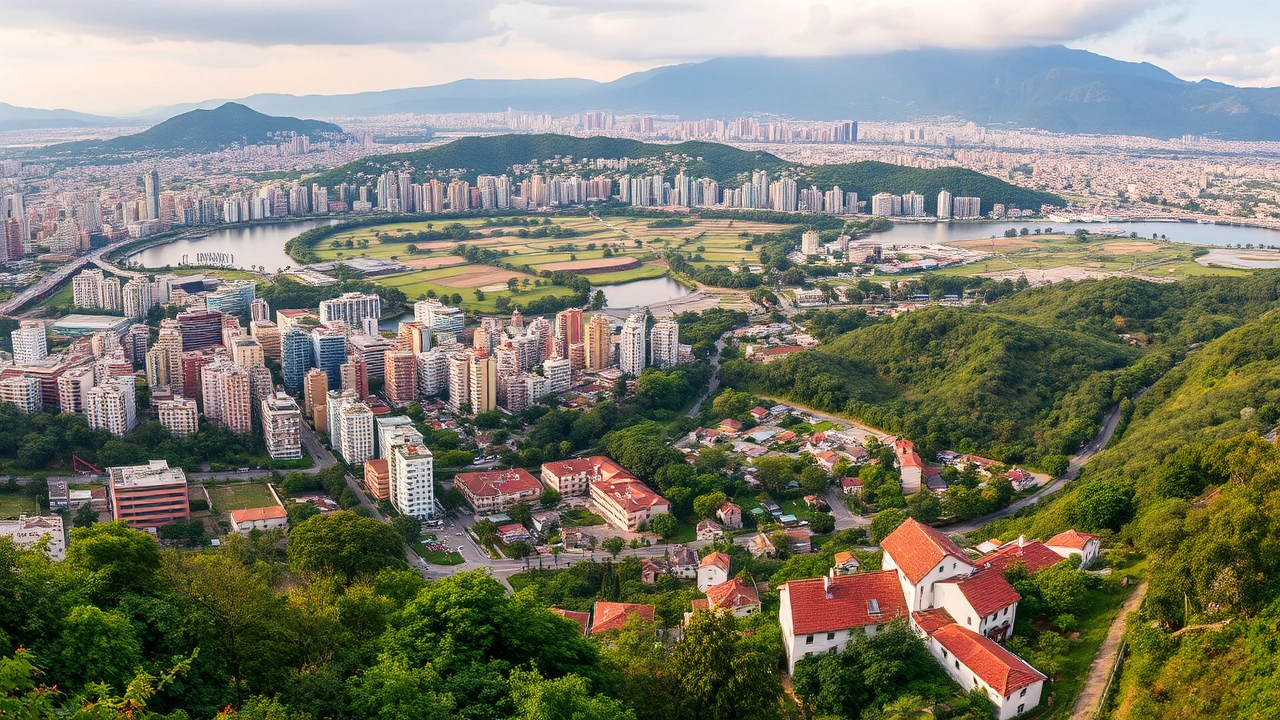
The Caracas night was long one of the most intense in Latin America. Even today, many describe it as one of the most “electric” on the continent, a mix of Latin music, rum cocktails, and dancing until the early hours. But the capital is also ranked among the most violent cities in the world, with a homicide rate far exceeding regional standards. This backdrop weighs on every outing.
American, Canadian, and British authorities recommend avoiding all travel to the country and note that Caracas, its disadvantaged neighborhoods, and even its international Maiquetía airport are very high-risk areas, where express kidnappings, armed robberies, and assaults are frequent. Foreign diplomats were withdrawn several years ago, a sign of the gravity of the situation.
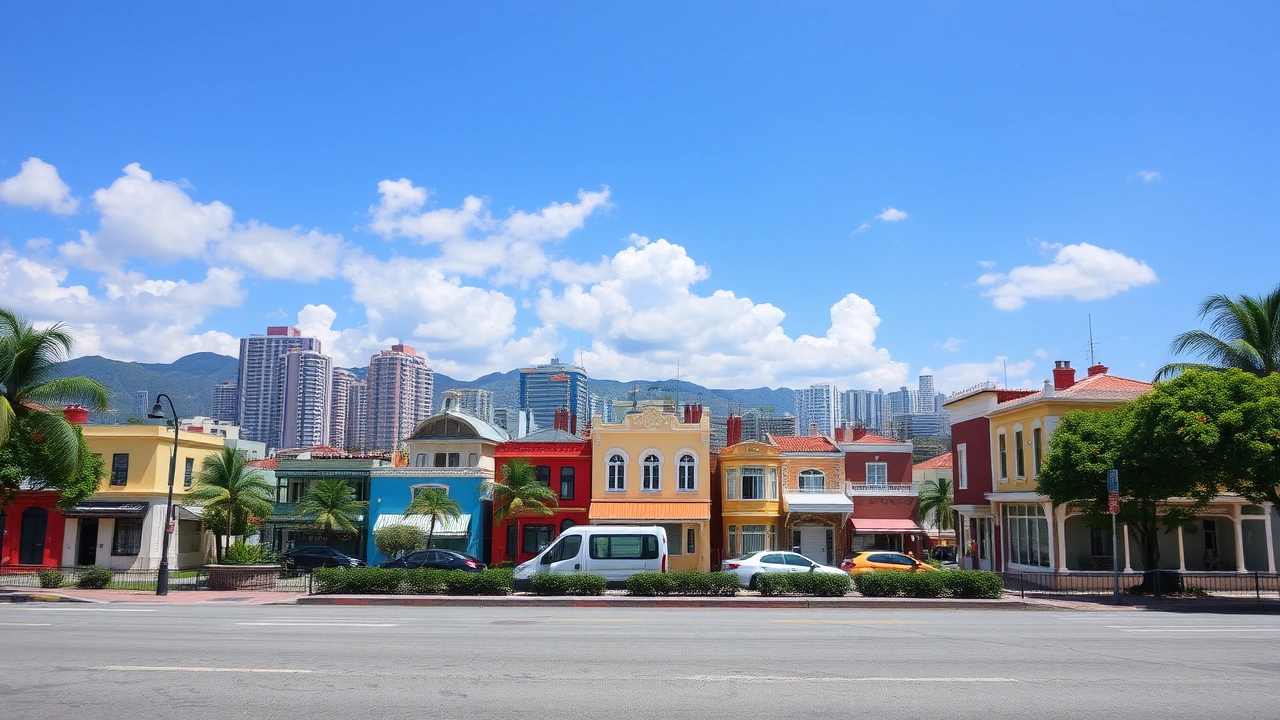
In this context, the map of Caracas nightlife has shrunk while becoming more sophisticated in some sectors in the east of the city.
Neighborhoods where the night resists: Las Mercedes, La Castellana, El Rosal
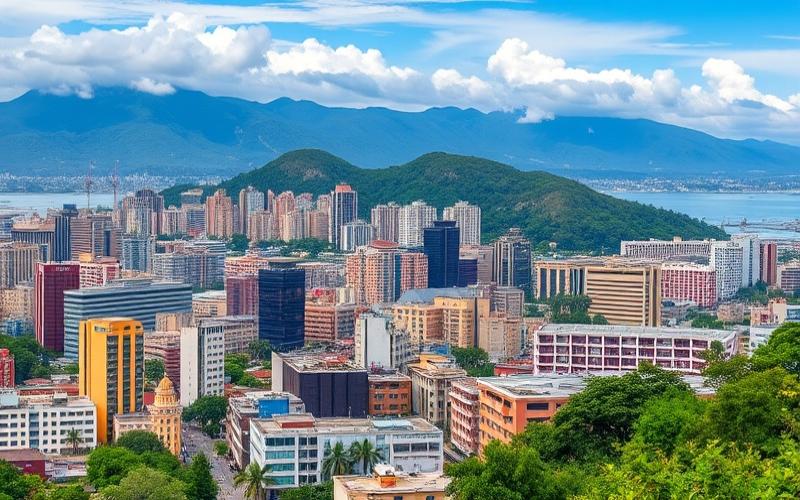
Local night owls now gather mainly in the east of Caracas, in a few more affluent and relatively better-monitored enclaves: Las Mercedes, Altamira, La Castellana, Chacao, El Rosal. Chic restaurants, cocktail bars, electro clubs, panoramic rooftops: this is where the beating heart of “official” nightlife persists.
The Las Mercedes neighborhood is the epicenter of nightlife, attracting a wealthy crowd. Bars open around 7 PM, but the real influx begins around 11 PM. Clubs themselves don’t fill up until around 1 AM and close around 5 AM, or later, especially on weekends.
The neighboring areas of La Castellana, Altamira, and El Rosal extend this nighttime “bubble” atmosphere: tree-lined streets, international chain hotels, lounge bars, and selective clubs. Chacao, known as “cleaner” and safer than other districts, also attracts a young and wealthy clientele.
In these enclaves, Venezuelans still go out to “rumbear” — the local verb for “partying” — and to show off impeccable outfits, sky-high heels, and pressed shirts. To be seen there is to prove one is still standing in a country where the majority lives on less than 50 dollars a month.
Iconic clubs, rooftops, and bars of Caracas
Behind the glass facades of Las Mercedes and neighboring neighborhoods lies a mosaic of venues that sum up the new Caracas night. You’ll find very chic spots, alternative ones, old-school salsa, and reggaetón until dawn.
To get your bearings, a table compares some key addresses, their vibes, and their crowds.
| City / Neighborhood | Venue | Type of Venue | Main Vibe & Music | Notable Particularities |
|---|---|---|---|---|
| Caracas – Las Mercedes | 360º Roof Bar | Cocktail rooftop bar | Lounge, DJ sets, electro / chill music | Panoramic city view, trendy clientele |
| Caracas – Las Mercedes | Holic | 2-level club | Electro, EDM, club music | 4 bars, large outdoor terrace |
| Caracas – Las Mercedes | Rosalinda | Very selective club | Latin hits, reggaetón, commercial sounds | Strict “face control”, very polished decor |
| Caracas – Las Mercedes | Rumbar | Latin club | Salsa, merengue, Latin American rhythms | More relaxed atmosphere, frenetic dancing |
| Caracas – Altamira | Suka Bar | Luxury nightclub | Electro, Latin, international DJs | Elite clientele, premium service |
| Caracas – El Rosal | Modo Caracas (Modo CCS) | Mega-club with multiple rooms | Reggaetón, electro, mix of genres per room | One of the largest clubs in the country |
| Caracas – El Rosal | Juan Sebastián Bar | Live jazz / gaita bar | Jazz, traditional gaita, sometimes Latin music | Institution of the live scene, subdued ambiance |
| Caracas – Sabana Grande | El Maní es Así | Salsa bar | “Pure and hard” salsa, live bands | True “temple of salsa” |
| Caracas – La Castellana | El León | Outdoor bar | Varied music, very popular with youth | Simple terrace, laid-back vibe |
360º Roof Bar, perched atop the Altamira Suites hotel in Las Mercedes, embodies the glamorous version of the Caracas night: crafted cocktails, DJ sets, a 360° view of the city, and a carefully dressed crowd. Holic, not far away, plunges partygoers into a European club aesthetic: multiple bars, a large terrace, powerful electro sound.
Rosalinda plays the ultra-selective club card, with a drastic entry policy, while Rumbar prefers to embrace its Latin DNA, focused on salsa, merengue, and Caribbean rhythms, where the dance floor quickly becomes a spectacle in itself.
In Altamira, the Suka Bar club cultivates a high-end nightclub atmosphere, blending electronic music and Latin hits, with service tailored for a wealthy clientele. In the El Rosal neighborhood, two opposite but complementary references coexist: Modo Caracas, a gigantic club with multiple vibes (rotating DJs, rooms of different styles, and a diverse crowd), and the Juan Sebastián Bar, a historic bar dedicated to jazz and gaita, where people come as much to listen to music as to sip a $4 beer in unpretentious surroundings.
In Sabana Grande, El Maní es Así lives to the rhythm of salsa. Far from predictable playlists, this bar is considered a “temple” of the genre: live bands, packed dance floor, a collective trance-like atmosphere. At the other end of the spectrum, Discovery Bar, in El Rosal, caters to fans of classic rock and alternative cultures, with concerts and thematic DJ sets.
The rise of private parties and festive working-class neighborhoods
Despite this offering, a strong trend marks the Venezuelan night: the migration of partying into homes. In a context where over 70% of the population lives on less than 50 dollars a month, where the official minimum wage hovers around one dollar monthly, and where insecurity discourages many from going out, “rumba de apartamento” (apartment parties) have exploded. People gather among close friends, each bringing a bottle or something to snack on, far from security checks, hefty bills, and theft risks.
In the west of Caracas, nightlife often unfolds in this more intimate and community-based setting. In neighborhoods like El Junquito, evenings take the form of family or neighbor gatherings that last until morning, rarely in official bars. Everyone knows that returning home without a car after a certain hour is a risk.
On weekends, a viewpoint in the working-class Barrio 23 de Enero transforms into a lively spot with food stalls, alcohol, and music (salsa, reggaetón, trap). Festivities start around 1 PM and last until midnight, before continuing in residential areas to circumvent curfews.
Prices reflect the country’s reality: hot dogs at $1–2, burgers between $1.50 and $5, pork ribs considered expensive at $15, vodka with cups and ice around $15. In neighborhood bars, beer can drop to $1, while it rises to $4 in more upscale establishments in the east. This contrast illustrates the extreme inequalities of a country where some earn over $1,000 a month, while the majority survives on paltry sums.
Street food, “perros calientes,” and ice-cold beers
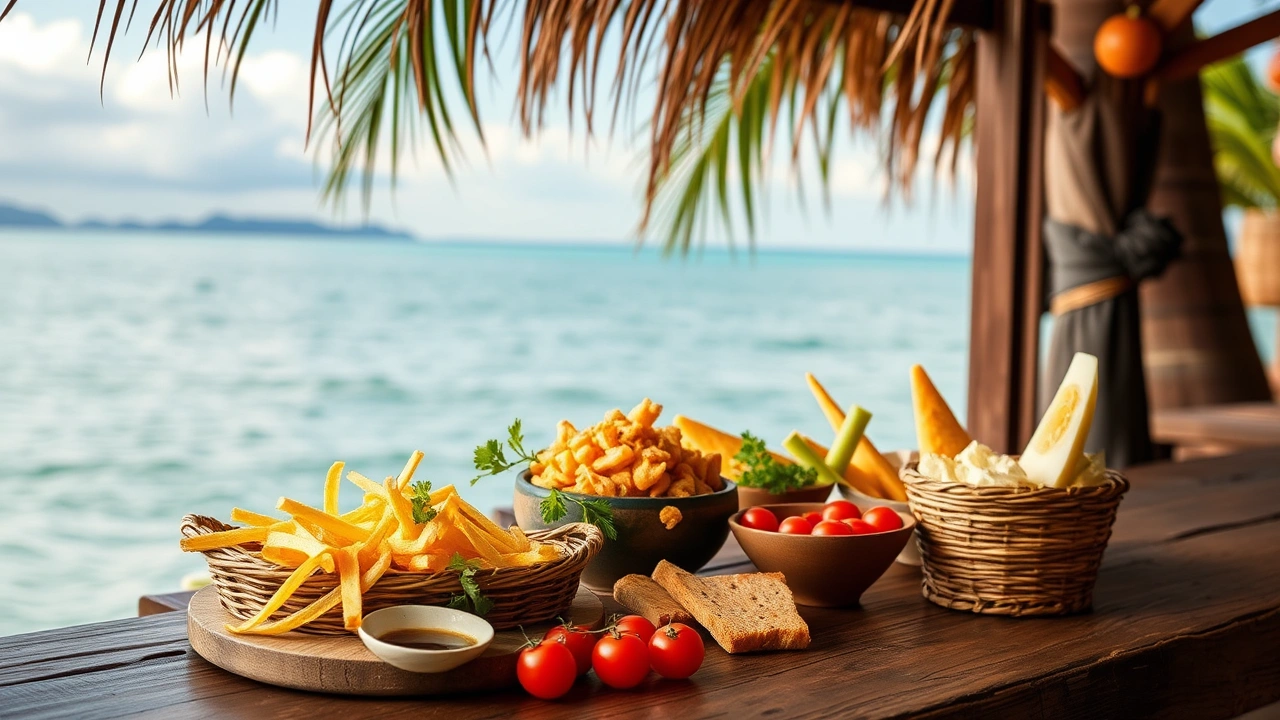
Whether in Caracas, Valencia, or provincial towns, the Venezuelan night often blends with the street and its smells of grilled food. Stalls of “perros calientes” — hot dogs with local sauce — are at the heart of this nightlife culture. Bread, sausage, but also avalanches of shredded cheese, bacon, cabbage, onions, crushed chips, cilantro or avocado sauces, mayonnaise, ketchup, pineapple sauce: the variations are endless, and some vendors line up to ten different sauces on the counter.
You’ll also find the essential arepas, those stuffed cornmeal cakes — “Reina Pepiada” (chicken, avocado, cheese, mayonnaise), “Pelúa” (shredded beef and cheese), or vegetarian versions —, cachapas, thick sweet corn pancakes covered with telita cheese and sometimes chicharrón or chorizo, as well as tequeños, cheese sticks wrapped in dough, kings of snacks and party buffets. In some cities, even sushi adopts local accents with fried plantain or tropical sauces.
The king of informal evenings remains Polar beer, in different versions (Polar, Polar Light, Solera Light), served well chilled, often in returnable bottles that are brought back for recycling. Alongside, rum — Santa Teresa, Cacique, Pampero, Diplomático — remains the backbone of cocktails, from the simple Cuba Libre to more complex punches served at student parties.
Cultural nights: theater, salsa, jazz, and gaita
The Venezuelan night isn’t only about clubbing. In a country where music holds a central place, performance halls remain nocturnal refuges for those who prefer a concert, ballet, or play to an overcharged dance floor.
Two major institutions that animate the Venezuelan cultural scene, each with its own identity and distinctive programming.
Vast cultural complex located near Los Caobos park. It hosts theater, dance, opera, classical concerts, and productions by the Compañía Nacional de Teatro and the Ballet Nuevo Mundo de Caracas.
Venue with a young and ‘funky’ atmosphere, located in the Paseo Las Mercedes shopping mall. It offers art-house cinema, contemporary plays, and nighttime cultural events.
In other major cities like Maracaibo, Maracay, or Valencia, old theaters — sometimes restored, sometimes struggling with lack of funds — continue to vibrate to the rhythm of classical music, ballet, or local theater. In Maracaibo, the Baralt Theatre and the Centro de Bellas Artes host concerts, plays, and festivals, offering a calmer alternative to the sweetness of the lake and the heavy heat of the Zulian night.
For salsa lovers, Caracas offers reference addresses: El Maní es Así for a quasi-mandatory traditional experience, and La Quinta Bar for a more romantic ambiance with live salsa and Latin music concerts. Rock nostalgics can head to the Hard Rock Café Caracas, recognizable by its wall guitars, burgers, and concerts, although it’s advised to remain vigilant due to some security tension in the area.
During the Christmas season, it’s gaita, a genre born in Maracaibo, that invades the airwaves, bars, and end-of-year parties. Emotional, festive, often nostalgic, this music becomes the soundtrack of a season where, despite the crisis, families strive to maintain traditions: homemade ponche crema (a creamy liqueur based on milk, eggs, sugar, and rum, flavored with vanilla and nutmeg), parrandas, dawn masses, and gatherings where people dance in living rooms rather than clubs.
Margarita: the island where the night reinvents itself on the beach
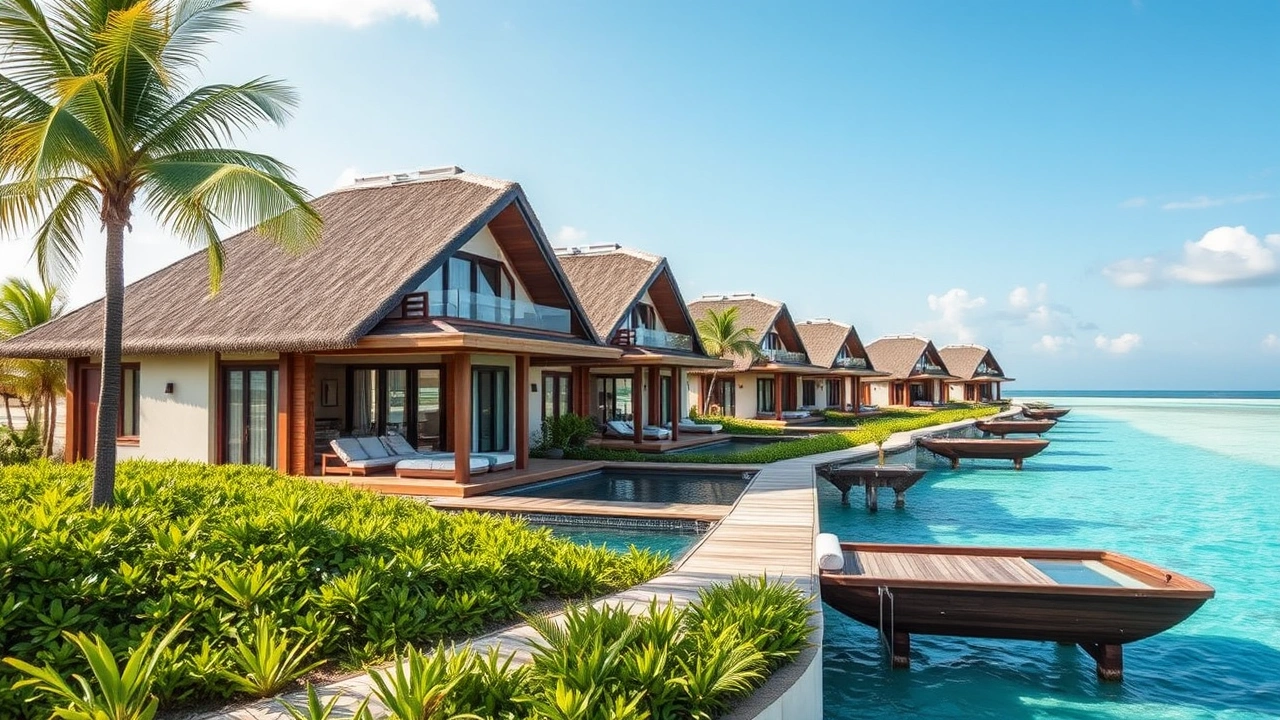
At a time when Caracas piles up security alerts and diplomatic warnings, another name often comes up when discussing Venezuelan nights: Isla Margarita. Nicknamed “the Pearl of the Caribbean,” this tourist island off the coast is, in the opinion of many observers, an overall safer environment than the capital for enjoying nightlife — “but not always,” regulars remind us.
Porlamar, the island’s commercial capital, concentrates a large part of the activity. Bars, restaurants, pubs, discos outline a nocturnal landscape very different from that of Caracas: more geared toward tourists, closer to the “beach and cocktails” imagery, with a mix of Venezuelans, national visitors, and, more rarely today, foreigners.
Thanks to a favorable tax regime, alcohol (cocktails, beers, bottles) is significantly cheaper on Margarita Island than on the Venezuelan mainland and often cheaper than in other South American destinations, making it a festive escape despite the country’s inflation.
Porlamar, Pampatar, beaches and pool clubs
Nightlife on Margarita often follows a simple pattern: day at the beach, sunset drinks, then continuing the party at a bar or club. El Agua or Parguito beaches see music set up as early as the afternoon, with sun loungers, cold beers, and sometimes impromptu DJs. When evening comes, head to Porlamar or Pampatar.
Bora Bora is one of those iconic places that sum up the island’s spirit. By day, this beach club offers a rather serene atmosphere: sunbeds, ambient music, tropical cocktails. After nightfall, the scene transforms into an open-air dancefloor, lit by lights and animated by DJs, between electro, international hits, and reggaetón.
Nearby, several hotels follow a similar model: pool bar turning into a mini-club, themed parties, music until late at night, within a perimeter theoretically more controlled in terms of security. This is one of Margarita’s major attractions: the possibility to dance and drink without leaving the hotel complex, reducing risks for visitors.
The commercial streets of Porlamar complete this picture, with their pubs, Mexican restaurants turned into late-night dancefloors, sports bars where soccer matches play on giant screens, and more classic clubs following the codes of the Latin night: reggaetón, salsa, bachata, international hits.
Margarita vs Caracas: two nightlife models
From afar, these two nocturnal poles of the country can be summarized in a comparative table.
| Aspect | Caracas (eastern neighborhoods) | Isla Margarita (Porlamar, Pampatar, beaches) |
|---|---|---|
| Security Context | One of the most violent cities in the world, official advisories against all travel | Environment perceived as safer, but national context still fragile |
| Type of Venues | Urban clubs, rooftops, cocktail bars, concert halls | Beach clubs, pubs, pool clubs, seaside bars |
| Main Clientele | Local middle/upper class, some expatriates | National tourists, island locals, rare foreign visitors |
| Average Alcohol Cost | High in upscale neighborhoods, low in barrios | More affordable than in most of the country, thanks to favorable tax regime |
| Dominant Vibe | Urban, sophisticated, sometimes ostentatious | Festive, beachy, more relaxed |
| Nighttime Mobility | Travel advised only by private taxi / ride-hailing | Frequent movement between beaches, bars, and hotels, often by taxi or private car |
Valencia, Maracaibo, Mérida, Puerto La Cruz: contrasting local scenes
If Caracas and Margarita attract most of the attention, other Venezuelan cities maintain their own nights, on a more modest scale but sometimes more authentic.
Valencia: cocktails, reggaetón, and “Calle del Hambre”
Valencia, a major industrial city in the center of the country, has developed a nightlife scene that plays on several levels: elegant bars, raw-energy reggaetón clubs, and above all a cult of nighttime street food.
The price in dollars of a bottle of Santa Teresa 1796 rum at RUF Bar, service included.
Nearby, Noziva (or Noa) plays the underground reggaetón club card, heavily frequented by students. The dance floor is known to be packed, the atmosphere intense, and a bottle of quality rum can reach $90. Places like Desahogo Bar push the all-nighter envelope even further, with parties that can last until 8 AM and deals like a bucket of 15 beers for $30.
On the street, La Calle del Hambre lines up food trucks and stalls that feed night owls until dawn, with overloaded cachapas, giant burgers, stuffed arepas, multi-sauce hot dogs.
Maracaibo, Mérida, Puerto La Cruz: between folklore and neon
In Maracaibo, birthplace of gaita, some addresses like Mi Ternerita offer a more cultural nighttime experience: live folk music (joropo, salsa, gaita depending on the season), traditional dance, regional dishes, all in a setting that evokes Afro-Venezuelian roots and the identity of Lake Maracaibo.
In Mérida, an Andean student and tourist city, Mojitos Bar embodies another face of the night: an intimate small bar, dim lighting, cocktails based on mojito revisited with Venezuelan rum, a romantic rather than wild atmosphere.
On the Caribbean coast, in Puerto La Cruz, Kaoba Discoteca bets on a more “international club” imagery: neon-lit dance floor, DJ sets, loud music, and a clientele looking for hookups.
In all these cities, the same underlying logic remains at work: the night survives, but it sometimes retreats to a few iconic venues, surrounded by a sea of economic hardship and security risks.
Music, dance, and nighttime rituals
To talk about the night in Venezuela without mentioning the music that carries it would be to miss the essential. Salsa, merengue, bachata, reggaetón, joropo, gaita: each genre has its territory, its seasons, and its circles of devotees.
In urban clubs, reggaetón is king. A sensual urban genre, omnipresent on radio and platforms, it largely dominates playlists, especially among the 18-26 year-old crowd. Bachata, born elsewhere in the Caribbean but wholeheartedly adopted, is often described as a “conquest” genre, conducive to close-dancing late in the evening.
Salsa, long a symbol of the Caracas night, has regained a form of centrality in more specialized venues like El Maní es Así or La Quinta Bar. It also survives in neighborhood parties, where everyone knows the basic steps and where people sometimes dance right on the sidewalk.
Salsa in Caracas
Venezuelan merengue — distinct from Dominican merengue — retains a strong place during carnivals and traditional festivals, even if, in clubs, it faces competition from more recent trends.
Joropo is a traditional music and dance of the plains, mainly associated with festivals, patron saint celebrations, and cultural events. It can also be spontaneously danced at private parties, sometimes late into the night.
Finally, gaita transforms the country’s soundtrack when the December holidays arrive. Bars in Maracaibo, houses in Caracas, village squares: everywhere, this genre both festive and melancholic tells of Christmas, family, nostalgia for the country for those who have left. During this period, the night fills with songs, ponche crema, hallacas, and embraces that extend reunions until very late.
Cocktails, alcohols, and drinking codes
Alcohol plays a central role in Venezuelan nighttime sociability, from the simplest bucket of beer shared among friends to bottles of imported whiskey given as prestige gifts. Drinking rituals say a lot about social hierarchy and cultural habits.
In a country that produces some of the world’s best rums, it may be surprising to learn that per capita whiskey consumption is very high. Offering a bottle of Scotch to the host at a party remains a sign of respect and status.
Rum is considered the national spirit of Venezuela. Renowned brands like Santa Teresa, Diplomático, Cacique, and Pampero have gained international reputations. Santa Teresa 1796, crafted using the solera method, is an exceptional rum with aromas of fruit, honey, dark chocolate, vanilla, and notes of tobacco or leather. Diplomático Reserva Exclusiva, aged 12 years, stands out with notes of banana, vanilla, and chocolate.
In bars and at parties, these rums become the base for iconic cocktails like the guarapita, a very popular punch among students, mixing rum, passion fruit juice, orange juice, grenadine, sometimes served in large jugs left to cool for several hours. Drinking guarapita is described as a “rite of passage” for many young Venezuelans.
This is the alcohol content of Angostura bitters, a globally known Venezuelan product used to flavor the Venezuela Libre cocktail.
Party nights also cross paths with cocuy, a traditional spirit distilled from the cocui agave, similar in taste to some mezcals or tequilas. Popular in the Lara and Falcón regions, sometimes aged in oak barrels, this drink has even obtained a protected designation of origin under the name Cocuy Pecayero.
Finally, when setting alcohol aside, glasses are filled with staples like papelón con limón (a drink made from raw cane juice and lime), chicha de arroz (a thick drink made from rice, milk, and sugar, sometimes sold on the street until late at night) or fruit teas, omnipresent at children’s parties… and often recycled into alcoholic versions for adults.
A night under high surveillance: security, money, transportation
Any discussion of nightlife in Venezuela must remain clear-eyed: in practice, going out at night in the country involves a level of risk that most foreign travelers would find unacceptable. Official advisories from several Western states are unanimous: they advise avoiding all travel, due to risks of violent crime, kidnappings, arbitrary detentions, political tensions, and shortages.
For people living in or visiting the country, strict security reflexes are essential. Walking in the street at night is strongly discouraged, even in affluent neighborhoods. Public transport, unreliable by day, becomes particularly dangerous after nightfall due to risks of robbery and assault. Taxis should exclusively be booked in advance through reputable companies or apps; one should never hail one on the street or take one from the airport without prior arrangement.
In nighttime areas like Las Mercedes, the use of ride-hailing apps is almost ubiquitous: people get picked up and dropped off right at the entrance of the bar or club, without wandering. Locals know that displaying jewelry, ostentatious watches, expensive phones, or large wads of cash is tantamount to turning oneself into a potential target.
Venezuela’s unstable economic history, marked by hyperinflation, has led to the widespread adoption of the U.S. dollar as a reference for major expenses, including in bars and clubs. Although credit cards are sometimes accepted, they may incur hidden surcharges. Prices are often displayed in dollars, even if payment in bolivars is possible at the day’s exchange rate. Visitors are strongly advised to carry U.S. dollars or euros in cash to avoid liquidity problems and frequent ATM breakdowns.
In this context, the decision to “go out tonight” is never trivial: it depends on payday, vehicle availability, the current level of political tension, the presence or absence of protests, and the sense of safety inspired by the targeted neighborhoods. Hence the growing importance of house parties, shared neighborhood celebrations, and the constant reinvention of partying behind closed doors.
A night of resistance
Facing the temptation to reduce Venezuela to its power cuts, its gas lines, or its poverty statistics, the night offers a discreet but tenacious counter-narrative. Every salsa night at El Maní es Así, every improvised conga in Barrio 23 de Enero, every mojito served in Mérida, every gaita session in Maracaibo, every sunset turned into a dancefloor at Bora Bora, tells the same story: that of a people who refuse to give up music, even when everything is crumbling.
The country’s nightlife is no longer what it was, and it certainly is not a reasonable reason to book a flight today. But it remains a valuable observatory of Venezuelan society: its fractures, its extreme inequalities, its creativity, its melancholy, its ability to transform a hotel roof into a club, a sidewalk into a dance floor, an agave drink into an identity symbol, a sip of guarapita into a promise of lightness, if only for one night.
In the air-conditioned clubs of Las Mercedes as in the patios of Valencia, in the beach clubs of Margarita as in the living rooms where people dance joropo on worn tiles, partying remains an act of resistance. And perhaps it is there, more than in the neon lights or the playlists, that the true essence of nightlife in Venezuela lies today.
Disclaimer: The information provided on this website is for informational purposes only and does not constitute financial, legal, or professional advice. We encourage you to consult qualified experts before making any investment, real estate, or expatriation decisions. Although we strive to maintain up-to-date and accurate information, we do not guarantee the completeness, accuracy, or timeliness of the proposed content. As investment and expatriation involve risks, we disclaim any liability for potential losses or damages arising from the use of this site. Your use of this site confirms your acceptance of these terms and your understanding of the associated risks.

Cyril Jarnias is an independent expert in international wealth management with over 20 years of experience. As an expatriate himself, he is dedicated to helping individuals and business leaders build, protect, and pass on their wealth with complete peace of mind.
On his website, cyriljarnias.com, he shares his expertise on international real estate, offshore company formation, and expatriation.
Thanks to his expertise, he offers sound advice to optimize his clients' wealth management. Cyril Jarnias is also recognized for his appearances in many prestigious media outlets such as BFM Business, les Français de l’étranger, Le Figaro, Les Echos, and Mieux vivre votre argent, where he shares his knowledge and know-how in wealth management.