 Published on and written by Cyril Jarnias
Long reserved for a few insiders in love with volcanoes, fjords, and solitude, ICELAND is changing its status on the international real estate map. Between a tourism boom, the rise of remote work, and a growing appetite for vacation homes in the great outdoors, the second home market is becoming a true laboratory of contemporary tensions: strong demand, limited supply, environmental pressure, and a tight regulatory framework.
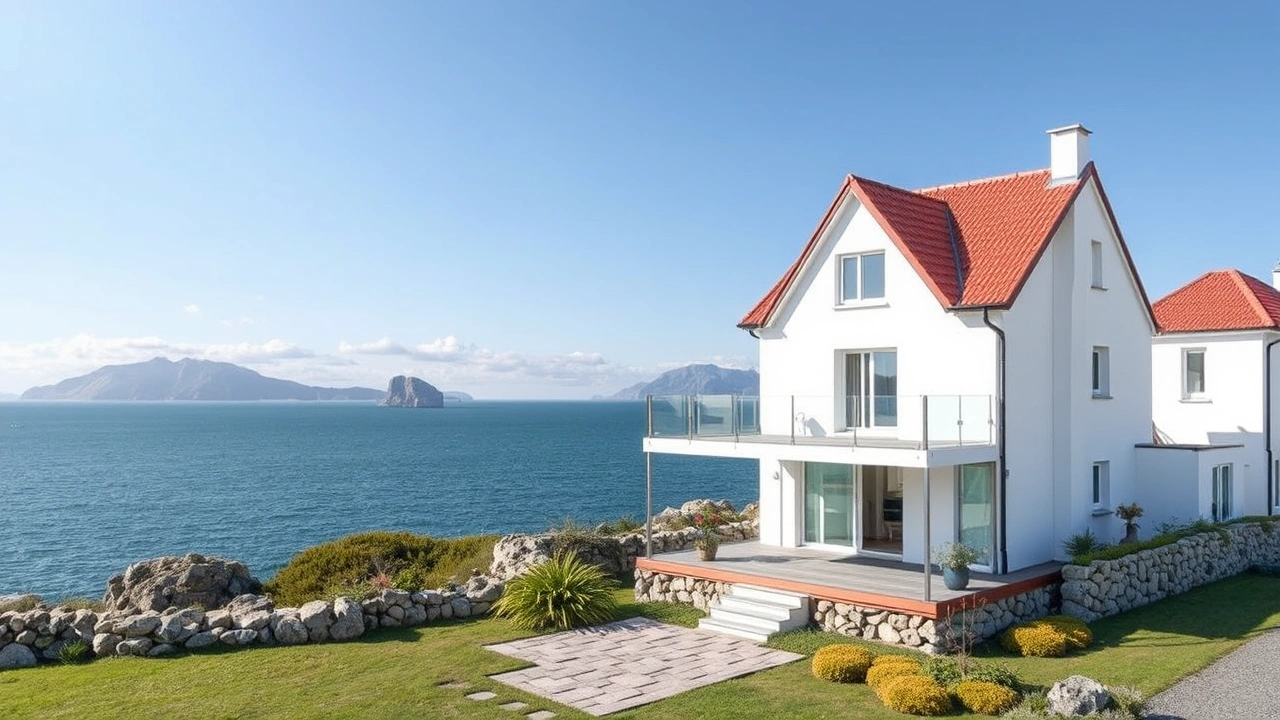
Purchasing a second home in Iceland, whether it’s a chalet, a cottage, or an apartment in Reykjavik, is a complex investment. The market is expensive, technical, and highly regulated, as these properties sit at the intersection of housing, tourism, and land use issues, beyond just the idyllic landscapes.
A Tight but Still Promising Real Estate Market
ICELAND has shown a significant increase in property prices for several years. The country has about 390,000 inhabitants, with over two-thirds living in the capital region. This concentration, combined with population growth driven by immigration, creates a base of structurally high demand, including for second homes and vacation houses.
The national residential property price index is still increasing by 7.94% year-on-year (February 2025), which is 3.58% in real terms after inflation. Between 2018 and 2023, the average annual increase fluctuated between 6 and 8%. In other words, the market has slowed but remains clearly bullish.
High Prices, Especially Around Reykjavik
For a foreign buyer used to European markets, the first surprise is the price level. The example of 100 m² properties is particularly telling.
| Town / Region | Property Type | Average Price for 100 m² (2023) |
|---|---|---|
| Reykjavik | Residential | €500,000 |
| Akureyri | Residential | €300,000 |
| Ísafjörður | Residential | €280,000 |
| Selfoss | Residential | €320,000 |
| Húsavík | Residential | €260,000 |
In 2025, the average housing price in the capital region is around 87 million ISK, or approximately $620,000. For a rough order of magnitude, the average price of a house in the country is around $550,000. In Reykjavik, apartments generally cost several thousand euros per square meter, with an average around €5,000/m² in 2023.
The average price per square meter in southern Iceland, nearly double that of the northwest and eastern regions.
Primary Residences, Secondary Residences, Vacation Homes: One and the Same Market
Official statistics do not always clearly distinguish between primary and secondary residences, especially since many vacation homes are used both by their owners and for seasonal tourist rentals. Nevertheless, one can get an idea of the price ranges for a small 50–60 m² vacation house.
| Area (around…) | Property Type | Average Price 50–60 m² (2023) |
|---|---|---|
| Reykjavik | Vacation Home | €350,000 |
| Akureyri | Vacation Home | €250,000 |
| Ísafjörður | Vacation Home | €220,000 |
| Selfoss | Vacation Home | €240,000 |
| Húsavík | Vacation Home | €200,000 |
These amounts illustrate the classic trade-off: the further you get from the capital region and major tourist hubs, the lower the entry ticket for a secondary residence, at the cost of more difficult access and lower liquidity upon resale.
Where are Second Homes Located in ICELAND?
The ICELAND second home market is not uniform. It reflects both tourist flows, the country’s geography, infrastructure, and the rise of remote work. Several areas stand out.
Capital Region and Golden Circle: Expensive but Ultra-Liquid
The Reykjavik region, which accounts for nearly 59% of national transactions, attracts some second-home buyers, particularly those who want to combine an urban pied-à-terre with high-demand seasonal rentals. Downtown apartments rent easily, fueled by tourism and the student and expatriate population.
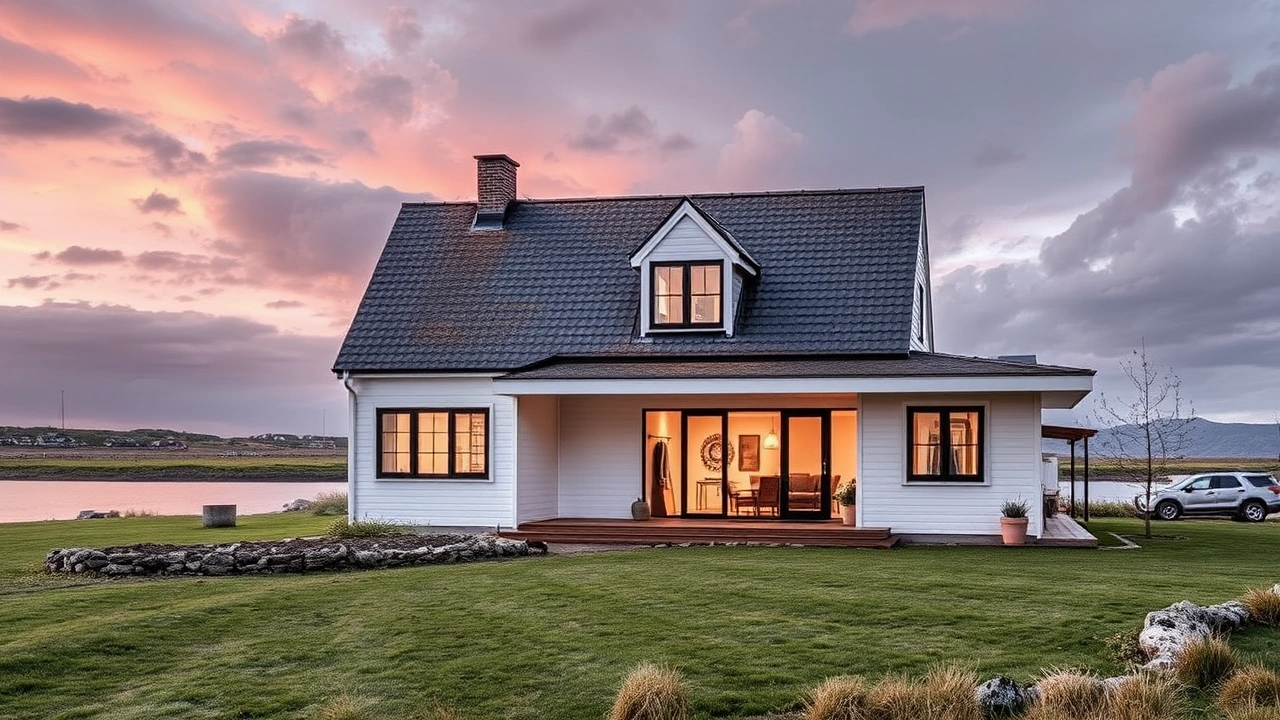
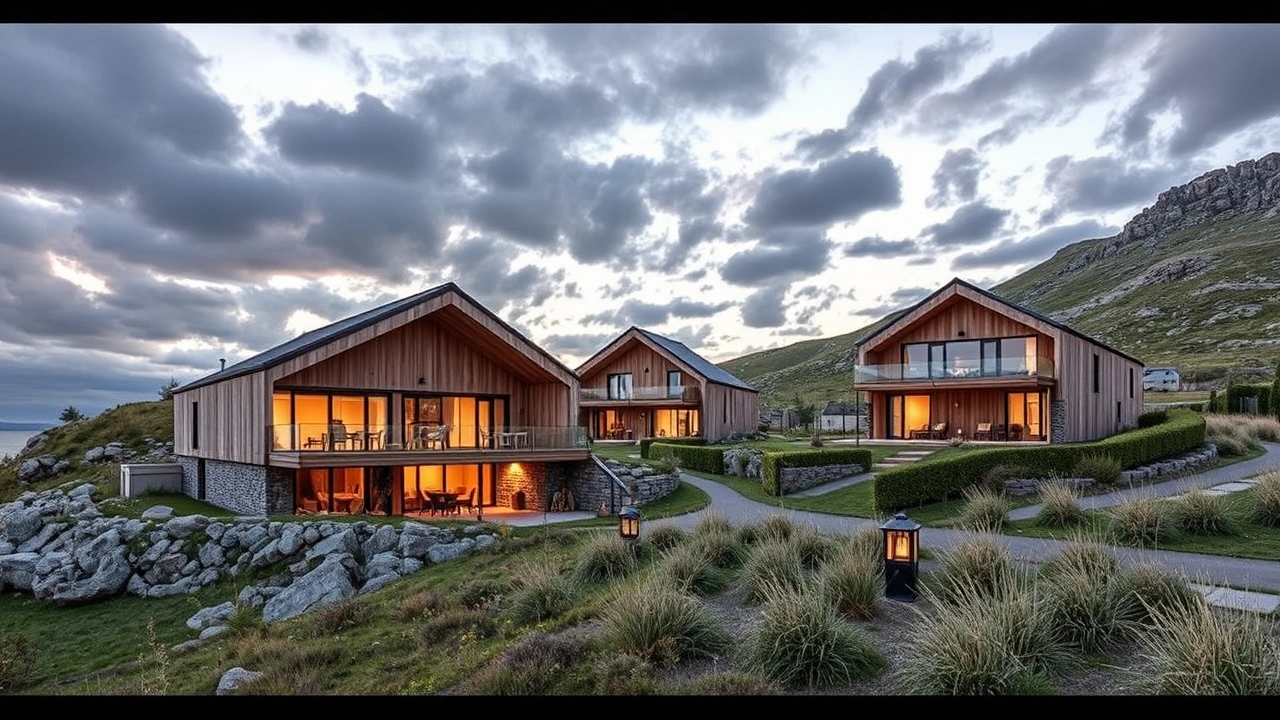
Around the capital, areas near the famous “Golden Circle” (Þingvellir, Geysir, Gullfoss) are extremely coveted for cottages and chalets. These sectors combine two major assets: accessibility from Reykjavik and massive tourist traffic, making them prime locations for a vacation home that is profitable for a few months a year.
South and Southern Coast: Weekend Homes and Tourist Bases
The south of the island, particularly Selfoss, Hella, Hvolsvöllur, or Þorlákshöfn, is a favored destination for Icelanders’ second homes. These areas, accessible by car from Reykjavik, allow for “weekend house” use while capturing some of the tourist flows heading to glaciers and black sand beaches.
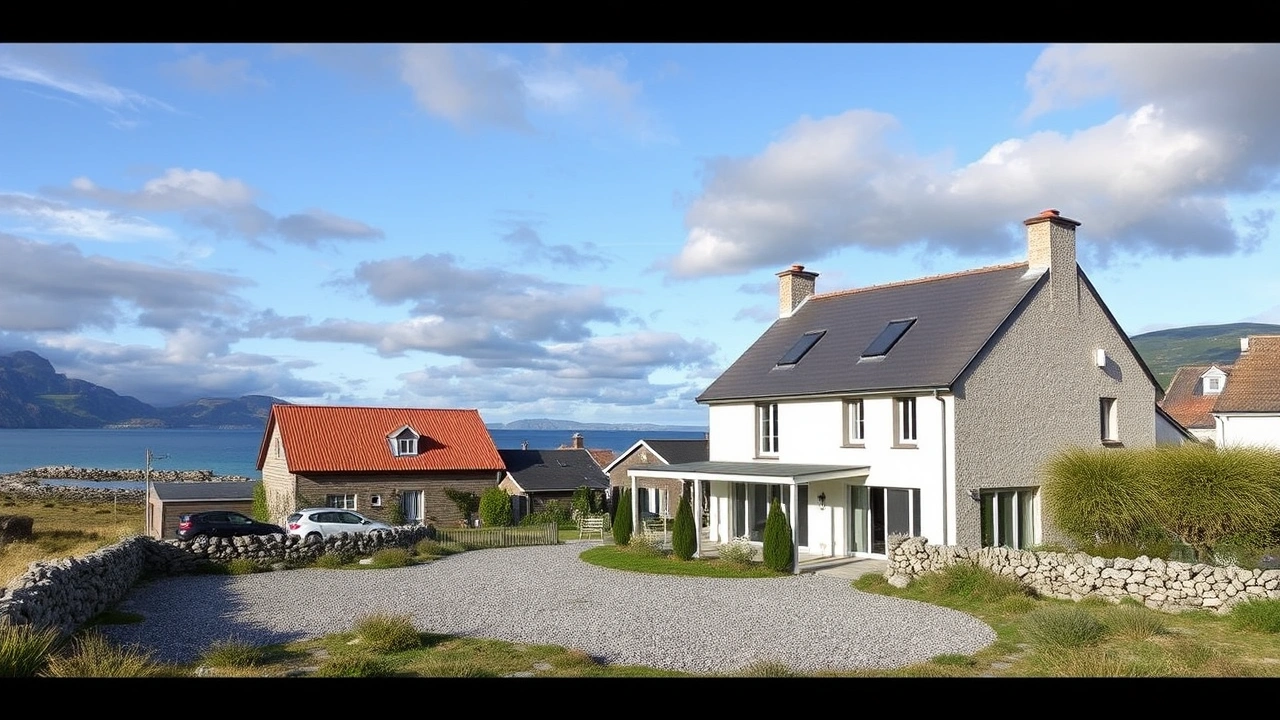
Real estate prices in Iceland, even outside the capital Reykjavik, remain high by European standards. For instance, a small vacation house of about 50 to 60 m² located near Selfoss can cost around €240,000, illustrating a market where prices, although lower than in the capital, remain significant.
Akureyri and the North: A Compromise Between Price, Nature, and Yield
Akureyri, the “capital of the north,” is emerging as a credible alternative for a second home. The city offers a complete ecosystem (services, culture, university), increasing tourist traffic, and prices lower than Reykjavik. In its surroundings, a 50–60 m² vacation house costs around €250,000, with interesting rental potential, especially in summer and winter for skiing and Northern Lights viewing.
Further east, Húsavík, famous for whale watching, attracts investment in small houses and apartments operated as tourist rentals. The price level there is softer than in Reykjavik, around €200,000 for a small cottage.
Snæfellsnes Peninsula, Westfjords, and East: The Raw Nature Card
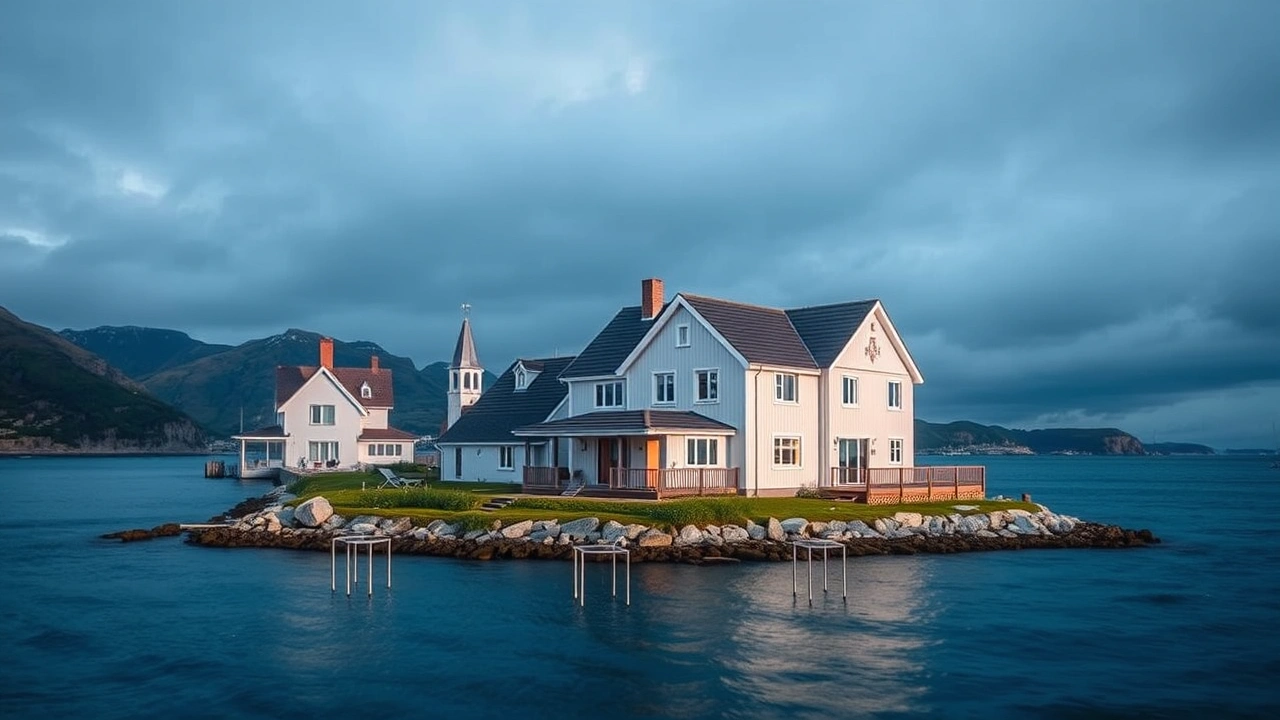
The Snæfellsnes Peninsula is an emblematic case: a two-hour drive from Reykjavik, it concentrates many chalets, cottages, and secondary residences. Some municipalities, like Stykkishólmur, see their population double at certain times of the year due to vacation home owners. The pressure on local services (water, roads, shops) is real, but the appeal of these spectacular landscapes remains a powerful driver for purchases.
In the Westfjords and the East, prices are even more affordable, sometimes half those in the capital. These regions attract a clientele seeking absolute tranquility, wilderness, and responsible tourism projects: eco-lodges, guesthouses, renovated farms. In return, access is more difficult, the tourist season is shorter, and resale is potentially slower.
Prices Boosted by Tourism and Short-Term Rentals
The silent engine of the ICELAND second home market is called tourism. This sector accounts for nearly 9 to 10% of GDP, and visitor arrivals far exceed the country’s population. In 2024, total tourist spending approached 870 billion ISK, with over a quarter for accommodation alone.
Airbnb, Vacation Homes, and Soaring Prices
The proliferation of properties rented on platforms like Airbnb has profoundly altered the market balance, especially in Reykjavik and main tourist areas. A study showed that Airbnb growth alone contributed to a real increase of about 2% per year in property prices over three years, representing about 15% of the total increase.
The mechanism is well-known: more tourists mean more demand for accommodation, which encourages owners and investors to convert housing into furnished short-term rentals. This movement reduces the supply available for residents, pushes rents up, and, in turn, increases property values. The effect is particularly marked in the capital region, where nearly 43.6% of apartments sell above the asking price during periods of high tension.
Real estate market analysis
Rental Yields: A Real Argument for Second-Home Buyers
For a secondary residence buyer, these increases are not just constraints: they also support rental yields. Available data indicates average gross yields around 5.2% for all housing, and about 4.9% in Reykjavik. In practice, this translates into a delicate balance between high purchase prices and high rental rates.
In February 2025, the average monthly rent for a new contract in Iceland was about 263,000 ISK, with annual rental inflation at 10%.
The supply of short-term vacation rentals, whether apartments, cottages, or villas, completes this picture. On major platforms, vacation homes rent for an average of $265 to $422 per night, with a weekly rate around $1,800 and monthly near $7,800. These price levels allow some secondary residence owners to cover a significant portion of their costs.
Who Buys a Second Home in ICELAND?
The ICELAND second home market is not limited to visiting tourists charmed by a whim. It relies on several distinct buyer profiles.
Icelanders: Country Houses and Rural Retreats
In Nordic tradition, a significant proportion of households have access to a second home, often in the form of a “summerhouse” or country cabin. In ICELAND, city dwellers from Reykjavik and large towns are increasingly turning to cottages in rural areas, a few hours’ drive away, for weekends or holidays.
Mass seasonal migrations, such as those to municipalities like Grímsnes og Grafningshreppur in Iceland where many owners rent their houses in summer, stimulate the local economy via second homes. However, they create planning challenges: temporary residents consume public services (roads, healthcare, police) without always contributing via local income tax, thereby unbalancing municipal finances.
Foreigners: Investors, Expatriates, Nature Lovers
Foreign buyers are of several types: EEA/EFTA citizens, expatriates already living there, purely investment buyers, or people with a strong emotional connection to the country.
For many, the goal is not to live year-round in Iceland, but to acquire a pied-à-terre or a rental asset, attracted by its stability, security, strong tourism potential, and unique natural environment.
A country considered politically stable and secure, offering a framework of trust for investors.
A destination with strong tourism potential, enhancing rental property assets.
Benefiting from an exceptional and preserved natural environment, a major asset of the country.
A resilient market, confirmed by the country’s ‘A’ rating from Fitch Ratings.
Private investors of course favor sectors where rental demand is assured: Reykjavik and its region, Akureyri, the southern coast, areas near major tourist sites. Others, more sensitive to ecology and tranquility, explore the Westfjords, the northeast, or the eastern fjords to develop eco-lodge, vacation farm, or yoga retreat projects.
A Very Specific Legal and Tax Framework for Non-Residents
One of the most determining points for the ICELAND second home market concerns foreign ownership rights. Unlike other vacation destinations, access is neither completely free nor completely closed.
Who Can Buy?
Icelandic citizens and individuals legally domiciled in the country can acquire property without particular restrictions. Nationals of the European Economic Area (EEA) and EFTA can also buy, provided they meet certain domicile or economic link obligations.
For non-EEA individuals, the rule is much stricter: property purchase requires authorization from the Minister of Justice. This exception, granted case by case, is based on two main types of situations: the necessity of the property for professional activity (e.g., a hotel, a tourism business) or the existence of a “close connection” with the country (marriage to an Icelander, repeated long-term stays, family ties, etc.).
For a leisure second home, the property must generally be located on land clearly classified as a recreational area by the municipality, and the area cannot exceed 3.5 hectares. Authorization, when based on a personal connection, is in principle for a single property: it is therefore impossible to build a portfolio of second homes without more complex arrangements.
A Cumbersome but Clear Administrative Procedure
Obtaining this authorization requires submitting a complete file: deed of sale, passport copy, possible power of attorney, proof of connection to ICELAND or of the business project, official translations if necessary. Processing can take several weeks, even a few months.
Once authorization is obtained, the transaction follows the classic process: signing the “kaupsamningur” (sales contract), involvement of a public notary, registration in the cadastre and the national land registry. The transparency of this registry is a strength of the Icelandic market: real rights, charges, mortgages, or easements are clearly recorded there.
Taxation: What Charges for a Second Home?
The tax regime applicable to secondary residences is another key parameter for any purchase project.
Summary of the main transaction costs and charges related to operating an activity.
Costs related to economic exchanges, such as commissions, banking fees, or negotiation costs.
Recurring expenses necessary for the daily operation of the activity (rent, salaries, energy).
Overhead management, accounting, communication, and administrative service costs.
Expenses incurred to comply with current regulations and legal obligations.
| Cost Item | Indicative Level |
|---|---|
| Stamp Duty / Transfer Tax | Approx. 0.8% (up to 1.6%) of price |
| Notary Fees | Approx. 0.1% of price |
| Lawyer Fees (Buyer) | 0 to 1% of price (often a flat fee in ISK) |
| Agency Commission (Seller) | 1.5 to 3% of price |
| Estimated Total “Round-Trip” Cost | 2.4 to 5.2% of price |
Regarding local taxation, municipalities levy an annual property tax calculated on the official value of the property. For residential-use properties, the standard rate is around 0.18%, but it can be much higher for properties classified as commercial (e.g., buildings operated as professional tourist rentals, taxed around 1.6%).
Tax on rental income is 22%, but a favorable regime applies to long-term residential rental: 50% of gross rent is exempt, bringing the effective rate to 11% on rents. For short-term tourist rentals, reduced VAT (11%) is added to traditional obligations.
Finally, capital gains realized upon resale are in principle taxed at 22%, except for primary residences held long enough. A purely leisure secondary residence does not benefit from this exemption.
Tourist Rentals, Second Homes, and Local Taxation: A Delicate Balance
Vacation homes and secondary residences are often at the border between private use and economic activity. The same chalet can host an owner’s family in winter, be rented on platforms part of the summer, and be considered by the municipality as a tourist accommodation establishment if the activity becomes professional.
A recent reform distinguishes commercial tourist rentals (Class II) from occasional home-sharing for tax purposes. The former must be established in a building registered as commercial property and are subject to Category C property tax (1.60%). Occasional home-sharing, on the other hand, remains assimilated to residential use.
These changes are not trivial for the ICELAND second home market: they limit side effects, discourage some speculative excesses, and encourage owners to clarify their strategy (family weekend home, occasional seasonal rental, true hotel business).
A Market Structured by Land Scarcity and Nature Protection
One of the most unique features of the Icelandic market is the environmental and urban planning straitjacket. The country has made a conscious choice to preserve its landscapes, even if it means severely limiting built supply, including for second homes.
Strict Zoning, Complex Procedures, Slow Permits
The legislative framework is based on a series of laws and regulations, notably the Planning Act, the Building Act, and texts on environmental assessment. Each project must comply with meticulous local planning and building permit procedures known to be lengthy: preliminary studies, meetings with municipalities, technical controls, inspections, etc.
Developers point to unpredictable processing times, a land shortage, high municipal fees, and regulatory requirements sometimes ill-suited to market demand, such as the obligation to build large homes when the trend is toward modest-sized units.
This friction translates directly into available supply. In 2024, 3,486 homes were completed, an increase of 13%, but the number of homes under construction declined in 2025, and forecasts point to a drop in housing starts in 2026 before a slight rebound in 2027.
2030 Goal: Low-Carbon Building
Added to this quantitative constraint is a qualitative requirement: the ecological transition of the construction sector. A new regulation imposes, starting in September 2025, the performance of Life Cycle Assessments (LCA) for new buildings of certain categories, aiming to set emission limit values in 2027 and reduce sector emissions by 43% by 2030.
Vacation homes and ‘summerhouses’ are currently excluded from certain obligations, but Icelandic policy aims to maintain a limited, qualitative, and sustainable housing stock. For new secondary residence projects, this will eventually translate into increased requirements regarding material choices and design, which could lead to higher construction costs.
Remote Work, Fiber Optic, and Semi-Primary Residences
Another discreet driver of the ICELAND second home market is the widespread availability of very high-speed internet across the entire territory, even in rural areas. The national program Ísland Ljóstengt connected thousands of farms, hamlets, and small municipalities to fiber; today, 97.5% of households have FTTH access, and the official goal is to reach nearly 100% by 2026.
Thanks to data-only 4G/5G subscriptions, satellite solutions like Starlink, and the development of coworking spaces in regions like Vesturland or in Stykkishólmur, an isolated chalet can now fully serve as a remote office for periods ranging from a few days to several weeks per month.
For rural municipalities, this movement represents an opportunity: to transform second home owners into part-time, or even full-time, residents, capable of creating local economic activity without settling into a classic agricultural logic. For foreign buyers, it opens the prospect of a semi-primary residence in ICELAND, where professional life and vacation living combine.
Financing and Interest Rates: A Major Brake for New Entrants
Despite this overall attractive picture, access to credit remains a significant brake, even for Icelandic households wishing to acquire a second home.
Key policy rate maintained by the central bank at the beginning of 2025.
For a foreigner, obtaining local credit is often complicated: banks require domicile, income in Icelandic króna, and a credit history. Financing from the country of origin, in euros or dollars, remains common, with generally limited loan-to-value ratios (50–70%). As a result, many second-home purchases are made largely with equity.
Social Pressures, Volcanoes, and Specific Risks
Discussing second homes in ICELAND without mentioning social tensions and natural risks would be incomplete. Recent eruptions on the Reykjanes Peninsula and the evacuation of the town of Grindavík showed the vulnerability of certain areas. A public company, Þórkatla, was even created to buy back homes that became uninhabitable, leading to hundreds of relocations in neighboring municipalities.
For a second-home buyer, volcanic risk is real and can lead to the reclassification of areas, the declaration of neighborhoods unfit for habitation, and difficulties obtaining insurance. Location selection and the study of geological hazard maps are therefore crucial.
Furthermore, rising prices and the transformation of part of the housing stock into tourist rentals fuel a lively debate about housing affordability for young Icelanders. The share of adult renters has increased, from about 13% in 2020 to potentially nearly 29% if poorly accounted populations, mainly foreign, are considered. In this context, second homes – especially when they remain empty a large part of the year – are sometimes seen as a socially costly luxury.
How to Position Yourself in the ICELAND Second Home Market?
For a buyer considering a project in this country, several key lines emerge.
First, the market remains structurally tight, but not disconnected from economic reality: growth is slowing, interest rates are high, new housing supply increases in waves, and some areas even have a significant stock of vacant homes (up to 15–20% in regions like Múlaþing, Borgarbyggð, or Skagafjörður). Therefore, it is not a one-way market, but a fragmented landscape where Reykjavik and its surroundings coexist with small towns in decline.
Profitability depends on the chosen operating model: strictly private use (asset-holding logic), long-term rental (stable yield, favorable taxation), or intensive tourist operation (high yield but more volatile and regulated).
Finally, ICELAND makes a clear political choice: to protect its environment, control urbanization, and regulate the excesses of short-term rental. For an investor, this means less freedom than elsewhere, but also a solid legal environment, high-quality infrastructure, and long-term appreciation potential supported by scarcity.
Conclusion: A Second Home in ICELAND, For Whom and Under What Conditions?
The ICELAND second home market is neither a speculative paradise nor a closed territory. It is a demanding, expensive, highly regulated market, but also remarkably solid, driven by strong tourism, a relatively stable economy, and a strong choice in favor of sustainability.
It primarily targets three profiles:
The acquisition of a house in Iceland mainly attracts three types of players: Icelanders perpetuating the Nordic tradition of the “country house” and benefiting from modernized rural infrastructure; foreigners with a strong connection to the country, accepting complex administrative procedures and a high initial investment to obtain a rare and secure asset in an exceptional environment; and savvy investors, who navigate between regulations, specific taxation, and tourist cycles to develop high-value-added seasonal rental projects, often sustainable and integrated into the territory.
At a time when many tourist destinations are becoming commonplace, ICELAND stands as a self-proclaimed exception: here, acquiring a second home is not just buying walls and a landscape, it is accepting an implicit contract with a demanding territory, where nature, society, and the economy must remain in balance. For those who commit to it with full knowledge, this bet can prove to be as unique as it is durable.
A French business owner, around 50 years old, with financial assets already well-structured in Europe, wanted to diversify part of his capital into residential real estate in Iceland to seek rental yield and exposure to the Icelandic króna (ISK). Allocated budget: €400,000 to €600,000, without using credit.
After analyzing several markets (Reykjavík, Kópavogur, Hafnarfjörður), the chosen strategy consisted of targeting an apartment or a small house in a dynamic neighborhood of Reykjavík, combining a target gross rental yield of about 6–7% – keeping in mind that “the higher the yield, the greater the risk” – and medium-term appreciation potential, with an overall ticket (acquisition + fees + possible renovations) of about €500,000.
The mission included: market and neighborhood selection, introduction and handling by a local network (real estate agent, lawyer, Icelandic tax advisor), choice of the most suitable structure (direct ownership or via a local company), and definition of a diversification plan over time, to integrate this asset into an overall wealth strategy.
Looking for profitable real estate? Contact us for custom offers.
Disclaimer: The information provided on this website is for informational purposes only and does not constitute financial, legal, or professional advice. We encourage you to consult qualified experts before making any investment, real estate, or expatriation decisions. Although we strive to maintain up-to-date and accurate information, we do not guarantee the completeness, accuracy, or timeliness of the proposed content. As investment and expatriation involve risks, we disclaim any liability for potential losses or damages arising from the use of this site. Your use of this site confirms your acceptance of these terms and your understanding of the associated risks.

Cyril Jarnias is an independent expert in international wealth management with over 20 years of experience. As an expatriate himself, he is dedicated to helping individuals and business leaders build, protect, and pass on their wealth with complete peace of mind.
On his website, cyriljarnias.com, he shares his expertise on international real estate, offshore company formation, and expatriation.
Thanks to his expertise, he offers sound advice to optimize his clients' wealth management. Cyril Jarnias is also recognized for his appearances in many prestigious media outlets such as BFM Business, les Français de l’étranger, Le Figaro, Les Echos, and Mieux vivre votre argent, where he shares his knowledge and know-how in wealth management.