 Published on and written by Cyril Jarnias
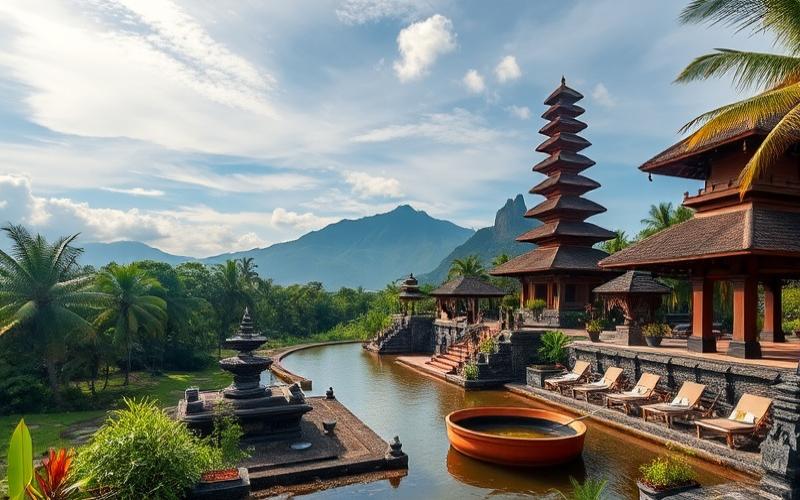
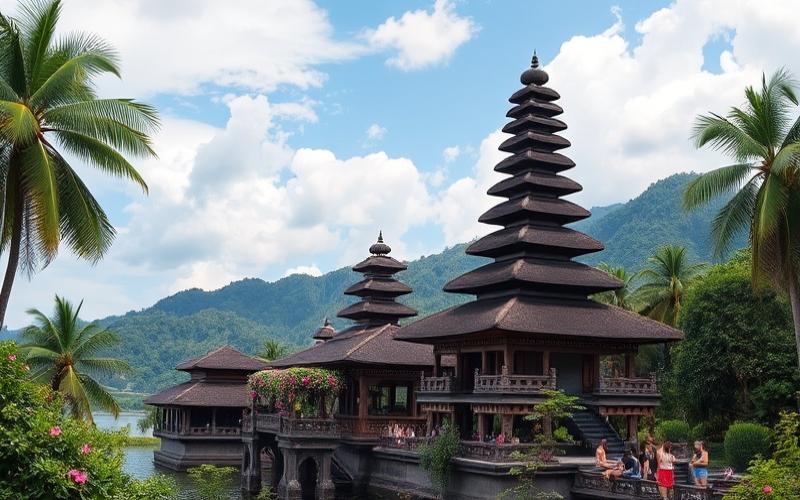
Bali, the Island of the Gods, is attracting more and more French investors drawn by its paradise-like setting and real estate potential. However, buying property in Bali is not without risks, and many pitfalls await uninformed buyers. In this article, we will review the most common mistakes to avoid for a successful real estate investment on this dream Indonesian island.
The Mirage of Direct Ownership: Understanding the Nuances of Indonesian Land Law
One of the first mistakes many foreign investors make in Bali is believing they can directly buy property in their own name. In reality, Indonesian law prohibits foreigners from owning land with freehold title. This restriction often surprises Western buyers accustomed to more open real estate markets.
To circumvent this limitation, some unscrupulous investors resort to risky legal arrangements, such as using Indonesian nominees. This practice, although widespread, is illegal and exposes the buyer to serious legal consequences. In case of dispute, the foreign investor has no legal recourse to assert their rights over the property.
The legal solution for foreigners wishing to invest in Bali is through the acquisition of long-term usage rights, called “Hak Pakai” or “Hak Guna Bangunan”. These titles offer legal security, but their terms and durations are strictly regulated. It is crucial to understand these different types of rights before committing to a purchase.
Good to know:
Foreigners cannot own land with freehold title in Bali. Legal options exist, such as long-term usage rights, but require a thorough understanding of the local legal framework.
Neglecting Preliminary Checks: A Ticket to Trouble
Another common mistake is neglecting the essential preliminary checks before any property purchase in Bali. Too many investors are seduced by attractive offers without performing the necessary due diligence, thus exposing themselves to serious subsequent problems.
Among the crucial points to verify are:
- The legality of the property title and the absence of land disputes
- The property’s compliance with local urban planning rules
- The existence of valid building permits
- The absence of undisclosed easements or right-of-way
- The property’s tax situation and absence of debts
These checks may seem tedious, but they are essential to avoid unpleasant surprises. In Bali, it is not uncommon for properties to be sold without all documents being in order, or for constructions to have been carried out without the necessary permits.
Furthermore, the complexity of the Indonesian administrative system and language barriers can make these checks particularly tricky for a foreigner. It is highly recommended to hire a local lawyer specialized in real estate law to perform these checks. Although this represents an additional cost, it is an investment that can save you from much more costly troubles later.
Good to know:
Preliminary checks are crucial in Bali. Never neglect due diligence and use a local professional to ensure the legality and compliance of the desired property.
Underestimating Hidden Costs: Beware of Budget Surprises
Many foreign investors are attracted by the seemingly attractive prices of Balinese real estate but make the mistake of underestimating the additional costs associated with acquiring and holding property on the island. This negligence can seriously impact the investment’s profitability, or even make it unprofitable.
Among the often forgotten costs are:
- Notary and registration fees, which can reach 10% of the purchase price
- Annual land taxes
- Maintenance costs, particularly high in a tropical climate
- Rental management costs if the property is intended for rent
- Insurance, especially against natural risks
Furthermore, one must account for exchange rate fluctuations between the Indonesian Rupiah and the Euro, which can significantly impact the real cost of the investment and the generated income.
Another often neglected aspect is the cost of renovations and upgrades to standards. Many properties in Bali, especially traditional villas, require significant work to meet Western comfort standards or tourist rental requirements. These costs can quickly skyrocket and must be included from the start in the overall investment budget.
Finally, don’t forget the costs associated with managing your property remotely. If you don’t reside locally, you will probably need to hire a local management agency, which represents an additional cost to consider in your profitability calculations.
Good to know:
Hidden costs can significantly burden your investment in Bali. Establish a detailed budget including all additional fees to avoid unpleasant surprises and ensure the financial viability of your project.
Unawareness of Local Specificities: A Costly Cultural Misstep
A common mistake of foreign investors in Bali is underestimating the importance of local cultural and social specificities. This lack of knowledge can not only compromise the investment’s success but also create tensions with the local community, a crucial aspect in a Balinese society very attached to its traditions.
Among the cultural aspects to consider are:
- The “banjar” system, traditional social units that play an important role in community life
- Religious customs, notably the numerous ceremonies that can affect property use
- Unwritten rules concerning architecture and space layout
- Relations with the neighborhood and local authorities
For example, ignoring the importance of daily offerings or building a villa that doesn’t respect traditional orientation can be perceived as disrespect towards Balinese culture. Similarly, neglecting to participate in local banjar activities can isolate your property and create difficulties in daily management.
Another often neglected aspect is the complexity of Balinese-style negotiations. Balinese people have an indirect approach to communication and business, which can unsettle investors accustomed to more direct methods. Not understanding these subtleties can lead to costly misunderstandings or misinterpreted agreements.
Finally, it is crucial to understand the Balinese concept of property, which often differs from the Western conception. For many Balinese, land has a spiritual value that transcends its economic value. This perception can influence real estate transactions and property management in ways that foreign investors don’t always grasp.
Good to know:
Understanding and respecting Balinese cultural specificities are essential for the success of your investment. Take the time to familiarize yourself with local customs and consider collaborating with Balinese partners to facilitate your integration.
The Ease Illusion: Underestimating Administrative Complexity
Many investors arrive in Bali with the idea that everything will be simple and quick. This illusion of ease is one of the most common mistakes and can lead to serious disappointments. The administrative reality in Bali is often much more complex than one might imagine.
The Indonesian bureaucratic system is notoriously complicated and can be confusing for foreigners. Procedures for obtaining permits, property registration, or even simple visa renewals can prove lengthy and tedious. For example, obtaining a building permit can take several months, or even over a year in some cases.
Furthermore, legislation concerning foreign ownership is constantly evolving. What was possible yesterday may not be today, and rules can vary from one region of the island to another. This regulatory instability requires constant monitoring and adaptability that many investors underestimate.
Another often neglected aspect is the difficulty of communication with local administrations. The language barrier can be a major obstacle, and official documents are rarely available in English, let alone French. This situation can lead to costly misunderstandings or significant delays in your projects.
Finally, one must be aware that announced deadlines are often optimistic. The concept of time in Bali is different from what we are used to in the West. It is crucial to integrate this time flexibility into your plans and to allow comfortable margins in your project schedules.
Good to know:
Administrative complexity in Bali should not be underestimated. Arm yourself with patience, plan realistic deadlines, and don’t hesitate to use local experts to navigate the Indonesian bureaucratic maze.
The Mirage of Easy Profitability: Rental Market Pitfalls
Many investors are drawn to Bali by the promise of high rental yields, particularly in the tourist sector. However, overestimating the ease of generating rental income is a common mistake that can lead to financial disappointments.
The rental market in Bali is indeed very competitive, especially in popular tourist areas like Seminyak, Canggu, or Ubud. The multiplication of offers, particularly via online rental platforms, has led to a certain market saturation. Actual occupancy rates are often lower than the optimistic projections presented by some real estate agents.
Furthermore, the seasonality of tourism in Bali is a crucial factor to consider. The high season, which generally corresponds to the months of July-August and December-January, can indeed offer attractive yields. However, the low season can see occupancy rates drop drastically, seriously affecting annual profitability.
Another often neglected aspect is the high cost of rental management. Between regular maintenance, frequent repairs due to the tropical climate, and staff costs (guards, cleaners, gardeners), expenses can quickly erode profits. It is not uncommon for these costs to represent 30 to 40% of gross rental income.
Finally, one must be aware of the risks related to fluctuations in the tourist market. Unforeseen events, such as natural disasters (volcanic eruptions, earthquakes) or health crises (as demonstrated by the COVID-19 pandemic), can have a brutal impact on tourist numbers and therefore on your rental income.
Good to know:
Rental profitability in Bali is not automatic. Make realistic financial projections, account for all associated costs, and diversify your rental strategies to maximize your chances of success.
Forgetting Environmental Considerations: A Risk for Your Investment and the Island
In the frenzy of real estate investment in Bali, many buyers neglect environmental considerations, a mistake that can have serious consequences both for their investment and for the island’s fragile ecosystem. Ignoring environmental issues in Bali means not only taking a financial risk but also contributing to the degradation of a unique natural paradise.
Bali faces many ecological challenges, including:
- Waste management and plastic pollution
- Freshwater shortages in some regions
- Coastal erosion and rising sea levels
- Deforestation linked to real estate development
These issues can directly affect your investment. For example, buying property in an area prone to coastal erosion can prove disastrous in the long term. Similarly, investing in a region facing recurrent water shortages can compromise the viability of your project, especially if it involves a villa with a pool or a hotel complex.
Moreover, the growing environmental awareness of travelers can influence their choice of destination and accommodation. Environmentally friendly properties are increasingly sought after, while those perceived as harmful to the local ecosystem may see their attractiveness decrease.
It is therefore crucial to integrate environmental considerations into your investment project. This may involve:
- Choosing sustainable and local building materials
- Opting for renewable energy systems (solar panels, for example)
- Implementing efficient water and waste management systems
- Respecting and preserving local vegetation
Not only will these choices contribute to the preservation of Bali, but they can also represent a competitive advantage in a real estate market increasingly sensitive to ecological issues.
Good to know:
Integrating environmental considerations into your real estate project in Bali is essential. It protects your long-term investment and contributes to the preservation of the island, a crucial asset for maintaining its tourist appeal.
Neglecting Tax Aspects: A Financial Time Bomb
A common and potentially costly mistake for foreign investors in Bali is neglecting the tax implications of their real estate acquisition. Unawareness or non-compliance with tax obligations can not only lead to significant penalties but also compromise the legality of your investment.
The Indonesian tax system is complex and constantly evolving. It includes several types of taxes related to real estate, notably:
- Tax on the acquisition of real estate property (BPHTB)
- Annual land and building tax (PBB)
- Tax on rental income
- Capital gains tax upon resale
Furthermore, foreign investors must be particularly vigilant about their tax obligations in their home country. Owning real estate abroad can have significant tax implications, particularly in terms of wealth declaration or taxation of rental income.
Another often neglected aspect is the complexity of tax treaties between Indonesia and the investors’ home countries. These agreements, intended to avoid double taxation, can offer tax advantages, but their application requires a thorough understanding and often the assistance of an expert.
It is also crucial to understand the tax implications of the different ownership structures available to foreigners in Bali. For example, creating an Indonesian company (PT PMA) to hold real estate may offer certain tax advantages but also involves specific reporting and tax obligations.
Finally, tax transparency is increasingly a concern for Indonesian and international authorities. Information exchanges between countries are multiplying, making aggressive tax optimization strategies or concealment attempts increasingly risky.
Good to know:
Rigorous tax planning is essential for any real estate investment in Bali. Consult tax experts both in Indonesia and your home country to ensure you comply with all your obligations and legally optimize your tax situation.
Rushing the Purchase Decision: The Trap of Enthusiasm
One of the most common, and potentially most costly, mistakes is rushing into buying real estate in Bali under the influence of enthusiasm. Seduced by the island’s beauty and the apparent investment opportunity, many buyers make hasty decisions they later regret.
This rush can manifest in several ways:
- Buying during a first stay in Bali, without taking the time to properly know the island and its different regions
- Neglecting to visit enough properties to have an overview of the market
- Accepting the first offer without negotiating or comparing with other opportunities
- Underestimating the importance of location and its impact on daily life or rental profitability
It is crucial to understand that the Balinese real estate market has its own dynamics and that what seems like a good deal at first glance may hide major drawbacks. For example, an apparently cheap villa may turn out to be in a hard-to-reach area, prone to flooding, or in a neighborhood undergoing urban transformation.
Moreover, the pressure exerted by some real estate agents or sellers can push towards hasty decisions. It is important to resist this pressure and take the necessary time for thorough due diligence. This includes not only legal and technical checks of the property but also a thorough analysis of the environment, neighborhood, and future development projects in the area.
Another aspect often neglected in the rush is the realistic assessment of one’s own life or investment project. Buying property in Bali is a decision that can have significant implications on your personal life and finances. It is essential to carefully consider your long-term goals and how this investment fits into them.
Finally, don’t forget that the Balinese real estate market, although dynamic, is not always liquid. A hasty purchase decision may prove difficult to correct if you wish to resell quickly. Taking the time to think carefully and research thoroughly is an investment in itself that can save you many future inconveniences.
Good to know:
Patience is a crucial virtue in real estate investment in Bali. Take the time to properly know the market, clearly define your objectives, and perform all necessary checks before committing. A thoughtful purchase is the best guarantee of a successful investment.
Disclaimer: The information provided on this website is for informational purposes only and does not constitute financial, legal, or professional advice. We encourage you to consult qualified experts before making any investment, real estate, or expatriation decisions. Although we strive to maintain up-to-date and accurate information, we do not guarantee the completeness, accuracy, or timeliness of the proposed content. As investment and expatriation involve risks, we disclaim any liability for potential losses or damages arising from the use of this site. Your use of this site confirms your acceptance of these terms and your understanding of the associated risks.

Cyril Jarnias is an independent expert in international wealth management with over 20 years of experience. As an expatriate himself, he is dedicated to helping individuals and business leaders build, protect, and pass on their wealth with complete peace of mind.
On his website, cyriljarnias.com, he shares his expertise on international real estate, offshore company formation, and expatriation.
Thanks to his expertise, he offers sound advice to optimize his clients' wealth management. Cyril Jarnias is also recognized for his appearances in many prestigious media outlets such as BFM Business, les Français de l’étranger, Le Figaro, Les Echos, and Mieux vivre votre argent, where he shares his knowledge and know-how in wealth management.