 Published on and written by Cyril Jarnias
Bali: New Premier Destination for Digital Nomads
Bali, Indonesia’s paradise island, has been attracting a growing community of digital nomads for several years—these itinerant professionals who embrace a location-independent lifestyle, using new technologies to work from anywhere in the world.
Impact on the Rental Market
This phenomenon, amplified by the flexibility of remote work, has a notable impact on the local rental market, transforming entire neighborhoods and stimulating demand for housing suited to this new cosmopolitan clientele.
A Rapid Economic Transformation
As prices climb and supply adapts, a vibrant new ecosystem is emerging, reshaping the island’s economic landscape.
Good to Know:
Some neighborhoods in Bali have seen rental prices increase by over 40% in 3 years due to the influx of digital nomads.
Challenges and Perspectives
However, this rapid transformation raises complex questions about the sustainability of this model and its repercussions on residents, a topic that deserves particular attention to fully understand this evolving dynamic.
The Digital Nomad Phenomenon in Bali: A Contemporary El Dorado
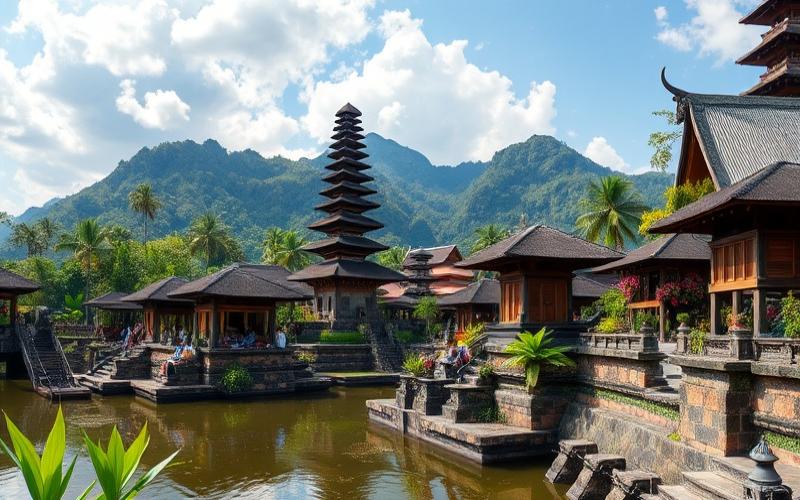
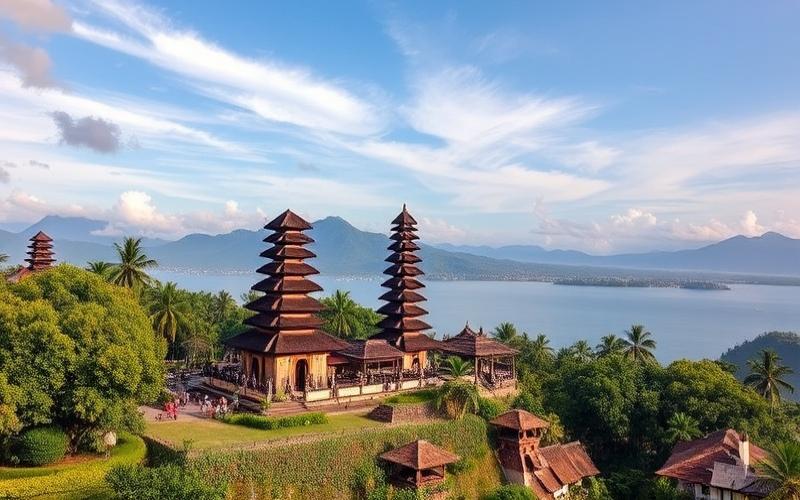
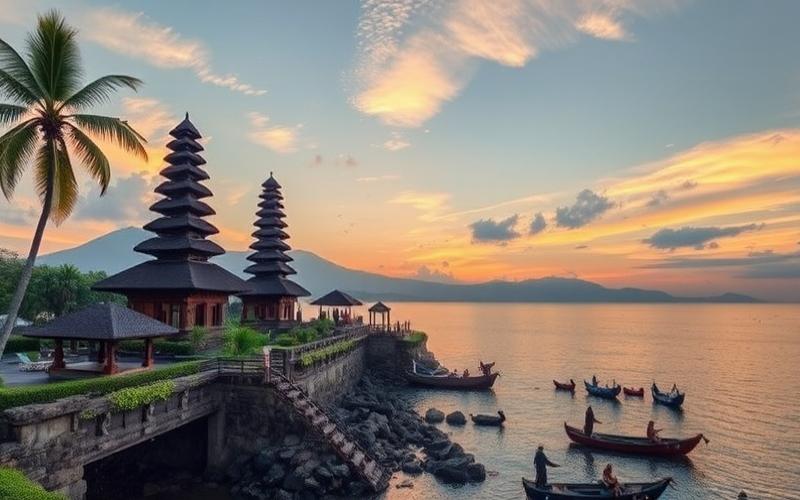
Bali attracts an international community of digital nomads for several major reasons: affordable cost of living, spectacular natural landscapes, vibrant local culture, and infrastructure suited for remote work.
Affordable Cost of Living
- Monthly rent for comfortable housing: $500 to $800 (villa or apartment with office space).
- Total monthly expenses (including accommodation, food, transportation, coworking): between $1,275 and $1,820.
- Costs vary depending on lifestyle and location on the island; Ubud generally remains cheaper than Canggu or Seminyak.
| Expense Category | Monthly Range (USD) |
|---|---|
| Housing | 500 – 800 |
| Utilities | 50 – 100 |
| Internet | 30 – 50 |
| Food | 200 – 300 |
| Transportation | 50 –70 |
| Coworking | 100 –200 |
| Entertainment | 100–300 |
Natural Beauty and Inspiring Setting
- Paradise beaches lined with palm trees.
- Iconic terraced rice fields around Ubud.
- Majestic volcanoes like Mount Batur.
- Year-round tropical climate offering an environment conducive to both relaxation and creative work.
Attractive Local Culture
- Daily life punctuated by Balinese Hindu ceremonies.
- Varied cuisine blending Indonesian traditions and international influences.
- Warm hospitality that facilitates integration for newcomers.
Infrastructure for Remote Work
Proliferation of modern coworking spaces with high-speed wifi, ergonomic workstations, and relaxation areas.
Equipped cafes welcoming remote workers from around the world in a friendly atmosphere.
Active Community and Professional Networks
Bali is home to one of the world’s largest digital nomad communities.
Networking is facilitated through:
- Dedicated Facebook groups
- Regular networking events in shared spaces
- Collaborative workshops (tech, digital marketing…)
This vibrant environment fosters both informal professional encounters and lasting friendships around shared interests.
Positive Impacts
Local economic stimulation through:
- Increased consumption in restaurants, short-term rentals
- Job creation related to tourism or digital services
Spread of entrepreneurial spirit inspiring some young Balinese
Observed Negative Effects
Rapid increase in rental market:
- Rents sometimes rise at the expense of local residents who struggle to keep up with inflationary pace
- Increased risk of gentrification in villages popular with expatriates
Tensions can emerge when massive foreign presence profoundly alters the local social fabric.
Local Initiatives Addressing Challenges
Implemented by some Balinese municipalities:
- Quotas on short-term rentals
- Tax incentives encouraging responsible investments
- Intercultural workshops promoting mutual respect between local residents and expatriates
The balance between international appeal and preservation of Balinese lifestyle is now an integral part of the island’s public debate.
Good to Know:
Bali is favored by digital nomads for its affordable cost of living, captivating natural beauty, and dynamic local culture, enhanced by modern infrastructure suited for remote work like coworking spaces and good internet connectivity. The presence of an active community fosters professional and social networks, offering collaboration opportunities and experience sharing. However, this massive influx influences the rental market, leading to rent increases that can create tensions with local residents, prompting some to reconsider their approach by proposing eco-tourism initiatives or responsible rentals to mitigate the impact.
The Rise of Coliving: Meeting Digital Nomad Needs
Digital nomads choose coliving in Bali for specific reasons that perfectly match their mobile and connected lifestyle. Coliving stands out from traditional housing options (individual rentals, hotels, or hostels) through its integrated, social, and flexible approach.
Reasons Digital Nomads Choose Coliving
- Affordable Cost: Coliving spaces offer all-inclusive rates (rent, utilities, cleaning), facilitating budget management and avoiding surprises.
- Flexibility: Short or adjustable contracts suited to frequent temporary stays among digital nomads.
- Community: The opportunity to immediately join an international group sharing similar values fosters mutual support and breaks the isolation often felt when moving to a new place.
- Administrative Simplicity: Simplified booking, sometimes possible directly via WhatsApp or email.
Adaptation to Professional and Personal Requirements
Coliving spaces are specifically designed to meet the dual need for effective work and personal balance:
| Requirements | Solutions Provided by Coliving |
| Internet Connection | Stable high-speed Wi-Fi included |
| Dedicated Spaces | Integrated/shared coworking |
| Privacy | Private rooms with bathrooms |
| Socialization | Friendly common areas |
Concrete examples like Outpost Ubud or Dojo Bali illustrate this combination between comfortable accommodation and high-performance professional infrastructure.
Typically Offered Services
- Furnished private room
- Unlimited access to coworking spaces
- Regular cleaning
- Equipped shared kitchens
- Relaxation areas (pool, garden)
- Regular community events (professional workshops, yoga, social gatherings)
This “turnkey” offering greatly facilitates quick setup for newcomers while maximizing their productivity.
Community and Economic Benefits
Community Benefits:
- Quick social connections thanks to cultural diversity.
- Regular opportunities for informal professional networking.
Economic Benefits:
- For residents:
- Cost sharing (electricity/internet included).
- Lower rates than individual rentals with equivalent services.
- For the region:
- Increased local economic vitality through consumption in surrounding businesses.
- Stimulation of real estate sector dedicated to specialized long-term tourism.
Impact on Local Rental Market
The massive development of coliving has several effects:
Prices
- Prices in some popular neighborhoods tend to increase under pressure from strong international demand for this flexible accommodation type.
Availability
- Some housing previously intended for locals is converted into structures adapted to the “nomadic” market, thus reducing classic supply accessible to permanent Balinese residents.
Economic Dynamics
- Growing professionalization of real estate sector oriented toward demanding foreign clientele; indirect creation of local jobs in property management and alternative hospitality.
The best examples include Outpost Ubud Coliving & Coworking: modern private rooms + unlimited coworking access + daily events; Dojo Bali Coliving where every resident automatically gets an ergonomic shared desk. These places perfectly embody how the model adapts to both intense professional rhythm and vital desire for authentic human connection.
Good to Know:
Coliving in Bali has become a favored solution to meet digital nomad needs, offering a more flexible and economical alternative compared to traditional housing. Coliving spaces like Roam Ubud and Outpost are equipped to meet professional requirements with high-speed internet access, shared workstations, and meeting rooms essential for remote work. On the personal side, they offer fully furnished accommodations with cleaning included, and often shared kitchens to encourage social interaction. This community dynamic is reinforced by regular events designed to foster networking and professional exchanges. By hosting these mobile workers, coliving energizes the local economy while impacting Bali’s rental market, causing slight rent increases in some popular areas. However, it also helps revitalize certain parts of the island by attracting an active international clientele and promoting a flourishing digital economy.
Rental Market Transformation: Impact of Short-Term Stays
The rise of the digital nomad phenomenon in Bali has led to a significant increase in demand for short-term stays. This trend accelerated since post-pandemic border reopenings, with a notable influx of remote workers seeking flexibility and attractive living environments. Neighborhoods like Canggu, once peaceful Balinese villages, have seen their rental offerings profoundly transform: traditional long-term rentals are gradually giving way to furnished accommodations adapted to the ephemeral and international needs of digital nomads.
Rental Market Evolution
- Mass conversion of local residences into temporary housing
- Accelerated construction of new residential complexes targeting this clientele
- Proliferation of shared spaces (coworking/connected cafes)
| Year | Estimated Number of Digital Nomads | Short-Term Occupancy Rate (%) | Rental Price Change (%) |
|---|---|---|---|
| 2019 | ~20,000 | 40 | +5 |
| 2022 | ~35,000 | 62 | +14 |
| 2024* | >50,000 | >75 | +21 |
New Digital Platforms
The emergence and rapid expansion of platforms like Airbnb, Booking.com, or Travelio have facilitated these short stays by offering international visibility to local property owners. Meanwhile, Bali-specific applications (for example Flokq or RoomMe) specialize in shared housing or “co-living,” meeting digital nomads’ community preferences.
Economic Impact for Local Property Owners
- Substantial income increase from seasonal rentals compared to traditional leasing
- Facilitated access to international market via digital platforms
- Strong incentive to invest in improvement/expansion of private real estate portfolio
“The massive arrival of foreign remote workers has triggered an unprecedented wave in local real estate development as well as marked inflation on the island”
Consequences for Balinese Residents
The gradual scarcity of accessible long-term housing directly impacts the local population:
- Significant increase in average monthly cost: some popular neighborhoods have seen prices double over five years.
- Gradual displacement away from city centers or main tourist areas.
- Growing feeling of exclusion facing the new economic model focused on digital tourism.
Summary List of Implications:
- Net decrease in available housing stock for local families.
- Generalized inflationary pressure on all types of urban/suburban housing.
- Social movements expressing frustration and concern about loss of community identity.
8,000 Balinese recently signed a petition denouncing not only the real estate surge but also certain nuisances related to the party lifestyle imported by this new mobile population.
Important Highlight:
The digital boom has reshaped Bali’s residential economy: while financially benefiting adaptive property owners, it nevertheless durably weakens access to affordable housing for many long-term residents.
Good to Know:
The massive arrival of digital nomads in Bali has transformed the classic rental market, particularly through the rise of short-term stays, leading to increased demand that has altered traditional rental offerings. Digital platforms like Airbnb now facilitate these short-term rentals, economically benefiting local property owners through increased revenue. According to recent data, short-term rentals in Bali have increased by 35% since 2020, a trend that however complicates access to long-term housing for residents, with rents climbing. This reflects a global phenomenon where permanent residents face reduced availability of affordable housing, challenging local authorities to regulate this growing popularity of temporary stays among digital professionals.
Disclaimer: The information provided on this website is for informational purposes only and does not constitute financial, legal, or professional advice. We encourage you to consult qualified experts before making any investment, real estate, or expatriation decisions. Although we strive to maintain up-to-date and accurate information, we do not guarantee the completeness, accuracy, or timeliness of the proposed content. As investment and expatriation involve risks, we disclaim any liability for potential losses or damages arising from the use of this site. Your use of this site confirms your acceptance of these terms and your understanding of the associated risks.

Cyril Jarnias is an independent expert in international wealth management with over 20 years of experience. As an expatriate himself, he is dedicated to helping individuals and business leaders build, protect, and pass on their wealth with complete peace of mind.
On his website, cyriljarnias.com, he shares his expertise on international real estate, offshore company formation, and expatriation.
Thanks to his expertise, he offers sound advice to optimize his clients' wealth management. Cyril Jarnias is also recognized for his appearances in many prestigious media outlets such as BFM Business, les Français de l’étranger, Le Figaro, Les Echos, and Mieux vivre votre argent, where he shares his knowledge and know-how in wealth management.