 Published on and written by Cyril Jarnias
The paradise island of Bali, Indonesia’s jewel, attracts millions of visitors from around the world each year. This constant tourist flow has a significant impact on the local real estate market, creating unique opportunities for savvy investors. In this article, we will explore in detail how tourism shapes Bali’s real estate landscape, from the most sought-after areas to price effects, including rental investment prospects.
Bali’s Real Estate Hotspots: Between Dream Beaches and Lush Rice Fields
Bali is full of popular tourist destinations, each with its unique charm and particular appeal for real estate investors. Here’s an overview of the most coveted areas:
Seminyak: Bali’s Chic Jewel
Seminyak has established itself as the destination of choice for tourists seeking luxury and sophistication. This coastal area attracts high-end clientele with its designer boutiques, gourmet restaurants, and trendy beach clubs. The real estate market there is particularly dynamic, with strong demand for luxury villas and beachfront properties.
Canggu: The Digital Nomad Paradise
Once a quiet fishing village, Canggu has become in just a few years the preferred spot for digital nomads and surfers. This rapid transformation has led to a real estate boom, with the construction of numerous modern villas and residential complexes. Investors are drawn by the area’s growth potential and increasing demand for short-term rentals.
Ubud: Bali’s Cultural Soul
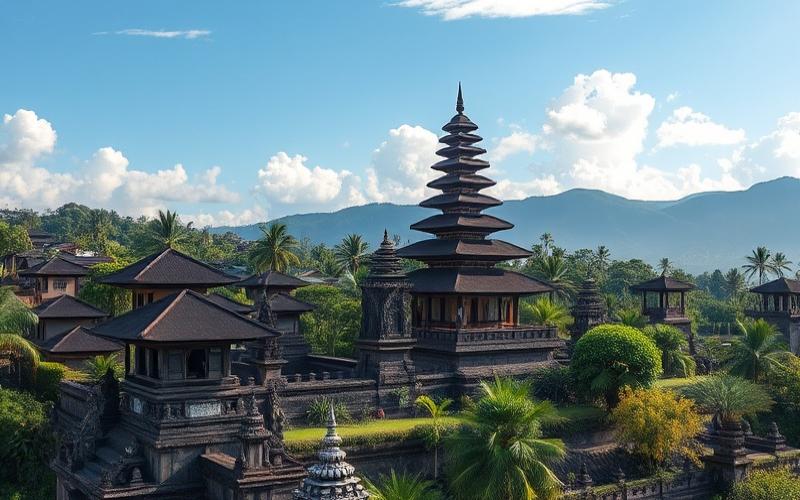
Nestled in the heart of lush rice fields, Ubud offers a more authentic and spiritual Bali experience. This region attracts tourists seeking wellness, yoga, and cultural immersion. Ubud’s real estate market is characterized by traditional Balinese properties and luxury retreats, offering an idyllic setting for investors looking for unique properties.
- Kuta: Popular destination for backpackers
- Nusa Dua: Luxury resort enclave
- Jimbaran: Fishing village turned culinary destination
Good to Know:
The most attractive areas for real estate investment in Bali are Seminyak for luxury, Canggu for its young and dynamic atmosphere, and Ubud for its cultural authenticity. Each region offers unique opportunities depending on the investor’s profile and the type of property sought.
Soaring Prices: When Tourism Drives Up Value
The constant influx of tourists to Bali has had a significant impact on real estate prices, creating both opportunities and challenges for investors.
Sustained Price Growth
For several years, the Balinese real estate market has experienced impressive growth. Property prices in the most popular tourist areas have increased by an average of 10% per year. This trend is explained by the growing demand for vacation homes and rental investments, fueled by the continuous flow of international visitors.
In Seminyak, for example, prices per square meter range between $2,700 and $3,800, while in Canggu, they range from $2,200 to $3,300. Ubud, although slightly cheaper, sees its prices rising steadily, with properties trading between $1,600 and $2,700 per square meter.
Marked Geographic Disparities
The impact of tourism on real estate prices is not uniform across the island. Southern coastal areas like Seminyak, Canggu, and Kuta have seen the most spectacular increases. In contrast, the more remote regions of northern and eastern Bali still offer opportunities at more affordable prices, although the trend is also upward in these areas.
The Scarcity Effect
Tourist pressure has also created a scarcity effect for certain types of properties, particularly luxury beachfront villas or properties with rice field views in Ubud. This scarcity helps maintain prices at high levels and attracts wealthy investors from around the world.
Good to Know:
Real estate prices in Bali are experiencing average annual growth of 10%, with significant disparities between areas. The most touristy regions like Seminyak and Canggu show the highest prices, while more affordable opportunities exist in the island’s less developed areas.
The Rental Investment Boom: Riding the Tourism Wave
The rise of tourism in Bali has created fertile ground for rental investment, offering attractive return prospects for savvy investors.
Attractive Rental Yields
Properties in Bali can generate gross rental yields ranging from 6% to 12% per year, significantly outperforming many Western real estate markets. These figures are explained by the strong demand for vacation rentals, particularly in sought-after tourist areas.
For example, a three-bedroom luxury villa in Ubud can earn up to $54,000 per year in seasonal rentals. In Seminyak or Canggu, yields can be even higher, especially for high-end properties located near beaches.
Diversification of Rental Offers
The rental market in Bali has diversified considerably to meet the varied needs of tourists. You can find:
- Luxury villas for high-end stays
- Modern apartments for digital nomads
- Traditional bungalows for a more authentic experience
- Residential complexes with services for long stays
This diversity allows investors to target different segments of the tourist market and optimize their rental income.
The Rise of Online Rental Platforms
The emergence of platforms like Airbnb has revolutionized the vacation rental market in Bali. These tools allow property owners to easily manage their assets and reach an international clientele, thus maximizing occupancy rates and rental income.
However, it’s important to note that regulations concerning these platforms are evolving, and investors must stay informed of legislative changes to ensure compliance with their activities.
Good to Know:
Rental investment in Bali can generate gross returns ranging from 6% to 12% per year. The diversification of rental offers and the rise of online platforms have facilitated the management and profitability of real estate assets. However, it’s crucial to remain vigilant about regulatory developments in the sector.
Challenges and Opportunities in Bali’s Real Estate Market
Although Bali’s real estate market offers attractive prospects, it also presents specific challenges that investors must consider.
Legal Framework for Foreign Investors
Indonesia imposes restrictions on land ownership for foreigners. Non-Indonesian investors cannot directly own land but must use long-term lease systems, called “Leasehold.” These leases can extend up to 80 years, offering relative security to investors.
An alternative is to create an Indonesian company (PT PMA) to acquire real estate. This option, although more complex, allows for greater flexibility and more extensive property rights.
Environmental Risk Management
Bali, like many tropical destinations, is exposed to natural risks such as earthquakes, volcanic eruptions, and floods. Investors must consider these factors in their investment strategy, particularly by choosing less exposed areas and taking out adequate insurance.
Growing Competition
Bali’s success as a tourist destination has attracted many investors, increasing competition in the real estate market. This situation can put downward pressure on rental yields in certain saturated areas.
To stand out, investors must focus on the quality of their properties, the originality of their offer, and professional management of their assets.
Emerging Opportunities
Despite these challenges, new opportunities are constantly emerging in Bali:
- Development of lesser-known tourist areas, offering lower entry prices
- Rise of sustainable tourism, creating demand for eco-friendly properties
- Potential for infrastructure development, particularly in the northern part of the island
These trends open new perspectives for visionary investors willing to explore beyond the beaten path.
Good to Know:
Investing in Bali presents specific challenges, particularly in terms of legal framework and environmental risks. However, the market also offers emerging opportunities, especially in less developed areas and sustainable projects. A strategic and well-informed approach is essential to succeed in this dynamic market.
Future Outlook: Bali, an Ever-Evolving Real Estate Market
Bali’s real estate market, driven by tourism, continues to evolve and present new opportunities for savvy investors.
Diversification of Tourist Areas
While traditionally popular areas like Seminyak and Ubud reach a certain level of saturation, new regions are emerging as potential hotspots for real estate investment. Areas like Tabanan, known for its spectacular terraced rice field landscapes, or Amed, famous for its black sand beaches and diving sites, are increasingly attracting investors looking for the “next big thing.”
The Rise of Sustainable Tourism
Bali is increasingly moving towards a sustainable tourism model in response to growing environmental concerns. This trend is reflected in the real estate market, with increased demand for eco-friendly properties. Investors who focus on sustainable construction, using local materials and green technologies, could benefit from a significant competitive advantage in the coming years.
The Impact of Technology
Technological evolution continues to transform Bali’s real estate market. The increasing use of virtual reality for property viewings, automated management systems for vacation rentals, and the integration of home automation in luxury villas are all trends shaping the future of the sector. Investors who adopt these innovations can enhance the attractiveness of their properties and optimize their management.
Infrastructure Development
The Indonesian government continues to invest in the development of Bali’s infrastructure, particularly with the construction of new airports and improvements to road networks. These projects open new investment opportunities in previously less accessible areas, promising significant potential growth for pioneering investors.
Good to Know:
The future of Bali’s real estate market looks promising, with the emergence of new tourist areas, an orientation toward sustainable development, the integration of innovative technologies, and continuous infrastructure improvements. Investors who anticipate these trends and strategically position their investments could benefit from substantial long-term growth.
Conclusion: Bali, a Paradise for Savvy Real Estate Investors
Bali’s real estate market, propelled by a flourishing tourism sector, offers unique opportunities for international investors. With attractive rental yields, a diversity of real estate properties, and continuous growth potential, the Island of the Gods remains a destination of choice for those looking to diversify their real estate portfolio.
However, like any investment, the Balinese market presents its own challenges. Understanding the local legal framework, managing environmental risks, and navigating an increasingly competitive market are essential for success. Investors who take the time to research thoroughly, strategically choose their locations, and adapt to emerging trends will be best positioned to profit from this dynamic market.
As Bali continues to evolve and reinvent itself, real estate investment opportunities remain abundant. Whether in established tourist areas or emerging regions, in traditional luxury or innovative eco-tourism, Bali offers fertile ground for visionary investors ready to ride the wave of real estate success.
Disclaimer: The information provided on this website is for informational purposes only and does not constitute financial, legal, or professional advice. We encourage you to consult qualified experts before making any investment, real estate, or expatriation decisions. Although we strive to maintain up-to-date and accurate information, we do not guarantee the completeness, accuracy, or timeliness of the proposed content. As investment and expatriation involve risks, we disclaim any liability for potential losses or damages arising from the use of this site. Your use of this site confirms your acceptance of these terms and your understanding of the associated risks.

Cyril Jarnias is an independent expert in international wealth management with over 20 years of experience. As an expatriate himself, he is dedicated to helping individuals and business leaders build, protect, and pass on their wealth with complete peace of mind.
On his website, cyriljarnias.com, he shares his expertise on international real estate, offshore company formation, and expatriation.
Thanks to his expertise, he offers sound advice to optimize his clients' wealth management. Cyril Jarnias is also recognized for his appearances in many prestigious media outlets such as BFM Business, les Français de l’étranger, Le Figaro, Les Echos, and Mieux vivre votre argent, where he shares his knowledge and know-how in wealth management.