 Published on and written by Cyril Jarnias
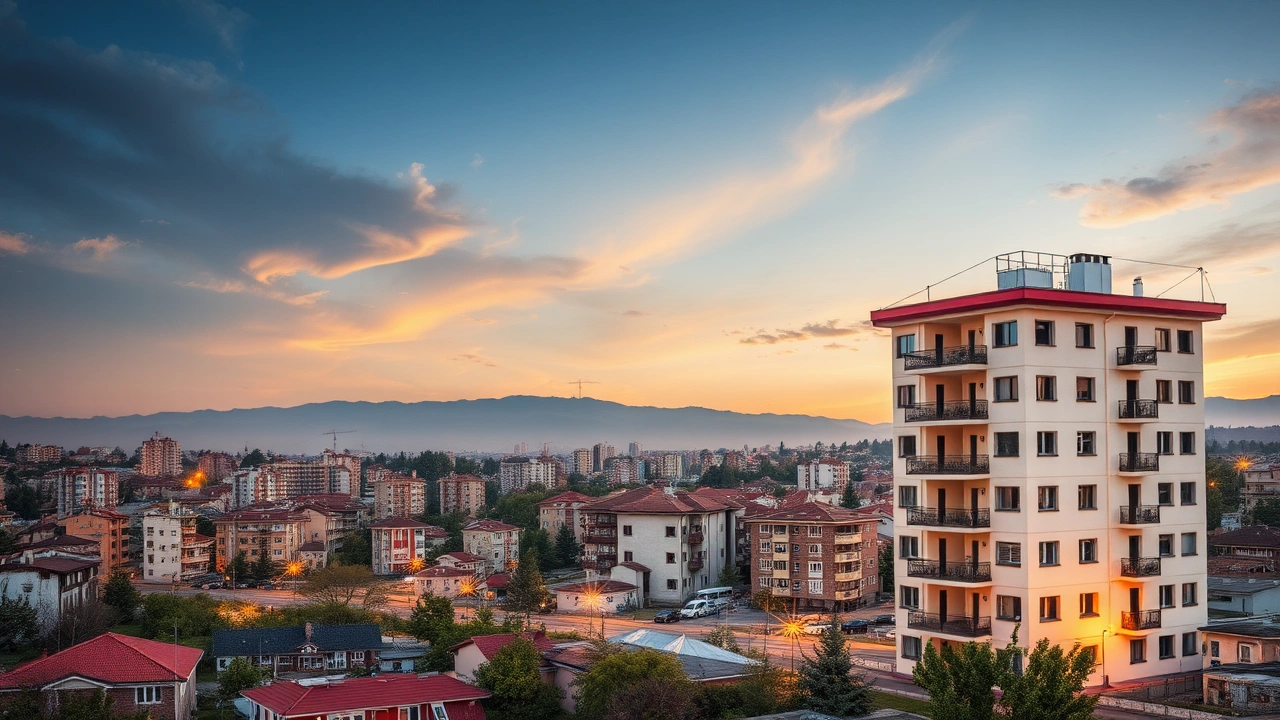
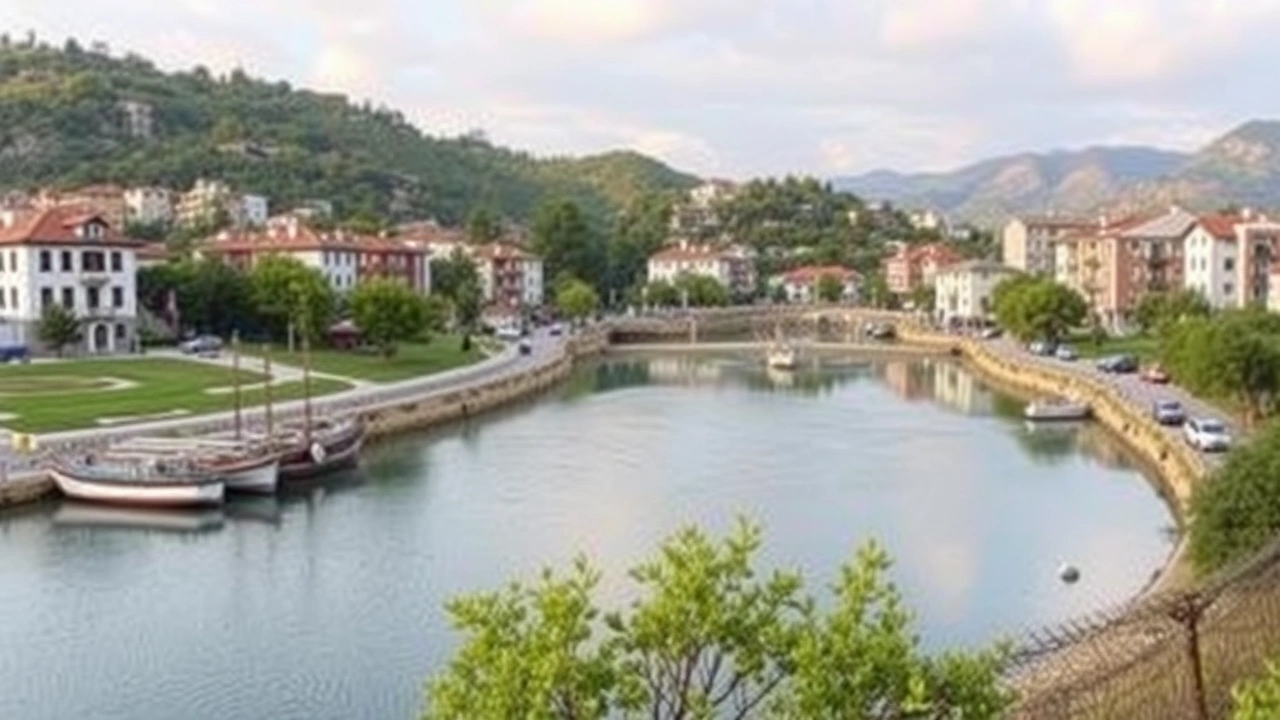
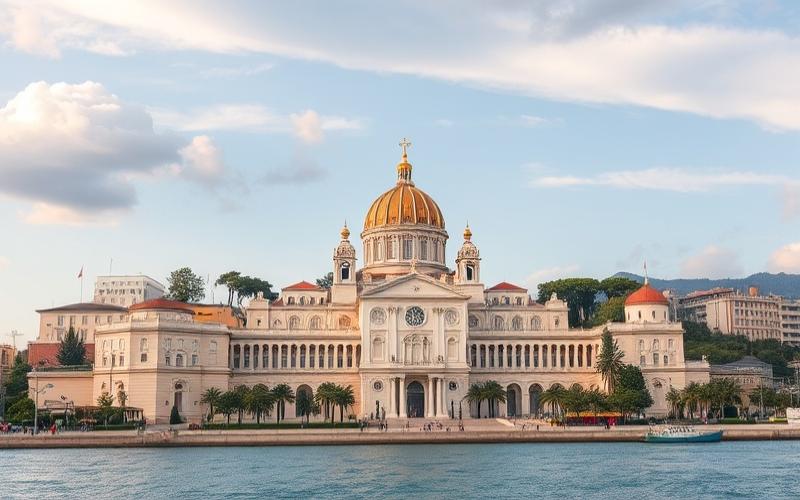
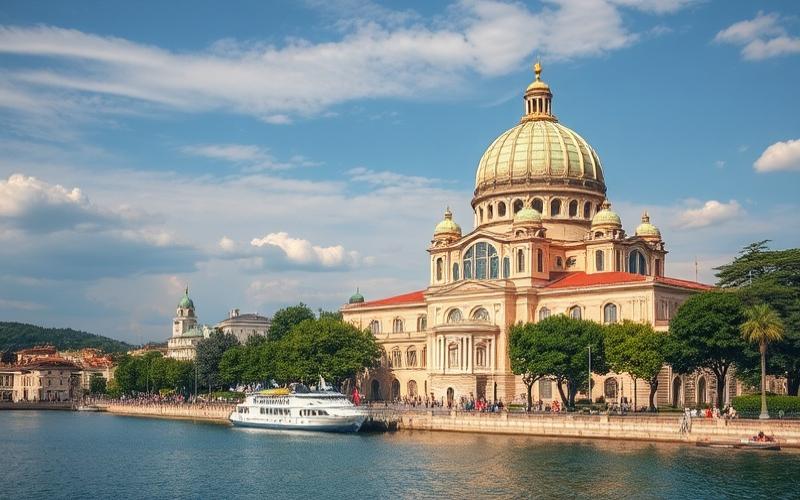
At first glance, the city of Pleven doesn’t make headlines in international agency reports like Sofia, Plovdiv, Varna, or Burgas. Yet, this city in northern Bulgaria, the country’s seventh-largest city and the major economic center of the Northwest, concentrates a series of assets that make it one of the most undervalued and promising real estate markets in the country today.
Good to know:
Pleven features very low purchase prices, decent rental yields, and a diversifying economy. A steady flow of students and healthcare professionals ensures rental demand, gradually attracting savvy investors to this emerging market.
A strategic city in the heart of northern Bulgaria
Located in the Danubian Plain, approximately 170 km from Sofia, 50 km south of the Danube, and 320 km from the Black Sea coast, Pleven occupies a pivotal position between northern and southern Bulgaria. The city lies on important north-south and east-west transport corridors, at the intersection of the national road and rail network.
2.5
The road journey between the city and Sofia Airport currently takes about two and a half hours.
This crossroads position, between the Danube to the north and the Balkan Mountains to the south, is not just a logistical advantage. It fuels a role as a commercial and administrative hub: Pleven is both a provincial capital and the economic heart of the Bulgarian Northwest. In other words, the city concentrates public services, headquarters of many companies, and the region’s main health and education facilities.
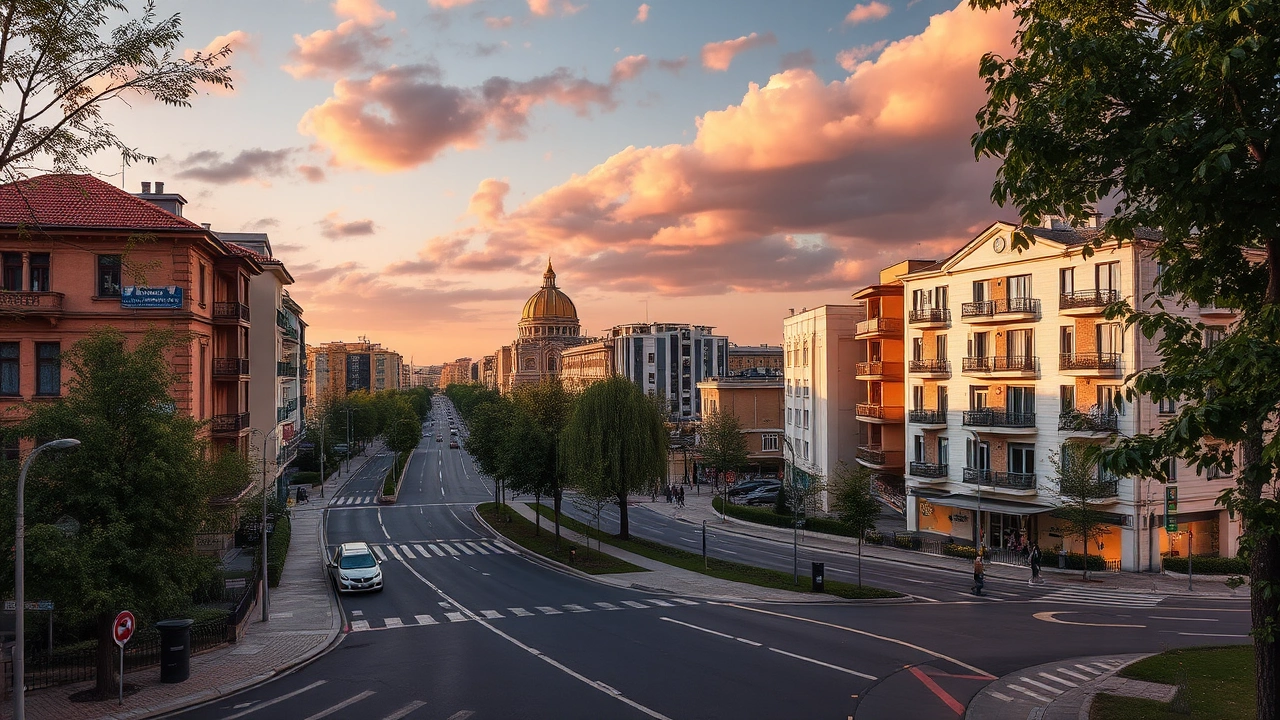
A lively and well-equipped urban environment
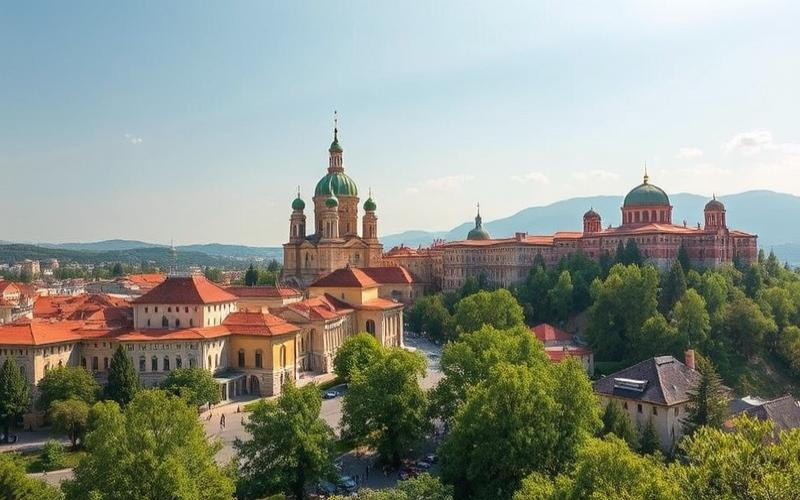
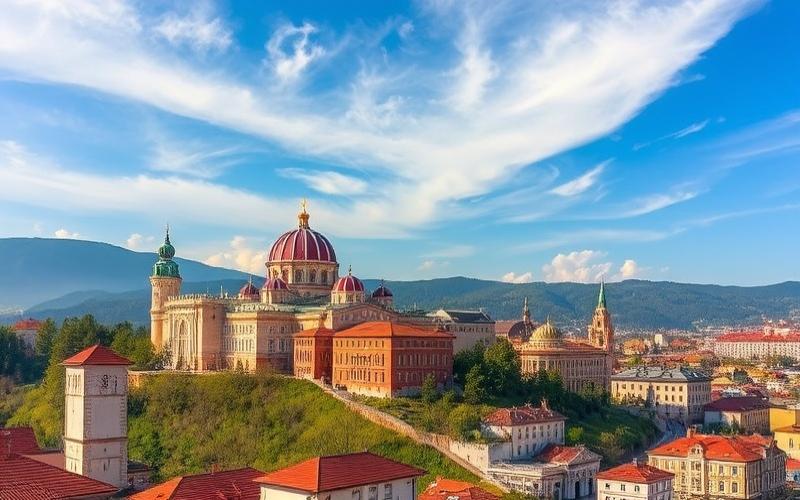
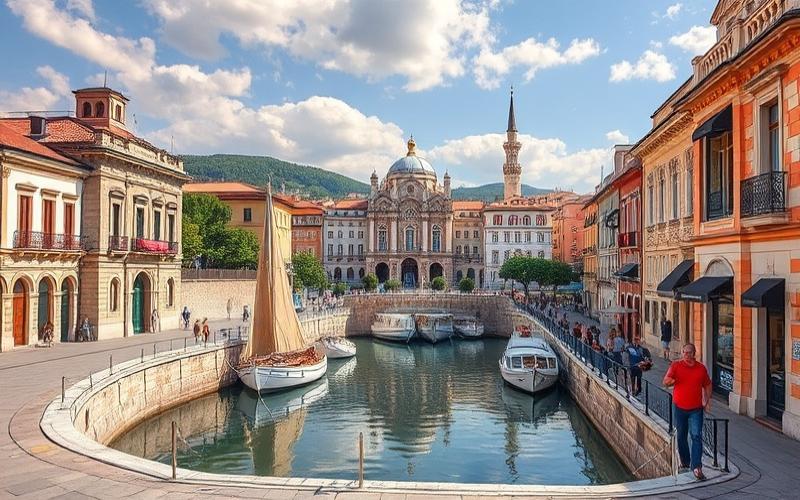
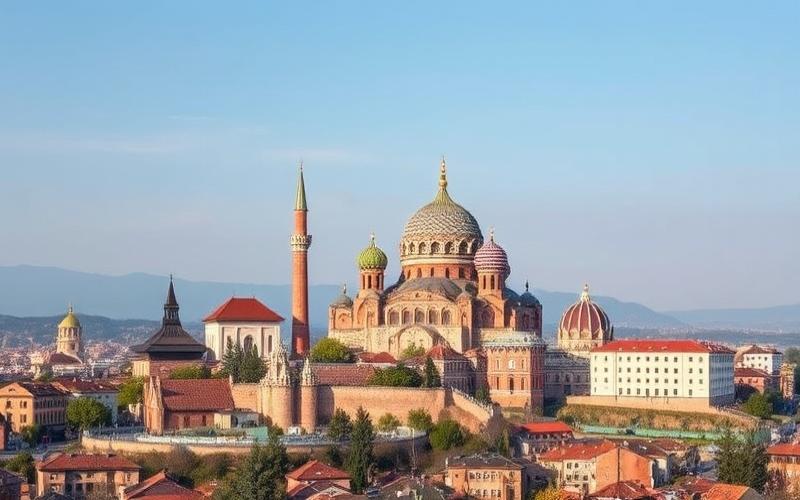
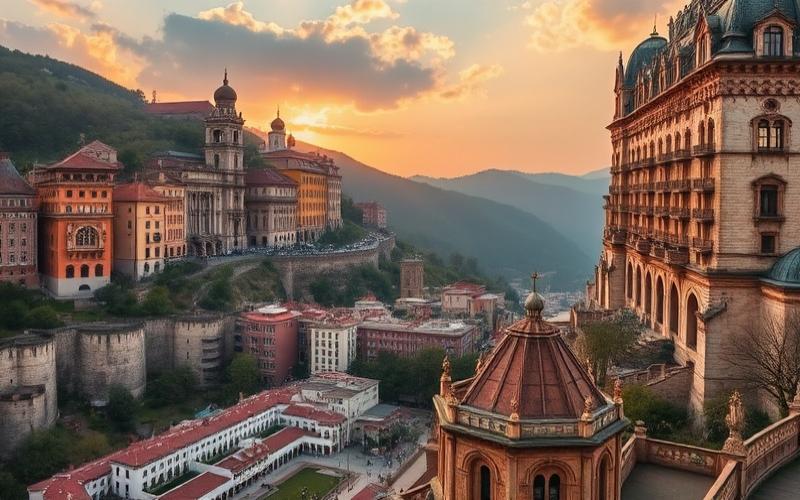
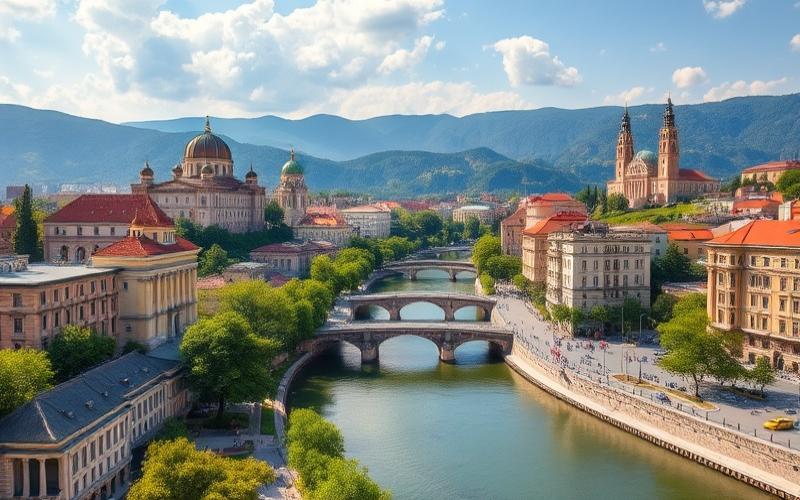
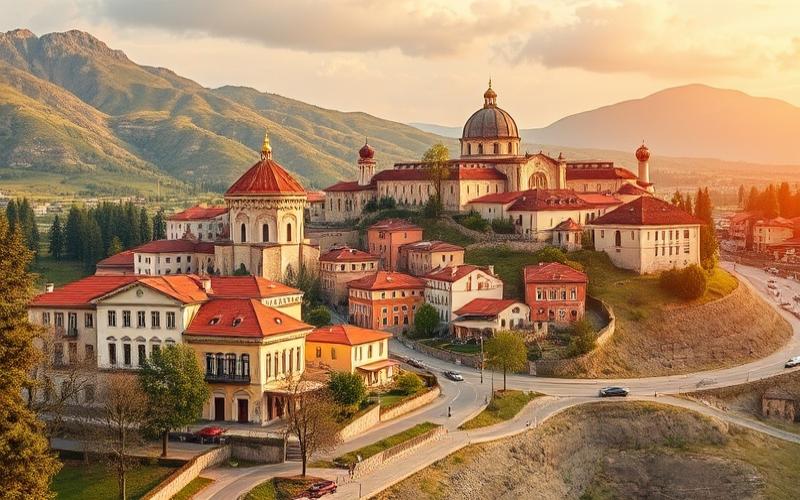
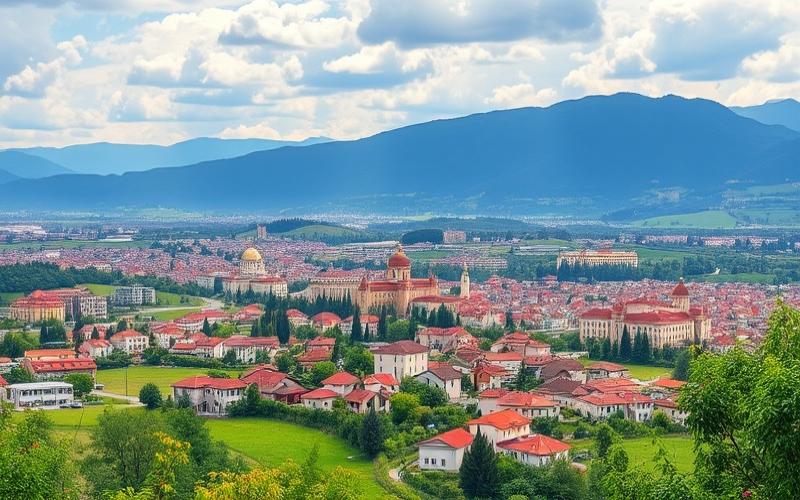
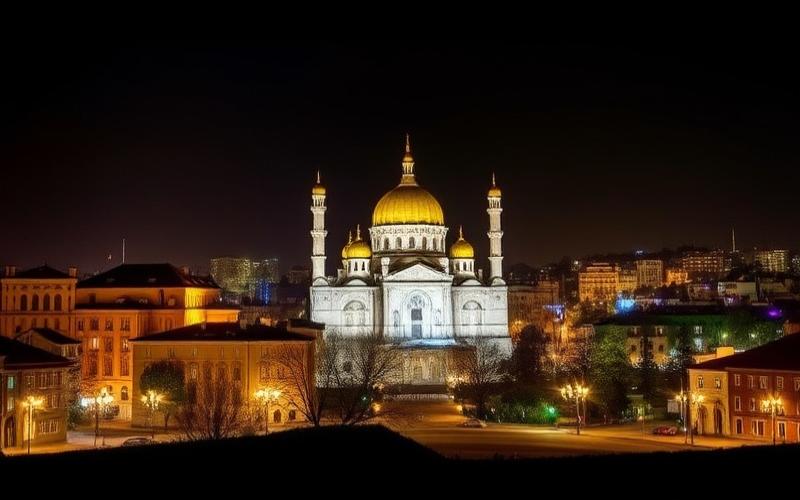
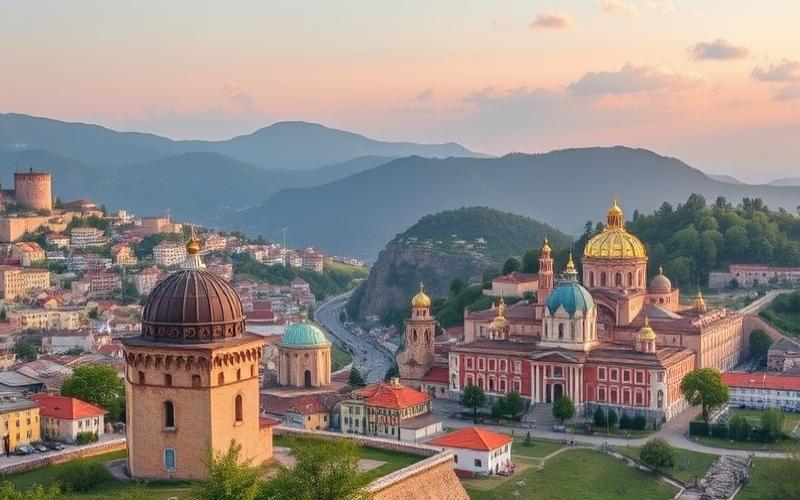
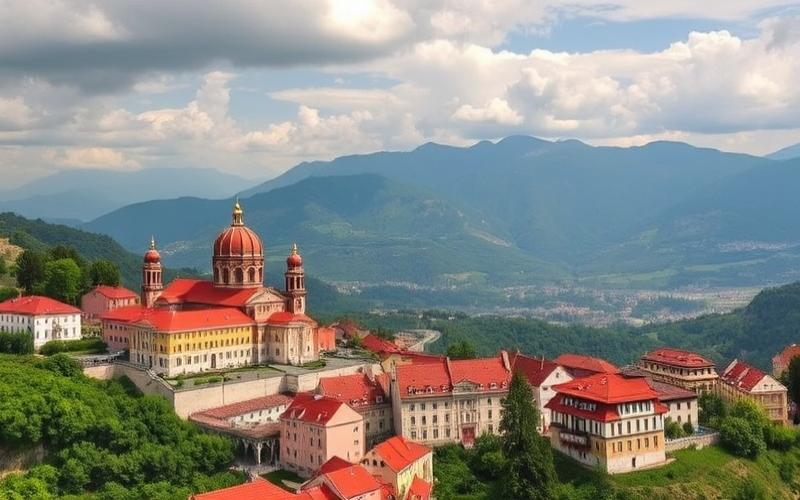
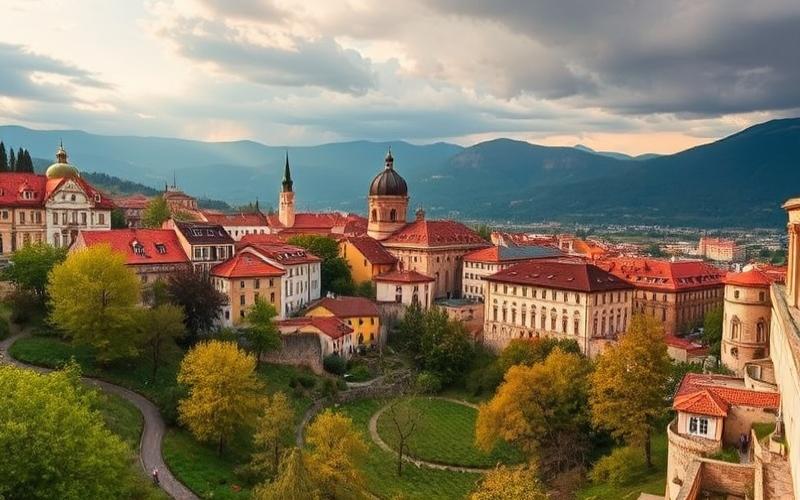
Beyond the numbers, the quality of life plays a key role in real estate attractiveness. Pleven stands out for its relatively dense urban fabric, rich cultural offerings, and a heritage strongly marked by the Russo-Turkish War of 1877‑1878. The Pleven Panorama, the St. George the Victorious Memorial Chapel, the Regional Historical Museum, and the Ivan Radoev Drama Theater structure a unique urban identity, supported by notable attendance at museums and performance halls.
Example:
The city of Pleven, Bulgaria, is renowned for its numerous green spaces and parks like Kaylaka and Skobelev, offering a quality of life appreciated by families, retirees, and remote workers. Its continental climate is characterized by cold and snowy winters, mild springs, and warm summers, with an average annual temperature of about 12 °C and around 580 mm of precipitation, similar to other Central European cities without lasting extremes.
The provision of daily services is dense: several hypermarkets (Billa, Lidl, Kaufland, Carrefour, METRO, Praktiker, HomeMax…), two large shopping malls opened in 2008 and a third, Panorama Mall, inaugurated in 2014, varied dining options, cafes, and a present but not overwhelming nightlife. In terms of mobility, the city strongly relies on its network of trolleybuses and accessible buses (low floor, ramps, payment by cash, card, or app), complemented by a fleet of taxis for occasional trips.
For a rental investor, this means a complete urban environment, capable of attracting and retaining tenants over the long term.
Demographics and socio-economic profile: a solid regional market
With approximately 90,000 inhabitants in the city and over 260,000 in the province, Pleven is the third-largest city in the north of the country (after Varna and Ruse) and the seventh nationally. Urban density exceeds 850 inhabitants per km², a sign of a true city and not just a provincial town.
Attention:
Like many Central European regions, Pleven’s demographics are marked by significant aging (nearly 29% of the population is over 65), a low birth rate, and negative natural growth. Net migration is slightly negative at the provincial scale, but the city itself benefits from modest inward flows from rural areas of northern Bulgaria, thus functioning as a regional attraction hub that stabilizes its population.
Socially, just over 30% of 25-64 year olds hold a higher education diploma, a significant level for a city of this size. The employment rate for 15-64 year olds reaches over 76%, with unemployment around 7.6%, down from the mid-2010s. GDP per capita is around 17,700 BGN, with an average gross annual salary of about 19,000 BGN. However, a significant portion of the population remains exposed to poverty (over 25% below the national threshold), which is reflected in low real estate prices, but also guarantees a pool of labor for industry and services.
Tip:
For the investor, the rental market is socially mixed but structurally fueled by three key segments: emerging middle-class households, students, and medical or industrial personnel.
A transforming economy favorable to real estate
Historically, Pleven was a bastion of socialist industry: oil refining, metallurgy, machinery construction, textiles, agri-food. The post-1989 transition led to the closure of many factories and a severe crisis, but the city has gradually rebounded around a more diversified economic fabric.
The dominant sectors today encompass chemicals, textiles and clothing, agri-food, cement and glass manufacturing, mechanical engineering, agriculture, retail, services, logistics, and renewable energy. The value of production per employee exceeds 90,000 BGN per year, a sign of decent productivity, while more than 50 non-financial enterprises exist per 1,000 inhabitants – a non-negligible entrepreneurial network.
13
Number of hospital beds per 1,000 inhabitants in Pleven, illustrating the density of its healthcare network.
Surrounding this base, Pleven is investing in industrial parks and technological zones, such as the Industrial Park Pleven, certified by the Ministry of Economy in 2023 and presented as the country’s first “green” industrial park. Spanning over 200,000 m², it offers plots from 3,000 to 18,000 m² for production and storage activities, with high construction density, significant electrical supply, a planned 5 MW photovoltaic park, gas connection, and potential for internal railway lines. This is complemented by a “Logistics Park BPD Pleven” and numerous industrial plots for sale in various city zones.
Support for regional investments
Investments in the regions benefit from European and national funding to stimulate economic development and job creation.
Funding for transport infrastructure, innovation, renewable energy, and entrepreneurship.
Measures by national authorities to complement European funds and support projects.
Specific aid for job-creating projects in the regions.
The resulting economic dynamic directly fuels demand for industrial and logistics premises, as well as housing for employees, engineers, managers, and students.
A significantly undervalued real estate market
Compared to major Bulgarian cities, the Pleven real estate market remains very affordable. The most recent data place the average price of a city apartment between 500 and 1,000 euros per square meter, significantly below the national average of about €1,100/m² and well below Sofia, where prices already exceed €2,000/m².
Figures in local currency, collected up to January 2025, confirm this undervaluation:
| Indicator | City Center | Outside Center |
|---|---|---|
| Average Purchase Price (BGN/m²) | 2,510 BGN/m² | 1,950 BGN/m² |
| 1-Bedroom Rent (BGN/month) | ~587.6 BGN | 300 BGN |
| 3-Bedroom Rent (BGN/month) | 1,000 BGN | ~575 BGN |
| Gross Rental Yield | 4.98 % | 3.45 % |
| Price-to-Income Ratio | 8.06 | — |
With an average net salary of about 1,383 BGN per month, the mortgage burden represents on average 63% of income, for a fixed interest rate over 20 years around 4.9%. The market therefore still appears accessible for local households while remaining attractive for investors comparing these price levels to those of Western Europe or even Sofia.
118
Lowest price per square meter observed for some houses in rural areas near Pleven.
Rental yields and market ratios
For an investor, the interest is not limited to the low entry price. Gross rental yields constitute another key indicator. In Pleven, price-to-rent ratios reveal a still reasonable market, especially compared to the capital.
The city’s indices are as follows:
| Market Indicator | Estimated Value |
|---|---|
| Gross Yield (Center) | 4.98 % |
| Gross Yield (Outside Center) | 3.45 % |
| Price-to-Rent Ratio (Center) | 20.07 |
| Price-to-Rent Ratio (Outside Center) | 28.95 |
| Price-to-Income Ratio | 8.06 |
| Mortgage Affordability Index | 1.58 |
A gross yield close to 5% in the city center places Pleven in the upper range of medium-sized Bulgarian cities, especially considering the more moderate risk and historically low volatility of local prices. Speculative pressure is significantly lower than on coastal markets or in the capital.
Good to know:
Rents in Bulgaria remain affordable, ranging from about 300 BGN for a well-located one-bedroom outside the center to 1,000 BGN for a large three-bedroom in the city center. This moderation limits the risk of non-payment while ensuring interesting cash flow for investors, particularly if part of the purchase was financed with equity.
Rental demand supported by three drivers
The stability of rental demand in Pleven rests on three complementary pillars, which structure different investment strategies.
Students and young professionals: the university foundation
The Medical University of Pleven attracts a significant number of local and foreign students (notably from Asia, the Middle East, and Africa) each year, coming to follow medical programs in English. This population generates a constant need for studios and small apartments close to the campus, university hospitals, and the center.
Good to know:
One-bedroom apartments or studios are the majority and in high demand throughout the academic year. The best yields are obtained with renovated, furnished properties with a good internet connection, offered for long-term or medium-term rent.
Healthcare professionals and industry employees
The major hospitals, private clinics, pharmaceutical companies, and the local industrial sector recruit doctors, nurses, technicians, engineers, and managers. These profiles seek comfortable housing, often 2 or 3 bedrooms, in quiet neighborhoods but well-connected to the center and main transport routes.
These tenants generally present a good solvency profile and stay for relatively long periods, which perfectly suits investors who prioritize stability over high turnover like “student shared housing.”
Tourism, short stays, and furnished rentals
Tourism in Pleven is developing around three components: history (notably the Russo-Turkish War), wine (the region has recognized wine tourism potential), and health (cost-competitive medical care, especially in surgery or cardiology).
On short-term rental platforms like Airbnb, about twenty active properties are listed, mostly entire apartments, most with one or two bedrooms. Available data shows that:
| AirBnB Indicator (May 2024 – April 2025) | Approx. Value |
|---|---|
| Number of active listings | 23 |
| Median monthly revenue | ~ $424 |
| Monthly revenue of top 10% | ≥ $1,211 |
| Median occupancy rate | ~ 27 % |
| Occupancy rate of top 10% | ≥ 71 % |
| Median daily rate | ~ $48 |
The volume is still modest, but the supply remains limited, leaving room for growth for quality properties targeting tourist or medical clientele. The peaks in revenue and occupancy show that optimized strategies (central location, careful decoration, professional management) can deliver above-average performance.
Overview of neighborhoods and their potential
For an investor discovering Pleven, neighborhood names may seem confusing. Yet they refer to well-differentiated realities in terms of population profile, price, appreciation potential, or rental strategy.
City Center (Tsentar / Idealen Tsentar and Shirok Tsentar)
The administrative and commercial heart concentrates the main services, institutions, shops, theaters, restaurants, and cafes. Prices per m² are naturally the highest in the city but remain much lower than in Sofia or Varna. Properties here offer instead:
– better liquidity than in the outskirts,
– strong rental demand, both long-term and short-term,
– medium-term appreciation potential, notably thanks to renovation projects for squares, parks, and pedestrian zones.
Recent listings show, for example, one-bedroom apartments of 40 to 70 m² between 50,000 and 140,000 euros depending on condition, building, and micro-location. Upscale furnished rentals clearly have their place here.
Storgozia, Druzhba, Kaylaka, and 9‑ti Kvartal
Storgozia and the various Druzhba sectors (1 to 4) form large residential areas, often consisting of panel buildings from the socialist era, sometimes partially renovated. There are also interesting buildable land plots for new projects, as evidenced by the numerous listings for plots from 700 to over 5,000 m², with very variable prices (from less than €40/m² to over €150/m² depending on location and intended use).
Good to know:
The Kailaka area benefits from proximity to the eponymous natural park, a popular spot for recreation and local tourism. Plots there are particularly sought after for building small villas, vacation homes, or tourist accommodation projects.
9‑ti Kvartal (9th district) stands out for its offer of both housing and buildable land, with plots from 474 to 4,000 m² at prices ranging between about €32 and €190/m². This neighborhood well illustrates the room for maneuver for investors who wish to undertake development or simply “bank” land anticipating urban expansion.
Other residential areas
Neighborhoods like Skributna, Lazar Draganov, Voden, Panorama, Mara Dencheva, Kaleto, Murtvata Dolina, Hadzhi Gidi, Strazata, Dvata Pametnika, or Momin Geran present varied profiles, combining collective housing and single-family homes, sometimes in a very green environment (Voden, Murtvata Dolina), sometimes steeped in history (Kaleto, Dvata Pametnika).
Good to know:
Neighborhoods like Panorama, renowned for their open views and residential appeal, offer investment opportunities. By moving slightly away from the city center, investors can benefit from lower prices per m² and target a mainly family clientele.
Industrial zones
Finally, the various industrial zones – to the west, east, or in specific sectors – host land for productive purposes. Prices, sometimes as low as €20/m² on the periphery, rise to over €250/m² for particularly well-located plots or those benefiting from specific usage permits (concessions, ready-to-start projects).
For a corporate investor, these lands offer a very competitive entry ticket for establishing workshops, warehouses, logistics cells, or production units, especially since the state and European funds actively support this type of project.
Land, houses, apartments: a range of options
The real estate supply in Pleven is remarkable for its variety.
Apartments represent the core of the urban market, with a wide range of studios, 1-bed, 2-bed, 3-bed apartments at all price points. Newer constructions, often well-insulated with modern amenities, coexist with large apartments from the socialist era, very spacious but sometimes requiring major renovations.
166
Area in square meters of a furnished single-family house with a garage, which could interest investors for coliving or guesthouses.
Land, finally, constitutes a specific field of opportunities. A few examples illustrate the diversity of prices:
| Location | Area (m²) | Total Price | Approx. Price/m² |
|---|---|---|---|
| Kaylaka (Strazha 1) | 3,323 | 232,610 € | ~70 €/m² |
| Storgozia (village) | 1,500 | 150,000 € | 100 €/m² |
| Industrial Zone – West | 2,724 | 195,000 € | ~71.6 €/m² |
| 9‑ti Kvartal | 3,217 | 120,000 € | ~37.3 €/m² |
| 9th District (urban) | 474 | 90,000 € | ~189.9 €/m² |
| Druzhba 1 | 4,426 | 597,510 € | 135 €/m² |
| Druzhba 4 | 4,722 | 93,000 € | ~19.7 €/m² |
| Industrial Zone (plot) | 698 | 180,000 € | ~257.9 €/m² |
| Center | 800 | 104,000 € | 130 €/m² |
This table shows how price differences are significant depending on the area, intended use, and buildable potential. It allows investors with very different risk profiles to find suitable opportunities: from cheap land for the long term to premium locations already expensive per m² but very strategic.
Local taxation and holding costs
One of the main arguments in favor of real estate investment in Bulgaria lies in its moderate taxation. In Pleven as elsewhere, local taxes remain low compared to many Western European countries.
The elements to know are as follows:
3.25
The property tax rate for non-residential buildings in Pleven for legal entities is about 3.25‰ of the taxable value.
For holding, costs remain limited: a waste collection tax (often around €100 per year), condominium fees where applicable, and utility bills (water, electricity, heating). For gated complexes, annual maintenance fees can reach €1,000 to €2,000 for high-end residences, but they are rare in [Pleven] compared to seaside resorts.
Good to know:
Rental income is taxed at a flat rate of 10% on taxable income, with tax regimes that vary depending on your status (resident or non-resident) and the declaration framework (personal name or company). Real estate capital gains are also taxed at 10%, but exemptions exist, notably for a primary residence held for several years or for certain inherited properties.
Market for foreigners: legal framework and financing
Bulgaria offers a relatively simple framework for foreign investors. All can acquire apartments in full ownership. Land ownership is free for EU/EEA citizens, who enjoy the same rights as Bulgarians. For non-EU nationals, the purchase of land (and thus houses with gardens) must in principle go through the creation of a Bulgarian company (OOD), which will own the land.
The standard purchase process takes two to four weeks, sometimes up to two months, and can be done remotely thanks to a notarized and apostilled power of attorney. It includes:
10
The deposit paid upon signing the preliminary sale agreement is often 10% of the property price.
For amounts over 10,000 BGN, payment must be made by bank transfer, sometimes via a notary’s escrow account. The involvement of a lawyer is not required by law but highly recommended to secure the transaction.
Bulgarian banks also lend to foreigners, often up to 70‑80% of the property value, for a maximum of 25 years, with rates generally between 3.5 and 5% in 2025. A down payment, proof of stable income, and good debt capacity are required.
Investment strategies suited to Pleven
The profile of [Pleven] – a medium-sized city, an undervalued market, a transforming economy, structural rental demand – lends itself to several distinct strategies, whether for a private investor or a company.
1. Buy to rent long-term (residential)
The simplest strategy is to acquire one or several apartments with one or two bedrooms, ideally:
– in the city center (proximity to shops, university, hospitals),
– or in well-served residential neighborhoods like Storgozia, Druzhba, or Mara Dencheva.
The objective will be to target solvent tenants: clinical-year students, young doctors, public sector employees, industry managers, middle-class families. With gross yields close to 5% in the center and a relatively stable market, this approach prioritizes long-term security.
2. Furnished rentals to the medical community and foreign students
The weight of the medical sector and the flow of international students pave the way for more specialized products: fully furnished studios and one-bedroom apartments, carefully decorated, incorporating adapted services (high-speed internet, laundry, possibly cleaning).
Good to know:
This property, ideally located between the medical campus and the city center, can be rented at a price above the market average. It attracts a specific clientele: doctors in training, interns, visitors on placements of a few months, as well as medical tourism patients and their companions, who value increased comfort and flexibility.
3. Short-term stays and tourism (Airbnb, booking, etc.)
The tourist demand in [Pleven] remains modest but is growing, driven by history, parks, wine, and health. Figures from short-term rental platforms show that very few hosts currently occupy this niche, which limits competition.
A quality apartment, in the city center, well-photographed and managed, can achieve annual revenues well above the local Airbnb market median, especially during peaks in the high season, commemorative events, or periods of high hospital activity. The main risk remains seasonality, which requires fine-tuned price and cost management.
4. Land acquisition and development (residential or industrial land)
For investors with a more entrepreneurial profile, land in Pleven offers substantial potential. Cheap plots in up-and-coming neighborhoods (Druzhba 4, some areas in 9‑ti Kvartal, outskirts of Kaylaka or Storgozia) can be held for “land banking,” betting on continued urbanization and rising prices.
Example:
The Pleven Industrial Park illustrates the adaptability of industrial land, notably in certified parks, to accommodate depots, factories, storage platforms, or showrooms. This major municipal project offers comprehensive support to businesses, including assistance with grants, project management, and green energy solutions.
5. Renovation and repositioning of old buildings
The historic center of Pleven includes many buildings constructed in the late 19th or early 20th century, sometimes under-occupied or in need of major renovation. Transformed into modern apartments, medical offices, coliving spaces, or small tourist residences, they represent a niche for investors ready to engage in more complex rehabilitation projects but potentially generating significant value.
Risks, limitations, and points of vigilance
Investing in [Pleven] is not just about taking advantage of low prices. Some risks and limitations must be taken seriously.
The first concerns market liquidity. Compared to Sofia or seaside resorts, selling times can be significantly longer, especially for atypical properties, large surfaces, or less sought-after locations. The investment horizon must therefore clearly be medium or long term.
Attention:
Pronounced aging and the potential exodus of young people could limit the growth of local demand in the long term. It is therefore crucial to target segments driven by external flows, such as students, tourists, and professionals from other regions.
Third point: the legal quality of properties. As everywhere, some overly attractive offers sometimes hide problems with title deeds, mortgages, illegal extensions, or debt on fees. A rigorous audit of documents, conducted by a lawyer and supplemented by standard checks at the land registry and municipality, is essential.
Finally, taxation, although moderate, has subtleties (capital gains exemptions, different regimes for non-residents, VAT on certain new properties or commercial premises) that should be mastered with the help of a professional.
A window of opportunity before full market recognition
Nationally, Bulgaria has experienced a sharp rise in real estate prices over the past ten years, over 100% in several major cities. Investments have concentrated on Sofia, Black Sea resorts, and a few tourist hubs like Bansko or Veliko Tarnovo. Secondary cities like [Pleven] are entering a catch-up phase: prices remain low, but economic dynamics and regional population flows are starting to be reflected in the statistics.
Pleven positions itself as a city “under the radar” where it is still possible to buy at levels that would be unthinkable in many European regions, while benefiting from decent gross yields, good legal security thanks to the European framework, and real potential for price growth, driven by infrastructure modernization, the rise of the medical university, the expansion of industrial parks, and the support of European funds.
City of Pleven
For a private or institutional investor capable of adopting a five or ten-year vision, the equation is clear: a low entry point, rental income supported by several structural drivers, and systemic risk lower than in overheated markets. The task remains to choose the right strategy – classic residential, student, medical, land, or industrial – and to surround oneself with the right local partners to turn this potential into a concrete project.
In summary, investing in real estate in the city of Pleven means betting on a regional economic capital that is still discreet but solidly anchored, where real estate remains at price levels that, from abroad, look like an anomaly… for now.
Disclaimer: The information provided on this website is for informational purposes only and does not constitute financial, legal, or professional advice. We encourage you to consult qualified experts before making any investment, real estate, or expatriation decisions. Although we strive to maintain up-to-date and accurate information, we do not guarantee the completeness, accuracy, or timeliness of the proposed content. As investment and expatriation involve risks, we disclaim any liability for potential losses or damages arising from the use of this site. Your use of this site confirms your acceptance of these terms and your understanding of the associated risks.

Cyril Jarnias is an independent expert in international wealth management with over 20 years of experience. As an expatriate himself, he is dedicated to helping individuals and business leaders build, protect, and pass on their wealth with complete peace of mind.
On his website, cyriljarnias.com, he shares his expertise on international real estate, offshore company formation, and expatriation.
Thanks to his expertise, he offers sound advice to optimize his clients' wealth management. Cyril Jarnias is also recognized for his appearances in many prestigious media outlets such as BFM Business, les Français de l’étranger, Le Figaro, Les Echos, and Mieux vivre votre argent, where he shares his knowledge and know-how in wealth management.