 Published on and written by Cyril Jarnias
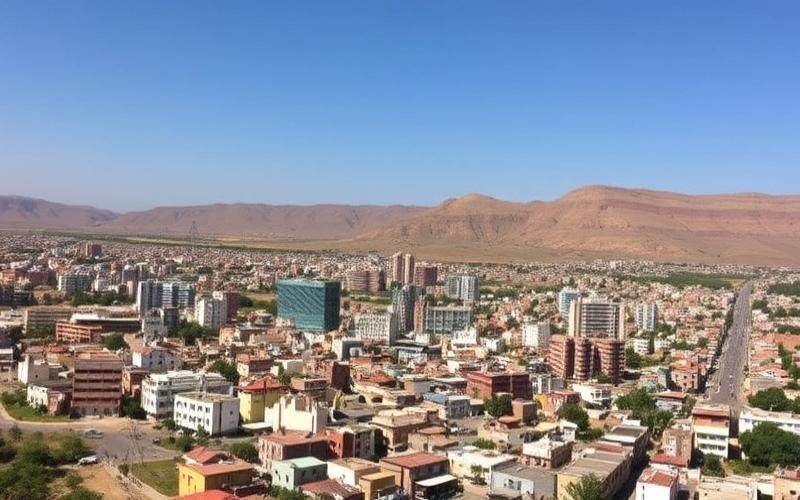
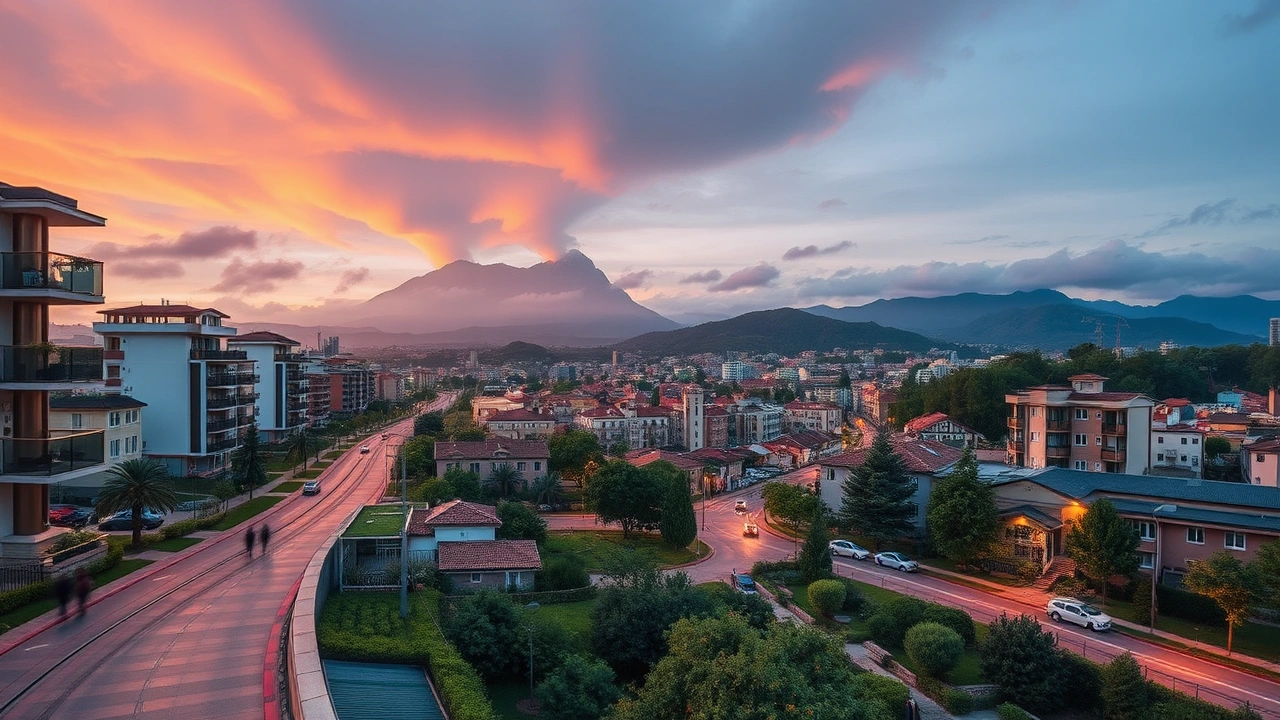
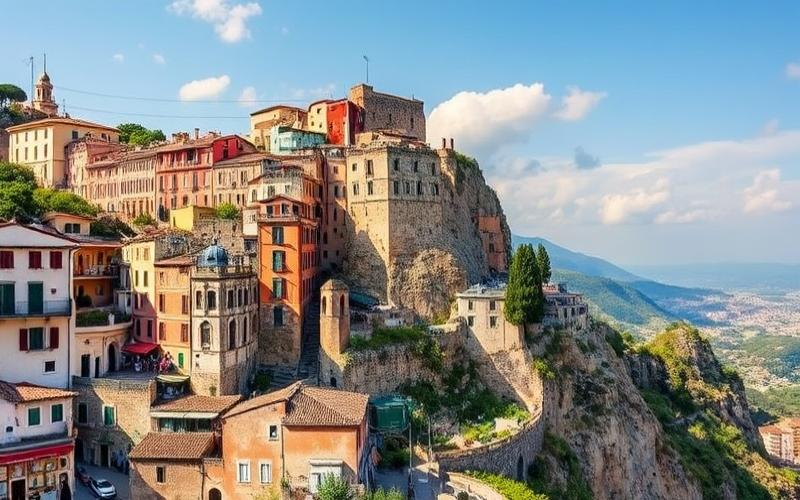
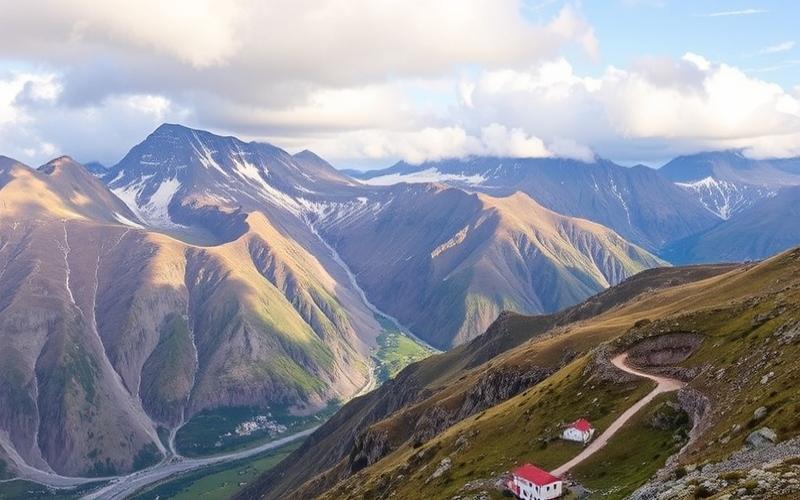
Investing in real estate in [Cetinje] means betting on a unique city within the Montenegrin landscape. A former royal capital, a “museum-city” nestled at the foot of Mount Lovćen, in the heart of an amphitheater of limestone mountains, it is located halfway between the beaches of Budva or Kotor and the major infrastructure of Podgorica. Yet, unlike the coastal cities overheated by speculation, its market remains confidential, affordable, and driven by ambitious urban and heritage requalification projects.
In the Montenegrin economic context, driven by tourism and the European perspective, Cetinje presents a niche real estate market. Supply and competition are limited there, and prices are lower than on the coast. Its appreciation potential is interesting for a medium-to-long-term investment or for a rental strategy focused on culture, nature, and heritage.
[Cetinje], a former royal capital turned “museum-city”
The status of [Cetinje] is unique: a “former royal capital” and honorary capital of Montenegro, it remains the administrative center of the municipality of the same name. Founded in the late 15th century by Ivan Crnojević, who built his court and a monastery there, the city developed around the first South Slavic printing house, the Crnojević publishing house, active from the 1490s. It owes its name to the Cetina River and is situated on a small karst plain surrounded by limestone reliefs.
Number of inhabitants in the entire municipality of Cetinje according to the 2023 census.
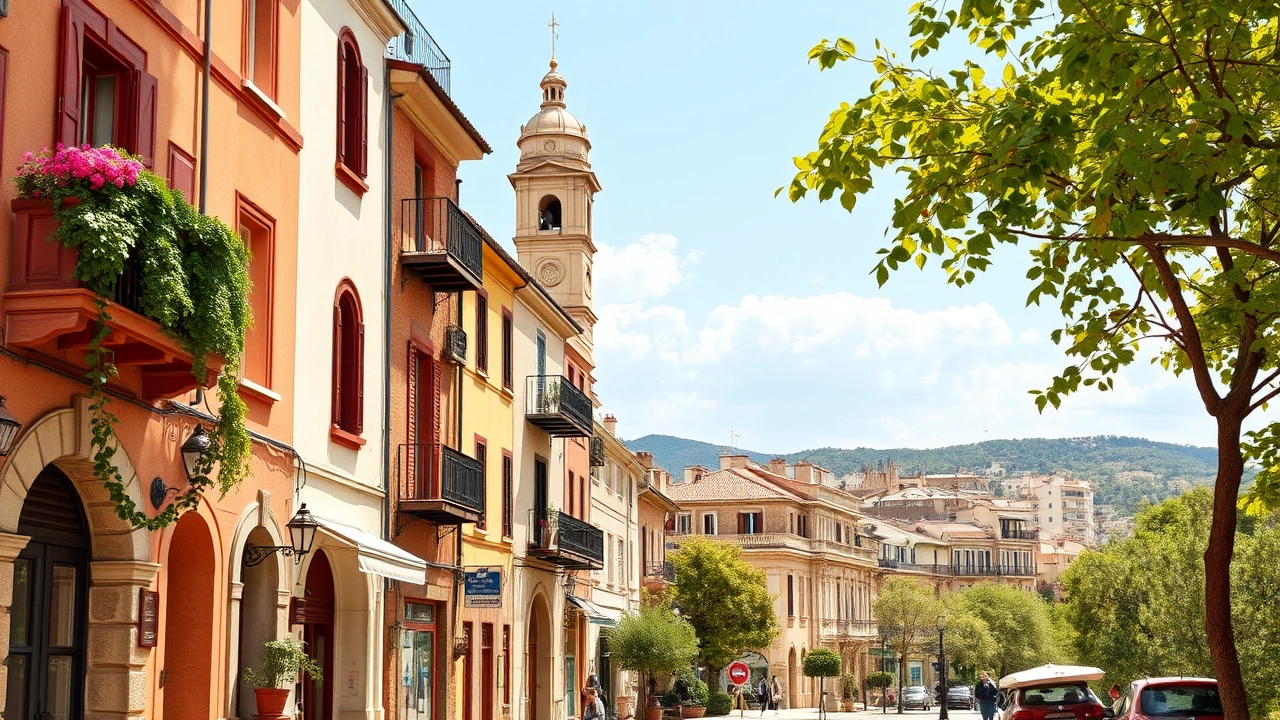
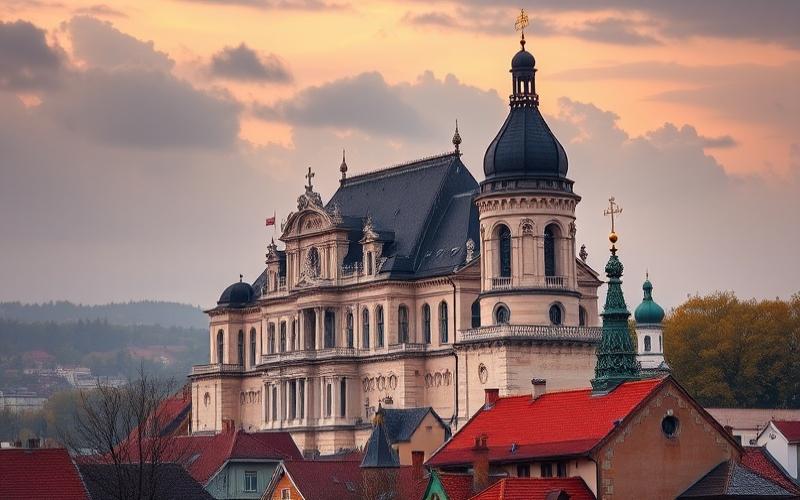
The historic center concentrates an exceptional heritage: the [Cetinje] Monastery, Vlaška Church (15th century), Biljarda royal residence, King Nikola’s Palace, Zetski Dom theater, former foreign embassies, national museums. It is this urban core that is on the UNESCO tentative list as “Cetinje Historic Core,” classified as a Category I cultural monument and a potential candidate for World Heritage status.
The heritage dimension of a destination influences the type of real estate investment possible. This translates less into new seafront towers and more into apartments in historic buildings, stone houses needing renovation, or plots on the outskirts for residential projects integrated into nature.
A niche real estate market, far from the coastal frenzy
On the scale of Montenegro, the real estate market is expanding rapidly, with average prices having jumped by more than 15% since 2023, and annual increases exceeding 20% for new homes. On the coast, prices have soared by about 50% between 2023 and 2024, due to the combined effect of international tourism, surging foreign investment, and a dwindling supply of new properties.
In Cetinje, the average price per square meter ranges between 900 and 1,500 euros, significantly below the country’s coastal areas.
Price per m² Comparison
Here is a summary of how [Cetinje] compares to the major Montenegrin areas mentioned in the available data:
| Area / City | Market Type | Indicative Price per m² (approx.) |
|---|---|---|
| [Cetinje] | Continental, historical | 900 – 1,500 € |
| Podgorica (capital) | Urban, balanced | approx. 1,580 – 1,760 € |
| Bar (coast, rising market) | Coastal, mixed | ≈ 1,400 € (2023 average) |
| Budva (riviera, mass tourism) | Premium coastal | 1,500 – 3,000 € (standard) |
| Kotor (Old Town, bay) | Historic coastal | approx. 3,000 €/m² (Old Town) |
| Tivat (Porto Montenegro, luxury) | Luxury coastal | 3,000 – 10,000+ € |
| Luštica Bay (integrated luxury resort) | Ultra-luxury coastal | 6,000 – 15,000+ € |
| Mountain towns (Kolašin, Žabljak) | Mountain, ski & nature | 900 – 1,500 € |
While the coast is clearly a seller’s market, with demand exceeding supply and relatively short sales times, [Cetinje] remains a niche market, slower, where negotiation is still possible and where patient investors can target character properties or well-priced land.
Very limited, but diversified supply
On the major real estate portals surveyed, the city only lists about a dozen ads at the time of data collection, compared to several hundred in Budva, Kotor, Bar, or Tivat. This low volume reflects two realities: a more limited stock, and, above all, a lower volume on the market, as many families keep their properties for generations.
Despite certain constraints or limitations, the available supply remains quite varied.
– apartments in central buildings (often from the 60s-80s or newer),
– typical stone houses, sometimes needing restoration, especially near Lake Skadar or in the surrounding villages,
– buildable land, including large rural plots for tourism or eco-home projects,
– commercial premises and small rental buildings in the city center.
The examples cited in recent listings give a good idea of the price range:
| Property Type | Location (examples) | Main Characteristics | Indicative Price |
|---|---|---|---|
| 2-room Apartment – 66 m² | Center of [Cetinje] | 2 bedrooms, central | 120,000 € |
| 2-room Apartment – 64 m² | Gruda neighborhood, [Cetinje] | Residential, recent | 100,000 € |
| New Apartment – 63 m² | Gruda | 2 bedrooms, recent construction | 99,500 € |
| 1-bedroom Apartment – 45 m² | New building | 3 m² terrace | 100,000 € |
| 1-bedroom Apartment – 48.3 m² | Under construction | Terrace, upcoming delivery | 70,000 € |
| Renovated Stone House – 120 m² | Near Lake Skadar | Traditional house, nature view | 540,000 € |
| Land + Old House | Near road & Skadar | 22,500 m² of land | 80,000 € |
| Large Rural Land – 167,866 m² | Near Cetinje-Budva road | Agricultural/tourism use, to develop | Price upon request |
There are also specific listings for land in the Bobija region, not far from Lake Skadar, with possibilities for building bungalows and restaurants starting from 40 €/m², opening the door to eco-tourism or glamping projects.
Macroeconomic context and legal framework: a country oriented towards the EU
To understand the appeal of [Cetinje], the investment must be placed in the broader context of Montenegro.
The national economy remains fragile as it is highly dependent on tourism, real estate, and foreign capital, but it follows a rather positive trajectory: GDP growth around 3% per year, public debt in relative decline, budget surplus, high annual flows of foreign direct investment (FDI), nearly half of which is directed towards real estate. The total volume of real estate transactions is expected to exceed 600 million euros in 2025, with a residential market estimated at nearly $20 billion.
Montenegro, a candidate for EU accession with projected membership around 2026-2027, could see a 20 to 40% increase in real estate prices during that period, based on the experience of countries like Croatia and Poland. This perspective reinforces the current upward trend, although local authorities consider the market slightly overvalued and expect a gradual normalization.
For foreign investors, the legal framework is attractive:
The acquisition of residential properties in Montenegro offers foreigners rights virtually identical to those of nationals, with no minimum value threshold for purchase and residence permit application. Taxation is moderate, with no wealth tax or inheritance restrictions for non-residents. Opening a local bank account is facilitated, with future integration into the SEPA system planned for fall 2025, simplifying transfers from the EU.
The main limitations mainly concern the acquisition of agricultural land, forests, land in national parks, or in areas sensitive for security or cultural heritage. For these categories, it is sometimes necessary to go through a Montenegrin company or obtain specific authorizations. For an apartment or a house in town in [Cetinje], a foreign investor remains in a simple framework.
Taxes, acquisition costs, and tax regime in [Cetinje]
Montenegro has implemented a fairly readable tax system, recently reformed, which applies in the same way in Budva, Podgorica, or [Cetinje]. Municipalities have some leeway to set property tax rates within a range defined by law, but the main principles are the same everywhere.
Property purchase cost
For a resale property in [Cetinje] (old apartment, house, or land), the investor will need to factor in:
– a progressive Real Estate Transfer Tax:
– 3% up to 150,000 €,
– 4,500 € + 5% of the portion above 150,000 € up to 500,000 €,
– 22,000 € + 6% for the portion over 500,000 €.
– regulated notary fees, typically around 350 € + VAT for a 100,000 € purchase,
– lawyer fees (highly recommended), often 1,000 to 1,200 € for a standard transaction,
– interpreter fees if the buyer does not speak Montenegrin,
– cadastral registration fees (0.5% of the cadastral value),
– potential international bank transfer fees (0.25% to 1% of the amount).
Percentage of additional cost for the buyer to expect on the net seller price to cover fees, excluding renovation.
In the case of a new property sold directly by a developer subject to VAT, the 21% VAT replaces the transfer tax: the advertised price normally includes this VAT, and no additional registration tax is due.
Ongoing holding taxation
Once an owner, the investor pays an annual property tax, calculated on the market value as of January 1st of the fiscal year. The national law sets ranges, but each municipality — therefore the municipality of [Cetinje] — adopts its own decision. For a residence, rates are generally between 0.25% and 1% of the value, higher for unbuilt building plots (up to 5%) and for certain commercial uses.
An annual tourist tax is often added for properties in tourist areas, but since [Cetinje] is more of a cultural and continental destination, the pressure in this regard remains lower than on the coast.
Rental taxation and capital gains
Renting a property generates taxable income. According to sources, the mentioned rate varies (9% or 15%), but the most frequently cited scheme is as follows:
Tax on rental income is about 9% under the old tax framework, with the possibility to deduct actual expenses or a lump-sum portion. A 15% VAT has recently been introduced on this income; it mainly concerns organized tourist rental activities operated as a genuine commercial business.
For seasonal rentals like Airbnb, a system of permits and categorization of accommodations has been established. The owner must register, obtain an official category (star rating), and pay the corresponding taxes.
On capital gains, the tax is set at 15% of the net gain (sale price – purchase price – improvement costs), with possible exemptions for the primary residence or certain holding periods. Again, the rules are national and do not specifically vary for [Cetinje].
Legal framework and acquisition procedure
The Montenegrin system is based on a unique and public cadastre, the “Real Estate Cadastre,” administered by a dedicated directorate. The key feature for an investor in [Cetinje] is that property is only legally acquired upon registration in the cadastre: the contract alone is not enough, registration has a constitutive effect on the right for transactions.
The standard procedure includes several steps:
Before signing a deed, a local lawyer must perform due diligence. This includes requesting a cadastral extract to verify the owner’s identity, confirming the absence of mortgages, seizures, or disputed easements, checking the registration and compliance of the property (area, use), and for buildings, verifying the existence of the building permit and occupancy permit.
This point is crucial, as a significant portion of the Montenegrin stock suffers from irregularities (illegal extensions, unlegalized buildings). In a city with sensitive heritage like [Cetinje], additional constraints related to monument protection apply: it may be impossible to modify certain facades, add floors, or use materials not conforming to conservation requirements.
– 2. Preliminary agreement and deposit It is common to sign a preliminary contract (Sporazum) that sets:
– the price,
– the deadline for signing the final deed,
– the amount of the deposit (often 10% of the price),
– the termination conditions.
The final deed is signed before a notary in the Montenegrin language, with a sworn interpreter if necessary. It must absolutely contain the clause for registration in the cadastre, the seller’s guarantees on ownership, the allocation of taxes and fees, as well as the payment conditions and handover of keys.
4. Payment of transfer tax and registration The transfer tax must be paid within a strict deadline (generally 15 days) under penalty of daily fines. The notary or lawyer then submits the registration application to the cadastre. Once the registration is validated, the buyer officially becomes the owner.
For a foreign investor, the entire procedure can be carried out by proxy, without physical presence, if a notarized power of attorney is established and legalized in the country of origin.
An attractive living environment for a specific clientele
Investing in [Cetinje] isn’t just about buying square meters: it’s about positioning oneself for a lifestyle and well-defined clienteles.
The city enjoys a cooler climate than the coast, very pleasant in summer. The beaches of Budva or Kotor remain accessible by car in 30 to 60 minutes, while the trails of Mount Lovćen are at the city’s doorstep. Lake Skadar, a huge nature reserve, is also nearby. For families or retirees, [Cetinje] offers:
Discover the main assets that make this neighborhood a pleasant and dynamic place to live.
A tranquil atmosphere with little intense traffic, ideal for relaxation.
Enjoy numerous parks and playgrounds for the whole family.
Traditional cafes and restaurants (smoked ham, cheese, doughnuts) with growing vegetarian or vegan options.
A long-standing school network, with the first primary school dating back to 1834.
A very dense cultural offering with faculties of art, theater, and music.
The city is described as clean “on average” for a small Montenegrin town, with tap water meeting European standards, free public Wi-Fi coverage (the first in the country to offer it), limited 24/7 services but supermarkets open late. Gyms or specialized studios (yoga, martial arts) are less present, reflecting a more traditional lifestyle.
The market for digital nomads remains anecdotal, with many preferring the coast or Podgorica, but the city already attracts expatriates seeking tranquility, nature, and culture, away from mass tourism.
A tourist ecosystem focused on culture and nature
Unlike seaside resorts that live to the rhythm of the summer high season, [Cetinje] plays a different card: that of culture, history, and the surrounding nature.
The main tourist assets include: picturesque landscapes, historical heritage, local gastronomy, and outdoor activities.
Discover the main cultural and historical attractions of the former royal capital of Montenegro, a museum-city of exceptional richness.
Houses major Christian relics: relics of St. John the Baptist, a fragment of the True Cross, and the icon of Our Lady of Philermos.
Explore late 19th-century public buildings: palaces, theater, historic hospital, and former embassies.
A complex of museums: art, history, ethnography, money, electrical industry, dedicated to Petar Petrović Njegoš and the monastery.
International contemporary art exhibition held every two years.
“Summer in the former royal capital”: Royal Fest, Cetinje Jazz Fest, Espressivo. Up to 50,000 visitors per season.
This identity has been strengthened by major urban requalification projects, notably the “Beautiful Cetinje” program, conducted with the UN (UNDP) and several donors (Turkish and Montenegrin governments, municipalities of [Cetinje] and Mojkovac). Between 2011 and 2019, this program enabled:
Key initiatives for the sustainable renovation and modernization of the city, integrating heritage, energy efficiency, and training.
Reconstruction of the main square (King Nikola Square) and renovation of iconic buildings: Music Academy, former Russian embassy, former “Danilo I” hospital, and historic mill.
Conducting energy audits and upgrading buildings to energy efficiency standards to reduce environmental impact.
Training for the unemployed in “green” renovation techniques, promoting employment and sustainable skills.
Organizing student urban design competitions to encourage creativity and new planning ideas.
These public investments improve the overall attractiveness of the city for visitors and residents, which is a positive signal in the medium term for property owners: a well-maintained city that values its heritage and develops its cultural ecosystem supports property value better than historic centers left in neglect.
Airbnb and seasonal rental: a niche, but structured market
Specific data on short-term rentals in [Cetinje] show a modest, but far from non-existent market. During the period May 2024 – April 2025, there were 61 active listings on Airbnb in the city and its surroundings, confirming the “niche” character of the market.
The supply structure is very clear:
– 96.7% of listings are entire homes (houses or apartments),
– 73.8% are apartments/condos,
– 62.3% of accommodations offer one bedroom (dominant configuration),
– properties with 3 bedrooms or more represent only 8.2% of the total.
In terms of amenities, travelers expect basic standards: Wi-Fi, kitchen, TV are almost mandatory. The average number of people a property can accommodate is 3.4, but the most frequent capacity remains two people.
Seasonality and performance
Seasonality is marked but less extreme than on the coast, with a peak in occupancy between July and September, and the month of August concentrating the best figures:
In high season, average monthly revenues reach about $727.
During the peak month, the best properties can reach:
– up to $859 in monthly revenue,
– 46.6% occupancy,
– an ADR of $59.
Conversely, the weakest month sees revenues around $171, 13.5% occupancy, and an ADR of about $50.
The distribution by performance well illustrates the dispersion of results:
| Airbnb Performance Level [Cetinje] | Monthly Revenue (approx.) | Occupancy (approx.) | ADR (nightly rate) (approx.) |
|---|---|---|---|
| Top 10% (“best in class”) | > $864 | > 53% | > $84 |
| Top 25% (“strong”) | ≥ $521 | ≥ 38% | ≥ $56 |
| Median (typical) | ≈ $295 | ≈ 23% | ≈ $40 |
| Bottom 25% (“entry level”) | ≈ $150 | ≈ 11% | ≈ $30 |
For an investor, these figures mean two things:
1. The absolute level of seasonal income is modest, especially compared to the coast, but the much lower purchase prices partly compensate. 2. The quality of location and product (finish, comfort, heritage storytelling) clearly makes the difference between an average property and a “best in class” one.
Who comes to [Cetinje] and where to invest for short-term rentals?
The most relevant areas for an Airbnb or seasonal rental project are those that connect to cultural and natural attractors:
Discover the main attractions of the Cetinje region and the types of visitors they attract, to better target your tourist offering.
Religious and cultural tourism clientele, sensitive to authenticity and walkable proximity.
Visitors seeking a historic atmosphere, cafes, and nearby museums.
Stays by artists, students, researchers, attracted by events and festivals.
Hikers, panorama lovers, and road-trippers combining coast and mountain.
Birdwatchers, kayakers, and travelers in search of nature.
Food tourists and visitors looking to ‘live like a local’.
For this type of investment, a well-renovated one-bedroom apartment in the old town or in immediate proximity to the main monuments can aim for performance in the top quartile if management (photos, reviews, cleaning, welcome) is professional.
Rental yields: The positioning of [Cetinje]
Overall data on gross yields in Montenegro indicate ranges of 4 to 8% depending on cities and segments. On the coast, one generally speaks of 4.4% to 7.1% for apartments, with peaks of 10% in the best integrated developments during high season. In Podgorica, yields oscillate between 5% and 7%.
For [Cetinje], available information explicitly mentions gross yields on the order of 6 to 7% for traditional apartments. This level is interesting, especially given the contained acquisition prices. It reflects two phenomena:
The rental market presents long-term rents adapted to local purchasing power and demand for primary residences. Furthermore, a tourist niche, though limited, offers complementary income during festivals and the summer high season.
For an investor, a mixed strategy can be relevant:
– seasonal rental (like Airbnb) during the most profitable months (summer, major cultural events),
– medium or long-term rental for the rest of the year (art students, teachers, civil servants, local families), to smooth out seasonality.
Structuring projects and appreciation potential
Beyond the simple current situation, the key question for an investor is the future evolution of [Cetinje]. Several factors point towards a strengthening of its attractiveness, and therefore the appreciation of its real estate.
UNESCO inscription and international image
The historic center is already on UNESCO’s tentative list. A potential inscription as a World Heritage site would mechanically raise [Cetinje]’s profile among international tourists, cultural institutions, and heritage enthusiasts. The experience of other UNESCO cities often shows a positive effect on tourist flows and on the perception of properties located within the protected perimeter — with, in return, stricter renovation constraints.
Kotor–[Cetinje] cable car project
A tender was launched in 2016 for the construction of a cable car linking Kotor to Cetinje. Even if the project has been delayed, the mere fact that it is on the agenda reflects the authorities’ will to better connect the coast and the former capital. If such infrastructure materializes, the effect on tourist traffic would be immediate: Cetinje would become a natural excursion for cruise passengers and vacationers from Kotor, with an increased flow of day-trippers and also short-stay visitors.
Renovation of the Grand Hotel Lokanda
An emblematic project illustrates the dynamics of revaluing the historic center: the reconstruction of the former Lokanda hotel, the city’s first hotel built in 1864, destroyed by the 1979 earthquake. The municipality has entrusted, via a public-private partnership, the design, financing, reconstruction, and management of the future Grand Hotel Lokanda to the company Talija (Herceg Novi), for an amount of 13.78 million euros.
The project includes:
– a four-star hotel with 48 beds, right in the historic heart at the end of Njegoševa Street,
– an underground parking lot with 130 spaces,
– the comprehensive redevelopment of the adjacent Artists’ Square.
The operating contract runs for 30 years, after a 30-month preparatory phase including 24 months of construction. This high-end facility, combined with high-capacity parking, is designed to mechanically increase the foot traffic in the old town and strengthen the value of surrounding real estate.
For an investor acquiring an apartment or commercial space in the immediate vicinity today, it is reasonable to anticipate a ripple effect on rents and resale prices in the medium term.
A pivotal territory between coast and interior
The municipality of [Cetinje] occupies a strategic geographical position, at the crossroads of seven other major municipalities: Kotor, Tivat, Budva, Bar, Podgorica, Danilovgrad, and Nikšić. It is squeezed between the Bay of Kotor, the Budva Riviera, the Lake Skadar basin, and the central hinterland. This situation makes it a natural base for exploring the entire country.
As infrastructure improves (Bar–Boljare highway reducing travel times to Serbia, expansion of Podgorica and Tivat airports, etc.), the overall accessibility of Montenegro progresses. [Cetinje], already relatively close to major hubs, indirectly benefits from these modernizations.
Possible investment types in [Cetinje]
Combining all the previous elements, several real estate investment profiles in [Cetinje] can be distinguished.
Apartment in the old town or expanded center
This is the natural target for:
– an investor wanting a heritage pied-à-terre, for personal use part of the year,
– a mixed rental project (touristic/cultural + long term).
Advantages:
– reasonable entry prices for a European historic center,
– potential for capital gain linked to UNESCO and hotel projects,
– high use value (quality of life, proximity to everything on foot).
Points to watch:
Before any project, it is necessary to check heritage constraints (like imposed materials or protected facades), pay close attention to the often fragile structural condition of these buildings, and assess the risk of poorly maintained co-ownerships if neighbors lack the financial means to participate in renovations.
Stone house to restore, in villages or near Lake Skadar
For investors attracted to eco-tourism, permaculture, or nature retreats, listings for traditional houses with large plots around Skadar or in the rural areas of the municipality constitute an obvious opportunity: hundreds of thousands of square meters of land for prices sometimes lower than a 60 m² apartment in the city center.
This strategy can target:
– charming guesthouses or bed & breakfasts,
– micro-resorts of wooden or solid bungalows,
– wellness centers, artistic workshops, yoga retreats, etc.
Risks:
Acquiring land near Lake Skadar National Park involves greater regulatory complexity, difficulties in obtaining certain construction or operating permits, as well as sometimes limited access and underdeveloped infrastructure (roads, utilities, Internet).
Commercial premises and small rental buildings
The dimension of a “museum-city” and national cultural center implies a permanent presence of civil servants, academics, visitors, but also artists and temporary workers. Commercial or office premises on the ground floor of central buildings can interest:
– investors who rent to cafes, souvenir shops, galleries, bookstores,
– those who create a hybrid space themselves (coworking, cultural cafe, concept store) to ride the wave of the city’s rise in tourist and creative circuits.
Rental buildings, rare but existing, can allow pooling rental risk by combining long-term housing and seasonal units.
Specific risks to consider
No market is exempt from risks, and [Cetinje] is no exception. Some are general to Montenegro, others more specific to this small town.
Among the main points of attention:
Real estate investment in Cetinje presents several specific risks: the country’s dependence on tourism and foreign capital, a small local market that can lengthen resale times, sometimes imperfect cadastral documentation, strong heritage constraints for listed buildings, and a safety image potentially affected by recent though exceptional violent events.
A serious investor must therefore imperatively:
For a secure property purchase, it is crucial to work with a local specialized lawyer and perform a complete check of titles and permits. It is also necessary to inquire precisely with the municipality and the Heritage Directorate for any renovation or change of use project. Finally, it is recommended to avoid properties with unclear legal situations, even if the price seems tempting.
Investor profile for [Cetinje]
Given all this data, [Cetinje] does not appeal to the same profile as Budva or Tivat.
It is a relevant destination for:
Montenegro’s inland real estate market attracts specific investor profiles: long-term investors seeking stability and capital preservation; buyers wanting a heritage pied-à-terre in an affordable historic city; those aiming for moderate but regular rental income targeting a local clientele (civil servants, teachers, students); entrepreneurs developing eco-tourism or cultural tourism concepts off the beaten path; and finally, buyers wishing to diversify their real estate portfolio in Montenegro beyond the coast, by adding assets in inland towns, less correlated to the seasonal cycles of the coast.
On the other hand, it is not the ideal target for an investor seeking only maximum short-term rental yield via Airbnb, nor for one wanting to play a very quick “flip” linked to foreign speculation: for that, seaside resorts or some rapidly expanding ski projects remain more suitable.
Conclusion: a heritage niche to watch closely
In a country where coastal prices are climbing to levels sometimes comparable to neighboring Italy or Croatia, [Cetinje] still retains the characteristics of a “reasonable” market: contained purchase prices, possible gross yields of 6 to 7% on housing, a less marked bubble risk than in seaside areas, and a stable demand base linked to the city’s cultural and administrative functions.
The major ongoing projects (reconstruction of the Grand Hotel Lokanda, UNESCO candidacy strategies, center requalification) suggest that the city has not yet fully priced in the full value of its heritage and its potential for cultural and natural attraction. For a patient investor, who legally secures acquisitions and designs a project respectful of the heritage framework, Cetinje represents a great niche opportunity. This approach is discreet, coherent, and can prove very rewarding in the medium term, both financially and in terms of quality of life.
Disclaimer: The information provided on this website is for informational purposes only and does not constitute financial, legal, or professional advice. We encourage you to consult qualified experts before making any investment, real estate, or expatriation decisions. Although we strive to maintain up-to-date and accurate information, we do not guarantee the completeness, accuracy, or timeliness of the proposed content. As investment and expatriation involve risks, we disclaim any liability for potential losses or damages arising from the use of this site. Your use of this site confirms your acceptance of these terms and your understanding of the associated risks.

Cyril Jarnias is an independent expert in international wealth management with over 20 years of experience. As an expatriate himself, he is dedicated to helping individuals and business leaders build, protect, and pass on their wealth with complete peace of mind.
On his website, cyriljarnias.com, he shares his expertise on international real estate, offshore company formation, and expatriation.
Thanks to his expertise, he offers sound advice to optimize his clients' wealth management. Cyril Jarnias is also recognized for his appearances in many prestigious media outlets such as BFM Business, les Français de l’étranger, Le Figaro, Les Echos, and Mieux vivre votre argent, where he shares his knowledge and know-how in wealth management.