 Published on and written by Cyril Jarnias
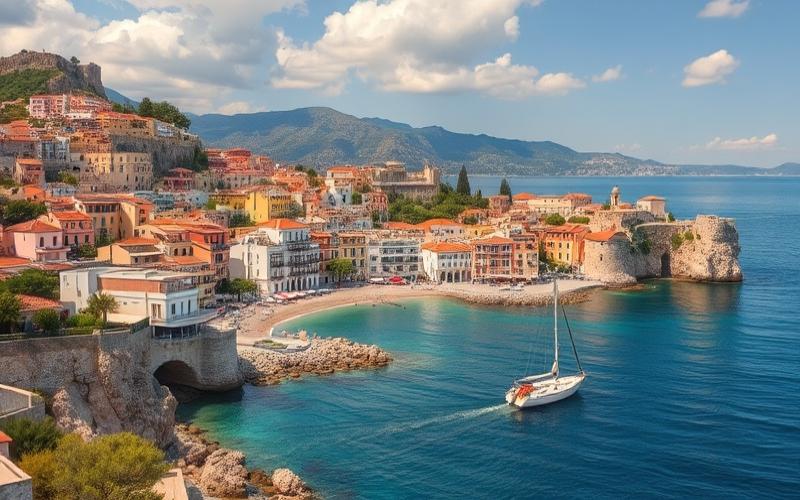
Nestled between the cliffs of Cape Greco and the turquoise beaches of Fig Tree Bay, the town of Protaras has been attracting a new category of visitors in recent years: real estate investors. This eastern Cyprus coastal resort, located in the Famagusta district and administratively part of the Paralimni municipality, combines several advantages rarely found in one place: booming tourism, prices still lower than in major Cypriot cities, an attractive tax framework, and a permanent residency program for non‑Europeans.
Investing in a foreign real estate market goes beyond buying a villa. It is essential to understand the specific workings of the market, the most suitable property types, realistic yield prospects, and the legal rules applicable to foreigners, whether EU nationals or not.
Protaras: A Family Resort Turned Investment Market
Protaras is somewhat the anti‑Ayia Napa. Just a few kilometers north of this party‑famous resort, Protaras cultivates a calmer, more family‑friendly, almost residential image. Its permanent population far exceeds that of Paralimni and Ayia Napa, giving the town real off‑season life. The local economy remains dominated by tourism, but a significant portion of the housing stock is occupied year‑round by Cypriot families, foreign retirees, and increasingly, freelancers and remote workers drawn by the climate and Cyprus’s “digital nomad” status.
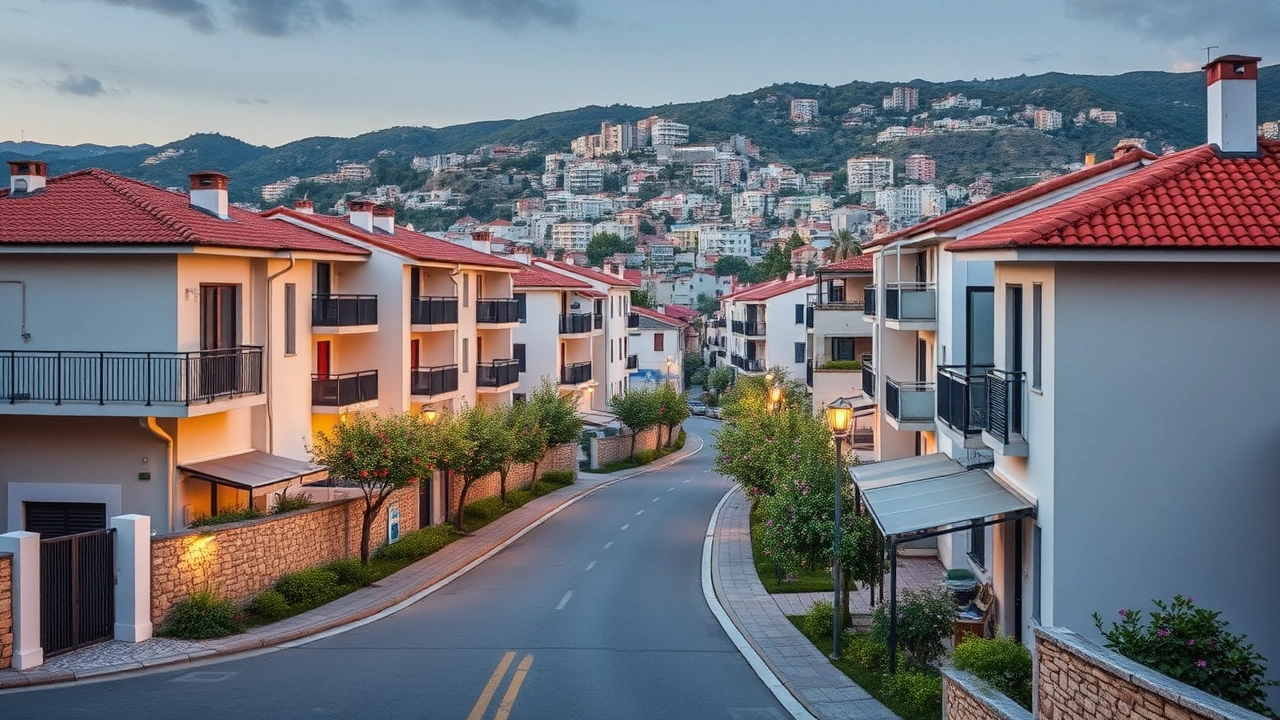
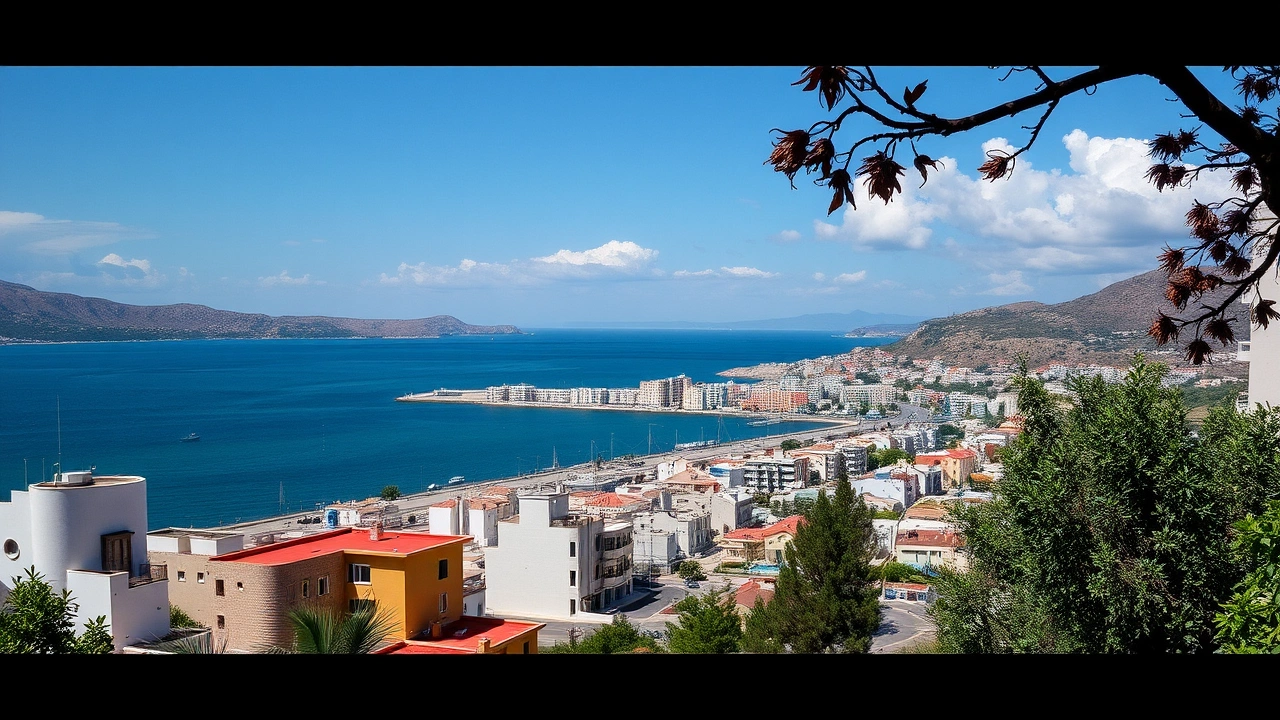
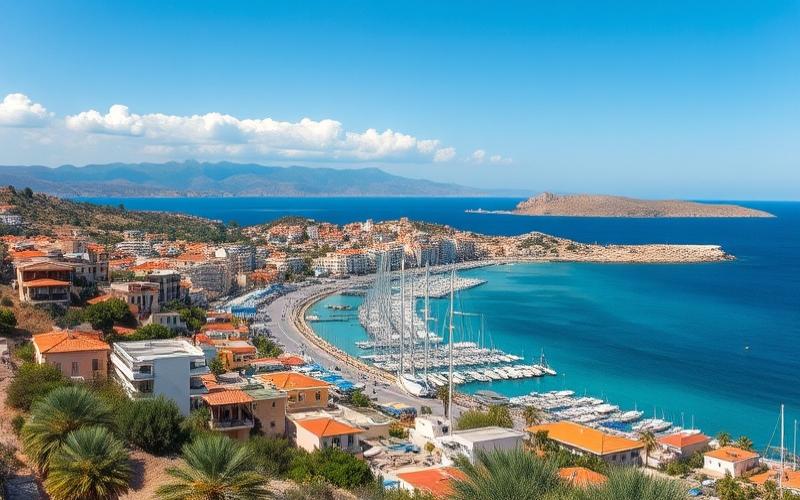
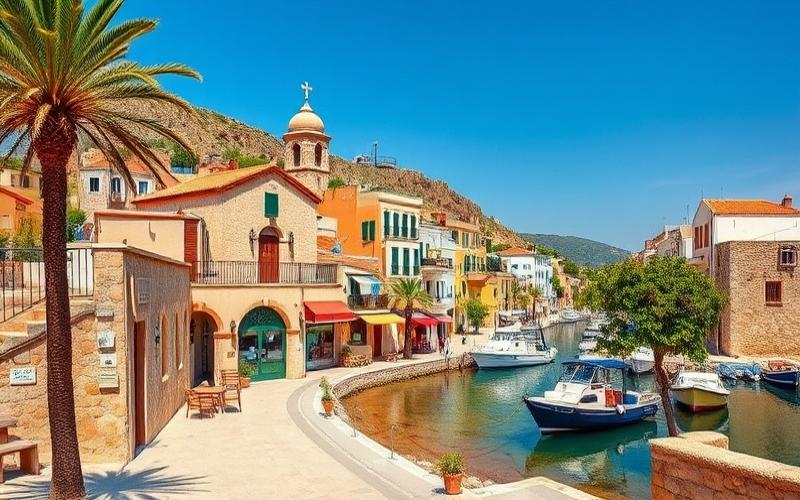
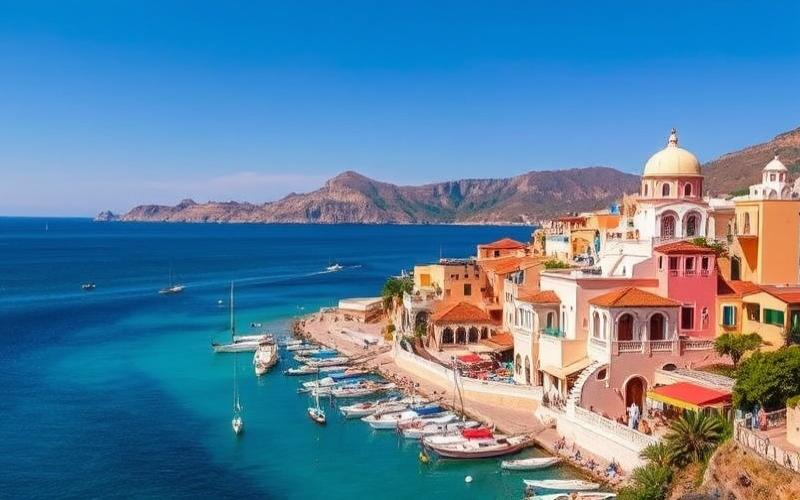
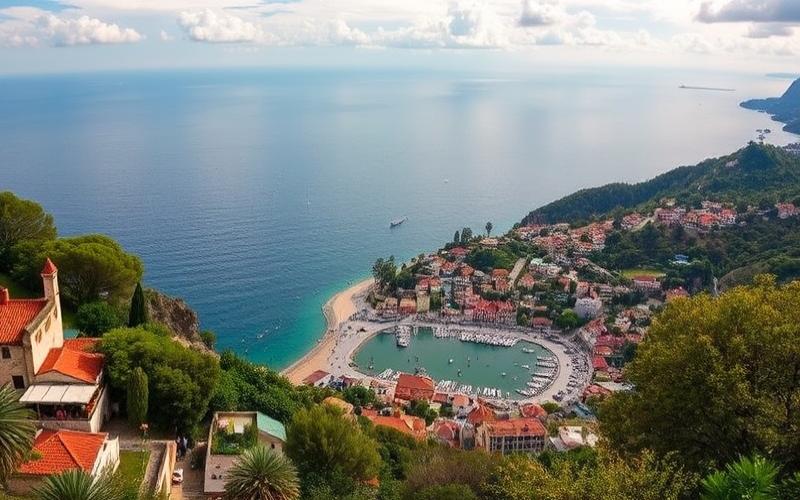
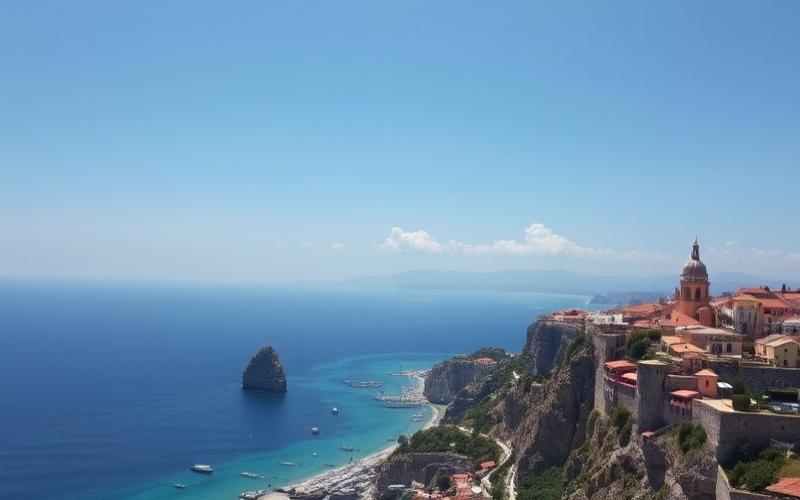
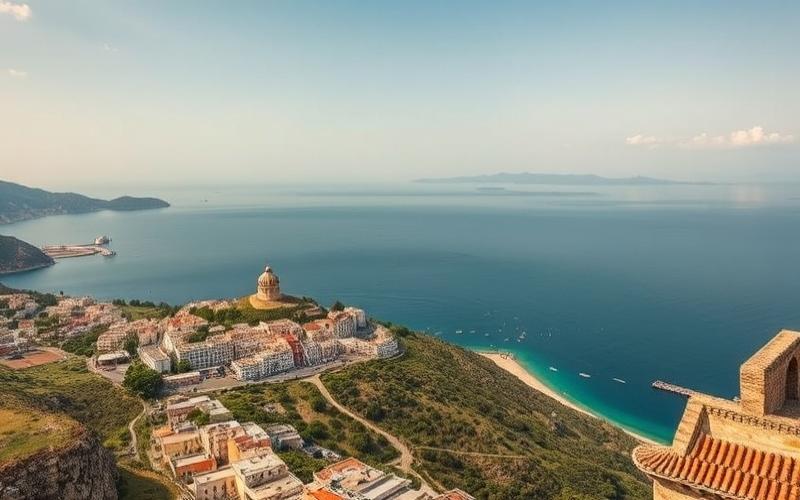
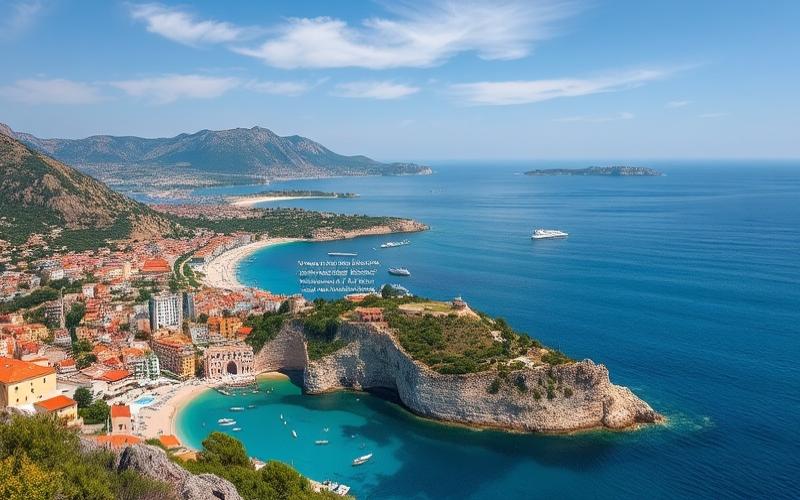
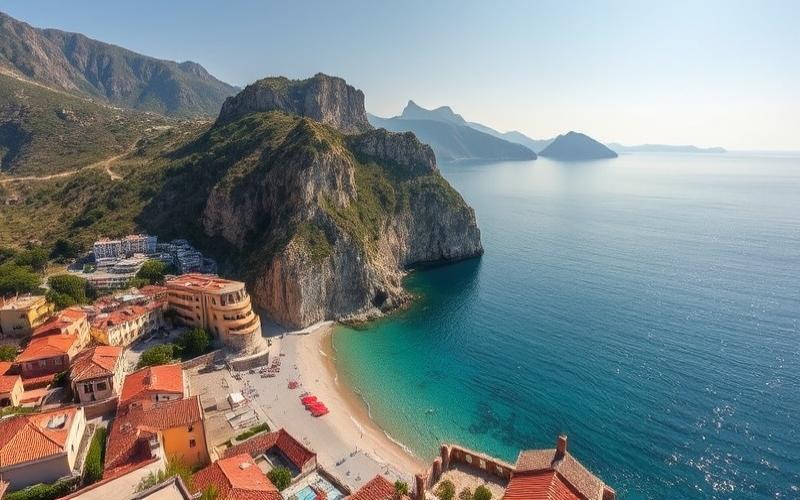
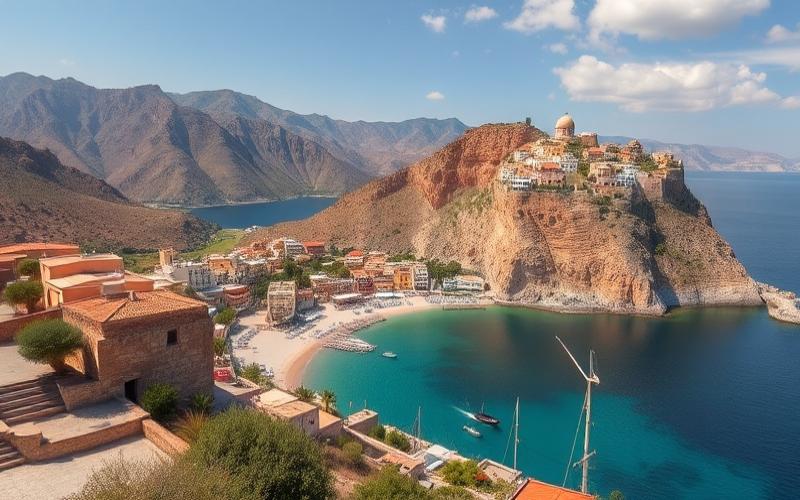
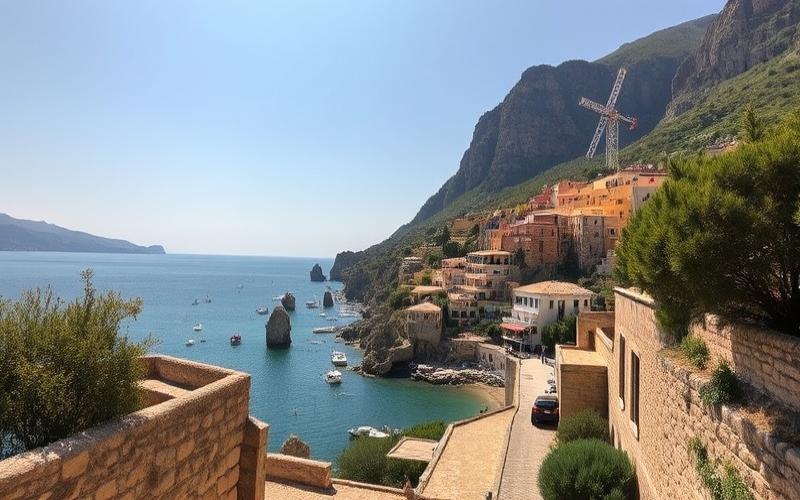
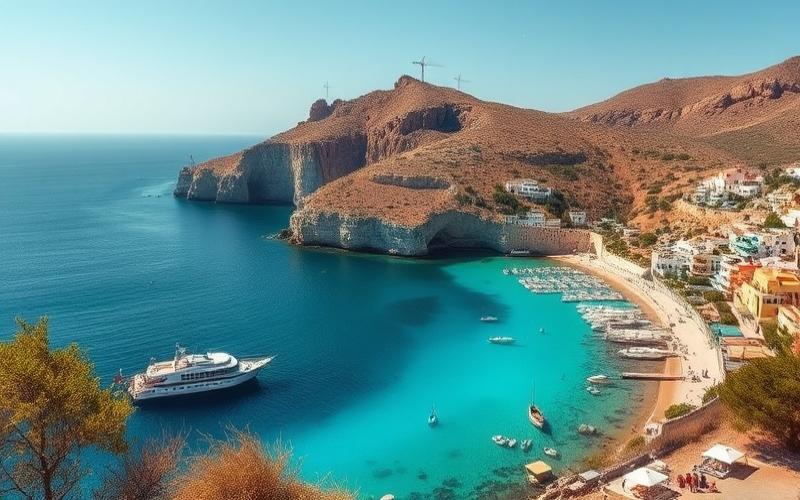
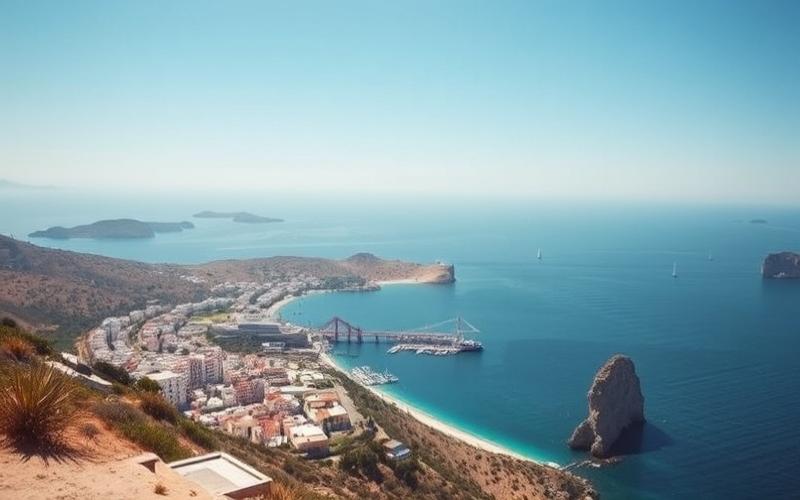
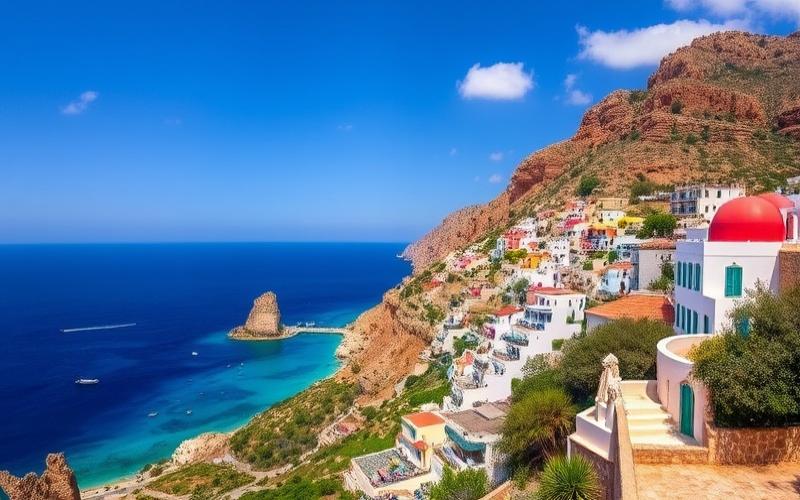
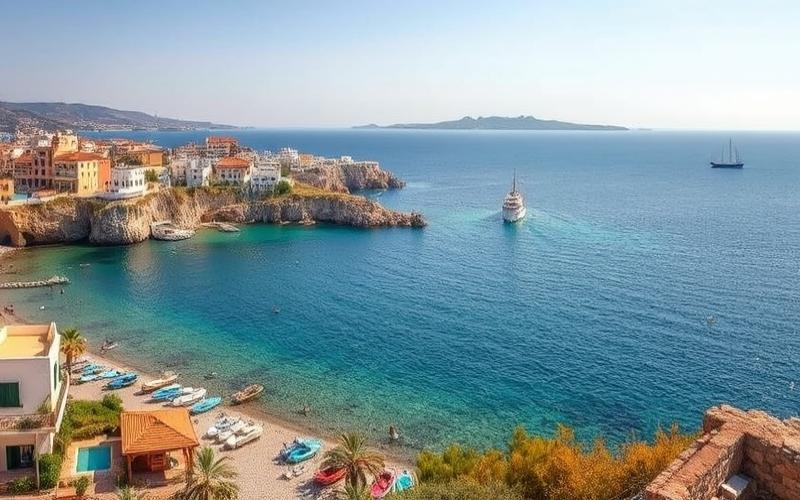
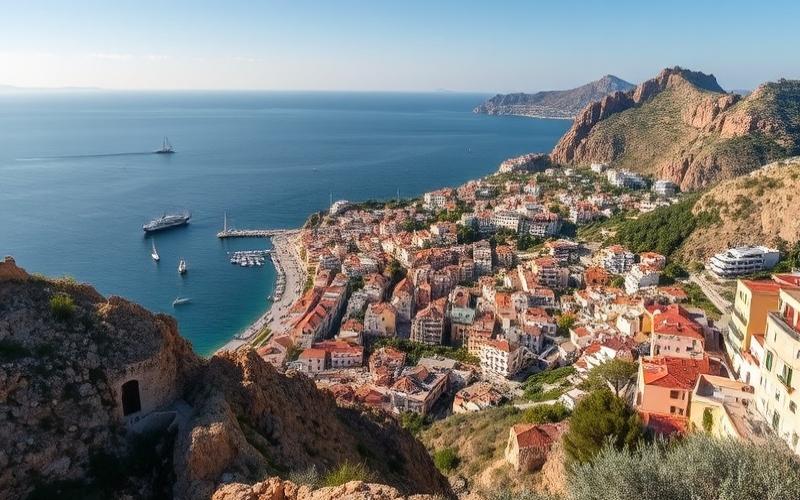
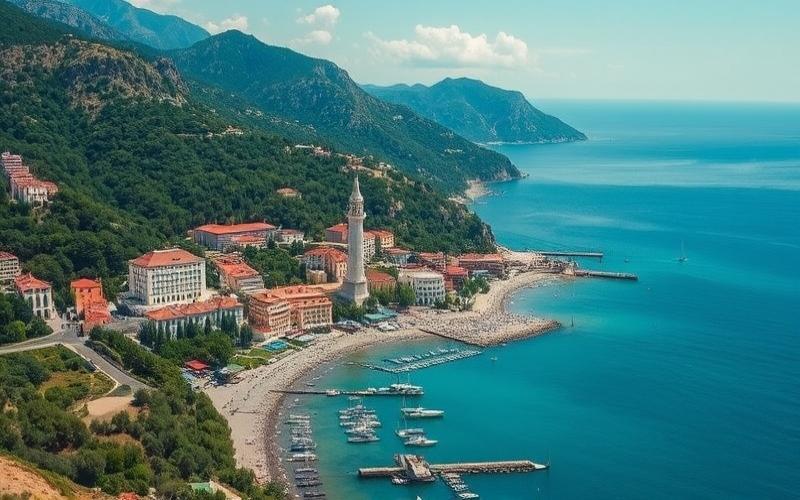
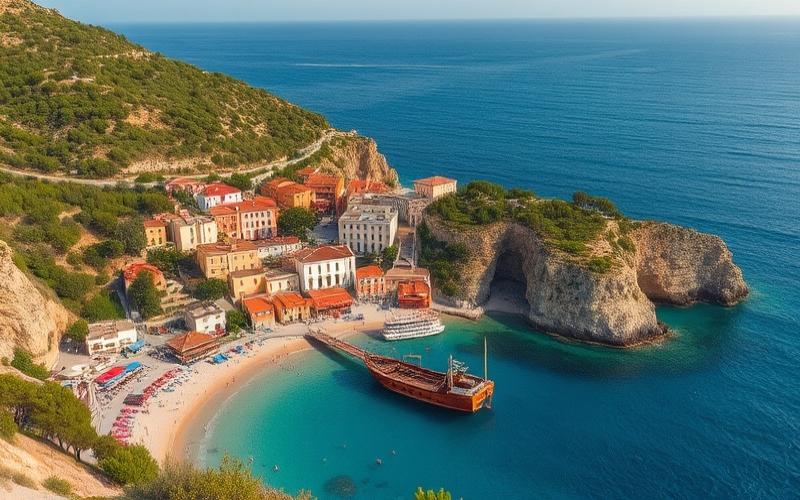
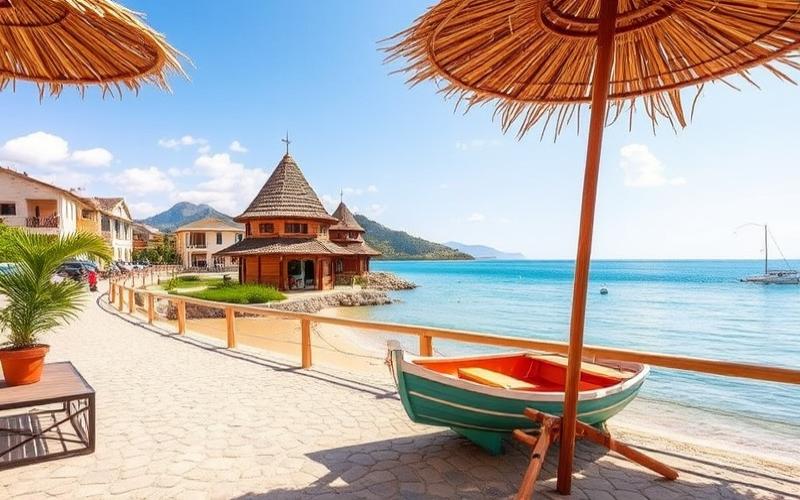
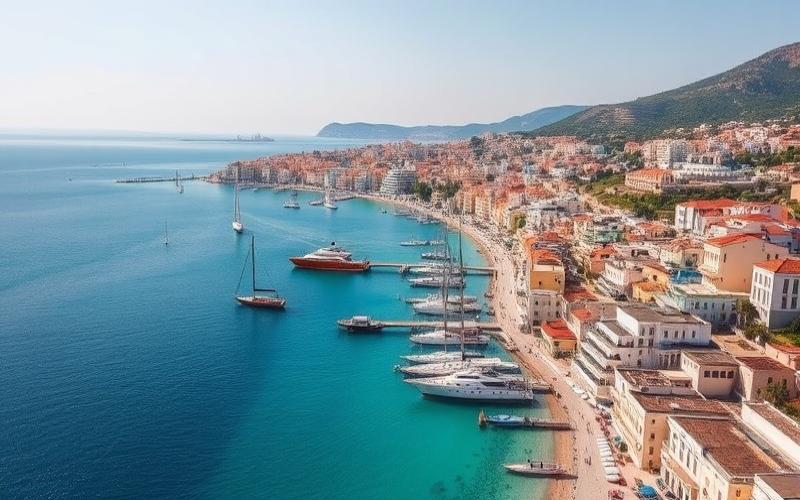
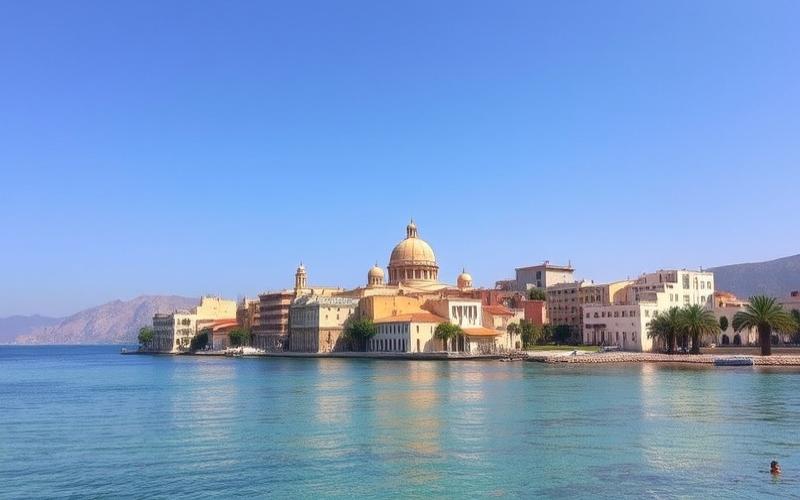
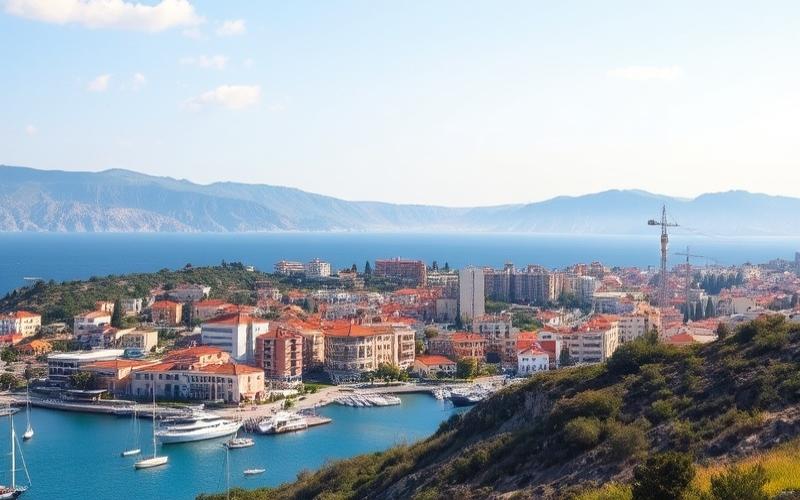
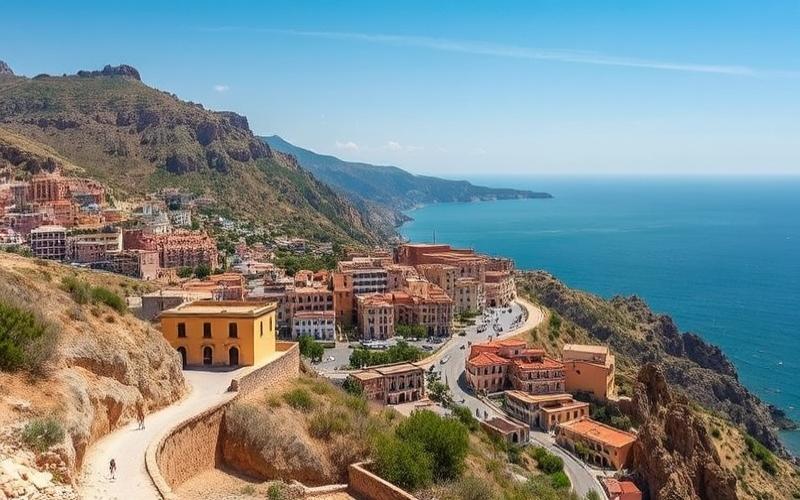
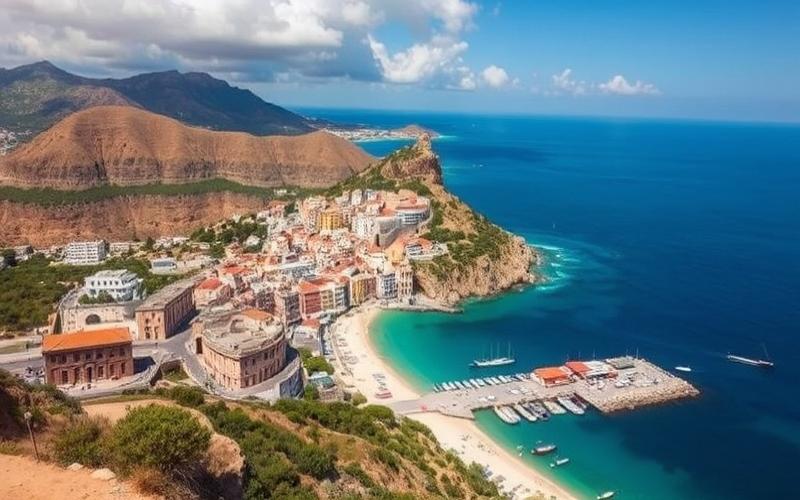
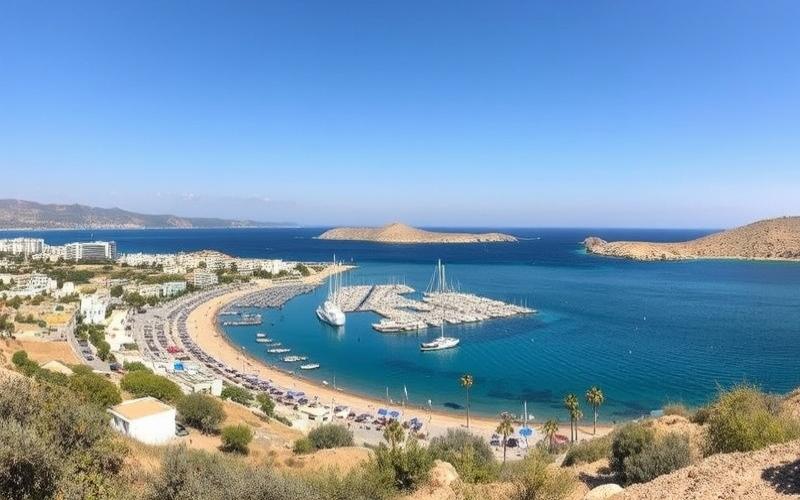
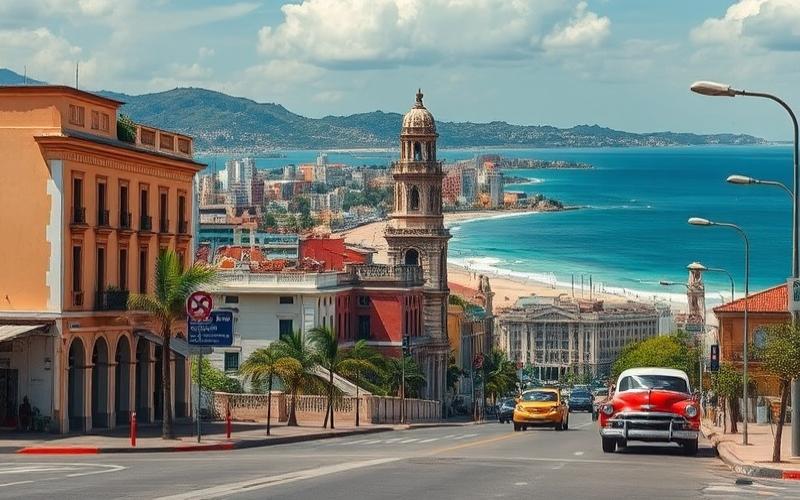
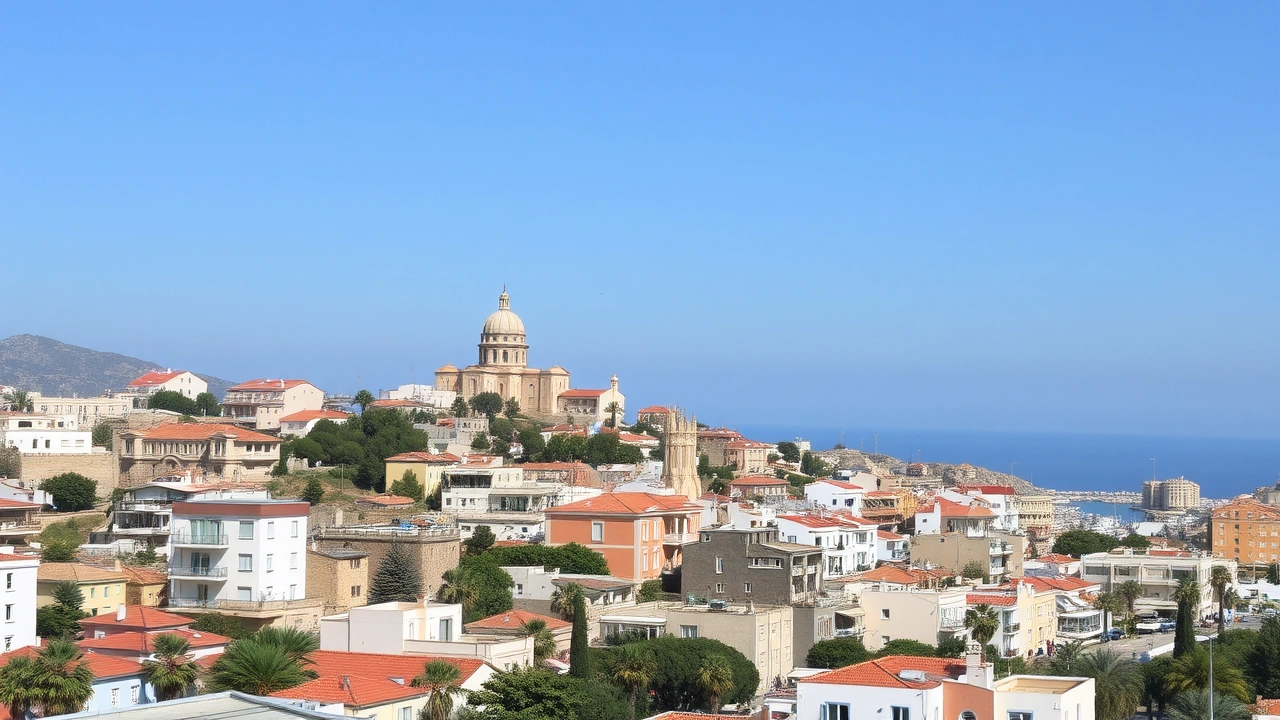
The town of Protaras is built on a gentle hillside overlooking the sea. This configuration allows many homes to benefit from panoramic coastal views while remaining close to the beaches. The coastline is organized around a long pedestrian promenade connecting several sandy coves, including Fig Tree Bay, Vryssi, Lombardi, Connos Bay, Pernera Beach, and Louma Beach. These beaches are frequently awarded the Blue Flag label, guaranteeing the quality of their waters.
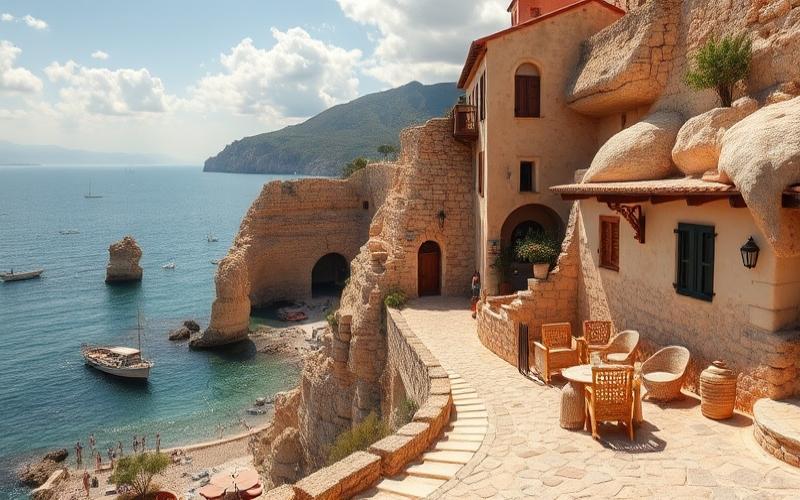
A short drive away, the Cape Greco national park offers cliffs, sea caves, hiking trails, and renowned diving sites like Green Bay, The Blue Hole, or Cyclops Bay. This natural environment plays a key role in tourist demand… and therefore in the appeal of rental properties.
Accessibility and Infrastructure
In terms of accessibility, Protaras is connected to Larnaca International Airport by a highway; the journey takes about 40 minutes. The capital, Nicosia, is reachable in roughly the same time. This proximity is a major asset for international clients, who can arrive, pick up a car, and get to their villa or apartment without complication.
On the ground, the local infrastructure (shops, healthcare, education) is comprehensive for a resort of this size. However, public transportation is not very practical for daily use, making a car almost indispensable. For specialized services, residents need to go to Paralimni, Larnaca, or Nicosia.
A Real Estate Market More Affordable Than Major Cypriot Cities
One of the main arguments for investing in Protaras lies in prices: they are generally lower than in Limassol, Nicosia, Paphos, or Larnaca, and even lower than in neighboring Ayia Napa, while the tourist appeal is comparable.
The figures vary depending on sources and segments, but several orders of magnitude align.
Price Levels: From Small Apartment to Luxury Villa
The common price ranges can be summarized as follows:
| Property Type | Approximate Entry Price | Commonly Cited Average Range | Key Observations |
|---|---|---|---|
| Apartment (studio / 1 bedroom) | €90,000 – €130,000 | €120,000 – €140,000 | New units of approx. 50 m² from €159,000 |
| 2‑Bedroom Apartment | €120,000 – €180,000 | €250,000 – €300,000 (new, complex with pool) | Highly sought after by families for seasonal rental |
| House / Simple Cottage | €230,000 – €250,000 | — | Often secondary market |
| Townhouse / Semi‑detached House | ≈ €130,000 | — | Affordable segment for residency/yield mix |
| Villa with Pool (Entry‑Level) | €170,000 – €400,000 | From around €350,000 for a spacious villa with pool | Strong short‑term rental demand |
| Waterfront / Luxury Villa | €3,500 / m² and up | Several million (€5–6M for the most expensive) | Gated communities, high‑end services |
In terms of price per square meter, several indicators coexist:
| Indicator | Cited Price Level |
|---|---|
| Entry‑Level (Overall Protaras) | €1,600 – €1,800 / m² |
| General Average | €2,300 – €2,500 / m² |
| Average Price According to Another Source | €4,197 / m² |
| New Build Real Estate (Average) | ≈ €2,000 / m² |
| Luxury Real Estate | From €3,500 / m² |
The differences are explained by location (distance to the sea, view, proximity to future marinas), building age, construction quality, and belonging to a residential complex with services.
Prices in Protaras are approximately 20% lower than in Limassol.
Price Trends: Sustained Growth, But Not Explosive Everywhere
Across Cyprus, real estate prices have risen by about 50% since 2019, with the market recording a 19% increase in sales in the first ten months of 2023. Foreign buyers are very active: approximately 6,900 purchases by non‑residents were recorded in 2023.
Protaras follows this upward trend, but with nuances. The town has seen spectacular increases in some segments: one source mentions a 90% rise in house prices over a 12‑month period, linked to a shortage of well‑located villas. Other analyses indicate more steady growth, less dramatic than in the island’s most speculative spots, but continuous and supported by stable demand.
Analysis of the Protaras Real Estate Market
Forecasts for the Ayia Napa / Protaras area for the 2025–2030 horizon mention a potential appreciation between +15% and +24%. For a medium‑term investor, the outlook is therefore one of rental yield + moderate but sustained capital appreciation.
Which Types of Properties for Which Investment Project?
The supply in Protaras is surprisingly diverse for a town of its size. It includes both small apartments in complexes, traditional houses, contemporary waterfront villas, and also some buildings or small hotels intended purely for investment.
Apartments in Complexes: The Foundation of the Rental Market
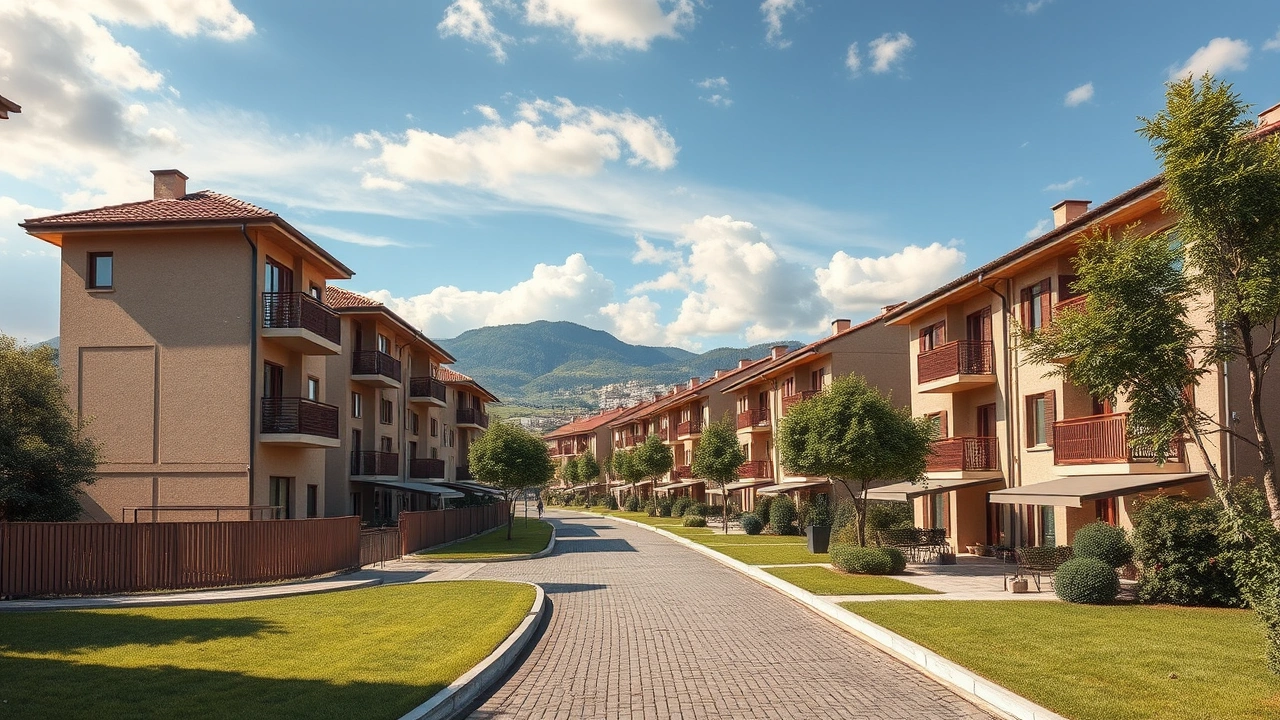
Apartment buildings are not very numerous and often come in the form of small new‑build complexes, sometimes called “chambers” or “boutique complexes”: 2 to 4 floors, one or two shared pools, some services (underground parking, security, gardens, sometimes spa or gym).
This type of property primarily targets: investors and people looking to buy their first home.
– families and couples on vacation who prefer an apartment to a hotel,
– long‑stay tourists who stay one to three months,
– some permanent residents (retirees, remote workers).
In residential complexes with a pool and a good location, rental demand is particularly strong. This appeal holds true for both seasonal rentals in high season and longer‑term rentals year‑round.
Semi‑detached Houses, Cottages, Townhouses
Townhouses and semi‑detached houses constitute an interesting intermediate option for investors seeking a property more “residential” than an apartment, but with a still reasonable budget. The entry prices are around €130,000 for the simplest units.
Independent cottages most often belong to the secondary market and are sometimes located slightly inland or in older neighborhoods. They can, after renovation and modernization, become very attractive rental products, especially if differentiating elements are added:
– quality landscaping,
– jacuzzi or small pool,
– solar panels to reduce running costs,
– contemporary decor.
These improvements also increase resale value.
Villas in Gated Communities: The Core of the “Investment + Lifestyle” Offering
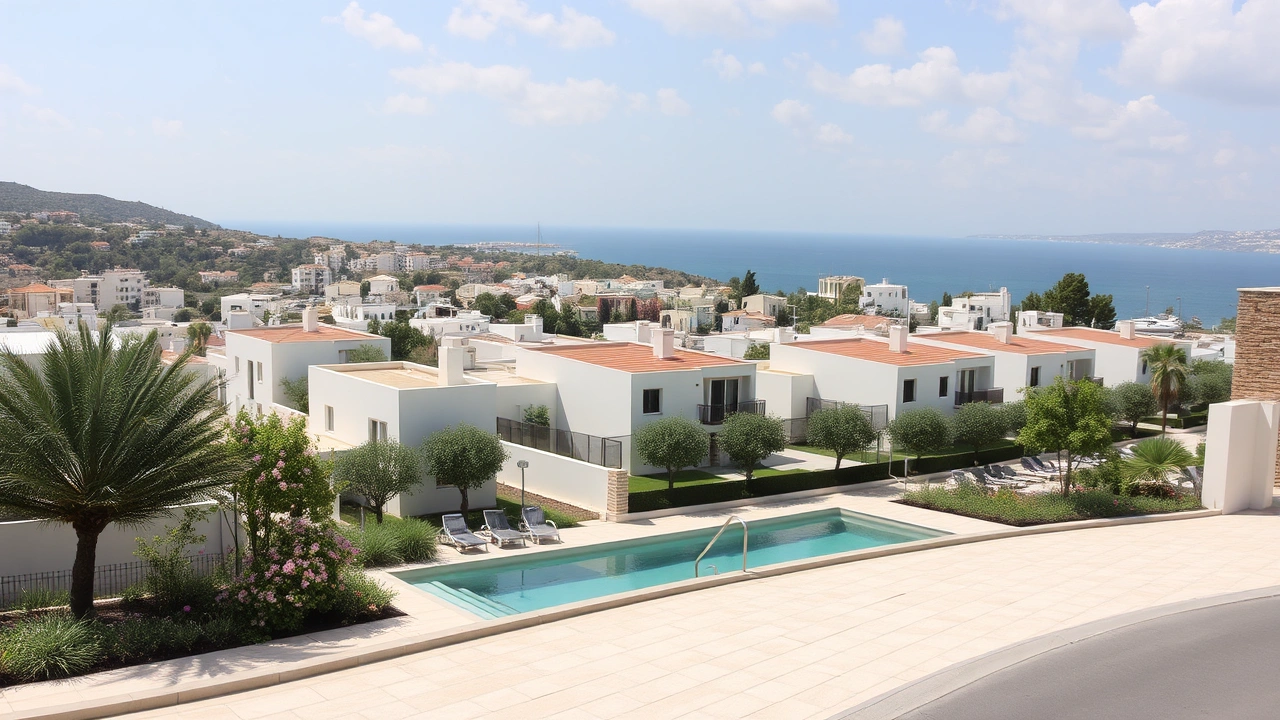
It is in the villa category that Protaras particularly stands out. New constructions are frequently grouped into secure complexes (gated communities) of 2 to 4 villas, sometimes 20 to 30 for larger developments. Typical advantages:
Gated residences offer a privileged living environment thanks to a series of quality services and infrastructure, managed centrally.
Gardens, pathways, and sometimes play areas maintained in perfect condition for residents’ comfort.
Good access roads ensuring smooth and convenient access to the residence.
Security or surveillance services to ensure peace of mind for residents.
Maintenance of common areas like pools and facades is handled.
High‑quality build, often classed “A” for optimal comfort and durability.
An emblematic project described in the research data offers:
| Feature | Detail |
|---|---|
| Number of Villas | 60 |
| Covered Area per Villa | 175 m² |
| Bedrooms | 3 |
| Bathrooms | 2 |
| Features | Private pool, private garden |
| Distance to Sea | Approximately 700 meters |
| Proximity to Infrastructure | ~1 km from the future Paralimni Marina |
| Launch Price | €495,000 + VAT (special offer at €475,000 + VAT including a 3×7 m pool) |
This type of development clearly targets a dual audience: tourists seeking a high‑standard villa and investors who benefit from a product calibrated for seasonal rental while being able to use it as a second home.
Strategic Neighborhoods and Micro‑Locations
For an investor, micro‑location makes a real difference, especially for short‑term rentals. Three areas stand out:
| Zone / Neighborhood | Profile and Interest for Investment |
|---|---|
| Protaras Center / Fig Tree Bay | Immediate proximity to iconic beaches, strong tourist demand, higher prices but very good occupancy rates |
| Pernera | Adjacent small resort, accessible via coastal promenade, beaches like Sirena Bay and Louma Beach, site of the future Paralimni Marina |
| Kapparis | More affordable neighborhood, slightly set back, good opportunities on the secondary market (apartments from €100,000) |
The arrival of the Paralimni Marina, under development, is a key element: by specializing in a more “relaxed” yachting scene than the very luxurious Ayia Napa Marina, it is expected to energize the entire Protaras–Pernera coastal strip.
Rental Yield: What Can You Realistically Expect?
Protaras lives primarily from tourism. The season effectively runs from April to November, peaking between June and September. It is during this period that the bulk of rental yield is generated.
Seasonal Rental: High Gross Yields, But Very Seasonal
Data for the Ayia Napa / Protaras region indicates gross yields generally between 8% and 13% for short‑term rentals. But this figure masks strong seasonality: a property that rents for €300 to €500 per night in peak summer may stay empty or almost empty in January.
Some indicative price benchmarks cited for Protaras and its surroundings:
| Rental Type and Period | Indicative Rent Level |
|---|---|
| 1‑Bedroom Apartment (Season) | €70 – €120 / night |
| Spacious Apartment (Season) | From around €200 / night |
| Villa with Pool (Season) | €300 – €500 / night, or more for premium properties |
| Long Stay in a Complex with Pool | From €1,250 / month |
| House / Villa (Long‑Term Rental) | From €1,500 – €1,800 / month |
Across Cyprus, Airbnb data shows an average occupancy rate of 64%, with about 234 booked nights per year. Protaras is at the higher end of the spectrum, with a “rental demand score” around 80 on some data platforms, and a growing number of listings (approximately 1,586 listings, +3% year‑on‑year).
Rentals are distributed by size approximately as follows:
| Property Size | Share of Listings |
|---|---|
| 1 Bedroom | 13% |
| 2 Bedrooms | 16% |
| 3 Bedrooms | 32% |
| 4 Bedrooms | 20% |
| 5 Bedrooms and up | 20% |
This structure illustrates the importance of family villas with 3+ bedrooms, which form the core of the market.
Long‑Term Rental: Stability and Less Wear
For those who prefer to smooth out seasonality, long‑term rental, often to families or European retirees, offers more modest gross yields – between 4% and 5.5% for the region – but with:
– more predictable income,
– a high annual occupancy rate,
– less wear and tear (typical tenants being families, couples, seniors).
The base monthly rent for a quality seaside house with a pool.
Example of Yield Projection
An example analyzed in the data (3‑bedroom / 3‑bathroom villa at “288 Leoforos Protara‑Kavo Gkreko”) shows:
– projected annual income: $38,979,
– estimated cash‑on‑cash return: –23.86%.
This negative cash‑on‑cash performance is a reminder of a reality: a high gross income is not enough; the financing structure (loan amount, interest rate, term) and costs (maintenance, management, taxes, vacancy period) play a crucial role. An investment fully financed with credit and a low down payment can generate negative net cash flow despite a good gross yield.
Taxation and Additional Costs: A Generally Favorable Environment
Cyprus is often presented as an investor‑friendly country for real estate, and Protaras obviously benefits from the same framework.
Acquisition Taxes
Upon purchase, several cost items must be considered:
| Cost Item | Main Rate / Amount |
|---|---|
| Stamp Duty | 0% up to €5,000; 0.15% from €5,001 to €170,000; 0.20% above, capped at €20,000 |
| VAT on New Builds | 19% standard; 5% possible on the first 130 m² (or up to 200 m² for some older permits) for a primary residence under conditions |
| Transfer Fees (Land Registry) | 3% up to €85,000; 5% from €85,001 to €170,000; 8% above. 50% reduction in most cases, and zero if the property has already been subject to VAT |
| Lawyer Fees | Approximately 1–3% of the price, plus VAT |
| Various Fees (Assessments, Bank…) | Variable, to be included in an overall additional budget of 8–10% of the property price |
Note: the national immovable property tax was abolished in 2017 and there is no wealth tax or inheritance tax on property in Cyprus. However, some municipal and service taxes (waste, sewage, lighting) remain due annually.
Taxes During Ownership and Rental
Owners pay modest local taxes, often between €90 and €300 per year for a standard residential property, plus a sewerage network tax for connected properties. In complexes, community or management fees are added (maintenance of common areas, pools, gardens).
Rental income is subject to income tax.
– rental income is added to the other income of a resident owner and taxed according to a progressive scale,
– a 20% deduction on gross rents is provided,
– certain expenses (loan interest, depreciation, repairs) are deductible.
The rate of the Special Defense Contribution levied on gross rents for domiciled Cypriot residents.
Non‑residents are taxed only on their Cyprus‑sourced income. The existence of double taxation treaties with over 60 countries often allows the avoidance of cumulative taxation in the home country.
Upon resale, a 20% capital gains tax on real estate applies to the net gain (sale price – purchase price – proven fees and investments), with lifetime allowances (up to €85,430 for a primary residence held for at least 5 years).
Foreign Buyers: Who Can Buy and Under What Conditions?
Cyprus legislation clearly distinguishes between citizens of the European Union and third‑country (non‑EU) buyers.
EU Citizens
EU nationals enjoy the same rights as Cypriots:
– no limit on the number or size of properties,
– no particular quotas,
– freedom to rent, occupy, or resell.
They do not need specific permission to buy, although standard formalities remain mandatory (registered contract, payment of fees, etc.).
Non‑Europeans: A More Restrictive Framework… But Manageable
Non‑EU buyers, including British citizens post‑Brexit, are subject to restrictions:
In Turkey, real estate acquisitions by foreigners are generally limited to one apartment or single house. Buying land is also possible, up to a limit of 4,014 m². In some cases, permission can be obtained for two residential units, or for a combination including a home and a small commercial space (maximum 100 m²) or an office (up to 250 m² maximum).
Authorization from the Council of Ministers is required to finalize the title transfer. In practice, for a candidate with a clean criminal record and clear source of funds, this is a formality that usually takes 2 to 3 months.
Non‑EU buyers must demonstrate:
– a clean criminal record,
– a foreign origin of funds (outside Cyprus).
Foreign investors are prohibited from buying purely agricultural land. Furthermore, acquisitions in the northern part of the island (occupied territory) carry legal risk. Protaras, located in the area controlled by the Republic of Cyprus, is fully open to foreign investment.
To circumvent certain limits (notably on the number of properties), some investors use a Cyprus company, which, as a domestic entity, can acquire multiple properties. This option must be analyzed case‑by‑case with a lawyer and accountant, as it entails its own accounting and tax obligations (financial statements, annual filings, etc.).
Permanent Residency by Investment: Why Protaras is Well‑Positioned
Cyprus offers a permanent residency program – often called a “golden visa” or “Fast Track Permanent Residence” – aimed at non‑Europeans who wish to obtain long‑term residency rights in the country in exchange for an investment, typically in real estate.
Main Conditions of the Program
For the residential real estate route, the scheme is based on several pillars:
| Element | Key Condition |
|---|---|
| Investment Amount | Minimum €300,000 (excluding VAT) in a new residential property purchased from a developer |
| Nature of Property | Must be new build (primary market); resales are not eligible |
| Source of Funds | Must prove the €300,000 comes from abroad, without recourse to a local loan |
| Minimum Annual Income | €50,000 in secured income from abroad for the main applicant, +€15,000 for the spouse, +€10,000 per dependent child |
| Bank Deposit | €30,000 deposited in a Cypriot bank for at least 3 years |
| Criminal Record | Clean record for the applicant and adult family members |
The purchase can involve one or two new residential properties, possibly from different developers. The properties can be rented out, allowing for a combination of partial residence and yield.
Protaras, where some new villa projects start around €495,000 + VAT, is therefore in the right price bracket to reach the €300,000 threshold. Several local developments are explicitly presented as compatible with permanent residency.
Family, Duration, Path to Citizenship
The permanent residency permit covers:
– the applicant,
– their spouse,
– their financially dependent children up to 25 years old (if they are students and financially dependent).
Following an update in 2023, parents and in‑laws are no longer eligible under the mentioned scheme.
The status is permanent, but:
– the physical card must be renewed every 10 years,
– Cyprus must be visited at least once every two years,
– the investment must be maintained and the income conditions must continue to be met.
After several years of legal residence (in practice 7 to 8 years, with requirements for physical presence and language knowledge), an application for Cypriot citizenship becomes theoretically possible, offering full access to European citizenship.
Financing: What Options for Buyers in Protaras?
Cypriot banks grant mortgage loans, but with relatively strict criteria, especially for foreigners.
Borrowing Locally
Average interest rates over 20 years are around 4.3–4.4% for standard loans, with ranges from 3.5% to 7.5% depending on the profile. In a specific case cited for a villa project in Protaras, the developer was offering financing at 2.3% interest, structured as follows:
| Parameter | Detail |
|---|---|
| Villa Price | €495,000 + VAT |
| Down Payment (40%) | €198,000 |
| Loan (60%) | €279,000 |
| Term 20 Years | ≈ €1,545 / month |
| Term 15 Years | ≈ €1,953 / month |
| Term 10 Years | ≈ €2,773 / month |
In reality, most borrowers will need to provide:
– proof of stable income (employment contracts, tax returns),
– bank statements,
– detailed asset and liability statement.
The percentage down payment required for non‑residents seeking a loan.
For investors outside the Eurozone, the issue of exchange rates is not trivial. It is prudent to use specialized foreign exchange services to optimize transfers (and avoid currency fluctuations eroding part of the yield).
Investment Strategies Suited to Protaras
Not all approaches are equal in Protaras. Some are particularly well‑suited to the demand structure and market evolution.
“Vacation + Yield” Strategy
This is probably the most frequent: buy a villa or apartment, use it for a few weeks a year for personal vacations, then rent it out the rest of the time.
The strengths of Protaras for this model:
– a climate that allows for occupying the property in winter with mild temperatures,
– a strong tourist flow in summer,
– a family‑oriented clientele, lower risk in terms of damage,
– costs (energy, management) often lower than in Limassol.
However, it is necessary to carefully calibrate:
To maximize your seasonal rental potential, three elements are key. First, prioritize a strategic location, ideally within walking distance of beaches and the promenade to attract vacationers. Second, ensure a high level of amenities, including at minimum high‑speed wifi, air conditioning, a fully‑equipped kitchen, and modern furniture. Finally, plan for rental management: you can use a professional agency for peace of mind, or invest personal time to handle bookings and maintenance through platforms like Airbnb or Booking.com.
“Long‑Term + Permanent Residency” Strategy
For non‑Europeans, purchasing a new property of at least €300,000 opens the door to permanent residency. In this case, the goal is not just yield, but also legal security and quality of life.
A typical configuration:
– purchase of a villa or large new apartment in a well‑managed complex,
– partial occupancy (e.g., winter) by the owner,
– seasonal rental in summer to cover costs and part of the mortgage payment,
– enrollment of children in local or international schools (e.g., the region’s English School).
Protaras offers a peaceful atmosphere, the presence of schools, and a cost of living lower than in many Western countries, making it a suitable place for relocation.
Medium‑Term Capital Appreciation Strategy
Some investors are primarily interested in capital appreciation. In this case, the main leverage is to buy:
– either during the pre‑construction phase, when prices are 10–20% lower than at delivery,
– or in areas undergoing transformation, such as the vicinity of the future Paralimni Marina.
Major infrastructure projects announced for the Famagusta region (Paralimni Marina, Ayia Napa Marina, golf course, university, training camps, underwater museum) are expected to push up prices in certain micro‑zones. The bet is then to enter before this repricing is fully factored in by the market.
Advantages and Limitations of Investing in Protaras
Like any market, Protaras has its strengths… and its points of caution.
Strengths in Protaras’s Favor
– Prices still lower than major Cypriot cities and many comparable European resorts.
– Solid tourist demand, with a clientele that consciously chooses the destination for its tranquility, leading to often longer stays.
– High potential yields in short‑term rentals, with gross yields frequently estimated between 8% and 13%.
– Competitive tax environment, with no national property tax, no inheritance tax, and a stable framework.
– Permanent residency program accessible via new real estate investment, a key asset for non‑Europeans.
– High quality of life: climate, safety, good‑standard health and education services, infrastructure improving thanks to European funding.
– Market still in a growth phase, driven by Cyprus’s economic recovery (growth over 2% in 2023, forecasts above 3%), tourism dynamism (nearly €3 billion in revenue in 2023), and the establishment of major hotel brands and technology groups on the island.
Points of Caution and Risks to Anticipate
– Marked seasonality: even if long‑term demand is increasing, seasonal income remains concentrated from May to October; months of low occupancy must be factored in.
– Growing competition in short‑term rentals, with over 1,500 listings in the area and increasing supply.
– Requirement for a license for tourist rental since 2020, which involves complying with current norms and procedures.
– Currency fluctuations for investors outside the Eurozone, which can impact the real cost of the investment and repayments.
– Resale potential: if prices have risen too fast in some segments (90% rise over 12 months mentioned for some houses), one must remain reasonable in future capital gain assumptions.
– Dependence on European tourism: although diversified, the clientele remains mostly European; a prolonged shock to this market could affect occupancy rates.
Conclusion: For Which Profile is Protaras Truly Suitable?
Protaras is not a market for property “traders” seeking quick and spectacular turnarounds. It is rather a destination for:
– families who want to combine a second home in the sun, rental yield, and potentially permanent residency in the EU,
– beginners in international investment, seeking a relatively transparent market, legally secure, and still affordable,
– retirees or pre‑retirees ready to spend several months a year in Cyprus while keeping a financial foothold in a tangible asset,
– capital owners in strong currencies who wish to diversify outside their home country, in a stable and moderately taxed jurisdiction.
Investing in real estate in Protaras represents a favorable compromise between entry price, potential yield, and quality of life, thanks to its beaches, infrastructure, attractive taxation, and residency programs. For success, it is essential to work with serious professionals (lawyer, local agent, tax advisor) and refine your strategy, positioning the town as a Mediterranean hotspot for a reasoned medium‑term investment.
Disclaimer: The information provided on this website is for informational purposes only and does not constitute financial, legal, or professional advice. We encourage you to consult qualified experts before making any investment, real estate, or expatriation decisions. Although we strive to maintain up-to-date and accurate information, we do not guarantee the completeness, accuracy, or timeliness of the proposed content. As investment and expatriation involve risks, we disclaim any liability for potential losses or damages arising from the use of this site. Your use of this site confirms your acceptance of these terms and your understanding of the associated risks.

Cyril Jarnias is an independent expert in international wealth management with over 20 years of experience. As an expatriate himself, he is dedicated to helping individuals and business leaders build, protect, and pass on their wealth with complete peace of mind.
On his website, cyriljarnias.com, he shares his expertise on international real estate, offshore company formation, and expatriation.
Thanks to his expertise, he offers sound advice to optimize his clients' wealth management. Cyril Jarnias is also recognized for his appearances in many prestigious media outlets such as BFM Business, les Français de l’étranger, Le Figaro, Les Echos, and Mieux vivre votre argent, where he shares his knowledge and know-how in wealth management.