Published on and written by Cyril Jarnias
New Zealand: A Prime Destination for Digital Nomads
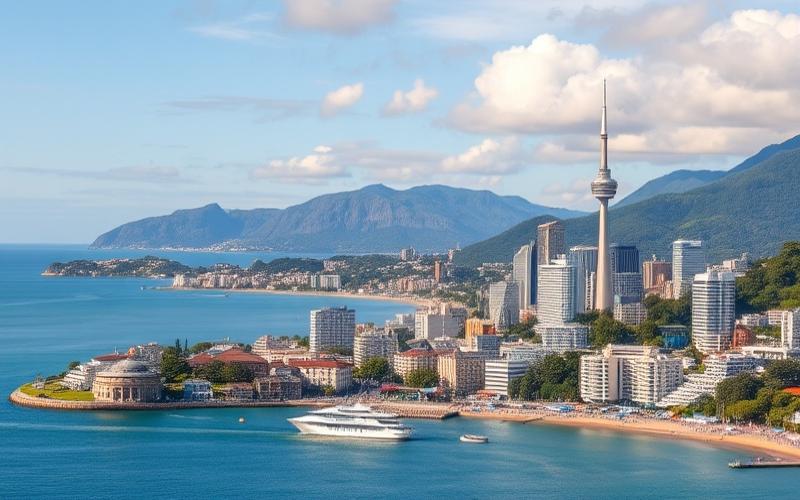
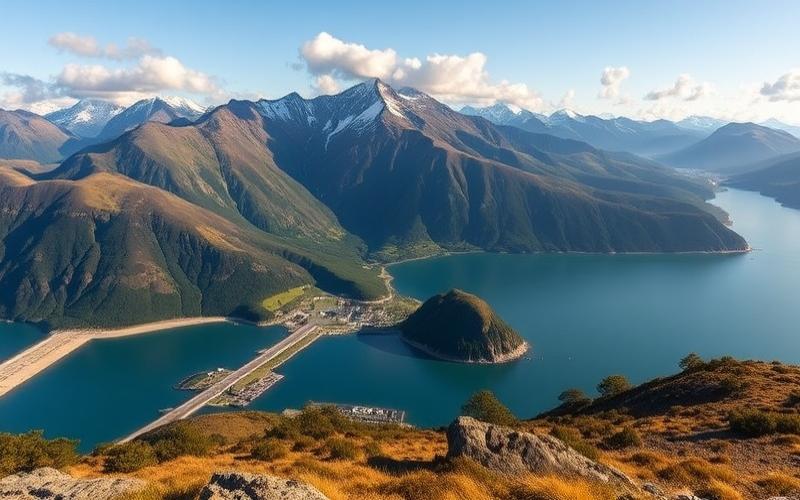
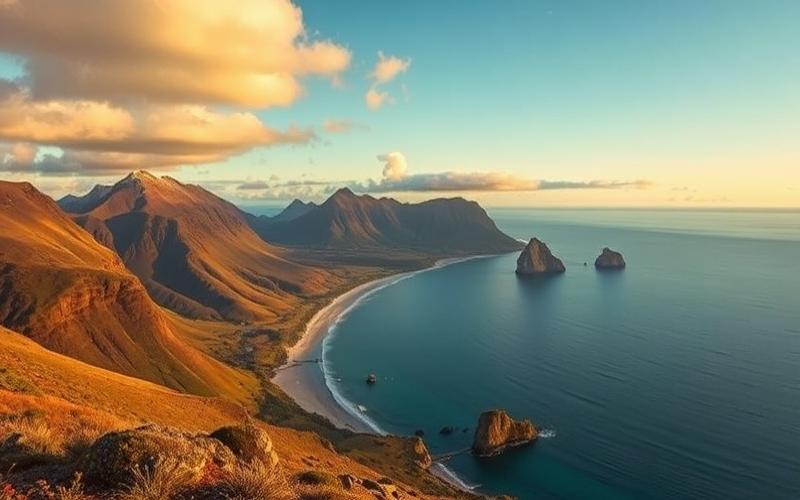
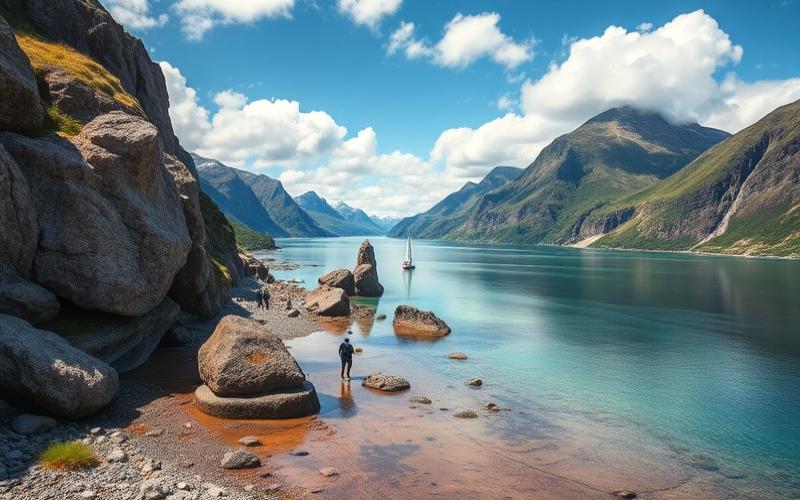
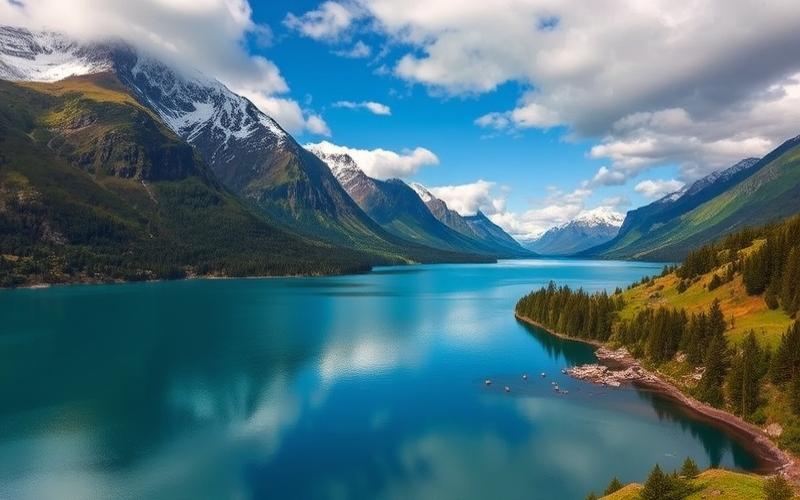
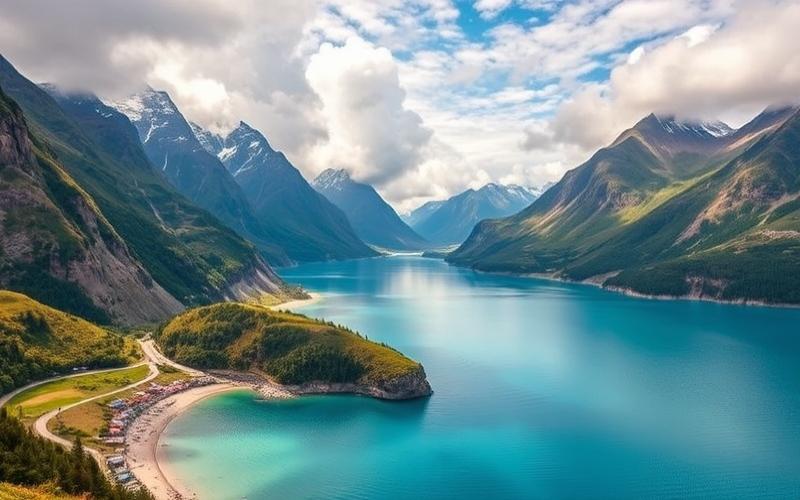
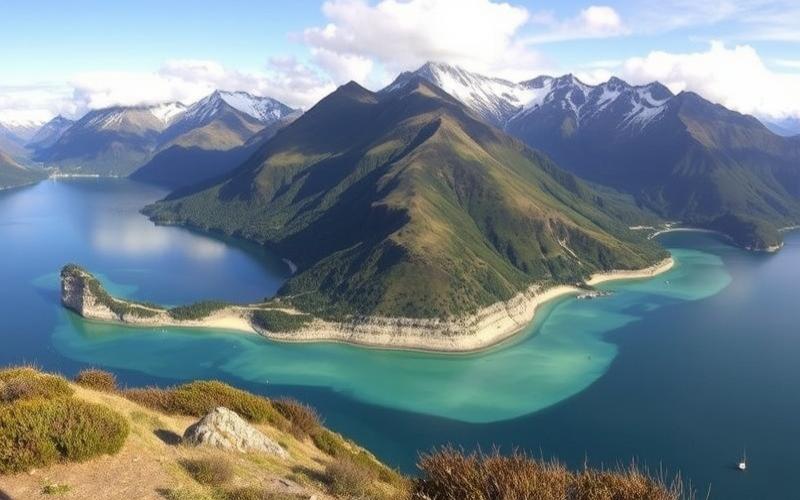
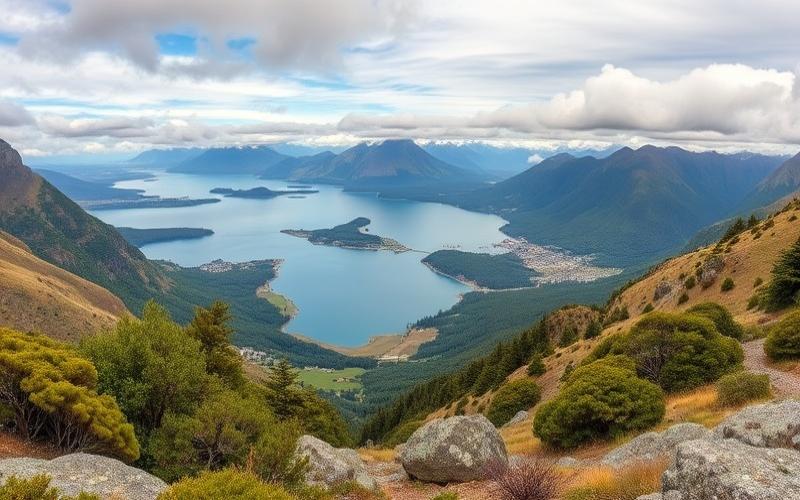
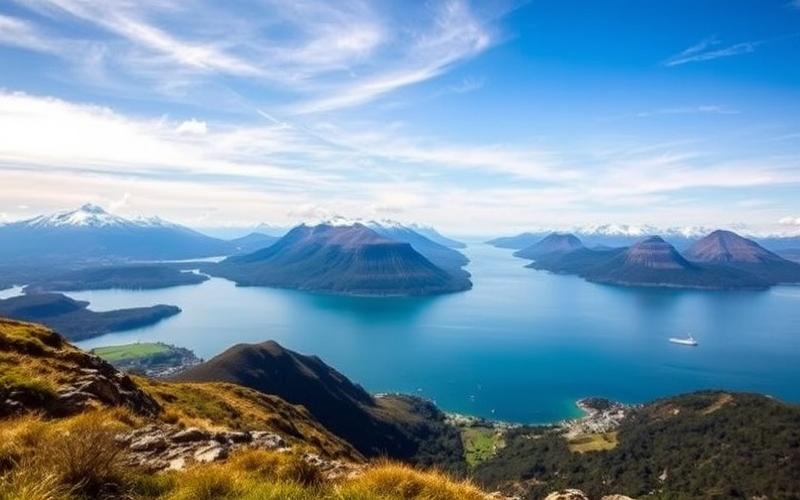
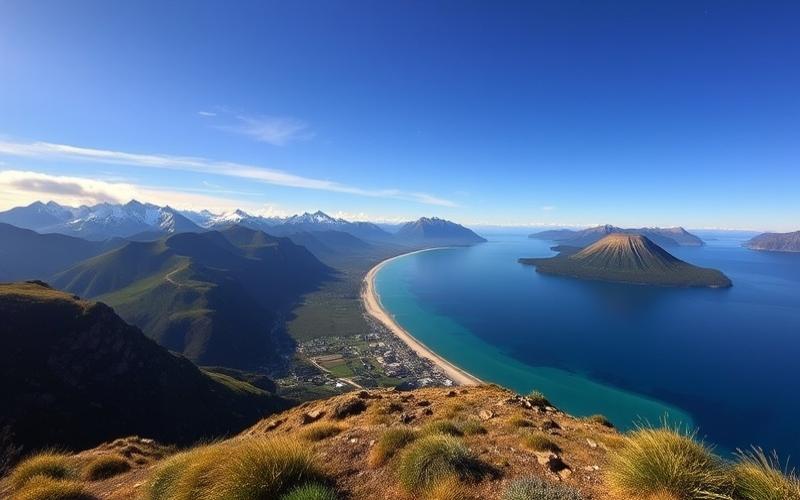
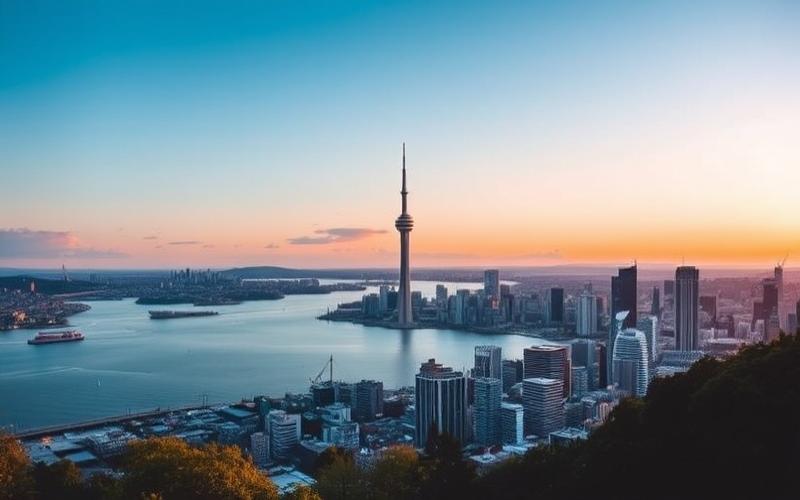
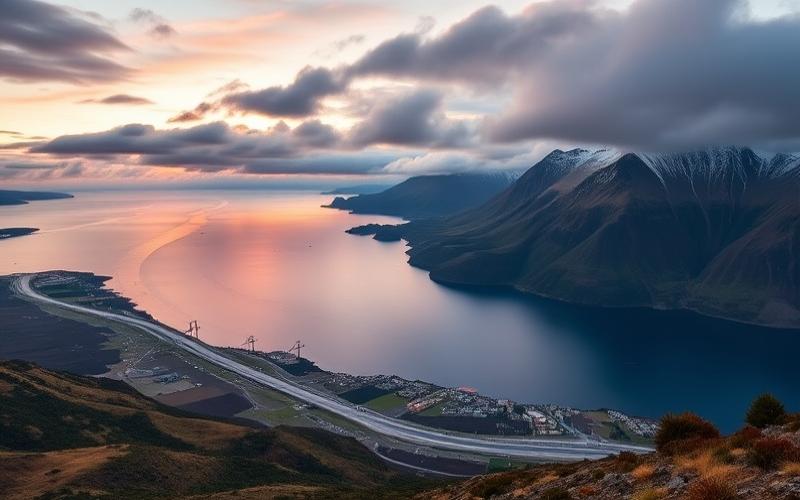
New Zealand, with its breathtaking landscapes and unique lifestyle, has become a preferred destination for digital nomads—mobile workers who combine travel with digital employment.
Impact on the Rental Market
This trend is not without consequences for the local rental market, sparking growing interest in the country’s real estate and socio-economic dynamics.
Rent Pressures in Major Cities
As major cities become increasingly attractive, rental price pressures intensify, reshaping New Zealand’s housing landscape and presenting new regulatory and adaptability challenges.
Good to Know:
Digital nomads represent a growing segment of New Zealand’s workforce, with significant impacts on the local real estate market.
Understanding the Digital Nomad Phenomenon in New Zealand
Digital nomads are professionals who work remotely using digital technologies while traveling worldwide. This category includes remote employees, freelancers, and entrepreneurs alike—all enjoying unprecedented geographic freedom to balance work life with exploring new cultures.
New Zealand has emerged as a favored destination for these nomadic workers for several reasons:
- Exceptional Quality of Life: The country is renowned for its spectacular natural landscapes, preserved environment, and relaxed atmosphere, offering an ideal setting to combine work and well-being.
- Advanced Technology: The country’s technological infrastructure allows digital nomads easy access to modern collaborative tools essential for remote work.
- High-Performance Internet Infrastructure: New Zealand provides reliable broadband internet access even in remote areas, a crucial asset for those whose productivity depends on stable connections.
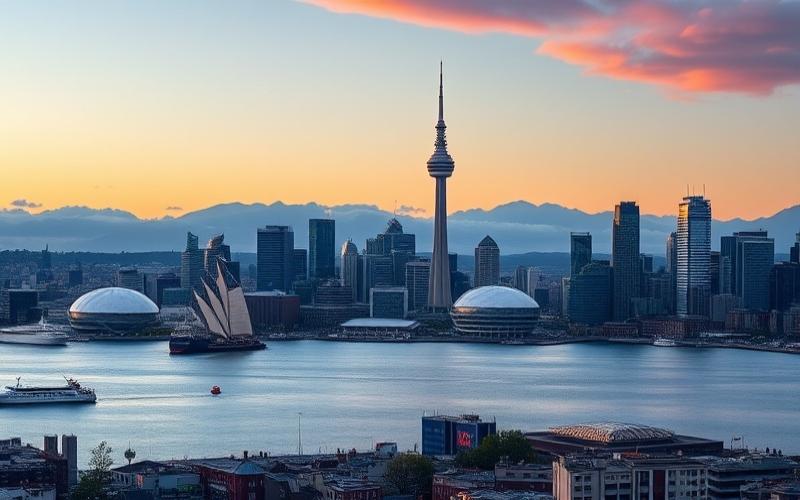
- Networking Opportunities: Dynamic coworking spaces exist in major cities like Auckland and Wellington. These venues foster exchanges between international and local professionals, encouraging rich network development.
| Attractive Factors | Details |
|---|---|
| Quality of Life | Varied landscapes (beaches, mountains), high safety |
| Technology | Collaborative tools available everywhere |
| Internet | Widespread broadband even in isolated regions |
| Networking | Modern coworking spaces; frequent tech events |
The growing arrival of digital nomads has a tangible cultural and economic impact on local communities:
- Cultural Exchange: Their presence enriches New Zealand’s social fabric through continuous sharing of international experiences. This blending stimulates open-mindedness among both residents and newcomers.
- Innovation: The constant influx of fresh ideas fosters local entrepreneurial innovation; some digital nomads occasionally launch their own startups locally or engage in innovative community projects.
- Positive Economic Effect: Since they often work for foreign employers but spend locally (accommodation, dining, leisure), they directly inject foreign currency into the national economy without competing with the local workforce.
“Working facing the mountains of Abel Tasman National Park transformed my work routine. Here I found a welcoming community ready to share practical advice… It’s inspiring!”
— Sophie M., French freelancer temporarily based near Nelson
“Meeting people at tech events allowed me not only to expand my network but also my skills through informal peer sharing with people from around the world.”
— Lucas R., German web developer based in Wellington
In summary:
- New Zealand strongly attracts this new mobile generation through relaxed immigration policies (specific visas up to 12 months depending on profile), rare environmental quality, and solid digital infrastructure.
- The benefits are multiple: stimulation of off-peak tourism, cultural revitalization in urban or rural areas, and strengthening of the country’s innovative positioning on the international stage.
Good to Know:
Digital nomads, defined as individuals who use digital technologies to work remotely while traveling, find New Zealand an ideal destination thanks to its exceptional quality of life, access to advanced technologies, and reliable internet connection. The country is prized for its stunning landscapes and dynamic cities like Auckland and Wellington, which are also important networking hubs for entrepreneurs and startups. The arrival of these mobile workers stimulates the local economy through short-term rentals and creates enriching cultural exchanges, fostering innovation within communities. According to testimonials from digital nomads living in New Zealand, the flexibility offered by this lifestyle enables a unique work-life balance while enjoying a rich cultural scene and numerous outdoor activities.
The Rise of Coliving and Its Effects on the Real Estate Market
The rise of coliving in New Zealand is closely linked to the growing influx of digital nomads attracted by the quality of life, exceptional landscapes, and dynamic tech scene. Since the pandemic, coliving spaces have experienced accelerated popularity: this housing model particularly appeals to nomadic workers seeking flexibility, community, and all-inclusive services.
Attractive Coliving Features for Digital Nomads:
- Contract flexibility (short or medium-term rentals without heavy commitment)
- Common spaces promoting exchange and professional networking
- Included services (cleaning, high-speed wifi, coworking spaces)
- Community activities (workshops, social events)
- Strategic locations in vibrant urban centers or near iconic natural sites
These advantages meet the expectations of a mobile generation prioritizing geographic freedom and an environment conducive to remote work. Digital nomads thus choose coliving not only to reduce fixed costs but also to break the isolation often associated with remote work.
| Feature | Main Advantage | Impact on Digital Nomads |
| Flexibility | Adaptation to frequent moves | Stay according to their projects/contracts |
| Community | Facilitated networking | Quick creation of professional connections |
| All-Inclusive Services | Time savings/simplified management | Focus on their activity |
The Massive Arrival of Digital Nomads Transforms the Local Real Estate Market:
- Notable increase in rental demand in major cities like Auckland and Wellington.
- Upward pressure on urban rents: some central neighborhoods have seen prices rise up to +15% in two years.
- Rapid development of hybrid offers between traditional housing and coliving adapted to temporary needs.
This shift pushes real estate developers and hospitality sector players to reinvent their offerings: several recent projects testify to local dynamism. For example:
Recent Examples in New Zealand
- Outpost Central Wellington: residence focused on workplace wellness with integrated fitness space.
- Nomad Colive Auckland: “all-in-one” model combining modular accommodation, 24/7 shared offices, and personalized management via mobile app.
Studies indicate that over one-third of new residential spaces created since 2023 now include a “coliving” component, permanently altering New Zealand’s real estate landscape. This evolution tends to democratize flexible housing centered on collective experience rather than individual ownership.
Good to Know:
In New Zealand, coliving is experiencing growing popularity, particularly driven by the influx of digital nomads seeking flexibility, community, and all-inclusive services. These shared living spaces meet the mobility and social interaction needs characteristic of these itinerant professionals. The rise of coliving is transforming the real estate market by increasing demand for shared housing, which helps stabilize or even reduce rents in some urban regions like Auckland and Wellington. A 2022 study shows that coliving projects have surged by 30% since 2020, with successful initiatives like The Coh in major urban centers. This housing model could potentially redefine the traditional real estate landscape by challenging conventional rental structures while adapting to the requirements of modern tenants.
The Importance of High-Speed WiFi for Attracting Nomadic Clientele
The number of digital nomads in New Zealand is experiencing significant growth, driven by the global rise of remote work and the search for better work-life balance. Between 2019 and 2022, the global digital nomad population increased by 131%, reaching at least 40 million individuals—a movement from which New Zealand aims to capture a growing share by adapting its visa policies to facilitate welcoming these mobile workers.
Access to reliable high-speed wifi has become an essential condition for this lifestyle, as it directly determines digital nomads’ ability to conduct their professional activities remotely. By January 2025, New Zealand’s internet penetration rate had already reached 96.2% with over five million connected users; however, digital nomads’ specific expectations go beyond mere access: they seek fast, stable connections enabling video conferences, rapid transfer of large files, or simultaneous management of cloud tools.
Accommodation choices are profoundly influenced by this:
- The “guaranteed high-speed wifi” criterion consistently ranks among the top requirements when selecting housing.
- Numerous testimonials emphasize that a bad experience (frequent outages or slow speeds) immediately leads to changing accommodations or leaving negative reviews significantly impacting the location’s reputation.
- International platforms now include measured bandwidth in their advanced filters to meet growing needs.
This phenomenon is transforming New Zealand’s rental market:
| Required Adaptations | Opportunities for Property Owners |
|---|---|
| Fiber installation or improvement | Increased valuation on platforms |
| Clear communication about actual speeds | Potential for premium pricing |
| Multiple outlets/work spaces | Longer average rental duration |
Property owners are thus incentivized to invest in technical improvements (fiber optics, wifi repeaters), adapt their spaces (creating ergonomic work corners), and highlight these advantages in their communications. Some testimonials report occupancy rates increasing by up to +30% after certifying very high-speed internet access.
“I chose my apartment solely because it guaranteed over 100 Mbps everywhere in the unit—it’s non-negotiable for my work!” shares Lucas F., French freelance developer temporarily based near Lake Taupo.
In conclusion: the growing demand from digital nomads is now permanently shaping New Zealand’s rental offerings, making high-speed wifi not only an expected service but also a decisive marketing argument and potential source of additional revenue.
Good to Know:
With a 30% increase in digital nomads in New Zealand since 2021, high-speed wifi has become an essential criterion in their accommodation choices, significantly influencing the rental market. Fast, reliable internet access allows these workers to stay connected and productive, which is why property owners are now investing in modern infrastructure to attract this nomadic clientele. A recent testimonial from an American digital nomad emphasizes that they prefer paying 20% more for housing well-equipped with wifi rather than risking unstable connections. Thus, regions like Auckland and Wellington are adapting their rental offerings, considering wifi as a major promotional asset and creating opportunities for property owners looking to optimize their real estate to capture this growing demand.
Disclaimer: The information provided on this website is for informational purposes only and does not constitute financial, legal, or professional advice. We encourage you to consult qualified experts before making any investment, real estate, or expatriation decisions. Although we strive to maintain up-to-date and accurate information, we do not guarantee the completeness, accuracy, or timeliness of the proposed content. As investment and expatriation involve risks, we disclaim any liability for potential losses or damages arising from the use of this site. Your use of this site confirms your acceptance of these terms and your understanding of the associated risks.

Cyril Jarnias is an independent expert in international wealth management with over 20 years of experience. As an expatriate himself, he is dedicated to helping individuals and business leaders build, protect, and pass on their wealth with complete peace of mind.
On his website, cyriljarnias.com, he shares his expertise on international real estate, offshore company formation, and expatriation.
Thanks to his expertise, he offers sound advice to optimize his clients' wealth management. Cyril Jarnias is also recognized for his appearances in many prestigious media outlets such as BFM Business, les Français de l’étranger, Le Figaro, Les Echos, and Mieux vivre votre argent, where he shares his knowledge and know-how in wealth management.