Published on and written by Cyril Jarnias
New Zealand: A Major Urban Transformation
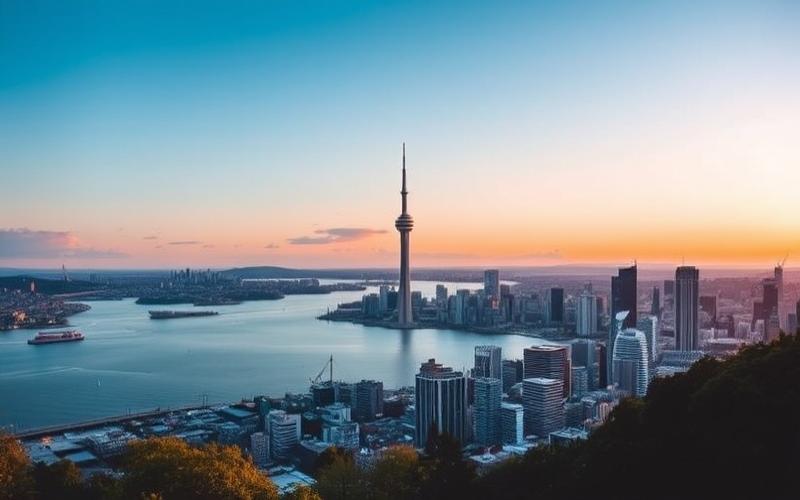
New Zealand, known for its picturesque landscapes and commitment to sustainability, is on the brink of a major urban transformation. With a series of ambitious development projects, the country’s main cities are preparing to welcome innovative infrastructure that promises to redefine urban living in 2024 and beyond.
The fusion of new technologies, environmentally friendly practices, and a resident-centered approach is unprecedented, positioning the country at the forefront of global urban initiatives.
Ambitious Projects to Meet Urban Needs
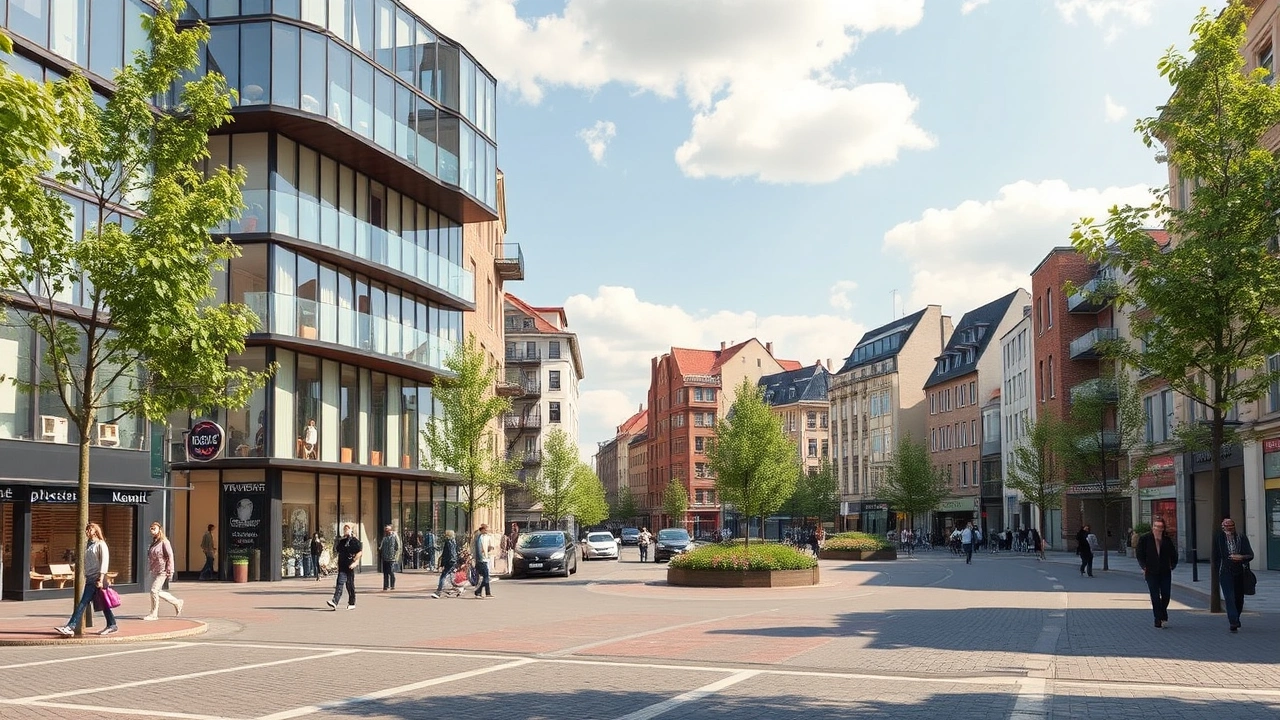
These projects, ranging from new neighborhoods to bold renovations, aim not only to address growing housing demand but also to enhance quality of life in smart, connected environments.
Economic and Social Implications
The implications for the economy, society, and ecosystem are vast, attracting attention from urban planners and investors worldwide, curious to see how New Zealand is reinventing its urban future.
Good to Know:
New Zealand is often cited as a model for sustainable development and urban innovation, making it a preferred study ground for experts worldwide.
Major Projects: Transforming New Zealand’s Urban Face
Several major urban development projects are currently transforming the face of New Zealand cities, aiming to address growing challenges related to population growth, sustainability, and evolving urban needs.
Iconic Projects Underway or Planned
- Wynyard Quarter (Auckland): The country’s largest urban regeneration project, with smart infrastructure integrating sensors and data collection to optimize climate resilience and energy efficiency. The design accounts for flood risks and adopts strict environmental standards.
- City Centre Masterplan (Auckland): An ongoing program to make the city center more inclusive, accessible, vibrant, and an economic driver for the entire region.
- Rosedale Bus Station & Pedestrian Improvements (North Auckland): Creation of a new modern bus station combined with cycling/pedestrian facilities to streamline soft mobility.
- Wellsford Water & Wastewater Treatment Plant: Complete modernization to preserve water quality while anticipating population growth.
- Te Kori Scott Park (Hobsonville): Development of a sustainable sports park serving community well-being.
| Project | Main Objectives | Expected Transformation |
|---|---|---|
| Wynyard Quarter | Climate resilience, smart management | Sustainable neighborhood model |
| City Centre Masterplan | Social inclusion, economic dynamism | Attractive city center |
| Rosedale Bus Station | Green/sustainable mobility | Reduced car traffic |
| Wellsford Water Treatment | Environmental quality | Natural resource protection |
| Te Kori Scott Park | Sustainable recreation | Modern green spaces |
Structural Objectives
- Sustainability: Systematic integration of green solutions (smart water management, energy efficiency), adoption of climate-resilient infrastructure
- Infrastructure: Renovation or construction of essential public facilities (modernized central libraries, multimodal stations)
- Housing: Indirect support through creating attractive urban environments capable of accommodating growing populations
- Transportation: Priority given to efficient public transport and active modes through improved connectivity
Key Stakeholders Involved
Non-exhaustive list:
- Local governments such as Auckland Council
- Urban planners specializing in sustainable development
- National/international construction companies
- Examples cited in various recent major projects
- Frequent public/private partnerships
Addressing Current & Future Challenges
These initiatives directly tackle:
- Population pressure through proactive planning
- Ecological requirements through extensive use of smart technologies
- Increased need for safe infrastructure against natural risks
- Social imperatives through strengthening community fabric
They also contribute to:
“Economically revitalizing city centers while enhancing their cultural appeal through renewed public spaces adapted to new uses.”
Collectively, this helps shape New Zealand cities where urban quality rhymes with responsible innovation.
Good to Know:
Urban development projects in New Zealand, such as the transformation of Auckland’s city center and the expansion of the light rail line in Wellington, aim to drastically revitalize urban landscapes with significant emphasis on sustainability. These projects, led by local governments in collaboration with construction companies and urban planners, integrate green infrastructure, increase housing supply, and improve transportation systems to address current and future urban challenges. The establishment of sustainable neighborhoods and modernization of public transport networks not only help reduce carbon footprint but also support economic and cultural growth by creating dynamic spaces for residents. For example, the City Rail Link project in Auckland is a central pivot that promises to decongest roads while stimulating commercial activity around its new stations, playing a crucial role in revitalizing urban centers.
Imminent Impact on the Real Estate Market
Urban development projects in New Zealand are profoundly influencing the local real estate market, particularly in major urban areas such as Auckland, Wellington, and Christchurch. These cities are witnessing major investments aimed at modernizing infrastructure, increasing residential supply, and meeting growing needs related to demographics and ecological transition.
Key Regions Affected by Urban Projects
- Auckland: The country’s largest market, driving new housing construction and urban renovation.
- Wellington: Focus on improving existing housing stock and creating sustainable commercial spaces.
- Christchurch: Post-earthquake redesign with priority given to architectural and environmental innovation.
Implications for the Real Estate Market
| Effect | Description |
|---|---|
| Real Estate Prices | Marked increase in renovated central areas or near employment hubs; annual growth potentially exceeding 9% in some sought-after neighborhoods |
| Rental Demand | Strong growth near economic hubs (logistics, modern offices); high occupancy rates supported by commercial dynamism |
| Homeownership Accessibility | Increased difficulties for some households despite growth in first-time buyers through KiwiSaver, flexible loan conditions, and programs targeting new builds |
Concrete Project Examples
- Construction of NABERSNZ/Green Star certified buildings integrating smart technologies (automated digital monitoring), particularly around Auckland’s port
- Massive development of new peripheral residential neighborhoods to address chronic affordable housing shortage
- Christchurch city center renovation focused on mixed-use (residential/commercial) with green spaces
Current Trends
Prices continue to rise in strategic urban centers, but some peripheries are becoming attractive due to new developments. Rental demand is driven by robust post-pandemic economic recovery and renewed tourism, temporarily increasing pressure on certain residential offerings. First-time buyers are reaching record levels with over 26% of recent transactions, aided by:
- Easier access to KiwiSaver
- Mortgage loans with lower personal contribution requirements
- Priority purchase options for new housing
“2024 has been a record year for first-time buyers… facilitated by several factors including access to KiwiSaver”
— CoreLogic NZ
Future Forecasts & Factors Influencing Projections
List of main drivers:
- Government policy (land/fiscal reforms)
- Limited but stable foreign investment in rental sector
- Transition to green buildings required both commercially and residentially
- Persistent demographic pressure particularly around major economic hubs
However, experts emphasize that:
“The New Zealand sector is preparing for a promising rebound… supported by macroeconomic stabilization”
Accessibility will nevertheless remain under pressure without significant expansion of affordable supply or major acceleration of construction pace.
Good to Know:
Urban development projects in New Zealand, such as the revitalization of Auckland’s city center and the expansion of transportation infrastructure in Wellington, are driving up real estate prices in these regions, according to real estate expert James Thompson. Rental demand is also expected to increase, particularly in areas benefiting from significant improvements, making homeownership even more difficult for first-time buyers. Some forecasters, like Lisa Whittier of Real Estate Insights, anticipate eventual price stabilization in peripheral suburbs where new residential projects are planned. These developments could create differentiated trends, where some areas become more attractive to long-term investors, while others might experience higher rental turnover rates, says Anna Curtis, real estate analyst.
New Zealand: An Investor’s Paradise
New Zealand attracts numerous investors in urban development thanks to a unique combination of economic assets, political stability, and a transparent regulatory environment. This context fosters the emergence of varied opportunities in residential, commercial, and infrastructure sectors.
Major Reasons for New Zealand’s Appeal:
- Economic stability with a highly developed free market and solid institutions
- Transparent regulatory regime ensuring investment security
- Sustained demographic pressure, particularly in Auckland, generating strong demand for housing and urban facilities
- Proactive government policies: tax incentives, recent structural reforms to stimulate real estate and infrastructure sectors
Opportunities Offered by Upcoming Urban Projects:
| Sector | Main Opportunities | Recent Examples/Flagship Projects |
|---|---|---|
| Residential Real Estate | Massive development of new housing | Rapid growth of residential stock in Auckland |
| Commercial Real Estate | Construction of modern office spaces | Continuous expansion of Auckland’s city center |
| Transportation Infrastructure | Major railway/subway/light rail works | City Rail Link (Auckland), AKL-Hamilton-Tauranga fast train project |
Economic Benefits and Favorable Public Policies:
- Tax incentives dedicated to major real estate investments
- Public-private partnerships encouraged by the state to accelerate delivery of structural projects
- Massive public investments in energy renewal and sustainable urban mobility
Concrete Examples Illustrating This Dynamic:
- Auckland metro extension (City Rail Link): project jointly funded by city and state (3 billion NZD), emblematic example of public/private partnership.
- Announced fast train project between Auckland, Hamilton and Tauranga aiming to rebalance transportation modes in favor of rail.
- Multiplication of residential programs to respond to constant migration flow to major cities.
Public-Private Partnerships at the Heart of the New Zealand Model:
- Balanced funding/risk distribution between local public actors (cities) or national (state) and private international or institutional investors.
- Regular calls for tender on major urban construction sites allowing real openness to foreign capital.
In summary, New Zealand positions itself as a paradise thanks to its sustained urban growth, attractive policies for international investment, and increasing reliance on collaborative public-private models. These combined factors offer particularly fertile ground for investors wanting to engage in dynamic markets with potential in both real estate and infrastructure.
Good to Know:
New Zealand, thanks to its economic stability and favorable government policies, is a paradise for investors in the urban development sector. The country offers attractive tax incentives and an environment conducive to investment, making it particularly interesting for residential, commercial real estate, and transportation infrastructure projects. Among recent examples, the development of Auckland Light Rail illustrates the sector’s dynamism, offering significant growth opportunities. Public-private partnerships play a key role in these initiatives, facilitating the implementation of ambitious projects and targeting expanding sectors. These combined factors position New Zealand as fertile ground for investors seeking to capitalize on the potential of upcoming urban development.
Disclaimer: The information provided on this website is for informational purposes only and does not constitute financial, legal, or professional advice. We encourage you to consult qualified experts before making any investment, real estate, or expatriation decisions. Although we strive to maintain up-to-date and accurate information, we do not guarantee the completeness, accuracy, or timeliness of the proposed content. As investment and expatriation involve risks, we disclaim any liability for potential losses or damages arising from the use of this site. Your use of this site confirms your acceptance of these terms and your understanding of the associated risks.

Cyril Jarnias is an independent expert in international wealth management with over 20 years of experience. As an expatriate himself, he is dedicated to helping individuals and business leaders build, protect, and pass on their wealth with complete peace of mind.
On his website, cyriljarnias.com, he shares his expertise on international real estate, offshore company formation, and expatriation.
Thanks to his expertise, he offers sound advice to optimize his clients' wealth management. Cyril Jarnias is also recognized for his appearances in many prestigious media outlets such as BFM Business, les Français de l’étranger, Le Figaro, Les Echos, and Mieux vivre votre argent, where he shares his knowledge and know-how in wealth management.