 Published on and written by Cyril Jarnias
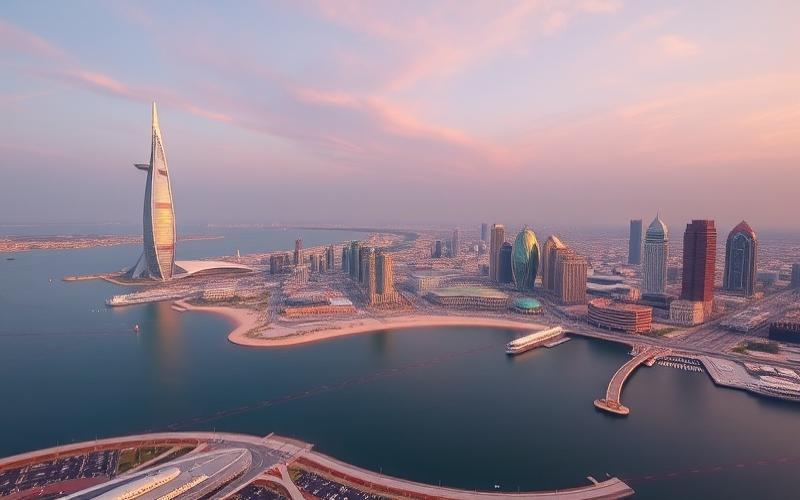
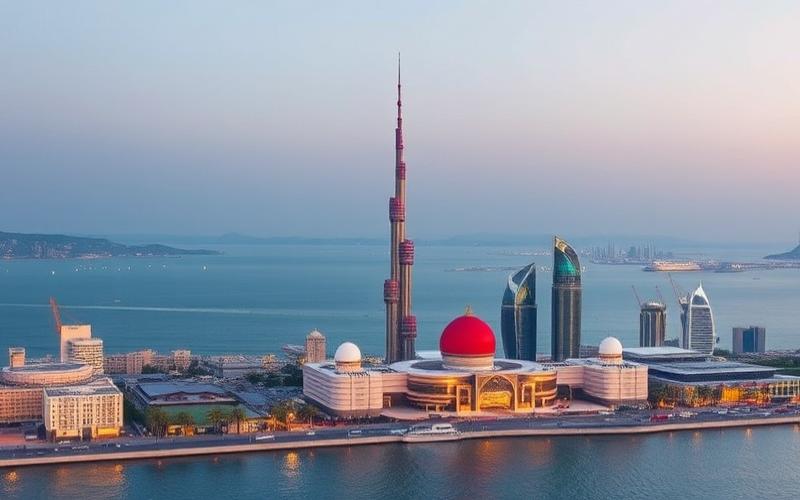
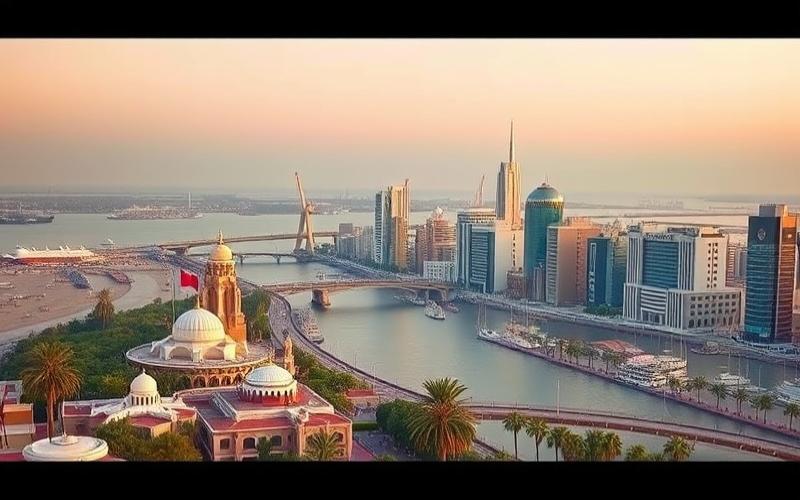
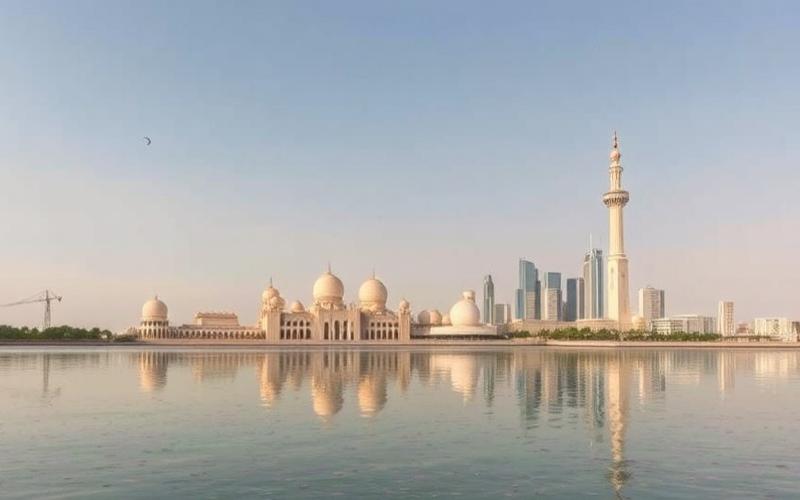
Qatar is undergoing a spectacular transformation of its real estate market, largely influenced by the tourism boom in this small Gulf emirate. With the successful hosting of the 2022 FIFA World Cup and an ambitious economic diversification strategy, Qatar has positioned itself as a premier tourist destination in the Middle East. This evolution has had major repercussions on the local real estate sector, creating new opportunities but also challenges for investors and residents.
Qatar’s Tourist Gems: Thriving Neighborhoods
Qatar’s tourism development has focused on several key areas that have become true magnets for international visitors and real estate investors:
The Pearl-Qatar: An Artificial Paradise Favored by Tourists and Expatriates
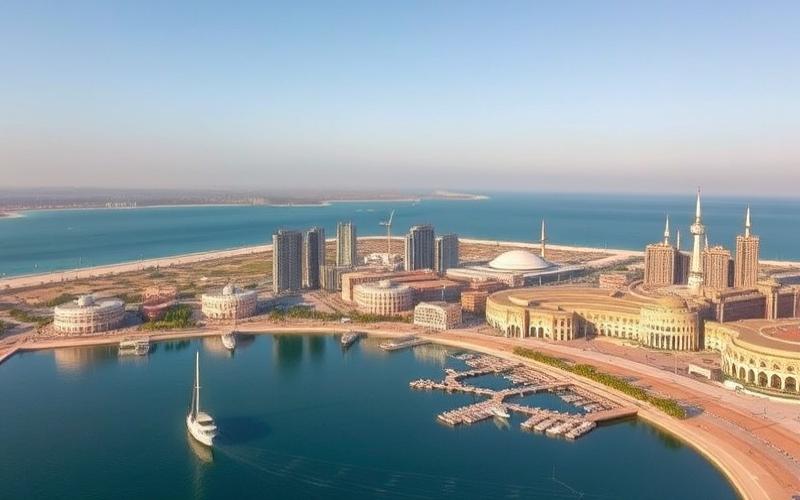
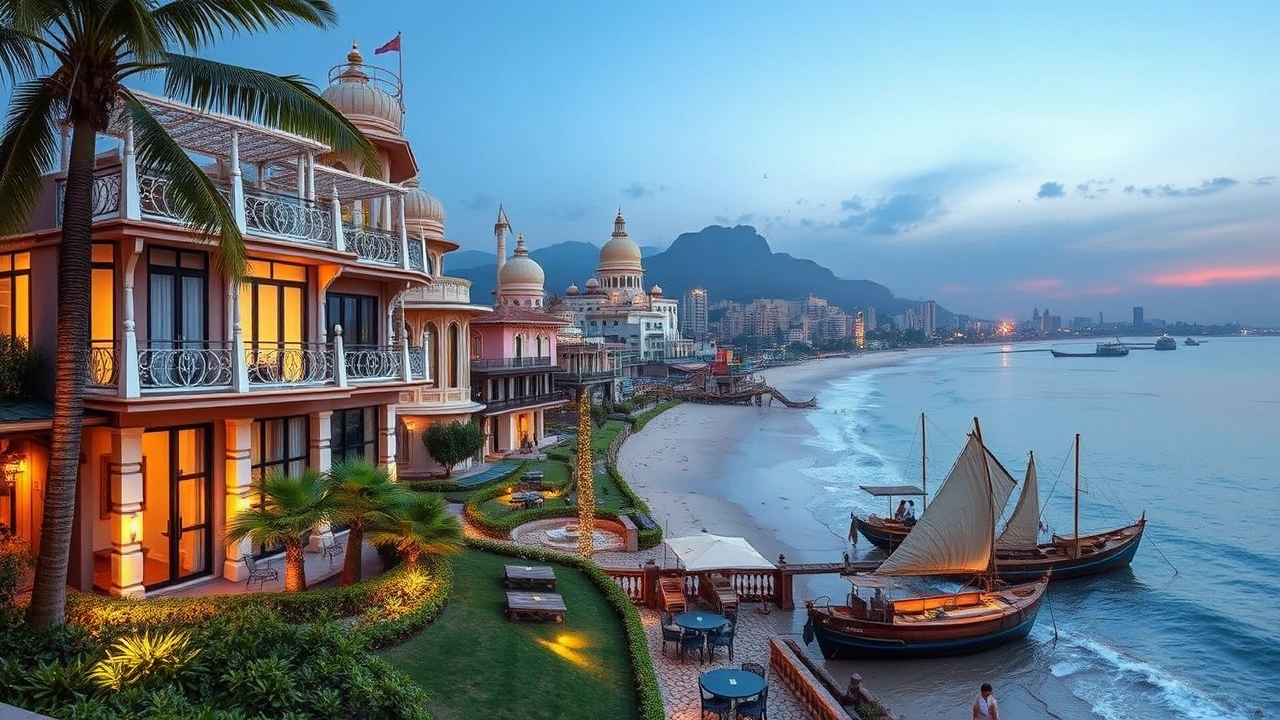
Located north of Doha, The Pearl-Qatar is a luxurious artificial island that perfectly embodies the country’s tourism and real estate ambitions. This high-end residential and commercial complex offers:
- Luxury apartments and villas with sea views
- Marinas for private yachts
- International brand boutiques
- Fine dining restaurants
The Pearl-Qatar has become one of the most sought-after neighborhoods by expatriates and foreign investors, with real estate prices among the highest in the country.
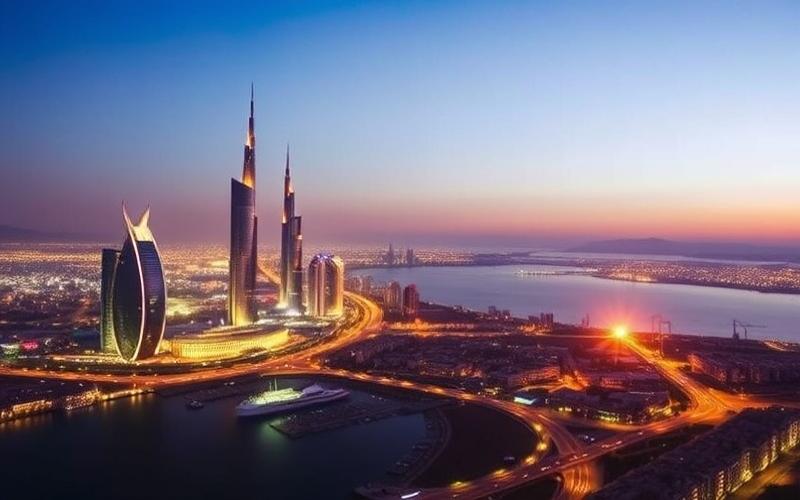
West Bay: The Business and Luxury District
West Bay, Doha’s central business district, hosts numerous luxury hotels, shopping centers, and iconic skyscrapers. This area particularly attracts:
- Business travelers
- Tourists seeking high-end shopping
- Real estate investors targeting the office and luxury apartment market
The growing demand for housing and office spaces in this prestigious neighborhood has led to a significant increase in real estate prices.
Lusail: The City of the Future
Located north of Doha, Lusail is a futuristic smart city project that hosted several matches during the 2022 World Cup. This new tourist destination offers:
- An ultramodern stadium
- Eco-friendly residential complexes
- Marinas and artificial beaches
- Innovative shopping and entertainment centers
Lusail is attracting more and more real estate investors, drawn by the growth potential of this new city designed for tourism and innovation.
Good to Know:
These flagship tourist areas have experienced rapid real estate growth, with square meter prices sometimes doubling within just a few years, particularly leading up to the 2022 World Cup.
Soaring Prices: When Tourism Ignites Qatari Real Estate
The massive influx of tourists and foreign investors has had a considerable impact on real estate prices in Qatar:
Widespread Price Increases in Tourist Areas
According to data from Qatar’s Ministry of Justice, real estate prices in popular tourist areas have seen an average annual increase of 15 to 20% since 2015. This trend accelerated leading up to the 2022 World Cup, with peak increases sometimes reaching 30 to 40% in sought-after neighborhoods like The Pearl-Qatar or West Bay.
Growing Disparities Between Tourist and Residential Areas
The tourism boom has widened price gaps between tourist neighborhoods and traditional residential areas. While the average price per square meter can reach 20,000 Qatari riyals (approximately $5,500) in areas like The Pearl-Qatar, it remains around 8,000 to 10,000 Qatari riyals in residential neighborhoods farther from the center.
An Expanding Rental Market
The growing demand for housing from tourists and expatriates has led to a significant rise in rents, particularly for luxury apartments and villas. In popular tourist areas, monthly rents can easily exceed 15,000 Qatari riyals (approximately $4,100) for a two-bedroom apartment.
Good to Know:
The rise in real estate prices in tourist areas has sometimes led to gentrification, pushing some local residents to move to more affordable neighborhoods on the outskirts of Doha.
The Rental Investment Boom: A Windfall for Property Owners
The tourism boom in Qatar has created fertile ground for rental investment, attracting many local and foreign investors:
Seasonal Rentals on the Rise
With the influx of tourists, particularly during major events like the 2022 World Cup, seasonal rentals have become a highly lucrative option for property owners. Platforms like Airbnb have seen their activity explode in Qatar, with rates reaching several thousand dollars per night for well-located apartments during peak periods.
Attractive Rental Yields
The Qatari rental market offers particularly interesting yields for investors. In sought-after tourist areas, gross rental yields can reach 6 to 8% per year, or even more for well-located high-end properties.
Opportunities in Hotel Real Estate
The tourism boom has also stimulated investment in hotel real estate. Many investors are turning to purchasing rooms or apartments in hotel complexes, benefiting from professional management and revenue generated by tourism activity.
A Regulatory Framework Favorable to Foreign Investors
The Qatari government has eased restrictions on property ownership for foreigners, now allowing the purchase of properties in certain designated areas. This openness has attracted many international investors, further stimulating the local real estate market.
Good to Know:
Despite attractive yields, investors must remain vigilant about fluctuations in the tourism market. The post-World Cup 2022 period, in particular, saw a slight price correction in certain market segments.
Future Prospects: An Evolving Real Estate Market
The impact of tourism on Qatar’s real estate market is expected to continue in the coming years:
Diversification of Tourist Offerings
Qatar is betting on diversifying its tourist offerings, with the development of new cultural attractions, leisure activities, and business facilities. This strategy should support real estate demand in existing and emerging tourist areas.
Sustainability Challenges
Faced with the rapid growth of the real estate sector, Qatar will need to address challenges in terms of environmental and social sustainability. The development of more eco-friendly real estate projects and the integration of local communities will be crucial for ensuring balanced development.
Increased Market Regulation
To avoid the risks of a real estate bubble and protect the interests of local residents, the Qatari government may need to strengthen regulation of the real estate market, particularly in the most sought-after tourist areas.
Good to Know:
Qatar aims to welcome 6 million visitors per year by 2030, which should continue to support real estate demand in the coming years, while requiring careful management of urban development.
The impact of tourism on Qatar’s real estate market is undeniable, profoundly transforming the country’s urban and economic landscape. While this evolution offers numerous opportunities for investors and stimulates economic development, it also raises important questions regarding housing accessibility for local residents and long-term sustainability.
The challenge for Qatar will be to maintain a balance between tourism development, real estate growth, and the needs of its local population, while consolidating its position as an attractive destination for international visitors.
Disclaimer: The information provided on this website is for informational purposes only and does not constitute financial, legal, or professional advice. We encourage you to consult qualified experts before making any investment, real estate, or expatriation decisions. Although we strive to maintain up-to-date and accurate information, we do not guarantee the completeness, accuracy, or timeliness of the proposed content. As investment and expatriation involve risks, we disclaim any liability for potential losses or damages arising from the use of this site. Your use of this site confirms your acceptance of these terms and your understanding of the associated risks.

Cyril Jarnias is an independent expert in international wealth management with over 20 years of experience. As an expatriate himself, he is dedicated to helping individuals and business leaders build, protect, and pass on their wealth with complete peace of mind.
On his website, cyriljarnias.com, he shares his expertise on international real estate, offshore company formation, and expatriation.
Thanks to his expertise, he offers sound advice to optimize his clients' wealth management. Cyril Jarnias is also recognized for his appearances in many prestigious media outlets such as BFM Business, les Français de l’étranger, Le Figaro, Les Echos, and Mieux vivre votre argent, where he shares his knowledge and know-how in wealth management.