 Published on and written by Cyril Jarnias
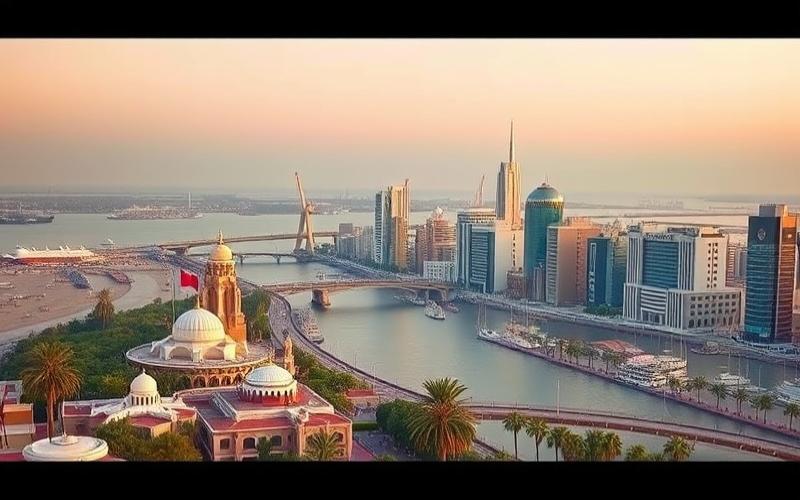
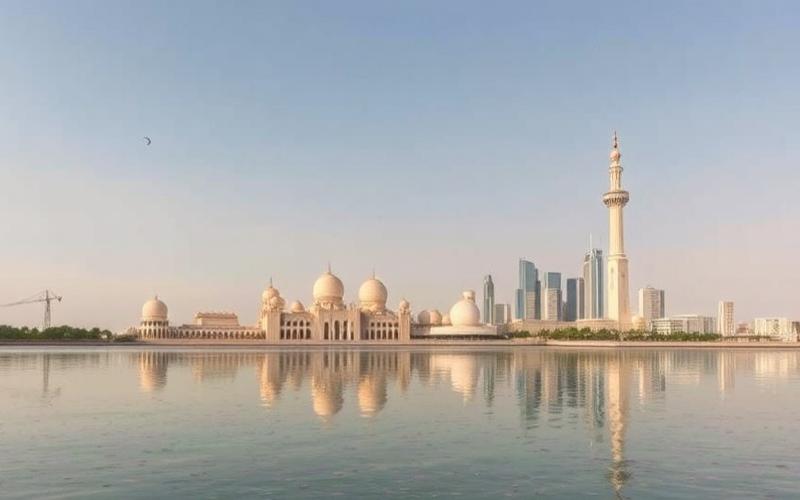
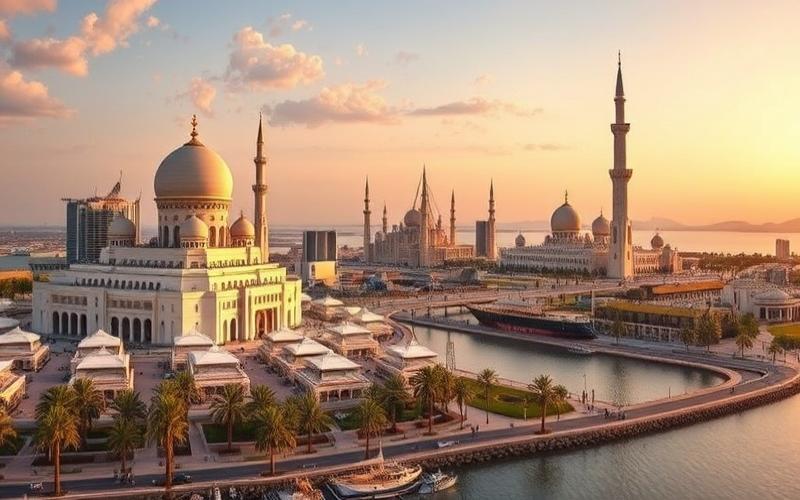
Qatar, a small emirate in the Persian Gulf, is becoming a top destination for real estate investors worldwide. With its thriving economy, modern infrastructure, and growing tourist appeal, the country offers enticing opportunities in the seasonal rental market. Let’s dive into this expanding market and discover why Qatar could well be your next real estate gold mine.
A Land of Opportunity for Savvy Property Owners
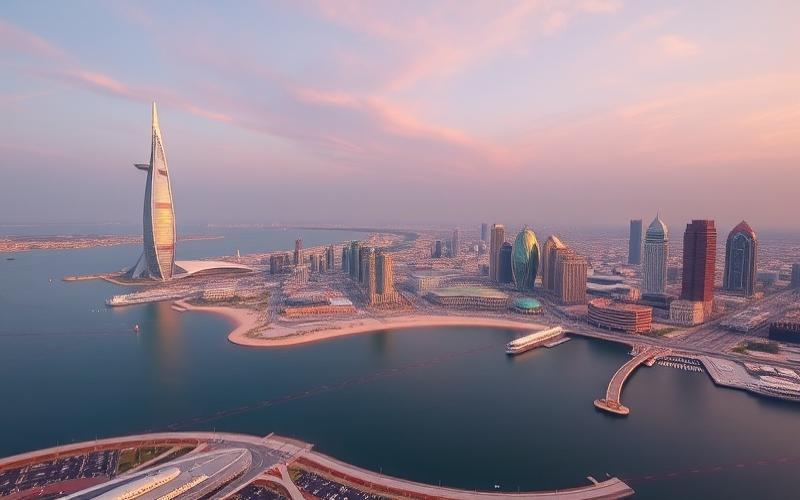
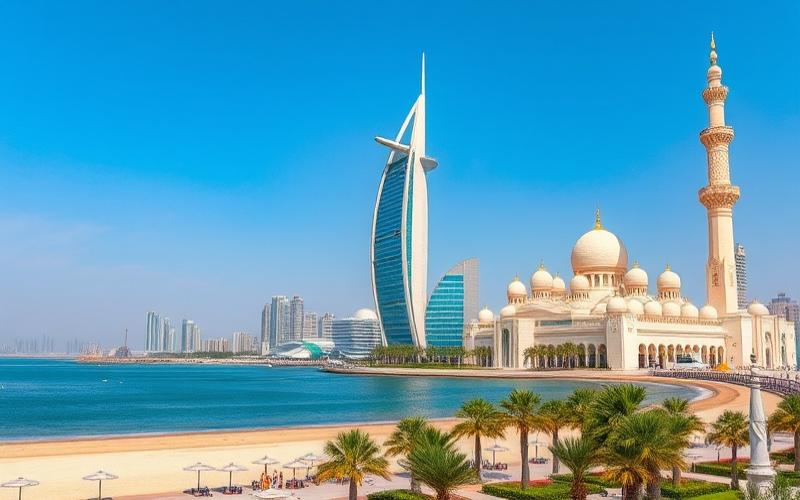
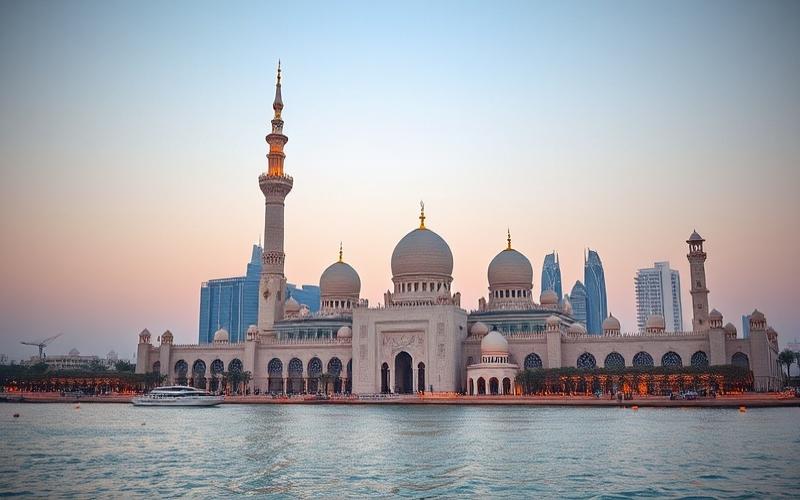
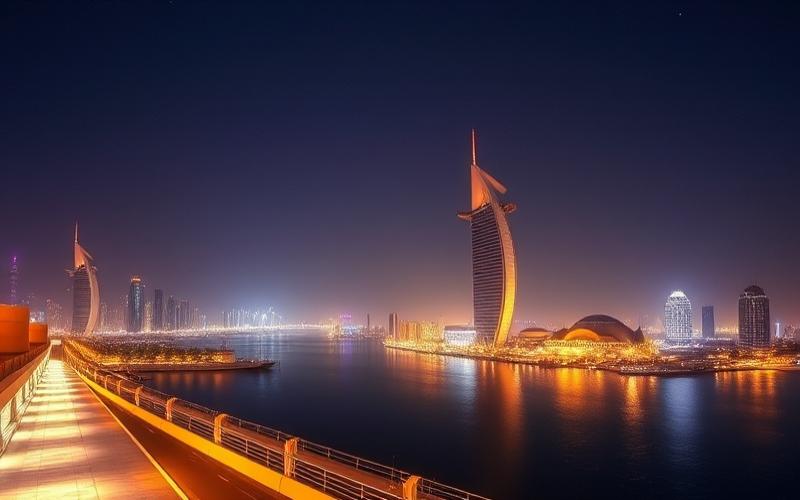
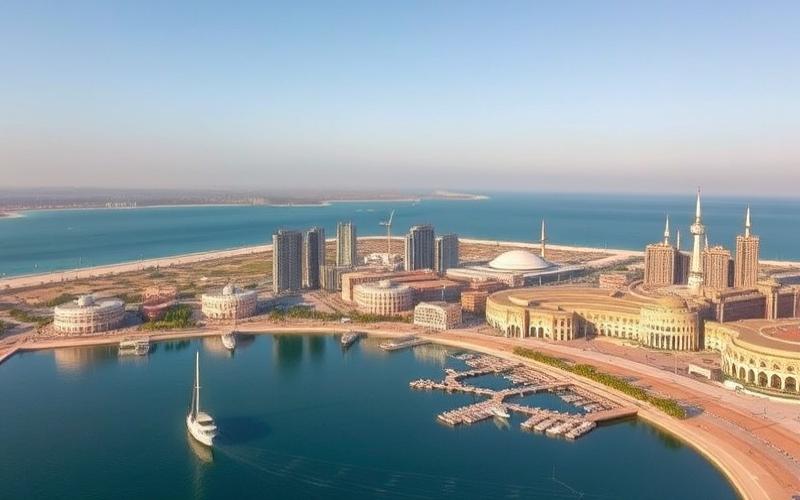
Seasonal rental in Qatar proves to be a genuine gold mine for forward-thinking investors. This small Middle Eastern country, known for its futuristic skyscrapers and pristine sandy beaches, is attracting more and more visitors, whether tourists or business travelers. This growing influx creates sustained demand for short-term accommodations, offering very attractive profitability prospects for property owners.
One of the main strengths of the Qatari market is its economic stability. Thanks to its significant natural gas reserves, Qatar enjoys prosperity that is reflected across all sectors, including real estate. Property prices remain relatively stable, allowing investors to plan for the long term with some peace of mind.
Furthermore, the Qatari government has implemented policies favorable to foreign investors, facilitating property acquisition in designated areas. This opening of the real estate market to foreigners has significantly energized the sector, creating an environment conducive to investment in seasonal rentals.
Another significant advantage is the diversity of potential tenant profiles. Qatar attracts not only tourists seeking luxury and exoticism but also numerous professionals coming for conferences, trade fairs, or long-term assignments. This variety of clientele allows property owners to maintain high occupancy rates throughout the year, thus maximizing their income.
Finally, let’s not forget the impact of major international events on the seasonal rental market. Qatar recently hosted the 2022 FIFA World Cup, an event that propelled the country onto the global stage and significantly boosted the temporary accommodation sector. Property owners who had invested in seasonal rentals before this event saw their income skyrocket, and this trend is expected to continue with the many international events planned in the coming years.
Good to Know:
Qatar offers a stable economic environment and policies favorable to foreign investors, making it a prime destination for investment in seasonal rentals. The diversity of potential tenants and the hosting of international events help maintain high occupancy rates year-round.
Keys to Success: Effectively Managing Your Property in Qatar
Effective management of your seasonal rental property in Qatar is crucial to maximizing your income and ensuring tenant satisfaction. In a country where service excellence is the norm, it’s essential to maintain high standards to stand out from the competition.
One of the most important aspects of managing a seasonal rental property in Qatar is maintenance. The country’s desert climate, characterized by high temperatures and significant humidity, can strain installations. Therefore, it’s essential to conduct regular checks and ensure rigorous maintenance of air conditioning, plumbing, and electrical systems. These frequent inspections will help prevent problems before they occur, ensuring your tenants’ comfort and avoiding costly repairs.
Your property’s decoration and furnishings also play a crucial role in its appeal. Tenants in Qatar, whether tourists or professionals, expect a certain level of luxury and comfort. Investing in quality furniture, modern equipment, and careful decoration can make all the difference. Don’t hesitate to draw inspiration from local architectural style, incorporating elements of contemporary Arabic design to create a unique and memorable ambiance.
Managing bookings and communication with clients is another crucial aspect. In a competitive market like Qatar’s, responsiveness and quality customer service can make the difference between a property that’s fully booked and one that struggles to find tenants. Consider using online management tools to automate bookings and facilitate communication with your clients. If you don’t reside in Qatar, it may be wise to hire a local management agency to handle these day-to-day aspects.
Dynamic pricing is a particularly effective strategy in the Qatari context. Rental prices can vary considerably depending on the season, local events, and demand. For example, during the high tourist season (November to April) or during major events like the Qatar Formula 1 Grand Prix, you can increase your rates. Conversely, during the summer months, when temperatures are extremely high, you might offer more attractive rates to maintain satisfactory occupancy levels.
Finally, don’t forget the importance of marketing. Highlight your property’s assets and its location. If it’s near iconic places like the National Museum of Qatar, Souq Waqif, or the Doha Corniche, be sure to mention it in your listings. Use high-quality photos and detailed descriptions to entice potential tenants to choose your property.
Good to Know:
Effective management of your seasonal rental property in Qatar involves regular maintenance, careful decoration, professional booking management, dynamic pricing, and targeted marketing. These elements are essential to stand out in a competitive and demanding market.
Understanding and respecting local regulations is crucial for success in the seasonal rental field in Qatar. The Qatari legal framework, while favorable to foreign investors, has certain particularities that are important to master to avoid any legal pitfalls.
First, it’s important to know that Qatar recently relaxed its real estate ownership laws for foreigners. Since 2020, non-Qataris can acquire real estate properties in designated areas, including Lusail, Al Khor, Al Wakrah, and certain districts of Doha. This opening has significantly energized the real estate investment market, offering new opportunities for seasonal rentals.
However, if you’re considering investing in seasonal rentals in Qatar, you’ll need to obtain a specific license. The Qatari government has implemented a licensing system to regulate the short-term rental market. This license, issued by the Qatar Tourism Authority, is mandatory for anyone wishing to rent their property for stays of less than 30 days. The process of obtaining this license typically involves a property inspection to ensure it meets required safety and comfort standards.
It’s also important to note that Qatar imposes restrictions on the number of people who can occupy a dwelling. These restrictions vary depending on the property size and the occupants’ visa type. As a property owner, you must ensure your tenants respect these limits to avoid any violations.
Taxation is another important aspect to consider. Income generated from seasonal rentals is subject to tax in Qatar. The standard tax rate is 10% on net profits. However, there are possible exemptions and deductions, particularly for maintenance and management expenses. It’s highly recommended to consult a local tax expert to optimize your tax situation.
Regarding rental contracts, Qatar has specific rules. Even for short-term rentals, it’s advisable to establish a written contract detailing the rental conditions, property rules, and responsibilities of each party. This contract must be drafted in Arabic (with an English translation if necessary) to be legally valid.
Personal data protection is also an important subject in Qatar. As a property owner, you’re responsible for collecting and storing your tenants’ personal information. Ensure you comply with Qatari data protection laws, which are aligned with international standards.
Finally, it’s crucial to stay informed about legislative developments. Qatar, undergoing economic transformation, regularly adapts its legal framework to meet new market realities. Stay in contact with local authorities or engage a local legal advisor to keep up with changes that could affect your seasonal rental business.
Good to Know:
The legal framework for seasonal rentals in Qatar requires obtaining a specific license, respecting occupancy restrictions, and following tax rules. It’s essential to stay informed about legislative developments and consult local experts to effectively navigate this constantly evolving legal environment.
The Promising Future of Seasonal Rentals in Qatar
The future of seasonal rentals in Qatar looks particularly bright, driven by several key factors that promise to energize this sector in the coming years.
First, Qatar continues to invest heavily in developing its tourism infrastructure. The country aims to diversify its economy beyond the oil and gas sector, and tourism is one of the pillars of this strategy. New luxury hotels, ultra-modern shopping centers, and unique cultural attractions are under construction or in planning. These developments will naturally attract an increasing number of visitors, creating sustained demand for seasonal rentals.
The success of the 2022 FIFA World Cup significantly strengthened Qatar’s international visibility. This event not only boosted tourism in the short term but also allowed the country to position itself as a prime destination for major international events. Qatar is now on the map for global event organizers, which suggests a steady increase in visitor numbers in the coming years.
The Qatari government also continues to relax its visa and residence policies. Initiatives such as the 96-hour free transit visa and extended residence possibilities for foreign investors help make the country more accessible and attractive to a wide range of visitors. These favorable policies should stimulate demand for seasonal rentals in the short and medium term.
The rise of business tourism is another promising factor for Qatar’s seasonal rental market. The country is increasingly positioning itself as a regional hub for conferences, trade fairs, and international business meetings. This type of tourism generates significant demand for flexible and comfortable accommodations, perfectly suited to the seasonal rental model.
Moreover, Qatar is heavily investing in smart city technologies and innovation. These technological advances could revolutionize the management of seasonal rentals, making the process more efficient and attractive for both property owners and tenants. Automated check-in systems, smart energy management solutions, and personalized services based on artificial intelligence could become the norm in the near future.
Finally, the global trend toward more authentic and personalized travel works in favor of seasonal rentals. More and more travelers seek to experience local life rather than staying in standardized hotels. This trend, combined with Qatar’s legendary hospitality, creates an ideal environment for the development of seasonal rentals.
However, it’s important to note that this promising future also comes with challenges. Competition in the seasonal rental sector is likely to intensify, meaning property owners will need to constantly innovate and improve their offerings to remain competitive. Additionally, as the sector develops, regulations are likely to evolve, requiring continuous adaptation from investors.
Good to Know:
The future of seasonal rentals in Qatar is promising, driven by the development of tourism infrastructure, increased international visibility of the country, relaxed visa policies, the rise of business tourism, and technological advancements. However, investors will need to remain vigilant in the face of growing competition and potential regulatory changes.
In conclusion, Qatar offers fertile ground for investors looking to venture into seasonal rentals. With a stable economy, policies favorable to foreign investors, growing demand, and promising future prospects, the country positions itself as a prime destination for this type of real estate investment. However, as with any investment, it’s crucial to research thoroughly, understand the specifics of the local market, and stay attuned to regulatory developments to maximize your chances of success.
Disclaimer: The information provided on this website is for informational purposes only and does not constitute financial, legal, or professional advice. We encourage you to consult qualified experts before making any investment, real estate, or expatriation decisions. Although we strive to maintain up-to-date and accurate information, we do not guarantee the completeness, accuracy, or timeliness of the proposed content. As investment and expatriation involve risks, we disclaim any liability for potential losses or damages arising from the use of this site. Your use of this site confirms your acceptance of these terms and your understanding of the associated risks.

Cyril Jarnias is an independent expert in international wealth management with over 20 years of experience. As an expatriate himself, he is dedicated to helping individuals and business leaders build, protect, and pass on their wealth with complete peace of mind.
On his website, cyriljarnias.com, he shares his expertise on international real estate, offshore company formation, and expatriation.
Thanks to his expertise, he offers sound advice to optimize his clients' wealth management. Cyril Jarnias is also recognized for his appearances in many prestigious media outlets such as BFM Business, les Français de l’étranger, Le Figaro, Les Echos, and Mieux vivre votre argent, where he shares his knowledge and know-how in wealth management.