 Published on and written by Cyril Jarnias
Vietnamese Real Estate and the Rise of Retouched Photos
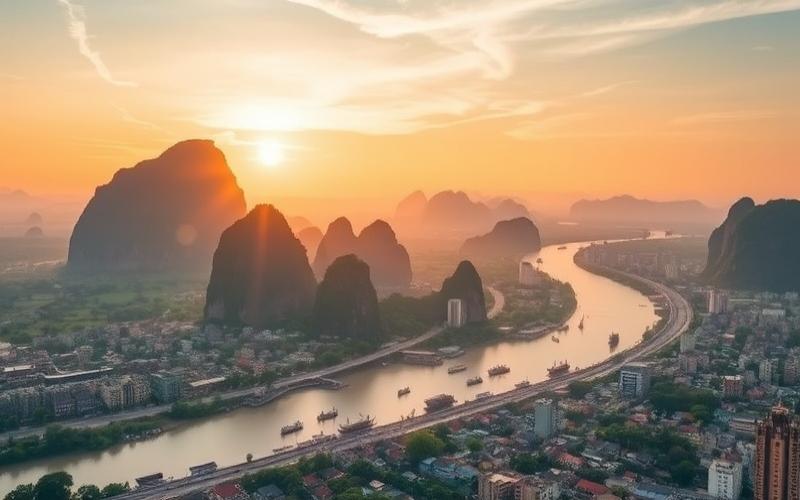
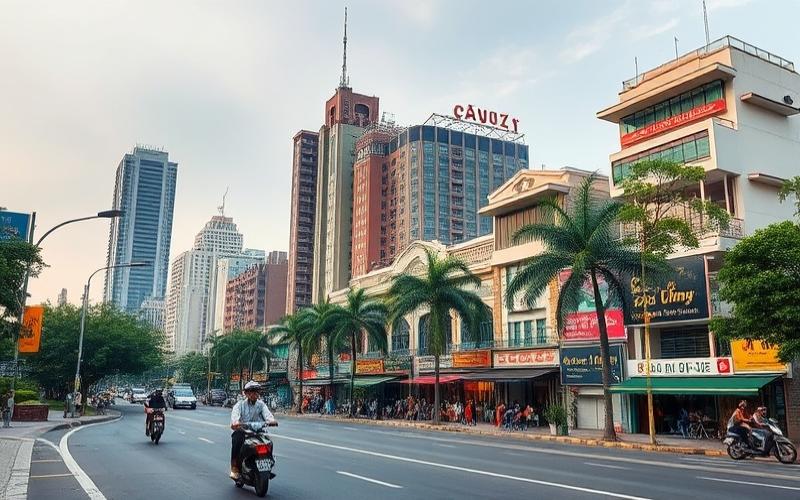
In the dynamic landscape of Vietnamese real estate, where foreign buyer enthusiasm continues to grow, one key trend is drawing attention: the increasing use of retouched photos in property listings.
As cities like Ho Chi Minh City and Hanoi open up to innovative real estate projects, the temptation to hide imperfections using digital tricks intensifies, creating an illusion of visual perfection that can trap unsuspecting investors.
The Impact of Retouching on Property Perception
Exploring this issue, we will highlight the potential impact of these retouching practices on property perception, along with effective ways to see through these appearances and make informed decisions when buying or renting properties in Vietnam.
Good to Know:
Retouched photos can significantly alter the perception of a property. It is recommended to always request unretouched photos or visit the property in person before making any purchase decision.
Understanding Retouching in Real Estate Photos
The importance of photo retouching in Vietnamese real estate lies in its ability to transform property perception and influence purchasing decisions. In a highly competitive market, professionally retouched photos attract more attention, create a positive first impression, and can accelerate sales or rentals.
Common Real Estate Retouching Techniques:
- Light Adjustment
Exposure correction to brighten dark rooms or balance overexposed areas. - Color Modification
White balance, saturation, and contrast adjustments to make colors more appealing while maintaining a natural look. - Defect Concealment
Removal of unwanted elements (stains, cables, small objects) or minor corrections on walls and floors to present the property in its best light. - HDR Blending
Combining multiple shots with different exposures to create an image where all areas are properly visible.
| Technique | Main Purpose | Visual Impact |
|---|---|---|
| Light Adjustment | Make space bright & welcoming | Rooms appear larger |
| Color Modification | Harmonize/enhance color palette | Warm atmosphere |
| Defect Concealment | Eliminate visual distractions | “Clean” impression |
| HDR Blending | See interior & exterior details | Balanced photo |
However, retouching can create a gap between reality and representation. When taken to extremes—such as removing major structural defects or excessive color modification—they risk:
- Deceiving buyers: unrealistic expectations during visits
- Causing disappointment: poor customer experience that can damage the seller’s reputation
Practical Examples:
Ethical Practices:
- Enhancing brightness without altering actual structure
- Temporarily removing personal items or clutter
- Correcting color to match what the human eye actually sees
Unethical Practices:
- Erasing significant cracks on walls/ceilings
- Completely changing floor/fixed furniture color
- Digitally adding furniture/lights that don’t exist without mentioning it’s “virtual home staging”
Watch Out For:
An informed buyer should be wary when all images appear too perfect, with a complete absence of natural imperfections. It’s also important to demand transparency about the use of virtual home staging.
Local Impact in Vietnam:
The Vietnamese real estate market is very dynamic; both local and foreign consumers place great importance on polished images. Agencies therefore heavily invest in these services to enhance their listings, benefiting from local technical expertise and relatively low costs. However, this trend also increases the risk that some players cross the line between legitimate enhancement and intentional deception.
In Summary:
Photo retouching has become essential in the Vietnamese real estate sector as it promotes visibility and attractiveness; however, its use must remain transparent to preserve market trust and integrity.
Good to Know:
In the Vietnamese real estate context, photographic retouching plays a crucial role by potentially altering buyers’ perception of properties. Common techniques like light adjustment or color modification aim to enhance spaces but can also hide significant defects, creating unrealistic expectations. For example, brightening interiors or enhancing garden colors can make a property more attractive in photos than in reality. Ethical practices involve improving lighting or correcting minor imperfections while preserving the authenticity of spaces, whereas unethical practices involve excessive manipulation to conceal real defects. These retouches strongly influence the Vietnamese real estate market where property demand is growing, increasing pressure on sellers to optimize their presentation, and requiring buyers to exercise increased vigilance when evaluating properties.
Tips for Verifying a Real Estate Listing in Vietnam
Practical Tips for Verifying a Real Estate Listing in Vietnam:
- Carefully Examine Online Photos
- Check image consistency with the property description.
- Look for signs of retouching: identical angles across multiple listings, overly perfect images, or stock photos.
- Search for potential inconsistencies (different furniture across photos, absence of identifiable exterior views).
- Physically Visit the Property
- Always visit in person to compare reality with the listing.
- Verify location using mapping tools (Google Maps, etc.) to ensure the property actually exists.
- Take photos during the visit to document any discrepancies.
- Interactions with Seller or Agent
- Ask specific questions about property history, construction date, renovations, homeowners association, etc.
- Request to see official documents: the “pink book” (property ownership certificate in Vietnam), construction permits, land tax receipts.
- Refuse any payments outside official platforms or channels.
- Verifying Property Legitimacy
- Demand presentation of the original “pink book”.
- Have documents verified by a specialized lawyer or local notary.
- Verify owner identity (ID papers, name matching on official documents).
- Using Reliable Online Resources
- Cross-reference listing information across multiple reputable real estate platforms.
- Consult reviews from previous tenants or buyers on specialized sites.
- Research potential fraud reports on expatriate forums or through the consulate.
- Hiring Local Professionals
- Engage a licensed real estate agent to assist with procedures.
- Consult a lawyer specialized in Vietnamese property law for contract and document verification.
- Hire an interpreter to precisely understand contract terms if needed.
Summary Table of Elements to Verify
| Elements to Check | How to Proceed | Useful Resources |
|---|---|---|
| Photo Authenticity | Reverse image search, detail analysis | Google Images, real estate platforms |
| Property Existence | Mapping verification, on-site visit | Google Maps, local plans |
| Seller Legitimacy | Request ID papers, original “pink book” | Lawyer, notary, real estate agent |
| Sales Contract | Translation and legal double-checking | Bilingual lawyer, certified translator |
| History and Reviews | Consulting forums, review platforms | Expat forums, specialized platforms |
Cultural and Legal Particularities in Vietnam
- The Vietnamese real estate market remains marked by the necessity of presenting the “pink book” as ultimate proof of ownership, a document every buyer must demand and examine.
- Real estate transactions often involve documents in Vietnamese; it’s customary to request a bilingual version to avoid misunderstandings.
- Purchases by foreigners are subject to specific conditions and administrative authority approval.
- Distrust of off-platform or cash payments is essential: there are many scam cases, even on reputable platforms.
- Consulting a local professional (lawyer, notary, licensed agent) is highly recommended to navigate market complexity and formalities.
Remember
:warning: In Vietnam, caution and systematic verification are essential at every stage of property search and acquisition.
Good to Know:
Verifying a real estate listing in Vietnam requires particular attention to detail: meticulously examine online photos to detect suspicious retouching, such as inconsistent shadows or overly vibrant colors, and ensure you physically visit the property to compare these images with reality. Engage directly with the seller or agent, ask for specific information, and demand presentation of official documents, such as property titles or construction permits, to confirm the listing’s legitimacy. Use reliable local online resources, such as recognized real estate platforms, for cross-verification, while considering hiring a local professional, like an agent or lawyer, to benefit from expertise grounded in the specificities of the Vietnamese market, where cultural and legal aspects can influence transaction authenticity.
Avoiding Scams in the Vietnamese Real Estate Market
Common Scam Types in the Vietnamese Real Estate Market:
- Fake owners or agents offering properties for sale or rent that they don’t own.
- Requests for deposits or advance payments without actual property visits.
- Misleading advertisements with manipulated photos to enhance property condition.
- Properties sold without valid land titles, or falsified official documents.
- Arbitrary and sudden rent increases after a few months of tenancy.
Techniques Used to Manipulate Photos and Deceive Buyers/Tenants:
| Technique Used | Description |
|---|---|
| Digital Retouching | Brightness modification, removal of defects (cracked walls, moisture stains). |
| Advantageous Shots | Use of wide angles that create an impression of larger space than reality. |
| Virtual Addition | Digital insertion of modern furniture or decorative elements not present on site. |
| Non-Contractual Photos | Publishing images from other, more luxurious apartments than the one offered. |
Practical Tips to Identify and Avoid These Scams:
- Always visit the property in person before any payment. Virtual tours are not enough, especially if photos appear too perfect.
- Compare listings across multiple reliable platforms to spot inconsistencies (abnormally low prices, identical descriptions for different properties).
- Systematically verify official documents:
- Request to see the land title (Giấy chứng nhận quyền sử dụng đất).
- Verify that the seller’s name matches the official owner registered on these documents.
- Prefer accompaniment by a lawyer specialized in Vietnamese property law for important transactions.
- Use only recognized and licensed real estate agencies, rather than informal intermediaries.
The Importance of Using Reliable Professionals:
Engaging a serious real estate agency or consulting a specialized lawyer enables:
- Legal security at all stages (clear contracts, notarial verification),
- Avoiding unpleasant surprises related to hidden defects,
- Receiving advice regarding local practices that can be confusing for expatriates.
Checklist:
- Always be wary of offers that seem too good to be true.
- Systematically demand a physical visit before any financial commitment.
- Verify all documents with competent local authorities (Sở Tài Nguyên và Môi Trường, local land administration service).
- Prefer licensed agencies and local lawyers experienced in Vietnamese real estate.
Good to Know:
In the Vietnamese real estate market, it’s common to encounter scams involving retouched photos that deceptively enhance properties; scammers often use software to artificially improve property appearance by adjusting light, eliminating defects, or adding non-existent elements like pools or lush gardens. To avoid these scams, it’s crucial to insist on on-site visits to see the property with your own eyes and meticulously verify official documents related to the property in question. Using reliable sources for your real estate research is also essential to minimize risks. Employing the services of a specialized lawyer or reputable real estate agency can provide additional protection against potential fraud, ensuring transaction legitimacy.
Realistic Virtual Tours: An Essential Tool
Realistic virtual tours are transforming Vietnam’s real estate sector by offering buyers an immersive, accurate, and transparent experience, eliminating the limitations of retouched or misleading photos.
Technologies Used for Virtual Tours:
- 3D Photogrammetry and 360° Cameras: Solutions like Matterport or My360 Tours use 3D cameras to capture high-resolution spherical images, later assembled into navigable virtual reality environments or on standard screens.
- Augmented Reality and Virtual Reality (VR/AR): Enable total immersion through VR headsets or interactive experiences on mobile/computer.
- Integration and Customization Tools: Adding contextual information, interactive plans, precise measurements, and annotations to guide buyers through their tour.
Guarantee of Faithful Representation:
- Measurement Accuracy: 3D scanners provide detailed plans with exact space measurements, avoiding approximations of traditional photos.
- Lighting Quality: Recent cameras manage ambient light to reflect space reality without exaggerating brightness or hiding defects.
- Absence of Excessive Retouching: Unlike traditional photos, 3D images capture the entire property from all angles, limiting manipulation possibilities.
| Technology | Main Function | Measurement Accuracy | Lighting Management |
|---|---|---|---|
| Matterport | 3D Scanning, VR Navigation | High | True to Reality |
| My360 Tours | 360° Photos, Interactive Tour | Medium to High | Good |
Examples of Vietnamese Agencies and Client Feedback:
- Propzy: Pioneer agency having heavily invested in immersive virtual tours. Clients praise the ability to visit multiple properties without travel, citing time savings and better transparency about actual housing conditions.
- Homebase: Offers technology-supported purchase journeys, facilitating decision-making for young buyers. Feedback mentions ease of comparing properties and verifying surface area compliance.
- Citics: Uses virtual tours to complement its valuation tools, with clients appreciating consistency between online tours and reality during physical visits.
Benefits Reported by Clients:
- Immersive and reassuring experience
- Time savings (no need to physically visit each property)
- Less risk of disappointment upon arrival
- Better understanding of volumes and layout
Implementation Challenges and Costs:
- Initial Investment: Purchase or rental of 3D/360° cameras, subscriptions to specialized platforms, staff training.
- Technical Complexity: Need to master tour editing, web portal integration, and data management.
- Accessibility: Some properties in rural areas or with poor lighting pose challenges for optimal capture.
| Main Challenges | Description |
|---|---|
| Equipment Cost | Cameras, software, subscriptions |
| Staff Training | Required technical skills |
| Market Adaptation | Acceptance by local sellers and buyers |
Impact on Transparency and Trust:
Virtual tours reduce gaps between online presentation and reality, strengthening buyer trust and agency reputation.
They promote transparency, as it becomes difficult to hide structural defects or exaggerate property advantages.
Immersive virtual tours, by combining technological precision and user experience, contribute to establishing unprecedented trust in the Vietnamese real estate market, at the cost of an initial investment offset by lasting gains in transparency and efficiency.
Good to Know:
Realistic virtual tours have proven to be a major innovation for Vietnam’s real estate sector, eliminating ambiguities often caused by retouched photos. Thanks to advanced technologies like 3D capture and 360-degree cameras, these tours offer authentic property representation with millimeter-perfect measurement accuracy and lighting quality true to reality. For example, agencies like Propzy and Vinestate have introduced these tools, receiving client feedback highlighting their satisfaction with increased transparency and trust. However, implementing these tours can be costly and require specific technical skills, though these investments propel the market toward greater integrity and better customer engagement.
Disclaimer: The information provided on this website is for informational purposes only and does not constitute financial, legal, or professional advice. We encourage you to consult qualified experts before making any investment, real estate, or expatriation decisions. Although we strive to maintain up-to-date and accurate information, we do not guarantee the completeness, accuracy, or timeliness of the proposed content. As investment and expatriation involve risks, we disclaim any liability for potential losses or damages arising from the use of this site. Your use of this site confirms your acceptance of these terms and your understanding of the associated risks.

Cyril Jarnias is an independent expert in international wealth management with over 20 years of experience. As an expatriate himself, he is dedicated to helping individuals and business leaders build, protect, and pass on their wealth with complete peace of mind.
On his website, cyriljarnias.com, he shares his expertise on international real estate, offshore company formation, and expatriation.
Thanks to his expertise, he offers sound advice to optimize his clients' wealth management. Cyril Jarnias is also recognized for his appearances in many prestigious media outlets such as BFM Business, les Français de l’étranger, Le Figaro, Les Echos, and Mieux vivre votre argent, where he shares his knowledge and know-how in wealth management.