 Published on and written by Cyril Jarnias
The Art of Real Estate Photography in Vietnam
In a booming real estate market like Vietnam’s, where every image can determine the success or failure of a transaction, mastering the art of photography becomes essential.
This article will reveal the secrets to capturing a property’s soul in a way that makes it irresistible to potential buyers.
You’ll discover how natural light, perfect angles, and smart staging can transform any space and create a wow effect, tipping the scales in your favor.
Essential Real Estate Photography Techniques in Vietnam
Essential Real Estate Photography Techniques in Vietnam
- Natural Light
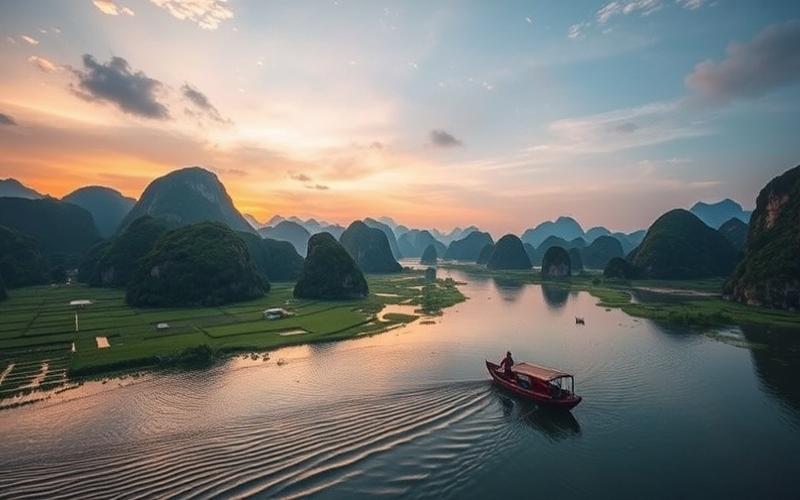
Optimal use of natural light is crucial for enhancing spaces, revealing volumes, and creating a warm atmosphere. Shooting early morning or late afternoon provides soft light, ideal for both interiors and exteriors. - Space Preparation
Before any shoot, it’s essential to: - Tidy and declutter rooms to create a sense of space.
- Add subtle but warm decorative elements (pillows, plants, local objects).
- Clean glass surfaces and floors to avoid reflections and visible imperfections in photos.
- Use photo editing if needed to remove distracting elements or improve overall appearance.
- Specific Equipment
| Equipment | Primary Use |
| Wide-angle lens | Capture broad perspectives, visually enlarge rooms. |
| Tripod | Ensure stability, especially in low light or for long exposures. |
| Flash or supplemental lighting | Compensate for lack of natural light, particularly in evenings or dark spaces. |
| Extra batteries and memory cards | Ensure autonomy during long sessions, especially in rural areas. |
- Editing and Post-Production
Vietnamese companies offer services such as: - HDR blending to balance strong contrasts.
- Virtual staging to digitally furnish empty rooms.
- Sky replacement and color adjustments to harmonize the overall look.
Capturing Vietnamese Cultural Essence
To attract buyers, it’s essential to highlight local identity:
- Showcase traditional materials (wood, bamboo, tiles).
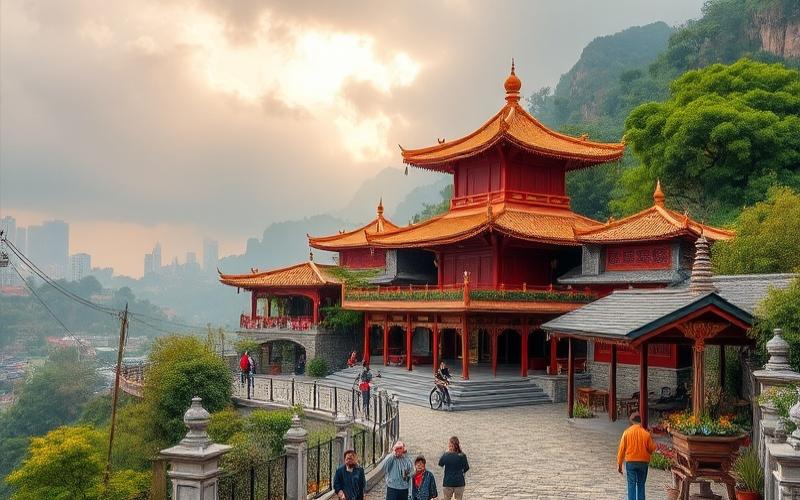
- Include typical decorative elements (lanterns, ceramics, handicrafts).
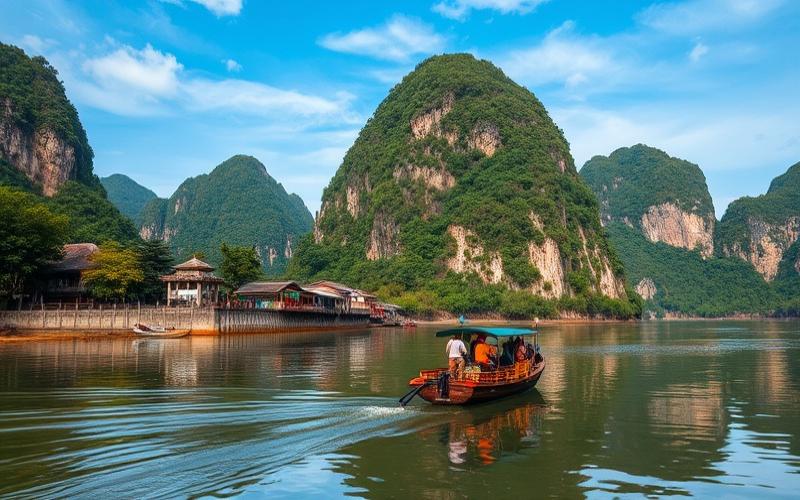
- Photograph scenes of daily life, markets, or landscapes visible from the property.
Adapting Techniques to Vietnam’s Regions
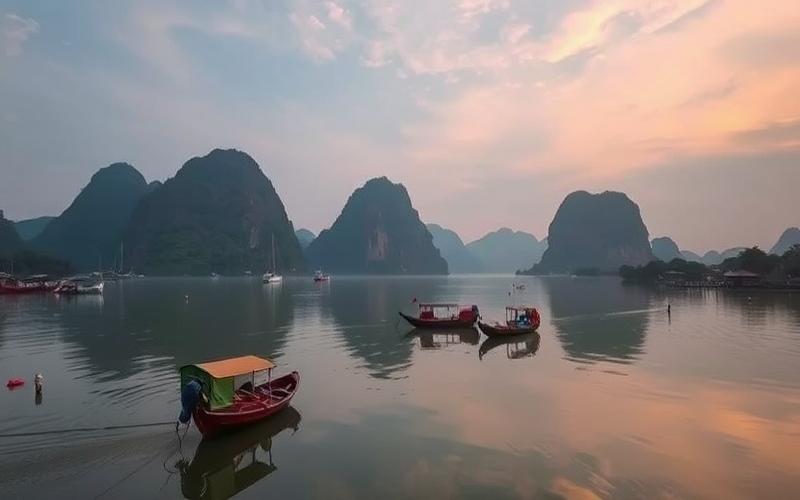
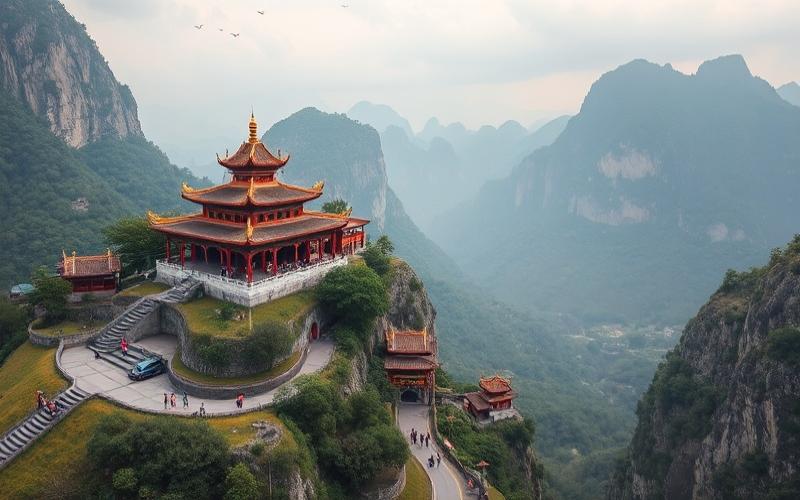
- North (Hanoi, mountains):
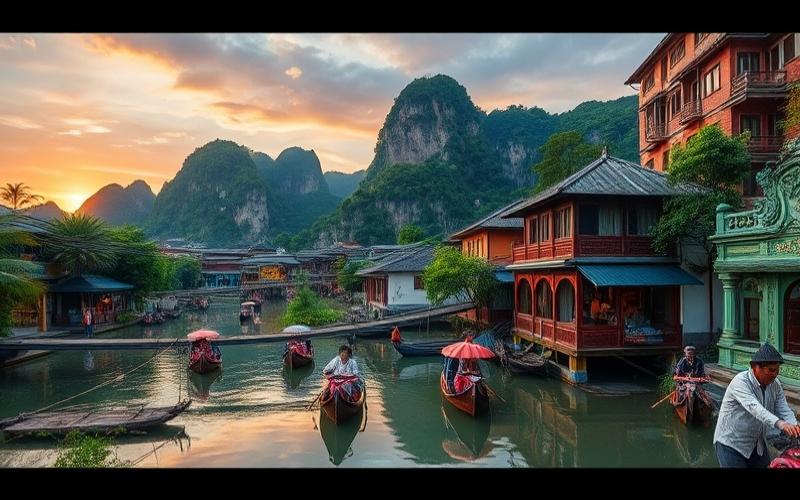
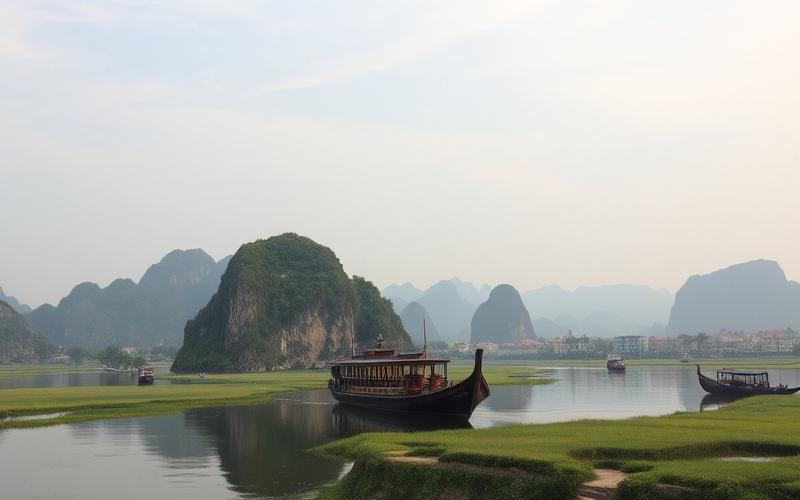
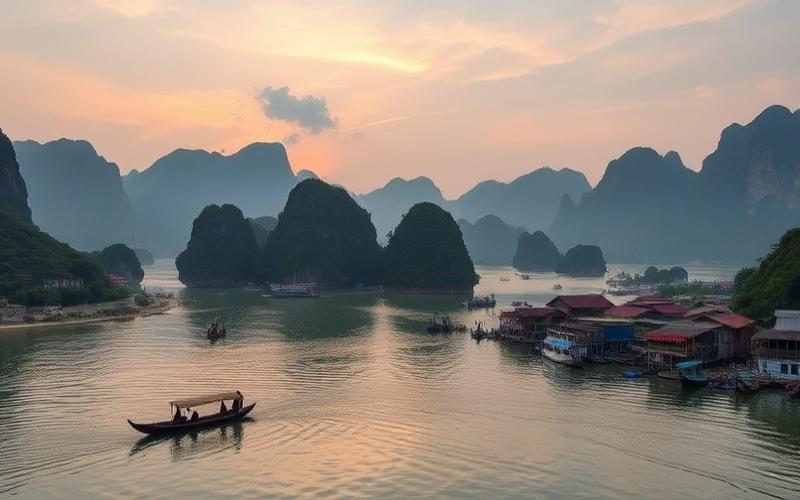
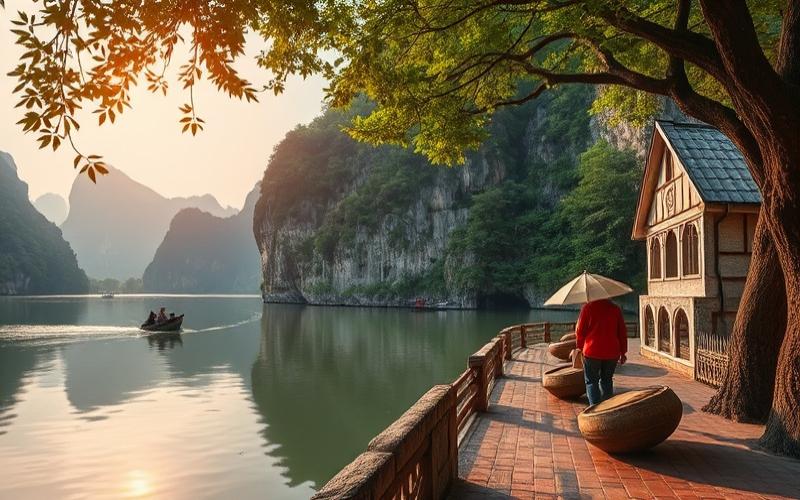
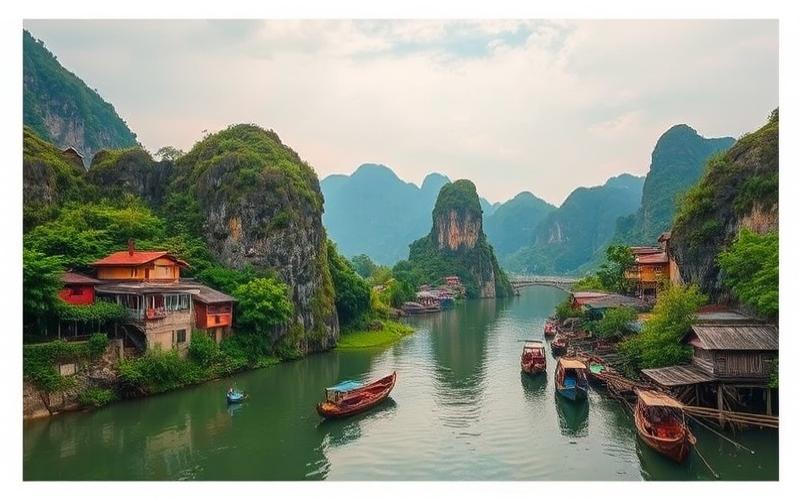
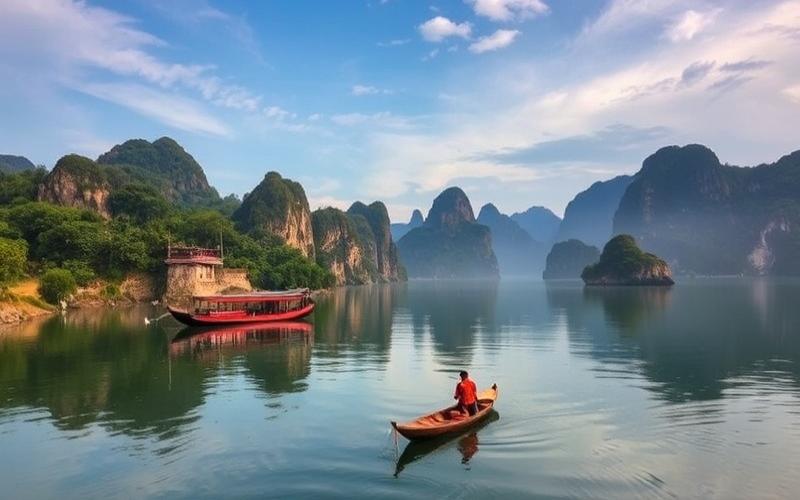
Prioritize soft colors, capture morning mist, include colonial architecture or stilt houses. - Central (Huế, Hoi An):
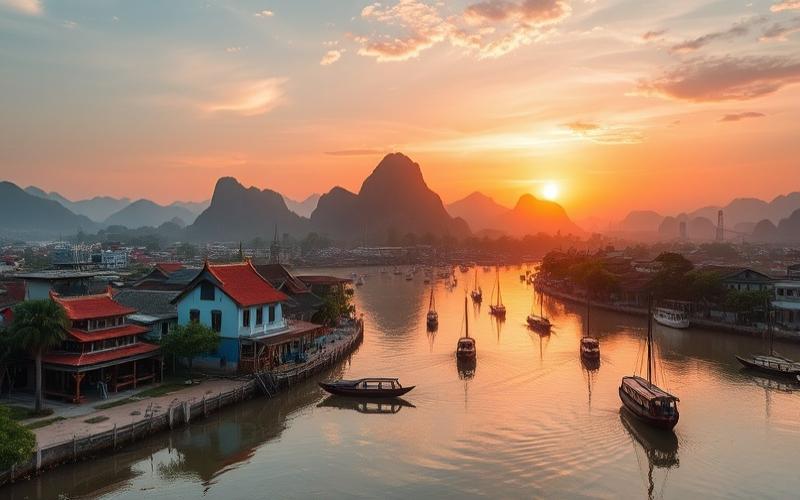
Highlight patios, golden evening light, lanterns, and rivers. - South (Ho Chi Minh City, Mekong Delta):
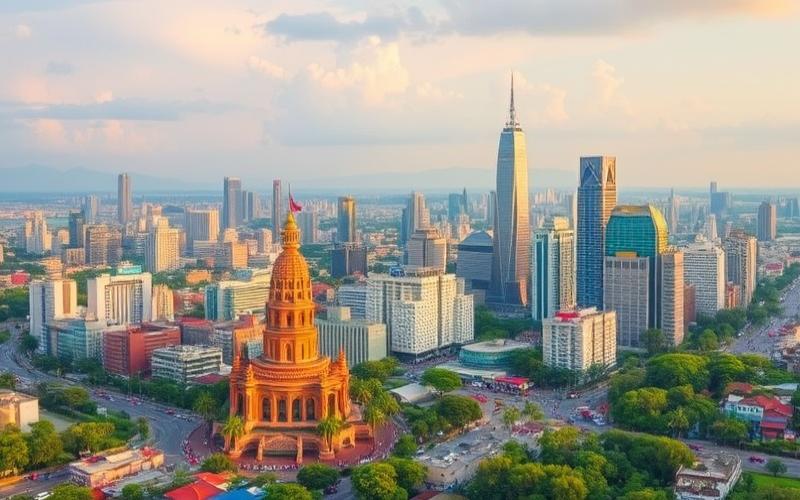
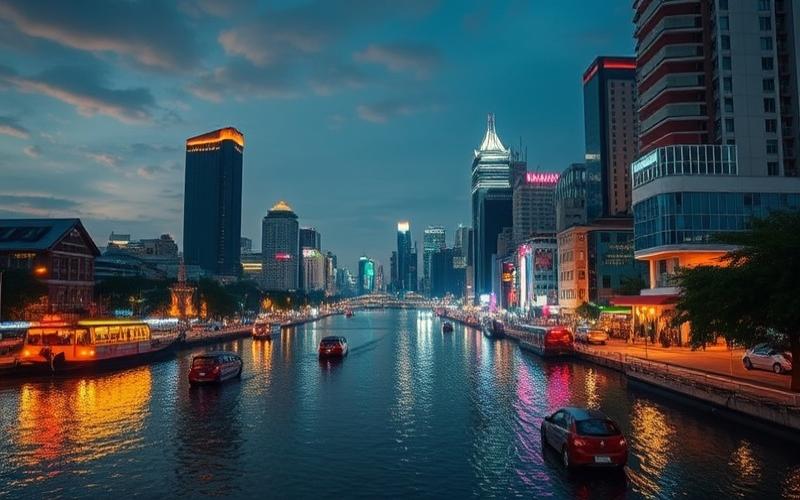
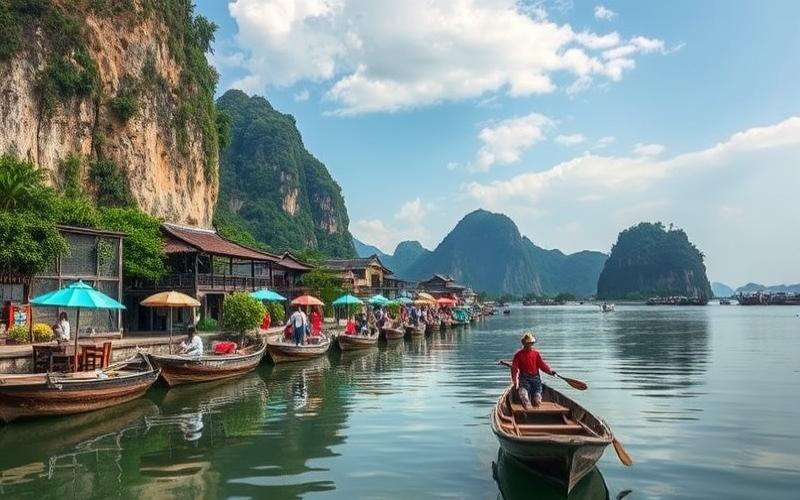
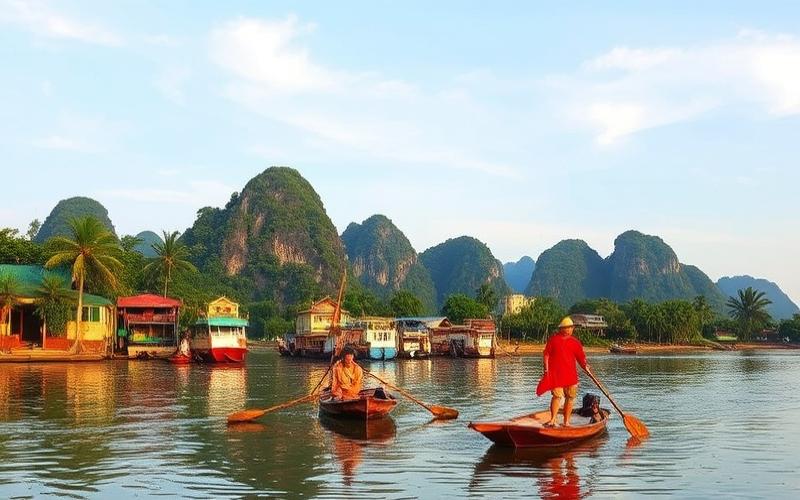
Capture intense light, vibrant colors of floating markets, and openness to tropical gardens.
Optimal Timing by Property Type
| Property Type | Best Time to Photograph | Considerations |
| City apartment | Morning for soft light, avoid backlighting | Take advantage of light filtered by neighboring buildings, highlight urban views. |
| Country house | Late afternoon or early evening | Emphasize gardens, grazing light on natural materials. |
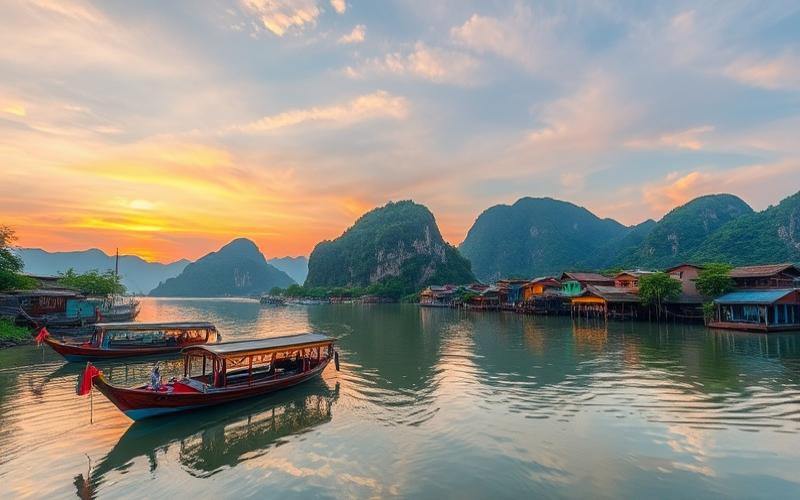
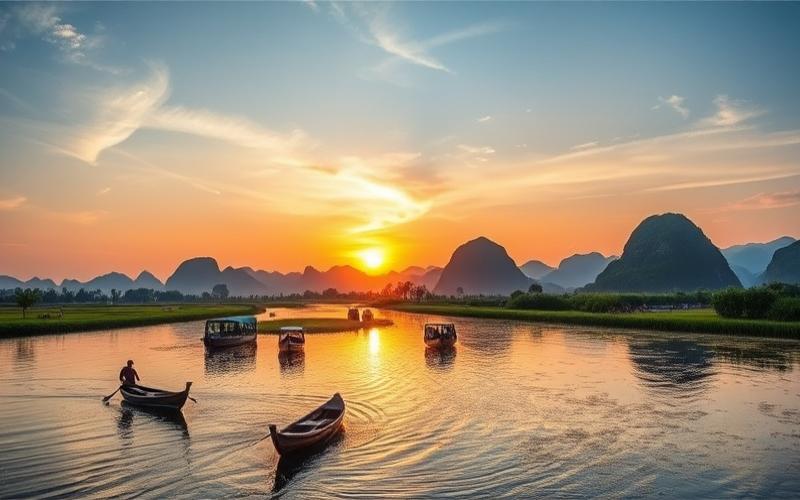
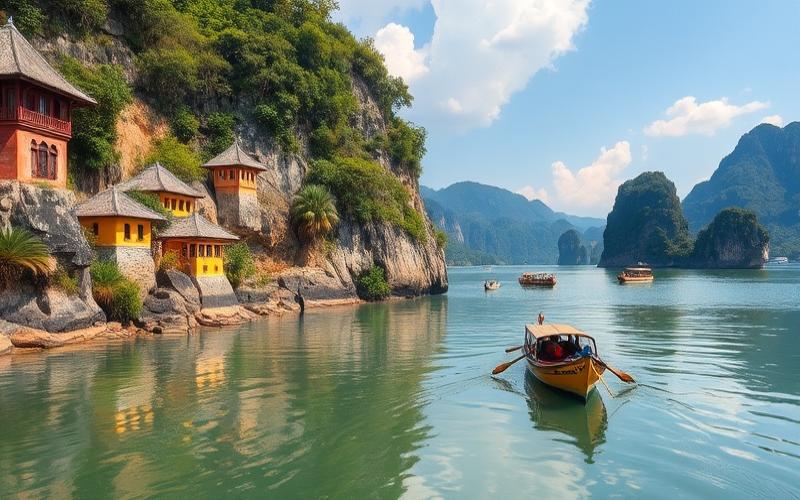
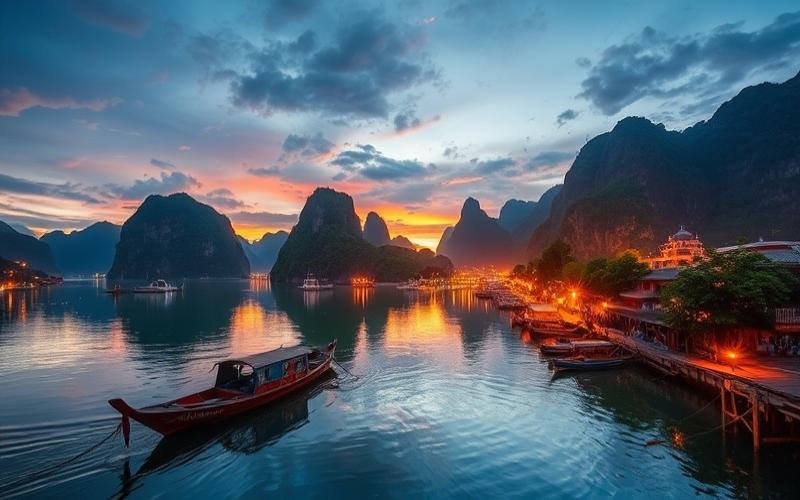
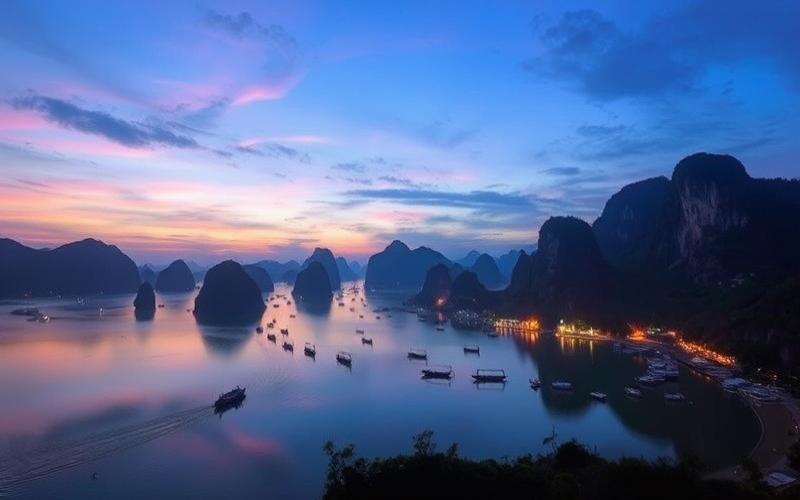
| Beachfront properties | Sunrise or sunset | Capture water reflections, peaceful atmosphere. |
Additional Recommendations
- Always check local weather to avoid shooting under gray or rainy skies.
- Plan shoots at different times of day to select the most advantageous atmospheres.
- Use editing sparingly to maintain the authenticity of the location.
Good to Know:
To succeed in real estate photography in Vietnam, it’s crucial to maximize the use of natural light, which highlights property features and creates a welcoming ambiance. Before starting to shoot, proper space preparation, such as organizing personal items and staging with Vietnamese cultural elements, helps make spaces more attractive to potential buyers. Using wide-angle lenses is recommended to capture the full depth and space of rooms. Techniques should be adjusted according to regions: for example, in the Mekong Delta, capturing architectural details specific to stilt houses can be captivating. For urban apartments, the best time to photograph is usually early morning or late afternoon to avoid reflections from surrounding towers, while country houses can be showcased throughout the day thanks to uniform lighting.
How to Choose the Best Angle for the Living Room
Orientation and natural lighting are essential elements in the design and enhancement of Vietnamese living rooms, considering the country’s abundant sunshine, high humidity, and strong climate variations. Contemporary and traditional Vietnamese architecture constantly seeks to exploit natural light while protecting from excessive heat and glare.
Key Points to Consider for Orientation and Natural Lighting in Vietnam:
- Maximize cross-ventilation: Houses are often oriented to benefit from prevailing breezes and limit the impact of the intense western sun, particularly in late afternoon.
- Promote diffused light: Using screen walls, sunshades, and large openings with vegetation helps filter light while reducing heat.
- Integration of vegetation: Plants on facades or indoors help cool the air and soften the light.
Choosing the Photographic Angle:
To Highlight Architectural Features:
- Choose an angle that reveals the structure of local materials (wood, concrete, bamboo), the play of shadow and light created by perforated walls or vegetated screens.
- Prefer oblique views that accentuate depth and details of elements such as exposed beams, ventilation patterns, or indoor/outdoor transitions.
To Optimize the Impression of Space and Brightness:
- Use a wide angle, often from a low perspective, capturing multiple openings and showing continuity with outdoor spaces (garden, courtyard, terrace).
- Photograph during times of day when light is softest (morning or late afternoon) to reveal spatiality without creating strong contrasts.
Influence of Local Colors and Materials on Angle Choice:
Natural materials (wood, bamboo, local stone) and earthy colors absorb or diffuse light differently depending on the time and orientation.
Light, neutral tones, often present in contemporary Vietnamese living rooms, reflect light and visually enlarge the space, which is accentuated by a wide photographic angle.
Bright colors or textured materials (glazed tiles, ceramics) react spectacularly to grazing light, creating interesting visual effects to capture in close-ups or backlighting.
Practical Tips for Photographic Equipment:
- Use a wide-angle lens (between 16 and 24 mm) to capture the living room’s expanse and connection with the outdoors.
- Prefer a tripod for low-light shots, particularly during golden hours.
- Adjust white balance according to the dominant natural light to faithfully reproduce warm or cool tones of materials.
- Exploit natural light by avoiding flash use, which flattens volumes and alters natural colors.
- Test multiple viewpoints: photograph from outside toward inside to show the relationship with the garden, then vice versa, to capture the living room’s openness to the outdoors.
Concrete Examples of Famous Vietnamese Living Rooms:
| House / Living Room | Architectural Features | Orientation & Lighting Effects | Recommended Angle Examples |
|---|---|---|---|
| TA House (Huế) | Large glass panels, vegetation integration, seamless indoor/outdoor transition | Openings oriented toward gardens, filtered light throughout the day | Angle capturing living room-garden continuity, morning light through skylights |
| Binh Thanh House (Ho Chi Minh City) | Facade with perforated concrete screens, multi-level design, abundant vegetation | Play of shadow and light, natural ventilation, sun protection | Side view of screens, emphasis on vegetation and light openings |
| RY’s House (Da Nang) | Porous facade, flexible spaces, high adaptability to light | Reduced impact of western sun, soft light, modular spaces | Wide angle revealing space articulation and changing light |
Key Takeaways:
The optimal photographic angle in a Vietnamese living room depends on the desired balance between highlighting architectural details (materials, structure, vegetation) and the impression of clarity and space. It must consider orientation, colors, local materials, and natural light conditions, while adapting to the location’s identity.
Systematically use natural light and adapt your equipment to best convey the unique ambiance of Vietnamese living rooms, inspired by the local climate and culture.
Good to Know:
To photograph a living room in Vietnam, it’s essential to choose an angle that best exploits natural lighting, particularly abundant due to the country’s intense sunshine. Southern orientation, for example, offers direct light ideal for capturing vibrant colors of exotic woods and typical textiles, while a northern angle can create a softer, more uniform atmosphere. Prefer an angle that emphasizes architectural charms like high ceilings and generous openings—characteristics of famous Vietnamese living rooms such as those at Sofitel Legend Metropole in Hanoi—while ensuring a perspective that enhances the sense of space. Natural materials like bamboo and rattan react differently to light, adding depth and texture to your shots. Use a wide-angle lens to maximize the impression of grandeur and adjust exposure to capture proper brightness. It can be helpful to take photos at different times of day to benefit from varied lighting conditions.
The Impact of Drones and Virtual Tours on Listings
Using Drones for Real Estate Enhancement
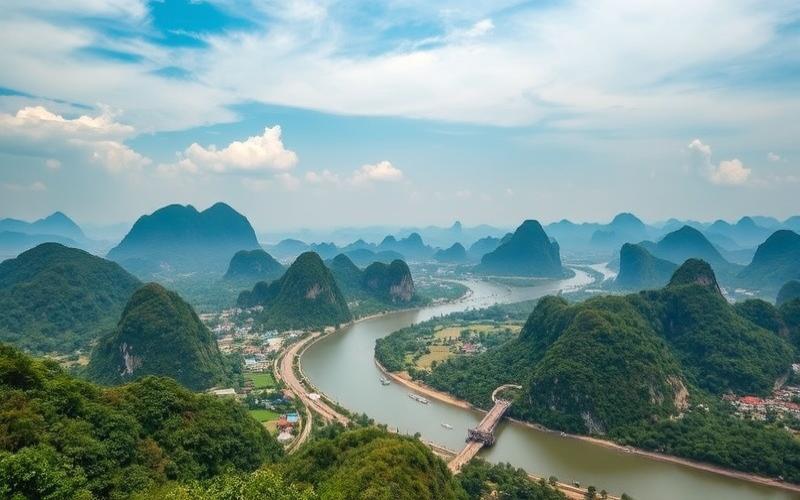
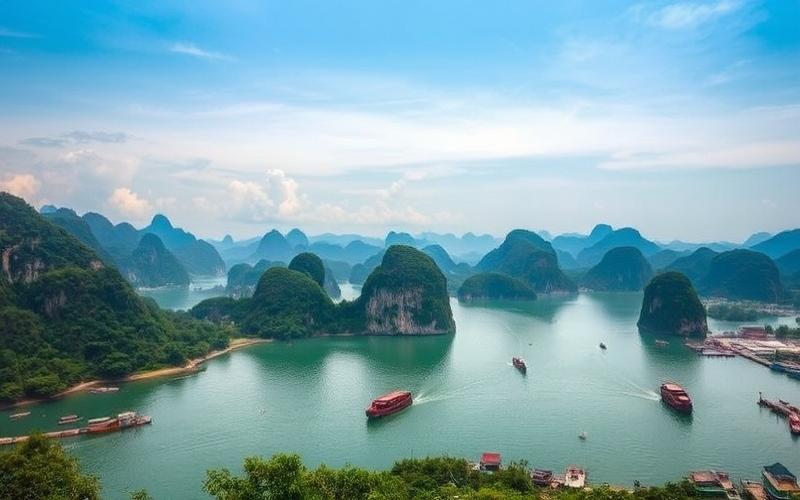
Drones are increasingly used in Vietnam to capture aerial images of properties, offering a unique overview of the location, land size, immediate environment, and road access. This perspective helps highlight assets such as proximity to nature, unobstructed views, or quality infrastructure. For potential buyers, this provides a more complete understanding of the property, going beyond the limitations of traditional ground-level photos.
Benefits for Buyers:
- Accurate visualization of topography and overall environment.
- Identification of strengths and weaknesses (neighborhood, access, potential nuisances).
- Help with decision-making before physical visits.
Virtual Tour Technology in Vietnamese Real Estate
Virtual tours are gradually becoming a key tool in Vietnam’s real estate market. Using 360° cameras and 3D modeling, it’s possible to visit a property remotely, navigating freely through each room as if you were there.
Advantages for Buyers and Sellers:
- Detailed property discovery without physical travel.
- Time savings by filtering truly interesting properties.
- Reduction in unnecessary visits, making real estate agents’ work easier.
Impact on the Real Estate Market
| Indicator | Before Drones/Virtual Tours | After Adopting These Technologies |
|---|---|---|
| Average Sales Time | Longer | Reduced (up to 30% according to some players) |
| Buyer Satisfaction | Average | Higher (immersive experience) |
| Physical Visit Rate | High | Decreased, rationalized |
Key Points:
- Properties benefiting from these tools sell faster.
- Buyers are better informed and express increased satisfaction.
Concrete Examples in Vietnam
- In Ho Chi Minh City, some developers recorded increased reservations after integrating virtual tours and drone videos into their launch campaigns.
- A developer in Da Nang successfully marketed luxury villas to international clients, who could conduct complete virtual tours accompanied by aerial videos showing beach proximity.
- Using drones by local agencies helped enhance hard-to-access land, leading to accelerated sales to foreign investors.
Challenges in Adopting These Technologies
- High initial cost for acquiring professional drones and virtual tour solutions.
- Required training to pilot drones and master 3D modeling software.
- Maintenance and equipment updates.
- Market awareness: some clients remain attached to traditional methods.
Legislative and Regulatory Evolution
Vietnam’s regulatory framework regarding drone use in real estate is rapidly evolving:
- Mandatory registration of drones with competent authorities.
- Flight restrictions in certain urban areas, near airports, or sensitive sites.
- Enhanced safety standards to protect privacy and prevent accidents.
- Recent government initiatives aim to clarify commercial drone use while promoting regulated innovation.
Future Perspectives and Innovations
The future of real estate photography in Vietnam will involve increasing adoption of autonomous drones, interactive virtual tours incorporating augmented reality, and artificial intelligence solutions to personalize user experience.
Ultimately, the convergence of these technologies will enable immersive and personalized experiences, making Vietnam’s real estate market more attractive, transparent, and dynamic.
Good to Know:
Drones and virtual tours are revolutionizing Vietnam’s real estate market by offering unprecedented perspectives and increased accessibility. Drones capture aerial shots that highlight not only the property but also its surroundings, providing buyers with a unique and advantageous overview. Virtual tours complement this approach by allowing potential buyers to visit properties remotely, reducing the need for physical visits and accelerating the sales process. Concrete examples, particularly in Hanoi and Ho Chi Minh City, show that these technologies can significantly reduce sales time and improve client satisfaction. However, implementing these innovative tools requires appropriate training, and cost can be an obstacle for some players. Regulatory frameworks concerning drones continue to evolve, making understanding local laws crucial for their proper use. In the future, increasing adoption of these technologies and new innovations promise to redefine real estate photography in Vietnam, ensuring more transparent and efficient transactions.
Disclaimer: The information provided on this website is for informational purposes only and does not constitute financial, legal, or professional advice. We encourage you to consult qualified experts before making any investment, real estate, or expatriation decisions. Although we strive to maintain up-to-date and accurate information, we do not guarantee the completeness, accuracy, or timeliness of the proposed content. As investment and expatriation involve risks, we disclaim any liability for potential losses or damages arising from the use of this site. Your use of this site confirms your acceptance of these terms and your understanding of the associated risks.

Cyril Jarnias is an independent expert in international wealth management with over 20 years of experience. As an expatriate himself, he is dedicated to helping individuals and business leaders build, protect, and pass on their wealth with complete peace of mind.
On his website, cyriljarnias.com, he shares his expertise on international real estate, offshore company formation, and expatriation.
Thanks to his expertise, he offers sound advice to optimize his clients' wealth management. Cyril Jarnias is also recognized for his appearances in many prestigious media outlets such as BFM Business, les Français de l’étranger, Le Figaro, Les Echos, and Mieux vivre votre argent, where he shares his knowledge and know-how in wealth management.