 Published on and written by Cyril Jarnias
Sri Lankan real estate investment is attracting an increasing number of foreign investors, drawn by the island’s paradise beaches, cultural richness, and economic growth potential. However, purchasing property in this tropical country comes with its share of challenges and pitfalls for the uninitiated. In this article, we’ll explore the most common mistakes made by foreign buyers and give you the keys to making a successful investment in Sri Lanka.
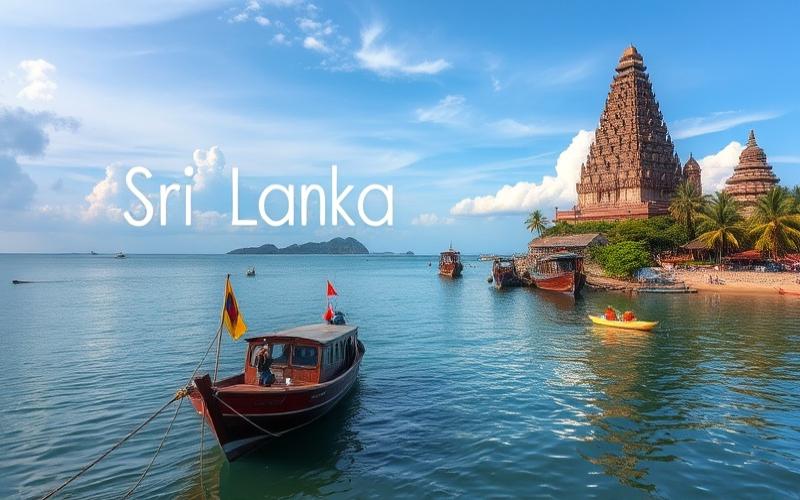
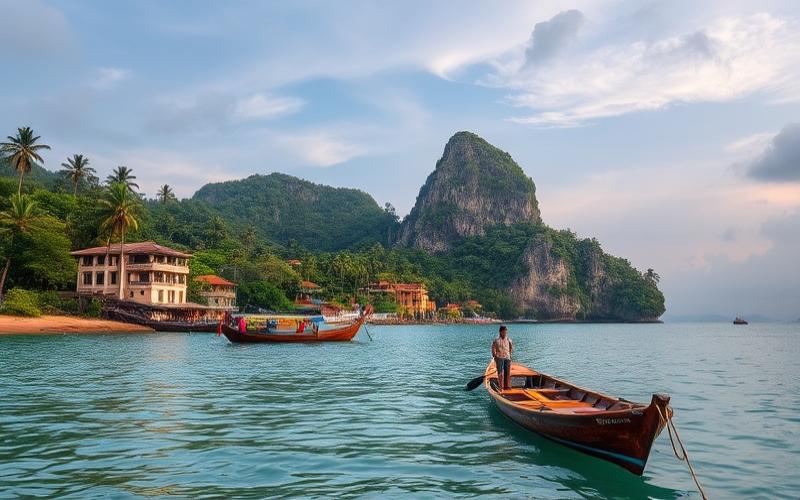
The Tropical Paradise Mirage: Don’t Trust Appearances
One of the first mistakes many foreign investors make is being blinded by the beauty of Sri Lankan landscapes and neglecting the practical aspects of their investment. The charm of white sand beaches and coconut trees can quickly make you forget the realities of the local real estate market.
It’s crucial to keep a cool head and adopt a rational approach when buying property in Sri Lanka. This involves:
- Conducting thorough market research to understand local trends
- Comparing prices in different regions of the island
- Evaluating the long-term profitability potential of your investment
Don’t settle for the first property that makes you dream. Take the time to visit multiple properties and compare their advantages and disadvantages. An experienced local real estate agent can help you get a more realistic view of the market and avoid impulsive purchases that could prove disappointing in the long term.
Good to know:
Real estate prices in Sri Lanka can vary considerably from one region to another. For example, properties in Colombo, the economic capital, are generally more expensive than those located in more rural or less touristy areas.
Unfamiliarity with Local Laws: A Minefield for Foreign Investors
Another common mistake is underestimating the importance of Sri Lanka’s legal framework for real estate investment. The laws governing property purchases by foreigners in Sri Lanka are complex and constantly evolving. Ignoring these regulations can lead to tricky legal situations, or even the invalidation of your purchase.
Here are some crucial points to know:
- Foreigners generally cannot buy land with full ownership in Sri Lanka
- Apartment purchases are permitted, but with certain restrictions
- Specific taxes apply to real estate transactions involving non-residents
It’s highly recommended to hire a local lawyer specialized in real estate law to guide you through the purchase process. This expert can help you navigate the complexities of Sri Lankan legislation and structure your investment in a legal and optimal manner.
Good to know:
Since 2018, the Sri Lankan government has relaxed some restrictions on property purchases by foreigners, particularly by allowing the purchase of apartments located above the fourth floor of a building. However, these rules can change, hence the importance of being well-informed.
Neglecting Due Diligence: A Major Risk for Your Investment
Neglecting preliminary checks (due diligence) is a mistake that can be costly for real estate investors in Sri Lanka. The lack of transparency in the local real estate market and the complexity of property titles make these checks essential.
Here are the essential points to verify before any purchase:
- The validity and authenticity of the property title
- The absence of disputes or claims on the property
- The property’s compliance with local urban planning regulations
- The actual condition of the property and any necessary work
Don’t skimp on a thorough inspection of the property by a qualified professional. Structural problems or hidden defects can quickly turn your dream investment into a financial nightmare. Additionally, in certain regions of Sri Lanka, natural risks like floods or landslides must be seriously considered.
Good to know:
The property title registration system in Sri Lanka can be complex and sometimes unreliable. It’s not uncommon to find properties with incomplete or disputed titles. A thorough verification by a local professional is therefore crucial.
Underestimating Hidden Costs: Beware of Bad Surprises
Many foreign investors focus only on the purchase price of the property, forgetting the numerous additional costs that can significantly increase their investment. In Sri Lanka, these hidden costs can represent a significant portion of the total budget and must be anticipated.
Among the costs to consider are:
- Notary and registration fees
- Property transfer taxes
- Real estate agent fees
- Renovation or compliance costs
- Management and maintenance fees for rental properties
It’s crucial to establish a detailed budget including all these costs before committing to a purchase. Don’t hesitate to ask local professionals for precise quotes to get a clear idea of expected expenses. Also keep in mind that construction and renovation costs can be higher than expected, especially for imported materials.
Good to know:
Notary fees in Sri Lanka can range between 3% and 5% of the purchase price, while registration fees can reach 4%. These percentages may seem small, but on a high-value property, they represent significant amounts.
Overlooking Cultural Considerations: A Costly Misstep
A mistake often made by foreign investors is neglecting the importance of cultural differences in their real estate transactions in Sri Lanka. Sri Lankan culture, rich and complex, deeply influences business practices and interpersonal relationships.
Here are some cultural aspects to consider:
- The importance of hierarchy and respect in negotiations
- The role of family in real estate decisions
- The meaning of certain gestures or expressions that could be misinterpreted
- Expectations regarding communication and punctuality
Taking the time to understand these cultural nuances can make all the difference in your negotiations and relationships with sellers or local agents. Showing respect for local culture and demonstrating patience can open doors and help you conclude more advantageous transactions.
Good to know:
In Sri Lanka, it’s common for real estate negotiations to take longer than in Western countries. Patience is an appreciated virtue, and rushing a transaction can be perceived as disrespectful or unprofessional.
Neglecting Tax Aspects: A Costly Mistake
Many foreign investors underestimate the importance of the tax implications of their real estate purchase in Sri Lanka. The Sri Lankan tax system can be complex for non-residents, and ignoring its subtleties can lead to significant financial consequences.
Here are some essential tax points to consider:
- Capital gains tax upon resale
- Annual property taxes
- Tax implications in your home country
- Double taxation rules between Sri Lanka and your country
It’s highly recommended to consult a tax expert familiar with Sri Lankan and international laws before finalizing your purchase. Adequate tax planning can help you optimize your investment and avoid unpleasant surprises when filing your tax returns.
Good to know:
Sri Lanka has signed double taxation agreements with many countries, which can significantly impact the taxation of your investment. Make sure you understand how these agreements apply to your specific situation.
Lack of Exit Strategy: A Trap for the Future
A common mistake made by real estate investors in Sri Lanka is not planning their exit strategy from the beginning. Whether you’re buying for rental, resale, or as a secondary residence, it’s crucial to anticipate how and when you might want to dispose of your property.
Here are some elements to consider in your exit strategy:
- Long-term trends in the Sri Lankan real estate market
- Future development projects in your property’s region
- Potential restrictions on resale to foreigners
- Tax implications of a future sale
Developing an exit strategy from the start will help you make more informed decisions about the type of property to buy and its location. This will also allow you to better manage your expectations regarding return on investment and prepare for potential challenges during resale.
Good to know:
The Sri Lankan real estate market can be less liquid than in some Western countries, especially for high-end properties. It’s important to consider potentially long selling times when planning your exit strategy.
Conclusion: The Key to Successful Investment in Sri Lanka
Investing in Sri Lankan real estate can be a rewarding and potentially lucrative experience, provided you avoid the common pitfalls we’ve detailed. The key to success lies in meticulous preparation, thorough understanding of the local market, and relying on experienced professionals.
By keeping the following points in mind, you’ll significantly increase your chances of making a successful investment:
- Conduct thorough research on the Sri Lankan real estate market
- Familiarize yourself with local laws and regulations
- Perform complete due diligence before any purchase
- Anticipate all costs associated with your investment
- Respect and understand the local culture
- Carefully plan the tax aspects of your investment
- Develop a clear exit strategy from the start
By avoiding these common mistakes and adopting a thoughtful, well-informed approach, you’ll be able to make the most of the opportunities offered by the Sri Lankan real estate market. Remember that every investment carries risks, but with adequate preparation, you can minimize them and maximize your chances of success.
Good to know:
The Sri Lankan real estate market has experienced significant growth in recent years, particularly in tourist areas and major cities. However, like any emerging market, it can be subject to fluctuations. A long-term approach and diversification of your portfolio are recommended.
Disclaimer: The information provided on this website is for informational purposes only and does not constitute financial, legal, or professional advice. We encourage you to consult qualified experts before making any investment, real estate, or expatriation decisions. Although we strive to maintain up-to-date and accurate information, we do not guarantee the completeness, accuracy, or timeliness of the proposed content. As investment and expatriation involve risks, we disclaim any liability for potential losses or damages arising from the use of this site. Your use of this site confirms your acceptance of these terms and your understanding of the associated risks.

Cyril Jarnias is an independent expert in international wealth management with over 20 years of experience. As an expatriate himself, he is dedicated to helping individuals and business leaders build, protect, and pass on their wealth with complete peace of mind.
On his website, cyriljarnias.com, he shares his expertise on international real estate, offshore company formation, and expatriation.
Thanks to his expertise, he offers sound advice to optimize his clients' wealth management. Cyril Jarnias is also recognized for his appearances in many prestigious media outlets such as BFM Business, les Français de l’étranger, Le Figaro, Les Echos, and Mieux vivre votre argent, where he shares his knowledge and know-how in wealth management.