 Published on and written by Cyril Jarnias
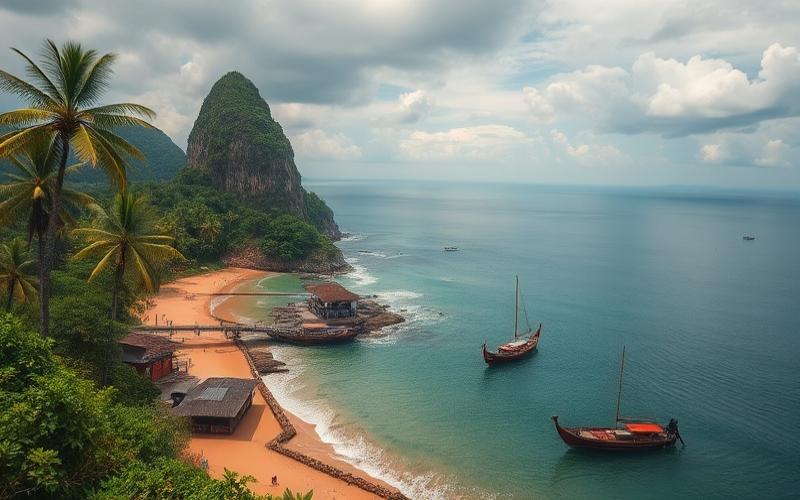
Sri Lanka, a paradise island in the Indian Ocean, is attracting an increasing number of foreign real estate investors drawn to its pristine sandy beaches, rich culture, and growing tourism potential. Renovating a property in this country can be an excellent way to significantly increase its value on the local real estate market. Whether you already own a property or are considering acquiring one to renovate, here is a comprehensive guide to successfully carry out your renovation project in Sri Lanka.
The Benefits of Real Estate Renovation in Sri Lanka
Before embarking on a renovation project in Sri Lanka, it’s important to understand the advantages it can bring:
Property Value Increase: A well-executed renovation can significantly increase your property’s value on the Sri Lankan real estate market. In some cases, the added value can reach 30 to 50% of the property’s initial worth.
Enhanced Rental Appeal: If you plan to rent out your property, a renovation will help attract quality tenants and justify higher rents, particularly among tourists seeking comfort and authenticity.
Adaptation to Modern Standards: Many properties in Sri Lanka are old and don’t always meet current comfort standards. A renovation allows for modernizing installations (electricity, plumbing, insulation) while preserving the building’s authentic charm.
Customization: Renovating gives you the opportunity to create a unique living space, tailored to your tastes and needs, while respecting local architecture.
Good to Know:
The Sri Lankan real estate market is experiencing strong growth, with average price increases of 10 to 15% per year in popular tourist areas. A well-planned renovation can allow you to fully benefit from this trend.
The Renovator’s Roadmap: Key Steps for a Successful Project
Renovating a property in Sri Lanka requires careful planning and a good understanding of the local context. Here are the essential steps to follow to successfully carry out your project:
1. Assessment and Planning
Before starting work, it’s crucial to:
- Have a comprehensive property assessment done by a local expert
- Clearly define your renovation objectives (modernization, extension, authentic restoration, etc.)
- Establish a detailed list of work to be done
- Consult local construction and renovation regulations
Sri Lankan Particularity: In certain regions, particularly coastal areas and heritage sites, specific restrictions may apply. It’s essential to check with local authorities before starting any project.
2. Research and Selection of Professionals
The choice of craftsmen and companies who will carry out the work is crucial. In Sri Lanka, it’s recommended to:
- Seek recommendations from expatriates or locals who have already renovated
- Verify the qualifications and experience of professionals, particularly their familiarity with working on projects for foreigners
- Request detailed quotes from several companies to compare offers
- Ensure artisans are familiar with traditional Sri Lankan construction techniques if you wish to preserve the building’s authenticity
Expert Advice: It may be wise to hire a local architect or project manager who will serve as an intermediary and facilitate communication with various trades.
3. Obtaining Necessary Permits
Before starting work, make sure to obtain all required permits:
- Building permit for significant structural modifications
- Specific permits for properties located in protected or historical areas
- Project validation by local authorities if you plan to change the property’s use (for example, converting a house into a guesthouse)
Important Consideration: Administrative procedures in Sri Lanka can sometimes be lengthy and complex. Allow sufficient time and don’t hesitate to get assistance from a local professional to facilitate the process.
4. Work Execution
Once all permits are obtained and professionals are selected, the work phase can begin. Some important points to keep in mind:
- Establish a detailed schedule with clearly defined milestones
- Allow for time buffers for unexpected issues, common in renovation projects
- Ensure you’re regularly present at the site or designate a trusted representative to monitor work progress
- Clearly communicate your expectations and requirements to artisans throughout the project
Local Specificity: Sri Lanka’s tropical climate can influence work progress. The rainy season (May to September on the west and south coasts, and October to January on the east coast) can slow down some exterior work.
5. Finishing and Decoration
The final step involves adding the finishing touches to your renovated property:
- Choose materials and decorative elements that harmonize with local architecture
- Opt for furniture and accessories that combine modern comfort with traditional Sri Lankan style
- Consider outdoor landscaping (tropical garden, terrace, pool) to fully enjoy the climate
Current Trend: Many property owners choose to incorporate elements of local craftsmanship (wood carvings, traditional textiles) to create an authentic and warm atmosphere.
Good to Know:
A successful renovation in Sri Lanka typically requires between 6 and 12 months, depending on the scope of work. It’s crucial to carefully plan each step and remain flexible in the face of unexpected issues to complete the project under the best conditions.
Budget Management: Financing and Cost Control
Financial management is a crucial aspect of any renovation project, particularly in an international context like Sri Lanka. Here are the essential points to consider for controlling your budget:
Realistic Cost Estimation
Before starting, it’s essential to establish a detailed cost estimate. In Sri Lanka, prices can vary considerably depending on the region and nature of the work. On average, for a complete renovation, you can expect costs ranging from 500 to 1500 euros per square meter, depending on the desired level of finish.
Factors Influencing Budget:
- The property’s initial condition
- The scope of work (simple refresh or deep renovation)
- The quality of chosen materials
- The property’s location (costs are generally higher in popular tourist areas)
Financing Options
To finance your renovation project in Sri Lanka, several options are available:
1. Self-Financing: If you have the necessary funds, this is often the simplest and least expensive solution long-term.
2. Bank Loan in Your Home Country: Some banks offer specific loans for foreign real estate investment. Rates may be more favorable than those offered locally.
3. Local Financing: Sri Lankan banks offer loans to foreigners, but conditions may be less favorable and procedures more complex.
4. Real Estate Crowdfunding: An increasingly popular option, allowing funds to be raised from individual investors.
Expert Advice: It’s recommended to consult a financial advisor specialized in international real estate to determine the best financing strategy suited to your situation.
Cost Management During Work
Once the project is launched, it’s crucial to closely monitor expenses to avoid budget overruns:
- Establish a clear payment schedule with contractors, linked to work progress
- Plan a safety margin of approximately 10 to 15% of the total budget for unexpected issues
- Regularly track expenses and compare them to the projected budget
- Negotiate material prices and try to benefit from bulk purchase discounts
Local Particularity: In Sri Lanka, it’s common to pay artisans and suppliers in cash. Make sure to properly plan your money transfers and keep all receipts for your accounting.
Good to Know:
Labor costs in Sri Lanka are generally lower than in Western countries, which can result in substantial savings on certain aspects of the renovation. However, imported materials may be more expensive due to import taxes.
The Art of Choosing Materials: Between Tradition and Modernity
The choice of materials is crucial in a renovation project in Sri Lanka. It influences not only the aesthetics and durability of your property, but also its adaptation to the local climate. Here’s how to navigate between tradition and modernity to make the best choices:
Traditional Materials: Charm and Authenticity
Sri Lanka has a rich architectural tradition reflected in the use of local materials:
Teak Wood: Highly prized for its durability and beauty, it’s ideal for doors, windows, and furniture. However, make sure to choose wood from sustainable sources.
Kadapa Stone: This local limestone is perfect for floors and terraces. It stays cool even under the tropical sun.
Terracotta Tiles: Typical of Sri Lankan roofs, they offer excellent thermal insulation and integrate perfectly into the landscape.
Bamboo: An ecological and versatile material, it can be used for light structures, fences, or even as decorative elements.
Modern Materials: Comfort and Durability
To meet modern comfort requirements, certain contemporary materials are essential:
Reinforced Concrete: Essential for strengthening structures, particularly in earthquake-prone areas.
Tempered Glass: Ideal for large picture windows, it offers better resistance to weather conditions while allowing you to enjoy the view.
Stainless Steel: Particularly suitable for hardware and kitchen equipment, it resists humidity and corrosion well.
Ecological Paints: Opt for paints resistant to humidity and mold, while being environmentally friendly.
Combining Tradition and Modernity
The secret to a successful renovation in Sri Lanka often lies in a skillful blend of traditional and modern materials:
- Use local materials for visible elements (facades, roofs) to preserve the building’s authenticity
- Incorporate modern materials for technical aspects (insulation, plumbing, electricity) to guarantee comfort and durability
- Choose finishes that highlight natural materials while providing protection suitable for the tropical climate
Current Trend: Many property owners opt for an eco-responsible approach by favoring local and sustainable materials, combined with green technologies like solar panels or rainwater harvesting systems.
Adaptation to Tropical Climate
The choice of materials must also consider the specificities of the Sri Lankan climate:
- Prioritize materials resistant to humidity and insects for structures and coverings
- Opt for light colors for exteriors to reflect heat
- Choose materials that promote good natural ventilation
Expert Advice: Consult experienced local artisans to benefit from their expertise in using traditional materials. They can guide you on the best practices adapted to the Sri Lankan context.
Good to Know:
The importation of certain construction materials may be subject to restrictions or high taxes in Sri Lanka. It’s often more advantageous and ecological to prioritize locally available materials.
In conclusion, renovating a property in Sri Lanka represents an exciting opportunity to create a unique living space, combining the charm of traditional architecture with modern comfort. By following these tips and surrounding yourself with competent professionals, you can successfully carry out your renovation project and significantly increase the value of your real estate property in this land of countless riches.
Remember that each renovation project is unique and requires a personalized approach. Take the time to properly inform yourself, meticulously plan each step, and immerse yourself in the local culture to make your renovation in Sri Lanka an enriching and successful experience.
Disclaimer: The information provided on this website is for informational purposes only and does not constitute financial, legal, or professional advice. We encourage you to consult qualified experts before making any investment, real estate, or expatriation decisions. Although we strive to maintain up-to-date and accurate information, we do not guarantee the completeness, accuracy, or timeliness of the proposed content. As investment and expatriation involve risks, we disclaim any liability for potential losses or damages arising from the use of this site. Your use of this site confirms your acceptance of these terms and your understanding of the associated risks.

Cyril Jarnias is an independent expert in international wealth management with over 20 years of experience. As an expatriate himself, he is dedicated to helping individuals and business leaders build, protect, and pass on their wealth with complete peace of mind.
On his website, cyriljarnias.com, he shares his expertise on international real estate, offshore company formation, and expatriation.
Thanks to his expertise, he offers sound advice to optimize his clients' wealth management. Cyril Jarnias is also recognized for his appearances in many prestigious media outlets such as BFM Business, les Français de l’étranger, Le Figaro, Les Echos, and Mieux vivre votre argent, where he shares his knowledge and know-how in wealth management.