 Published on and written by Cyril Jarnias
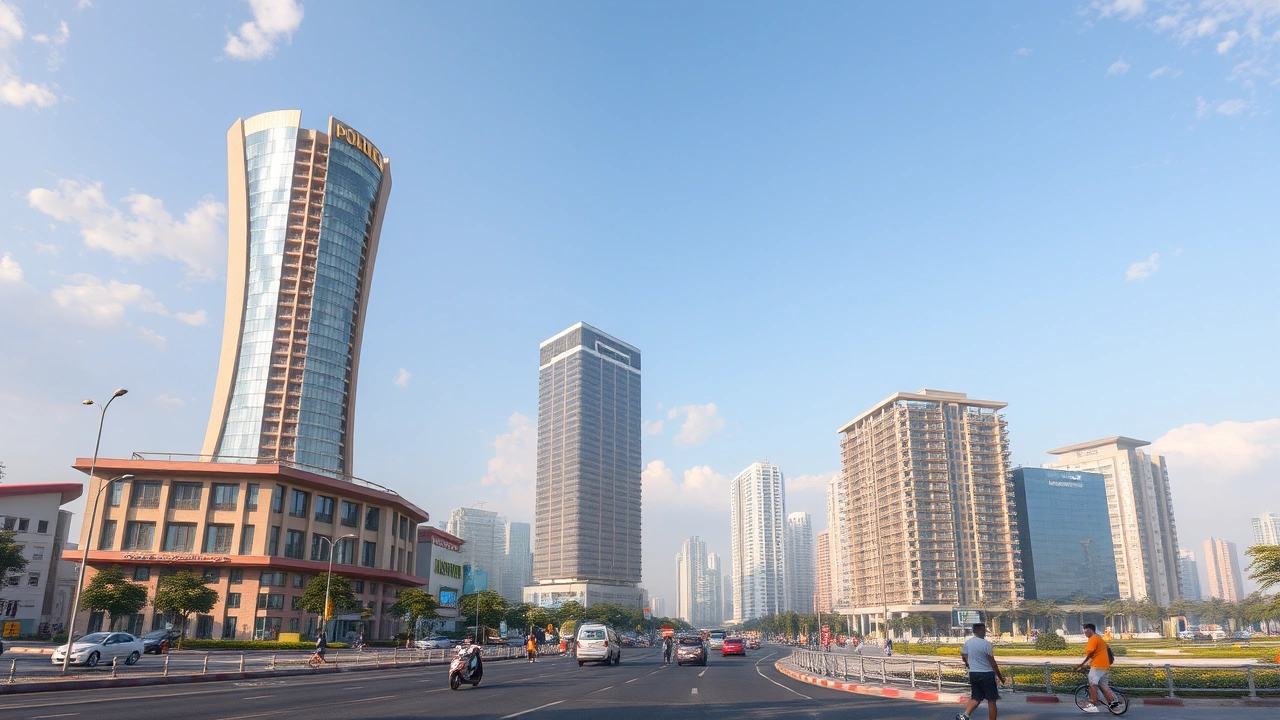
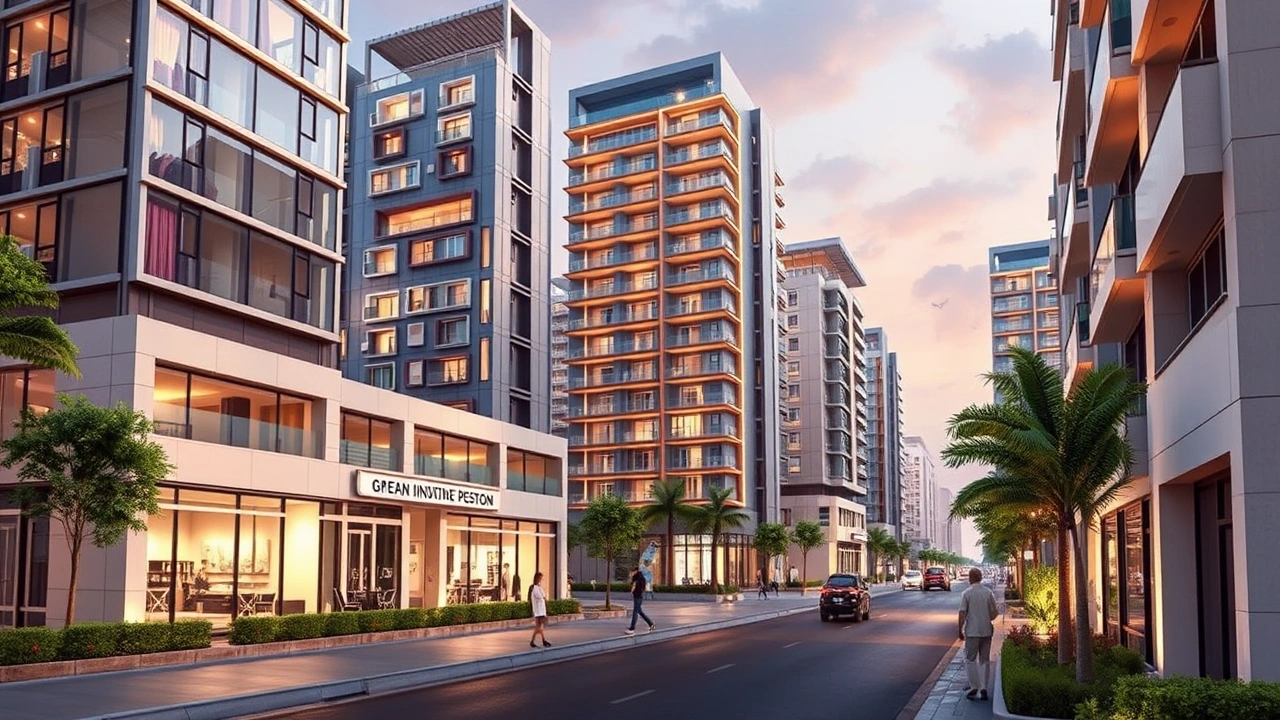
For a long time, India has sold the world on its palaces, temples, and beaches. But behind the postcard scenes, a different landscape is taking shape: that of stone. As travelers multiply, real estate follows, transforms, and heats up. The impact of tourism on India’s real estate market is no longer a marginal phenomenon; it is one of the silent engines driving price increases, the rise of new destinations, and the reshaping of entire cities.
A Tourism Boom Redrawing the Real Estate Map
In recent years, tourism has become a cornerstone of the Indian economy. In 2024, the sector accounted for approximately 21 trillion rupees in GDP, representing growth of about 20% compared to 2019. It supported nearly 46.5 million jobs, or just over 9% of total employment. India now ranks as the 8th largest tourism economy globally, with an estimated contribution of $231.6 billion.
Domestic travel in India already exceeds 2.5 billion trips annually.
This surge is not confined to hotels or travel agencies. It fuels construction, short-term rentals, second homes, shopping malls, and even urban infrastructure. The real estate market as a whole is one of the world’s most dynamic: it is on track to reach $1 trillion by 2030, with its share of GDP potentially rising from about 7% in 2018-19 to 13% around 2025, and up to 14-16% by 2050.
When Tourist Demand Becomes Real Estate Demand
The mechanism is simple but powerful. More tourists require more beds, shops, restaurants, and services. And as these activities become more structured, they attract more investment and permanent residents. Several trends are converging:
The real estate market in Indian tourist destinations is undergoing significant evolution, marked by an explosion of seasonal rentals and vacation homes in beach resorts, hill stations, and pilgrimage towns. The hotel supply is modernizing and moving upmarket, including in medium-sized cities. Development of offices, convention centers, and retail is also observed in highly frequented areas. Finally, affluent Indians and Non-Resident Indians (NRIs) are showing growing interest in acquiring second homes and heritage properties.
In some major tourist hotspots, real estate prices have jumped 30 to 150% in five years, and several destinations have seen their values multiply five to tenfold over the last decade. These increases cannot be explained solely by general growth: they are clearly fueled by tourism pressure.
The Blurring Line Between Vacation Destination and Investment Market
The case of tourist real estate in India illustrates a gradual shift: places initially designed to welcome visitors are becoming full-fledged investment markets. Goa, the Himalayan hill stations, sacred cities, and major coastal metropolises embody this transformation.
Goa, Laboratory for Tourism Returns
Goa precisely illustrates this shift. A prime destination for beaches and parties, the state has also become one of the country’s main second-home markets. Vacation homes there start around 7.5 million rupees, while beachfront complexes show potential yields of 12 to 15% per year.
The total return on investment, including capital gains, for an apartment in Goa can exceed this percentage.
Short-term rental platforms are accelerating this trend. During peak season, like December-January, a simple apartment can generate up to 200,000 rupees in monthly income, far exceeding the traditional rental market. An entire economic model is being built around a few weeks of intense demand, with owners arbitrating between personal use and intensive rental exploitation.
Hill Stations, Resorts, and Religious Cities: The Rush for Second Homes
The dynamic is not limited to beaches. Hill stations like Manali, Shimla, or Mussoorie, as well as emerging destinations like Nainital or Rishikesh, are seeing an influx of villa and cottage buyers. In these markets, a villa often trades between 12.5 and 30 million rupees, with rental yields reaching 8 to 12% during peak season.
Nainital recorded an approximately 49% year-over-year increase in property searches, signaling the emergence of a structured investment market.
The rise of religious tourism reinforces the trend in cities like Varanasi, Ayodhya, Prayagraj, or Puri. Pilgrim hotels show occupancy rates above 80%, attracting capital towards guest houses, small hotels, serviced apartments, or properties operated as short-term rentals. In Varanasi, guest houses near the ghats start at around 5 million rupees. Average prices per square meter remain relatively “affordable” but are rising quickly.
Table: Selected Real Estate Indicators in Pilgrimage Cities
| City | Average Residential Price (Rs/m², approx.) | Annual Increase in Property Searches | Dominant Tourist Position |
|---|---|---|---|
| Varanasi | ~6,200 | +11.8% | Pilgrimage, Spiritual Tourism |
| Puri | ~6,629 | +15.3% | Beach and Jagannath Temple |
| Shirdi | ~4,598 | +10.6% | Pilgrimage around Sai Baba Shrine |
| Prayagraj | n.a. | +28% | Kumbh Mela, Sacred Confluence |
These markets combine three advantages: massive tourist flows, very strong seasonality (pilgrimages, religious festivals), and prices still below major metros. They are thus becoming preferred targets for investors seeking to diversify their portfolios.
Tourist Metropolises: When Residential Real Estate Becomes “Touristic”
Major cities play a dual role: economic hubs and cultural or beach destinations. Mumbai, Delhi-NCR, Hyderabad, Bengaluru, or Chennai welcome leisure tourists, business travelers, and medical tourists. This mix drives up real estate value, particularly in neighborhoods close to tourist sites, waterfronts, or transport hubs.
In Mumbai, the development of major infrastructure (Trans Harbour Link, metro expansion, upcoming Navi Mumbai airport) and tourist appeal are leading to spectacular prices. Luxury apartments in the south trade between 20 and 50 million rupees. The price gap is pronounced on the waterfront: in Versova, properties with sea views cost 30 to 40% more (Rs 45,000-60,000/sq.ft). In Prabhadevi, the average price exceeds Rs 168,000/sq.ft, more than 48% above non-waterfront properties.
Table: Price Premiums on the Mumbai Waterfront
| Location | Property Type | Average Price (Rs/sq.ft) | Premium vs. Non-Sea View Properties |
|---|---|---|---|
| Versova (Sea View) | Premium Apartment | 45,000 – 60,000 | +30–40% |
| Prabhadevi | High-End Apartment | ~168,352 | > +48% |
| Bandra (Sea View) | 2-3 Bedroom Apartment | 30–50 million per unit | Significantly > without view |
These levels reflect both the scarcity of coastal land and the desire of the affluent class, including NRIs, to buy prestige residences in highly visible tourist locations.
The Soaring Rise of Short-Term Rentals
Parallel to the sales market, another segment is exploding: short-term rentals. The rise of the Airbnb model has profoundly altered the balance between primary residences, annual rentals, and tourist accommodations.
The Indian vacation rental market is estimated at $2.9 billion in 2024, projected to reach nearly $20 billion by 2035.
For many owners, the calculation is simple. In some tight markets, a property offered for seasonal rental can generate two to three times more gross income than a long-term lease. A studio that might yield Rs 20,000 to 25,000 per month on a standard lease can reach Rs 50,000 to 60,000 during peak season via a platform. In the most sought-after areas of Goa, an apartment can bring in up to 200,000 Rs in a single peak tourist month.
This profitability attracts small property management companies that handle marketing, maintenance, and guest services, for a commission – often 30 to 40% of revenue. It is increasingly common to see operators managing dozens of properties in a single tourist region without owning them.
Coastal Tourism, a Major Lever for Land Value Appreciation
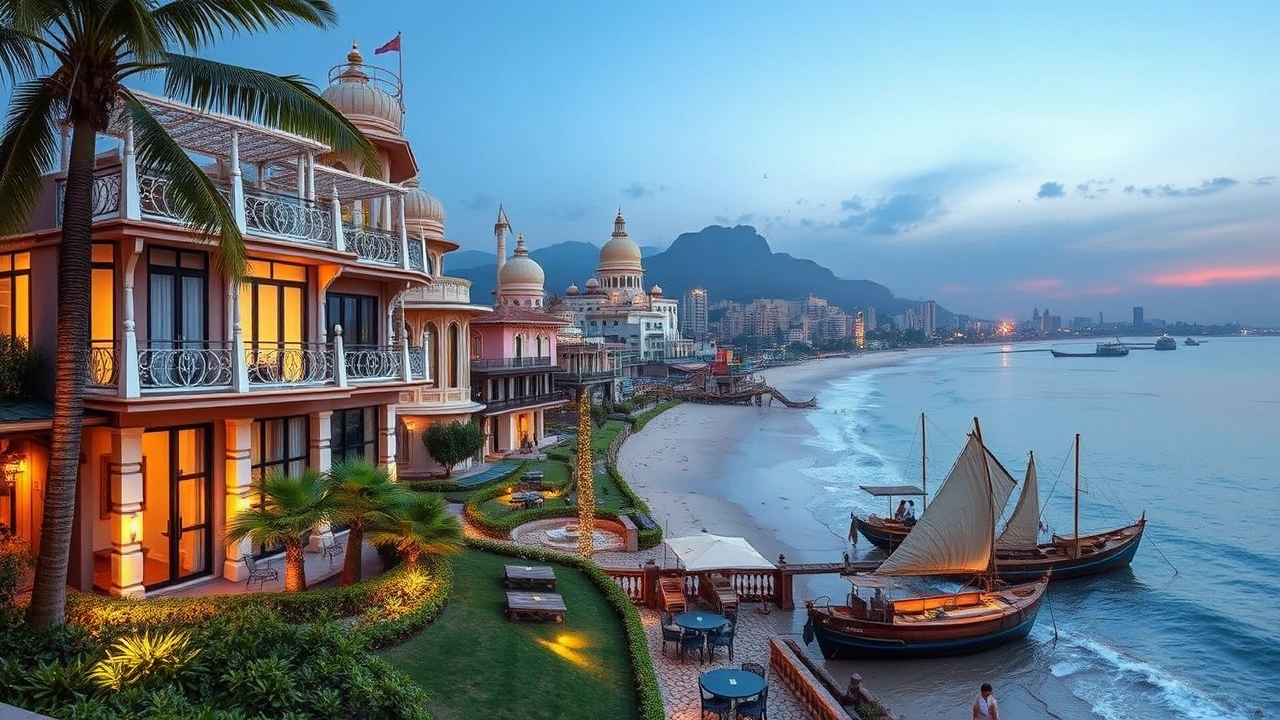
With over 7,500 km of coastline, India has a largely underutilized potential for beach and coastal tourism. Yet, where this potential begins to be tapped, the impact on real estate is immediate.
Coastal states like Maharashtra, Goa, Kerala, Tamil Nadu, Karnataka, Andhra Pradesh, Odisha, Gujarat, or West Bengal are seeing development of mixed offerings including hotels, residences, waterfront retail, and leisure infrastructure. Cities like Mumbai, Chennai, Kochi, Visakhapatnam, Mangalore, or Puducherry are hubs for major projects.
Integrated Projects: The “Township” Model for Coastal Areas
Among emblematic developments, complexes like Hiranandani Sands in Alibaug position themselves as planned “coastal towns.” They combine residences, hotels, vacation villas, wellness spaces, waterfront retail, water sports, and convention centers. The idea is to create an integrated tourism and real estate ecosystem, capable of attracting tourists, permanent residents, and investors alike.
The developer Rustomjee exemplifies this dynamic with its high-end real estate projects on Mumbai’s waterfront, such as in Versova. These developments have multiple spillover effects: job creation, revitalization of local commerce, increased land value, and the arrival of new urban services in the area.
Exceptional Yields and Appreciation
In several coastal cities, real estate properties show performance above the national average. In Kochi, for example, the residential market grew about 19% per year over a five-year period, with neighborhoods like Panampilly Nagar reaching over Rs 7,300 per square foot. In Mumbai, the Worli waterfront saw prices climb over 52% in five years.
Maximum rental yield for seaside homes in the most sought-after areas, compared to 2.5 to 3.5% for similar properties inland.
Table: Indicative Comparison of Rental Yields
| Type of Location | Average Rental Yield |
|---|---|
| Coastal Property (India, overall) | 3–5% |
| Hotspots like Versova | 4–5% |
| Comparable Non-Coastal Property | 2.5–3.5% |
This premium is largely explained by the scarcity of coastal land. Buildable land on the front line is limited by geography but also by Coastal Regulation Zone (CRZ) rules, which strictly regulate heights, distances from the sea, and permitted uses.
The Role of Public Policy and Infrastructure
The impact of tourism on Indian real estate is not merely spontaneous. It is amplified, directed, or sometimes hindered by public policies, whether in urban planning, major infrastructure programs, or environmental regulations.
Programs to Structure the Tourism Offer
The central government has multiplied initiatives to make the country a top-tier destination. Campaigns like “Dekho Apna Desh” and “Chalo India Global” target domestic and international tourists, respectively. Schemes like Swadesh Darshan (and its version 2.0) or PRASHAD aim to develop tourist circuits, especially coastal and religious ones, with dedicated funding for improving roads, accommodation facilities, signage, or basic services.
The 2025-26 budget allocates over 2,500 crore rupees for tourism infrastructure and, more broadly, 20,000 crore for major circuits. A specific component plans to develop 50 flagship destinations in partnership with states, via a “challenge” system where the best projects receive enhanced funding and interest-free loans.
Obtaining a tourist label and the accompanying financial support significantly increases a destination’s visibility. This recognition leads to increased tourist flows, which in turn strengthens its attractiveness for real estate developers. This dynamic quickly materializes in the form of land banks being assembled, land purchases, and announcements of new construction projects.
Connectivity: A Real Estate Multiplier
Transport infrastructure plays a decisive role. Improving airports, creating new coastal roads or ferry links, and programs like UDAN that connect secondary cities by air all reduce the “distance cost” and transform an isolated place into a weekend destination.
Major modern infrastructure projects in port cities, like new roads or port links, do more than just improve mobility. By opening up previously remote areas, they significantly increase land value and attract investment in office real estate, high-end residences, and hospitality.
Regulations: Between Protection and Simplification
In parallel, India has established a regulatory framework meant to guide and secure real estate and tourism investments. The RERA law introduced more transparency in real estate projects, boosting buyer confidence. The Coastal Regulation Zone (CRZ I to IV) rules define what is possible or prohibited near the coastline, with recent revisions aiming to simplify some procedures.
These rules directly influence the nature of tourism projects on the coast. Investors must contend with height, density, and setback constraints from the sea, but in exchange benefit from better visibility on legal risks. At the same time, the relaxation of tax rules on second homes (the possibility of declaring two properties as owner-occupied, with no theoretical taxable rental income) encourages the purchase of vacation homes, especially in tourist areas.
NRIs, Heritage, and the Luxury Segment: When Tourism Feeds Nostalgia
The tourist appeal of historic cities and old neighborhoods is coupled with a particular real estate phenomenon: the quest for heritage properties, highly sought after by Non-Resident Indians.
Heritage Properties, a Highly Coveted Niche
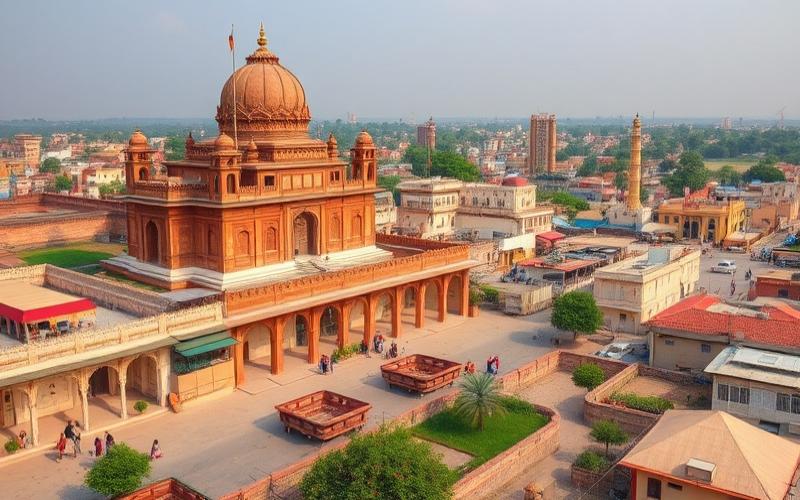
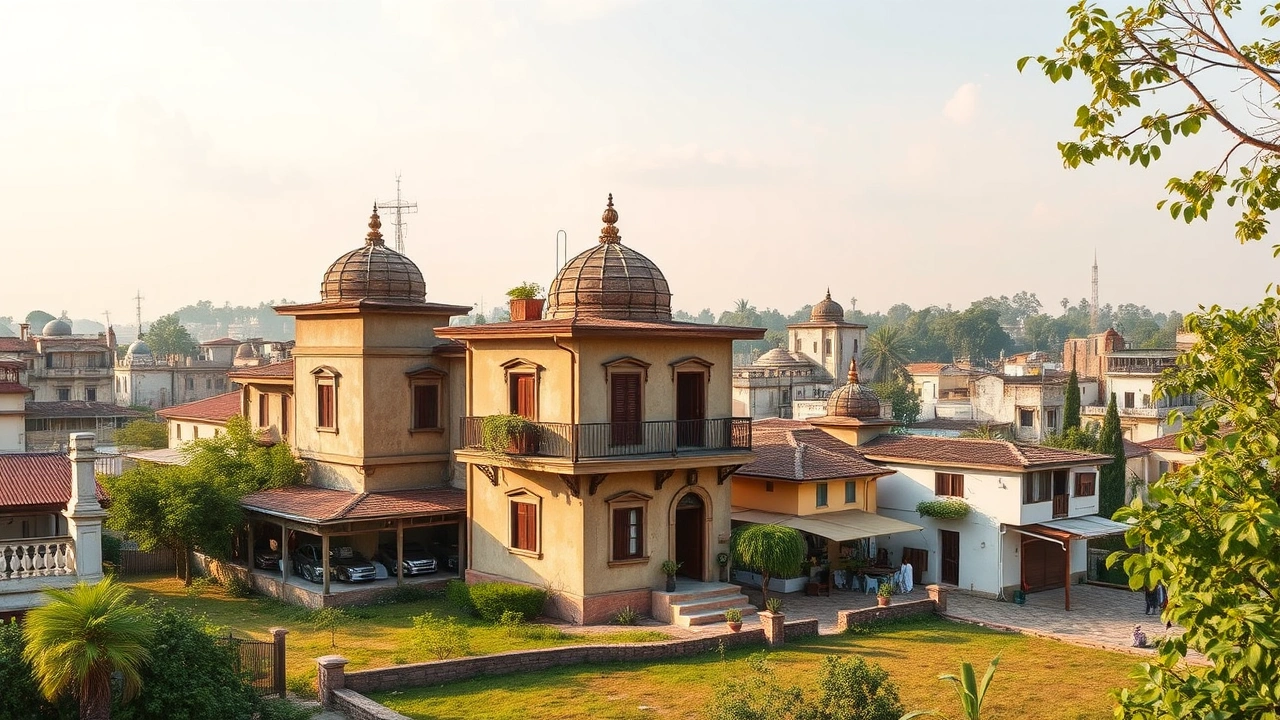
For some NRIs, buying a haveli in Jaipur, an Art Deco house in Mumbai, or a colonial bungalow in Kolkata is not just about speculation. It’s a way to maintain an emotional connection with the homeland, to own a “piece of history.” This market for heritage properties is growing, fueled by the scarcity of such assets, restoration efforts, and the appeal of a form of “living heritage.”
In some cases, a coherent historic environment can push real estate prices up to 30% above conventional markets.
From Family Home to Boutique Hotel
Historic tourist cities also encourage the adaptation of these properties into character accommodations: boutique hotels, guest houses, venues for events or weddings. In Rajasthan or Kerala, it has become common to see palaces and mansions converted into boutique hotels. This conversion offers high returns and allows old buildings to regain an economic function.
Tourism is an essential factor in financially justifying the restoration of historic buildings. Visitor demand for authentic experiences significantly increases the value of these properties, far beyond their mere real estate worth.
Employment, Local Entrepreneurship, and Social Reshaping
The impact of tourism on real estate is not limited to price figures or financial projections. It transforms social fabrics, creates opportunities but also new tensions, particularly in coastal or rural communities.
Job Creation and New Professions
The tourism sector is one of the most labor-intensive in the Indian economy. Estimates show that an investment of 1 million rupees can generate nearly 78 jobs in tourism, compared to 18 in manufacturing and 45 in agriculture. Hospitality, restaurants, guide services, leisure activities, and local transport directly benefit from the arrival of visitors.
Hotel and commercial development attracts a new workforce, creating increased demand for affordable housing. This pressure is exacerbated by the conversion of part of the residential stock into tourist rentals, making the situation critical.
The boom in seasonal rentals is a good example. On one hand, it generates supplementary income for many households, including women managing homestays or food stalls. On the other, it can reduce the supply of annual rentals and push workers to move away from tourist centers, or even settle for precarious housing conditions.
Housing Pressure and Gentrification Risks
Experiences observed in other countries shed light on the risks. International studies highlight a correlation between the rise of short-term rentals and rent increases, particularly for low-income households. While each context is specific, the mechanism is known: each apartment converted into a seasonal rental is one less home for permanent residents. In the long run, this can:
– drive up rents,
– push seasonal workers to live far from centers,
– encourage gentrification where affluent newcomers gradually replace historic residents.
In India, tourist pressure in areas like Goa, Mumbai, or pilgrimage towns leads to rapid conversion of housing into hotels, reducing the residential supply. Faced with this phenomenon, national authorities are implementing social housing programs and incentives for developers to reserve a portion of construction for affordable market segments.
Tourist Real Estate: Between El Dorado and Minefield
For investors, tourism creates unprecedented opportunities in scale, but also specific challenges: environmental risks, seasonality, regulatory complexity.
High Yields, Specific Risks
Tourism-related real estate projects can show total returns (rental + appreciation) on the order of 15 to 40% in the most favorable scenarios. Depending on the segment and location, investors may target:
– rental yields of 6 to 18%,
– value increases of 10 to 30% per year in emerging destinations,
– very high occupancy rates in pilgrimage cities.
Coastal properties are exposed to climatic hazards (cyclones, erosion, rising sea levels, humidity, corrosion), leading to maintenance costs 15 to 20% higher. They are also subject to strict regulatory constraints (CRZ zones, complex land titles) and seasonal demand, causing significant income fluctuations.
Lack of Basic Infrastructure: A Persistent Hindrance
Despite major projects, a major challenge remains: the insufficiency of basic infrastructure in many tourist destinations. Reports from the Tourism Ministry highlight that less than 30% of circuits have adequate infrastructure in terms of roads, sanitation, or safety. In some still underdeveloped coastal areas, the absence of reliable connectivity, airports, and sewage systems limits the viability of ambitious real estate projects.
Sustainable real estate development cannot rely solely on tourist appeal. It requires essential infrastructure like drinking water, waste management, reliable transport, and public services. Without these, destinations risk environmental degradation and dissatisfaction among both residents and visitors.
The Sustainability Footprint: Towards Greener Tourist Real Estate
Another structuring factor is beginning to weigh on tourism-related real estate in India: the rising importance of environmental considerations. Globally, the sustainable tourism market is already valued in trillions of dollars, and India is seeking to position itself in this movement.
Towards More Sustainable Destinations and Buildings
The Indian sustainable tourism market remains modest in absolute value but is experiencing very rapid growth, with projections of over 19% annual growth in the next decade. An increasing number of Indian travelers (nearly 80%) declare that they consider environmental issues in their travel choices.
India has over 10 billion square feet of certified “green” buildings, benefiting from a valuation premium of 12 to 14%.
Leading states in this domain, like Maharashtra, Uttar Pradesh, or Gujarat, concentrate a large number of certified projects, including in tourist cities. Authorities encourage these initiatives through programs under the “Smart Cities” mission, tax incentives, and ESG reporting obligations imposed on large listed companies.
Tourism, Climate, and Building Resilience
Accounting for climate resilience is becoming essential. India’s coastal tourist areas are on the front line of climate change effects. For investors, this means:
To strengthen the sustainability and viability of real estate projects, it is crucial to integrate climate risk criteria from the evaluation phase, such as sea level rise, flooding, and heat waves. Prioritize buildings specifically designed to withstand these extreme conditions. Finally, anticipate long-term financial impacts, including potential increases in insurance premiums and maintenance costs related to climatic hazards.
This environmental dimension is gradually changing the trade-offs: a seaside plot may offer an exceptional view and high rental yields, but if its useful lifespan is threatened by erosion or inundation, its long-term value becomes more uncertain.
Towards a Balanced Strategy: Reconciling Tourist Appeal and the Right to Housing
India finds itself at a pivotal moment. International projections place it among the top tourism powers within about a decade, with tourism’s expected contribution reaching over $500 billion of GDP by 2034. This trajectory, combined with the rise of the middle class (nearly 580 million Indians in a few years) and rapid urbanization, guarantees that the link between tourism and real estate will continue to strengthen.
The challenge for public decision-makers, as well as for investors, is to organize this development in an inclusive way. This notably implies:
For harmonious tourist development, it is crucial to plan housing supply for local workers in parallel with the rise of vacation homes, intelligently regulate short-term rentals to avoid displacing permanent residents, channel investments towards truly sustainable projects that respect environmental constraints and support communities, and strengthen basic infrastructure so that tourism does not develop at the expense of local quality of life.
The impact of tourism on India’s real estate market is already major and visible: spectacular price hikes in hotspots, explosion of seasonal rentals, conversion of heritage properties, accelerated transformation of medium-sized cities. The question is no longer whether tourism influences real estate, but to what extent this link will be steered towards a model that creates shared value, rather than being merely a lever for speculation.
In this equation, the Indian coastline, holy cities, hill stations, and major tourist metropolises form the laboratories of an urban future where the line between “place to visit” and “place to live” becomes increasingly blurred. The trade-off between welcoming travelers and the right to housing, between double-digit yields and long-term resilience, will be decisive for millions of Indians as well as for thousands of investors.
Disclaimer: The information provided on this website is for informational purposes only and does not constitute financial, legal, or professional advice. We encourage you to consult qualified experts before making any investment, real estate, or expatriation decisions. Although we strive to maintain up-to-date and accurate information, we do not guarantee the completeness, accuracy, or timeliness of the proposed content. As investment and expatriation involve risks, we disclaim any liability for potential losses or damages arising from the use of this site. Your use of this site confirms your acceptance of these terms and your understanding of the associated risks.

Cyril Jarnias is an independent expert in international wealth management with over 20 years of experience. As an expatriate himself, he is dedicated to helping individuals and business leaders build, protect, and pass on their wealth with complete peace of mind.
On his website, cyriljarnias.com, he shares his expertise on international real estate, offshore company formation, and expatriation.
Thanks to his expertise, he offers sound advice to optimize his clients' wealth management. Cyril Jarnias is also recognized for his appearances in many prestigious media outlets such as BFM Business, les Français de l’étranger, Le Figaro, Les Echos, and Mieux vivre votre argent, where he shares his knowledge and know-how in wealth management.