 Published on and written by Cyril Jarnias
Long overshadowed by its more publicized neighbors, Nicaragua is gradually establishing itself as one of the most intriguing markets for short-term rentals in Central America. A country of lakes and volcanoes, it combines a very low cost of living, a coastal tourism boom, an influx of foreign investors, and a relatively open legal framework, especially for platforms like Airbnb or Vrbo. The result: gross rental yields often higher than those in Panama City or San José, and a range of very distinct destinations, from a surf trip to San Juan del Sur to a quiet retirement in a colonial house in Granada.
To position yourself effectively, it is crucial to analyze the numbers, promising locations, and market trends. One must also consider blind spots such as legal risks, the saturation of certain local areas, and increasing competition, particularly on the Pacific coast.
An Emerging Real Estate Market Driven by Tourism
The macroeconomic context clearly favors real estate and short-term rentals in Nicaragua. The economy relies on agriculture, tourism, light industry, and services, with GDP growth estimated between 2.5% and 3.5% per year until 2028. The population of about 6.8 million remains young, urbanization is increasing, and Foreign Direct Investment flows surged by over 25% in 2022 to reach nearly $1.84 billion, largely directed toward real estate, tourism, and free trade zones.
Tourism revenue reached $739 million in 2023, a 24% increase year-over-year.
This dynamic directly fuels short-term rentals: more travelers, more overnight stays, more demand for urban apartments, seaside villas, eco-lodges in the mountains, or guest houses near volcanoes.
A Very Low Cost of Living: An Asset for Hosts and Travelers Alike
Nicaragua boasts one of the lowest costs of living in the region: approximately 46% cheaper than Costa Rica and nearly 50% lower than the United States. For a property owner, this translates to contained operating expenses: electricity ($20 to $200 per month depending on air conditioning usage), water ($20 to $50), internet/cable ($25 to $100), housekeeper or gardener ($40 to $300 monthly), childcare ($250 to $350 for a full-time nanny).
For a long-term tenant or a digital nomad, a monthly budget of $1,200 to $1,800 offers a high standard of comfort, thus stimulating demand for furnished rentals, extended stays via Airbnb, coliving arrangements, or downtown apartments.
A Legal Framework Fairly Favorable to Property Owners
On paper, Nicaragua offers a fairly welcoming legal environment for rental investment. Foreigners in principle have the same property rights as nationals, including for residential and commercial properties. There is no systematic obligation to partner with a local citizen, except in sensitive border areas or the immediate coastal strip where the “Law of the Coast” applies.
The main rules to keep in mind for rentals:
Private leases in Nicaragua can last up to four years; beyond that, a notarized deed is required, with a maximum legal term of ten years (excluding specific agricultural cases). Rents are freely negotiated and can include periodic increase clauses. The security deposit, though not regulated by law, is generally equivalent to one or two months’ rent to cover potential damages or unpaid bills. Taxation on rental income for non-residents is about 14–15%, depending on the source and tax structure. Finally, property tax remains low, calculated on about 1% of 80% of the cadastral value, often representing a lower charge than in North America.
On the tourism side, the country has modernized its incentive arsenal. The new tourism development law (which replaces the old Law 306) provides, for approved projects, ten-year income tax exemptions, VAT and customs duty exemptions on construction materials and equipment, as well as a property tax exemption for the same duration. Investment thresholds are $300,000 for classic projects and $50,000 for SMEs in the sector.
Surprisingly Light Short-Term Rental Regulation
Another key element for short-term rentals: the regulatory environment around Airbnb-type rentals remains, for now, not very restrictive. A study by the analytics platform AirROI classifies 26 Nicaraguan markets dedicated to short-term rentals, from San Juan del Sur to León including Tola, and reports a “low” level of regulation in 25 out of 26 cases. Only the small town of Tola shows a “moderate” status.
Unlike countries like Costa Rica that are currently strengthening regulation (mandatory registration, safety standards, sanctions), Nicaragua remains relatively open ground for short-term rental investors. However, this situation could change in the future.
Where to Invest for Short-Term Rentals: Overview of Key Markets
Cross-referenced data from AirROI, PriceLabs, and various local studies outline a highly contrasting geography of opportunities. Between the Pacific surf beaches, the inland colonial cities, the capital, and the Caribbean islands, the profile of tenants, occupancy rates, and incomes are completely different.
San Juan del Sur and Tola: The Heartbeat of the Pacific Coast
On the southern Pacific coast, two areas stand out: the municipality of San Juan del Sur and that of Tola, including the Emerald Coast and developments like Rancho Santana or Hacienda Iguana.
AirROI ranks the municipality of San Juan del Sur first in its national ranking for short-term investment, with 562 active listings, an average monthly income of about $1,426, a daily rate around $193, and an average occupancy close to 32%. Further north, the municipality of Tola shows an even higher average income of over $2,198 per month, an ADR exceeding $254, and an occupancy rate near 37%.
We can summarize this data in the following table:
| Market (Municipio) | Active Listings | Avg. Monthly Income | Avg. ADR (USD) | Occupancy Rate | Regulation |
|---|---|---|---|---|---|
| San Juan del Sur | 562 | 1,425.76 | 193.47 | 31.72% | Low |
| Tola | 222 | 2,198.59 | 254.18 | 36.96% | Low |
| Managua | 277 | 407.33 | 61.65 | 30.46% | Low |
| Granada (municipio) | 249 | 931.74 | 110.43 | 36.00% | Low |
| León (municipio) | 129 | 449.18 | 82.13 | 26.58% | Low |
For an investor, these numbers mean two things. First, a high cash-flow potential: a well-performing property can generate several thousand dollars per month in high season, especially if it is well-managed and can accommodate groups of six or more, highly sought after in the area. Second, fierce competition: just on the Pacific coast, Vrbo lists nearly 300 properties in the Tola area, and some observers speak of near-overcapacity, with owners forced to lower prices and occupancy rates declining on some beaches.
Despite an average occupancy rate of 30 to 40%, rental yields remain solid. A beach villa can generate an annual gross yield of 7 to 8%, or even 8 to 10% for an optimized purchase. For example, a two-bedroom condo with an ocean view in San Juan del Sur rents for about $500/month on a long-term basis and can reach $50 to $150/night for short-term rentals.
Managua: An Underestimated but Highly Profitable Urban Market
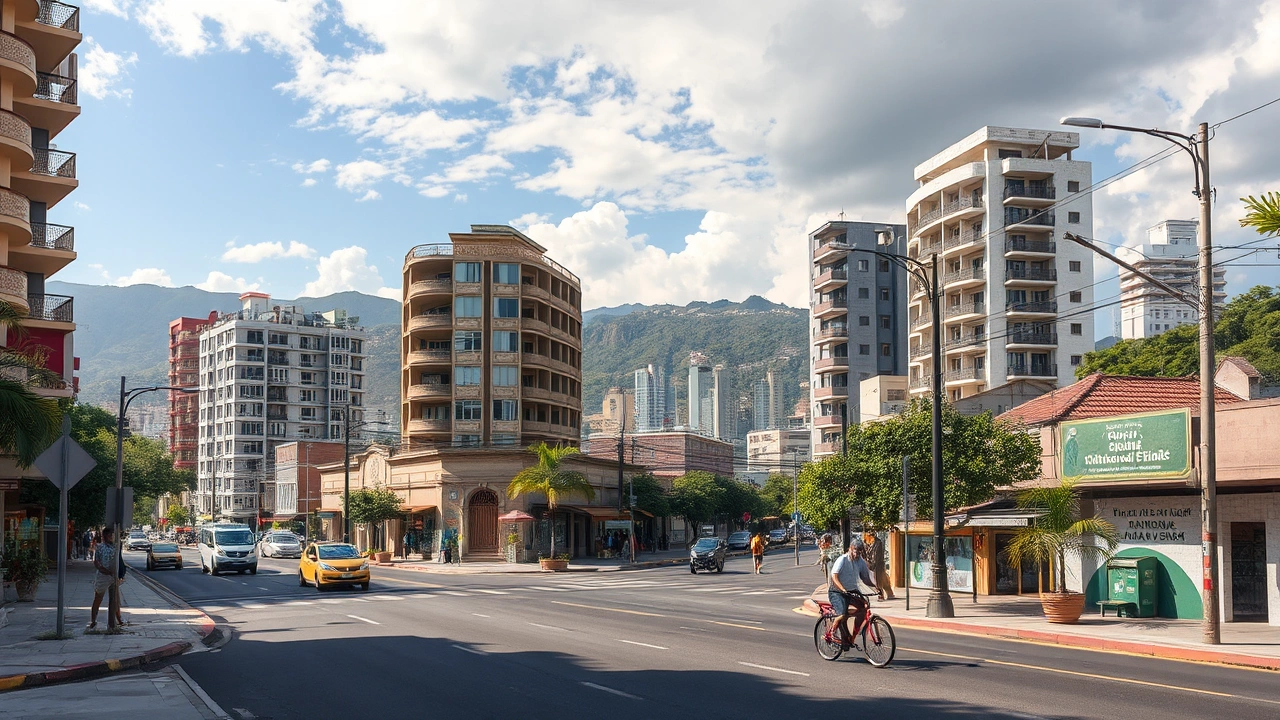
The capital offers a completely different profile, more oriented toward business travelers, students, digital nomads, and medium-term stays. Yet, it is one of the most profitable markets in the region in terms of rent-to-price ratio.
Data from September 2025 shows gross annual yields between 8 and 11%, higher than those of Panama City (5–7%), San José in Costa Rica (6–8%), Tegucigalpa (7–9%), or Guatemala City (6–8%). Here are some order-of-magnitude figures:
| Property Type (Managua) | Average Monthly Rent (USD) | Indicative Range |
|---|---|---|
| 1 Bedroom Downtown | 257 | 120 – 400 |
| 1 Bedroom Suburb | 190 | 70 – 250 |
| 2 Bedrooms Downtown | 600 | ~600 |
| 2 Bedrooms Suburb | 500 | ~500 |
| 3 Bedrooms Downtown | 437 | 250 – 1,200 |
| 3 Bedrooms Suburb | 449 | 400 – 498 |
Relative to purchase prices (on average $1,167/m² in the center, $443/m² on the periphery), and considering relatively low holding costs (about 0.8% property tax per year, 1–2% of the price in maintenance, 10% property management fees), the income-to-price ratio remains particularly attractive.
This is the median monthly income, in dollars, generated by Airbnb listings in the city.
Granada, León, and Colonial Cities: Charm, Stability, and an Expat Niche
The colonial cities of Granada and León occupy a special place. Highly appreciated by tourists, retirees, and remote workers, they offer a mix of heritage, cultural life, and low cost of living that fuels a fairly stable rental market.
Granada (municipio) ranks third in the AirROI ranking, with 249 properties and an average monthly income of about $932, for an ADR of just over $110 and an occupancy of 36%. The city itself (excluding outlying towns) shows slightly lower but comparable numbers. Renovated colonial houses frequently rent for between $600 and $1,200 per month on a long-term basis and are particularly well-suited for short-term rentals for families or groups of friends.
León, fifth in the national ranking at the municipal level, offers lower revenues (about $449 on average) but with very low entry costs: some colonial houses or apartments rent long-term for as low as $200 per month for a furnished one-bedroom, rarely more than $400 for a two-bedroom. This is a market driven more by students, volunteers, and more adventurous tourism.
Corn Island and the Islands: Interesting Yields in a Niche Market
On the Caribbean coast, the municipality of Corn Island ranks 16th among the top-performing markets for short-term rentals, with an average income of $458 per month, an ADR around $72, and occupancy close to 29%. Beyond these averages, some properties achieve estimated gross yields between 8 and 12%, driven by the appeal of beaches and diving, and a relaxed atmosphere less subject to crowds than the Pacific.
Access to this market is by plane from Bluefields and is subject to capricious weather, which also leads to higher insurance costs due to climatic risks. It nonetheless represents a land of opportunity particularly suited for ecotourism projects or those targeting clients seeking total disconnection.
Emerging Markets: Highlands, Northern Coasts, and Secondary Towns
Beyond the already established spots, several areas appear as opportunity zones for the longer term:
– The northern highlands (Matagalpa, Jinotega, Estelí) attract a clientele seeking cool weather, specialty coffee, and community tourism. Rental yields there are for now more modest (for example, Matagalpa is around $239 average monthly income in the short-term segment), but entry prices are low, with agricultural land or houses to restore at levels incomparable to the Pacific coast.
– The still underdeveloped coastal areas north of León (El Tránsito, Miramar, Aposentillo) show growth signals, with average monthly revenues of $500 to $1,000 and respectable occupancy rates, in a context where competition remains limited.
– Municipalities like Catarina, Nindirí or Villa El Carmen combine proximity to lakes or lagoons, natural assets (Laguna de Apoyo, views of Lake Cocibolca), and ongoing tourism development.
For a patient investor, these “secondary” markets can serve as a bet on medium-term capital appreciation, more than on immediate cash flow.
Short-Term Rentals: What Do They Actually Yield?
Beyond national averages (RevPAR of about $30, occupancy rate of 31%, and nearly 4,900 active listings nationwide), Nicaragua’s appeal lies in the combination of high gross yields, low holding costs, and still moderate taxation.
Example of a Typical Cost Structure
For an apartment or small house operated on a short-term basis, the typical recurring expense items are often distributed as follows:
| Owner Cost Item | Typical Order of Magnitude |
|---|---|
| Rental Management (Short-Term) | 20–30% of gross rental income |
| Basic “Property Management” | $100–300 USD / month depending on area |
| Property Tax | ~0.8–1% of cadastral value / year |
| Maintenance (repairs, wear) | 1–2% of property value / year |
| Utilities (water, electric, internet, etc.) | $70–350 USD / month (outside extreme AC usage) |
| Insurance, Vacancy, Legal Fees | 5–10% of gross rents (provision) |
Local analyses estimate that by aggregating these items (excluding loan repayment), an owner generally spends 15 to 20% of their gross rents on purely operational monthly charges, excluding full management. Adding a short-term rental manager (20–30% of income on the coast, 10–20% in the city), the share of income consumed by fees can rise to 40–45%, but this still leaves an interesting net margin in a country where gross yields regularly exceed 8–10%.
Focus on Managua: 9–11% Gross Yield with Relatively Low Seasonality
Combining the average rents mentioned above with per square meter prices and moderate taxation, one easily achieves gross yields:
– around 11% for well-located apartments,
– around 8% for houses with land.
In Managua, rental demand is supported by the local middle class, students, and expatriates, making it less dependent on international tourism than in other regional capitals. This diversity of demand sources gives the market a certain resilience to potential shocks in the tourism sector.
Focus on Pacific Coast: Up to Over $2,000 Per Month… But Real Seasonality
The Pacific coast, notably San Juan del Sur, Tola, Popoyo, or Guasacate, is characterized by high daily rates, offset by more pronounced off-peak periods. AirROI data indicates for some micro-markets:
A comparative overview of average monthly income, average daily rate (ADR), and occupancy rates for tourist rentals in three key areas.
Average monthly income of about $2,198, with an ADR over $250 for an occupancy rate of about 37%.
Average monthly income of about $1,078, an ADR close to $99 and the highest occupancy rate at 39.1%.
Average monthly income of about $1,370, with an ADR of $180 and an occupancy rate close to 36%.
Some well-managed properties exceed $1,400 per month, with occupancy rates of 60–85% in high season. For a “tiny home” type development in a planned resort, projections speak of net yields of 6 to 9%, with integrated services (pools, golf, restaurant, spa, horses, massages) and on-site management.
Which Traveler Profiles Fuel Demand?
The success of a short-term rental relies as much on location as on alignment with the target clientele. In Nicaragua, several segments stand out.
Surfers and Pacific Adventurers
The regions of San Juan del Sur, Popoyo, Playa Maderas, Guasacate, or Playa Gigante have become sanctuaries for surfers seeking world-class waves, a limited cost of living, and a much more relaxed vibe than in overcrowded Costa Rican spots. International travel guides even describe the country as a “surf secret.”
This clientele prioritizes: quality products, personalized service, and authentic experiences.
– cabins, bungalows, cabañas, or small houses a few minutes’ walk from the beach,
– eco-lodges with simple studios but spectacular views,
– surf+yoga+breakfast packages.
Typical rates range from $50 to $100 per night for a beachfront accommodation in San Juan del Sur, often with discounts for extended stays.
Digital Nomads, Students, and Remote Workers
With a time zone aligned with that of the United States, good internet connectivity (fiber, sometimes Starlink), very moderate costs, and a pleasant climate, Nicaragua attracts a growing share of remote workers. A “Digital Nomad Visa” type program has even led to a 15% increase in long-term stays in the country.
This population concentrates mainly in: the urban region, industrial zones, and economic centers.
– Managua (residential neighborhoods like Las Colinas or Villa Fontana),
– Granada and León (colonial, cafes, expatriate community),
– San Juan del Sur (coliving, surf & yoga ecosystem).
The needs are clear: reliable wifi, a dedicated desk or “workspace”, good power supply, sometimes a generator or solar panels, and proximity to amenities. Price-wise, one finds:
– coliving in San Juan del Sur around $500 per month for a private all-inclusive room,
– colonial coliving in Granada from $350 monthly,
– furnished studios or apartments for $400 to $800 depending on comfort level and location.
Retirees and Long-Term Residents
Ranked among the best countries in the world for retirement by International Living, Nicaragua appeals to many North American or European retirees, who see it as a compromise between cost of living, climate, nature, and the possibility of obtaining relatively simple residency (with a pension income of at least $600 monthly for a “pensionado” status).
For investors, this translates into a steady demand for:
Discover the different accommodation options available for your stay, from historical charm to modern comfort by the sea.
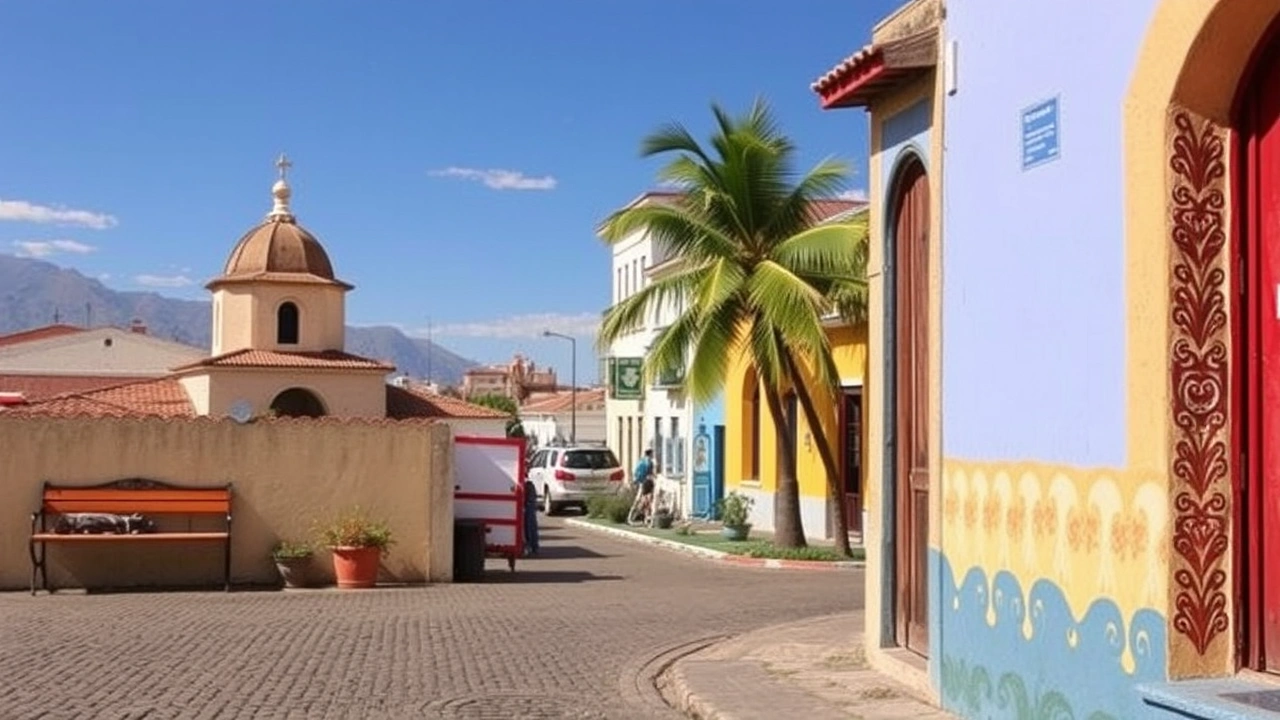
Immerse yourself in history with authentic and restored accommodations in the colonial cities of Granada or León.
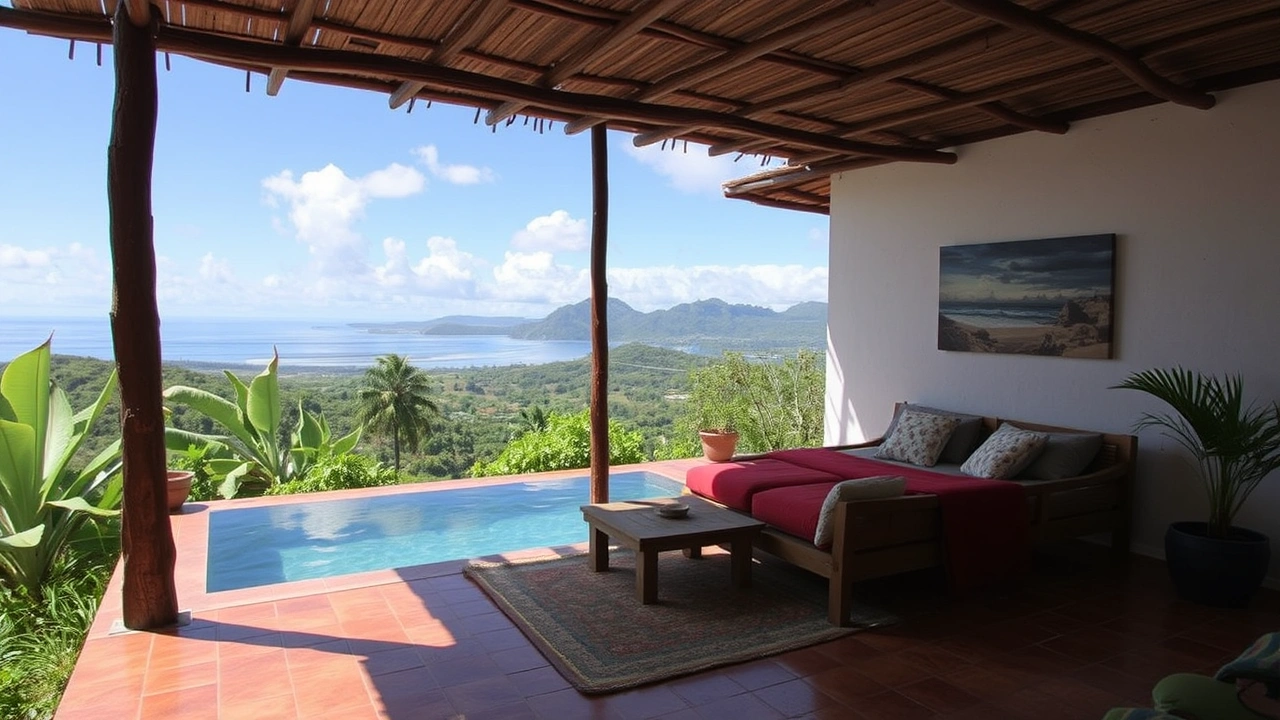
Enjoy a luxurious stay in private villas offering breathtaking views of the Pacific Ocean and a swimming pool.
Opt for peace of mind in a single-family house located within a gated residence or secure community.
Typical long-term rental prices:
– furnished colonial houses in Granada: $600 to $1,200 per month,
– sea view condos in San Juan del Sur: $500 to $1,200 depending on size and amenities,
– high-end villas in Rancho Santana: around $2,000 and more per month.
Travelers Seeking Nature and Eco-Tourism
With 78 protected areas covering over 20% of the territory and 7% of the world’s biodiversity, Nicaragua has made a place for itself on the eco-tourism map. Many projects (coffee fincas, cloud forest ecolodges, lodgings on Ometepe or around Laguna de Apoyo) bet on landscape integration and local materials.
This clientele seeks: the best offers and excellent customer service.
– “nature” accommodations (cabins, casitas, lodges) with views of volcanoes, lakes, or jungle,
– complementary services: hiking, bird watching, coffee workshops, yoga,
– a certain environmental consistency (solar energy, water management, construction with natural materials).
For an investor, these projects can offer respectable yields (often 6–9% net) while meeting the major trends in sustainable tourism, particularly prized by millennials.
How to Structure and Manage a Short-Term Rental in Nicaragua?
Owners residing abroad or not wishing to be involved in daily operations almost systematically rely on local management companies, especially in coastal areas.
Two Distinct Aspects: Property Management and Rental Management
On the beaches of San Juan del Sur or Tola, one generally distinguishes:
– property management: management of the property as a real estate asset (payment of bills, taxes, HOA fees, supervision of staff, routine maintenance, repairs, bookkeeping);
– rental management: purely rental management (listing, marketing, pricing, reservations, check-in/check-out, guest relations, review management).
Several companies, such as Horizon Group, Vacation Rentals Nicaragua, and Blue Paradise Nicaragua, offer different levels of management for rental properties. These packages range from basic technical management to full “turnkey” management.
Price ranges illustrate the difference between zones:
| Zone | Property Management (Monthly Fee) | Rental Management (% of Revenue) |
|---|---|---|
| San Juan del Sur | $100–150 USD / month | ~20% of rents |
| Tola / Emerald Coast | $250–300 USD / month | ~30% of rents |
Some agencies adjust their commission if the owner brings their own clients (for example 10% instead of 20% if the company only handles check-in / check-out). In any case, the impact on net yield remains significant, but these services are often the condition for efficiently operating a property remotely.
Marketing Strategies: Photos, Platforms, and Targeting
The Nicaraguan market is no exception to the basic rules of real estate marketing. Studies show that:
Listings with over 20 photos have an 80% higher chance of being booked.
The essential platforms are Airbnb, Vrbo, and Booking.com for short-term; Facebook Marketplace, Encuentra24, and local agency websites (Sol & Playa Rentals in San Juan del Sur, for example) play an important role for monthly or annual rentals.
The key: tailor your message to the target audience. A studio in Managua with fiber wifi, a desk, and proximity to shopping malls will not be presented like a surf villa with a pool and yoga classes. Understanding whether you are targeting eco-adventurers, families, digital nomads, or retirees allows you to guide visuals, text, and even amenities.
Risks and Limitations Not to Be Underestimated
The picture is appealing, but it would be misleading to present the short-term rental market in Nicaragua as a highway without dangers.
Political Instability and Imperfect Legal Security
Even though the country is described as relatively safe on a daily basis (officially low crime rate, ambiance perceived as peaceful by many travelers), the political environment remains more fragile than in some neighbors. International organizations and some Western governments regularly report restrictions on NGOs, the press, or certain opponents; episodes of land or house confiscations without compensation have been reported.
For an investor, this requires a very rigorous approach:
For a secure real estate purchase, especially abroad, it is crucial to conduct a thorough verification of property titles over a period of at least 30 years. It is also recommended to consistently use the services of a local lawyer experienced in land law. Obtain title insurance when this product is available on the market. Finally, exercise extra caution in border or coastal areas, often subject to particular and complex land tenure regimes.
Local Overcapacity and Pressure on Coastal Yields
The real estate boom on the Pacific coast has led to a rapid multiplication of villas, condos, and vacation homes. In some sub-regions of Tola or San Juan del Sur, the number of listings on Airbnb, Vrbo, and other platforms sometimes exceeds the actual demand capacity, especially outside high season.
Possible consequences:
– progressive decline in ADRs (daily rates),
– lower occupancy rates,
– longer vacancy periods between bookings.
AirROI data reveals average occupancy rates of 27 to 37%, with a significant portion of housing available more than 270 days per year. To remain competitive, it is crucial to differentiate yourself, calibrate your prices well, and improve the customer experience.
Natural Hazards and Climate
Nicaragua is located in a seismic zone and exposed to hurricanes, particularly on the Caribbean coast. Climate change accentuates these risks, and insurers are revising their rates upward, especially for coastal properties. Integrating these parameters into yield projections (insurance premium, potential reinforcement work, periods of temporary inoperability) is essential.
How to Approach This Market as an Investor?
Faced with such a contrasting environment, the strategy will depend heavily on the primary objective: seeking quick cash flow, betting on long-term appreciation, personal use coupled with partial rental, or purely patrimonial investment.
Some guidelines emerge from observed trends:
Different approaches to optimize your investment according to your yield, risk, and time horizon objectives.
Target highly attractive areas like Tola, San Juan del Sur, or Guasacate. Success conditional on a good location (access, view, beach proximity), clear positioning (luxury, eco, surf, family), and the use of a professional manager.
Prefer Managua and colonial cities (Granada, León). More diversified and resilient rental demand, less dependent on international tourism, and supported by local needs (residents, students, workers).
Consider the northern highlands or underdeveloped coasts north of León. Options for agro-tourism or eco-tourism projects, potentially supported by new government incentive laws.
In all cases, the recommendation that most often comes back from local players is the same: take the time to come on site for at least a week, visit properties and neighborhoods, check road access, water quality, stability of the electrical and internet network, talk to other owners, and surround yourself from the start with trusted partners (lawyers, agents, managers).
Conclusion: A Window of Opportunity to Seize with Discernment
The opportunities for short-term rentals in Nicaragua are real and multiple. High gross yields in some cities, substantial monthly income on the Pacific coast, very low cost of living, still bearable taxation, generous tourism incentives, and relatively light regulation for platforms: rarely does a country combine so many favorable factors at once.
The Nicaraguan real estate market is attractive but presents specific risks. It attracts many investors, which can generate supply too quickly. Its political and legal framework offers fewer guarantees than mature markets. To succeed, one must analyze data, understand local dynamics, accept seasonality and volatility, and build a suitable project with patience, without being blinded by promises of a ‘low-cost paradise’.
In other words, the country of lakes and volcanoes is not an automatic Eldorado, but an emerging market where short-term rentals can become a very rewarding financial and human adventure for those who proceed informed, cautious, and well-supported.
Disclaimer: The information provided on this website is for informational purposes only and does not constitute financial, legal, or professional advice. We encourage you to consult qualified experts before making any investment, real estate, or expatriation decisions. Although we strive to maintain up-to-date and accurate information, we do not guarantee the completeness, accuracy, or timeliness of the proposed content. As investment and expatriation involve risks, we disclaim any liability for potential losses or damages arising from the use of this site. Your use of this site confirms your acceptance of these terms and your understanding of the associated risks.

Cyril Jarnias is an independent expert in international wealth management with over 20 years of experience. As an expatriate himself, he is dedicated to helping individuals and business leaders build, protect, and pass on their wealth with complete peace of mind.
On his website, cyriljarnias.com, he shares his expertise on international real estate, offshore company formation, and expatriation.
Thanks to his expertise, he offers sound advice to optimize his clients' wealth management. Cyril Jarnias is also recognized for his appearances in many prestigious media outlets such as BFM Business, les Français de l’étranger, Le Figaro, Les Echos, and Mieux vivre votre argent, where he shares his knowledge and know-how in wealth management.