 Published on and written by Cyril Jarnias
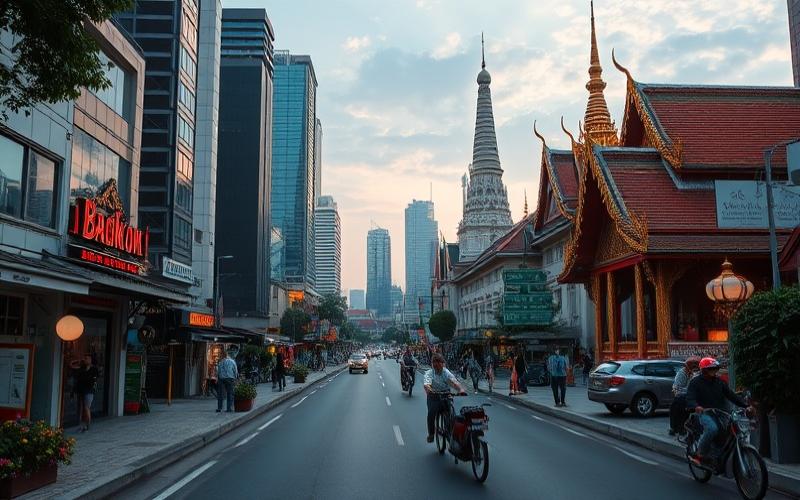
Thailand, an iconic Southeast Asian nation, is currently experiencing a wave of urban development projects that promise to radically transform its real estate landscape. These ambitious initiatives aim to modernize infrastructure, create new living and working spaces, and position the country as a leading economic and tourism hub in the region. Let’s take a closer look at these projects shaping Thailand’s urban future and the opportunities they offer savvy investors.
Mega-Projects Reshaping Thailand’s Urban Landscape
Thailand has embarked on a series of large-scale urban development projects designed to propel the country toward a more modern and sustainable future. Among the most notable initiatives are:
The Eastern Economic Corridor (EEC): This monumental project aims to transform three eastern provinces of Thailand into a high-tech economic zone. The EEC includes the construction of new smart cities, state-of-the-art transportation infrastructure, and advanced industrial parks. The Thai government has allocated a colossal budget of over $45 billion for this project spanning 13,000 km².
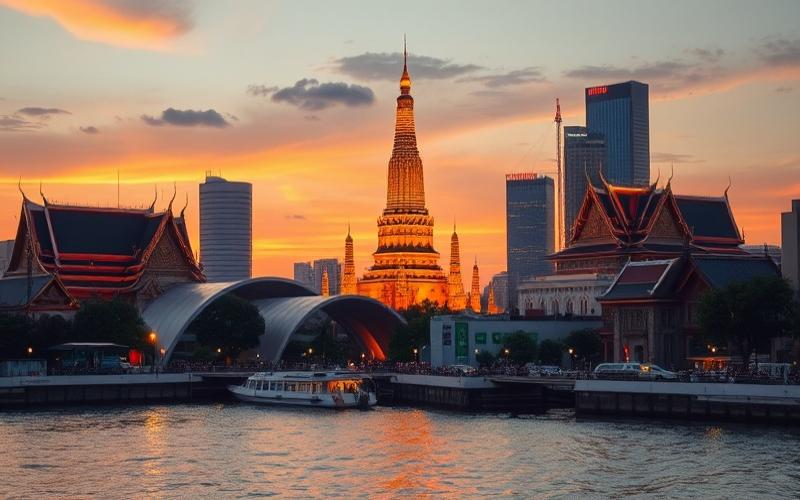
One Bangkok: Located in the heart of the capital, this mixed-use development project represents the largest private real estate investment in Thailand’s history. With an estimated budget of $3.5 billion, One Bangkok will include office skyscrapers, luxury hotels, high-end shopping centers, and residential spaces across 16.7 hectares.
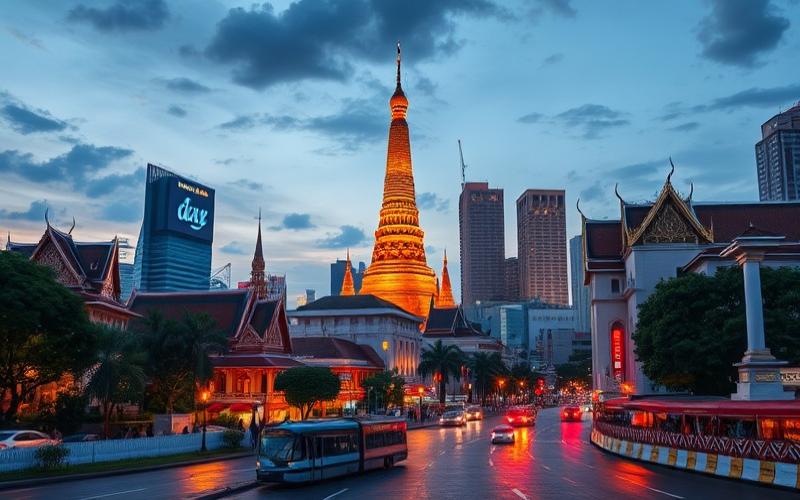
Bangkok Grand Station: This project aims to create a multimodal transportation hub in central Bangkok, integrating high-speed rail, subway, buses, and other transport means. The objective is to decongest the capital and improve connectivity with surrounding regions.
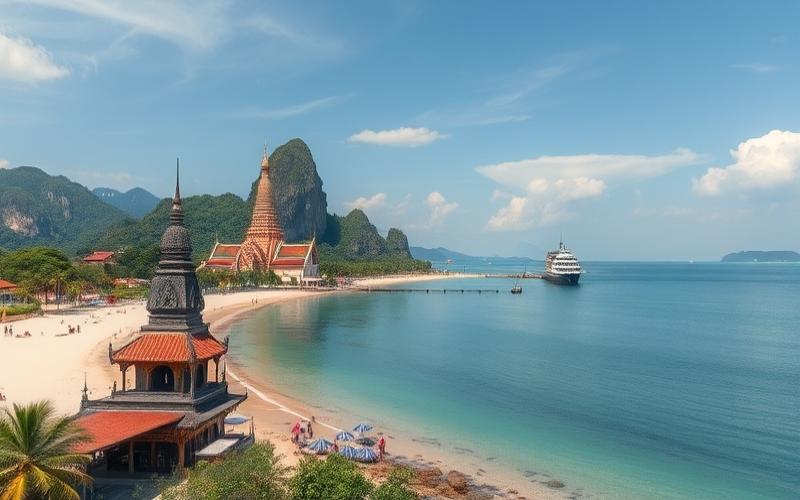
Phuket’s Smart City Project: This initiative aims to transform the tourist island of Phuket into a smart city, integrating advanced technologies to improve urban management, security, and visitor experience.
These ambitious projects demonstrate Thailand’s determination to position itself as a major player in urban development in Southeast Asia. They also reflect a long-term vision aimed at creating more sustainable, efficient, and livable urban spaces.
Good to Know:
The Thai government has implemented tax incentives and favorable regulations to attract foreign investors to these major urban development projects.
An Urban Revolution Boosting the Real Estate Market
The impact of these urban development projects on the Thai real estate market is significant. Several notable trends are already emerging:
Rising Real Estate Prices: In areas affected by these major projects, land and property prices are seeing significant increases. For example, in the EEC region, land prices have climbed 30-50% since the project’s announcement.
Diversification of Real Estate Offerings: These new developments are introducing innovative real estate concepts to the Thai market, such as smart buildings, co-living spaces, and mixed-use complexes integrating work, leisure, and residence.
Appeal to Foreign Investors: Urban development projects are attracting increasing numbers of international investors, drawn by the growth potential of the Thai real estate market. This trend is reinforced by incentive measures implemented by the government to facilitate foreign investment.
Development of the Rental Market: With the influx of skilled workers and expatriates attracted to these new economic hubs, the rental market is experiencing significant growth, particularly in the high-end and mid-range segments.
Emergence of New Prime Areas: Urban development projects are creating new areas of real estate attractiveness, redefining the map of the most sought-after neighborhoods. For example, the cities of Chonburi, Rayong, and Chachoengsao, located in the EEC zone, are experiencing an unprecedented real estate boom.
These developments in the Thai real estate market offer numerous opportunities but also present challenges. Investors must remain attentive to risks of overinvestment in certain areas and potential market fluctuations related to project progress.
Good to Know:
Despite rising prices, the Thai real estate market remains relatively affordable compared to other major Asian metropolises like Hong Kong or Singapore, which enhances its appeal to international investors.
A Promised Land for Savvy Real Estate Investors
Urban development projects in Thailand are opening new perspectives for real estate investors. Here are some opportunities to consider:
Investment in Developing Areas: Purchasing real estate in areas affected by major development projects can prove very profitable in the long term. For example, investing in residential or commercial real estate in the EEC region could generate attractive returns as the area develops.
Innovative Construction Projects: Investors can participate in construction projects aligned with new urban trends, such as eco-friendly buildings, co-working spaces, or residences for students and young professionals.
Investment in Rental Properties: With the influx of skilled workers and expatriates into new development zones, the rental market offers interesting opportunities, particularly in the mid-range and high-end segments.
Participation in Real Estate Investment Funds: For investors preferring a more diversified approach, Thai Real Estate Investment Trusts (REITs) offer exposure to the local real estate market with professional management.
Investment in Infrastructure: Urban development projects come with significant infrastructure investments. Investors can consider placements in companies involved in construction, transportation, or urban technologies.
It’s important to note that, despite these promising opportunities, investing in Thai real estate requires a good understanding of the local market, current regulations, and potential risks. It’s recommended to work with experienced professionals and thoroughly research the specifics of the Thai market before getting started.
Good to Know:
Thailand has relaxed certain restrictions on foreign ownership as part of these major development projects, thereby facilitating investment for non-residents in specific zones.
Urban development projects in Thailand represent a unique opportunity to participate in the transformation of a country in full transition. Whether for investors seeking attractive returns or those looking to diversify their real estate portfolio internationally, the Thai market offers considerable potential. However, as with any investment, it’s crucial to adopt a cautious and well-informed approach to make the most of these opportunities.
Disclaimer: The information provided on this website is for informational purposes only and does not constitute financial, legal, or professional advice. We encourage you to consult qualified experts before making any investment, real estate, or expatriation decisions. Although we strive to maintain up-to-date and accurate information, we do not guarantee the completeness, accuracy, or timeliness of the proposed content. As investment and expatriation involve risks, we disclaim any liability for potential losses or damages arising from the use of this site. Your use of this site confirms your acceptance of these terms and your understanding of the associated risks.

Cyril Jarnias is an independent expert in international wealth management with over 20 years of experience. As an expatriate himself, he is dedicated to helping individuals and business leaders build, protect, and pass on their wealth with complete peace of mind.
On his website, cyriljarnias.com, he shares his expertise on international real estate, offshore company formation, and expatriation.
Thanks to his expertise, he offers sound advice to optimize his clients' wealth management. Cyril Jarnias is also recognized for his appearances in many prestigious media outlets such as BFM Business, les Français de l’étranger, Le Figaro, Les Echos, and Mieux vivre votre argent, where he shares his knowledge and know-how in wealth management.