 Published on and written by Cyril Jarnias
Renovating a property in Serbia can be an extremely profitable venture… provided you have a solid understanding of the local market, urban planning rules, the real cost of materials and labor, as well as the available energy efficiency incentives. From rural houses for 10,000 euros to city apartments connected to district heating and massive subsidies for insulating homes, the landscape is rich – but complex.
This article provides a comprehensive overview, based on recent data and studies, to guide buyers (local or foreign) through the entire process, from the initial idea to the completed renovation. It aims to help navigate the bureaucracy and master the budget.
1. Why Serbia Has Become a Renovation Country
Serbia finds itself in a paradoxical situation: its housing stock consumes a lot of energy, its buildings are often old and poorly maintained, but its real estate market offers some of the most affordable opportunities in Europe.
Price per square meter for small apartments on the outskirts of major Serbian cities, like Belgrade, Novi Sad, or Niš.
On the other hand, Serbia has committed to a catch-up trajectory in terms of energy efficiency. Housing accounts for nearly half of final electricity consumption and more than half of the heat consumed. On average, a Serbian building consumes about 161 kWh/m² per year for heating, which is much higher than the European Union average, which is below 120 kWh/m². The result: high bills, poor thermal comfort, and a significant carbon footprint.
This combination – still affordable real estate, strong demand for fixer-upper properties, growing pressure for energy efficiency – makes Serbia prime ground for renovation projects, whether to live in, rent out, or resell.
Urbanization, Rural Exodus, and the Rise of Remote Work
Over 90% of Serbian territory is classified as rural, and these areas are home to more than half the population. Yet, many rural regions are depopulating, due to a lack of jobs, infrastructure, and services (health, education, culture). Conversely, Belgrade, Novi Sad, and Niš concentrate most economic opportunities and fuel a continuous rise in new-build prices, despite crises.
The development of remote work is changing residential preferences, making inexpensive village houses with gardens very attractive. This trend could revalue some rural areas in the long term, but it requires investment in infrastructure (power grids, internet, roads). For an investor, it’s crucial to monitor this evolution: renovated, well-connected rural properties could see a faster-than-expected increase in value.
2. Understanding the Landscape: Urban vs. Rural, Advantages and Challenges
Even before talking about building permits or material choices, it is crucial to understand what it means to renovate in the city or in the countryside in Serbia. The conditions, costs, constraints, and even risks have nothing in common.
Living and Renovating in the City
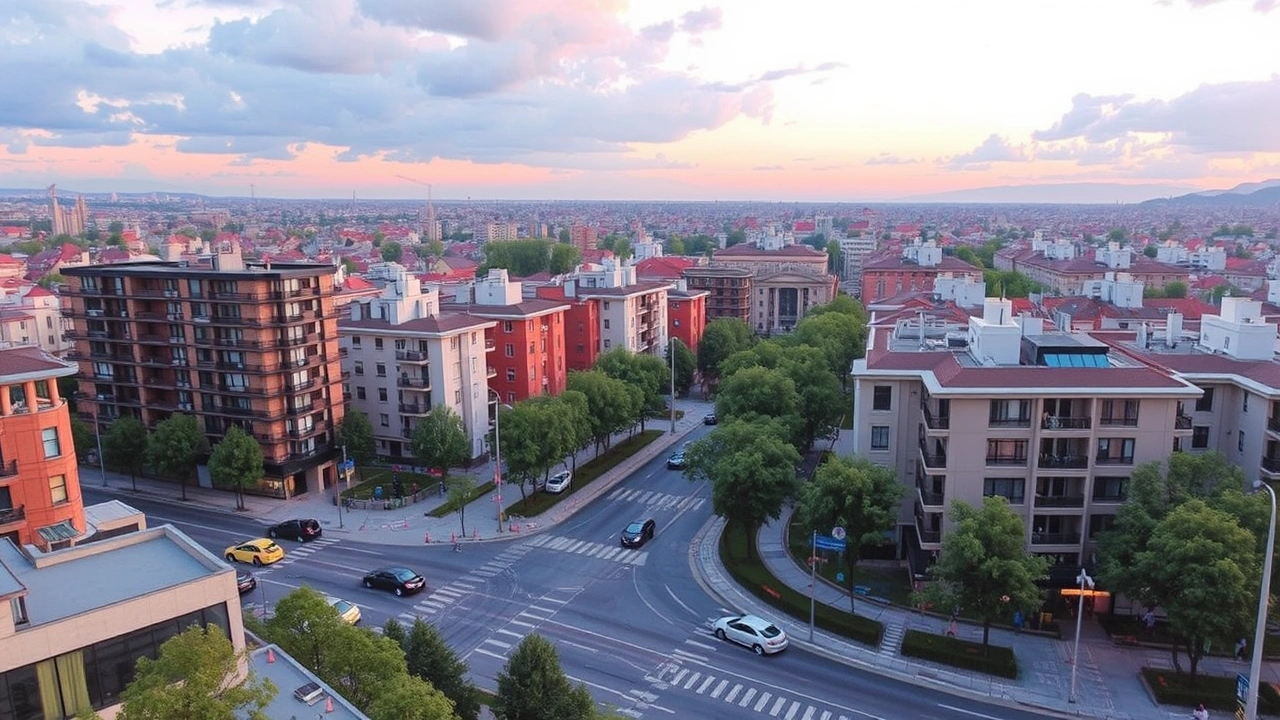
In urban areas, housing is mostly composed of modern buildings or buildings from the socialist decades, with district heating in many cities. Belgrade, Novi Sad, Niš, and Kragujevac alone account for nearly three-quarters of housing connected to the district heating network.
Renovating an apartment in these cities means benefiting from:
Percentage of cost recovered upon resale for kitchen and bathroom renovations in an active rental market.
But it also means accepting:
– higher labor costs (skilled craftsmen can charge between 50 and 100 USD per hour);
– more regulated administrative procedures, with strict permit requirements and compliance with standards (safety, fire, energy);
– expensive land, especially in sought-after locations, which heavily impacts the final price per square meter.
Living and Renovating in the Countryside
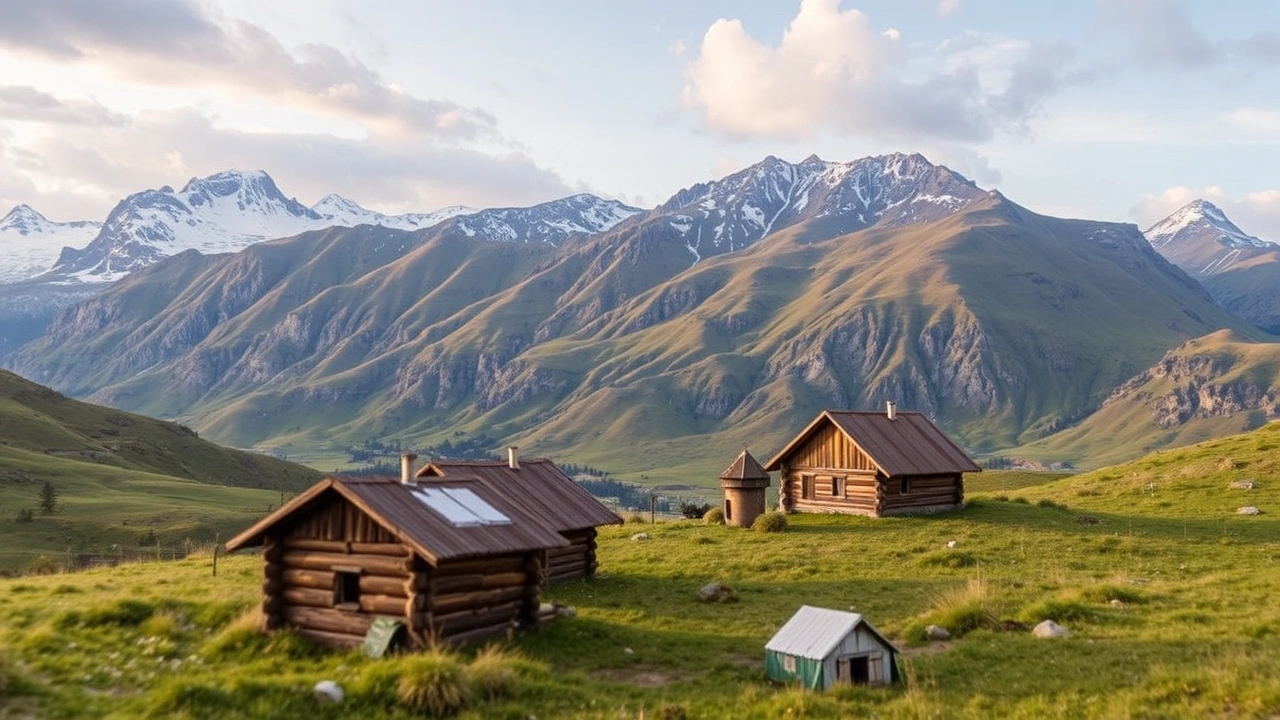
In the countryside, the situation is almost reversed. The purchase price is much lower, as is the labor (between 30 and 60 USD per hour on average). Rural houses, often built before modern standards, offer large plots, a quiet environment, and sometimes remarkable biodiversity.
But they come with constraints that should not be underestimated:
In rural areas, networks (water, waste, gas) are often absent or limited, with lengthy energy connections and frequent outages. Access to the internet and specialized healthcare is complicated, and isolation can be exacerbated by difficult roads, especially in winter.
For a renovation project in a rural area, it is therefore necessary to factor in from the start the condition and cost of upgrading the networks (water, electricity, sanitation), the reality of travel times, and the possibility – or not – of living there year-round.
Comparative Overview
| Aspect | Urban Environment (Belgrade, Novi Sad, Niš…) | Rural Environment (villages, small towns) |
|---|---|---|
| Purchase Price | High, especially in the center | Low, houses for 5,000–20,000 € common |
| Labor | 50–100 USD/h (skilled craftsmen) | 30–60 USD/h |
| Infrastructure | Water, sewer, electricity, district heating | Well, septic tank, wood/electric heating |
| Internet | Generally good | Very variable, sometimes unstable |
| Services (health, schools…) | Numerous, accessible | Scarce, requiring long travel |
| Rental/resale market | Dynamic, strong demand | More limited, highly dependent on location |
| Administrative complexity | Stricter standards and controls | Slower bureaucracy, but sometimes less meticulous |
3. The Real Cost of a Renovation: Materials, Inflation, and Labor
Renovating in Serbia is no longer as cheap as it was ten years ago, especially since the dramatic surge in construction material prices.
Skyrocketing Material Prices
Serbian warehouses and wholesalers report increases they haven’t seen since the 1990s. The factors are multiple: container shipping costs from China, worldwide increase in raw materials like steel, massive public insulation programs fueling demand, and the weakening of local production in favor of imports.
Collected data shows spectacular increases:
| Materials / Products | Observed Increase (order of magnitude) |
|---|---|
| Insulation (mineral wool, polystyrene) | +80 to +100 % |
| Reinforcing steel (bars, mesh) | +40 to +60 % (from 520–530 €/t to 700–720 €/t) |
| Reinforcement and various steel products | +30 to +40 % |
| Formwork equipment | +200 % |
| Paints, varnishes, plasters | +30 to +40 % |
| Joinery (PVC, wood…) | +30 to +40 % and rising trend |
| OSB, façade meshes, adhesives | +20 to +40 % depending on product |
A symbolic example often cited: a 15 mm sheet that cost 420 euros in June of a recent year rose to 780 euros a few months later.
In the city of Čačak, the price of standard polystyrene went from about 1.5 to 1.9 €/m², adhesives increased by 20%, and bricks and tiles by 5%. These increases, combined with announced price hikes by insulation manufacturers and occasional shortages of bricks or tiles (especially in winter when brickyards are idle), create an environment where planning and securing supply have become as crucial as finding a good craftsman.
Average Renovation Costs: What the Numbers Say
Available estimates provide some benchmarks in euros per square meter for an apartment in Serbia:
– light renovation (painting, floors, minor refreshments): approximately 300–500 €/m²;
– medium to heavy renovation (modifying partitions, rewiring/replumbing, complete bathroom): 500–1,000 €/m²;
– high-end renovation with luxury materials: beyond 1,000 €/m², potentially reaching or exceeding 2,000 €/m².
Total budget for a complete renovation of a 50 m² apartment with mid-range materials.
| Work Item (50 m²) | Approximate Cost (euros) |
|---|---|
| Demolition, preparation, debris removal | from 650 € |
| Painting and plastering (by professionals) | ~1,300 € |
| Partitions, false ceilings (materials + labor) | ~1,500 € |
| Replacing electrical installation | ~1,000 € |
| Replacing/installing radiators | ~750 € |
| Complete plumbing replacement | ~1,200 € |
| Replacing windows + exterior doors | ~3,800 € (depending on grade) |
| Security entrance door (installation only) | 45–80 € |
| 4 interior doors (supply + installation) | ~1,400 € |
| Tile laying (labor) | ~15 €/m² |
| Tiles (materials) | from 7 €/m² |
| Tiles + quality sanitary ware (bathroom/WC) | from 2,000 € |
These amounts must also be increased by a contingency reserve, typically recommended at 10–15% of the budget in the city, and rather 15–25% in the countryside where surprises (foundations, moisture, networks) are more frequent.
Labor: Abundant but Under Pressure
The Serbian construction industry is experiencing a boom, fueled by foreign investment, the diaspora, major infrastructure projects, and flagship projects like EXPO 2027 in Belgrade. Yet, the country lacks some 30,000 skilled workers: electricians, plumbers, carpenters, tilers, painters, masons, etc.
This shortage impacts timelines and costs. The best craftsmen are in high demand, sometimes overbooked, and work quality can vary significantly from one crew to another. Word-of-mouth culture plays a central role here: a good mason or electrician is often found through recommendations rather than a directory.
4. Legal Framework: What to Know Before Breaking the First Wall
Renovating in Serbia is not just about finding a good contractor. The Law on Planning and Construction precisely regulates everything related to buildings, from simple maintenance work to house extensions. Ignoring these rules exposes one to fines, or even demolition orders.
What Requires a Permit, and What Doesn’t?
The law distinguishes several types of interventions:
– reconstruction: work on an existing building that does not change its dimensions (height, footprint) but may affect basic requirements (safety, structure, appearance, equipment capacity);
– addition: creation of new space beyond existing dimensions (extension, adding a floor…);
– adaptation: interior reorganization of space, replacement of equipment with devices of the same capacity, without impact on the stability, structure, safety of neighbors, traffic, or the environment;
– repair: restoration or replacement of structural elements, without changing exterior appearance or impacting safety;
– ordinary maintenance: work such as painting, changing finishes, replacing sanitary ware, radiators, interior joinery, interior installations without increasing capacity, provided it does not alter the exterior appearance or common areas.
In practice:
A building permit is mandatory for new construction, an extension, adding a floor, or a major transformation altering the structure or exterior appearance. No permit is required for ordinary maintenance or many interior repairs. Certain energy-saving works (internal insulation, window replacement, heating interventions) fall under a simplified procedure: the work approval decision.
In case of doubt, the official recommendation is clear: inquire with the local building permit office, especially when it involves plumbing, sanitation, heating/air conditioning, or electrical installations.
An Integrated and 100% Electronic Procedure
Since a major reform, Serbia has established a unified and digitalized procedure for permits, via a centralized electronic portal (eDozvola/CEOP). The goal is to shift the burden of document collection to the administration, rather than the investor.
The typical process unfolds in several steps:
1. Location Information and Conditions The “location information” indicates what can or cannot be built on a plot, based on urban plans. The “location conditions” combine urban planning, technical requirements, and conditions from utility managers (water, electricity, roads…). They are valid for two years.
2. Submission of the Building Permit Application The investor submits an application accompanied by:
– the location decision;
– the building permit project, prepared by a licensed architect/engineer and reviewed by another firm;
– proof of ownership or right of use of the land;
– proof of payment of fees and development contributions.
The legal processing time is five to eight working days from a complete file.
3. Notification of Construction Start At least eight days before commencement, the investor must notify the competent authority and the construction inspector, indicating the executing company and the works supervisor.
4. Ongoing Construction Controls Intermediate notifications (end of foundations, end of structural work) are required, allowing for inspections if needed.
5. Occupancy Permit (Usage) Upon completion of works, a technical inspection verifies compliance with the permit and plans. Energy, safety, geodetic surveys (including underground utilities), and the energy performance certificate must be provided. The occupancy permit is in principle issued within five working days.
Property rights on a completed building are automatically registered in the cadastre. This official procedure is initiated based on the occupancy permit and the property’s geodetic file.
The legal deadlines are short, and Serbia has greatly improved its international ranking for issuing permits. But in practice, actual deadlines can lengthen, especially in small municipalities or for complex cases.
Special Cases: Historic Buildings and Heritage
If your property is located in a protected area or classified as a cultural monument, things get more complicated. Serbia has a multi-level heritage protection system, managed by the Institute for the Protection of Cultural Monuments and the Ministry of Culture. Interventions on such properties – even a simple façade modification – require specific studies and additional approvals.
Owners must then:
– check if the property is listed in the central register of cultural monuments;
– identify the protected elements (façade, roof, decor, structure, etc.);
– work with architects and craftsmen trained in restoration;
– obtain approval from the Institute for the Protection of Monuments to ensure the planned works respect the original style and techniques.
In exchange, assistance or grant programs sometimes exist for compliant restorations, via the state or local authorities.
5. Energy and Renovation: A Central Issue, Massive Incentives
Renovating in Serbia without addressing energy efficiency would be a missed opportunity. The country consumes four to five times more energy than the EU average to heat its buildings, largely due to poorly insulated homes and obsolete joinery. The bill weighs heavily on households and the environment.
A Policy Framework Geared Toward Energy Performance
Serbia has adopted a Law on Efficient Use of Energy, as well as an energy sector development strategy aligned with its EU accession process. It has committed to reducing its greenhouse gas emissions compared to 1990 and is gradually transposing European directives on the energy performance of buildings.
Concretely:
An energy performance certificate (energy passport) is now mandatory for new buildings and will become so progressively for the existing stock. It must be provided when applying for the occupancy permit, and eventually for sales and rental contracts. At the same time, stricter insulation and system efficiency standards are being introduced for new construction and major renovations. Incentives, such as reductions in development contributions for “green” buildings or tax breaks, encourage the use of high-performance materials and renewable energy sources.
Aid Programs: New Windows, Insulation, Solar Panels
Several major funding programs have been established, often in partnership with the European Bank for Reconstruction and Development (EBRD) and the World Bank.
Among them:
– National Energy Rehabilitation Program Led by the Ministry of Mining and Energy, this program has about 70 million euros to subsidize works in single-family homes and multi-family buildings. The state and municipalities can finance up to 50% of improvement costs (window replacement, insulation, more efficient boilers, etc.). A stated goal is to enable some 300,000 households to begin replacing their joinery and insulating their façades.
A large-scale program for renovating buildings connected to district heating networks, aiming for significant energy savings.
A program totaling 64.5 million euros (including a 50 million EBRD loan) targeting over 500 buildings, or about 1 million m².
Aims for energy savings of at least 35% and a significant reduction in CO2 emissions for the concerned buildings.
Up to 50% of the cost covered by grants or subsidies, the rest repaid by residents via their heating bill over about ten years.
– GEFF (Green Economy Financing Facility) This regional EBRD facility, active in Serbia, mobilizes over 20 million euros for green loans distributed by local banks (Erste Bank, ProCredit, UniCredit). By combining these loans with EU grants (up to 20% of the loan amount), more than 4,000 Serbian families have already improved their home’s energy efficiency (insulation, high-performance windows, boilers, heat pumps, solar panels, etc.).
Maximum annual savings in dinars for a house using a heat pump combined with good insulation.
Savings Potential and Payback Period
Studies on Serbian buildings show that a well-designed energy renovation can:
– reduce primary energy consumption by 30 to 76%;
– decrease the total cost (investment + energy bills over the building’s lifespan) by 8 to 43%.
The return on investment periods, often around 20 years under current conditions, shorten significantly thanks to grants and energy savings. Furthermore, increased property value, better comfort, and reduced maintenance costs complement the economic equation.
6. Financing a Renovation in Serbia: Banks, Green Loans, and Financial Structuring
To turn a 10,000-euro village house into a comfortable and efficient home, you need to secure financing. Serbia has a fairly developed banking system, with a variety of mortgage loans and home improvement loans.
Main Types of Loans for Renovating
Serbian financial institutions offer several instruments to finance renovations:
– Personal loan (cash loan) Smaller amount, higher rates, fast processing, limited fees, few guarantees (often just a promissory note). Money is disbursed in one lump sum, freely usable. Current rates: 7–12% for this type of product.
These loans are distinguished by a high amount and generally lower interest rates (between 3% and 6% for classic mortgage loans). Their processing is longer and they require a mortgage guarantee on the financed property. Funds are released progressively upon presentation of invoices or estimates. Some products offer variable rates indexed to Euribor, e.g., 2.5% + 6M Euribor.
– Green loan or interest rate subsidy For energy renovation projects, the state can cover part of the loan interest, effectively turning a standard loan into a subsidized product. This type of mechanism, temporary, is particularly attractive when market rates rise.
– Second mortgage / top-up on existing loan For already indebted owners, banks can offer re-borrowing on an existing loan or a second mortgage to finance major works.
For a purchase-plus-renovation project in Serbia, plan for a personal contribution of 10 to 30% (often 20% for standard products) and proof of stable income (salary, pension). Non-residents will often need to open a local bank account and domicile their income there. Finally, consulting a specialized loan advisor saves time and allows effective comparison of market offers.
Granting Conditions and Required Documents
For a significant renovation loan, banks generally ask for:
– a detailed renovation plan, including a description of works;
– estimates or pro forma invoices issued by registered companies;
– the necessary authorizations (work approval decision, building permit if applicable);
– a quantities survey and cost estimate performed by an engineer with the appropriate license;
– standard documents: proof of identity, income, bank statements, credit bureau report, etc.
For a project involving energy efficiency, access to grants (GEFF, national program) is conditional on using technologies listed in official catalogs (e.g., the EBRD’s “Technology Selector”).
7. Choosing Your Craftsmen and Managing the Construction Site
The success of a renovation in Serbia largely depends on the choice of companies and the day-to-day management of the construction site. The country has many highly skilled craftsmen, but the market remains uneven and very informal, especially in rural areas.
Finding Reliable Professionals
Several channels can be used:
– recommendation by neighbors, colleagues, family – the most common and often most effective;
– real estate agencies and property managers who are used to working with certain teams;
– professional databases and chambers of commerce for more structured companies (medium or large projects).
When choosing:
Before selecting a company for your work, perform these crucial checks: ask for references and, if possible, visit one or two completed sites to judge quality. Ensure the company is properly registered and, for structural work, that it holds the necessary licenses. Finally, clarify all project aspects in writing: the exact scope of work, schedule, payment method (ideally staged on milestones), potential delay penalties, and the financial management of extra work or change orders.
In Serbia, it is common for the client to purchase some of the materials themselves, especially finishes (tiles, sanitary ware, paints) to control quality and prices. Contractors typically provide labor and some basic items (mortar, sand, etc.). However, this requires anticipating supply times well, especially during periods of high demand.
Monitoring Quality and Complying with Regulations
For major projects, using a supervising engineer or a local project manager can prove invaluable, especially if you don’t speak Serbian or cannot be present on-site. They will ensure compliance with plans, standards (electricity, structure, fire), and the schedule, and act as an intermediary between you, the authorities, and the craftsmen.
For new buildings or major renovations, the design or validation of plans must be performed by a licensed architect or engineer. Furthermore, companies working on complex projects must be registered with the competent ministry and hold “major licenses,” renewable every two years.
8. Renovation Strategy: Where to Start and How to Prioritize
Technical guides and public programs converge on a simple principle: for a successful renovation, start with the building envelope and the networks.
Step 1: Secure the Structure and Envelope
Before installing a designer kitchen or Italian tiles, you should:
– check and, if necessary, reinforce the structure (foundations, load-bearing walls, floors);
– address moisture issues (rising damp, roof leaks, drainage);
– restore the roof (covering, insulation, framework);
– improve the insulation of walls, floors, and ceilings, choosing suitable materials (expanded or extruded polystyrene, rock wool, etc.);
– install high-performance windows (PVC, wood, aluminum, or composite) with double or triple glazing.
This block of work is often eligible for financial aid. It is central to improving energy performance, ensuring lasting comfort (stable temperature, reduced drafts), and preserving the building in the long term.
Step 2: Modernize Networks and Systems
Next come the installations:
– replacement or upgrade of the electrical panel, wiring, and outlets;
– overhaul of plumbing, including supply and drainage;
– bringing heating systems up to standard or replacing them (boiler, radiators, heat pump, stove);
– possible installation of solar panels (thermal or photovoltaic) if technically and economically relevant;
– checking and upgrading ventilation systems.
It is recommended to carry out this work before the finishing phase to avoid damaging new coverings, saving time and additional costs.
Step 3: Finishes, Layout, and Decoration
Once the structural work, envelope, and networks are addressed, you can proceed to:
– creating or modifying partitions and false ceilings;
– floor coverings (parquet, tiles, laminate, concrete) and wall coverings (paint, tiling, wallpaper, decorative plasters);
– installing kitchens and bathrooms;
– choosing lighting, colors, furniture, and decor.
Current interior trends – natural materials, warm colors, natural light, optimized multi-purpose spaces – integrate very well into a sustainable renovation logic, provided you prioritize quality and durability over fleeting trends.
9. Specifics of District Heating and Multi-Family Buildings
In major Serbian cities, a significant portion of apartments is connected to district heating. This context imposes particular constraints during renovation.
Billing per m², Limited Incentives to Save
In the majority of the country’s 59 district heating systems, billing is not based on actual consumption, but on the apartment’s square footage. This significantly reduces the incentive for occupants to lower their consumption as long as the metering method is not modernized.
To sustainably reduce a building’s energy consumption, major works such as façade insulation, network balancing, installation of thermostatic valves, and individual heat meters are necessary. Programs like the Public ESCO allow for the pooled financing of these renovations, organizing repayment via the heating bill.
Opportunities and Limits for the Investor
For a buyer of an apartment to renovate in a connected building:
– improving the apartment’s insulation (windows, interior walls) and air tightness immediately improves comfort;
– however, savings on the heating bill will remain limited as long as billing is not based on actual consumption;
– on the other hand, the resale value and rental attractiveness of the apartment benefit from better energy performance.
Co-owners can also organize to apply for building renovation programs, but this requires strong coordination, agreement from a large majority (often two-thirds), and the ability to collectively take on a loan or financial commitments.
10. Case of Rural Properties: Fragmented Land, Titles, and Bureaucracy
Renovating a charming, inexpensive village house can quickly turn into a legal headache if the land status has not been clarified beforehand.
Fragmentation of Titles and Multiple Inheritances
A frequent situation in rural areas: a single property is shared among several heirs, sometimes not officially declared in the cadastre. Plots may have been divided and redivided, without always being updated in the registers. Buying and then renovating such a property therefore requires:
Before any purchase, it is crucial to have a thorough title search done (status of cadastre entries, successions, mortgages, easements), identify all co-owners, ensure their explicit agreement to the sale, and verify the exact plot boundaries via a geodetic survey if necessary.
Without this preparatory work, the investor risks, after renovating, finding themselves in the middle of family disputes or discovering competing claims on the land.
Administrative Slowness and Sequencing of Procedures
Rural municipal services are often understaffed. Delays to obtain a permit, an electricity connection, a well drilling or septic tank permit can be counted in months rather than weeks. Planning the construction site therefore requires:
– initiating authorization and connection requests very early;
– adjusting the work schedule to avoid blocking craftsmen due to networks not being in place;
– keeping a significant margin in announced deadlines, especially in winter or mountainous areas.
11. Foreign Buyers: Rights, Precautions, and Advantages
Foreigners can generally buy property in Serbia, subject to reciprocity with their country of origin and sometimes with restrictions on agricultural land. Foreign companies registered in Serbia enjoy the same property rights as local companies.
For a non-Serbian buyer, the points to watch out for are as follows:
For a secure purchase, be accompanied by a lawyer specializing in real estate to check titles, easements, and the property’s compliance with urban plans. Ensure all official documents (contracts, permits, certificates) exist in Serbian, translated if needed by a sworn translator. Check loan conditions for non-residents with several banks and understand tax obligations (transfer taxes, annual taxes) as well as declarations related to any potential rental.
Foreigners active in renovation (e.g., construction companies or regular investors) can create a DOO-type company (limited liability company), which requires only a symbolic minimum capital (100 dinars). They will, however, have to comply with Serbian labor law, workplace safety obligations, and, where applicable, obtain the necessary licenses for certain technical activities.
12. Conclusion: A Winning Strategy for Renovating in Serbia
Renovating a property in Serbia, whether an apartment in Belgrade or a village house in the mountains, can be a very financially attractive operation as well as one that improves quality of life. The country combines:
– an old, energy-inefficient building stock, rich in modernization potential;
– a real estate market where many low-priced opportunities still exist;
– a set of laws and digital portals that, despite their complexity, offer a relatively structured framework;
– public and international programs that heavily subsidize energy efficiency works.
The success of a renovation requires rigorous preparation: understanding urban or rural specifics, anticipating material fluctuations and shortages, factoring in administrative delays, securing land tenure, choosing craftsmen carefully, and prioritizing work around the building envelope and energy systems.
For a patient owner or investor, capable of surrounding themselves with good professionals (architect, lawyer, engineer, banks, craftsmen), Serbia today offers one of the most interesting grounds in Europe for turning an old property into a comfortable, energy-efficient, and valuable asset in the long term.
Disclaimer: The information provided on this website is for informational purposes only and does not constitute financial, legal, or professional advice. We encourage you to consult qualified experts before making any investment, real estate, or expatriation decisions. Although we strive to maintain up-to-date and accurate information, we do not guarantee the completeness, accuracy, or timeliness of the proposed content. As investment and expatriation involve risks, we disclaim any liability for potential losses or damages arising from the use of this site. Your use of this site confirms your acceptance of these terms and your understanding of the associated risks.

Cyril Jarnias is an independent expert in international wealth management with over 20 years of experience. As an expatriate himself, he is dedicated to helping individuals and business leaders build, protect, and pass on their wealth with complete peace of mind.
On his website, cyriljarnias.com, he shares his expertise on international real estate, offshore company formation, and expatriation.
Thanks to his expertise, he offers sound advice to optimize his clients' wealth management. Cyril Jarnias is also recognized for his appearances in many prestigious media outlets such as BFM Business, les Français de l’étranger, Le Figaro, Les Echos, and Mieux vivre votre argent, where he shares his knowledge and know-how in wealth management.