 Published on and written by Cyril Jarnias
Here is a 3000-word article on common mistakes when purchasing real estate in Madagascar, with renamed sections to make them more appealing:
Buying real estate in Madagascar can represent an attractive opportunity, whether for living or as an investment. However, this market has specific characteristics and risks that need to be understood. Many buyers, especially foreigners, make mistakes that can prove costly. This article reviews the main pitfalls to avoid for a smooth and profitable real estate purchase in the Great Island.
Failing to Verify Property Legality: The Legal Nightmare Awaiting You
One of the most serious – and unfortunately common – mistakes is failing to meticulously verify the legal status and ownership of the desired property. Madagascar’s land system is complex, with different types of ownership (titled land, cadastral land, land with unclear legal status…).
Many properties lack clear title deeds, which can lead to future disputes. Some unscrupulous sellers don’t hesitate to offer properties they don’t actually own. Others omit to mention easements or usage restrictions.
To avoid this trap, it’s essential to:
- Request and verify all official documents proving property ownership (land title, sales deed, etc.)
- Have a thorough study conducted by a specialized notary or lawyer
- Check for any disputes or claims on the property with local authorities
- Ensure the property isn’t located in a protected area or subject to restrictions
Never neglect this crucial step, even if the seller seems trustworthy. The consequences of an illegal purchase can be disastrous: loss of your investment, legal proceedings, inability to resell…
Good to Know:
In Madagascar, only about 20% of properties have proper land titles. Caution is therefore advised, especially in rural areas.
Underestimating Hidden Costs: The Soaring Bill
Many buyers focus solely on the listed purchase price without considering the numerous additional costs that can significantly increase the final bill. In Madagascar, these hidden costs can represent up to 10-15% of the property price.
Among the main costs to anticipate:
- Registration fees and taxes (approximately 6% of sale price)
- Notary fees (2-3% on average)
- Real estate agency fees when applicable (3-5%)
- Potential renovation or compliance work
- Utility connection fees (water, electricity)
- Annual property taxes
Don’t forget maintenance costs either, which can be high in certain regions (tropical climate, insects…). For rental investments, also budget for management fees.
Establish a detailed budget including all these expense items before committing. This will help you avoid unpleasant surprises and negotiate the price with full knowledge.
Good to Know:
Notary fees in Madagascar are generally lower than in France but can vary depending on transaction complexity. Don’t hesitate to request a detailed quote.
Neglecting Location: The Choice That Determines Everything
Location is a crucial criterion for any real estate purchase, but it takes on particular importance in Madagascar. Many buyers, attracted by appealing prices, make the mistake of acquiring poorly located properties.
Several factors must be considered:
- Accessibility: road conditions, distance from shops and services
- Neighborhood safety
- Natural risks (floods, cyclones…)
- Area development potential
- Proximity to local communities
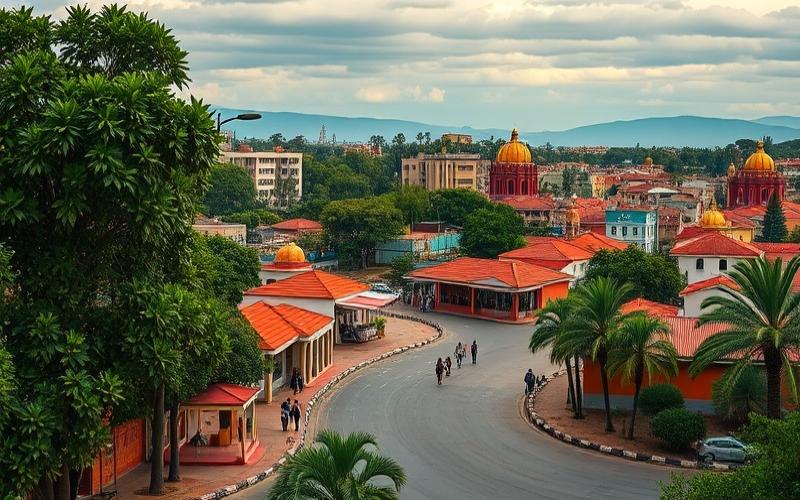
In Antananarivo for example, certain neighborhoods like Ivandry or Analamahitsy are highly sought after by expatriates for their safety and amenities. Conversely, more remote areas may present access or safety issues.
For coastal properties, beware of coastal erosion risks and specific regulations. Some paradise beaches may prove isolated and difficult to access part of the year.
Take time to thoroughly study the area, visit at different times (day/night, dry/rainy season) and inquire with local residents. A good location ensures daily comfort and better long-term value.
Good to Know:
Crime remains a problem in certain urban areas of Madagascar. Check with local authorities and expatriates about the neighborhood’s reputation before buying.
Rushing Into a “Good Deal”: Caution and Patience Are Required
The Malagasy real estate market is full of tempting opportunities, with prices sometimes much lower than in Europe. However, rushing into an offer that seems too good to be true is often a serious mistake.
Several reasons can explain abnormally low prices:
- Undisclosed legal issues
- Hidden defects or poor overall property condition
- Unattractive location
- Access or utility connection difficulties
- Outright scams
Take time to thoroughly study each offer, compare with local market prices, and commission independent assessments. Never yield to pressure from a seller pushing for quick closure.
It’s also recommended to visit several properties before deciding, even if the first one seems perfect. This will give you better market understanding and stronger negotiation position.
Good to Know:
The Malagasy real estate market is less transparent and regulated than in Europe. Scams are not uncommon, especially targeting foreigners. Caution is advised with overly tempting offers.
Ignoring Cultural Specificities: The Clash of Mentalities
Many foreign buyers underestimate the importance of cultural differences in Madagascar’s real estate purchase process. This mistake can lead to misunderstandings, delays, or even transaction failure.
Key points to keep in mind:
- Time perception: announced deadlines are often approximate
- Importance of hierarchy and respect for elders
- Central role of negotiation in all transactions
- Role of local customs, especially for rural land
- Concept of collective ownership in some regions
It’s essential to demonstrate patience, diplomacy, and respect for local customs. Don’t hesitate to be accompanied by a trusted Malagasy intermediary who can facilitate communication and prevent cultural missteps.
In some regions, obtaining traditional authorities’ approval may be necessary before any land transaction. Ignoring these aspects can compromise your purchase and future neighborhood relations.
Good to Know:
In Madagascar, the concept of “given word” remains very important in transactions. However, always formalize agreements in writing to avoid future disputes.
Neglecting Property Condition: Renovations That Blow Your Budget
Many buyers, charmed by a property’s appeal or eager to close, omit to thoroughly inspect the property’s condition. This negligence can lead to heavy unexpected expenses later.
Points to carefully check:
- Building structure (foundations, load-bearing walls, roof)
- Electrical and plumbing installations
- Waterproofing and insulation
- Potential presence of termites or other pests
- Condition of joinery and floors
Madagascar’s tropical climate can accelerate building deterioration. Be particularly wary of humidity and the damage it can cause.
Don’t hesitate to hire an independent expert for comprehensive property assessment. The cost of this expertise will be largely offset by savings on potential unexpected repairs.
For older or character properties (like colonial villas), anticipate potentially high renovation and maintenance costs. Include these expenses in your overall budget before deciding.
Good to Know:
Materials and labor for work are generally cheaper than in Europe, but quality can vary. Prioritize recommended artisans and request multiple quotes.
Underestimating Administrative Constraints: The Obstacle Course
Administrative procedures related to real estate purchases in Madagascar can prove lengthy and complex, especially for foreigners. Failing to anticipate these constraints is a common mistake that can significantly delay your project.
Main procedures to anticipate:
- Obtaining acquisition authorization for non-residents
- Property registration in land registry
- Tax formalities (declaration, fee payment)
- Obtaining necessary permits for potential work
- Utility connections
Delays can be particularly long for obtaining certain official documents. It’s not uncommon for procedures to take several months, or even over a year in some cases.
To effectively navigate this administrative maze, strongly consider hiring a specialized lawyer or notary. Their expertise will save valuable time and prevent costly errors.
Good to Know:
Certain areas of Madagascar, particularly islands, have specific regulations for foreign purchases. Research potential restrictions beforehand.
Ignoring Natural Risks: When Nature Intervenes
Madagascar is exposed to various natural risks that can significantly impact your real estate investment. Neglecting these aspects can lead to dramatic situations and rapid property devaluation.
Main risks to consider:
- Cyclones, particularly on east and north coasts
- Floods, frequent during rainy season
- Coastal erosion, threatening certain coastal areas
- Landslides in mountainous regions
- Locust invasions in some rural regions
Before any purchase, carefully study the region’s natural disaster history. Check if the property is located in a risk area and if it’s designed to withstand local climate hazards.
Also ensure your home insurance adequately covers these specific risks. Some companies offer contracts adapted to the Malagasy context.
Good to Know:
Cyclone season in Madagascar generally extends from November to April. Coastal regions in the east and north are most exposed.
Neglecting Tax Aspects: The Painful Surprise
Madagascar’s real estate taxation has specificities that many buyers, especially foreigners, tend to underestimate. This neglect can lead to significant additional costs and administrative complications.
Main tax aspects to consider:
- Registration fees upon purchase (approximately 6% of price)
- Annual property tax
- Income tax on rental earnings for investment properties
- Potential capital gains upon resale
- Specific rules for non-residents
Taxation can vary depending on property status (vacant land, built property, agricultural…) and your own tax status. It’s crucial to research thoroughly beforehand and include these costs in your overall budget.
Consult an accountant or tax lawyer familiar with the Malagasy context. They can help optimize your tax situation legally.
Good to Know:
Madagascar has signed tax treaties with several countries, including France, to avoid double taxation. Research provisions applicable to your situation.
Skipping Professional Assistance: The False Economy
To save money or from overconfidence, some buyers choose to manage their Malagasy real estate acquisition alone. This approach can prove very risky and ultimately more expensive.
Professionals whose expertise is valuable:
- A licensed real estate agent for search and negotiation
- A notary to secure transaction and legal aspects
- A specialized lawyer for complex legal questions
- A building expert for technical property evaluation
- An accountant or tax specialist to optimize financial aspects
These professionals know local market subtleties, pitfalls to avoid, and can save you valuable time. Their expertise can prevent costly mistakes and secure your investment.
Choose recognized professionals, ideally recommended by other expatriates or your embassy. Don’t hesitate to verify their references and qualifications.
Good to Know:
Real estate professional fees in Madagascar are generally lower than in Europe. This investment can prove very profitable long-term.
Conclusion: The Key to Successful Purchase in Madagascar
Investing in Malagasy real estate can be an enriching and potentially very profitable experience. However, as we’ve seen, many pitfalls await the unprepared buyer.
The key to success lies in meticulous preparation, good understanding of local context, and appropriate professional support. Take time to research thoroughly, visit multiple properties, and surround yourself with reliable experts.
Remember that each Madagascar region has its specificities. What applies to a purchase in Antananarivo won’t necessarily be applicable to Nosy Be or Tamatave. Adapt your approach according to chosen location.
Finally, keep in mind that real estate purchase in Madagascar is often more than just financial investment. It’s also immersion in a rich and fascinating culture. Take time to discover the country, its people, and customs. This open-mindedness will help you better understand your project and derive full satisfaction.
Disclaimer: The information provided on this website is for informational purposes only and does not constitute financial, legal, or professional advice. We encourage you to consult qualified experts before making any investment, real estate, or expatriation decisions. Although we strive to maintain up-to-date and accurate information, we do not guarantee the completeness, accuracy, or timeliness of the proposed content. As investment and expatriation involve risks, we disclaim any liability for potential losses or damages arising from the use of this site. Your use of this site confirms your acceptance of these terms and your understanding of the associated risks.

Cyril Jarnias is an independent expert in international wealth management with over 20 years of experience. As an expatriate himself, he is dedicated to helping individuals and business leaders build, protect, and pass on their wealth with complete peace of mind.
On his website, cyriljarnias.com, he shares his expertise on international real estate, offshore company formation, and expatriation.
Thanks to his expertise, he offers sound advice to optimize his clients' wealth management. Cyril Jarnias is also recognized for his appearances in many prestigious media outlets such as BFM Business, les Français de l’étranger, Le Figaro, Les Echos, and Mieux vivre votre argent, where he shares his knowledge and know-how in wealth management.