 Published on and written by Cyril Jarnias
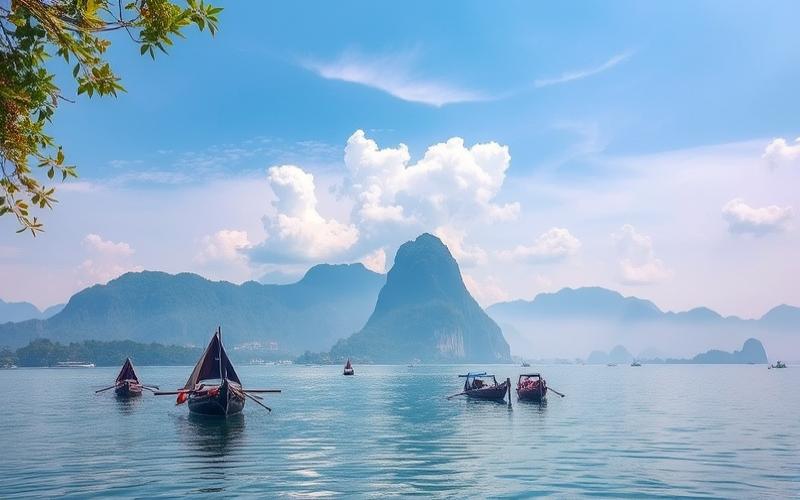
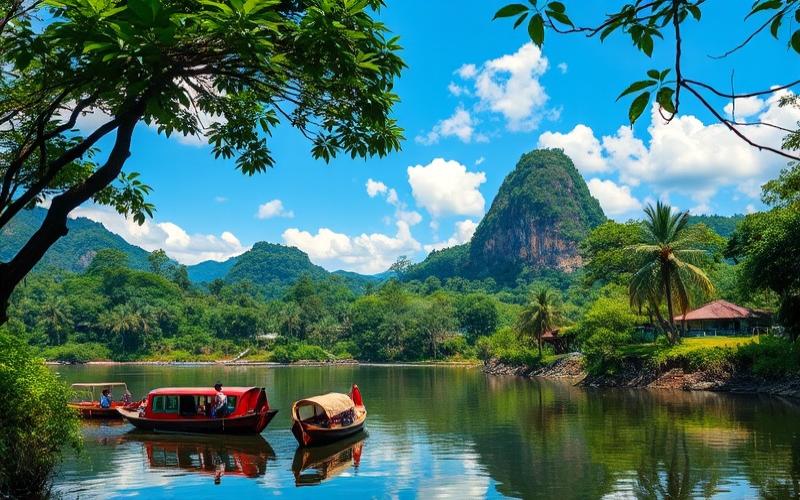
Taiwan, this beautiful island located off the coast of China, offers an idyllic setting for real estate investors seeking waterfront properties. With its fine sandy beaches, crystal-clear waters, and tropical climate, Taiwan is attracting more and more foreign buyers eager to own their own slice of paradise. In this article, we will guide you through the best seaside investment opportunities in Taiwan and provide you with all the keys to making your purchase with peace of mind.
Hidden Gems of the Taiwanese Coastline: Where to Invest for Maximum Profitability?
Taiwan is full of attractive coastal destinations, each offering its own advantages for real estate investors. Here’s an overview of the most promising areas for buying a seaside property:
1. Kenting: The Pearl of the South
Located at the southern tip of the island, Kenting is known for its white sandy beaches, turquoise waters, and relaxed atmosphere. This region attracts many local and international tourists, making it an excellent choice for investors seeking high rental potential. Real estate prices in Kenting have seen steady growth in recent years but remain relatively affordable compared to other Asian beach destinations.
2. Hualien: Between Sea and Mountains
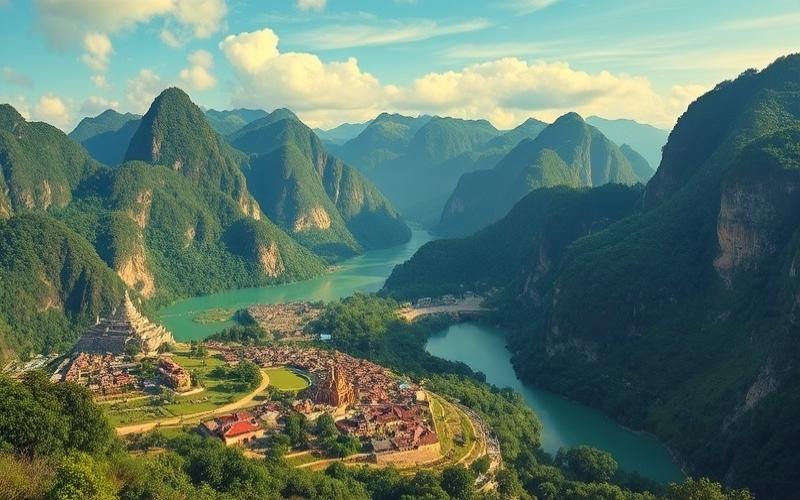
On Taiwan’s east coast, Hualien offers a spectacular setting where lush green mountains plunge into the Pacific Ocean. This region is particularly appreciated for its wild beaches, national parks, and hot springs. Seaside properties in Hualien benefit from breathtaking views and significant appreciation potential, as the area experiences growing tourism development.
3. Penghu: The Archipelago of a Thousand Treasures
The Penghu archipelago, located in the Taiwan Strait, is a true paradise for water sports enthusiasts and lovers of pristine beaches. With its 90 islands and islets, Penghu offers numerous investment opportunities, from luxury villas to renovated small fishermen’s houses. Real estate prices there are still relatively low, but the trend is upward, especially due to the development of tourism infrastructure.
4. Yilan: The Emerging Northeast Coast
Just an hour’s drive from Taipei, Yilan is attracting more and more investors thanks to its preserved beaches and peaceful living environment. The region benefits from a pleasant microclimate and lush nature, making it a prime destination for city dwellers seeking tranquility. Real estate prices in Yilan have seen a significant increase in recent years but remain competitive compared to the capital.
Good to Know:
When searching for a seaside property in Taiwan, consider natural risks such as typhoons and tsunamis. Make sure the property you’re considering purchasing is built according to current earthquake-resistant standards and has adequate insurance.
Buying a seaside property in Taiwan may seem complex for a foreigner, but with the right information and proper guidance, the process can go smoothly. Here are the essential steps to follow:
1. Check Your Eligibility
Unlike many Asian countries, Taiwan allows foreigners to purchase real estate under certain conditions. Nationals from countries with diplomatic relations with Taiwan or offering reciprocity to Taiwanese citizens for real estate purchases can acquire properties without particular restrictions. For others, special government approval may be required.
2. Find a Reliable Real Estate Agent
It is highly recommended to use a local real estate agent experienced in transactions with foreigners. Choose a professional who speaks English and has good knowledge of the seaside real estate market. The agent can guide you in your search, help you negotiate the price, and assist you throughout the purchasing process.
3. Conduct Thorough Due Diligence
Before committing, make sure to carefully verify all aspects of the property. This includes:
– Verification of the property title and any easements – Inspection of the building structure, especially for older properties – Assessment of environmental risks, particularly related to typhoons and floods – Verification of compliance with local construction and zoning regulations
4. Obtain Suitable Financing
Taiwanese banks offer mortgages to foreigners, but conditions may be stricter than for local residents. The loan amount is generally limited to 70% of the property value, with slightly higher interest rates. It’s also possible to obtain financing from international banks or in your home country.
5. Negotiate the Price and Sign the Contract
Once you’ve found the ideal property, your real estate agent will help you negotiate the price with the seller. Once an agreement is reached, a preliminary sales contract is usually signed, accompanied by a deposit. The final contract will be signed after verifying all documents and obtaining financing.
6. Finalize the Transaction
The final step is to complete the transaction at a notary’s office. The notary will verify all documents, register the property transfer, and ensure all taxes and fees are paid. Once this step is completed, you will officially be the owner of your seaside property in Taiwan.
Good to Know:
The acquisition costs for a property in Taiwan typically include the transfer tax (6% to 8% of the purchase price), notary and registration fees (about 1% of the purchase price), as well as the real estate agent’s commission (usually 4% to 6% of the purchase price).
Riding the Investment Wave: Prospects for Taiwan’s Coastal Real Estate Market
The seaside real estate market in Taiwan offers interesting prospects for investors. Here are some trends to consider:
1. Growing Demand
Demand for seaside properties in Taiwan is constantly increasing, both from local buyers and foreign investors. This trend is supported by several factors:
– Development of domestic and international tourism – Improvement of transportation infrastructure, making coastal areas more accessible – Taiwanese urban residents’ search for a better living environment
2. Still Competitive Prices
Although seaside real estate prices in Taiwan have increased in recent years, they remain competitive compared to other popular Asian beach destinations like Thailand or Bali. This situation offers interesting appreciation potential for medium and long-term investors.
3. Favorable Regulatory Framework
The Taiwanese government has implemented policies aimed at attracting foreign investment in real estate, particularly by simplifying purchasing procedures and offering tax incentives in certain areas. These measures help create an environment conducive to real estate investment.
4. Attractive Rental Potential
Seaside properties in Taiwan offer excellent rental potential, particularly in popular tourist areas like Kenting or Penghu. Seasonal rentals can generate interesting income, especially during the summer high season and holiday periods.
Good to Know:
Before investing in a seaside property in Taiwan, make sure you understand the local regulations regarding short-term rentals. Some areas may have restrictions on Airbnb or similar rentals.
In conclusion, buying a seaside property in Taiwan represents an attractive opportunity for investors seeking returns and quality of life. With its beautiful beaches, pleasant climate, and dynamic real estate market, Taiwan offers an ideal setting to realize your dream of owning a slice of tropical paradise. By following the steps outlined in this guide and surrounding yourself with competent professionals, you can navigate the waters of Taiwanese real estate with confidence and make a promising investment.
Disclaimer: The information provided on this website is for informational purposes only and does not constitute financial, legal, or professional advice. We encourage you to consult qualified experts before making any investment, real estate, or expatriation decisions. Although we strive to maintain up-to-date and accurate information, we do not guarantee the completeness, accuracy, or timeliness of the proposed content. As investment and expatriation involve risks, we disclaim any liability for potential losses or damages arising from the use of this site. Your use of this site confirms your acceptance of these terms and your understanding of the associated risks.

Cyril Jarnias is an independent expert in international wealth management with over 20 years of experience. As an expatriate himself, he is dedicated to helping individuals and business leaders build, protect, and pass on their wealth with complete peace of mind.
On his website, cyriljarnias.com, he shares his expertise on international real estate, offshore company formation, and expatriation.
Thanks to his expertise, he offers sound advice to optimize his clients' wealth management. Cyril Jarnias is also recognized for his appearances in many prestigious media outlets such as BFM Business, les Français de l’étranger, Le Figaro, Les Echos, and Mieux vivre votre argent, where he shares his knowledge and know-how in wealth management.