

 Published on and written by Cyril Jarnias
Argentina, a South American country known for its diverse landscapes, rich culture, and passion for soccer, is increasingly attracting the attention of international real estate investors. With its vast expanses of fertile land, cosmopolitan cities, and economic growth potential, Argentina offers unique opportunities for those looking to diversify their real estate portfolio. In this article, we will explore in detail the key aspects of real estate investment in Argentina, from reasons to invest to potential rental returns, including available property types and the most attractive areas.
Discover Real Estate Investment Opportunities in Argentina:

The Argentine real estate market is undergoing a profound transformation, marked by economic challenges but also by new opportunities for [...]
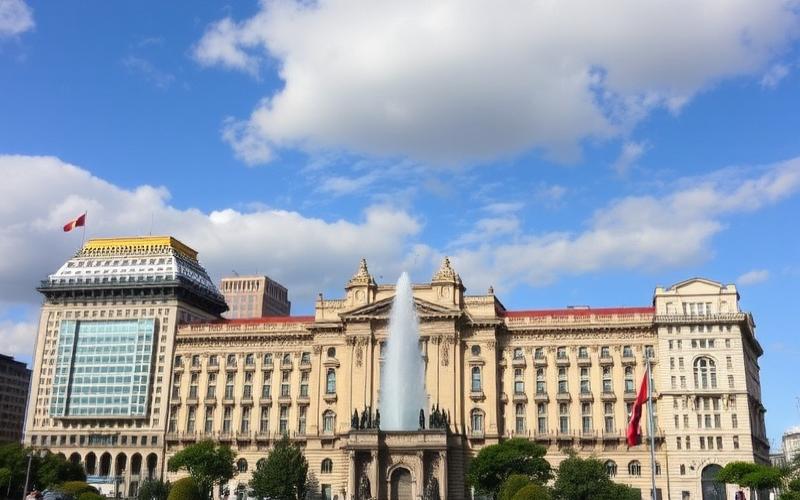
Argentina, a multifaceted country, offers a diverse and dynamic real estate market. From the chic neighborhoods of Buenos Aires to [...]

Argentina, a country known for its vast pampas and vibrant culture, is undergoing an urban transformation. Bold development projects are [...]

Argentina is a country that attracts many foreign real estate investors, drawn by its varied landscapes, rich culture, and relatively [...]

Argentina, with its varied landscapes ranging from the Pampas plains to the Andean peaks, and including the vibrant capital Buenos [...]

Commercial real estate in Argentina offers compelling investment opportunities for investors seeking attractive returns and geographic diversification. Despite the country’s [...]

Argentina, with its varied landscapes, rich culture, and dynamic economy, is attracting more and more foreign real estate investors. Renting [...]
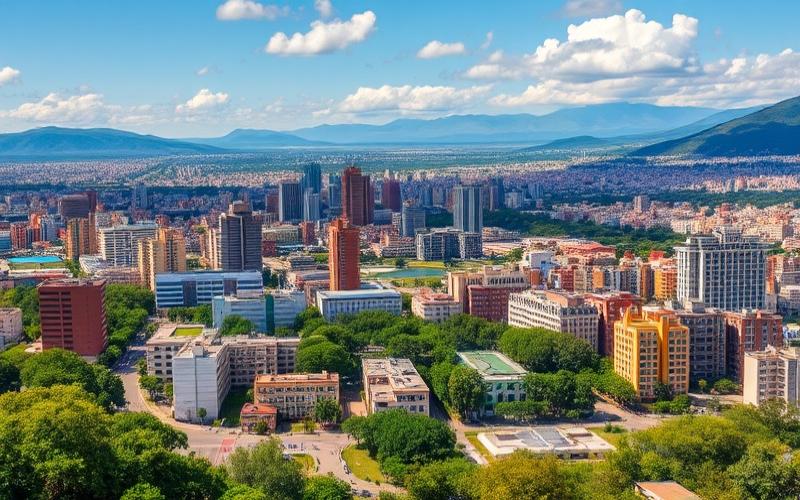
Argentina, a multifaceted country, offers numerous real estate investment opportunities for savvy investors. Despite recent economic turbulence, the Argentine real [...]

Argentina, with its varied landscapes ranging from the Pampas plains to the snow-capped peaks of the Andes, is attracting more [...]

Argentina, with its varied landscapes ranging from the Pampas plains to the Andean peaks, and including the vibrant capital Buenos [...]

Argentina, with its varied landscapes ranging from the glaciers of Patagonia to Iguazú Falls, through the vineyards of Mendoza and [...]

Argentina, with its vast territory and varied landscapes, attracts many foreign real estate investors. However, buying property in this South [...]

Argentina, with its rich architectural heritage and varied landscapes, offers numerous opportunities for real estate investors. Whether you already own [...]

Argentina, with its dynamic real estate market and attractive investment opportunities, attracts many potential buyers. However, selling a property quickly [...]

Argentina, a country of diverse landscapes and rich culture, is attracting more and more foreign investors seeking second homes. This [...]
Why is Argentina Attracting Real Estate Investors?
Argentina presents several assets that make it a destination of choice for international real estate investors. First, the country benefits from a diversified economy, with key sectors such as agriculture, manufacturing, and services. This economic diversity offers a certain stability and long-term growth prospects, which is crucial for real estate investments.
A real estate market in transformation: The Argentine real estate market has experienced ups and downs over the years, but it is currently showing signs of recovery and stabilization. Recent economic reforms and government efforts to attract foreign investment have helped create a more favorable environment for real estate investors. Additionally, the devaluation of the Argentine peso has made property prices particularly attractive for foreign buyers with strong currencies.
Exceptional quality of life: Argentina, and particularly its capital Buenos Aires, offers a high quality of life at a relatively affordable cost. The cultural richness, renowned cuisine, quality education system, and modern infrastructure attract not only tourists but also expatriates and long-term investors. This appeal translates into sustained demand for real estate, especially in urban and tourist areas.
Significant appreciation potential: Despite economic fluctuations, real estate in Argentina has historically demonstrated its ability to preserve and increase its value over the long term. Savvy investors who buy at the right time and in the right areas can benefit from significant property appreciation, especially in an economic recovery context.
Good to know:
Argentina offers an evolving real estate market, combining attractive prices for foreign investors, a high quality of life, and interesting appreciation potential, particularly in developing urban and tourist areas.
The Argentine Real Estate Price Overview
The Argentine real estate market is characterized by a wide diversity of prices, reflecting the country’s economic and geographical disparities. Prices vary considerably between major cities like Buenos Aires and rural areas or secondary cities.
Buenos Aires, the beating heart of Argentine real estate: In the capital, property prices are naturally the highest in the country, but remain competitive compared to other major global metropolises. According to recent data from the Zonaprop real estate portal, the average price per square meter in Buenos Aires is around $2,300 USD. However, this figure hides significant disparities between neighborhoods. In the most sought-after areas like Recoleta or Palermo, prices can easily exceed $3,000 USD per square meter, while in more peripheral neighborhoods, they can drop below $1,500 USD.
Secondary cities, opportunities to seize: Outside Buenos Aires, prices are generally more affordable, offering interesting opportunities for investors seeking higher returns. For example, in Córdoba, the country’s second city, average prices hover around $1,500 USD per square meter. In Rosario, another important urban center, properties can be found starting from $1,200 USD per square meter.
The impact of the economic situation on prices: It is important to note that the Argentine real estate market is strongly influenced by the country’s economic situation. Fluctuations in the Argentine peso against the US dollar can have a significant impact on prices expressed in foreign currencies. This volatility can create opportunities for foreign investors but also requires increased vigilance and a good understanding of local economic dynamics.
Good to know:
Real estate prices in Argentina vary considerably by region, with Buenos Aires showing the highest rates. Investors can find interesting opportunities in secondary cities, where prices are more affordable. Economic volatility can influence prices, creating both risks and opportunities for savvy investors.
Types of Real Estate: From Urban Apartments to Rural Estancias
Argentina offers a wide variety of real estate properties, suitable for different investor profiles and investment objectives. Here is an overview of the main types of available housing, with price examples:
Urban apartments: In major cities like Buenos Aires, apartments constitute a significant part of the real estate market. They range from compact studios to spacious luxury penthouses. For example, a two-bedroom apartment in a central Buenos Aires neighborhood can cost between $150,000 and $300,000 USD, depending on the exact location and finishes.
Single-family homes: In residential suburbs and smaller cities, single-family homes are more common. They generally offer more space and sometimes a garden. In Córdoba, a three-bedroom house in a residential neighborhood can be negotiated around $200,000 USD.
Luxury properties: Argentina has many high-end properties, ranging from prestigious apartments in upscale Buenos Aires neighborhoods to seaside villas in Patagonia. These properties can easily exceed one million dollars. For example, a luxury villa in Punta del Este, a popular seaside resort, can reach $2 to $3 million USD.
Estancias and rural properties: For investors seeking large spaces, estancias (traditional ranches) and rural properties offer a unique option. These vast estates, often used for agriculture or livestock, can also be converted into exclusive tourist lodges. Prices vary enormously depending on size and location, ranging from a few hundred thousand dollars to several million for the largest properties.
Renovation properties: In historic city centers, old buildings to renovate are often found. These properties can offer excellent appreciation potential after renovation. In Rosario, for example, an old building to renovate in the city center can be acquired for about $100,000 USD, with significant value enhancement potential after work.
- 2-bedroom apartment in Buenos Aires: $150,000 – $300,000 USD
- 3-bedroom house in Córdoba: approximately $200,000 USD
- Luxury villa in Punta del Este: $2 – $3 million USD
- Building to renovate in Rosario: starting from $100,000 USD
Good to know:
Argentina offers a great diversity of real estate properties, from urban apartments to vast rural estates. Prices vary considerably depending on the type of property and location, allowing investors to find opportunities suited to different budgets and investment objectives.
The Most Promising Investment Areas
Argentina, with its vast geographical expanse and economic diversity, offers many attractive areas for real estate investment. Each region has its own characteristics and opportunities. Here is an overview of the most promising areas for real estate investors:
Buenos Aires: The economic and cultural heart The Argentine capital remains the preferred destination for real estate investors, especially foreigners. The most sought-after neighborhoods include:
– Palermo: Trendy neighborhood, popular with young professionals and tourists, offering excellent rental potential. – Recoleta: Upscale area, prized for its elegant architecture and prestige properties. – Puerto Madero: Modern waterfront neighborhood, attracting high-end investments and international companies.
These areas offer both long-term appreciation opportunities and high rental yield potential, particularly thanks to tourism and the presence of expatriates.
Córdoba: The country’s second city on the rise Córdoba, with its significant student population and growing technology sector, is attracting more and more investors. Neighborhoods like Nueva Córdoba, near the university, offer excellent opportunities for student rental investment. The historic center, undergoing renovation, also presents interesting potential for long-term investors.
Mendoza: The wine gem Renowned for its vineyards and exceptional natural setting, Mendoza attracts both tourists and investors. Areas near vineyards and the historic city center are particularly sought after. Investment in properties that can be converted into guesthouses or small hotels can prove very profitable in this region.
Bariloche and Patagonia: The natural tourism paradise The Bariloche region, with its lakes and mountains, is a premier tourist destination. Investments in vacation properties or lodges can offer attractive returns, especially during tourist seasons. The growing demand for ecotourism makes this region particularly promising.
Mar del Plata: The essential seaside resort This coastal city, very popular with Argentines for summer vacations, offers interesting opportunities in leisure real estate. Seaside apartments and vacation homes can generate significant seasonal rental income.
Rosario: An emerging economic hub The country’s third city, Rosario is experiencing significant economic development, particularly thanks to its river port. Investments in developing areas near the Paraná River and in the renovating city center can offer good appreciation potential.
Good to know:
Although Buenos Aires remains the flagship destination for real estate investment in Argentina, other cities like Córdoba, Mendoza, Bariloche, and Rosario offer interesting opportunities. Each region has its own advantages, whether in terms of rental yield, tourism potential, or economic development prospects.
Argentina vs. Its Competitors: A Comparative Analysis
To better understand Argentina’s appeal as a real estate investment destination, it is useful to compare it to other Latin American countries and similar destinations worldwide. This comparative analysis helps highlight Argentina’s competitive advantages, as well as its challenges.
Argentina vs. Brazil Brazil, the largest economy in Latin America, is often considered Argentina’s main competitor for real estate investments. However, Argentina presents several advantages:
– Cost of living: Generally lower in Argentina, which can translate into higher rental yields. – Quality of life: Argentina, and particularly Buenos Aires, is often ranked higher in terms of quality of life and safety. – Ease of access for foreigners: Real estate purchase procedures are generally simpler in Argentina than in Brazil.
Nevertheless, Brazil offers a larger and potentially more liquid market, especially in major cities like São Paulo and Rio de Janeiro.
Argentina vs. Chile Chile is renowned for its economic and political stability, which may make it more attractive to some conservative investors. However, Argentina offers:
– Generally lower real estate prices, offering better appreciation potential. – Greater diversity of markets and property types, from urban to rural. – Unique culture and lifestyle that attract a wide range of tourists and expatriates.
Chile may have the advantage in terms of economic stability, but Argentina compensates with its growth potential and diversity.
Argentina vs. Spain Although Spain is not in Latin America, it is often considered an alternative for investors seeking a Spanish-speaking real estate market. Compared to Spain, Argentina offers:
– Significantly lower entry prices, allowing investors to enter the market with less capital. – Higher potential rental yields, especially in major cities. – Unique opportunities in sectors like agritourism or wine properties.
Spain benefits from its position within the European Union and a more mature market, but Argentina can offer more dynamic opportunities for investors willing to take more risks.
Argentina vs. Colombia Colombia has gained popularity among real estate investors in recent years, particularly due to its stable economic growth. Compared to Colombia, Argentina presents:
– A more developed and diversified real estate market, especially in the luxury segment. – Better infrastructure and higher quality public services in many regions. – A richer cultural and artistic scene, particularly in Buenos Aires.
Colombia may have the advantage in terms of recent economic growth, but Argentina offers a more mature market and more varied investment options.
Good to know:
Argentina stands out from its competitors with its attractive real estate prices, high quality of life, and market diversity. Although it may face economic challenges, it offers unique potential for investors seeking varied opportunities and potentially high returns.
Practical Guide: Buying Real Estate in Argentina as a Foreigner
Argentina is generally open to foreign investors in the real estate sector, but it is important to understand the specifics of the purchase process and current regulations. Here is a practical guide for foreigners wishing to acquire real estate in Argentina:
Property rights for foreigners Unlike some countries, Argentina does not impose major restrictions on foreigners wishing to purchase real estate. Non-residents have the same rights as Argentine citizens regarding real estate purchases, with a few exceptions:
– Border areas: Purchasing properties in certain border areas may require special government authorization. – Agricultural land: There are limitations on the purchase of large tracts of agricultural land by foreigners, introduced by the 2011 Rural Lands Law.
Purchase process 1. Property search and selection: It is recommended to work with a reputable local real estate agent.
2. Obtaining a CDI (Clave de Identificación): This is the equivalent of a tax identification number, necessary for any real estate transaction.
3. Offer and negotiation: Once the property is chosen, you will make an offer, usually through your agent.
4. Preliminary contract (Boleto de Compraventa): This preliminary document sets the conditions of the sale. It is common to pay a deposit at this stage.
5. Due diligence: Verification of the property title and any encumbrances on the property. This step is crucial and should be performed by a local lawyer.
6. Final deed of sale: Signed before a public notary (escribano), this deed officially transfers ownership.
7. Registration in the land registry: The notary generally handles this final step.
Financial considerations – Payment: Real estate transactions in Argentina are often conducted in US dollars, although the Argentine peso is the official currency. – Fees and taxes: Plan for approximately 6-8% of the purchase price in various fees (notary fees, registration fees, etc.). – Personal property tax: Foreign owners are subject to this annual tax on the value of their properties in Argentina.
Practical tips – Hire a local lawyer: The complexity of the Argentine legal system makes it essential to use a local legal professional. – Open an Argentine bank account: This will facilitate transactions and property management. – Consider exchange rate fluctuations: The volatility of the peso can affect the value of your investment in foreign currency. – Inquire about exchange restrictions: Regulations on currency movements can change rapidly in Argentina.
Good to know:
Foreigners can generally purchase real estate in Argentina without major restrictions, but the process requires particular attention to legal and financial aspects. It is strongly recommended to surround yourself with local professionals (real estate agent, lawyer, notary) to navigate this market effectively.
Rental Profitability in Argentina: Figures and Perspectives
Rental investment in Argentina can offer attractive returns, but it is important to understand the market specifics and factors influencing profitability. Here is an overview of potential rental returns in different regions of Argentina, as well as factors to consider:
Rental returns in Buenos Aires Buenos Aires, as the capital and economic center of the country, generally offers the best rental opportunities, especially for short-term rentals and housing for expatriates.
– Palermo and Recoleta: These sought-after neighborhoods can offer gross annual returns of 4% to 6%. – Example: A 2-bedroom apartment purchased for $200,000 USD could generate an annual rental income of approximately $10,000 to $12,000 USD.
– Puerto Madero: This modern, high-end neighborhood can offer slightly lower returns, around 3.5% to 5%, but with greater stability and significant appreciation potential.
Profitability in secondary cities Cities like Córdoba, Rosario, or Mendoza can offer higher returns, particularly due to lower purchase prices.
– Córdoba: Rental returns can reach 6% to 8% in student neighborhoods like Nueva Córdoba. – Example: A studio purchased for $80,000 USD could generate an annual rental income of approximately $5,000 to $6,400 USD.
– Mendoza: Well-located properties near wine areas can offer returns of 5% to 7%, particularly attractive for seasonal rentals.
Vacation rentals in tourist areas Tourist destinations like Bariloche or Mar del Plata can offer high returns but with strong seasonality.
– Bariloche: Well-located chalets or apartments can generate returns of 8% to 10% annually, with peaks during tourist seasons. – Mar del Plata: Seaside apartments can offer returns of 6% to 8% annually, but concentrated mainly during the summer season.
Factors influencing profitability 1. Location: As everywhere, location is crucial. Properties in central neighborhoods or near tourist attractions generally offer better returns.
2. Type of rental: Short-term rentals (Airbnb type) can offer higher returns in tourist areas but require more intensive management.
3. Property condition: Renovated and well-maintained properties attract tenants more easily and allow for higher rents.
4. Economic fluctuations: The volatility of the Argentine economy can affect rents and occupancy rates. It is important to plan for safety margins.
5. Taxation: Rental income is subject to tax in Argentina. Rates vary depending on the owner’s tax status (resident or non-resident).
6. Rental management: Management fees can reduce profitability, but professional management is often necessary, especially for non-resident owners.
Good to know:
Rental returns in Argentina can be attractive, generally ranging between 4% and 10% depending on location and property type. Buenos Aires offers stable but moderate returns, while secondary cities and tourist areas can offer higher returns but with more volatility. Prudent management and a good understanding of the local market are essential to maximize profitability.
Conclusion: Argentina, a Multi-Faceted Real Estate Market
Real estate investment in Argentina presents a contrasting picture, offering both attractive opportunities and challenges to overcome. This South American country, rich in geographical and cultural diversity, offers a range of options for real estate investors, from chic urban apartments in Buenos Aires to vast rural estancias, including tourist properties in picturesque regions like Mendoza or Patagonia.
A market with diverse opportunities One of Argentina’s main assets lies in the diversity of its real estate market. Investors can find opportunities suited to different budgets and investment objectives. Whether for a second home, rental investment, or long-term diversification strategy, Argentina offers interesting options. The relatively low prices compared to other international markets, combined with significant appreciation potential in certain regions, make the country particularly attractive to foreign investors.
Potentially high returns, but with nuances Rental returns, which can reach 6% to 10% in some areas, are a strong argument for investment in Argentina. However, these figures must be considered with caution. The country’s economic volatility, currency fluctuations, and frequent regulatory changes can affect short-term profitability. Investors must adopt a long-term perspective and be prepared to navigate an sometimes unstable economic environment.
A favorable but complex legal framework Argentina’s openness to foreign investors in the real estate sector is a definite advantage. Purchase procedures, although complex, are accessible to non-residents. Nevertheless, it is crucial to surround yourself with competent local professionals – real estate agents, lawyers, notaries – to effectively navigate the Argentine legal and tax system.
Challenges not to be underestimated Argentina’s chronic economic instability remains the main challenge for investors. Peso fluctuations, high inflation, and frequent political changes can create an uncertain investment environment. Additionally, remote management of a property in Argentina can prove complex, often requiring the use of local management services.
A promising future perspective Despite these challenges, Argentina retains attractive potential for real estate investment. The country continues to attract tourists and expatriates, supporting demand in urban and tourist areas. Modernization and economic development efforts in certain regions suggest long-term growth opportunities.
In conclusion, real estate investment in Argentina can prove to be a fruitful strategy for well-informed investors ready to adopt a long-term vision. The key to success lies in a thorough understanding of the local market, rigorous due diligence, and prudent risk management. For those willing to take on these challenges, Argentina offers a dynamic and diversified real estate market, with the potential for attractive returns and significant capital appreciation in the long term.
Good to know:
Real estate investment in Argentina offers varied opportunities with potentially high returns but requires a prudent and well-informed approach. Market diversity, attractive prices, and openness to foreign investors are major assets, provided the risks related to economic instability and local specifics are well understood and managed.
Disclaimer: The information provided on this website is for informational purposes only and does not constitute financial, legal, or professional advice. We encourage you to consult qualified experts before making any investment, real estate, or expatriation decisions. Although we strive to maintain up-to-date and accurate information, we do not guarantee the completeness, accuracy, or timeliness of the proposed content. As investment and expatriation involve risks, we disclaim any liability for potential losses or damages arising from the use of this site. Your use of this site confirms your acceptance of these terms and your understanding of the associated risks.

Cyril Jarnias is an independent expert in international wealth management with over 20 years of experience. As an expatriate himself, he is dedicated to helping individuals and business leaders build, protect, and pass on their wealth with complete peace of mind.
On his website, cyriljarnias.com, he shares his expertise on international real estate, offshore company formation, and expatriation.
Thanks to his expertise, he offers sound advice to optimize his clients' wealth management. Cyril Jarnias is also recognized for his appearances in many prestigious media outlets such as BFM Business, les Français de l’étranger, Le Figaro, Les Echos, and Mieux vivre votre argent, where he shares his knowledge and know-how in wealth management.





