
 Published on and written by Cyril Jarnias
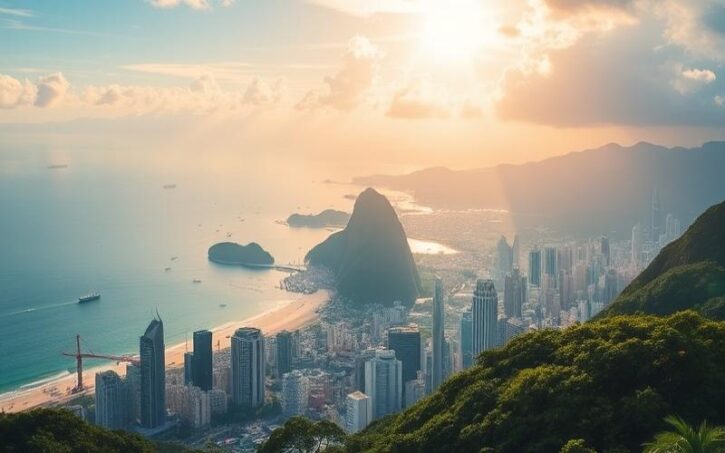
Brazil, with its vibrant cultural richness and breathtaking landscapes, attracts a large number of expatriates each year seeking new opportunities and a unique lifestyle. While choosing a host city is crucial, selecting the neighborhood is equally important, with each neighborhood offering a distinct atmosphere and varied amenities likely to appeal to different nationalities.
Whether for their proximity to the beach, dynamic cultural offerings, or exciting nightlife, neighborhoods in Rio de Janeiro, São Paulo, and other major Brazilian cities stand out for their particularly attractive quality of life.
This article reveals the most sought-after neighborhoods by expatriates, highlighting what makes them so unique and appealing for those considering settling down in this vast Latin American country.
Top Dream Neighborhoods for Expatriates in Brazil
Most Popular Neighborhoods Among Expatriates in Brazil
| City | Key Neighborhoods | Attractive Features | International Community |
|---|---|---|---|
| Rio de Janeiro | Leblon, Ipanema, Lagoa, Jardim Botânico, Gávea, Flamengo | High quality of life: relative safety, green spaces, direct beach access. Excellent cultural and dining options. Proximity to business centers. Very high housing prices in Leblon/Ipanema. | Strong French and European presence; expatriate clubs and regular international events. |
| São Paulo | Jardins, Vila Madalena, Moema, Brooklin | Cosmopolitan living: chic boutiques (Jardins), bohemian and artistic vibe (Vila Madalena), secure family neighborhoods (Moema/Brooklin). Great job opportunities in finance/tech. | Dense international community; numerous international schools; English widely spoken in some sectors. |
| Brasília | Asa Sul, Asa Norte | Unique modern architecture; planned city with excellent urban organization. High-quality public services: top-tier health/education. Easy access to shops/restaurants/parks. | Many diplomats and international workers due to embassies/international organizations. |
Other attractive cities for expatriates: Florianópolis (“Floripa,” paradise beaches for digital nomads/retirees), Salvador (strong Afro-Brazilian culture), Curitiba.
Typical Housing Options for Expatriates
- High-end apartments with 24/7 concierge
- Gated community houses (“condomínio fechado”) offering enhanced security
- Modern studios or lofts for singles/young professionals
- Beachfront villas in Rio or Florianópolis
Cost of Living & Housing Variation
| Neighborhood | Monthly Rent Range (2-bedroom apartment) |
|---|---|
| Leblon/Ipanema | 3500–6500 BRL (+ high fees) |
| Jardins | 3000–6000 BRL |
| Vila Madalena | 2200–4500 BRL |
| Moema/Brooklin | 2500–5000 BRL |
| Asa Sul/Norte | 2000–4000 BRL, sometimes cheaper than Rio/São Paulo |
Cost is generally higher in “premium” neighborhoods near cultural/business centers and decreases in suburban or less touristy areas.
Expatriate Testimonials Highlighting Neighborhood Appeal
“Living in Leblon offers me the perfect balance between urban work and beach time after the office… The French community here is very tight-knit!”
“In Vila Madalena, it’s easy to meet other foreigners at artistic evenings – it’s an open neighborhood where integration feels natural; I found my job through a local Facebook group.”
“In Brasília, everything is structured: I can walk my kids to the international school from our apartment in Asa Sul… The neighbors are often diplomats or expats like us!”
Main Benefits Sought by Expatriates
- Enhanced security through doormen/gated communities.
- Immediate proximity to amenities: international supermarkets/specialty stores/multicultural restaurants.
- Active social networks facilitating professional/personal integration.
The mentioned neighborhoods thus offer superior quality of life coupled with easier integration through a dynamic international community.
Good to Know:
In Barra da Tijuca (Rio de Janeiro), you’ll find secure condominiums and easy beach access, while Vila Madalena (São Paulo) is prized for its vibrant cultural life and diverse community.
Ultimate Guide to Finding the Perfect Home
To find the ideal home in neighborhoods favored by expatriates in Brazil, several essential criteria should be considered:
- Proximity to public transportation: Facilitates daily commutes, especially in sprawling cities like São Paulo or Rio de Janeiro.
- Neighborhood safety: Prioritize neighborhoods known for safety and avoid those reported as dangerous. Check local statistics and ask for opinions from settled expatriates.
- Access to services: Look for proximity to international schools, quality hospitals, supermarkets, and other amenities.
- Green spaces and recreation: The presence of parks, cultural centers, and sports facilities contributes to better quality of life and integration.
Factors to Evaluate During Your Search
| Factor | Why It’s Important | Examples of Suitable Neighborhoods |
|---|---|---|
| Public Transportation | Simplifies life without a car, reduces commute time | Vila Madalena (SP), Ipanema (Rio) |
| Safety | Limits risks, provides peace of mind | Paraiso, Jardim (SP) |
| International Schools | Essential for expatriate families | Moema (SP), Leblon (Rio) |
| Access to Hospitals | Important for quality medical follow-up | Higienópolis (SP), Botafogo (Rio) |
| Green Spaces/Recreation | Promotes relaxation, well-being, and integration | Parque Ibirapuera (SP), Lagoa (Rio) |
Practical Tips for Housing Search
- Use real estate agencies specialized for expatriates: they understand specific needs and master local procedures.
- Consult online forums and groups: Facebook, Meetup, or dedicated expatriate forums to exchange recommendations, find listings, and get neighborhood feedback.
- Prioritize in-person visits before signing anything: assess the environment, actual safety, noise levels, and property condition.
- Reach out to the local expatriate community to benefit from their experience and network.
Integration and Cultural Adaptation
Understanding local culture and customs is essential for harmonious integration.
Participating in community events, learning some Portuguese basics, and respecting neighborhood practices facilitate adaptation.
Getting involved in clubs, associations, or neighborhood activities accelerates social integration.
Price and Lifestyle Differences by Neighborhood
| Neighborhood (City) | Average Monthly Rent (Studio) | Atmosphere and Lifestyle | Key Points for Expatriates |
|---|---|---|---|
| Vila Madalena (SP) | 3,500 to 6,000 BRL | Bohemian, artistic, lively | Bars, galleries, nightlife |
| Jardim (SP) | 4,000 to 6,000 BRL | Chic, residential, quiet | Boutiques, safety, proximity |
| Paraiso (SP) | 3,500 to 5,500 BRL | Central, practical, well-connected | Transportation, schools, hospitals |
| Ipanema (Rio) | 4,000 to 7,000 BRL | Beachy, cosmopolitan, relaxed | Ocean, recreation, social life |
| Leblon (Rio) | 5,000 to 8,000 BRL | Upscale, family-friendly | Safety, schools, beach proximity |
Note: Prices vary based on property size, condition, and exact location. Neighborhoods favored by expatriates often have higher rents, offset by better quality of life, tailored services, and greater safety.
Key Takeaways:
To ensure a successful relocation, combining practical criteria, cultural openness, and an expatriate support network is key to a smooth experience in Brazil.
Good to Know:
Remember to check proximity to subway and bus lines to facilitate commuting in neighborhoods like Vila Madalena in São Paulo, and ensure the neighborhood offers essential services and good safety levels. Using real estate agencies specialized for expatriates can be wise, as can consulting online forums to better understand lifestyle differences between sought-after neighborhoods like Ipanema in Rio de Janeiro.
Why These Neighborhoods Appeal to Expatriates
The most sought-after neighborhoods by expatriates in Brazil stand out due to active international communities, quality infrastructure (international schools, diverse restaurants, shopping centers), relative safety, and pleasant living environments.
List of Factors Making These Neighborhoods Attractive:
Existing International Community
- Presence of international clubs (chambers of commerce, business circles)
- Dynamic social networks facilitating integration (Facebook groups like “Expats in São Paulo/Rio/Brasília,” Meetup for language exchanges and cultural activities)
- Regular events: multilingual after-work gatherings, cultural exchange evenings
Infrastructure and Facilities
- International Schools: American School of São Paulo (Granja Julieta/Morumbi), Lycée Molière in Rio
- Wide selection of international restaurants and gourmet grocery stores
- Modern sports centers, reputable private hospitals
Safety & Quality of Life
- Monitored or gated neighborhoods (“condomínios fechados”)
- Access to green spaces/urban parks
- Proximity to beaches/mountains depending on the city
Comparative Table by Neighborhood/Iconic Cities:
| City/Neighborhood | Key Strengths for Expatriates | Testimonials/Concrete Examples |
|---|---|---|
| São Paulo – Morumbi | Renowned international schools; secure condominiums; proximity to business clubs | “Our children were able to continue their education without disruption.” |
| São Paulo – Chácara Flora | Significant foreign community; houses with gardens; residential atmosphere | “Lots of family activities organized on weekends.” |
| Rio – Leblon/Ipanema | Intense cultural life; direct beach access; numerous international restaurants | “Walking on the beach in the morning before work is a luxury.” |
| Brasília – Lago Sul | Quiet, green neighborhoods; bilingual schools; strong diplomatic presence | “Ideal for meeting other expatriate families.” |
| Curitiba | Abundant green spaces; efficient transportation; affordable cost | “The temperate climate made our family adaptation easier.” |
| Florianópolis | Exceptional environmental quality; water sports; growing international community | “The relaxed atmosphere changed our perspective on daily life.” |
Testimonials or Anecdotes:
“Upon arriving in Chácara Flora (São Paulo), we were invited to a party organized by the local French families association. This not only gave us all the practical information but also helped us quickly build a solid circle of friends.”
“In Leblon, what surprised me is that everything is walkable: organic supermarket, bilingual school for my daughter… And security is enhanced in the building where we live.”
Other Notable Advantages:
- Lower overall cost in some secondary cities like Belo Horizonte or João Pessoa, allowing comfortable living with less.
- Easy access to reputable private medical care.
- Favorable climate year-round depending on the region.
Thus, each mentioned neighborhood offers a specific balance between international community integration, high-end infrastructure tailored to expatriate family needs, and a secure environment conducive to good daily quality of life.
Good to Know:
In São Paulo, the Vila Olímpia neighborhood is favored by expatriates for its cultural mix and modern infrastructure, while in Rio de Janeiro, Barra da Tijuca attracts for its quality international schools and improved safety.
Practical Tips for Easy Integration
Practical Tips to Facilitate Integration in Brazil’s Popular Neighborhoods:
- Learn Portuguese: Even if English is sometimes understood in big cities, mastering Portuguese remains essential for building authentic connections, understanding cultural subtleties, and facilitating daily procedures.
- Participate in Community Activities: Join neighborhood associations, sports groups (soccer, capoeira, beach volleyball), or cooking and craft workshops. These spaces promote integration and help you meet locals and other expatriates.
- Get Involved in Expatriate Clubs: Major cities like Rio, São Paulo, or Brasília have international clubs, Facebook groups, or Meetup groups dedicated to expatriates. They organize meetups, parties, guided tours, and cultural events, perfect for starting a social network and getting practical advice.
- Adopt Local Greetings: Brazilians favor warm physical contact (abraço, hug) during meetings. A smile and a firm handshake are highly appreciated.
- Respect Local Traditions and Festivals: Wearing white during New Year’s on the beach, participating in Carnival, Festa Junina, or the Yemanjá festival are key moments to immerse yourself in local culture and show respect for customs.
Cultural Aspects and Traditions to Consider:
| Cultural Element | Practical Tips |
|---|---|
| Religious Festivals | Learn about neighborhood celebrations, participate respectfully (e.g., processions, sea offerings). Dress in white for certain ceremonies. |
| Local Cuisine | Try specialties (feijoada, pão de queijo, churrasco). Sharing a meal is an important social act. |
| Time Perception | Punctuality is flexible. Accept delays without impatience, prioritize friendliness. |
| Nightlife | Explore bars, clubs, and concerts to immerse yourself in Brazilian social life. |
Activities and Places to Build Social Connections:
- Samba Schools: Participate in rehearsals or parades, even as a beginner.
- Sports Clubs: Soccer, beach volleyball, surfing, or capoeira are universal ways to meet people.
- Cooking or Dance Workshops: Discover gastronomy or samba in a group setting.
- Franco-Brazilian or International Associations: To exchange in your native language while opening up to local culture.
Exploring Each Neighborhood’s Identity:
- Stroll through local markets, chat with shopkeepers, frequent small typical cafes and restaurants.
- Observe architecture, murals, green spaces, and popular gathering spots.
- Join themed guided tours (history, street art, gastronomy) to better understand the neighborhood’s past and present.
- Take time to attend community events specific to each area (craft markets, street parties, open-air concerts).
Integration comes through curiosity, respect for traditions, and openness to Brazilian diversity. The more you invest in local life, the quicker you’ll feel at home.
Good to Know:
Learning Portuguese facilitates exchanges with local residents and contributes to better integration; participating in community activities or joining expatriate clubs is also recommended for building social connections.
Disclaimer: The information provided on this website is for informational purposes only and does not constitute financial, legal, or professional advice. We encourage you to consult qualified experts before making any investment, real estate, or expatriation decisions. Although we strive to maintain up-to-date and accurate information, we do not guarantee the completeness, accuracy, or timeliness of the proposed content. As investment and expatriation involve risks, we disclaim any liability for potential losses or damages arising from the use of this site. Your use of this site confirms your acceptance of these terms and your understanding of the associated risks.

Cyril Jarnias is an independent expert in international wealth management with over 20 years of experience. As an expatriate himself, he is dedicated to helping individuals and business leaders build, protect, and pass on their wealth with complete peace of mind.
On his website, cyriljarnias.com, he shares his expertise on international real estate, offshore company formation, and expatriation.
Thanks to his expertise, he offers sound advice to optimize his clients' wealth management. Cyril Jarnias is also recognized for his appearances in many prestigious media outlets such as BFM Business, les Français de l’étranger, Le Figaro, Les Echos, and Mieux vivre votre argent, where he shares his knowledge and know-how in wealth management.





