
 Published on and written by Cyril Jarnias
The Maltese archipelago, nestled in the heart of the Mediterranean, is attracting more and more expatriates seeking a sunny living environment and professional opportunities. However, like any relocation, moving to Malta comes with its share of advantages and disadvantages. Let’s dive into the different facets of expat life on this enchanting island.
A Tax and Economic Haven
Malta has built a reputation as a tax-advantageous destination, attracting numerous entrepreneurs and professionals from around the world.
Attractive Taxation for Expatriates
One of Malta’s main assets lies in its advantageous tax system. The country offers numerous tax benefits, including:
- No property tax or residential tax
- Untaxed foreign capital gains
- No inheritance or gift taxes
- No wealth tax
This particularly favorable tax framework especially attracts entrepreneurs and high-income earners, who can thus optimize their financial situation.
A Dynamic Job Market
The Maltese economy is growing rapidly, offering numerous professional opportunities for expatriates. The tourism, online gaming, financial services, and information technology sectors are particularly thriving. The relatively low unemployment rate (around 6%) reflects the dynamism of the Maltese job market.
An Affordable Cost of Living
Compared to other European destinations, the cost of living in Malta remains relatively affordable. Rent, food, and services are generally cheaper than in France, allowing expatriates to enjoy a comfortable standard of living with a reasonable budget.
Good to Know:
Malta offers a particularly attractive economic and tax environment for expatriates, with advantageous taxation, a dynamic job market, and an affordable cost of living. These economic benefits can significantly improve the quality of life for expatriates on the island.
Between Cultural Immersion and Culture Shock: The Challenges of Adaptation
Relocating to Malta also means immersing oneself in a unique culture, at the crossroads of Mediterranean and British influences. This cultural richness can be a source of wonder, but also of challenges for newcomers.
A Unique Language
Although English is widely spoken in Malta, the country’s official language, Maltese, can represent a real challenge for expatriates. This Semitic language, a blend of Arabic, Italian, and English, is unique in the world and can create a language barrier in certain everyday situations.
A Mediterranean Pace of Life
The famous “Malta time” can be a source of frustration for expatriates accustomed to a faster pace of life. Slow administration, flexible business hours, and lack of punctuality may require an adjustment period.
An Overcrowded Island
Malta is one of the most densely populated countries in Europe. This high population density results in frequent traffic jams, significant noise pollution, and a lack of green spaces in some urban areas. For expatriates seeking tranquility, this can represent a real daily challenge.
Good to Know:
Adapting to Maltese culture can take time and require patience. The language barrier, Mediterranean pace of life, and high population density are all challenges for expatriates to overcome. However, these cultural differences can also be a source of personal enrichment and open-mindedness.
A New Life Under the Sun: The Personal Impact of Expatriation in Malta
Beyond economic and cultural aspects, relocating to Malta has a profound impact on personal life and individual well-being.
An Idyllic Living Environment
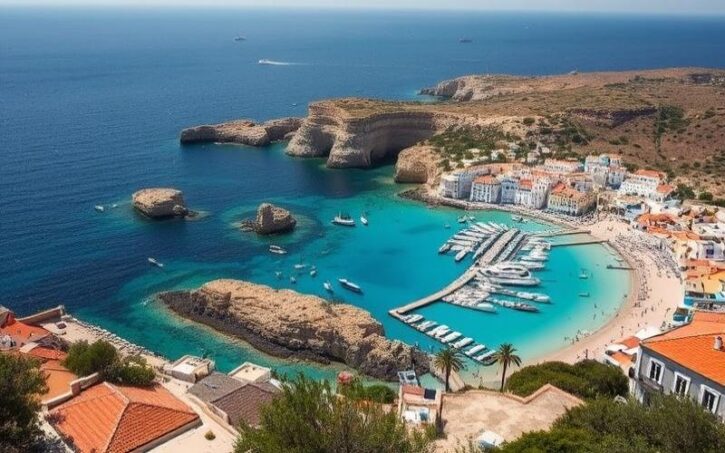
With over 300 days of sunshine per year, sandy beaches, and crystal-clear waters, Malta offers an exceptional living environment. Expatriates can enjoy a pleasant Mediterranean climate year-round, conducive to outdoor activities and a healthy lifestyle.
A Dynamic International Community
Malta hosts a significant expatriate community, which facilitates the integration of newcomers. Many expatriate groups and associations regularly organize events, allowing for quick social networking and sharing experiences with others in the same situation.
Rethinking Work-Life Balance
Expatriation to Malta can be an opportunity to rethink one’s work-life balance. The more relaxed pace of life and the importance given to leisure and family in Maltese culture can lead to a reassessment of priorities and a better quality of life.
Family Distance: An Emotional Challenge
As with any expatriation, the distance from family and friends left behind in France can be difficult to handle. Although Malta is relatively close to mainland Europe, feelings of isolation and homesickness can affect expatriates’ morale, especially during the initial stages of settling in.
Good to Know:
Expatriation to Malta offers the opportunity to live in an idyllic setting and join a dynamic international community. However, it also involves rethinking one’s lifestyle and coping with family distance. These changes can be a source of personal growth and fulfillment but require an adjustment period.
Conclusion: Malta, A Multifaceted Expatriation Destination
Relocating to Malta means choosing a sunny life in the heart of the Mediterranean, with its advantages and disadvantages. The island’s economic and tax assets, combined with an exceptional living environment, make it a particularly attractive destination for expatriates. However, the cultural and personal challenges should not be underestimated.
The key to a successful expatriation in Malta lies in preparation and open-mindedness. By being aware of the advantages and disadvantages of life on the island, expatriates can better prepare for this new adventure and make the most of their Maltese experience.
Whether you are attracted by professional opportunities, the Mediterranean climate, or simply seeking a fresh start, Malta offers fertile ground for personal and professional fulfillment. With its challenges and rewards, expatriation in Malta promises a unique and enriching life experience in the heart of the Mediterranean.
Disclaimer: The information provided on this website is for informational purposes only and does not constitute financial, legal, or professional advice. We encourage you to consult qualified experts before making any investment, real estate, or expatriation decisions. Although we strive to maintain up-to-date and accurate information, we do not guarantee the completeness, accuracy, or timeliness of the proposed content. As investment and expatriation involve risks, we disclaim any liability for potential losses or damages arising from the use of this site. Your use of this site confirms your acceptance of these terms and your understanding of the associated risks.

Cyril Jarnias is an independent expert in international wealth management with over 20 years of experience. As an expatriate himself, he is dedicated to helping individuals and business leaders build, protect, and pass on their wealth with complete peace of mind.
On his website, cyriljarnias.com, he shares his expertise on international real estate, offshore company formation, and expatriation.
Thanks to his expertise, he offers sound advice to optimize his clients' wealth management. Cyril Jarnias is also recognized for his appearances in many prestigious media outlets such as BFM Business, les Français de l’étranger, Le Figaro, Les Echos, and Mieux vivre votre argent, where he shares his knowledge and know-how in wealth management.





