
 Published on and written by Cyril Jarnias
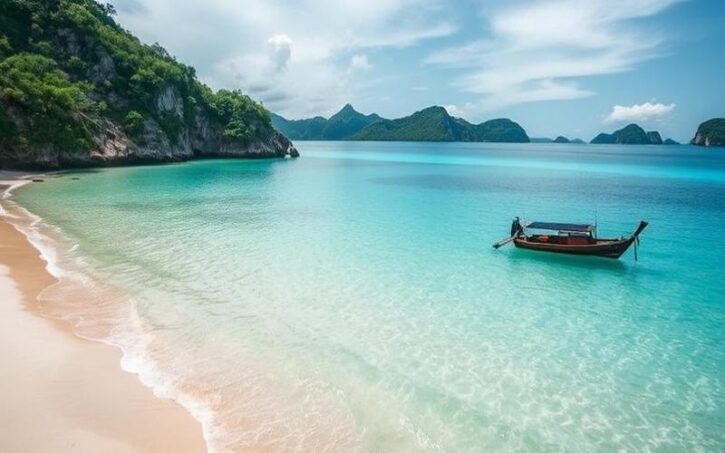
Thailand’s Breathtaking Landscapes: A Real Estate Advantage
Thailand, with its stunning landscapes and rich culture, attracts numerous real estate investors. However, capturing this unique beauty through photography can present a genuine challenge.
Transforming Scenic Views into Powerful Sales Tools
In this article, we reveal the secrets of effective photography that energize the Thai real estate market. Learn how professional techniques can enhance your properties and make them irresistible to potential buyers.
Good to Know:
Natural lighting in Thailand is particularly intense midday. Prioritize golden hours (sunrise and sunset) for warmer shots.
Key Techniques for Impactful Real Estate Photos
- Strategic use of natural lighting
- Highlighting architectural details
- Innovative shot composition
By mastering these elements, you can maximize your properties’ visual appeal and captivate potential buyers’ attention in this multifaceted country.
The Role of Real Estate Photographers in Thailand
The importance of polished visual presentation in the Thai real estate market is crucial: facing strong competition and demanding international clientele, image quality directly influences first impressions and property appeal. In a context where the market reached nearly $54 billion USD in 2024, with local and international players competing to capture the attention of often foreign buyers, professional photos become a strategic asset to accelerate sales and rentals.
Specific Skills of Real Estate Photographers in Thailand:
- Mastery of tropical lighting conditions: knowing how to manage very strong natural light intensity, often changing with seasons (monsoon/dry season), while avoiding overexposure or harsh shadows.
- Adaptation to local architectures:
- Highlighting traditional elements (pointed roofs, use of exotic wood).
- Knowing how to compose with outdoor spaces typical of many beach villas or modern residences.
- Sensitivity to local culture:
- Subtly integrating surrounding temples, tropical gardens, or panoramic views that are integral to the Thai real estate experience.
Equipment Needed to Capture High-End Images:
- Full-frame DSLR or mirrorless camera with a high-performance sensor.
- Bright wide-angle lenses to reproduce interior volumes without distortion.
- Sturdy tripod allowing long exposures in low indoor light.
- Polarizing/ND filters useful under intense tropical light to control reflections and excessive contrast.
- Portable lighting kit (off-camera flashes) essential in some rooms with limited outdoor access.
Concrete Impact of Professional Photos on Sales/Rentals:
| Observed Impact | Concrete Examples in the Thai Market |
|---|---|
| Reduction in average time to sale | Properties enhanced by professional photographers find buyers faster in tourist areas like Phuket or Pattaya. |
| Increase in negotiated price | Listings illustrated with photos showcasing sea/mountain views sometimes sell 10 to 20% above local average price. |
| Increase in viewing rates | An apartment whose photos reveal natural light attracts significantly more calls than those with dull visuals – an effect particularly marked among foreign buyers seeking “the Thai dream.” |
Key Takeaways:
A skilled real estate photographer thus plays a decisive role not only in aesthetic enhancement but also in the financial valuation of a property through their ability to leverage tropical lighting conditions and local architectural codes.
Investment in this expertise proves highly profitable through a notable acceleration in transactions and better visibility among demanding international clientele.
Good to Know:
In the Thai real estate market, polished visual presentation is crucial to stand out, as it strongly influences purchase or rental decisions. A competent real estate photographer must master tropical lighting conditions and adapt to varied local architectures, from seaside villas to urban condominiums. Professional equipment including a wide-angle lens and tripod is essential to capture sharp and attractive images. Quality photos can reduce time on the market by nearly 50%, as evidenced by successful transactions in Phuket where properties sold within two weeks following a photographic update.
How to Choose the Best Angle for the Living Room
The Importance of Layout and Natural Light in the Living Room
- The living room layout should facilitate circulation and highlight volumes. It is essential to declutter the space and avoid any element that might obstruct the view.
- Natural light plays a central role: prioritize hours when it is abundant but soft (morning or late afternoon). Positioning the sofa facing a window or at an angle often captures this light without creating backlight.
- Avoid direct backlight at all costs, which can “burn” the image or darken furniture details.
Specifics of Thai Interiors and Photographic Integration
| Traditional Element | Modern Element | Photography Tip |
| Carved wood | Minimalist furniture | Play with contrasts to reveal textures |
| Buddhist statues | Large picture windows | Subtly integrate typical objects |
| Colorful fabrics | Clean lines | Accentuate with close-up shots |
To capture the Thai essence, it is appropriate:
- To include local decorative elements (statues, embroidered cushions) in the frame without overcrowding the composition.
- To ensure each photo conveys the harmony between traditional craftsmanship (wood, silk, floral patterns) and contemporary touches.
Practical Tips to Enhance the Space
Practical List:
- Use a slightly angled perspective to visually enlarge the room.
- Place the camera at human eye level (~1.4m from the floor), neither too high nor too low.
- Multiply shots: take several photos from different angles before final selection.
Technical Tricks:
- Avoid unwanted reflections on glass or shiny surfaces by shifting laterally relative to these elements.
- Limit harsh shadows via soft complementary lighting or by using light walls as natural reflectors.
Concrete Examples / Success Stories
In several real estate projects in Phuket, villas intended for the rental market saw their occupancy rates rise thanks to photos highlighting living rooms opening onto tropical gardens. A common anecdote among some owners involves posting different lighting moods on Instagram for their community to vote: it’s almost always the shots bathed in golden light with a partial view of the outdoor terrace that win all the votes from future tenants.
In Thailand, some award-winning photographers know how to capture “the living moment” in an interior: shadow plays subtly projecting a Buddhist silhouette on the wall; soft reflection evoking local warmth; contrast between contemporary bright white furniture and dark woodwork polished by time.
Technical Considerations to Optimize Your Camera
Technical List:
- Prefer a wide-angle lens (24mm–35mm full-frame equivalent) to capture the entire depth of the living room without excessive distortion.
- If possible, use a bright prime lens (f/2.8 or wider) to best manage low indoor light while limiting digital noise in shots without flash.
- Manually set white balance according to the dominant temperature: prefer “Daylight” mode if lots of sunlight enters; otherwise custom adjustment based on warm/cool tones of local wood.
- Always use a tripod: perfect stability = maximum sharpness even with long exposure under low natural light.
- Activate HDR option if available to balance very bright areas near windows/glazing with darker areas on the opposite side.
The judicious choice of your photographic angle will be decisive not only to reveal all the intrinsic qualities of the Thai living room but also to convey its unique atmosphere – a subtle blend of ancestral local art and open modernity.
Good to Know:
Choosing the best angle to photograph a living room in Thailand requires particular attention to room layout and natural light, as these enrich the space and make it more welcoming. Thai living rooms often combine traditional design elements, such as carved wood furniture, with modern touches; finding an angle that highlights these details will bring out their unique charm. To capture the beauty of these interiors, it is crucial to use a perspective that accentuates depth and to avoid unwanted reflections and shadows by adjusting camera placement and using complementary lighting if necessary. Using a wide-angle lens can help show the grandeur of the space, while settings like low ISO and wide aperture will enhance photo clarity and brightness. A notable anecdote is that of a real estate agent in Bangkok, whose photos taken at sunset beautifully rendered the charm of a Thai living room, with warm lights passing through windows embedded with local patterns, thus transforming its presentation and increasing viewings.
The Use of Drones in Virtual Tours
Drones play a central role in creating real estate virtual tours in Thailand, enabling unprecedented property enhancement through aerial and panoramic shots. This technology revolutionizes the visual presentation of properties, offering potential buyers total immersion and a realistic glimpse of the exceptional setting surrounding each property.
Specific Advantages Offered by Drones:
- Spectacular Aerial Captures: Drones perform flyovers that reveal the natural environment (beaches, tropical gardens, private access) as well as the property’s architecture.
- 360° Panoramic Views: Ability to explore outdoor and indoor spaces from all angles, highlighting the surrounding panorama.
- Heritage Enhancement: Optimized presentation to attract both local and international clientele through easy sharing on digital platforms.
- Interactive Immersive Experience: Virtual tours allow free navigation around and inside the property, thus accelerating the decision-making process.
| Essential Technical Elements | Detail |
|---|---|
| Camera Stability | Use of stabilized gimbals to ensure smooth, shake-free images. |
| Natural Lighting Management | Prioritize filming during soft light (morning/late afternoon) to avoid overexposure or marked shadows. |
| Shot Angle Selection | Multiply perspectives: overhead views to visualize the entire land, close-ups to highlight architectural details. |
| Video/Photo Resolution | Minimum 4K cameras recommended to ensure sharpness and professional rendering of sequences intended for web or VR. |
Key Points During Technical Use:
- Meticulously prepare each flight according to sun and weather
- Continuously check mechanical stability
- Optimize video editing with specialized software
Legal and Regulatory Considerations in Thailand:
Before Any Commercial Operation with Real Estate Drones:
- Mandatory registration with Thai authorities (CAAT – Civil Aviation Authority of Thailand).
- Prior obtaining of a specific permit for commercial use.
- Strict respect of no-fly zones (near airports, military installations, or religious sites).
Simplified List:
- Official application to CAAT
- Required civil liability insurance
- Respect maximum permitted altitude
Drone virtual tours allow a unique immersion into the Thai paradise environment while respecting a precise legal framework essential to any modern professional real estate activity.
Good to Know:
In Thailand, drone use is revolutionizing real estate virtual tours by offering impressive aerial and panoramic views that enhance the natural surroundings of properties. These shots capture otherwise inaccessible details, thus improving the quality and visual appeal of presentations. To guarantee superior quality footage, it is essential to ensure camera stability, effectively manage natural lighting, and carefully select shooting angles. However, the operator must be aware of local regulations concerning drone use, including obtaining appropriate licenses and respecting no-fly zones, to comply with current Thai laws.
Disclaimer: The information provided on this website is for informational purposes only and does not constitute financial, legal, or professional advice. We encourage you to consult qualified experts before making any investment, real estate, or expatriation decisions. Although we strive to maintain up-to-date and accurate information, we do not guarantee the completeness, accuracy, or timeliness of the proposed content. As investment and expatriation involve risks, we disclaim any liability for potential losses or damages arising from the use of this site. Your use of this site confirms your acceptance of these terms and your understanding of the associated risks.

Cyril Jarnias is an independent expert in international wealth management with over 20 years of experience. As an expatriate himself, he is dedicated to helping individuals and business leaders build, protect, and pass on their wealth with complete peace of mind.
On his website, cyriljarnias.com, he shares his expertise on international real estate, offshore company formation, and expatriation.
Thanks to his expertise, he offers sound advice to optimize his clients' wealth management. Cyril Jarnias is also recognized for his appearances in many prestigious media outlets such as BFM Business, les Français de l’étranger, Le Figaro, Les Echos, and Mieux vivre votre argent, where he shares his knowledge and know-how in wealth management.





